
Ghumoopedia — Explore, Discover, Experience
Sign in
Sultanpur Lodhi, near Sultanpur Lodhi

City guide · Punjab

Sultanpur Lodhi

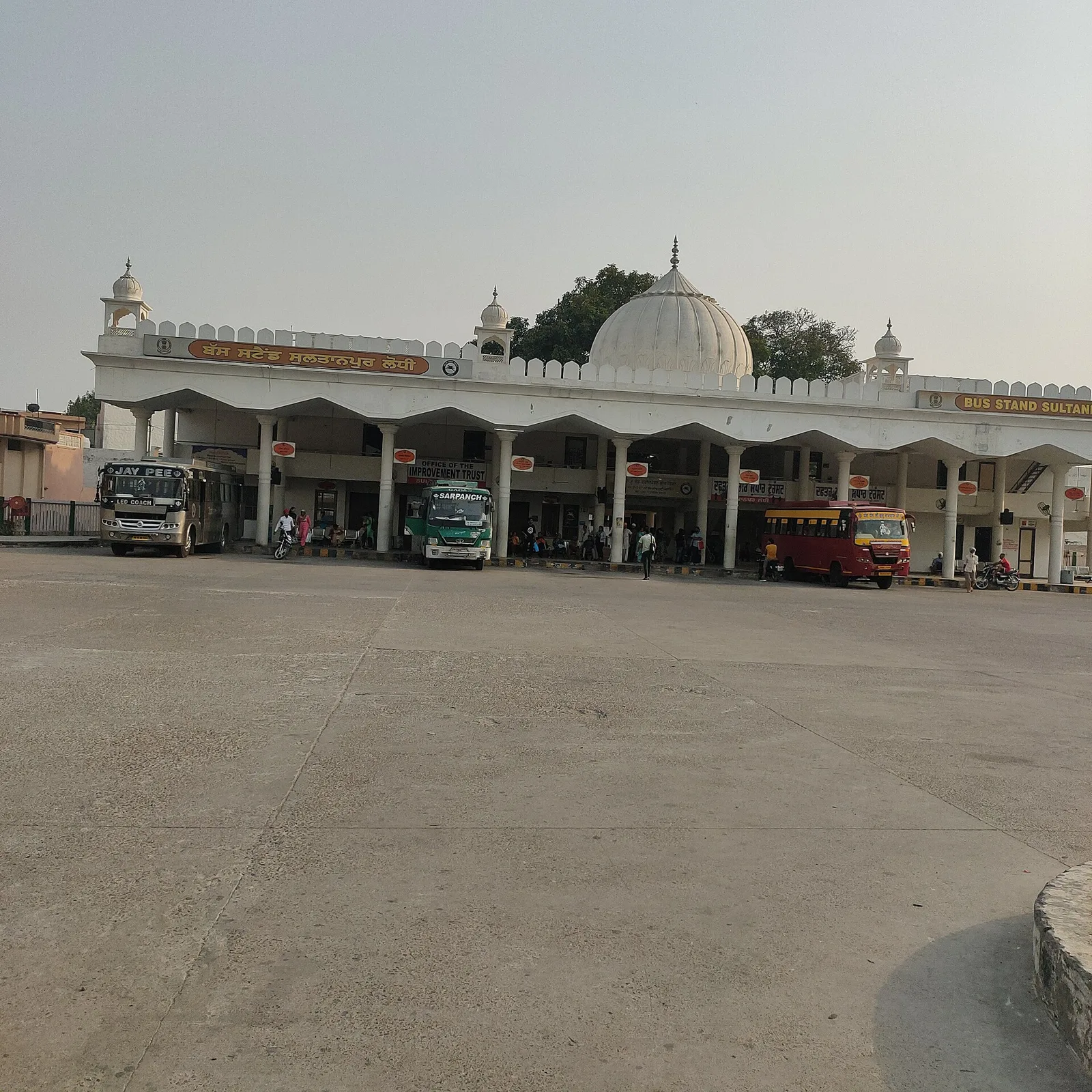
Sultanpur Lodhi is a town in Punjab’s Kapurthala district, with historical links to Bahlul Khan Lodi and a mention in the Ain-e-Akbari that give visitors reasons to explore its past.

Famous for

  • Gurdwara Ber Sahib
  • Guru Nanak's early life
  • The Kali Bein
  • Historic Sikh pilgrimage
  • Gurdwara Hatt Sahib
In the city
1
District
Kapurthala

Why Sultanpur Lodhi matters

Sultanpur Lodhi is a small historic city in Kapurthala district, best known for its close association with Guru Nanak, the founder of Sikhism. Sikh tradition holds that he spent more than a decade here, worked at a storehouse and experienced a spiritual revelation by the Kali Bein. The town’s gurdwaras and the stream draw pilgrims and visitors seeking to explore this chapter of Sikh history. Gurdwara Ber Sahib is a principal place of worship, while other shrines around the old town recall events and stories connected with Guru Nanak’s life.

The city also has a longer history as a settlement on an old route between Delhi and Lahore. Its setting beside the seasonal Kali Bein gives it a distinctive landscape, quite different from the larger cities of Punjab. Today Sultanpur Lodhi serves as a local administrative and market centre, with road and rail links to the surrounding region. Visitors generally come for its religious heritage and historic sites rather than shopping or nightlife; the compact town is best explored at a measured pace, with time for the shrine precincts and riverside.

Famous for: crafts, trade & products

Sultanpur Lodhi is not especially known for a signature textile, saree, handicraft, GI-tagged product or large manufacturing industry. Its identity is more closely tied to Sikh heritage and pilgrimage. The town’s markets mainly serve residents and visitors from nearby villages, offering everyday goods and services rather than a specialised craft district or major wholesale centre.

Around the gurdwaras and central bazaar, visitors can look for practical pilgrimage items and devotional goods, along with snacks and household provisions. Availability varies, so the town is not a dependable destination for a particular artisan product. Its historic trade importance is better understood through its past position on the Delhi–Lahore route than through a distinctive market that survives today. For a local market experience, browse the central shopping streets near the old town and shrine areas, keeping in mind that these are working neighbourhood shops, not a curated handicraft market. The principal institutions visitors encounter are the gurdwaras themselves, which preserve the city’s religious character and draw people throughout the year.

History

The settlement has a long past: early accounts associate it with the name Sarwmanpur and with Hindu and Buddhist activity. In the medieval period it became known as Sultanpur. Bahlul Khan Lodi, then governor of Punjab and later ruler of Delhi, added “Lodi” to its name in 1443. The city developed as a trading and educational centre on the route between Delhi and Lahore, and it appears in the Ain-e-Akbari. Its most enduring historical association is with Guru Nanak, who lived and worked here before beginning his travels.

Sultanpur Lodhi suffered repeated destruction, including during Nader Shah’s invasion in 1739 and later incursions by Ahmad Shah Abdali. Sikh leader Jassa Singh Ahluwalia helped restore the town and safeguard historic places. In the colonial era, changing transport routes reduced its former commercial importance. After independence it developed as a tehsil and sub-divisional centre within Kapurthala district, with municipal services, local institutions and road and rail connections.

Food, festivals & culture

Sultanpur Lodhi’s public life is strongly shaped by Sikh worship and the steady rhythm of visitors to its gurdwaras. Guru Nanak Gurpurab, usually observed in autumn, is a major occasion, with prayers, kirtan, processions and community service. Baisakhi in spring is also widely marked in Punjab, while other Sikh observances bring worshippers to the town through the year. Langar, the shared community meal, is an important part of the experience at gurdwaras.

Punjabi is the principal language of everyday life; Hindi is also understood. Devotional singing and kirtan are central in the shrine precincts, while Punjabi folk music and dances such as bhangra and giddha are part of the wider regional culture, especially at seasonal celebrations. Food is typically Punjabi: visitors will find familiar dishes such as roti, dal, vegetables and seasonal fare, as well as sweets and kada prasad in religious settings. There is no single dish for which the town is particularly famous. Gurdwara Ber Sahib and the other historic shrines are the key places to experience its living culture.

Visiting the city

October to March is generally the most comfortable season to visit, with cooler weather for walking between shrines; summers can be very hot, and monsoon periods may bring rain. Guru Nanak Gurpurab is a particularly meaningful time to come, though the town can be busier around major observances.

Sultanpur Lodhi has its own railway station, Sultanpur Lodhi railway station. The nearest airport is Adampur Airport near Jalandhar; for a wider choice of flights, travellers can also consider Sri Guru Ram Dass Jee International Airport in Amritsar. Local travel is by taxi, auto-rickshaw and other road transport. The old-town shrine precinct, including Gurdwara Ber Sahib and nearby historic gurdwaras, is the main area to explore. The central bazaar and the Kali Bein surroundings offer a sense of everyday town life; check local conditions before walking along the stream.

Attractions

Places to visit in Sultanpur Lodhi

Sights within about 12 km of each other, even when they fall in different districts.

Map

Sultanpur Lodhi on the map

  1. 1Sultanpur Lodhi

Punjab

Other cities to explore