Ghumoopedia — Explore, Discover, Experience
Sign in
Bathinda, near Barnala

City guide · Punjab

Barnala

Barnala is a district headquarters in Punjab’s Malwa region, set among fertile plains where farming and trade shape everyday life. Grain markets and businesses serving the surrounding villages give the city an important regional role, while its roads and railway link it with other towns across Punjab.

Famous for

  • Ala Singh’s historic capital
  • Malwa agricultural trade
  • Cotton and textile manufacturing
  • Punjabi folk culture
  • Handiaya’s Rameshwaram stone

Why Barnala matters

Barnala is a district headquarters in Punjab’s Malwa region, set among fertile plains where farming and trade shape everyday life. Grain markets and businesses serving the surrounding villages give the city an important regional role, while its roads and railway link it with other towns across Punjab. Barnala district was formed from Sangrur district in 2006.

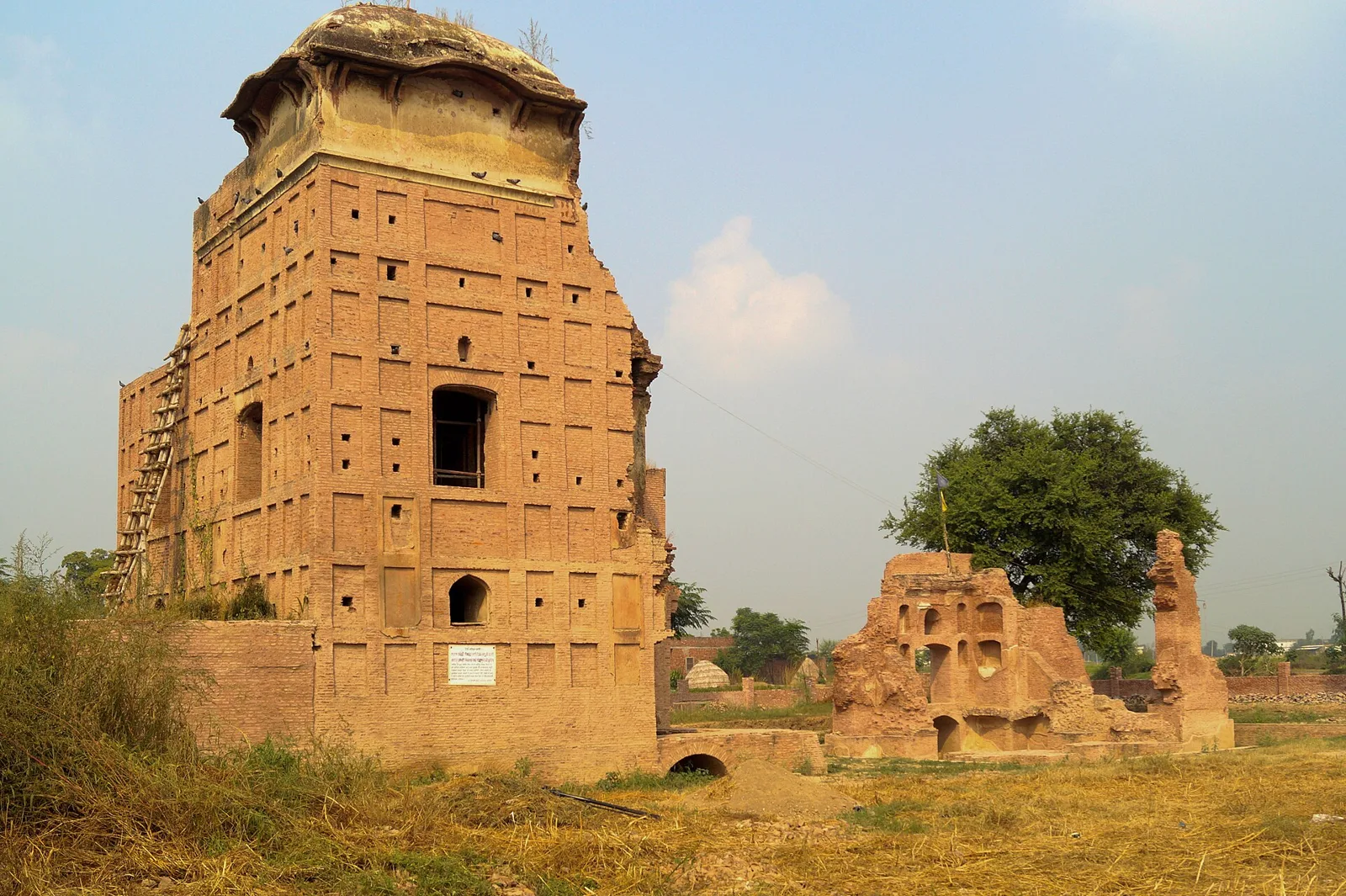
The city’s history is closely associated with Baba Ala Singh, the 18th-century Sikh leader who made Barnala his capital. That past, together with its lively Punjabi bazaars and religious sites, gives visitors a sense of a working regional town rather than a purpose-built tourist centre. The nearby village of Handiaya is associated with Nath Wala Dera and a stone locally known as the Rameshwaram Stone; local tradition says it floats in water. Barnala is also recognised for agriculture and textile manufacturing in its surrounding industrial area. Visitors can combine a look around the central market with local food, places of worship and excursions into the rural Malwa landscape.
Famous for: crafts, trade & products

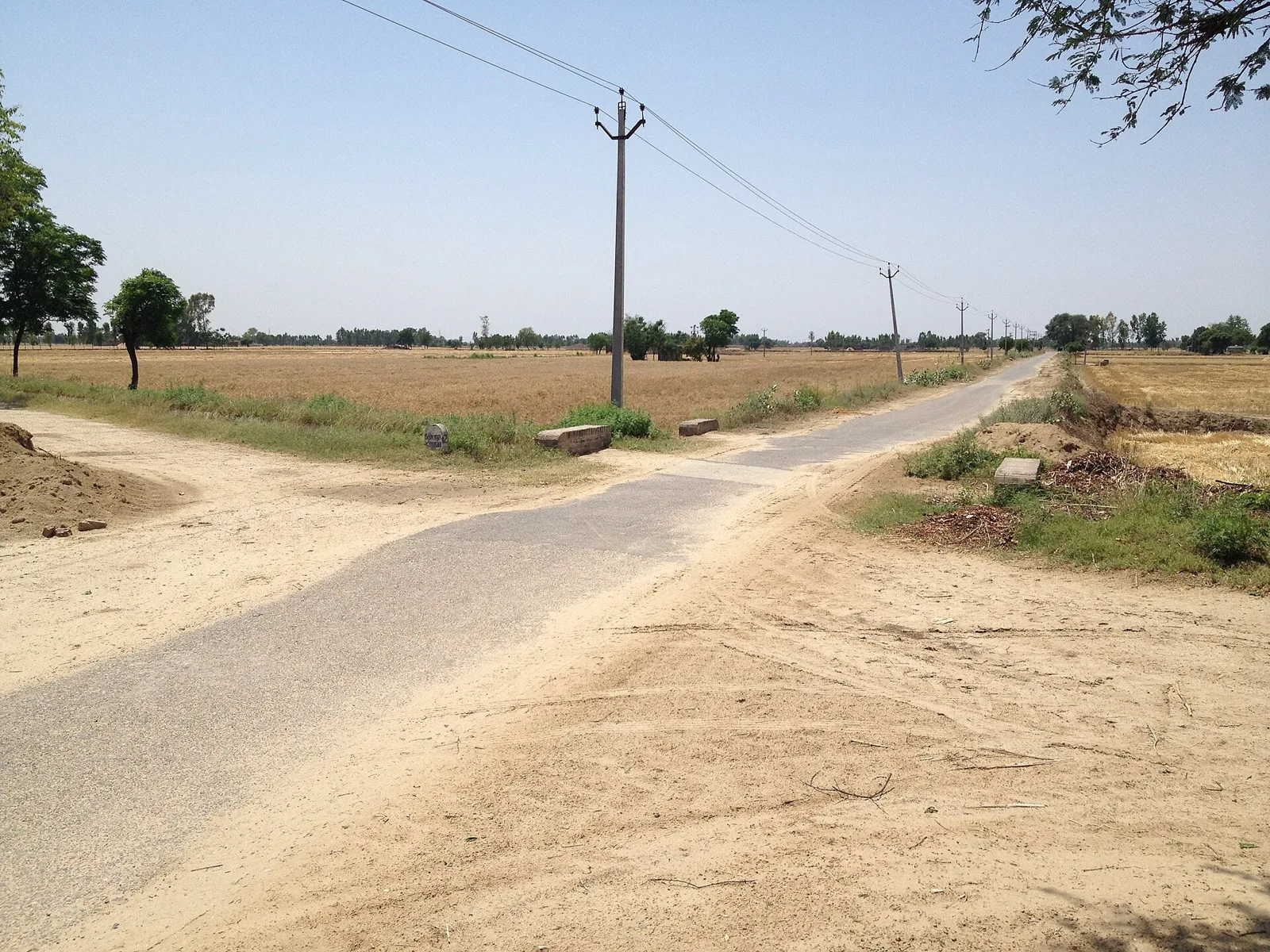
Barnala’s economy is grounded in agriculture, with grain trading and businesses serving farmers and nearby villages central to its role as a regional hub. Cotton is an important part of the wider Malwa economy, and textile manufacturing in and around Barnala adds an industrial dimension. The area is associated with large-scale production of yarn and home textiles, rather than with a widely recognised handloom tradition or a particular GI-tagged craft. Visitors looking for everyday goods, clothing and local provisions can browse the central bazaar and market streets; these are also the best places to experience the town’s commercial life.

The city is not especially known for a signature handicraft or a single speciality textile to seek out. Instead, its products reflect the needs of a farming and trading centre, from agricultural supplies to household and clothing goods. Industrial products are generally made for wider markets, so they may not be sold directly from factory sites. For a regional visit, ask in local shops about goods made nearby and explore the market for Punjabi clothing, sweets and seasonal produce. Barnala’s commercial identity is best understood through its bazaars, grain trade and textile industry rather than a dedicated craft district.

History

Barnala’s name has several proposed explanations. One tradition connects it to Baba Ala Singh, the Sikh leader who established the settlement as his capital in 1775. Other accounts link the name to storms in the region or to a stepped well associated with a fort; the origin is not settled. Ala Singh extended his authority over surrounding villages, and Barnala developed within the political world of the Patiala state.

The town experienced upheaval during the 18th-century conflicts in Punjab. In 1762, Ahmad Shah Durrani’s forces marched on and sacked Barnala, compelling Ala Singh to submit. Under the princely-state system, Barnala served as an administrative centre, but its status changed after the Patiala and East Punjab States Union (PEPSU) was formed and later integrated into Punjab. In modern times, the city has grown as a district and trading centre for the surrounding agricultural region. Barnala district was created from Sangrur district in 2006, renewing the city’s role as a local administrative hub.

Food, festivals & culture

Barnala shares the food traditions of Punjab’s Malwa region. Everyday meals commonly include roti, dal, seasonal vegetables and dairy; visitors may find Punjabi favourites such as sarson da saag with makki di roti in season, as well as parathas, chole, lassi and familiar sweets such as jalebi. Menus and availability vary between eateries, and local markets are a good place to sample snacks and sweets.

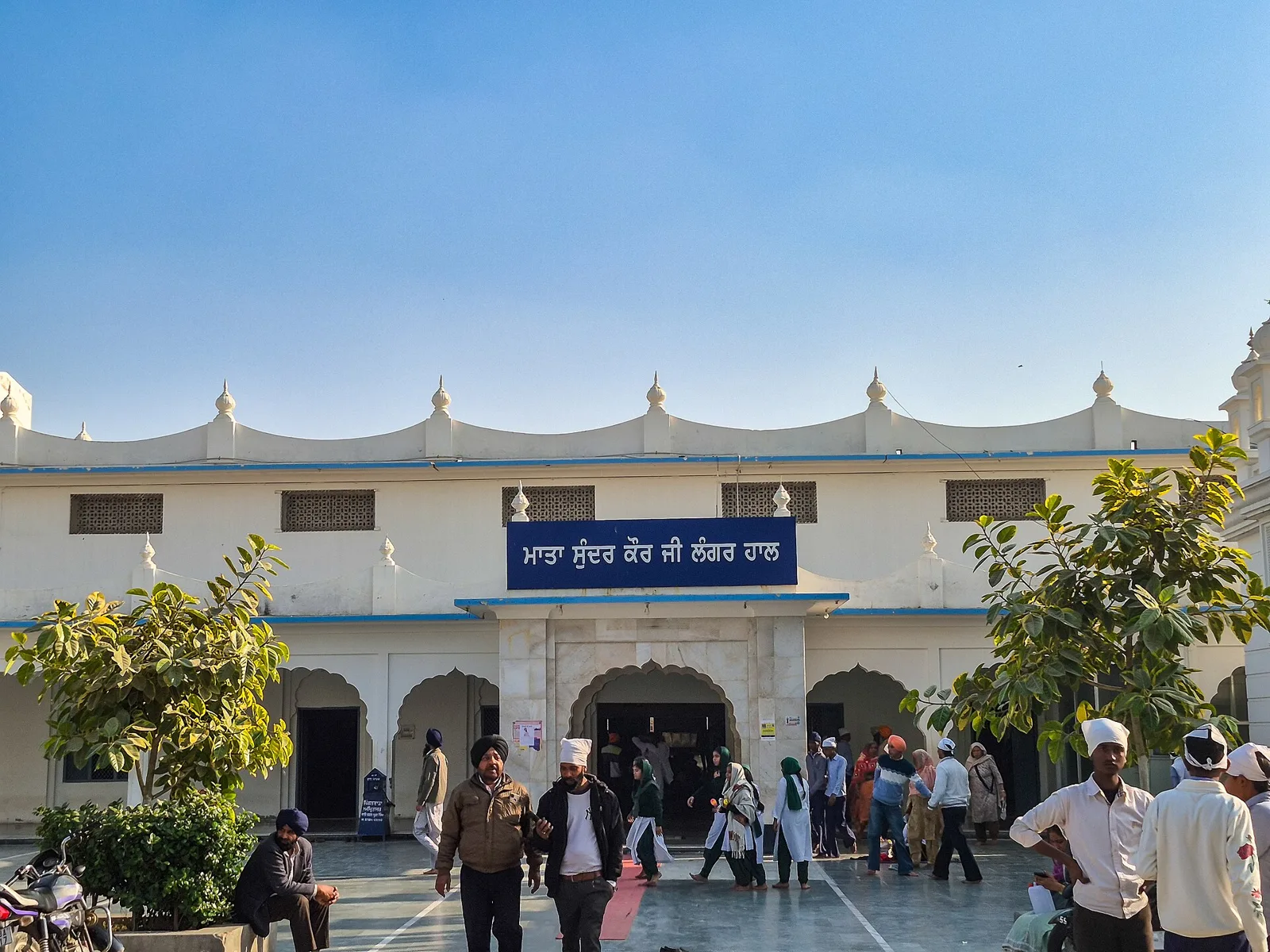
Punjabi is the main language of daily life, often spoken in the Malwai dialect, while Hindi is also understood. Baisakhi in spring celebrates the harvest and has strong Sikh associations; Lohri, in midwinter, is marked with bonfires, singing and seasonal foods. Gurpurabs and other Sikh observances are important parts of the religious calendar, alongside Hindu festivals celebrated by local communities. Folk music, the dhol and dances such as bhangra and giddha are part of the wider regional culture, especially at celebrations. Gurdwaras and Hindu temples serve as community gathering places. Nearby Handiaya’s Nath Wala Dera is another local religious destination.

Visiting the city

The cooler months, roughly October to March, are generally the most comfortable for exploring Barnala; summers can be very hot, while monsoon weather brings rain. Barnala Railway Station is the main station for rail arrivals. Bathinda Airport (Bhisiana) is the nearer airport, though flight options may be limited; Chandigarh International Airport is a useful alternative with a broader range of connections. Check current transport links before setting out.

Auto-rickshaws, local buses and taxis can help with trips around town and to nearby villages. The central bazaar is a good area to explore on foot for shops, food and a feel for daily life. Visitors can also look around local gurdwaras and temples, then make a short excursion towards Handiaya and Nath Wala Dera. Allow time for the surrounding countryside if travelling by road, as Barnala is also a convenient base for seeing the agricultural landscape of Malwa.

Trips from the city

Nearest places to visit from Barnala

Our closest destination guides, by straight-line distance.

Bathinda

60 km away · Bathinda district

Bathinda

Bathinda is a city in Punjab’s Malwa region and the administrative centre of its district. Visitors can explore the historic Qila Mubarak fort, and the city also has a zoo and major educational institutions.

Qila Mubarak

62 km away · Bathinda district

Qila Mubarak

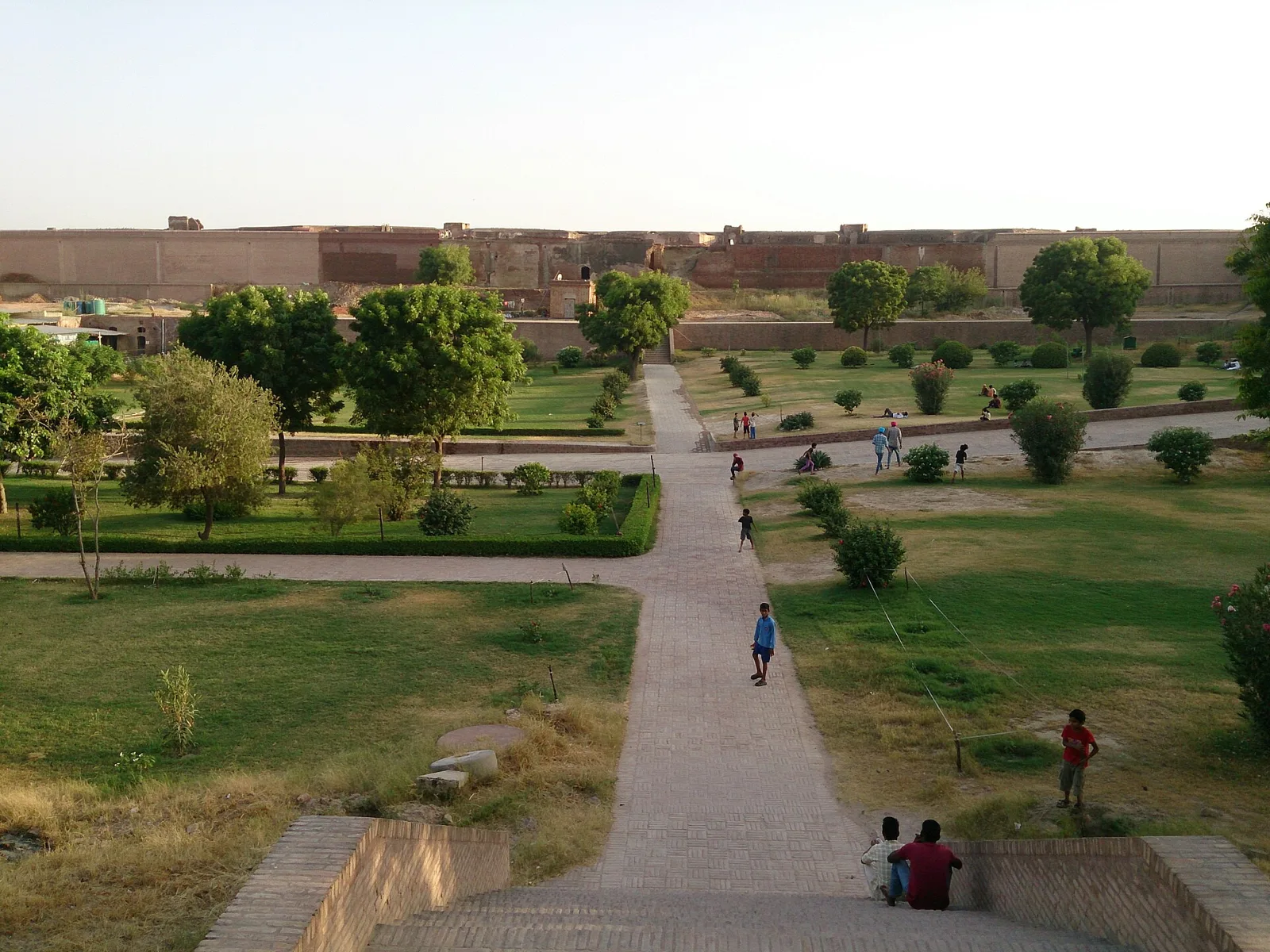
Qila Mubarak is a historic fortress in Bathinda, known for its long past and its association with Razia Sultan. Visitors can see its lawns and gurdwaras, while much of the fort is closed to the public.

Takht Sri Damdama Sahib

62 km away · Bathinda district

Takht Sri Damdama Sahib

Takht Sri Damdama Sahib is a Sikh centre of temporal authority in Talwandi Sabo, visited for its connection with Guru Gobind Singh’s preparation of Sri Guru Granth Sahib.

Ludhiana

66 km away · Ludhiana district

Ludhiana

Ludhiana is Punjab’s most populous city and a major manufacturing and trading centre in northern India; visitors come for its industrial and commercial activity.

Phillaur Fort

75 km away · Ludhiana district

Phillaur Fort

Known also as Maharaja Ranjit Singh Fort, Phillaur Fort is a fort in Punjab that visitors can see on the Grand Trunk Road at Phillaur.

Patiala

82 km away · Patiala district

Patiala

Patiala is a city in southeastern Punjab and the administrative centre of its district. People visit for its royal history, Qila Mubarak and distinctive clothing, footwear and cultural traditions.

Aam Khas Bagh

86 km away · Fatehgarh Sahib district

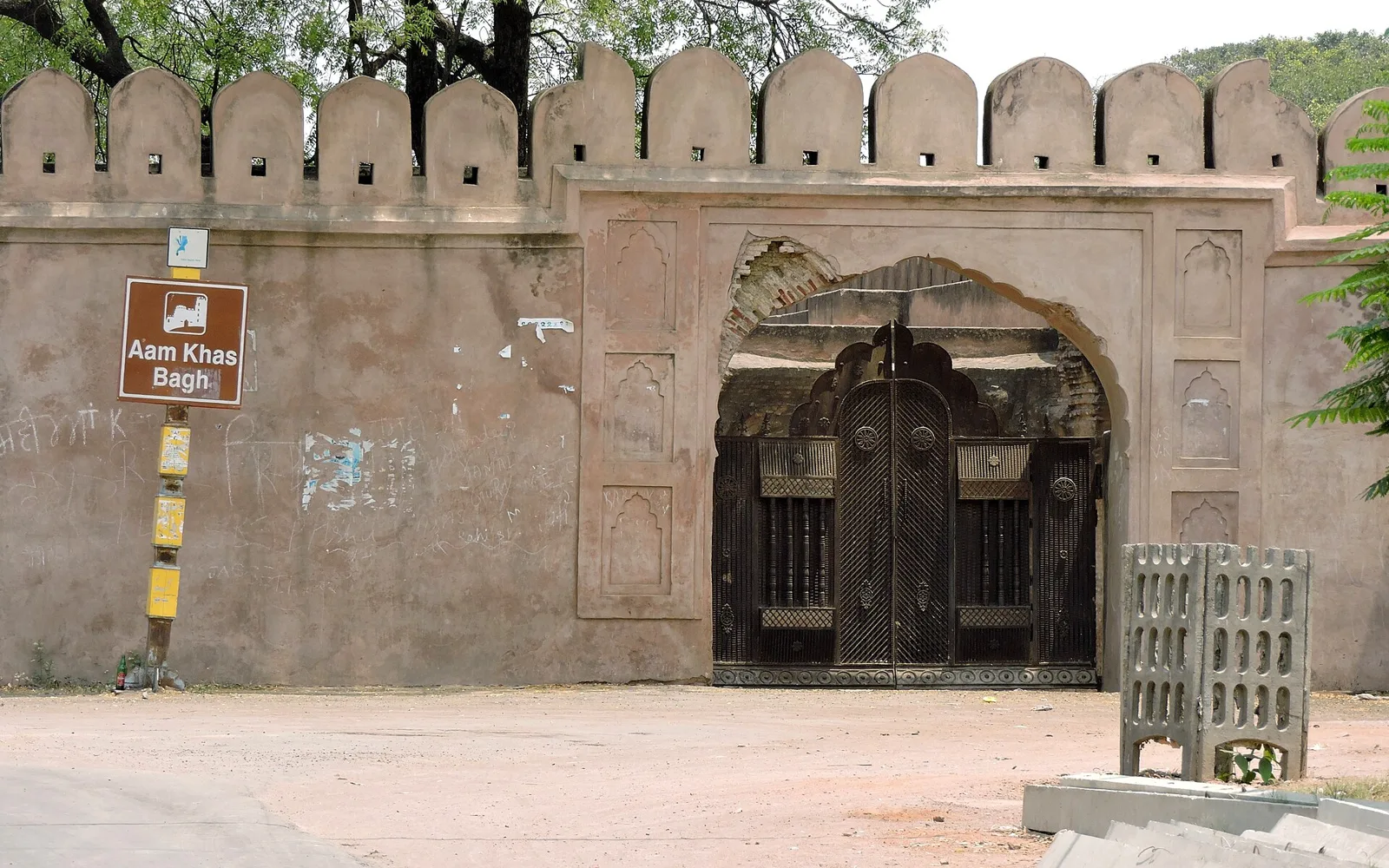
Aam Khas Bagh

Aam Khas Bagh is a surviving Mughal-era roadside inn complex in Punjab’s Fatehgarh Sahib district, visited for its history as accommodation on the Delhi–Lahore route.

Fatehgarh Sahib

86 km away · Fatehgarh Sahib district

Fatehgarh Sahib

Fatehgarh Sahib is a city in Punjab and a Sikh pilgrimage centre, visited for its historic gurdwaras and its connection with the martyrdom of Guru Gobind Singh’s young sons.

Map

Barnala on the map

  1. 1Bathinda
  2. 2Qila Mubarak
  3. 3Takht Sri Damdama Sahib
  4. 4Ludhiana
  5. 5Phillaur Fort
  6. 6Patiala
  7. 7Aam Khas Bagh
  8. 8Fatehgarh Sahib

Punjab

Other cities to explore