Ghumoopedia — Explore, Discover, Experience
Sign in
Sri Muktsar Sahib, near Abohar

City guide · Punjab

Abohar

Abohar is an agricultural and trading centre in Punjab’s Fazilka district, close to the Rajasthan border and within reach of the India–Pakistan frontier. Its position links farming communities and markets across the southwestern corner of the state.

Famous for

  • Punjab’s kinnow orchards
  • Abohar Wildlife Sanctuary
  • Free-ranging blackbucks
  • Historic cotton trade
  • Borderland market town

Why Abohar matters

Abohar is an agricultural and trading centre in Punjab’s Fazilka district, close to the Rajasthan border and within reach of the India–Pakistan frontier. Its position links farming communities and markets across the southwestern corner of the state. The town is especially associated with kinnow, the fragrant citrus fruit grown in orchards around Abohar and sold through the region’s produce trade.

Visitors come for a view of Punjab’s fruit-growing belt and for the unusual Abohar Wildlife Sanctuary, where blackbucks roam across a patchwork of village land and farms rather than a fenced reserve. The sanctuary’s landscape also supports other wildlife and hardy trees adapted to the dry plains. Abohar has a quieter, everyday character than Punjab’s major heritage destinations: its appeal lies in agricultural life, local markets and the open countryside. Its history as a revenue centre and later as a cotton-trading hub adds depth to a visit, while its location makes it a useful stop between Fazilka and destinations in Rajasthan.
Famous for: crafts, trade & products

Abohar’s signature produce is kinnow, a juicy citrus fruit whose winter harvest is central to the surrounding agricultural economy. Orchards and fruit-trading activity are most visible around the city and in nearby villages; local markets and produce mandis are the places to ask about seasonal fruit and its availability. The area also grows other crops, while cotton was an important part of Abohar’s commercial history. Kinnow is the defining local speciality, but visitors should not assume that every fruit product sold here carries a geographical indication tag.

The city is not especially known for a distinctive handloom, saree tradition or craft industry. Its identity is more closely tied to farming, produce handling and regional trade than to specialist artisan shopping. In the colonial period, Abohar was noted for cotton commerce and horse breeding, with trade links extending to Karachi and other market towns. Today, the main bazaar and agricultural trading areas offer a practical look at local commerce; for orchard scenery, explore the rural belt with local guidance and respect for private farmland. The Abohar Wildlife Sanctuary is another regional point of interest, centred on blackbuck conservation across village landscapes.

History

Abohar has a documented place in Mughal-era administration. The Ain-i-Akbari records it as a pargana within the Sarkar of Sirhind, in the Subah of Delhi—a designation that indicates an established revenue jurisdiction. The town also has associations with the Tughluq period: Firoz Shah Tughluq’s mother, Bibi Naila, was from Abohar, and the court historian Shams-i Siraj Afif lived there.

Under British rule, Abohar developed as a centre for horse breeding and cotton trade, with commercial connections to Karachi and other mandis. Its location amid productive plains helped sustain its role as a market town. In modern Punjab, growth has remained closely linked to agriculture, particularly the cultivation and trade of kinnow. Abohar is now part of Fazilka district and serves surrounding villages as a centre for commerce and services. The nearby wildlife sanctuary reflects another aspect of the region’s recent identity: conserving blackbucks in a landscape shared with farms and settlements.

Food, festivals & culture

Abohar’s food reflects the broader Punjabi kitchen: wheat breads, lentils, seasonal vegetables and hearty dairy-based dishes are common. Sarson da saag with makki di roti is a familiar winter meal, while sweets such as pinni and jalebi are found in local sweet shops. Kinnow is the area’s standout seasonal taste, especially during the cooler months, and may be enjoyed fresh or as juice. These are regional favourites rather than dishes unique to Abohar.

Punjabi is the principal local language; Hindi is also widely understood, and English may be used in some formal settings. Baisakhi, usually celebrated in spring, is associated with the harvest, while Lohri is observed in winter. Diwali and Sikh Gurpurabs are also marked, with dates varying by calendar. Punjabi folk music and dances such as bhangra and giddha are part of the wider cultural tradition, particularly around community celebrations. Gurdwaras and Hindu temples serve local residents and visitors; approach places of worship respectfully and follow customary practices.

Visiting the city

The cooler months, roughly October to March, are generally the most comfortable for exploring; winter also coincides with kinnow season. Bathinda Airport (Bhisiana) is the nearest airport by location, though travellers should check current flight availability. Chandigarh and Sri Guru Ram Dass Jee International Airport in Amritsar are larger alternatives, but involve a longer onward journey. Abohar railway station is the main rail stop for the city.

Auto-rickshaws, local buses and hired cars are useful for getting around, while a vehicle arranged locally is convenient for visiting villages and the sanctuary landscape. Explore the old bazaar and produce-trading areas for a feel of town life, then venture into the surrounding orchard belt with permission from landowners. The sanctuary extends across villages, so plan rural visits with local advice and avoid disturbing wildlife or farmland.

Trips from the city

Nearest places to visit from Abohar

Our closest destination guides, by straight-line distance.

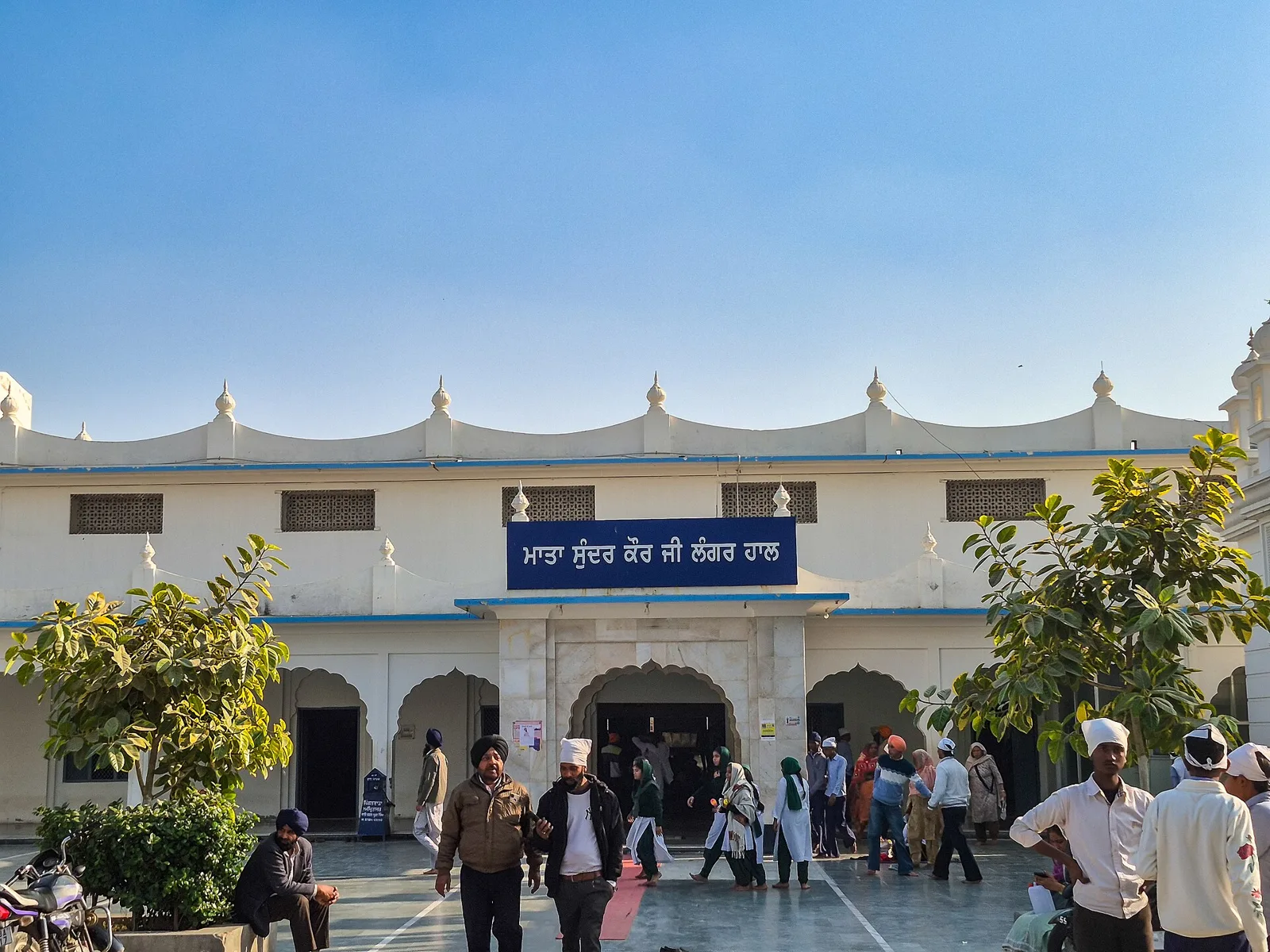
Sri Muktsar Sahib

48 km away · Sri Muktsar Sahib district

Sri Muktsar Sahib

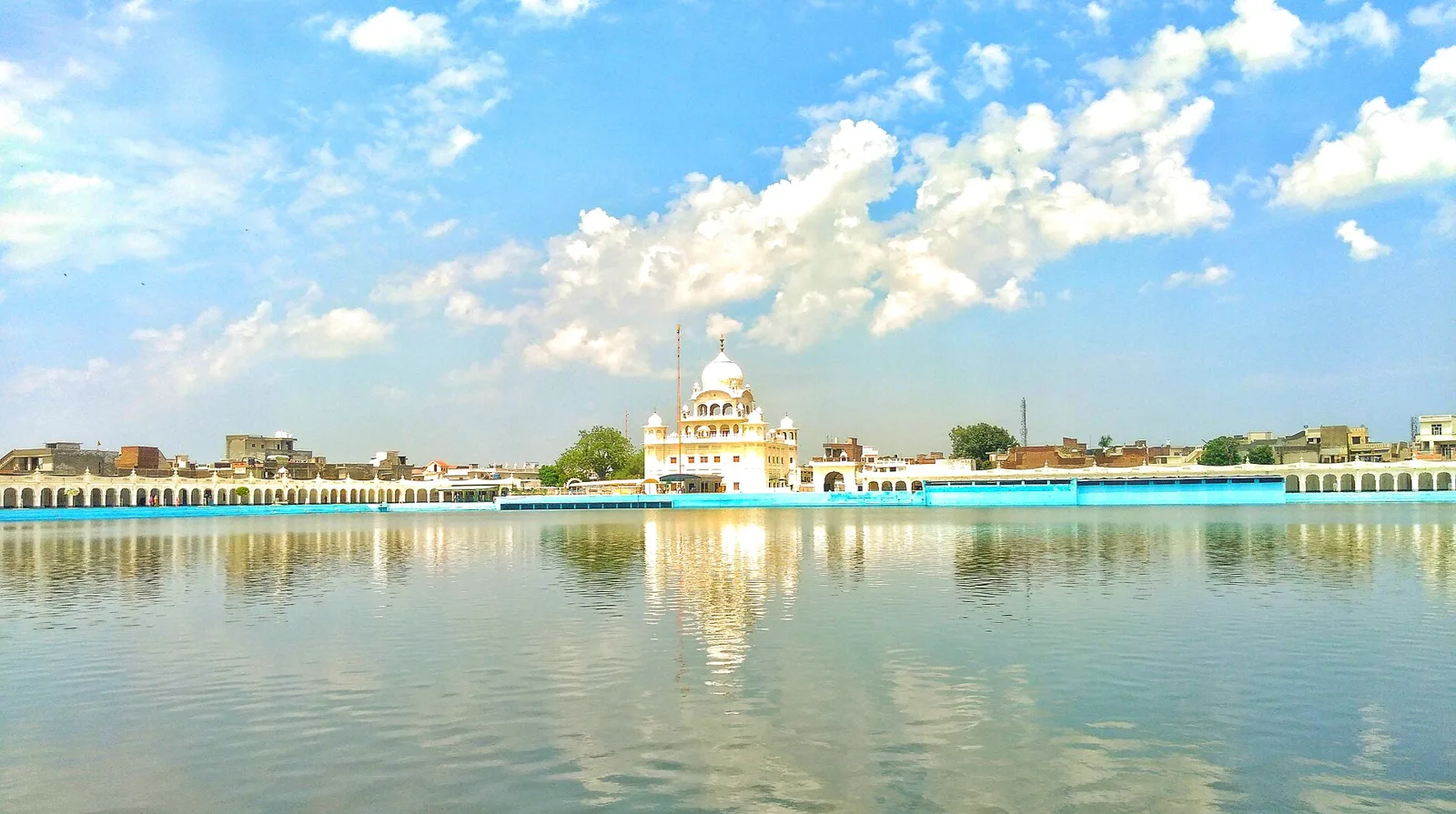
Sri Muktsar Sahib, a city in Punjab, draws interest for its Sikh history and connection to the 1705 Battle of Muktsar; it also serves as a district centre.

Qila Mubarak

72 km away · Bathinda district

Qila Mubarak

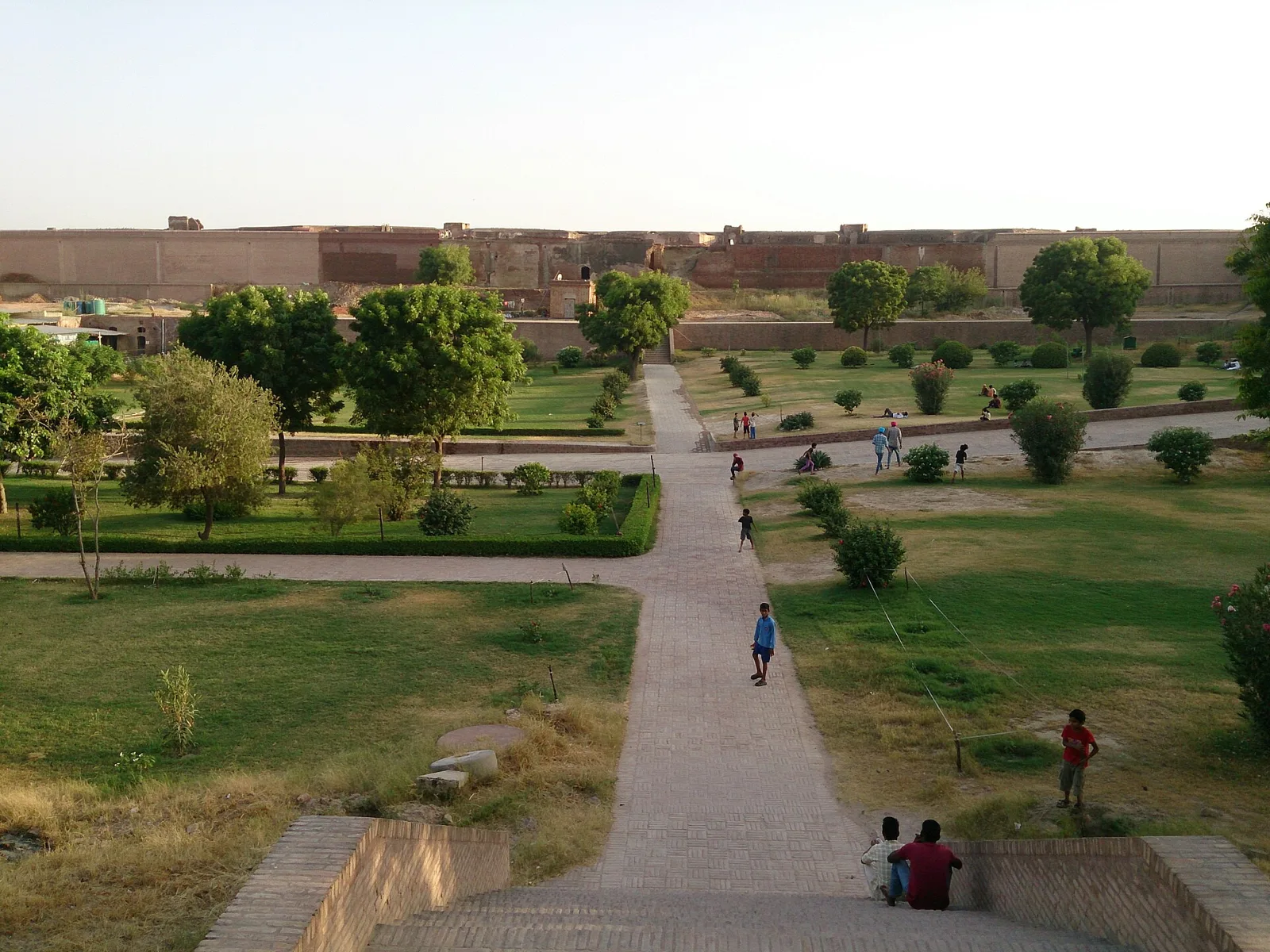
Qila Mubarak is a historic fortress in Bathinda, known for its long past and its association with Razia Sultan. Visitors can see its lawns and gurdwaras, while much of the fort is closed to the public.

Bathinda

73 km away · Bathinda district

Bathinda

Bathinda is a city in Punjab’s Malwa region and the administrative centre of its district. Visitors can explore the historic Qila Mubarak fort, and the city also has a zoo and major educational institutions.

Takht Sri Damdama Sahib

87 km away · Bathinda district

Takht Sri Damdama Sahib

Takht Sri Damdama Sahib is a Sikh centre of temporal authority in Talwandi Sabo, visited for its connection with Guru Gobind Singh’s preparation of Sri Guru Granth Sahib.

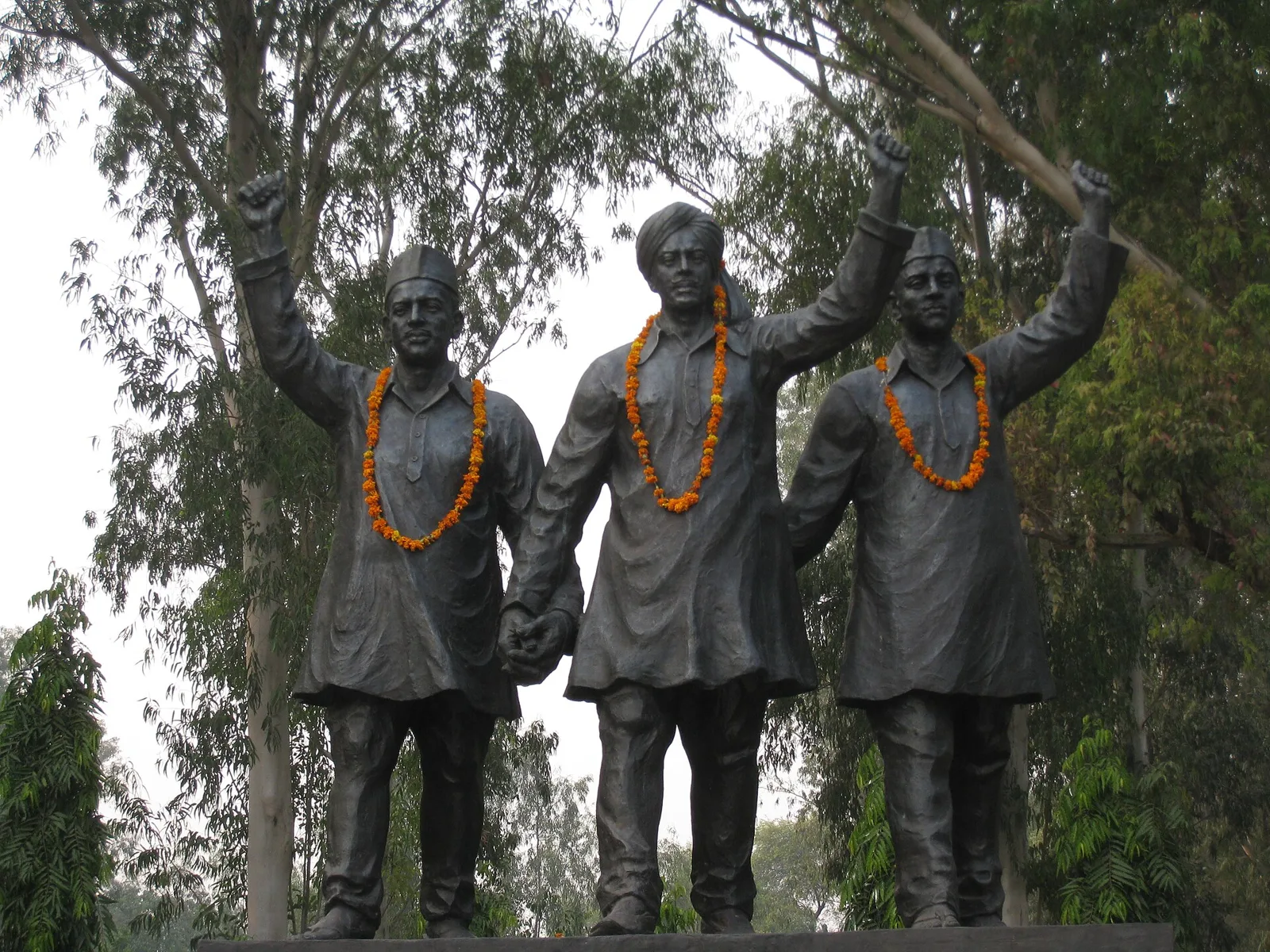
Hussainiwala

101 km away · Firozpur district

Hussainiwala

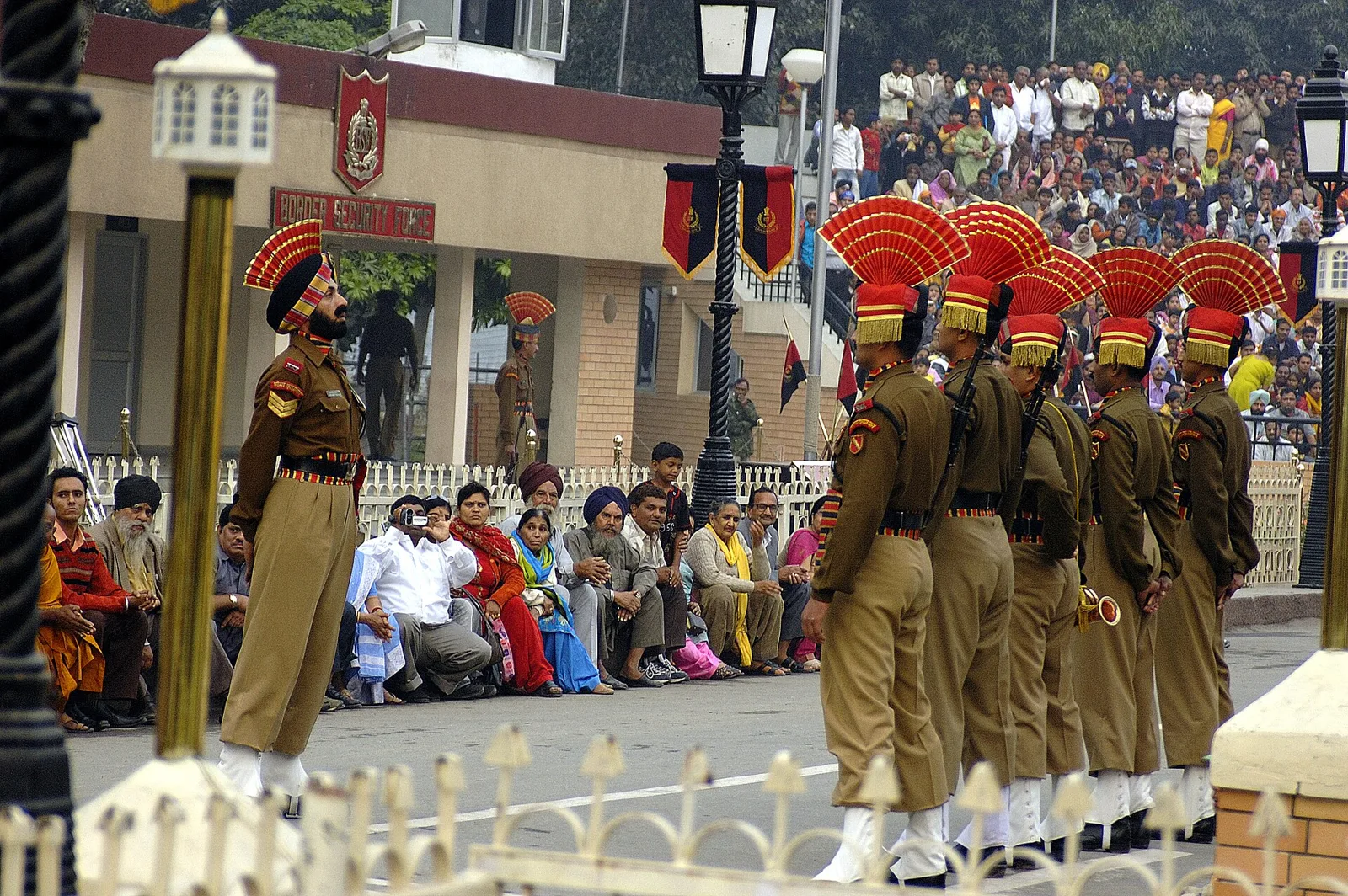
Hussainiwala is a village in Punjab’s Firozpur district, visited for its memorial to Bhagat Singh, Sukhdev Thapar and Shivaram Rajguru, and the daily India–Pakistan retreat ceremony.

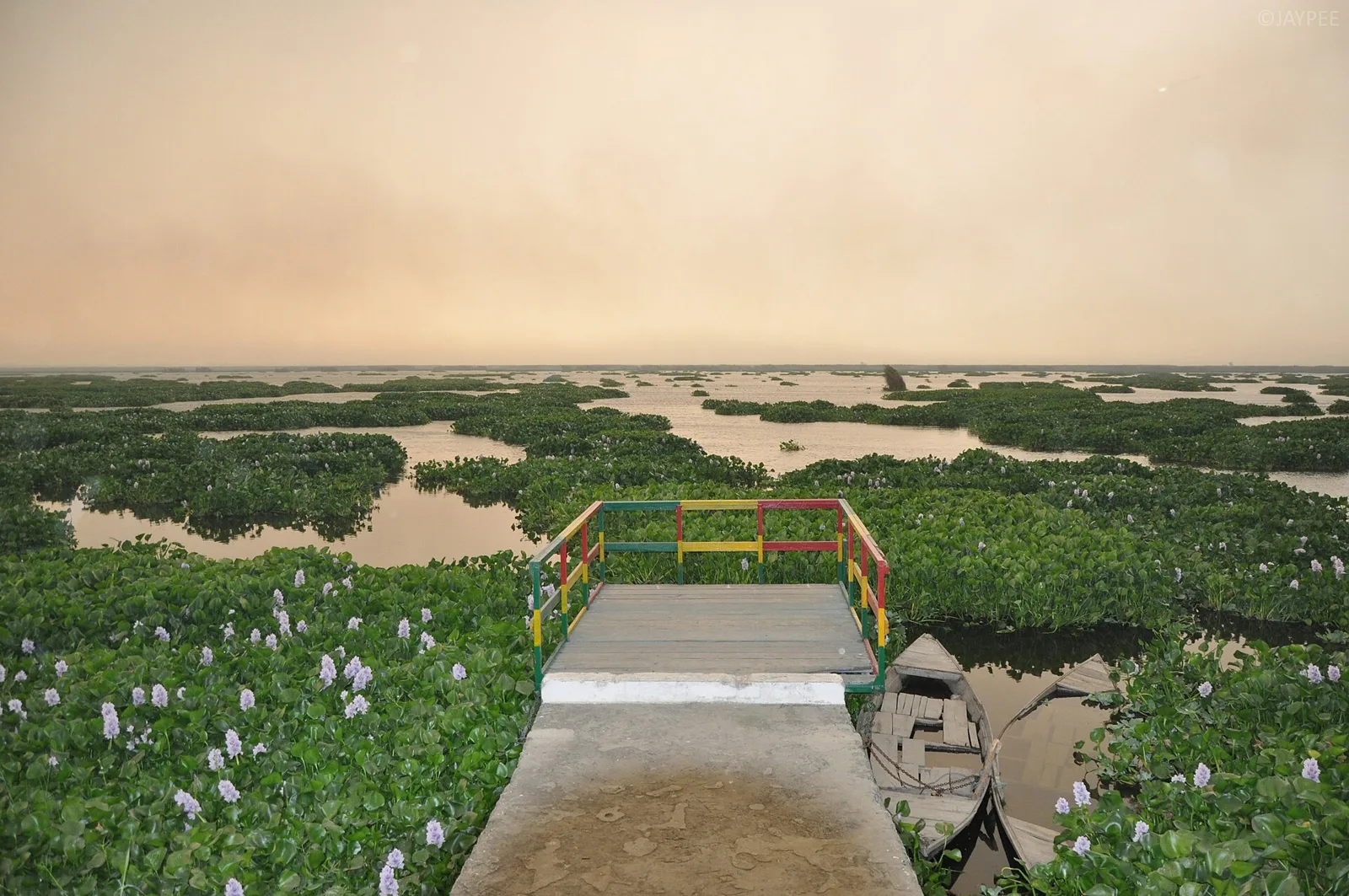
Harike Wetland

134 km away · Tarn Taran district

Harike Wetland

Harike Wetland is a Ramsar-listed lake and marsh complex in Punjab, created near the Beas–Sutlej confluence. Visitors come to see its diverse wetland habitat and migratory waterbirds, including threatened species.

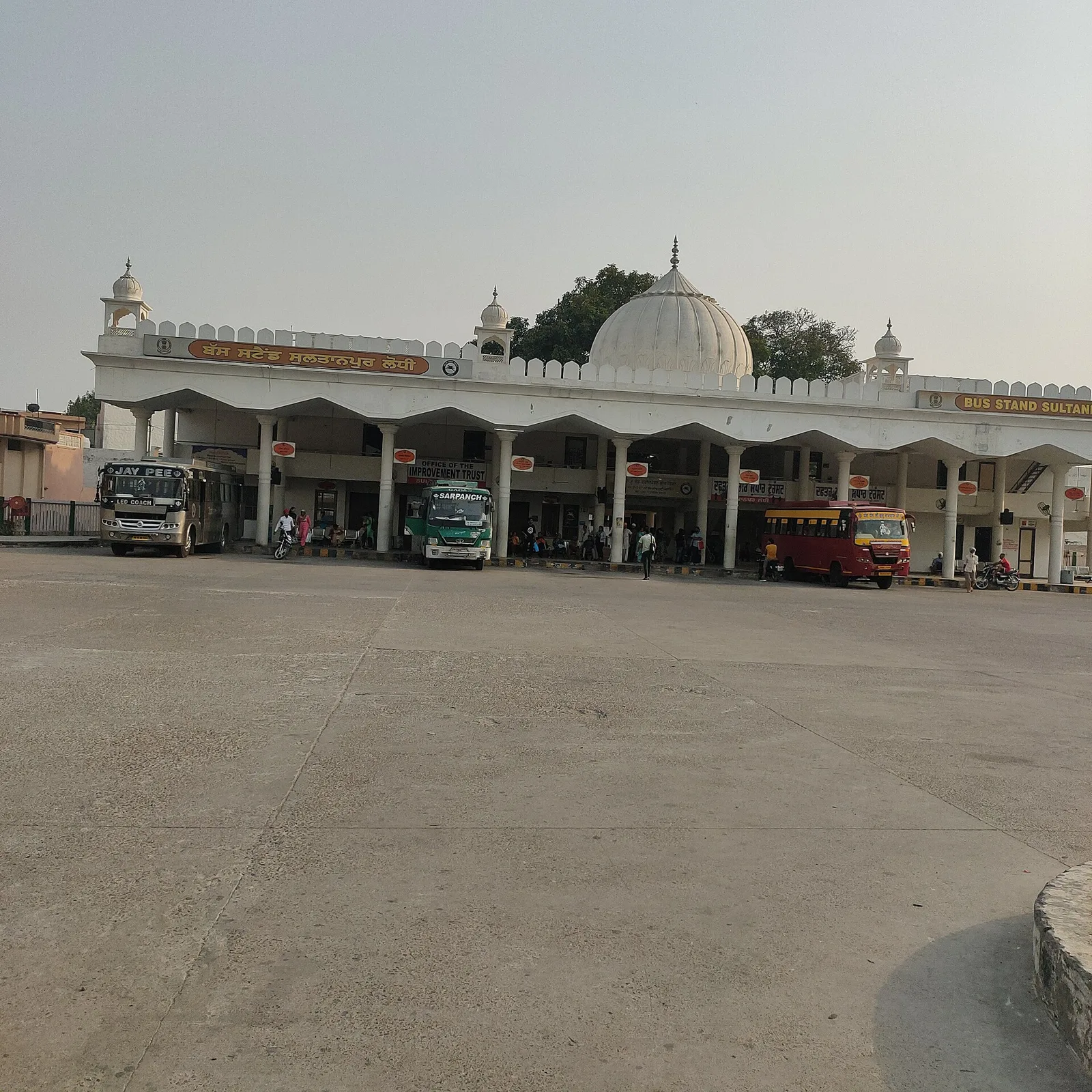
Sultanpur Lodhi

153 km away · Kapurthala district

Sultanpur Lodhi

Sultanpur Lodhi is a town in Punjab’s Kapurthala district, with historical links to Bahlul Khan Lodi and a mention in the Ain-e-Akbari that give visitors reasons to explore its past.

Attari–Wagah Border

167 km away · Amritsar district

Attari–Wagah Border

Attari–Wagah is a border area in Punjab beside Attari village. Visitors come for its setting near the India–Pakistan boundary and the village’s connections to the Lahore–Delhi railway and Sikh military history.

Map

Abohar on the map

  1. 1Sri Muktsar Sahib
  2. 2Qila Mubarak
  3. 3Bathinda
  4. 4Takht Sri Damdama Sahib
  5. 5Hussainiwala
  6. 6Harike Wetland
  7. 7Sultanpur Lodhi
  8. 8Attari–Wagah Border

Punjab

Other cities to explore