
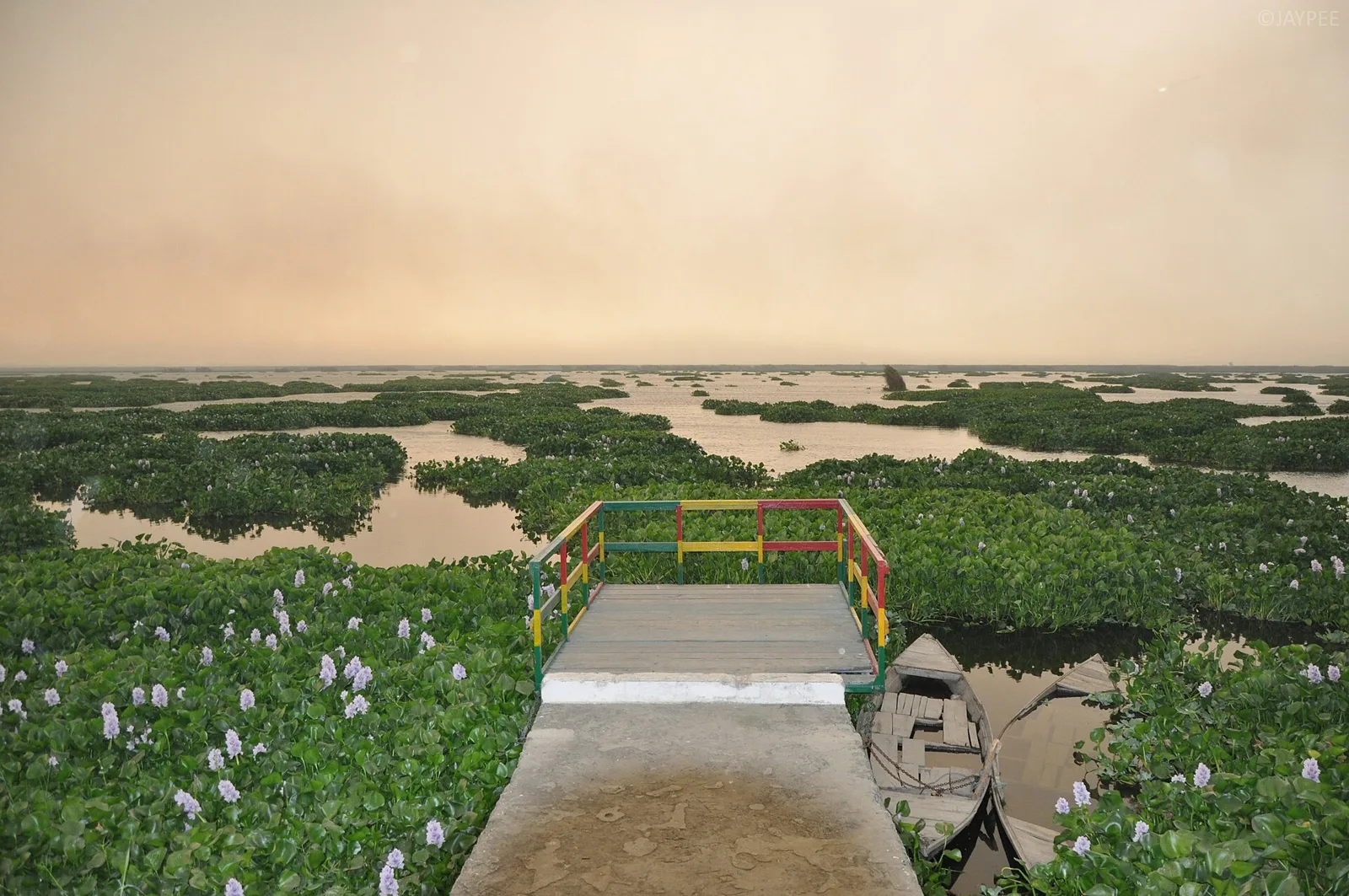
Harike Wetland
Harike Wetland is a Ramsar-listed lake and marsh complex in Punjab, created near the Beas–Sutlej confluence. Visitors come to see its diverse wetland habitat and migratory waterbirds, including threatened species.
Key facts · verified by Ghumoopedia editors
- Type of place
- Temple / pilgrimage site
- Best time to visit
- October to March
- Nearest railway station
- Firozpur Cantt Junction · about 40 km (straight line)
- Verified
- 21 Nov 2026
Plan a trip from Harike Wetland — a day-by-day route through places nearby.
Harike Wetland lies in Punjab’s Tarn Taran district, along the boundary with Ferozepur district. The lake occupies deeper ground within the wetland, east of Harike village, whose name is also rendered as Hari-ke-Pattan, meaning port of Harike. The settlement can be reached by NH-54 from Taran Taran, 35 km north; NH-703A from Firozepur, 45 km southwest, or Kapurthala, 60 km northeast; and NH-703B from Bhikhiwind, 30 km northwest, or Moga, 50 km southeast. The wetland took shape after construction of the Harike Barrage just downstream of the meeting point of the Beas and Sutlej rivers. The barrage and its headworks formed the lake and enlarged the surrounding wetland. Built to provide irrigation and drinking water, the system sends water through the Ferozepur, Indira Gandhi Canal and Makku feeder canals. Together, these routes can carry 29,000 cubic feet per second to command areas in Punjab and Rajasthan. A monsoon climate prevails across the catchment that drains into the wetland. The lake has a triangular outline, with its point at the western end. Dhussi Bund forms one boundary, while a canal and a major road mark the other two. Farmland surrounds the lake, and the wetland is reported to have rich groundwater resources. The wetland supports a wide range of life and helps maintain the catchment’s hydrological balance. It draws large concentrations of migratory waterfowl, including several globally threatened species. The gathering has been described as second in scale only to that at Keoladeo National Park near Bharatpur. These ecological qualities led to Harike’s recognition under the Ramsar Convention in 1990. Punjab's identity is shaped by Sikh heritage, gurdwara traditions of seva and langar, Bhangra and Giddha, and a strong farming culture. Punjab has hot summers from April to June, a monsoon from July to September, and cold, foggy winters from December to February. Winter fog can delay trains and flights. The usual best time to visit is October to March. Timings, fees and access arrangements must be confirmed locally. For official information, see Punjab Tourism at https://punjabtourism.gov.in.
Why it matters
Harike Wetland is a large freshwater wetland in Punjab, near Harike village, where the Beas and Sutlej rivers meet. It was formed by the Harike Barrage and includes Harike Lake in its deeper section. The Ramsar Convention designated the wetland a site of international importance in 1990, recognising its wetland habitat and importance to waterbirds. It lies on the boundary of Tarn Taran Sahib and Firozpur districts and supports a wider landscape of waterways, marshes and agricultural land. For visitors, it is principally a nature and birdwatching destination, not a temple or established pilgrimage site. Wildlife sightings vary with season and conditions.

Harike Wetland is a human-made wetland created when the Harike Barrage was built downstream of the confluence of the Beas and Sutlej rivers. The barrage was constructed to support irrigation and drinking-water supply, not as a religious monument. Its headworks feed the Ferozepur, Indira Gandhi Canal and Makku feeder canals, which carry water towards areas in Punjab and Rajasthan. The resulting impoundment enlarged the wetland and formed Harike Lake in its deeper portion. The surrounding landscape includes a bund, canals, roads and agricultural land. The wetland’s ecological significance later became a focus of conservation attention: the Ramsar Convention recognised it as a Wetland of International Importance in 1990. Its marshes and open water provide habitat for resident and migratory waterbirds, including threatened species, though species and numbers vary by season. Water management, habitat protection and human activity in the catchment continue to shape the site. Publicly available accounts do not identify a temple-building phase, a religious founder or a documented restoration history; visitors should consult current official conservation information for updates on management work.
Origin stories & folklore
No widely documented origin legend is specifically associated with Harike Wetland, and it should not be presented as a sacred site on the basis of folklore alone. The name is linked to nearby Harike village, also known as Hari-ke-Pattan, a name commonly rendered as “Port of Harike.” That local place-name is not, by itself, evidence of a religious origin story. Visitors may hear oral accounts about the rivers, village history or the changing wetland landscape, but these should be understood as local tradition unless supported by historical records. Ask residents respectfully rather than treating unverified stories as established fact.
Architecture & design
Harike is a water-engineering landscape rather than a temple complex. The Harike Barrage, built immediately downstream of the Beas–Sutlej confluence, holds back and regulates water, creating the wetland and its deeper lake. Canal headworks convey water into feeder canals serving irrigation and drinking-water systems. The lake is described as roughly triangular, with its western apex and boundaries shaped by a bund, a canal and a major road; agricultural land surrounds much of its perimeter. These functional structures—barrage, embankments, canals and access roads—are the prominent built features. The water’s depth, flow and extent change with releases and seasonal conditions, so the visible shoreline and bird habitat can vary. This is not a monumental architectural site: visitors should view engineering structures only from permitted public areas and must not climb barriers or enter operational facilities.
Important objects & sculptures
There are no known temple idols, religious sculptures or curated antiquities to seek out at Harike Wetland. Its points of interest are natural and infrastructural: open water, marsh vegetation, birdlife, the lake’s changing shoreline and views of the barrage-and-canal landscape from places where access is allowed. The wetland is recognised for habitat used by resident and migratory waterbirds, but individual species are not guaranteed on any visit. Do not approach, feed or disturb wildlife to obtain a closer view. Interpretive signs or local information may be available, but their presence and condition can change; check locally rather than expecting a formal museum or visitor collection.
Religious significance
Harike Wetland is not known as a temple, shrine or formal pilgrimage destination, and no particular deity or ritual is associated with the wetland itself. Punjab’s wider landscape has strong Sikh traditions, including gurdwara worship, seva and langar, but these should not be conflated with the wetland’s purpose. Visitors may encounter religious sites in nearby towns or villages; observe their own customs and posted guidance if visiting them. At Harike, the primary visitor experience is nature appreciation and birdwatching. Quiet, respectful conduct is appropriate both for local communities and for wildlife, especially in sensitive habitat areas. Confirm separately with a gurdwara or its management if planning a religious visit nearby.
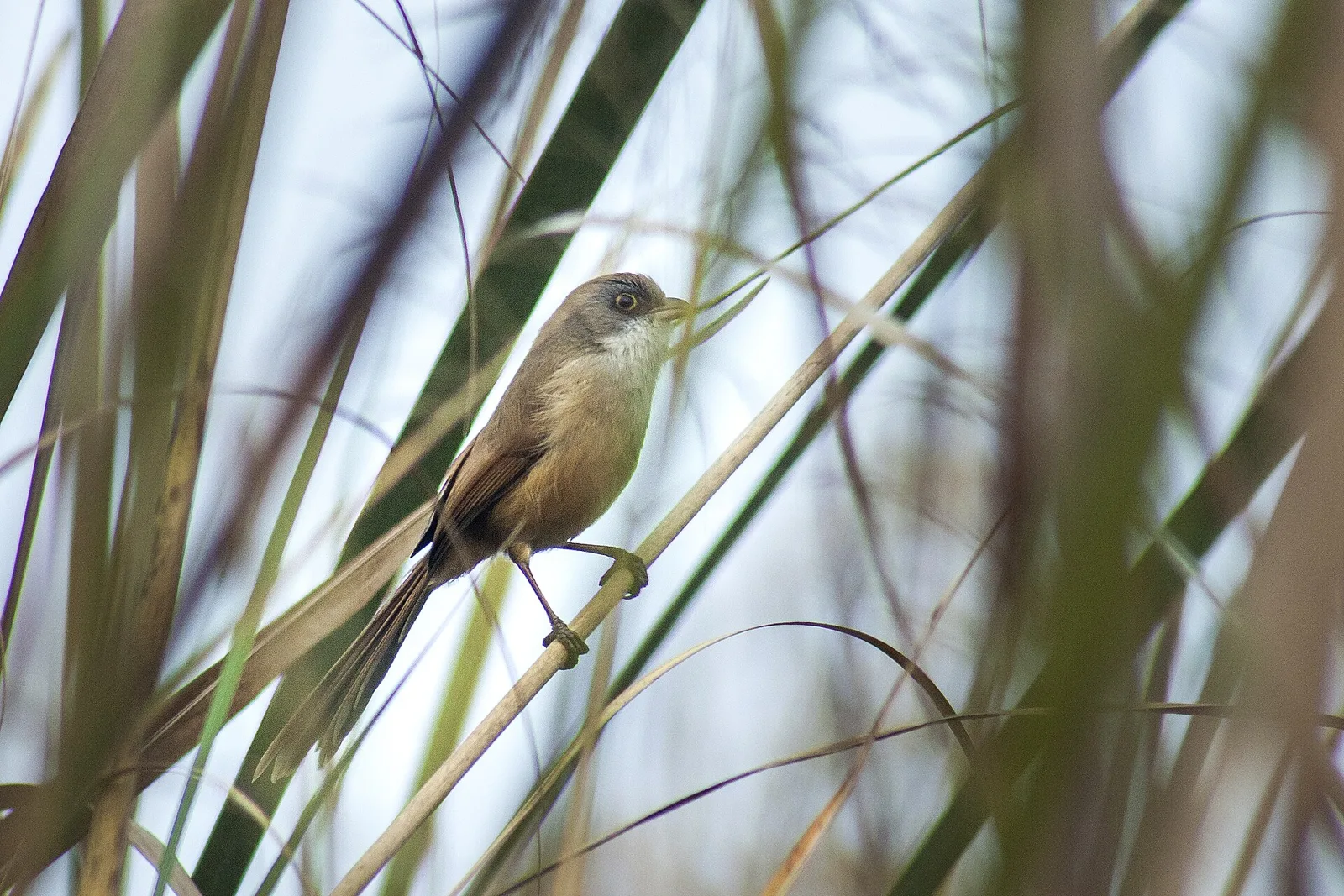
Spend unhurried time at Harike Wetland: walk the marked paths, use official viewpoints and ask locally whether a guide, entry ticket or permit is needed. Admire the water from safe points rather than climbing wet rocks or entering unknown currents. Wildlife sightings are never guaranteed — patience and quiet improve your chances. A comfortable itinerary is one main visit in the morning, a local meal at midday and a short nearby stop before an afternoon return. Use the district list on this site to find other places in Tarn Taran, but check the actual road route and its condition before combining stops. If a festival or fair is on, local roads and stays can be busy — and the experience can be unforgettable. Leave no litter: many sites are protected by the communities around them.
Suggested itineraries
Half day: Allow 3–4 hours for the journey within the area, a quiet visit to permitted viewpoints or paths, birdwatching and a return to Harike village. Full day: Spend the morning at the wetland; take a midday meal in a nearby town or village; then visit Tarn Taran Sahib or another confirmed local stop before returning. Gentler option: Choose one accessible, locally confirmed viewpoint, keep walking short, take seated breaks and arrange a vehicle close to the permitted viewing area.
The wetland sits within a Punjabi farming region where village life, agriculture and river systems shape local identity. Punjabi is widely spoken in the area, and visitors may also encounter Hindi. Sikh heritage is an important part of Punjab’s wider cultural life, alongside traditions of seva and langar at gurdwaras. Bhangra and Giddha are well-known Punjabi dance forms, though they are not regular performances at the wetland. Everyday customs and dress vary by person and community. Ask before photographing residents, and be considerate around farms, village roads and places of worship. The wetland’s visitors often come for birdwatching, landscape views and quiet time outdoors.
Festivals & events
No major festival or annual fair is established as a regular event at Harike Wetland itself. In the surrounding Punjab region, Sikh observances such as Gurpurabs and Vaisakhi are marked at gurdwaras and in local communities; dates follow the relevant religious calendar and can vary. Seasonal harvest celebrations are also part of Punjabi life. These events may make roads, town facilities and nearby accommodation busier, but they are not a reason to expect organised celebrations at the wetland. Check locally before combining a nature visit with a festival or procession, and keep access routes clear.
Local food in Punjab includes sarson da saag with makki di roti, Amritsari kulcha, chole bhature, lassi, tandoori dishes, pinni and jalebi; langar at gurdwaras serves a free vegetarian meal to all. Ask what is fresh that day; many small eateries cook a limited daily menu. Vegetarian travellers eat very well across this region, and most towns also have simple non-vegetarian dhabas. Remote sites may have no restaurant at all. Carry water and snacks, eat a proper breakfast before long drives, and ask your accommodation for a packed lunch if you are heading out early. Try a home-cooked or dhaba meal when you can — it is often the best food on the route. Choose busy, clean places and carry your packaging back to town.
Shopping & local experiences
Harike Wetland is not a dedicated craft market, and shopping options at the site may be limited. In nearby towns, look for everyday Punjabi goods, locally made textiles, embroidered items and seasonal produce; availability varies, so treat these as possibilities rather than guaranteed souvenirs. A meal or snack in a nearby town can be a simple way to experience Punjabi food, with dishes and opening arrangements depending on the establishment. Ask before photographing vendors or their stalls. Avoid buying wildlife, feathers, plants or other natural materials taken from the wetland.
October to March
The nearest principal railway station by straight-line distance is Firozpur Cantt Junction, roughly 40 km away. The nearest operating airport by straight-line distance is Sri Guru Ram Dass Jee International Airport, Amritsar, roughly 65 km away. These figures are calculated from map coordinates — actual road distance may differ. Delhi, Chandigarh and Amritsar are the main rail and air hubs, and most long-distance journeys connect through them. For the final leg, Punjab Roadways, PEPSU Road Transport (PRTC) and private Volvo coaches link district towns; shared taxis usually leave early in the morning. A private taxi gives more flexibility for remote sites. When comparing train, bus and flight, count the complete door-to-door time: a flight saves the most time only if the onward road transfer is short, while an overnight train plus a road journey can save a hotel night. Book your return before you leave, because seats fill quickly on weekends and holidays. Current train numbers, timings, return services and fares are not listed here; check IRCTC and NTES for trains and the airline's own schedule for flights. No permit is needed to visit Punjab. The Wagah–Attari border ceremony needs a same-day security check, and the Kartarpur Corridor to Pakistan requires advance online registration and a passport.
Confirm onward and return timings on IRCTC / NTES, the state bus operator or your airline before travel. A dash means current timings or fares have not been verified.
Getting around
Harike village is reached by road, with connections described from Tarn Taran, Firozpur, Kapurthala, Bhikhiwind and Moga. On arrival, local buses may serve the village or nearby towns, but onward service to wetland access points can be limited; check locally. A private taxi offers more flexibility for reaching permitted viewpoints and returning to your accommodation. Auto-rickshaws may be available around towns and villages, though not necessarily at the wetland itself. Walking is suitable only where routes are safe and access is allowed. Confirm parking and road conditions locally, and do not stop on busy roads or barrage approaches.
Hours, tickets & permissions
Entry arrangements can depend on the area visited, current conservation rules and whether any controlled access applies. Tickets, permits, guide requirements, photography restrictions and identification rules may change or differ between access points. Before setting out, confirm current opening arrangements, hours and fees with the managing authority or a local visitor information source. Do not enter operational barrage or canal areas, or any habitat marked as restricted.
Facilities
Facilities at the wetland may be limited and can vary by access point. Toilets, drinking water, food stalls, marked visitor information, guides and formal parking should not be assumed to be available on site; check locally before travelling. Nearby villages and towns are more likely to offer basic food and everyday services. Carry drinking water, any necessary medication and waste back with you. ATMs and a wider choice of shops are more likely in larger towns than at the wetland. Ask the local authority about current visitor facilities and whether a guide is recommended or required.
Accessibility
The terrain is a natural wetland edge, not a purpose-built, level visitor attraction. Paths and surfaces may be uneven, muddy or affected by water levels and weather; walking distances and access conditions can vary. Shade and seating may be limited. This can make the site challenging for wheelchair users, visitors with strollers and people with reduced mobility, and no ramps or accessible facilities should be assumed. Elderly visitors may find a short visit to a confirmed roadside or official viewpoint more manageable than walking along the marsh edge. Check current ground conditions, vehicle access and accessible facilities with local authorities before setting out, and avoid slippery banks.
No permit is needed to visit Punjab. The Wagah–Attari border ceremony needs a same-day security check, and the Kartarpur Corridor to Pakistan requires advance online registration and a passport. Carry a photo ID at all times and save the emergency number 112 and your accommodation's contact offline. Heat in summer and dense fog in winter are the main weather risks; carry water and allow extra travel time on foggy December–January mornings. Stay on marked paths, keep away from cliff edges and fast water, and never approach wild animals. Check official advisories for the region before travel, and follow local guidance if access changes.
Visitor rules
Follow signs and instructions from the managing authority, and remain on permitted paths and viewing areas. Do not enter canals, barrage structures, closed habitat or other restricted zones; currents and banks can be hazardous. Keep noise low, never feed or chase birds, and leave plants, nests and other wildlife undisturbed. Carry litter out and avoid single-use plastic where possible. Wear practical footwear for uneven or muddy ground and dress appropriately for weather and local customs. Ask before photographing people, and check locally for any restrictions on cameras, drones or commercial photography.
Photography
Soft morning or late-afternoon light can bring out the wetland’s water, vegetation and birdlife, but conditions and sightings vary. Use only permitted viewpoints and paths; a quiet, patient approach is less disruptive to wildlife. Handheld photography is generally the considerate choice, but confirm any site-specific camera restrictions locally. Do not cross barriers or approach nests for a photograph. Drone use can disturb birds and may be restricted by conservation, safety or aviation rules, so do not fly one without explicit permission. Ask people before taking their photographs, and be especially respectful near nearby places of worship.
Choose a stay by the full journey to Harike Wetland, not just the district name. Main towns in Tarn Taran usually offer hotels, state tourism lodges and guesthouses with better transport, meals and medical access, while village homestays offer a closer connection to local life. In the plains, check fans or air-conditioning in summer and heating in the December–January cold wave. Book in advance for weekends, festival dates and the peak season (October to March). Confirm the exact location, meals included, check-in time and cancellation terms in writing. Many homestays accept payment on arrival; avoid sending money to unverified contacts. Mobile network and digital payments can be unreliable in remote areas, so carry some cash.
Harike village and the wider Beas–Sutlej confluence landscape are the closest points of interest associated with a wetland visit. Tarn Taran Sahib is a prominent nearby town in the district, known for its Sikh heritage and the historic Darbar Sahib gurdwara; observe its visitor guidance if you go. Goindwal Sahib, also associated with Sikh history and pilgrimage, is another established destination in Tarn Taran district. Firozpur is a nearby district-town option for services and onward travel. Actual road routes and journey times can differ from map distance, so check current conditions before combining stops, and do not assume that every site is open to visitors.
For couples, Harike Wetland rewards a slow pace: arrive early for soft light and fewer crowds, share a local meal and keep the evening free. Public displays of affection can be frowned upon in conservative communities and at religious sites, so be discreet. A homestay or a small heritage hotel can make the trip memorable — confirm privacy, hot water and transport back. Keep a buffer in your itinerary, because weather and traffic can delay plans in Punjab.
Q: How much time should I allow for a visit? A: Allow at least a half day including local travel; add time if you plan to visit another town or gurdwara. Q: When is the best season to visit? A: October to March is generally a comfortable season in Punjab and a useful period for seeking migratory birds, though sightings are never guaranteed. Q: Is there an entry ticket or permit? A: Requirements can change by access point and activity. Confirm current entry, permit and fee rules with the managing authority. Q: Is the wetland suitable for children and older visitors? A: It can be, with supervision and a short visit to a confirmed viewpoint. Uneven or muddy ground may be difficult; keep away from water and restricted areas. Q: Where can I stay nearby? A: Check accommodation in Tarn Taran, Firozpur or other larger towns in the region, and confirm availability and road access before travelling.
Be the first to share photos, stories, advice or a helpful contact for Harike Wetland.
Loading…