
Ghumoopedia — Explore, Discover, Experience
Sign in
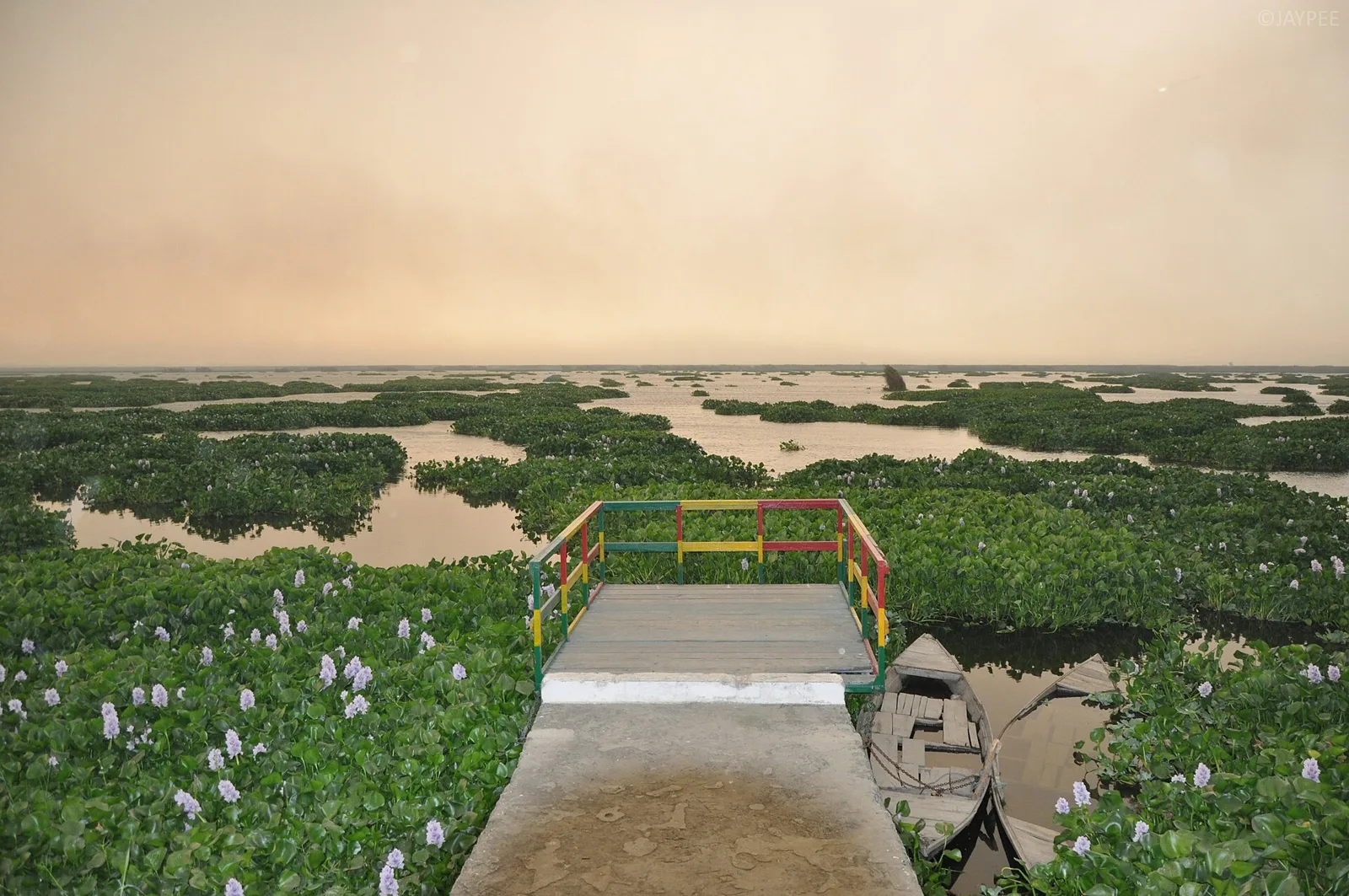
Harike Wetland, near Makhu

City guide · Punjab

Makhu

Makhu is a small town and nagar panchayat in Ferozepur district, in Punjab’s southwestern borderland. Its location gives it significance beyond its size: the town lies near the edge of Harike Sanctuary and about five kilometres from the meeting of the Sutlej and Beas rivers.

Famous for

  • Harike Sanctuary surroundings
  • Sutlej–Beas confluence nearby
  • Ferozepur district town
  • Rural Punjab setting
In the city
1
District
Tarn Taran

Why Makhu matters

Makhu is a small town and nagar panchayat in Ferozepur district, in Punjab’s southwestern borderland. Its location gives it significance beyond its size: the town lies near the edge of Harike Sanctuary and about five kilometres from the meeting of the Sutlej and Beas rivers. The wetland and river landscape are the area’s strongest draw for visitors interested in nature, birdlife and the distinctive geography of the Punjab plains.

Makhu also serves as a local centre for nearby settlements, with everyday shops and services supporting life in the surrounding countryside. It is not a major resort or a destination known for a large collection of monuments; its appeal is more understated, rooted in rural Punjab and its proximity to protected waterside habitat. Travellers often include it as part of a wider visit to the Harike area rather than as a long-stay destination. For a useful visit, allow time to experience the landscape, check local access conditions and treat the wetland as a sensitive natural environment.

Famous for: crafts, trade & products

Makhu is not widely identified with a particular textile, handicraft, GI-tagged product or specialised industry. Its role is primarily that of a local town serving surrounding communities, rather than a recognised manufacturing or destination-shopping centre. Visitors should not expect a dedicated craft market or a single signature product associated specifically with Makhu.

The town’s ordinary shops and market area are the practical places to look for daily necessities and familiar Punjabi goods. They may offer locally used provisions and seasonal produce, but availability varies and should not be confused with a formally designated regional speciality. For a broader choice of branded goods, specialist crafts or established markets, travellers can look to larger towns in the district and region. The most distinctive feature associated with Makhu is its setting near Harike Sanctuary and the Sutlej–Beas meeting point, not a commercial product. Those seeking crafts or food items as souvenirs should ask locally about current offerings rather than assume a particular item is made or sold here.

History

Makhu’s local history is not as extensively documented in widely available accounts as that of larger Punjab cities, so specific claims about its founding, early rulers or historic monuments should be treated with caution. Its development is best understood in the context of the Ferozepur district and the settled agricultural countryside of the region. The nearby rivers and fertile plains have long shaped patterns of settlement and movement across this part of Punjab.

During the colonial period, the district formed part of British-administered Punjab, but there is no basis for assigning Makhu a particular role in major political or military events without stronger documentation. In modern times, Makhu has continued as a small service and administrative centre for nearby villages. Its status as a nagar panchayat reflects its present civic role, while its proximity to Harike Sanctuary connects the town with contemporary conservation and nature-related interest. The growth of the town has been gradual rather than defined by a widely known landmark or industrial transformation.

Food, festivals & culture

Makhu shares the everyday cultural traditions of rural Punjab. Punjabi is the principal language of local life, while Hindi is also understood by many people. Meals in the area commonly draw on Punjabi home cooking, including breads, lentils, seasonal vegetables and dairy foods. Familiar sweets such as jalebi, ladoo and pinni may be found in local shops, though no particular dish or sweet is uniquely associated with Makhu.

The Sikh calendar’s major observances, including Vaisakhi in spring and Gurpurabs at different times of year, are important across the region; Diwali and Holi are also celebrated. The scale and form of local events can vary from year to year. Gurdwaras are central to Sikh worship and community life, while other places of worship serve the town’s diverse residents. Punjabi folk music and dance traditions such as bhangra and gidda are part of the wider cultural landscape, especially around seasonal celebrations and weddings. Visitors should be considerate at places of worship and follow local customs.

Visiting the city

The cooler months, roughly from October to March, are generally more comfortable for exploring the town and nearby wetland. Winter can also be a rewarding time for nature observation around Harike, but access and wildlife conditions vary; check locally before setting out. The nearest major airport is Sri Guru Ram Dass Jee International Airport in Amritsar. Makhu has its own railway station, Makhu railway station; confirm current connections before travel.

Within town, local auto-rickshaws and taxis can help with short journeys, while a car is useful for reaching the sanctuary and riverside areas. Explore the market and central streets for everyday town life, then plan a separate visit to the Harike surroundings. Stay on permitted routes, avoid disturbing birds and carry essentials, as visitor facilities may be limited outside the town centre.

Attractions

Places to visit in Makhu

Sights within about 12 km of each other, even when they fall in different districts.

Map

Makhu on the map

  1. 1Harike Wetland

Punjab

Other cities to explore