
Ghumoopedia — Explore, Discover, Experience
Sign in
Bathinda, near Bathinda

City guide · Punjab

Bathinda

Bathinda is a city in Punjab’s Malwa region and the administrative centre of its district. Visitors can explore the historic Qila Mubarak fort, and the city also has a zoo and major educational institutions.

Famous for

  • Qila Mubarak Fort
  • Damdama Sahib pilgrimage
  • Punjabi grain trade
  • Thermal power generation
  • AIIMS and universities
In the city
2
District
Bathinda

Why Bathinda matters

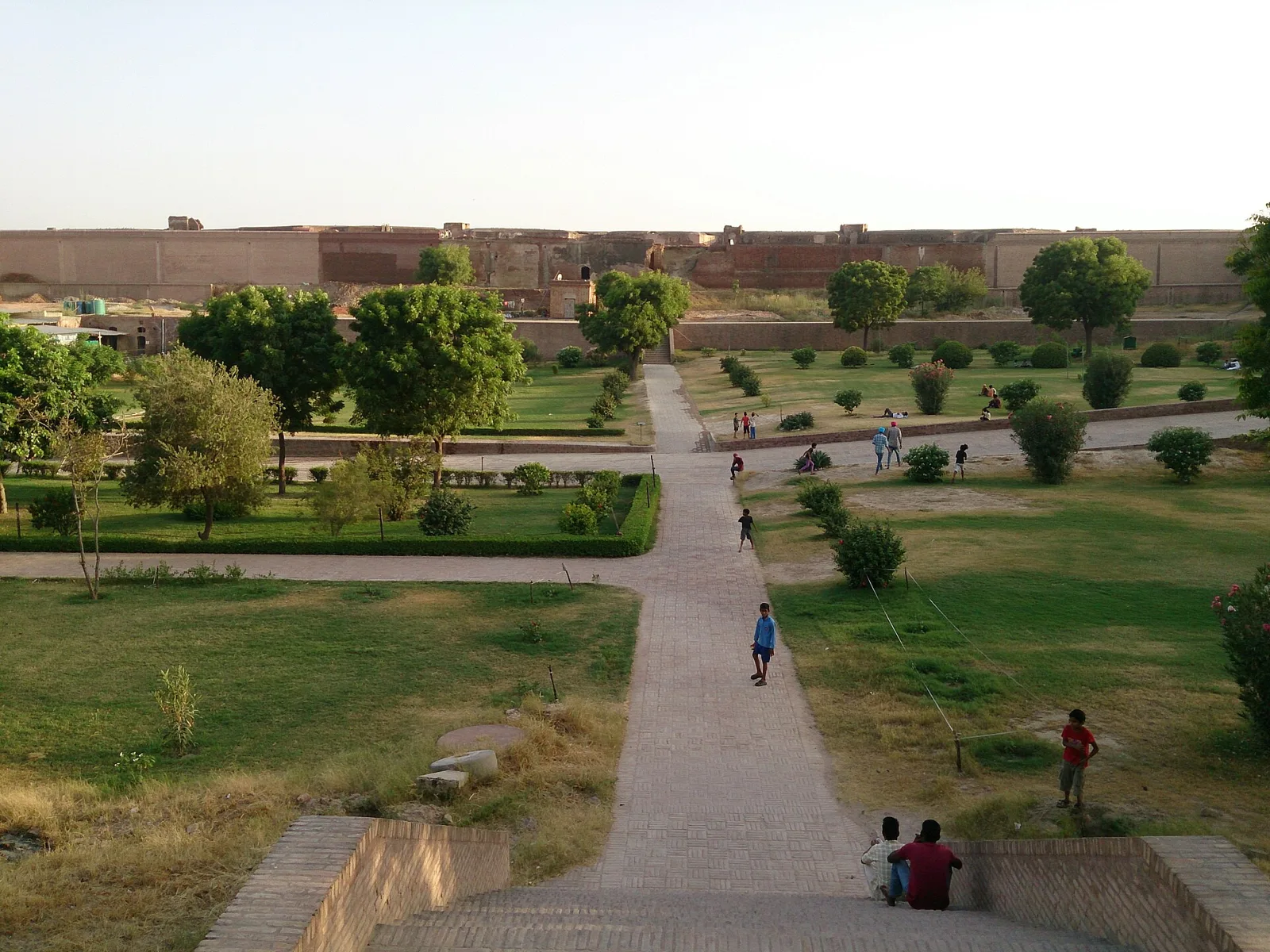
Bathinda is a major urban centre in Punjab’s Malwa region and the administrative headquarters of Bathinda district. Its strategic position in southwestern Punjab has made it an important centre for agriculture, trade, transport and public services. Visitors come for Qila Mubarak, a historic fort at the heart of the city, and for nearby religious destinations such as Takht Sri Damdama Sahib at Talwandi Sabo.

The city’s character brings together old-town streets, busy markets and large modern institutions. Maharaja Ranjit Singh Punjab Technical University, Central University of Punjab and AIIMS Bathinda contribute to its educational and medical role. Industry is also prominent: power generation, fertiliser production and cement manufacturing form part of the wider local economy. Bathinda’s railway connections and regional markets serve surrounding farming communities, while its cantonment and air force station reflect its strategic importance. The result is a working Punjabi city whose appeal rests on its fort, regional culture and role as a service and commercial hub.
Famous for: crafts, trade & products

Bathinda is better known for agriculture, trade and industry than for a distinctive city-specific textile or handicraft. Grain and cotton from the surrounding Malwa countryside pass through the region’s wholesale markets, alongside everyday farm supplies and consumer goods. For a sense of local commerce, explore the established markets in the old city and along major shopping roads; shops and stalls typically combine household goods, clothing, Punjabi dress and food products. Phulkari embroidery and Punjabi juttis are available as regional crafts, though they are not exclusive to Bathinda.

The city’s industrial profile includes thermal power generation, a fertiliser plant and cement production. These are working facilities rather than visitor attractions. Its universities, AIIMS Bathinda and military installations are significant institutions, but are not general-purpose sightseeing stops. Bathinda is not widely identified with a particular GI-tagged product or a famous saree tradition. Visitors seeking a broader range of Punjab-made handicrafts can look in local clothing and craft shops, while regional foods and sweets are commonly found in neighbourhood markets and sweet shops. Qila Mubarak, rather than a product or craft, remains the city’s most recognisable heritage landmark.

History

Bathinda’s recorded history is closely tied to its fort and its position on routes between northwestern India and the Gangetic plains. The settlement was known by forms including Tabarhindh, a name associated with the idea of a gateway to India. Mahmud of Ghazni captured the fort in 1004; Muhammad of Ghor later took it, and Prithviraj Chauhan recovered it in 1191 before losing control again after the Second Battle of Tarain. The fort continued to matter under the Delhi Sultanate and Mughal rule.

Local tradition credits Rao Bhatti with establishing the town in the third century. The area later came under the influence of Bikaner and, from around the mid-eighteenth century, Patiala. The Battle of Lahira between Guru Hargobind and Mughal forces took place in the region in 1634. After independence, Bathinda became a district headquarters within PEPSU. In recent decades, education, healthcare, transport and industrial development have expanded its role as a regional centre.

Food, festivals & culture

Punjabi is the city’s principal language, with Hindi also widely used. Everyday food reflects the wider Malwa and Punjabi table: makki di roti with sarson da saag in the cooler months, wheat breads, lentils, dairy dishes and lassi. Sweet shops sell familiar treats such as jalebi, ladoo and pinni. Seasonal produce and home-style Punjabi cooking are part of the city’s appeal, though menus vary from one neighbourhood to another.

Lohri, in midwinter, is marked with bonfires, music and seasonal gatherings; Baisakhi in spring celebrates the harvest and has particular importance in Sikh tradition. Diwali and Gurpurabs are also observed, with dates for Sikh festivals varying by the lunar calendar. Bhangra and giddha are prominent Punjabi dance forms, while folk singing and contemporary Punjabi music feature at celebrations and community events. Sikh gurdwaras, Hindu temples and other places of worship serve local communities. Nearby Takht Sri Damdama Sahib, at Talwandi Sabo, is among the region’s most important Sikh pilgrimage sites.

Visiting the city

October to March is generally the most comfortable period to visit, with milder weather than the hot summer months. The nearest airport is Bathinda Airport at Bhisiana; travellers should check current flight availability. Bathinda Junction is the city’s main railway station and a useful arrival point for rail journeys. Auto-rickshaws, taxis and local buses can help with trips around town; a car or taxi is convenient for visiting sites beyond the centre.

Begin with Qila Mubarak and the surrounding old-city streets, then explore the central shopping areas and local food markets. Rose Garden and Bir Talab Zoo offer open-air breaks. Talwandi Sabo, home to Takht Sri Damdama Sahib, makes a worthwhile regional excursion. Allow extra travel time for destinations outside the city, as they are not all within walking distance of the main railway station.

Attractions

Places to visit in Bathinda

Sights within about 12 km of each other, even when they fall in different districts.

Map

Bathinda on the map

  1. 1Bathinda
  2. 2Qila Mubarak

Punjab

Other cities to explore