
Ghumoopedia — Explore, Discover, Experience
Sign in
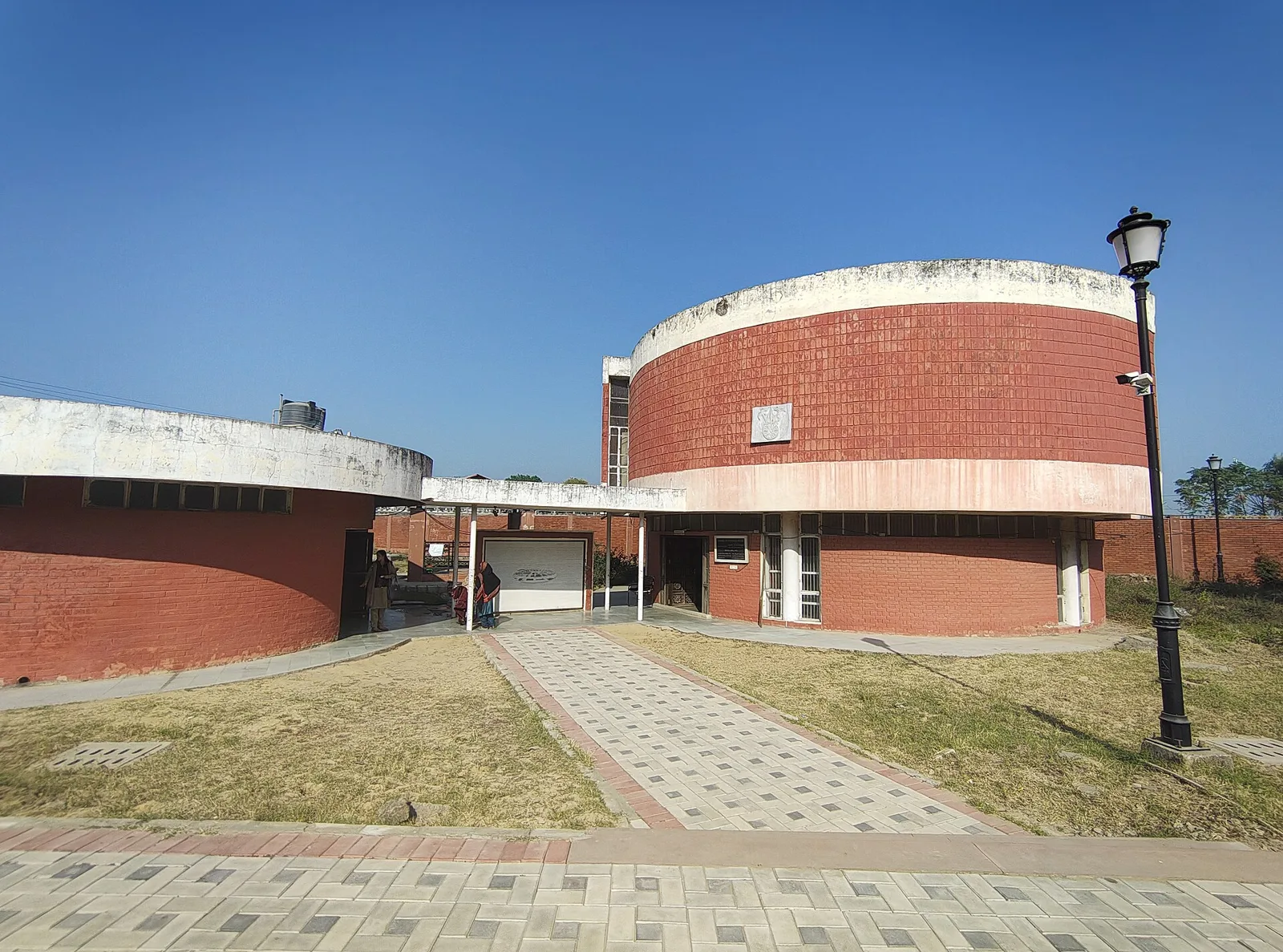
Sanghol, near Morinda

City guide · Punjab

Morinda

Morinda is a small city in Rupnagar district, positioned between Chandigarh and Ludhiana on a busy regional road corridor. Its location supports local trade and links it with nearby towns, while the expansion of businesses and industries has made it an increasingly active centre in the area.

Famous for

  • Morinda Cooperative Sugar Mill
  • Gurudwara Kotwali Sahib
  • Baganwaala orchard heritage
  • Chandigarh–Ludhiana highway
  • Taoni Rajput heritage
In the city
1
District
Fatehgarh Sahib

Why Morinda matters

Morinda is a small city in Rupnagar district, positioned between Chandigarh and Ludhiana on a busy regional road corridor. Its location supports local trade and links it with nearby towns, while the expansion of businesses and industries has made it an increasingly active centre in the area. One of its best-known economic institutions is a cooperative sugar mill, part of Punjab’s network of such mills.

For visitors, the city’s most significant landmark is Gurudwara Shri Kotwaali Sahib. The building is associated with the imprisonment of Mata Gujri and her grandsons, the younger sons of Guru Gobind Singh, before their transfer to Fatehgarh Sahib. Morinda is also remembered by the local nickname Baganwaala, or “City of Orchards”: orchards once occupied land that was later cleared for housing. Together, its Sikh history, industrial role and position on a major intercity route give Morinda importance beyond its size as a local service and commercial centre.

Famous for: crafts, trade & products

Morinda is best known locally for its cooperative sugar mill and its highway-linked trade, rather than for a widely recognised textile, handicraft or GI-tagged product. The mill is part of Punjab’s cooperative sugar industry and reflects the importance of agriculture and sugarcane processing to the surrounding region. Industrial and commercial activity has also grown as businesses from nearby towns have shifted towards Morinda.

The city’s everyday shopping is centred on local market streets and businesses along the main road, where visitors can look for routine household goods, food and other local services. There is no single signature craft or speciality shopping district that defines Morinda, so travellers seeking a particular Punjabi textile or handicraft may find a wider selection in larger nearby cities. The former orchards behind the name Baganwaala are part of the city’s local identity, but they should be understood as a historical feature rather than a present-day orchard market. Gurudwara Shri Kotwaali Sahib is its best-known heritage institution and a key place to visit for its connection to Sikh history.

History

Morinda’s name is associated with an earlier form, Moran, while Baganwaala recalls the orchards that once covered parts of the settlement before land was cleared for housing. A 1904 Punjab States Gazetteer recorded Morinda among the principal villages, or chhats, of the Taoni Rajputs. This places the settlement within the region’s documented village history, though its later growth has been shaped more by transport and commerce than by a documented royal capital or major colonial administrative centre.

The city’s most important historical association is Gurudwara Shri Kotwaali Sahib. The site served as a prison for Mata Gujri and the two younger sons of Guru Gobind Singh before they were taken to Fatehgarh Sahib. There, the sons were bricked alive and Mata Gujri later died. In modern times, Morinda has developed as a municipal and commercial centre in Rupnagar district. Its position on the Chandigarh–Ludhiana highway, the cooperative sugar mill and the movement of industry from nearby towns have contributed to its expansion.

Food, festivals & culture

Morinda shares the food traditions of the Punjab plains. Everyday meals commonly draw on wheat breads, lentils, seasonal vegetables, dairy and other familiar Punjabi staples; sweets and savoury snacks are available through local food shops. There is no single dish for which the city is especially known, so visitors are more likely to encounter regional Punjabi cooking than a distinct Morinda speciality.

Punjabi is the main language of daily life, while Hindi is also understood and used. Sikh religious life is an important part of the city’s identity, particularly through Gurudwara Shri Kotwaali Sahib. Sikh festivals such as Gurpurabs follow the lunar calendar and bring worshippers together; Vaisakhi is celebrated in spring, while Lohri is observed in midwinter. Diwali falls in autumn and is also marked by many local families. Punjabi folk music and bhangra and giddha are part of the wider regional culture, especially during festive and family celebrations, although Morinda is not known as a major performance centre.

Visiting the city

The cooler months, roughly October to March, are generally the most comfortable time to visit. Summers can be very hot, and the monsoon brings periods of rain. Chandigarh International Airport is the nearest major airport. Morinda Railway Station serves the city by rail; Chandigarh is another useful rail hub for broader connections.

Gurudwara Shri Kotwaali Sahib is the principal heritage stop. The local market and commercial streets near the main road offer a sense of everyday town life, while the highway corridor shows Morinda’s role as a regional trading centre. Local autos and taxis can be useful for short journeys; check onward transport locally. Visitors travelling by road can use the Chandigarh–Ludhiana route, allowing time for traffic and road conditions.

Attractions

Places to visit in Morinda

Sights within about 12 km of each other, even when they fall in different districts.

Map

Morinda on the map

  1. 1Sanghol

Punjab

Other cities to explore