Ghumoopedia — Explore, Discover, Experience
Sign in
Ropar Wetland, near Balachaur

City guide · Punjab

Balachaur

Balachaur is the principal town of Balachaur tehsil in Shaheed Bhagat Singh Nagar district, serving as a local centre for administration, trade and everyday services. Its position in the north-eastern part of Punjab, near the transition towards the Shivalik foothills, makes it a useful stop for travellers moving between towns in the district and the wider Punjab-Himachal region.

Famous for

  • Baba Balraj shrine
  • Balraj Mandir
  • Tehsil headquarters
  • Punjab foothill setting

Why Balachaur matters

Balachaur is the principal town of Balachaur tehsil in Shaheed Bhagat Singh Nagar district, serving as a local centre for administration, trade and everyday services. Its position in the north-eastern part of Punjab, near the transition towards the Shivalik foothills, makes it a useful stop for travellers moving between towns in the district and the wider Punjab-Himachal region.

The town’s best-known place of interest is the shrine associated with Baba Balraj, also known as Raj Dev. Visitors come to pay their respects and learn about the local traditions surrounding his life. Balachaur is not primarily a destination for large museums, major shopping districts or a nationally recognised craft industry; its appeal is more closely tied to its religious heritage and its role as a working small-town centre. A visit can combine the shrine and central market with a sense of the surrounding countryside. Punjabi village life, seasonal celebrations and familiar regional food are part of the experience, though facilities and attractions are more modest than in larger Punjab cities.
Famous for: crafts, trade & products

Balachaur is best known locally for the Baba Balraj shrine and the religious tradition connected with Raj Dev. The Balraj Mandir Committee, established in 1949, has been associated with the shrine. Visitors seeking local history can begin there and ask residents about the stories surrounding Baba Balraj and the town’s name.

The town also functions as a service and trading centre for nearby settlements. Its everyday shops and market area cater mainly to residents, with ordinary groceries, clothing, household goods and seasonal needs rather than a specialised visitor-focused shopping scene. There is no widely established basis for presenting Balachaur as a centre for a particular textile, handicraft, GI-tagged product or major manufacturing industry. Travellers looking for distinctive regional goods may find a broader selection in larger nearby towns. For a grounded visit, explore the central market for daily commerce and local snacks, and treat the shrine—not a claimed speciality product—as the town’s clearest point of cultural recognition.

History

Balachaur’s history is closely linked to the tradition of Baba Balraj, identified with Raj Dev. Local accounts say that members of Jaipur’s royal family visited the area for meditation and that the name Balachaur was connected with their son, Balraj. The story is part of local memory rather than a securely dated account of the town’s founding.

Another tradition holds that Sher Shah Suri sought Raj Dev’s blessings in 1539, before campaigning against Mughal emperor Humayun. Raj Dev is said to have died in 1596; residents later built a tomb in his honour, and he came to be revered as Baba Balraj. The shrine remains the most prominent expression of this heritage. The Balraj Mandir Committee was formed in 1949, with Zaildar Balwant Singh as its first president. In modern Punjab, Balachaur developed as the headquarters of its tehsil and a local administrative and commercial centre within Shaheed Bhagat Singh Nagar district. Its history is therefore remembered especially through the shrine and regional tradition.

Food, festivals & culture

Punjabi is the principal language of daily life, while Hindi is also understood in many public and commercial settings. Food follows the familiar Punjabi pattern: wheat breads, lentils, seasonal vegetables, dairy foods and generously flavoured meals. Tea and simple sweets are common refreshments, though individual shops and menus change, and Balachaur is not especially known for a signature dish or confection.

The religious calendar shapes community life. Lohri is celebrated in midwinter, usually in January; Vaisakhi comes in spring, generally in April; and Diwali falls in autumn. Sikh Gurpurabs are observed according to the lunar calendar and are marked by prayer and community gatherings. The Baba Balraj shrine is a focal point for local devotion, alongside gurdwaras and other neighbourhood places of worship. Punjabi devotional singing and folk music are part of religious and festive occasions, while bhangra and gidda are familiar forms of Punjabi dance at seasonal celebrations and family events. The atmosphere is that of a regional town, with traditions shared across its surrounding villages.

Visiting the city

The cooler months, from roughly October to March, are generally the most comfortable for exploring; summers can be very hot, while the monsoon brings humid weather and rain. Adampur Airport is a nearby airport option, while Chandigarh International Airport offers a larger regional gateway. Balachaur railway station serves the town; check current connections before planning a rail journey.

Within town, taxis, auto-rickshaws and local vehicles can help with short trips, while walking is practical around the central area. Begin with the Baba Balraj shrine and then explore the market streets for everyday town life and refreshments. The central town and nearby countryside offer a modest, low-key visit rather than a cluster of major tourist attractions. For longer journeys, road transport connects Balachaur with other district towns and regional centres.

Trips from the city

Nearest places to visit from Balachaur

Our closest destination guides, by straight-line distance.

Ropar Wetland

19 km away · Rupnagar district

Ropar Wetland

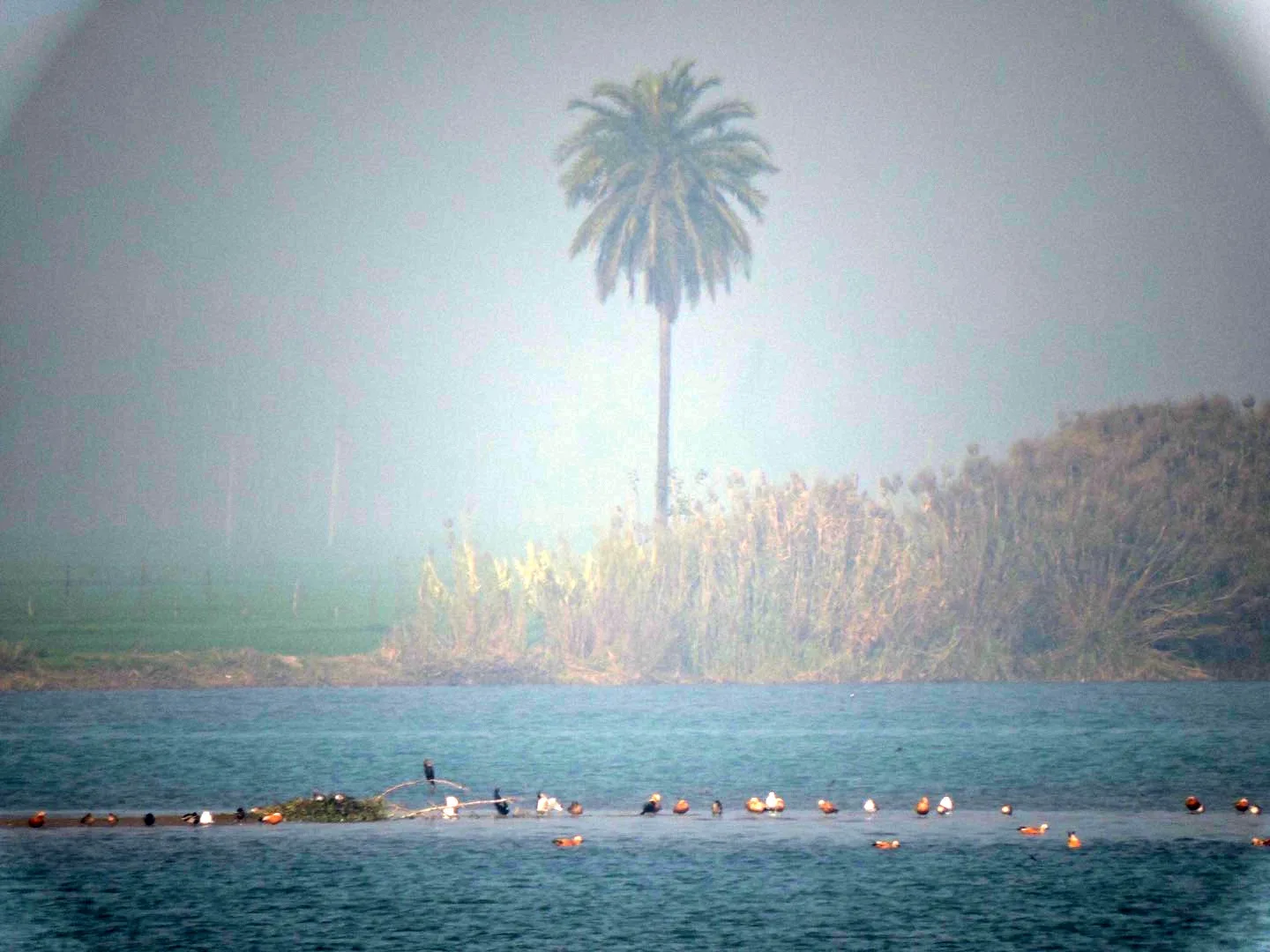
Ropar Wetland, in Punjab’s Rupnagar district, is a freshwater habitat formed by a river and lake. Visitors have come for birdwatching and boating, while its wildlife and Ramsar status are also notable.

Anandpur Sahib

27 km away · Rupnagar district

Anandpur Sahib

Anandpur Sahib is a Punjab town closely connected with Sikh history and worship. Visitors come to its Takht, learn about the Khalsa’s founding and attend the spring Hola Mohalla gathering.

Virasat-e-Khalsa

27 km away · Rupnagar district

Virasat-e-Khalsa

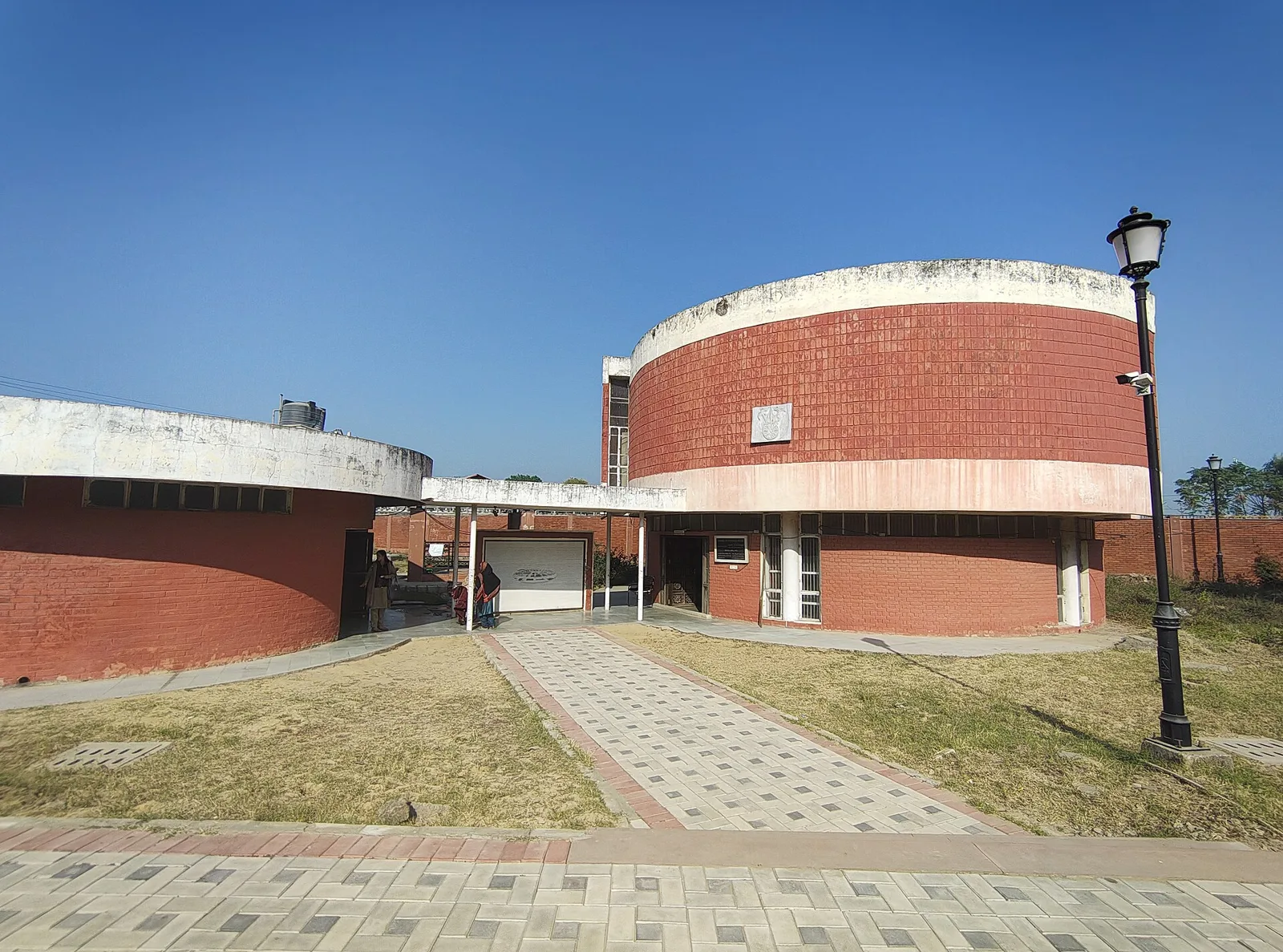
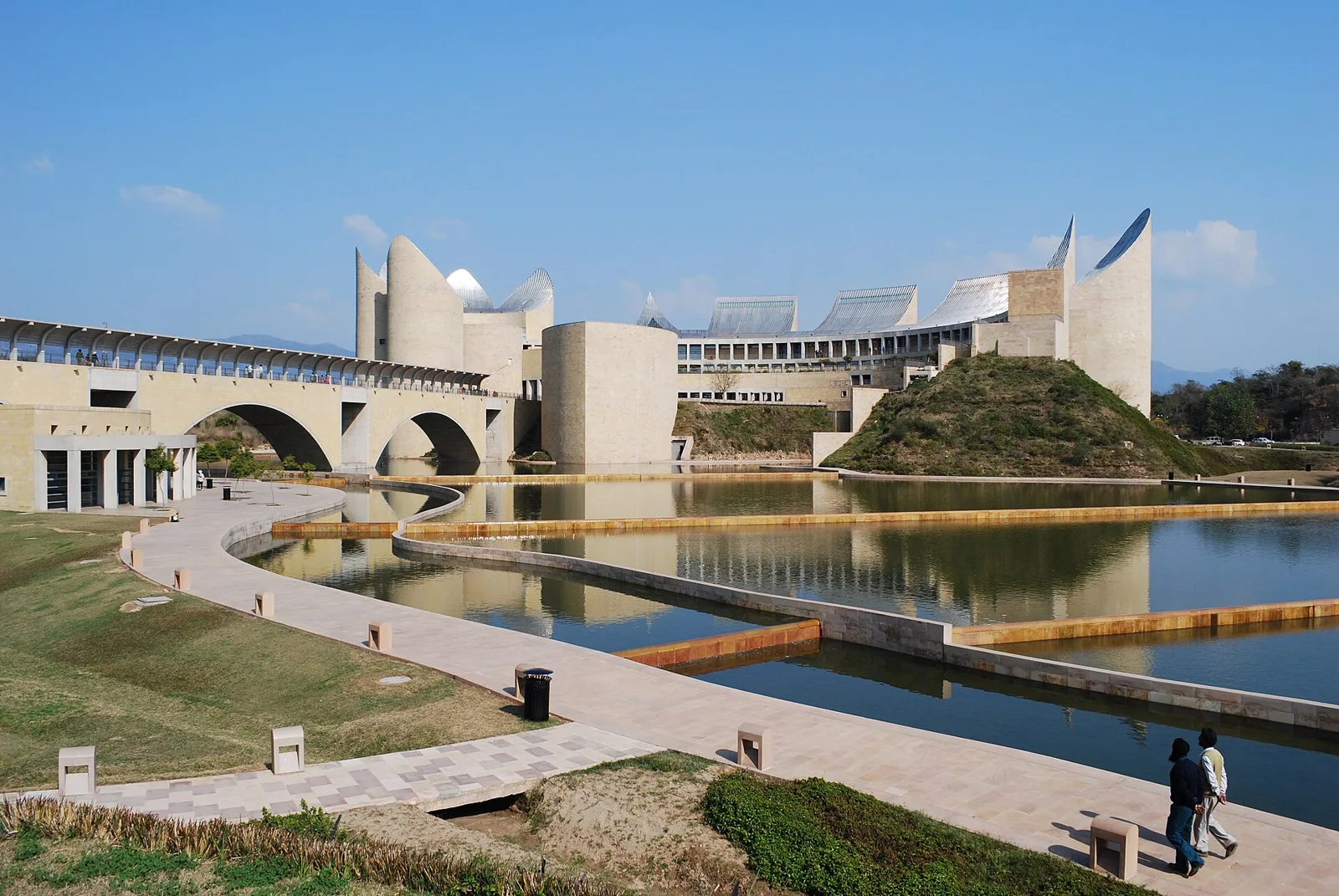
Virasat-e-Khalsa is a Sikh heritage museum complex in Anandpur Sahib, Punjab. Tourists and pilgrims visit to explore Sikh history and the Khalsa through material informed by Guru Gobind Singh’s scriptures.

Sanghol

32 km away · Fatehgarh Sahib district

Sanghol

Sanghol, also called Uchha Pind Sanghol, is a village in Punjab’s Fatehgarh Sahib district with roots in the Harappan civilisation. Visitors come to see its excavated Buddhist and Kushan remains and the museum collections.

Ludhiana

46 km away · Ludhiana district

Ludhiana

Ludhiana is Punjab’s most populous city and a major manufacturing and trading centre in northern India; visitors come for its industrial and commercial activity.

Fatehgarh Sahib

47 km away · Fatehgarh Sahib district

Fatehgarh Sahib

Fatehgarh Sahib is a city in Punjab and a Sikh pilgrimage centre, visited for its historic gurdwaras and its connection with the martyrdom of Guru Gobind Singh’s young sons.

Aam Khas Bagh

48 km away · Fatehgarh Sahib district

Aam Khas Bagh

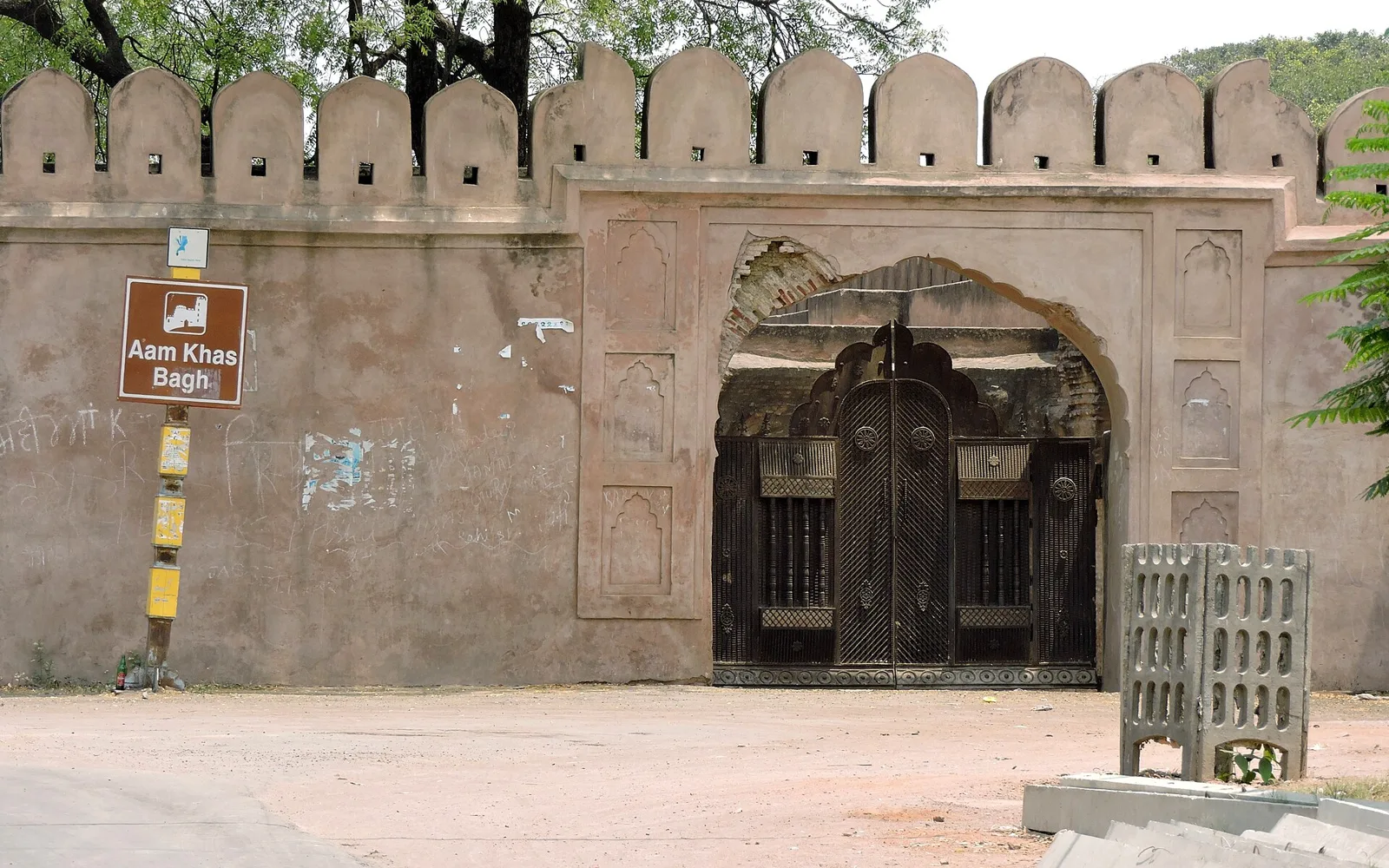
Aam Khas Bagh is a surviving Mughal-era roadside inn complex in Punjab’s Fatehgarh Sahib district, visited for its history as accommodation on the Delhi–Lahore route.

Phillaur Fort

49 km away · Ludhiana district

Phillaur Fort

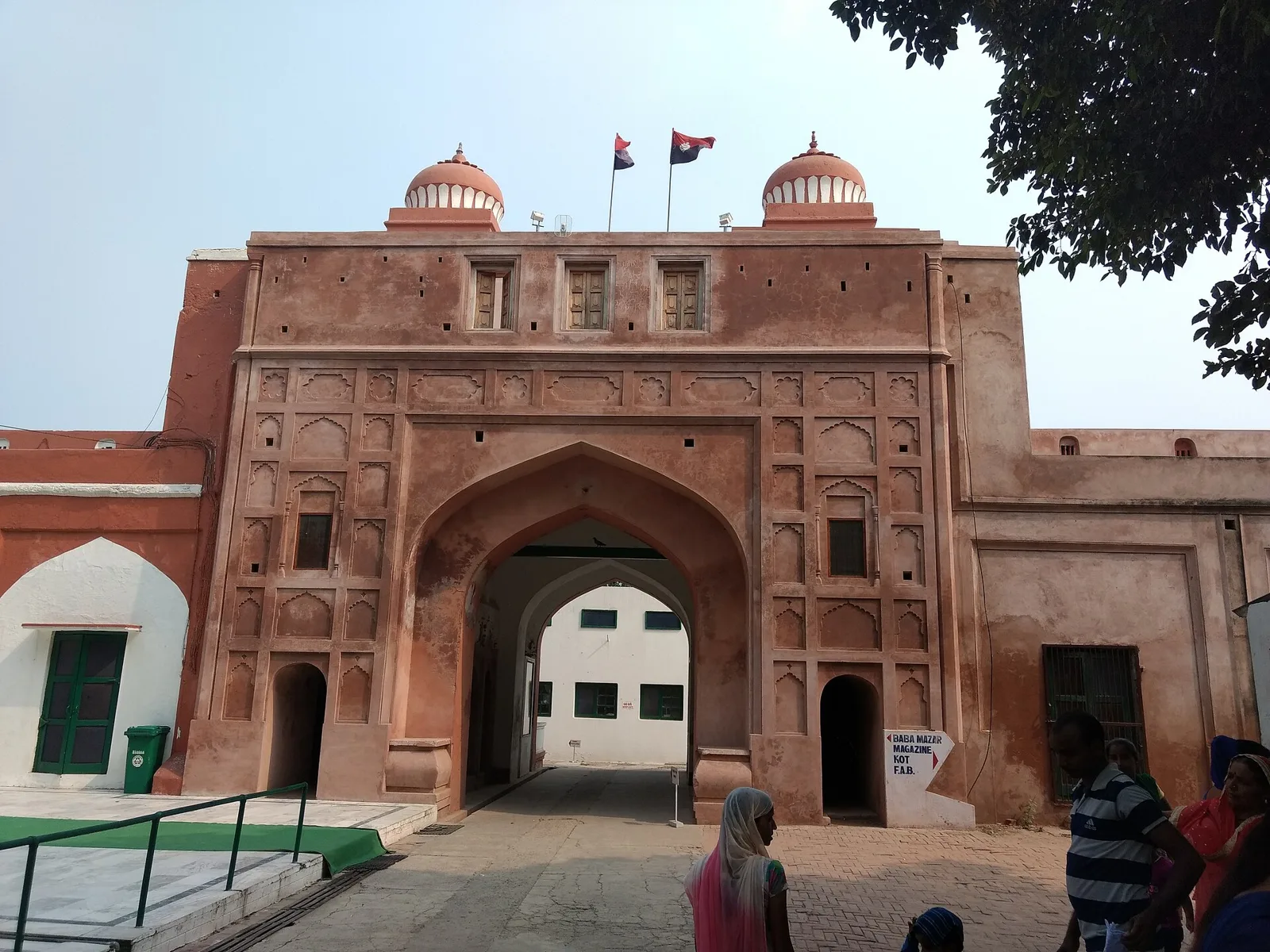
Known also as Maharaja Ranjit Singh Fort, Phillaur Fort is a fort in Punjab that visitors can see on the Grand Trunk Road at Phillaur.

Map

Balachaur on the map

  1. 1Ropar Wetland
  2. 2Anandpur Sahib
  3. 3Virasat-e-Khalsa
  4. 4Sanghol
  5. 5Ludhiana
  6. 6Fatehgarh Sahib
  7. 7Aam Khas Bagh
  8. 8Phillaur Fort

Punjab

Other cities to explore