
Ghumoopedia — Explore, Discover, Experience
Sign in
Patiala, near Patiala

City guide · Punjab

Patiala

Patiala is a city in southeastern Punjab and the administrative centre of its district. People visit for its royal history, Qila Mubarak and distinctive clothing, footwear and cultural traditions.

Famous for

  • Qila Mubarak
  • Patiala salwar
  • Patiala shahi turban
  • Patiala jutti
  • Patiala peg
In the city
1
District
Patiala

Why Patiala matters

Patiala is a historic city in southeastern Punjab and the administrative centre of Patiala district. Its identity grew around Qila Mubarak, the fortified complex founded by Ala Singh in 1763, and the old bazaars and gateways that developed nearby. The city is often called the Royal City, reflecting its history as the seat of a princely state.

Visitors come for its palaces, gardens, religious sites and lively traditional markets. Qila Mubarak is a major landmark, while the old city’s surviving gates offer glimpses of its historic layout. Patiala is also closely associated with distinctive Punjabi dress and accessories, including the Patiala salwar, shahi turban, paranda and jutti. The expression “Patiala peg” is another part of its popular image. Today, the city serves as a regional centre for administration, commerce and education, with institutions including Punjabi University and Thapar Institute of Engineering and Technology. Its blend of royal heritage and everyday Punjabi life makes it a rewarding stop for visitors exploring the state.

Famous for: crafts, trade & products

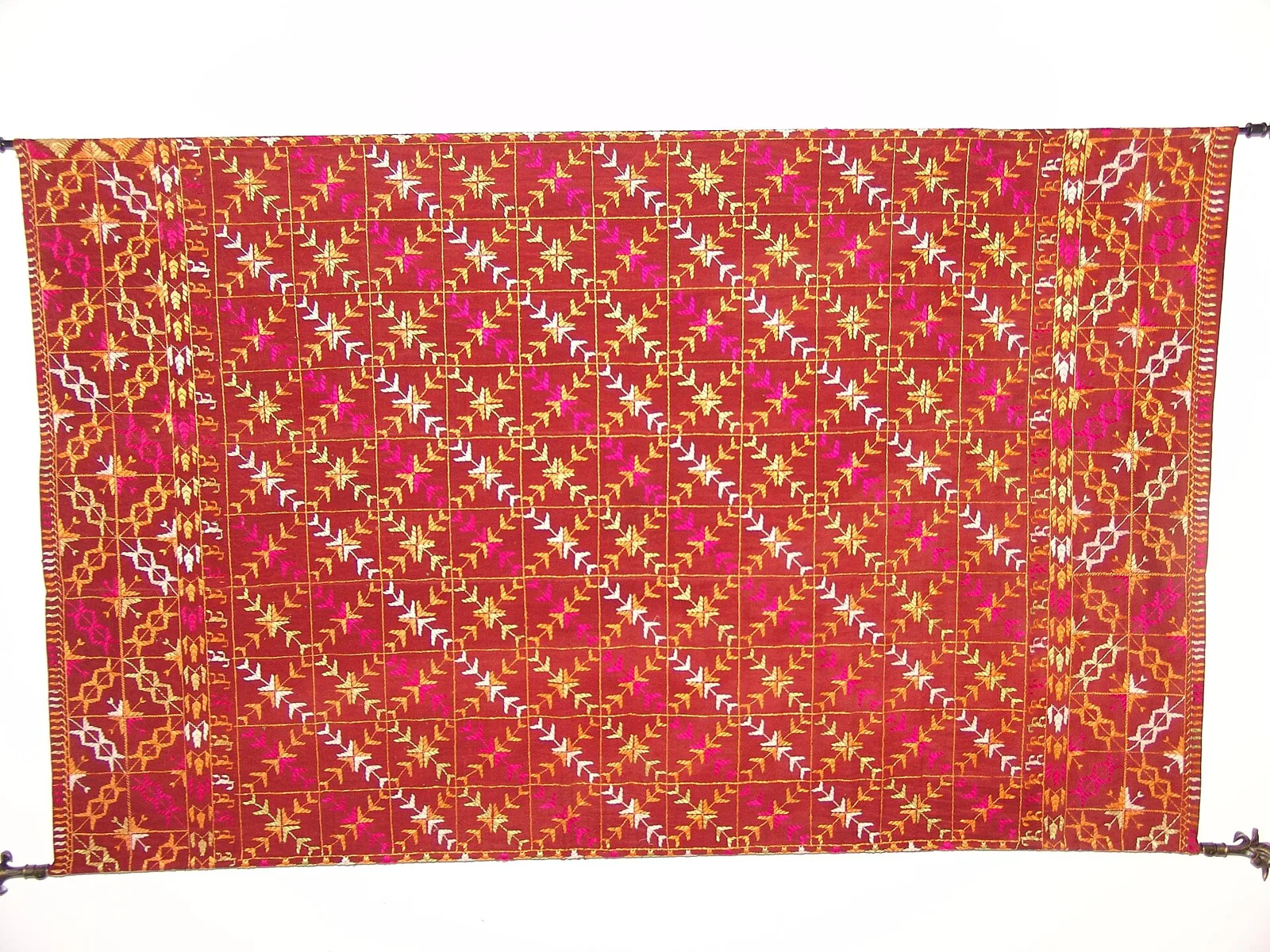
Patiala’s best-known traditional products are garments and accessories. The Patiala salwar, recognised by its pleated, draped shape, is worn across Punjab and beyond. The shahi turban, a distinctive style of headgear, and the paranda, a colourful tasselled hair accessory, are also associated with the city. Patiala juttis—traditional leather footwear—are a popular local craft. Visitors can look for these items in the old-city bazaars, including Adalat Bazaar and Dharampura Bazaar, where shops sell clothing, footwear, fabrics and other everyday goods. Designs and availability vary between makers and retailers.

Patiala peg is a familiar cultural expression rather than a craft or manufactured product. The city is also known for its educational institutions, notably Punjabi University and Thapar Institute of Engineering and Technology, which draw students from across the region. As a service and trading centre for the surrounding area, Patiala has busy retail markets alongside education and administrative activity. There is no single product that defines all of its commerce: the city’s reputation rests especially on its traditional attire, footwear, bazaars and role as a regional centre.

History

Ala Singh, a Jat Sikh chieftain, established Patiala in 1763 and laid the foundation of Qila Mubarak. Settlements and bazaars grew around the fort, whose protection encouraged merchants and residents to gather nearby. The city’s name is commonly linked either to Ala Singh or to the idea of a great land. Patiala rulers consolidated their power amid shifting contests among Afghan, Maratha and Sikh forces in Punjab.

In 1808, the ruler of Patiala entered into a treaty with the British, and the state later held a prominent, recognised position under British rule. Its rulers included Karam Singh, Narinder Singh and Bhupinder Singh. After independence, Patiala served as the capital of the Patiala and East Punjab States Union (PEPSU), formed in 1948. When PEPSU merged with Punjab in 1956, Patiala continued to develop as an important administrative and educational city. Its palace complex, old gates and bazaars remain visible reminders of its princely past.

Food, festivals & culture

Punjabi is the principal language of daily life, and Hindi is also widely understood. Meals reflect the broader food traditions of Punjab: visitors will find dishes such as makki di roti with sarson da saag, tandoori breads, rich curries, lassi and Punjabi sweets. Patiala’s name also appears in the “Patiala peg,” a well-known expression connected with local social culture.

Baisakhi, celebrated in spring, brings harvest-season gatherings and is important in Sikh tradition. Lohri is marked in winter with bonfires, songs and community celebrations; Gurpurabs honour Sikh Gurus on dates that vary by the Sikh calendar. Bhangra and giddha are familiar Punjabi folk dances, while Patiala is also associated with the Patiala gharana of Hindustani classical music. Places of worship include Gurdwara Dukh Nivaran Sahib and the Kali Mata Temple, both important destinations for devotees. The city’s cultural character combines Sikh and wider Punjabi traditions with the legacy of its former royal court.

Visiting the city

October to March is generally the most comfortable period to visit, with cooler weather than the very hot summer and monsoon months. The nearest major airport is Chandigarh International Airport; the main rail link is Patiala Railway Station. Visitors can get around by auto-rickshaw, taxi, local bus or app-based cab where available.

Begin in the old city around Qila Mubarak, then explore nearby bazaars such as Adalat Bazaar and Dharampura Bazaar, along with the surviving historic gates. The palace and garden area, including Moti Bagh Palace and Baradari Gardens, offers another perspective on Patiala’s royal history. Allow time for a gurdwara or temple visit, and browse local shops for traditional clothing, juttis and accessories. Summer days can be intensely hot, so plan outdoor sightseeing for cooler parts of the day.

Attractions

Places to visit in Patiala

Sights within about 12 km of each other, even when they fall in different districts.

Map

Patiala on the map

  1. 1Patiala

Punjab

Other cities to explore