Ghumoopedia — Explore, Discover, Experience
Sign in
Sri Muktsar Sahib, near Fazilka

City guide · Punjab

Fazilka

Fazilka is a border city in southwestern Punjab and the administrative headquarters of Fazilka district. Its position close to the India-Pakistan border gives it a distinctive place in the region’s history and daily life.

Famous for

  • Sadiqui-Sulemanki border ceremony
  • Asafwala War Memorial
  • Historic wool trade
  • Satluj-style jhumar
  • Punjab-Pakistan border setting

Why Fazilka matters

Fazilka is a border city in southwestern Punjab and the administrative headquarters of Fazilka district. Its position close to the India-Pakistan border gives it a distinctive place in the region’s history and daily life. The city also serves as a local centre for trade, services and travel for surrounding towns and villages.

Visitors come for the Sadiqui-Sulemanki border ceremony and the Asafwala War Memorial, which commemorates Indian soldiers who died defending the area during the 1971 war. The memorial offers a quieter, reflective contrast to the formal border display. Fazilka is also associated with a regional style of jhumar, a Punjabi folk dance, and with its earlier role in the wool trade linking Punjab and Sindh. These threads—borderland history, rural connections and living folk traditions—make the city a distinctive stop for travellers exploring Punjab’s southwest. Border-area visits may be subject to security arrangements, so check current access locally before setting out.
Famous for: crafts, trade & products

Fazilka is not especially identified with a signature saree, major handicraft tradition or widely recognised GI-tagged product. Its best-known commercial legacy is wool: the town developed as a trading centre for wool moving between Punjab and Sindh, a role it retained until the 1947 Partition. That history is part of the city’s identity, though wool is not necessarily the focus of today’s retail trade.

For everyday shopping, explore the central bazaar and the town’s main market streets, where local shops serve residents and visitors with clothing, household goods and daily needs. Fazilka also functions as a market and service centre for nearby rural communities, so its commerce reflects the surrounding agricultural region. Rather than expecting a dedicated craft quarter or a single famous product, visitors can browse general shops and ask locally about seasonal produce and regional goods. The city’s cultural distinction is more evident in its border heritage and folk traditions, particularly its association with Satluj-style jhumar, than in a specialised textile or handicraft industry.

History

Fazilka was established in 1844 by J. H. Oliver on land previously associated with Mian Fazil Watoo, from whom the city takes its name. What began as an uncultivated settlement grew into a trading centre connecting Punjab with Sindh, with wool among its important commodities. The railway reached the town in the late nineteenth century, strengthening its links with nearby markets. Fazilka became part of Ferozepur district in 1884, and its municipality was formed the following year.

Partition in 1947 transformed the border town. The Radcliffe boundary divided communities and established a new international frontier nearby; Fazilka’s Muslim residents left for Pakistan, while the town’s commercial and social life adapted to the division. During the 1971 Indo-Pakistani War, fighting reached villages around Fazilka. The Asafwala War Memorial commemorates Indian soldiers killed in the defence of the area. In 2011, Fazilka became the headquarters of a newly created district, reinforcing its role as a regional administrative centre.

Food, festivals & culture

Punjabi is the principal language of everyday life, with Bagri also spoken in the wider region. Food is rooted in the broader Punjabi tradition: visitors will find familiar breads, lentil and vegetable dishes, dairy-based foods and sweets at local eateries and shops. There is no single dish that defines Fazilka across the region, so the town is best approached as a place to sample everyday Punjabi cooking rather than seek a specific culinary speciality.

The calendar follows Punjab’s seasonal and religious celebrations. Lohri is marked in midwinter, Baisakhi in spring, and Diwali in autumn; Sikh Gurpurabs are observed according to the religious calendar. Gurdwaras and Hindu temples serve local worshippers, while the city’s history reflects a more varied pre-Partition religious landscape. Fazilka is particularly associated with jhumar, a Punjabi folk dance. The style linked to the town draws on regional traditions, including Satluj and Ravi influences, and is kept alive through performance and community gatherings.

Visiting the city

The most comfortable time to visit is from November to March, when days are generally cooler than during the very hot summer. The monsoon usually falls in late summer, and the transition months can be warm. Fazilka Railway Station serves the city. Bathinda Airport is a nearby airport option, while travellers seeking a broader choice of flights can consider Sri Guru Ram Dass Jee International Airport in Amritsar; check current connections before planning.

Auto-rickshaws and local taxis are practical for getting around town. The central bazaar is useful for browsing shops and experiencing everyday city life. The Asafwala War Memorial lies outside the centre, and the Sadiqui border area is another key excursion; arrange transport and confirm current visitor access in advance because it is a security-sensitive zone. Allow time for travel between these sites rather than treating them as a single walkable circuit.

Trips from the city

Nearest places to visit from Fazilka

Our closest destination guides, by straight-line distance.

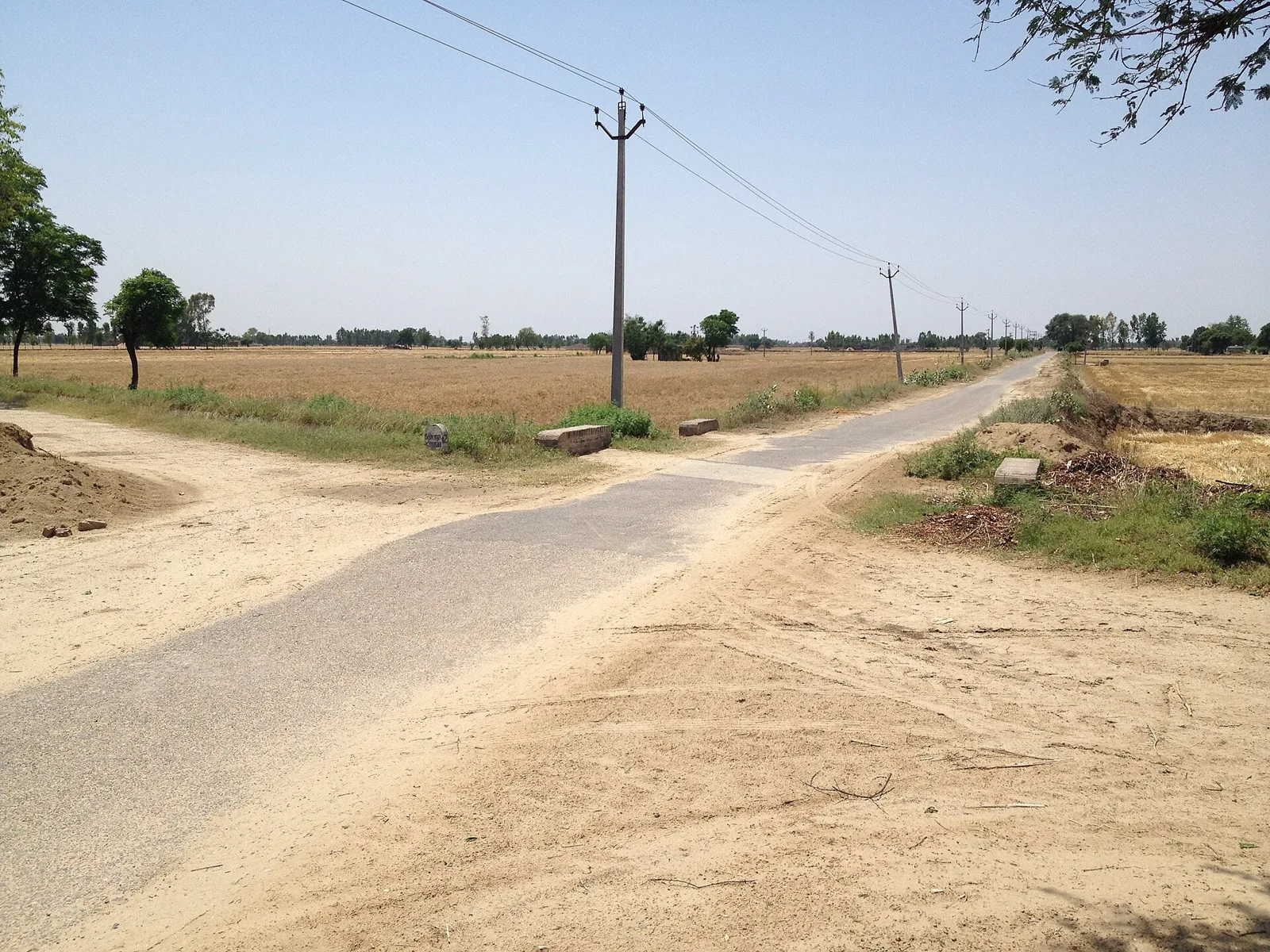
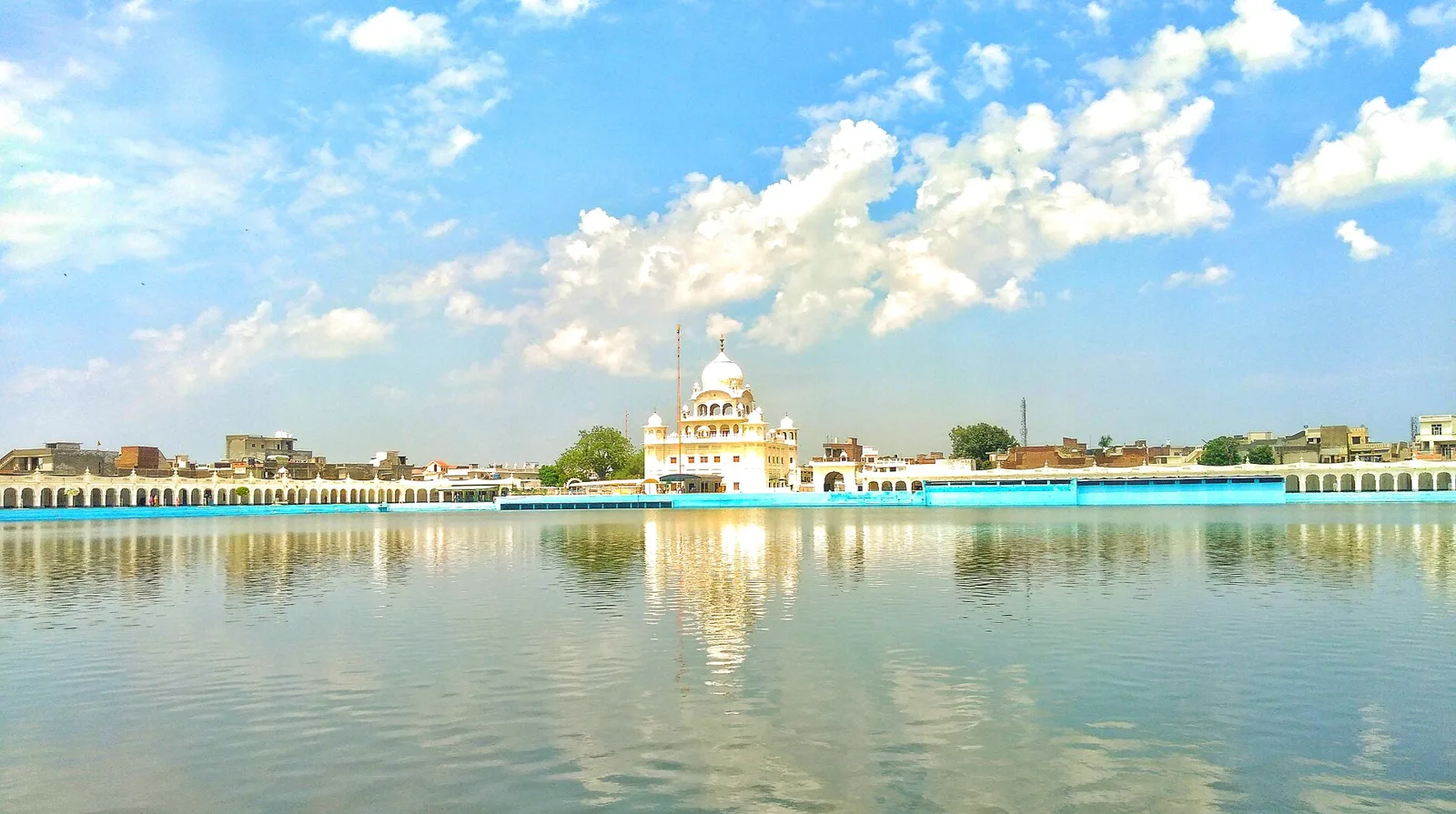
Sri Muktsar Sahib

47 km away · Sri Muktsar Sahib district

Sri Muktsar Sahib

Sri Muktsar Sahib, a city in Punjab, draws interest for its Sikh history and connection to the 1705 Battle of Muktsar; it also serves as a district centre.

Hussainiwala

83 km away · Firozpur district

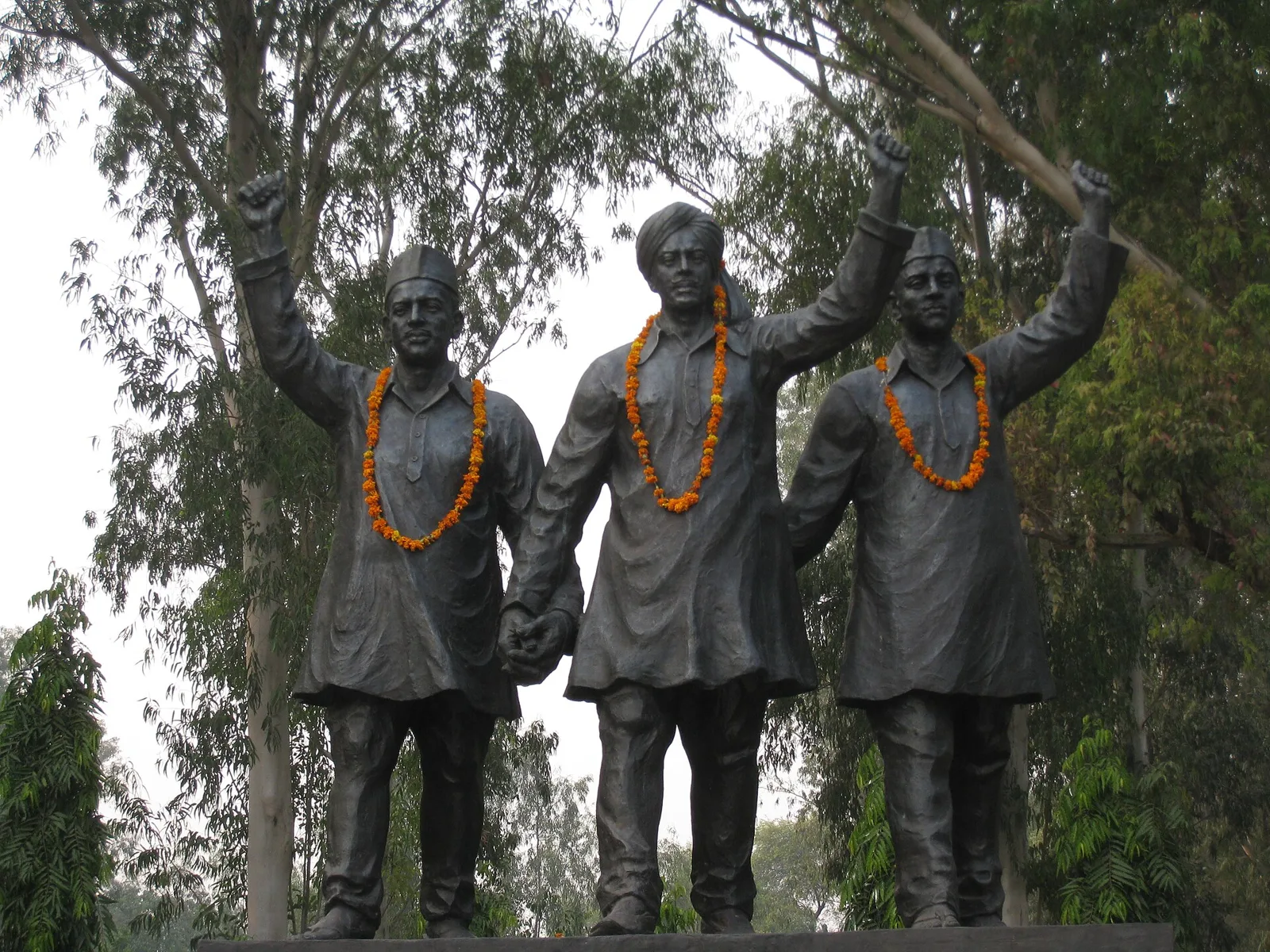
Hussainiwala

Hussainiwala is a village in Punjab’s Firozpur district, visited for its memorial to Bhagat Singh, Sukhdev Thapar and Shivaram Rajguru, and the daily India–Pakistan retreat ceremony.

Qila Mubarak

90 km away · Bathinda district

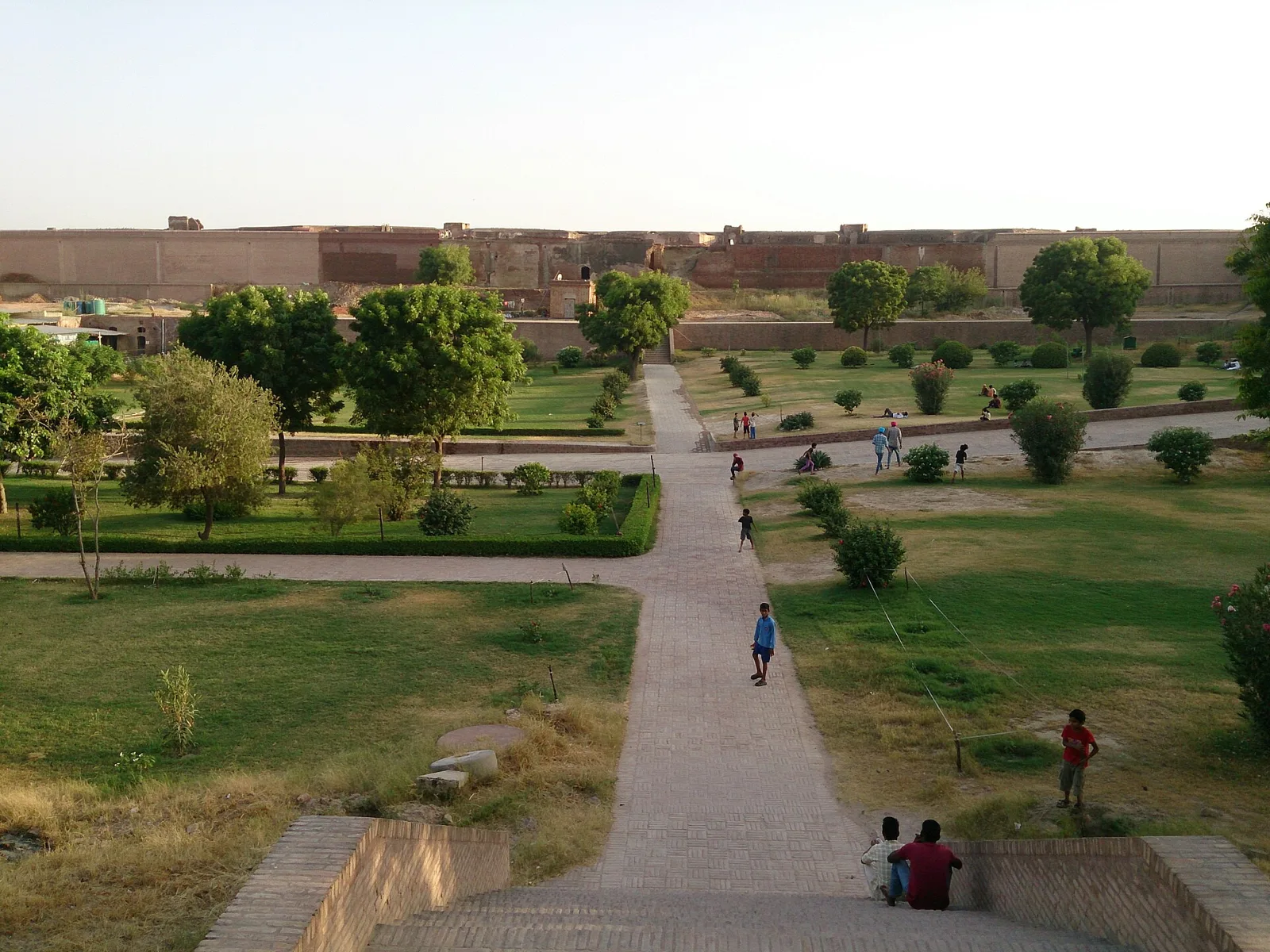
Qila Mubarak

Qila Mubarak is a historic fortress in Bathinda, known for its long past and its association with Razia Sultan. Visitors can see its lawns and gurdwaras, while much of the fort is closed to the public.

Bathinda

91 km away · Bathinda district

Bathinda

Bathinda is a city in Punjab’s Malwa region and the administrative centre of its district. Visitors can explore the historic Qila Mubarak fort, and the city also has a zoo and major educational institutions.

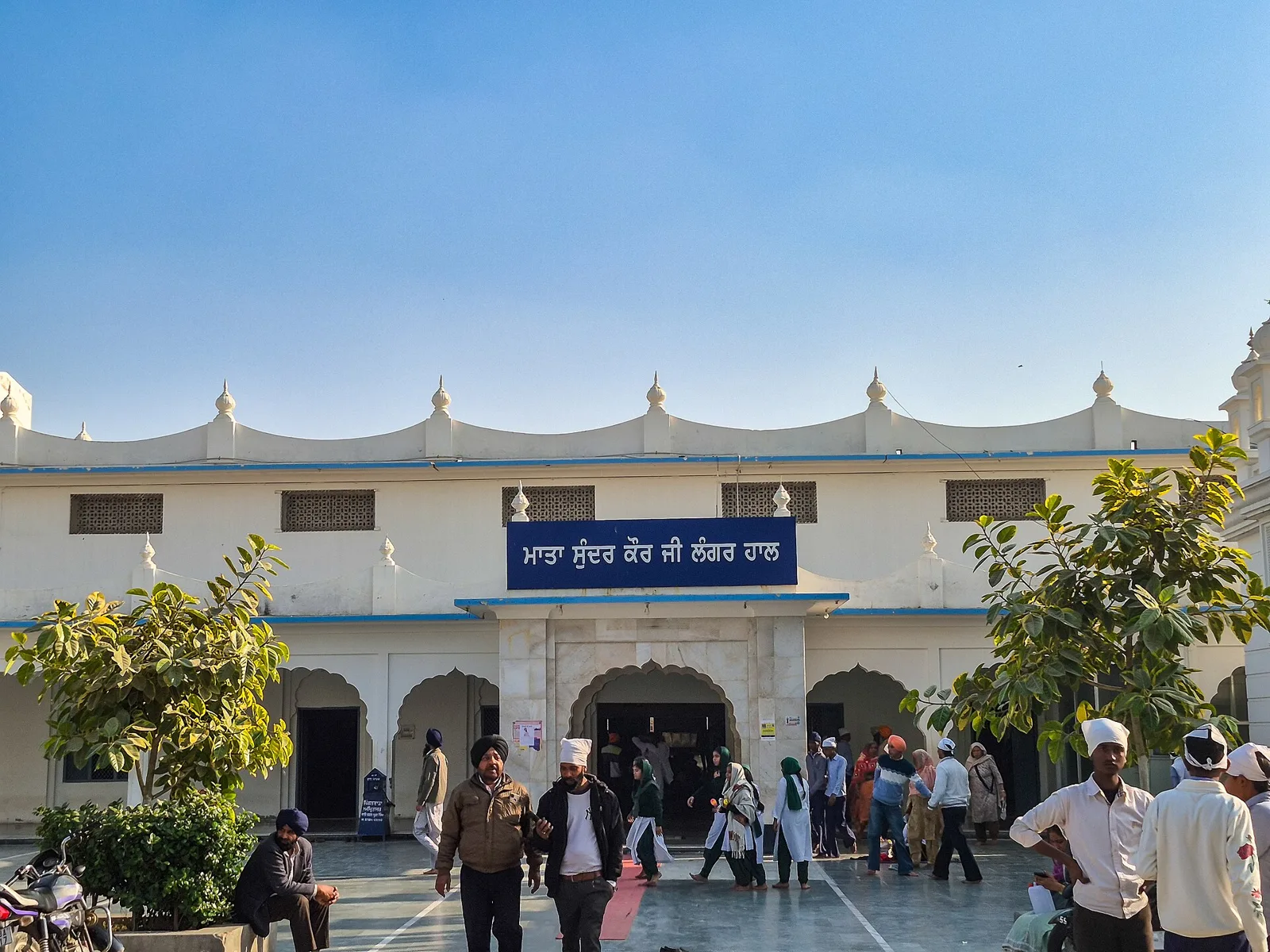
Takht Sri Damdama Sahib

111 km away · Bathinda district

Takht Sri Damdama Sahib

Takht Sri Damdama Sahib is a Sikh centre of temporal authority in Talwandi Sabo, visited for its connection with Guru Gobind Singh’s preparation of Sri Guru Granth Sahib.

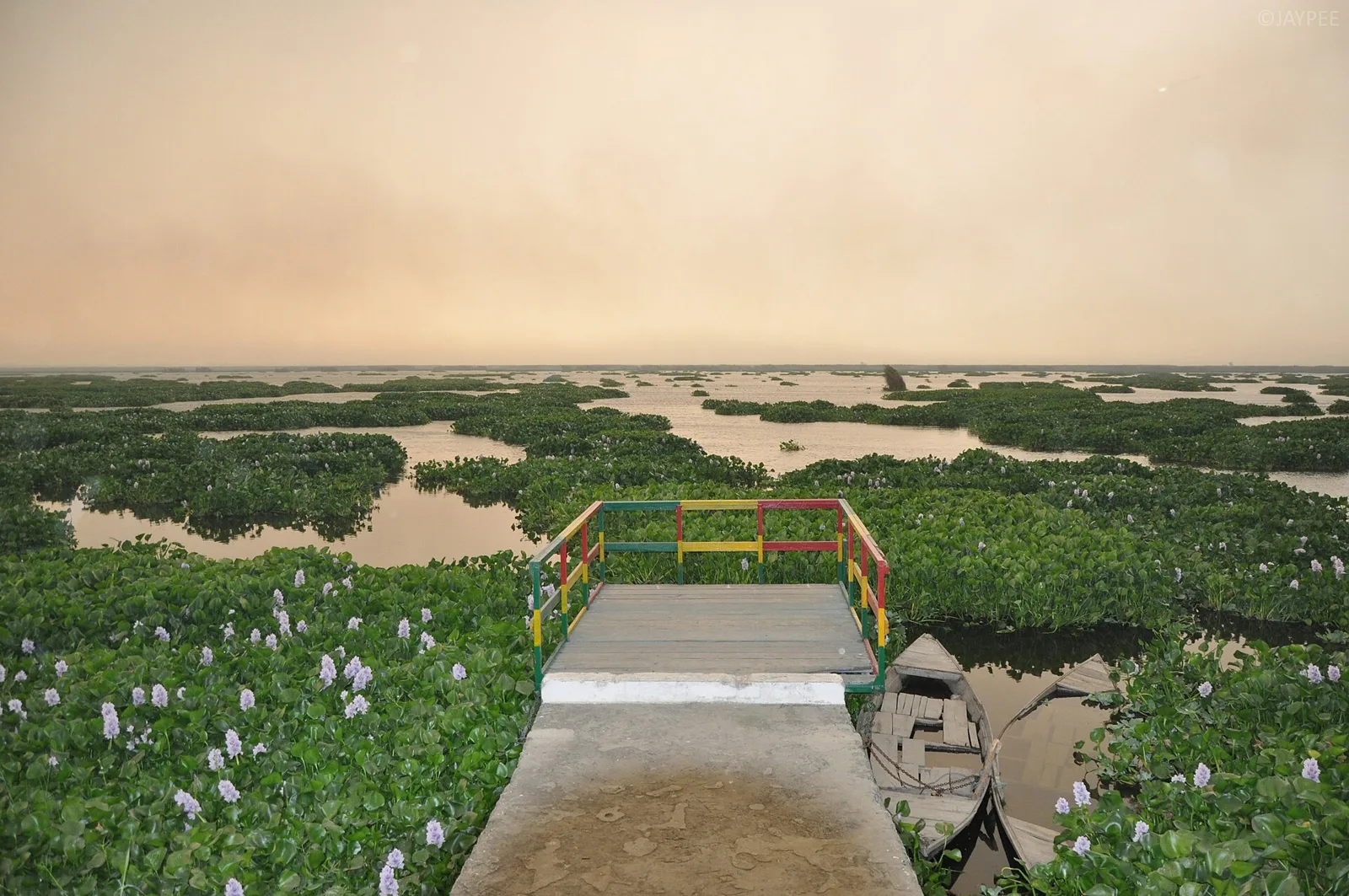
Harike Wetland

123 km away · Tarn Taran district

Harike Wetland

Harike Wetland is a Ramsar-listed lake and marsh complex in Punjab, created near the Beas–Sutlej confluence. Visitors come to see its diverse wetland habitat and migratory waterbirds, including threatened species.

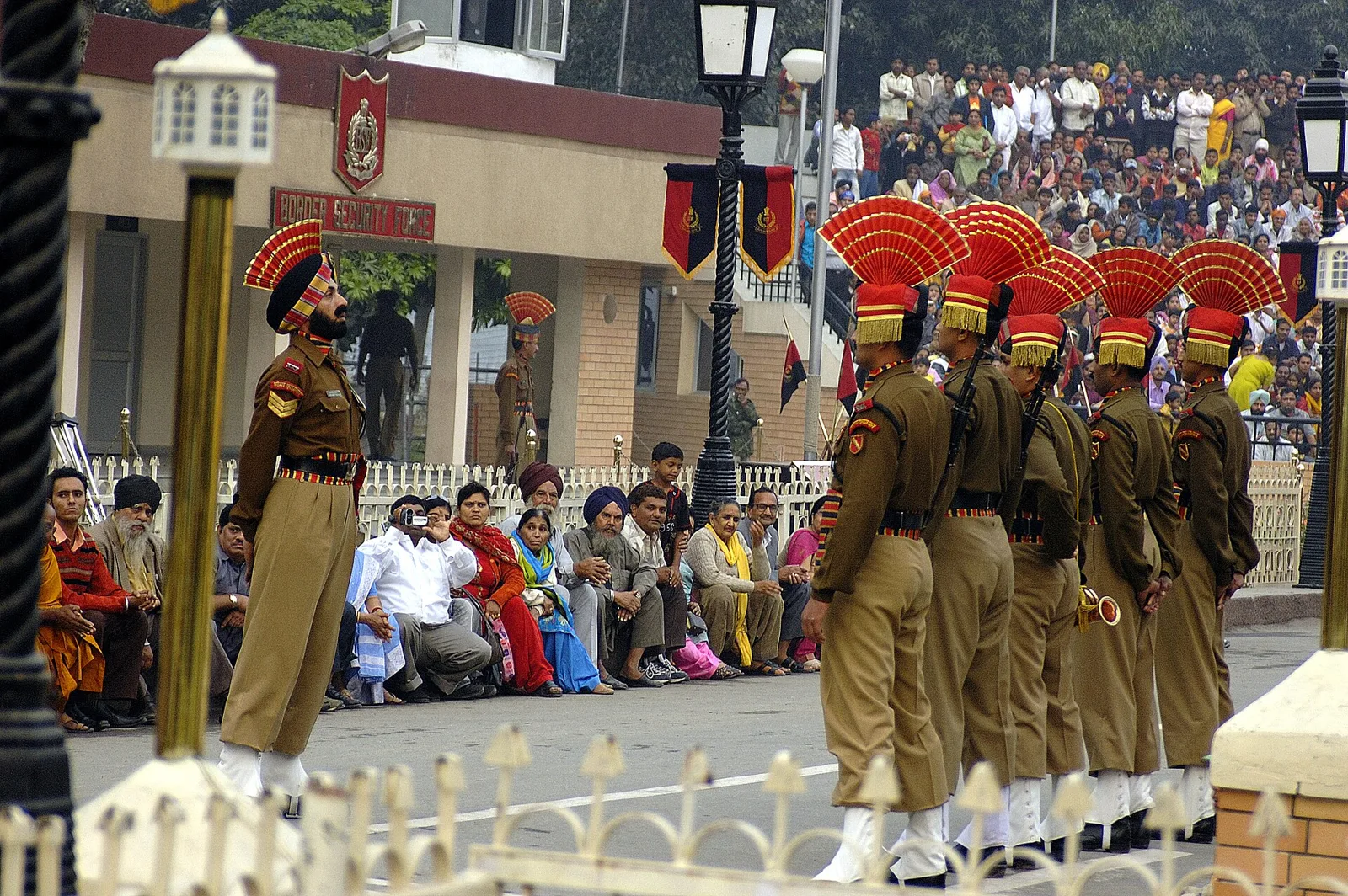
Attari–Wagah Border

144 km away · Amritsar district

Attari–Wagah Border

Attari–Wagah is a border area in Punjab beside Attari village. Visitors come for its setting near the India–Pakistan boundary and the village’s connections to the Lahore–Delhi railway and Sikh military history.

Sultanpur Lodhi

144 km away · Kapurthala district

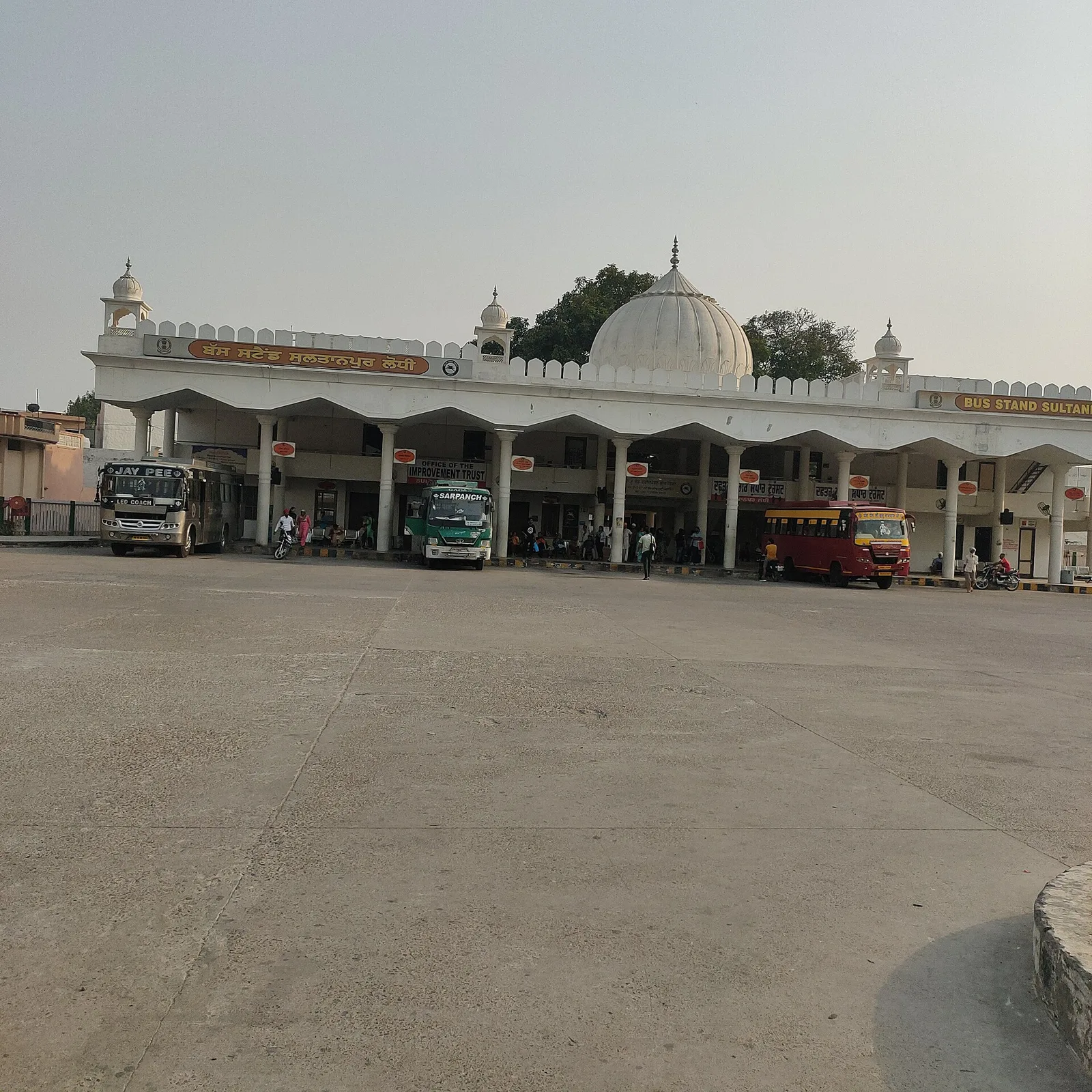
Sultanpur Lodhi

Sultanpur Lodhi is a town in Punjab’s Kapurthala district, with historical links to Bahlul Khan Lodi and a mention in the Ain-e-Akbari that give visitors reasons to explore its past.

Map

Fazilka on the map

  1. 1Sri Muktsar Sahib
  2. 2Hussainiwala
  3. 3Qila Mubarak
  4. 4Bathinda
  5. 5Takht Sri Damdama Sahib
  6. 6Harike Wetland
  7. 7Attari–Wagah Border
  8. 8Sultanpur Lodhi

Punjab

Other cities to explore