Ghumoopedia — Explore, Discover, Experience
Sign in
Devi Talab Mandir, near Hoshiarpur

City guide · Punjab

Hoshiarpur

Hoshiarpur is a district headquarters in Punjab’s Doaba region, serving as an administrative, trading and service centre for towns and villages across the north-eastern part of the state. Its position near the lower Shivalik foothills gives it a greener, more varied setting than the plains farther south and makes it a useful base for exploring nearby religious, archaeological and natural attractions.

Famous for

  • Hoshiarpur wood inlay
  • Doaba foothill setting
  • Dholbaha archaeological heritage
  • Takhni-Rehmapur sanctuary
  • Punjabi festival traditions

Why Hoshiarpur matters

Hoshiarpur is a district headquarters in Punjab’s Doaba region, serving as an administrative, trading and service centre for towns and villages across the north-eastern part of the state. Its position near the lower Shivalik foothills gives it a greener, more varied setting than the plains farther south and makes it a useful base for exploring nearby religious, archaeological and natural attractions.

The city is best known for its distinctive wood-inlay craft, whose products are made by skilled local artisans, and for its connections to Punjabi religious and cultural life. Visitors can browse the older market areas, seek out craft workshops and use the city as a starting point for excursions to Dholbaha’s archaeological remains or the Takhni-Rehmapur Wildlife Sanctuary. Places of worship in and around the district also draw pilgrims. Hoshiarpur is not a resort town; its appeal lies in everyday Doaba life, craft traditions and access to the foothills. Punjabi is widely spoken, and the city’s markets and eateries offer a practical introduction to regional food and commerce.
Famous for: crafts, trade & products

Hoshiarpur’s signature craft is its wood inlay work, a geographically recognised tradition associated with the city. Artisans decorate wooden objects with contrasting inlaid designs, producing items such as boxes, trays, panels and furniture. The work is valued for its fine detail and can be sought out in local craft shops and specialist workshops, including around the older market areas. Ask about the maker and materials when buying, as designs and finishes vary. The city is not primarily known as a saree or textile centre; its strongest craft identity is woodworking.

Hoshiarpur’s markets serve the surrounding district as well as city residents, with shops selling household goods, clothing, food and agricultural supplies. These busy commercial streets are a good place to see the city’s everyday trade, while sweet shops and eateries offer familiar Punjabi specialities. Rather than a single large tourist market, craft purchases are often best made directly from established sellers or workshops. The district’s agricultural economy and local services support Hoshiarpur’s role as a regional hub, but the wood-inlay tradition remains its most distinctive product association.

History

Hoshiarpur’s foundation is traditionally placed in the early fourteenth century. Over time it became an important settlement in the Doaba, the region between the Beas and Sutlej rivers, and its location near the foothills connected it with routes towards the Himalayan edge of Punjab. Sikh forces took control of the area in 1809. Following the British annexation of Punjab in 1849, Hoshiarpur developed as an administrative centre, a role that continued through later changes in government.

The city’s markets and institutions grew to serve the farming communities and smaller settlements of the surrounding district. After independence, its position as the district headquarters helped sustain expansion in public services, education, transport and commerce. Hoshiarpur is now a municipal corporation and remains closely linked to its rural hinterland. Its history is also reflected in the wider district, where archaeological remains at Dholbaha and long-established places of worship offer glimpses of earlier settlement and religious life. The city’s wood-inlay craft provides another continuing link between its past and present.

Food, festivals & culture

Punjabi is the main language of daily life, with Hindi also commonly understood. Hoshiarpur shares the food traditions of the wider Doaba and Punjab: meals often feature wheat breads, lentils, seasonal vegetables and dairy. Sarson da saag with makki di roti is especially associated with winter, while parathas, lassi and sweets such as jalebi or pinni are familiar choices at local eateries and sweet shops. Menus and specialities vary from one establishment to another.

Lohri, celebrated in midwinter, and Baisakhi, in spring, are important seasonal occasions; Diwali and Sikh Gurpurabs are also observed, with Gurpurab dates changing each year. Gurdwaras and Hindu temples serve as community and devotional centres, and festivals bring music, prayer and shared meals into public life. Bhangra and giddha are well-known Punjabi dance traditions, heard and performed especially at celebrations and family events. Visitors can experience this culture most naturally in neighbourhood markets, places of worship and local food businesses, remembering to dress respectfully and follow site customs.

Visiting the city

October to March is generally the most comfortable period to visit, with cooler weather for walking and day trips. Summers can be very hot, while the monsoon brings rain. The nearest airport is Adampur Airport, also known as Shri Guru Ravidas Ji Airport; flight options may be limited, so check connections before planning. Hoshiarpur Railway Station is the city’s main station. Road links connect it with Jalandhar, Chandigarh and other towns in Punjab.

Auto-rickshaws, taxis and local buses are useful for getting around. Explore the central market streets and older bazaar lanes for everyday shopping and wood-inlay sellers. For trips beyond the city, Dholbaha’s archaeological remains and Takhni-Rehmapur Wildlife Sanctuary offer contrasting heritage and nature outings; arrange local transport in advance. Dress modestly at religious sites and check local guidance before entering.

Trips from the city

Nearest places to visit from Hoshiarpur

Our closest destination guides, by straight-line distance.

Devi Talab Mandir

38 km away · Jalandhar district

Devi Talab Mandir

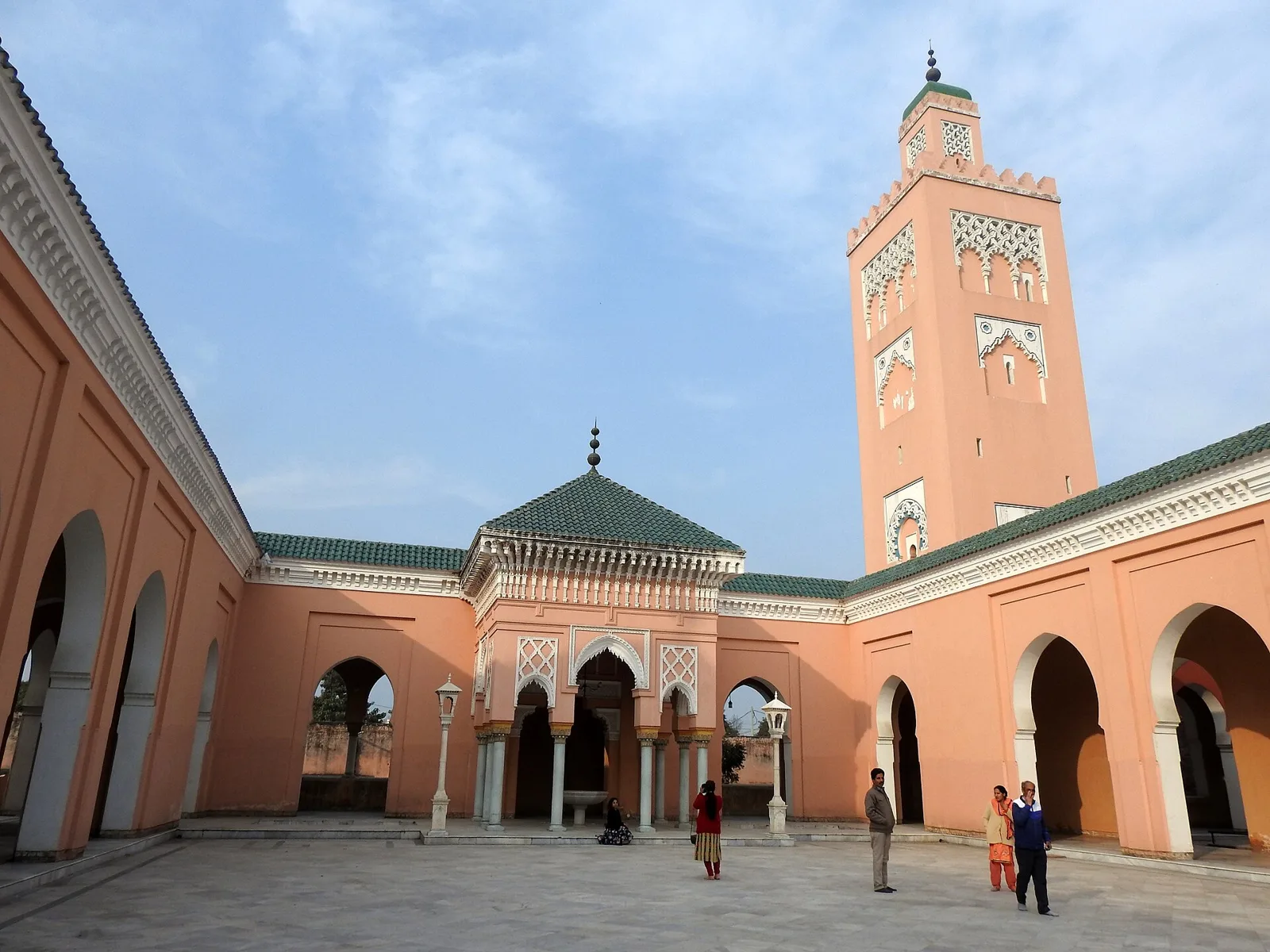
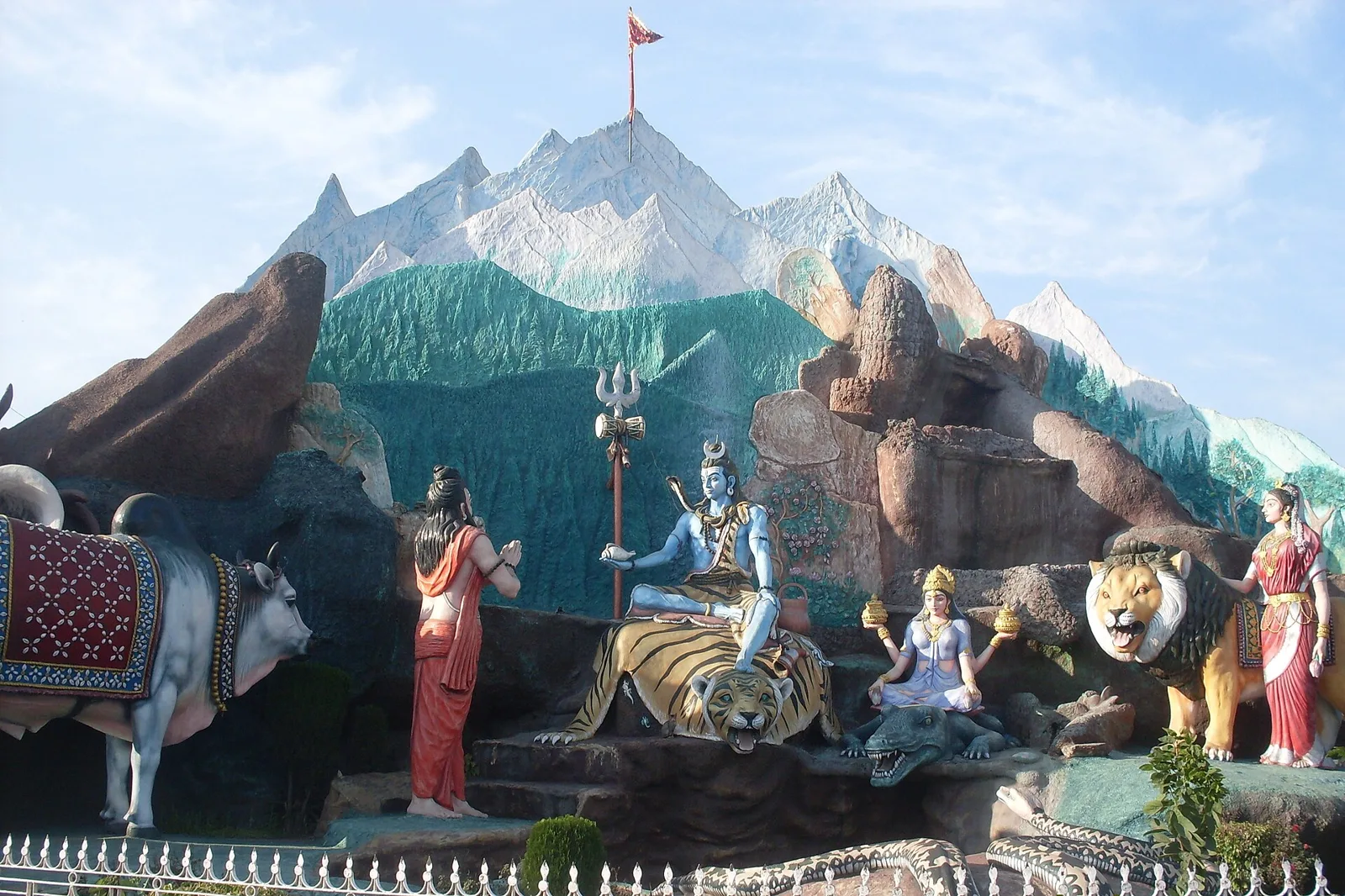
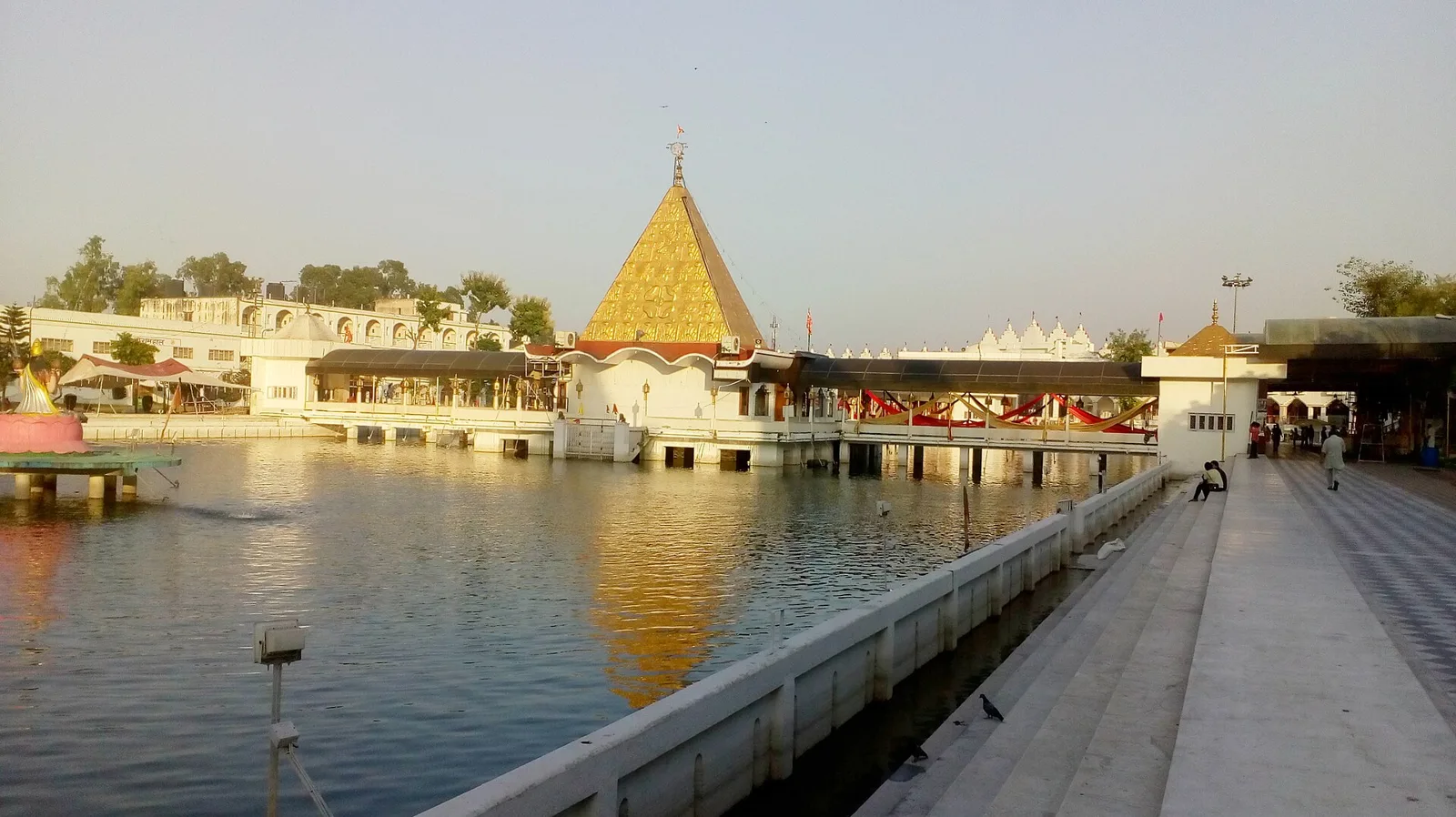
In Jalandhar, Punjab, Devi Talab Mandir is a Hindu place of worship dedicated to Goddess Durga. Pilgrims visit for its religious importance, ancient tank and shrines within the complex.

Jalandhar

40 km away · Jalandhar district

Jalandhar

Jalandhar is a major city in Punjab and the largest urban centre in Doaba. Visitors encounter it as a regional centre and a well-connected stop on rail and road routes.

Jagatjit Palace

53 km away · Kapurthala district

Jagatjit Palace

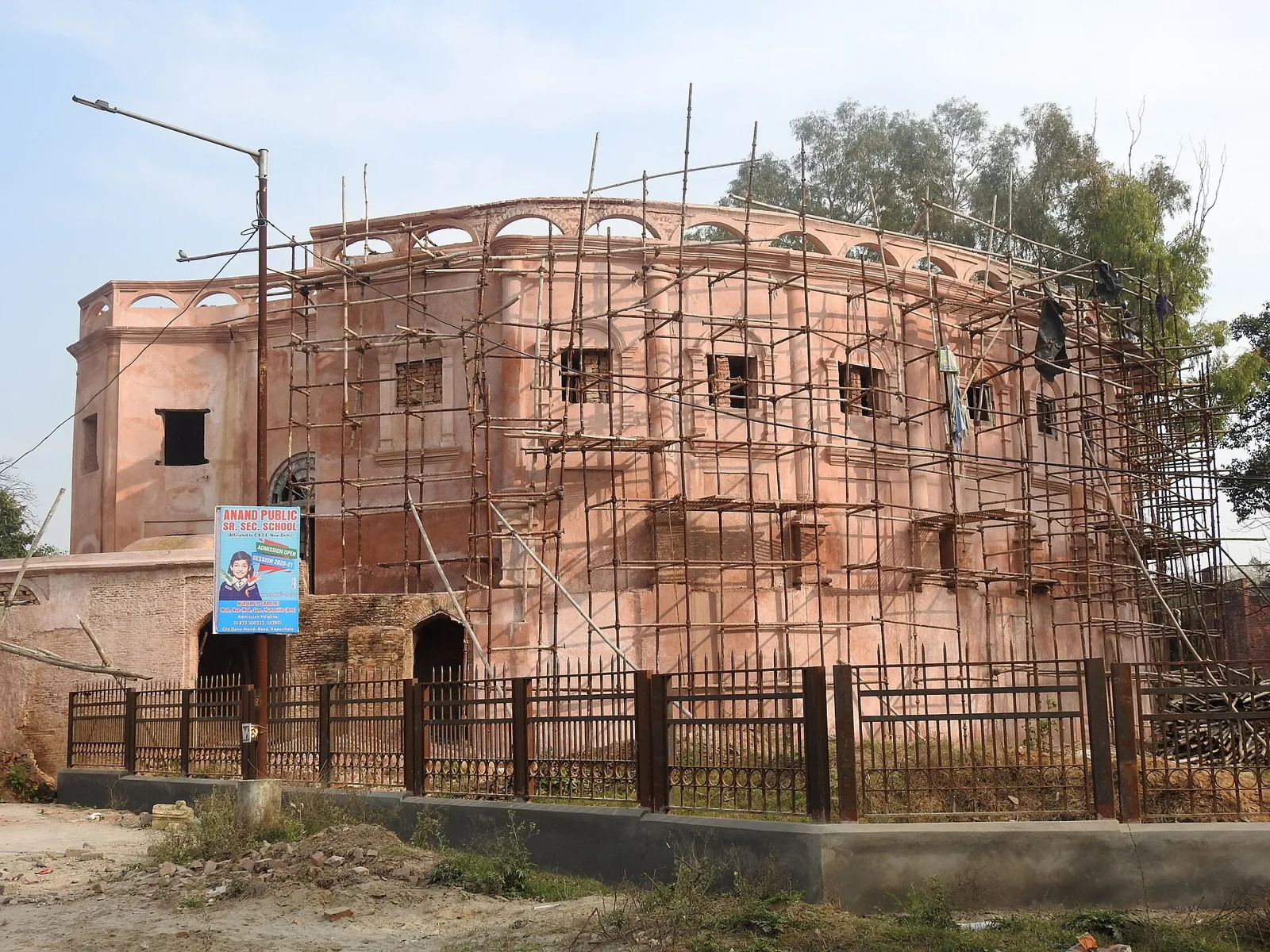
Jagatjit Palace is a former royal residence in Kapurthala, now occupied by Sainik School. Visitors can learn about its connection with the town’s rulers and its change of use.

53 km away · Kapurthala district

Kanjli Wetland

Kanjli Wetland is an artificial wetland in Kapurthala district, Punjab, that includes Kanjli Lake. Visitors come to experience its diverse habitats and wildlife, recognised internationally through the Ramsar Convention.

Kapurthala

53 km away · Kapurthala district

Kapurthala

Kapurthala is a Punjab city and former princely-state capital, noted for French and Indo-Saracenic architecture. Visitors come to see its palaces, gardens and historic character.

Phillaur Fort

60 km away · Ludhiana district

Phillaur Fort

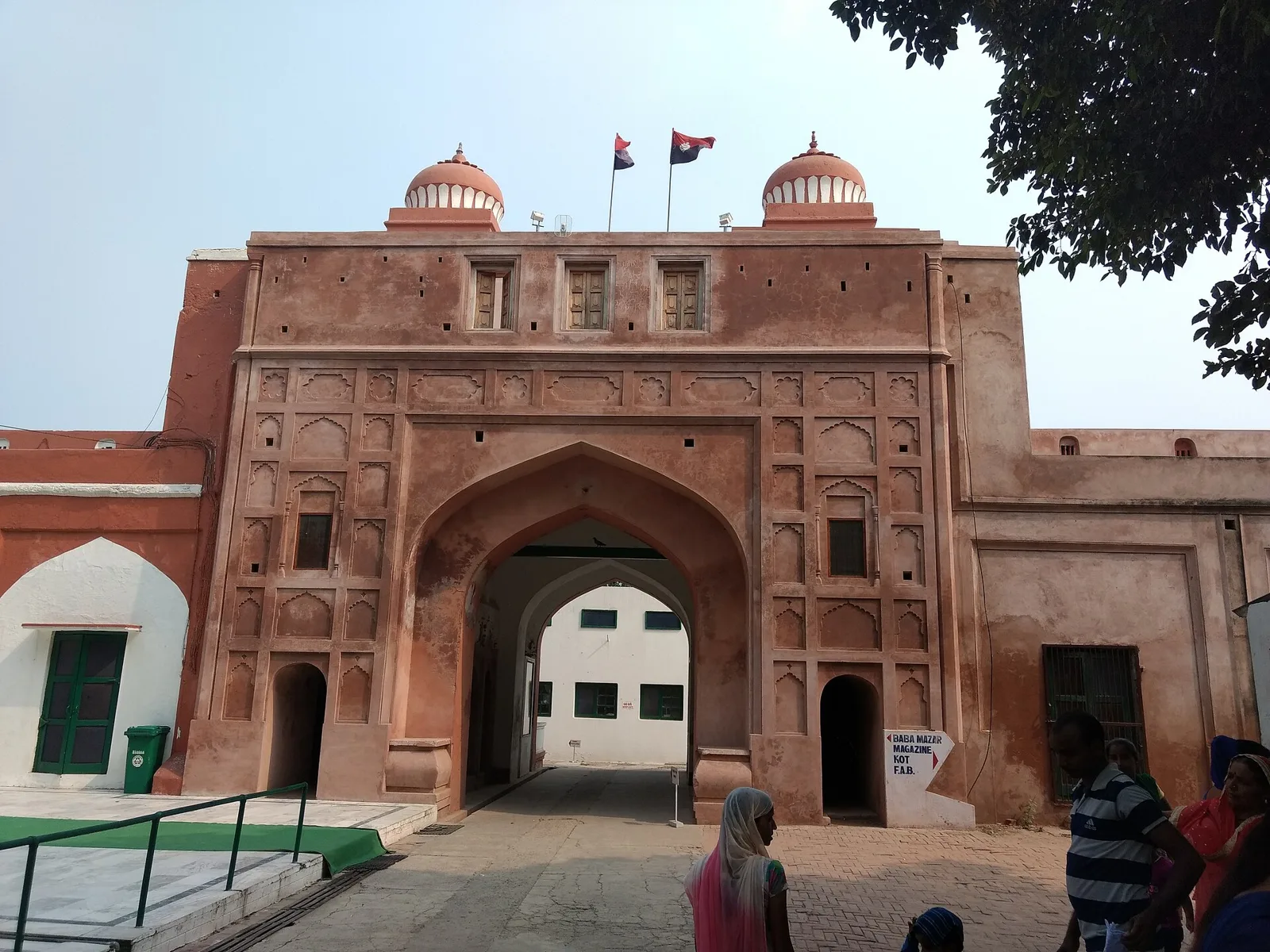
Known also as Maharaja Ranjit Singh Fort, Phillaur Fort is a fort in Punjab that visitors can see on the Grand Trunk Road at Phillaur.

Anandpur Sahib

65 km away · Rupnagar district

Anandpur Sahib

Anandpur Sahib is a Punjab town closely connected with Sikh history and worship. Visitors come to its Takht, learn about the Khalsa’s founding and attend the spring Hola Mohalla gathering.

Virasat-e-Khalsa

65 km away · Rupnagar district

Virasat-e-Khalsa

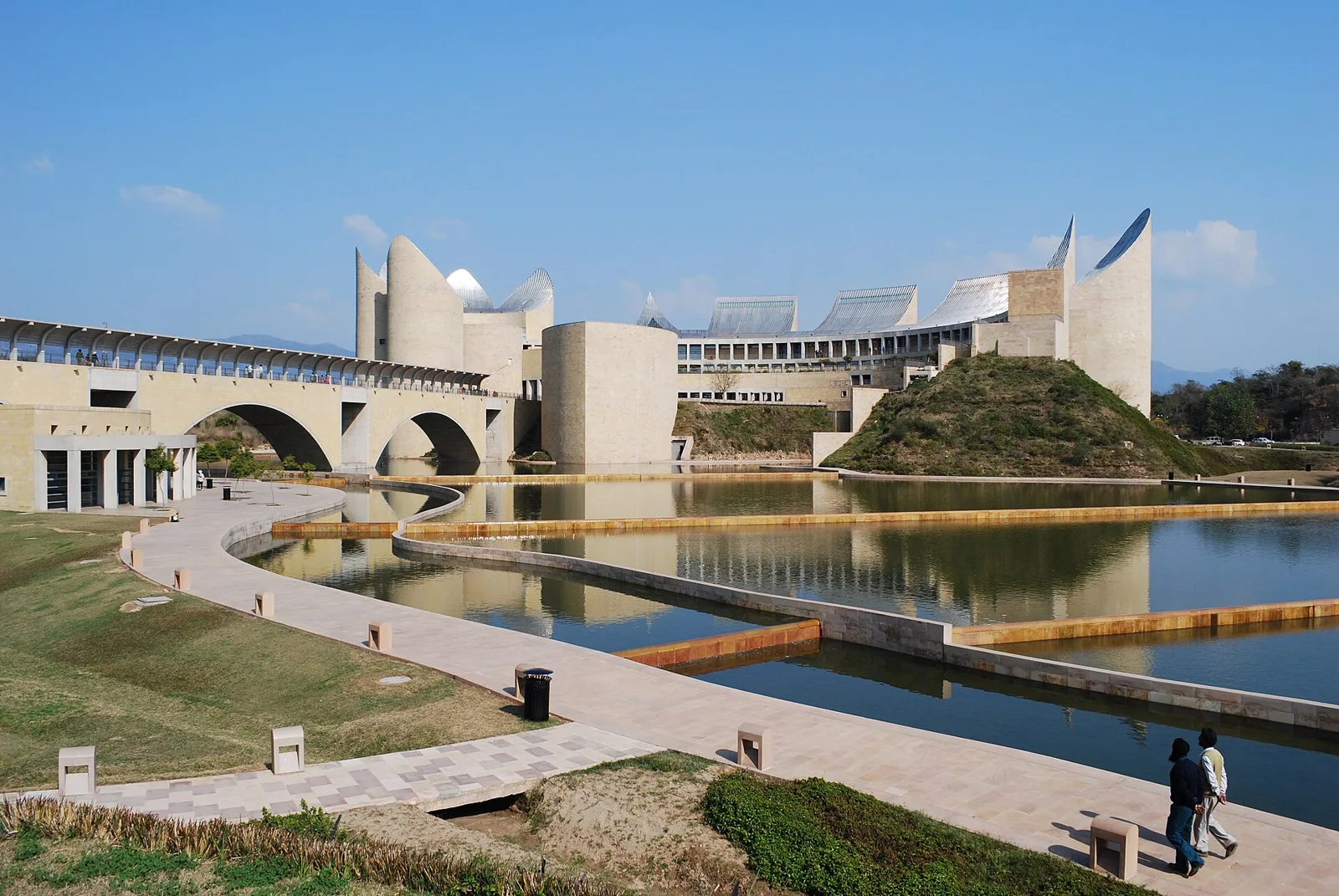
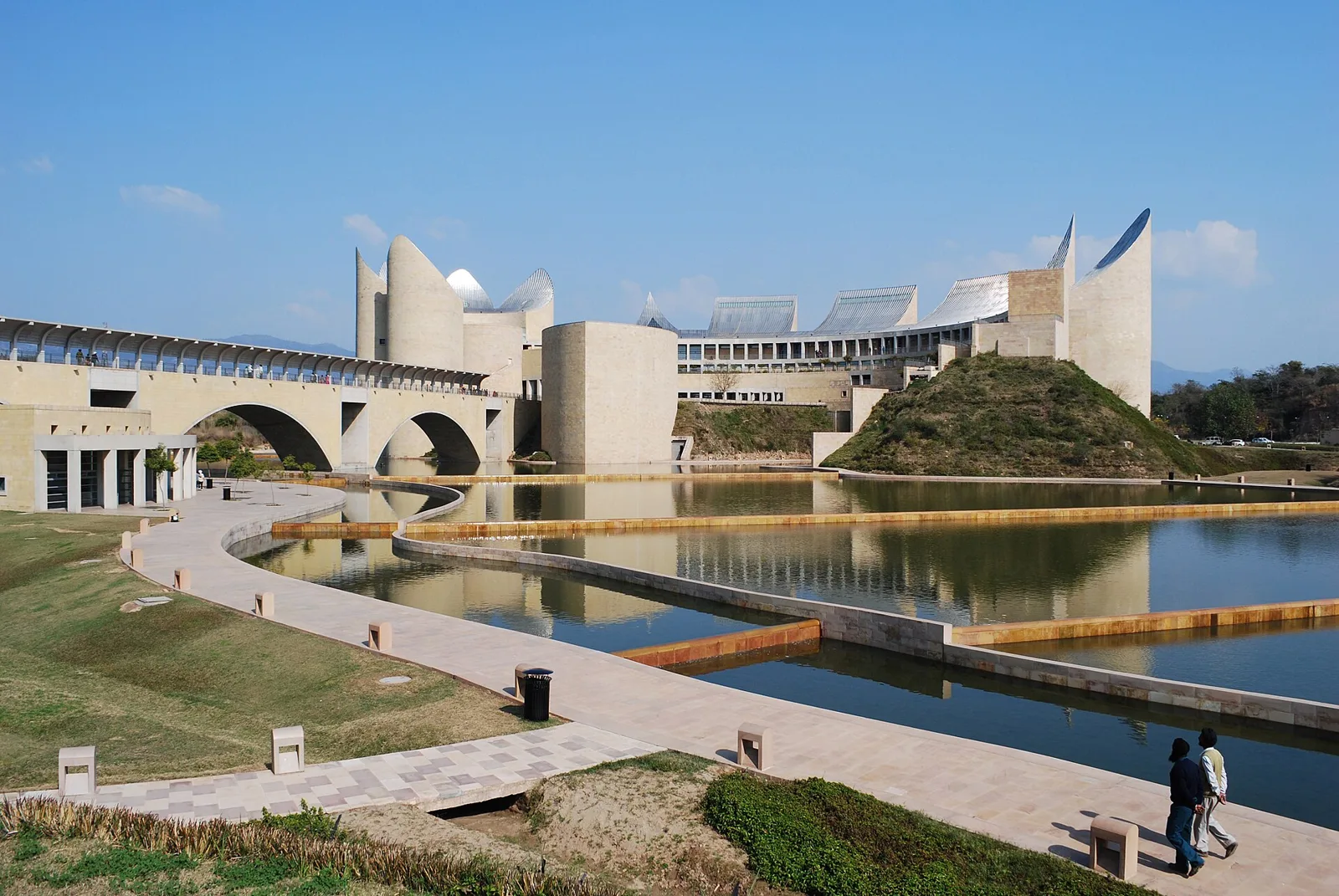
Virasat-e-Khalsa is a Sikh heritage museum complex in Anandpur Sahib, Punjab. Tourists and pilgrims visit to explore Sikh history and the Khalsa through material informed by Guru Gobind Singh’s scriptures.

Map

Hoshiarpur on the map

  1. 1Devi Talab Mandir
  2. 2Jalandhar
  3. 3Jagatjit Palace
  4. 4Kanjli Wetland
  5. 5Kapurthala
  6. 6Phillaur Fort
  7. 7Anandpur Sahib
  8. 8Virasat-e-Khalsa

Punjab

Other cities to explore