Ghumoopedia — Explore, Discover, Experience
Sign in
Bathinda, near Jaitu

City guide · Punjab

Jaitu

Jaitu, also written Jaito and sometimes called Gangsar Jaitu, is a historic town and municipal council in Faridkot district, southwestern Punjab. It serves as a local centre for nearby villages, with everyday commerce, public services and transport links connecting it to larger towns such as Bathinda and Faridkot.

Famous for

  • Gurdwara Gangsar Sahib
  • Gurdwara Tibbi Sahib
  • Jaito Morcha history
  • Sikh religious heritage
  • Punjabi agricultural trade

Why Jaitu matters

Jaitu, also written Jaito and sometimes called Gangsar Jaitu, is a historic town and municipal council in Faridkot district, southwestern Punjab. It serves as a local centre for nearby villages, with everyday commerce, public services and transport links connecting it to larger towns such as Bathinda and Faridkot. Its location in Punjab’s agricultural belt shapes much of the surrounding economy and landscape.

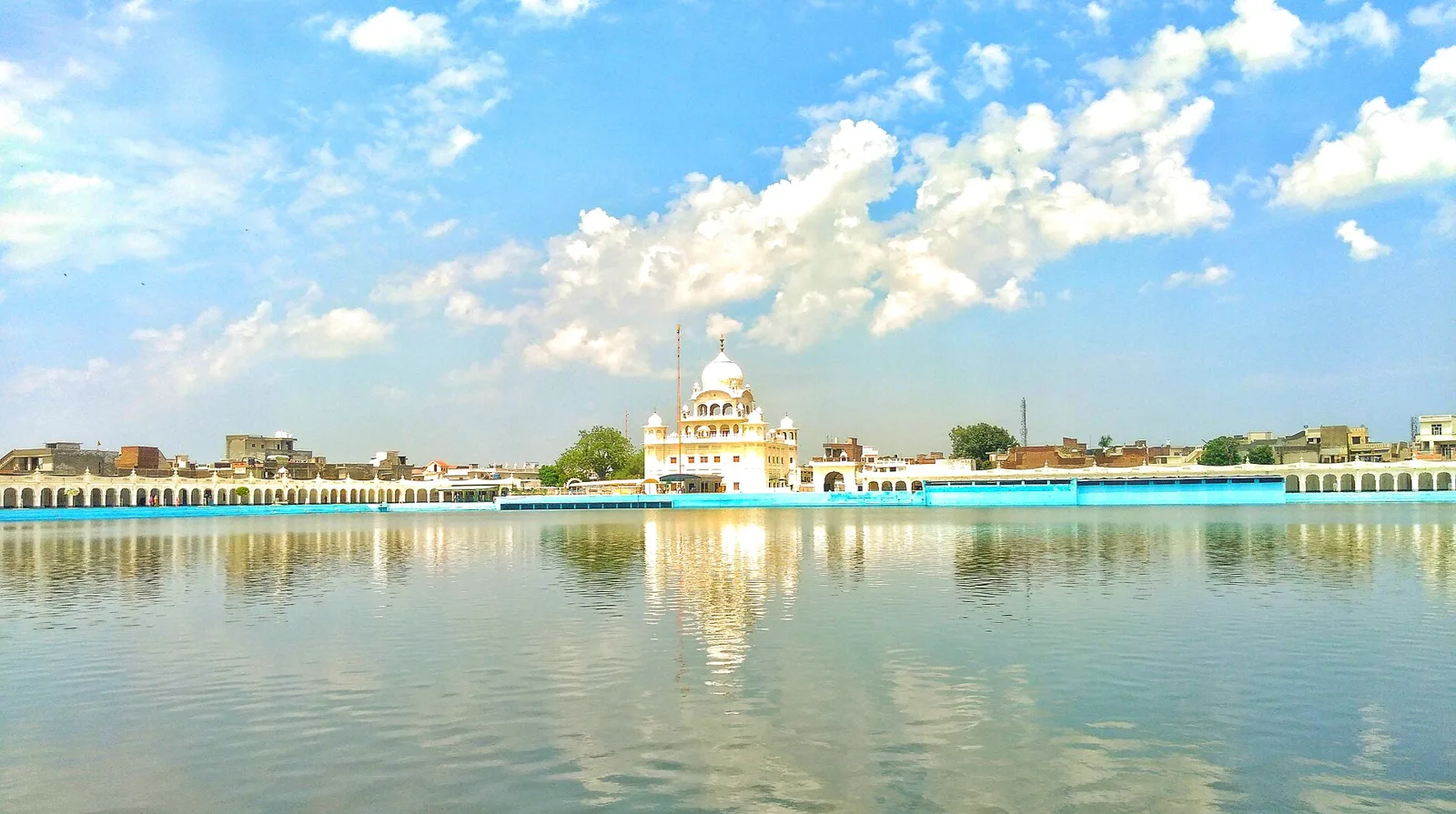
For visitors, Jaitu’s strongest draw is its Sikh history. Gurdwara Gangsar Sahib and Gurdwara Tibbi Sahib are associated with traditions about Guru Gobind Singh’s visit, while the town is also remembered for the Jaito Morcha, an important episode in the Akali movement during the British period. These sites give Jaitu significance beyond its role as a regional market town. Visitors generally come for religious observance, local history and a glimpse of life in a smaller Punjabi town rather than for a large resort or shopping scene.
Famous for: crafts, trade & products

Jaitu is not widely identified with a nationally recognised textile, handicraft or GI-tagged product. Its commercial life is more practical and local: the central bazaar and surrounding shops serve residents and people from nearby villages with groceries, clothing, household goods and farm-related supplies. The town’s position in an agricultural region also connects its trade to the movement of produce and everyday farming needs, rather than to a distinctive export craft.

For an introduction to local commerce, browse the central market streets, where small independent shops offer a more useful picture of daily life than a dedicated tourist market. Punjabi clothing and household textiles may be available through general retailers, but Jaitu is not especially known as a weaving or saree centre. The town’s best-known institutions are its Sikh places of worship, especially Gurdwara Gangsar Sahib and Gurdwara Tibbi Sahib; these are places to visit for heritage and religious significance, not commercial product centres. Visitors seeking specialised crafts or major branded shopping will find broader choices in larger regional cities.

History

Local accounts offer different explanations for Jaitu’s name. One tradition links it to Baba Jaitu, said to have founded a small settlement; another associates the name Gangsar with a story about Guru Gobind Singh, a lost bowl and a spring of water. Gurdwara Tibbi Sahib and Gurdwara Gangsar Sahib are connected with places in that tradition. These are religious and oral histories rather than a single settled account of the town’s beginnings.

Jaitu’s best-known political chapter came during the British era, when the Jaito Morcha became part of the Akali movement. The agitation was connected with the removal of the Maharaja of Nabha and the campaign for Sikh control of gurdwara affairs; protestors gathered at Gurdwara Gangsar Sahib, and the struggle included a violent confrontation with authorities. After independence, the town became part of the reorganised Indian state of Punjab. Today it is a municipal centre in Faridkot district, serving nearby rural communities through local administration, trade and transport.

Food, festivals & culture

Punjabi is the language heard most commonly in daily life, with Hindi also understood. Food reflects the wider Malwa region: meals may include roti, dal, seasonal vegetables and, in winter, sarson da saag with makki di roti. Lassi and familiar Punjabi sweets such as pinni or preparations made with jaggery are also part of the regional food tradition; individual menus vary between homes and eateries.

Sikh religious life is visible at Gurdwara Gangsar Sahib and Gurdwara Tibbi Sahib. Gurpurabs and other Sikh observances bring worshippers together through prayer, kirtan and community meals. Vaisakhi, usually celebrated in spring, is an important seasonal festival across Punjab, while Diwali and other regional celebrations are also observed. Punjabi folk music, bhangra and giddha belong to the wider cultural setting, especially at festive gatherings. Jaitu’s identity is shaped less by a single performance tradition than by its gurdwaras, agricultural surroundings and the shared customs of a small Punjabi town.

Visiting the city

The most comfortable time to visit is generally October to March, when days are cooler than in the hot summer months. Bathinda Airport (Bhisiana) is the nearest airport by location, though scheduled flight options may be limited; Chandigarh International Airport is a larger alternative farther away. Jaitu railway station is the town’s main rail stop. Road connections link Jaitu with Bathinda, Faridkot and nearby settlements.

Auto-rickshaws and local taxis are practical for short trips, while the central bazaar is easy to explore on foot. Gurdwara Gangsar Sahib and Gurdwara Tibbi Sahib are the main heritage and devotional stops. Allow time for the old-town market streets and the surrounding agricultural landscape; modest dress and respectful conduct are appropriate at places of worship. Check transport connections before setting out, particularly when relying on flights from Bathinda.

Trips from the city

Nearest places to visit from Jaitu

Our closest destination guides, by straight-line distance.

Bathinda

25 km away · Bathinda district

Bathinda

Bathinda is a city in Punjab’s Malwa region and the administrative centre of its district. Visitors can explore the historic Qila Mubarak fort, and the city also has a zoo and major educational institutions.

Qila Mubarak

27 km away · Bathinda district

Qila Mubarak

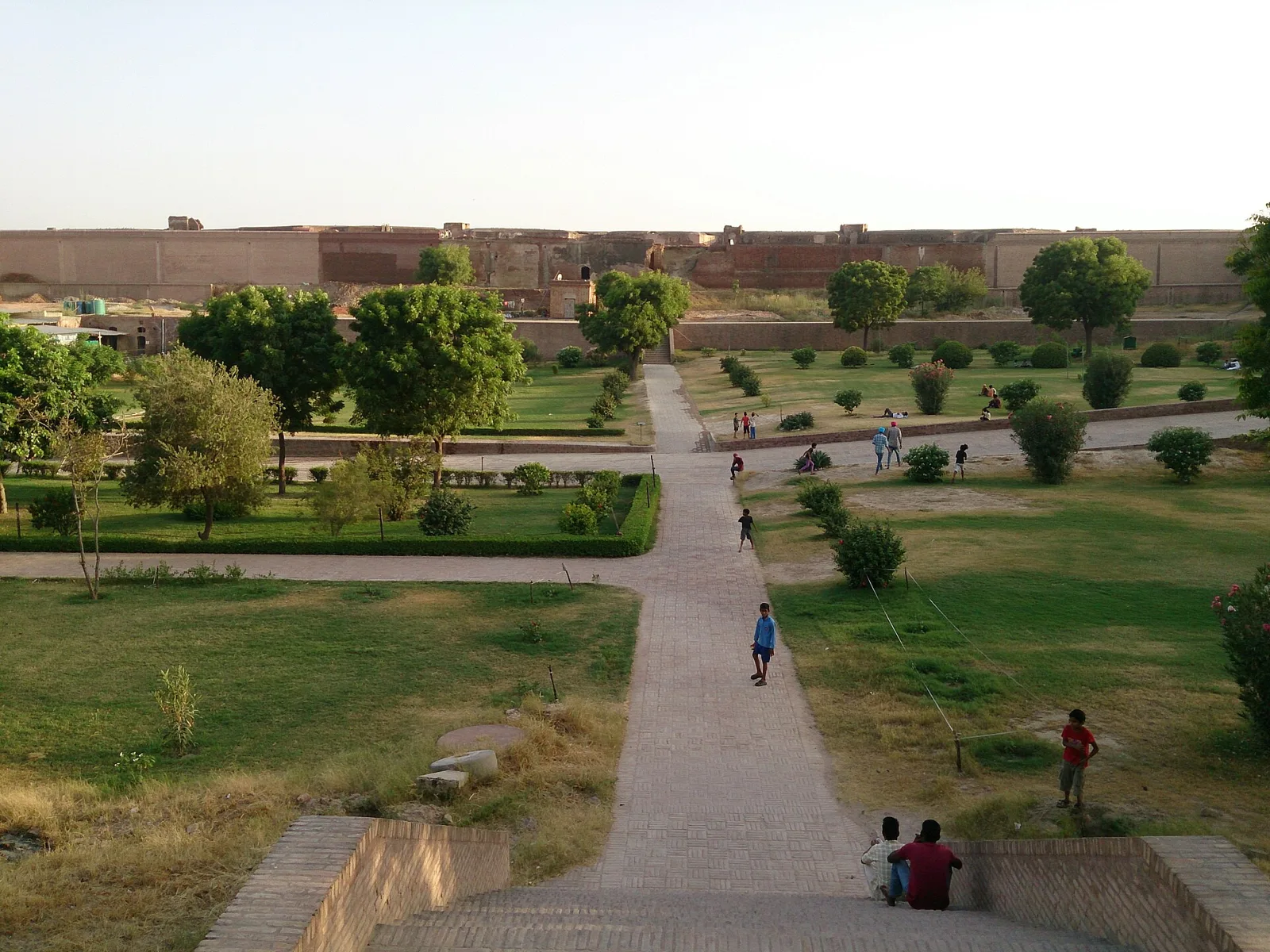
Qila Mubarak is a historic fortress in Bathinda, known for its long past and its association with Razia Sultan. Visitors can see its lawns and gurdwaras, while much of the fort is closed to the public.

Sri Muktsar Sahib

36 km away · Sri Muktsar Sahib district

Sri Muktsar Sahib

Sri Muktsar Sahib, a city in Punjab, draws interest for its Sikh history and connection to the 1705 Battle of Muktsar; it also serves as a district centre.

Takht Sri Damdama Sahib

55 km away · Bathinda district

Takht Sri Damdama Sahib

Takht Sri Damdama Sahib is a Sikh centre of temporal authority in Talwandi Sabo, visited for its connection with Guru Gobind Singh’s preparation of Sri Guru Granth Sahib.

Hussainiwala

69 km away · Firozpur district

Hussainiwala

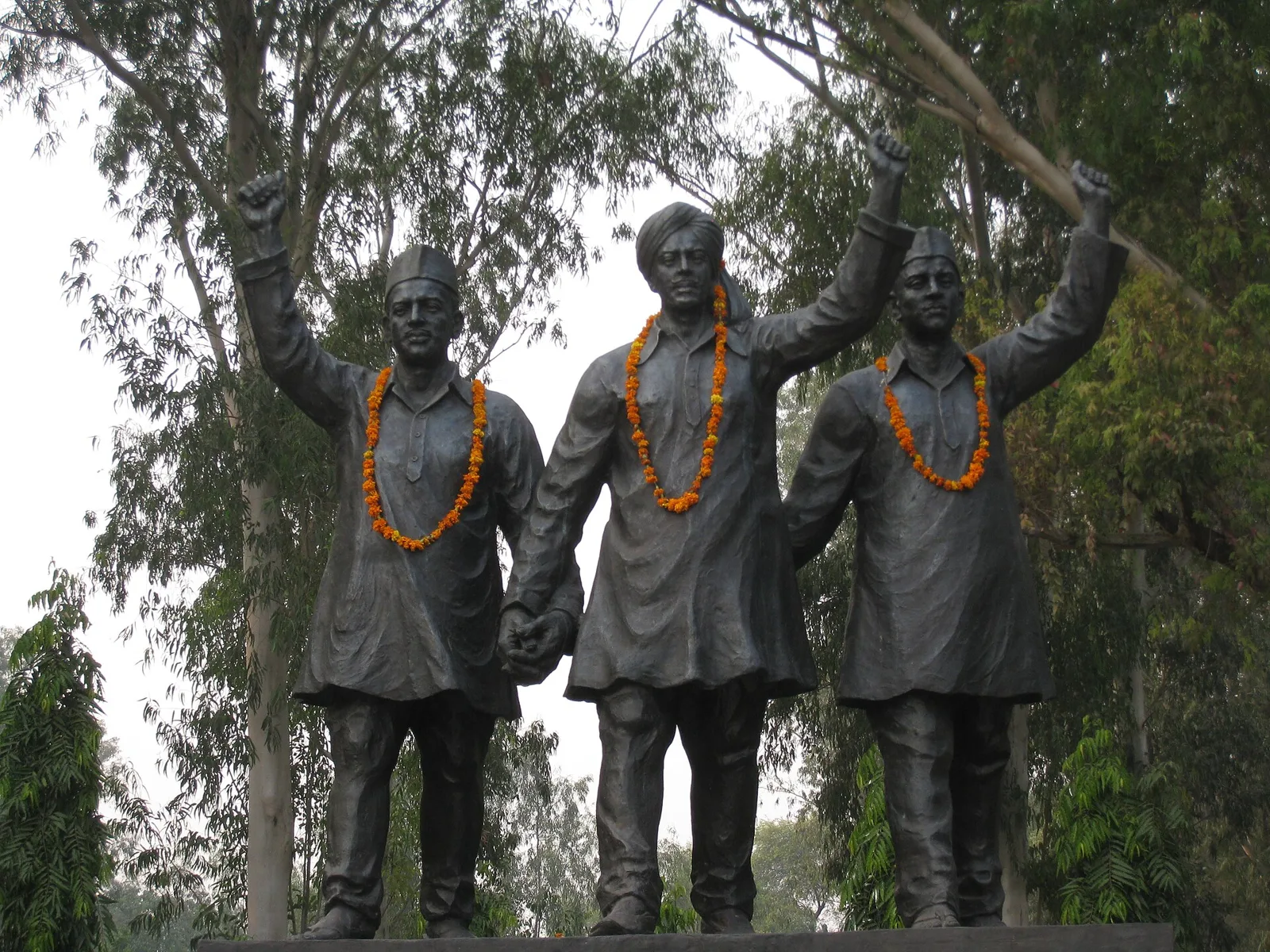
Hussainiwala is a village in Punjab’s Firozpur district, visited for its memorial to Bhagat Singh, Sukhdev Thapar and Shivaram Rajguru, and the daily India–Pakistan retreat ceremony.

Harike Wetland

78 km away · Tarn Taran district

Harike Wetland

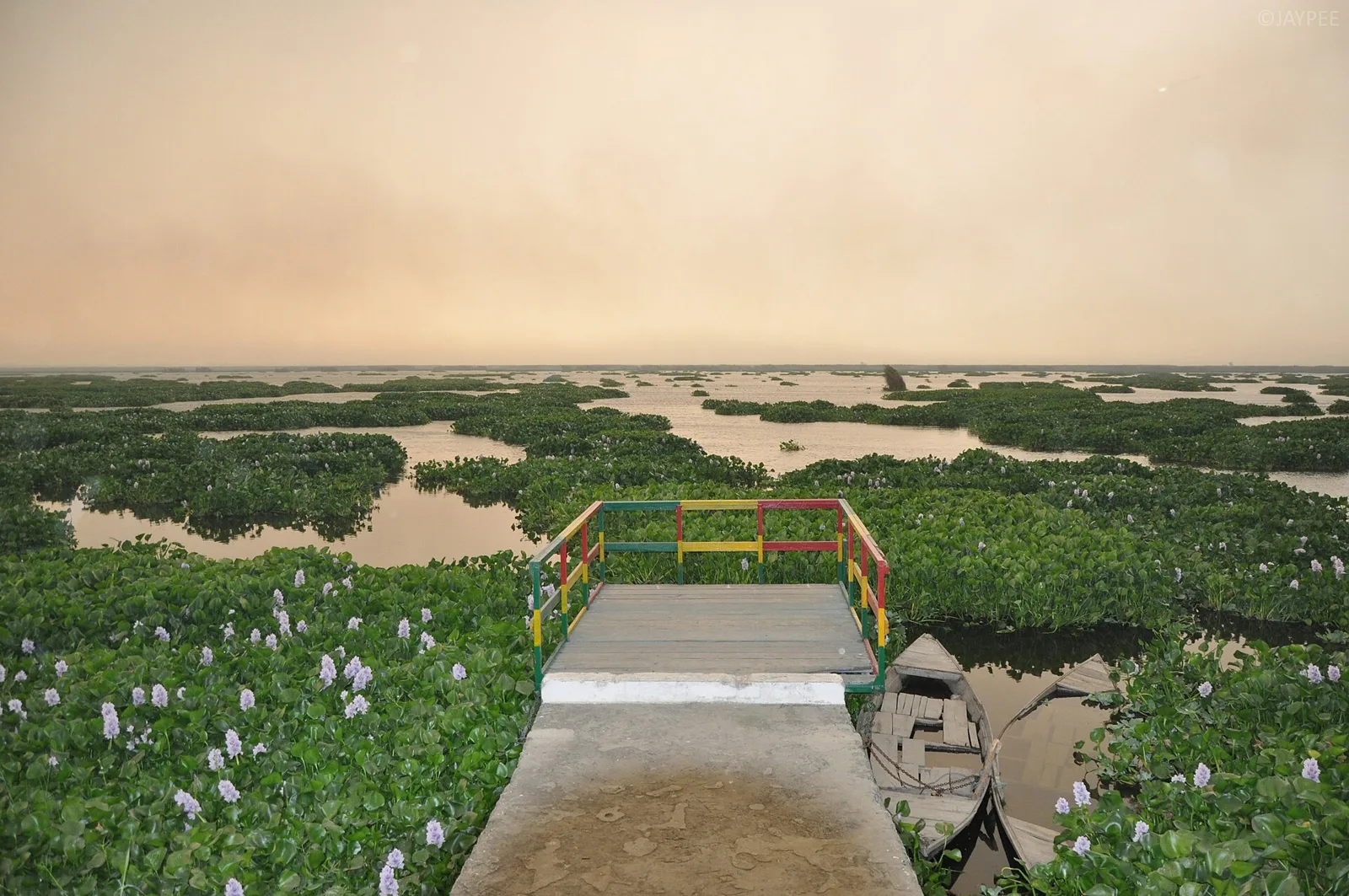
Harike Wetland is a Ramsar-listed lake and marsh complex in Punjab, created near the Beas–Sutlej confluence. Visitors come to see its diverse wetland habitat and migratory waterbirds, including threatened species.

Sultanpur Lodhi

90 km away · Kapurthala district

Sultanpur Lodhi

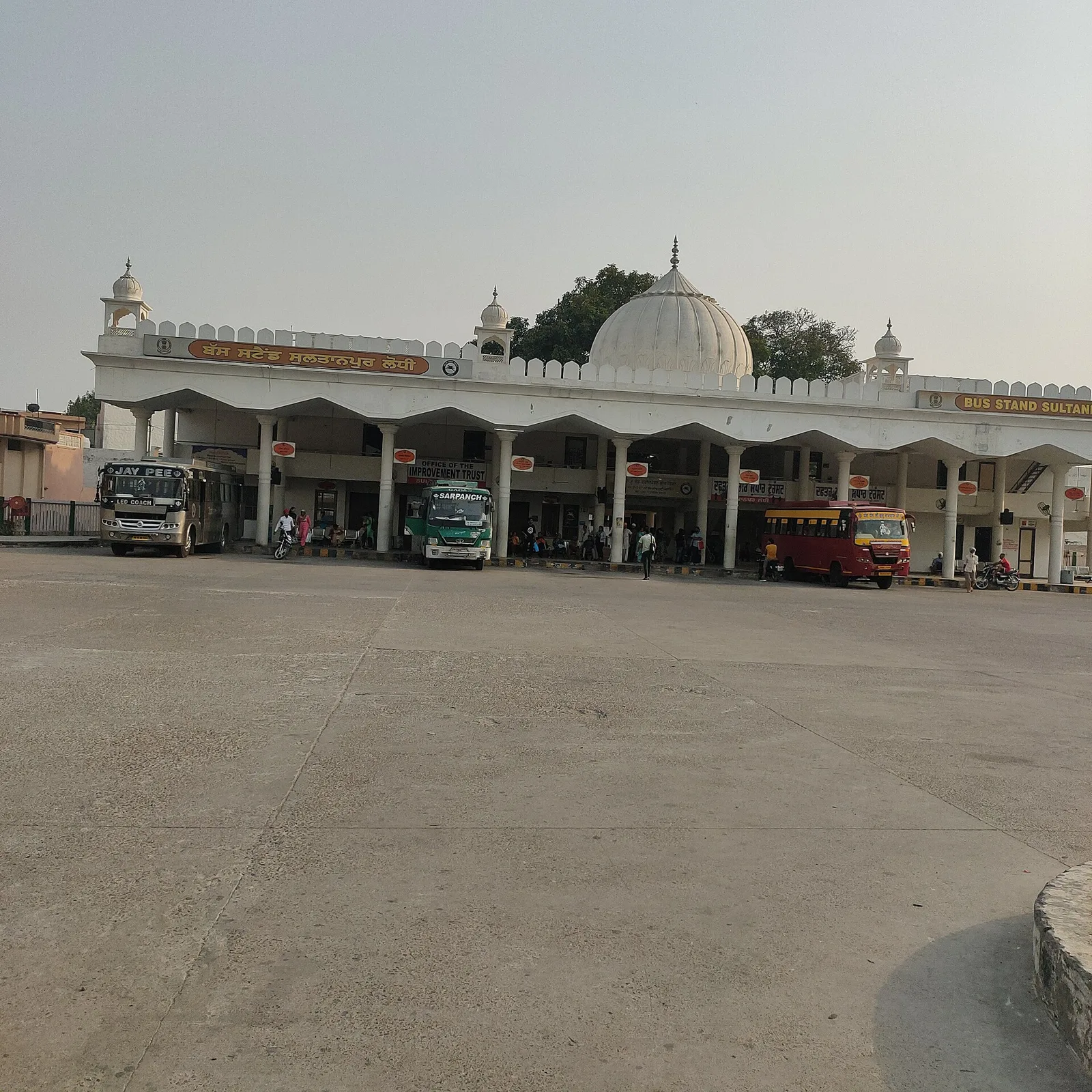
Sultanpur Lodhi is a town in Punjab’s Kapurthala district, with historical links to Bahlul Khan Lodi and a mention in the Ain-e-Akbari that give visitors reasons to explore its past.

Ludhiana

105 km away · Ludhiana district

Ludhiana

Ludhiana is Punjab’s most populous city and a major manufacturing and trading centre in northern India; visitors come for its industrial and commercial activity.

Map

Jaitu on the map

  1. 1Bathinda
  2. 2Qila Mubarak
  3. 3Sri Muktsar Sahib
  4. 4Takht Sri Damdama Sahib
  5. 5Hussainiwala
  6. 6Harike Wetland
  7. 7Sultanpur Lodhi
  8. 8Ludhiana

Punjab

Other cities to explore