Ghumoopedia — Explore, Discover, Experience
Sign in
Anandpur Sahib, near Nangal

City guide · Punjab

Nangal

Nangal is an important industrial and transport town in Rupnagar district, set where the Sutlej River meets the foothills of the Shiwalik range. Its modern growth is closely linked to the Bhakra Dam project, which reshaped the area and helped create the town’s distinct residential and industrial neighbourhoods.

Famous for

  • Bhakra Dam
  • Sutlej River
  • Naya Nangal Township
  • National Fertilizers Limited
  • Shiwalik foothills

Why Nangal matters

Nangal is an important industrial and transport town in Rupnagar district, set where the Sutlej River meets the foothills of the Shiwalik range. Its modern growth is closely linked to the Bhakra Dam project, which reshaped the area and helped create the town’s distinct residential and industrial neighbourhoods. Nangal is also associated with the Bhakra Beas Management Board and National Fertilizers Limited, whose facilities and townships are central to its working life.

The dam, river and lake landscape are the town’s best-known visitor draws, although access to operational infrastructure may be restricted. Nearby viewpoints and the surrounding hills offer a change of pace from the planned blocks, markets and industrial areas. Nangal is a practical base for exploring the wider Rupnagar region, and its combination of a major water project, public-sector industry and foothill scenery gives it a character different from that of a typical Punjabi market town.
Famous for: crafts, trade & products

Nangal is best known for infrastructure and industry rather than for a distinctive textile, handicraft or GI-tagged product. The Bhakra Dam and the associated water and power network define much of its regional importance. National Fertilizers Limited has a major presence in Naya Nangal, while other industrial activity is concentrated around areas including Focal Point. These institutions are workplaces and civic landmarks, not generally visitor shopping attractions.

For everyday shopping, the town’s markets include Jawahar Market, Main Market, Adda Market, GTB Market and Pahari Market. They serve local residents with routine goods, food and services; visitors should not expect a specialist craft bazaar. Naya Nangal’s planned township is notable for its parks and recreational facilities, including Madhuvan Park and Captain Amol Kalia Park, as well as clubs and sports spaces. The town’s identity is therefore most visible in its public-sector townships, industrial landscape and relationship with the dam and Sutlej, rather than in a signature product to take home.

History

Nangal’s present form took shape after land was acquired in 1948 for the planned Bhakra Dam project on the Sutlej. Earlier villages in the area were affected by the development, and new residential areas grew to support the dam and its workforce. The town is commonly understood in three parts: Nangal, Nangal Township and Naya Nangal.

The dam project brought public agencies, infrastructure and new employment to the foothills, transforming the settlement into an important industrial and administrative centre. Nangal Township developed alongside the waterworks, while Naya Nangal grew as a planned township associated especially with National Fertilizers Limited. The Bhakra Beas Management Board also became part of the town’s institutional landscape. Nangal’s story is chiefly one of post-independence engineering and planned development; it is not widely identified as a former princely capital or a major colonial-era seat of power. Its present layout, including residential blocks, markets and industrial zones, reflects that modern growth.

Food, festivals & culture

Punjabi is the principal language of everyday life, and Hindi is also widely understood. Food follows familiar Punjabi tastes: visitors can look for breads, lentils, seasonal vegetables, dairy dishes and sweets in local eateries and markets. These are regional staples rather than specialties unique to Nangal. As in much of Punjab, meals and social gatherings often centre on family, community and religious occasions.

Lohri is celebrated in winter, while Vaisakhi arrives in spring; Gurpurabs are observed according to the Sikh calendar. Bhangra and giddha are well-known Punjabi folk forms and may feature at festive or community events. Places of worship reflect the town’s varied communities: notable sites include Gurudwara Bhabour Sahib, Gurudwara Singh Sabha in Sector 2, Christ Church in Sector 1, Jalpha Devi Mata Mandir, Gita Mandir and several other Hindu temples. Visitors should dress respectfully and follow local customs at religious sites.

Visiting the city

Autumn and winter are generally comfortable seasons for exploring Nangal and its outdoor surroundings; summer can be hot, while the monsoon may bring wet weather. The nearest major airport is Chandigarh International Airport. The main rail station serving the town is Nangal Dam railway station. Local buses, auto-rickshaws and taxis can help with journeys between the station, markets and neighbourhoods; confirm local availability on arrival.

Explore Nangal’s older market areas, then cross to Nangal Township and planned Naya Nangal for parks, civic spaces and the NFL township setting. The Sutlej-side landscape and dam surroundings are the main scenic draw, but some project areas may have access controls, so follow posted directions. Nearby Rupnagar offers further regional sights and services.

Trips from the city

Nearest places to visit from Nangal

Our closest destination guides, by straight-line distance.

Anandpur Sahib

21 km away · Rupnagar district

Anandpur Sahib

Anandpur Sahib is a Punjab town closely connected with Sikh history and worship. Visitors come to its Takht, learn about the Khalsa’s founding and attend the spring Hola Mohalla gathering.

Virasat-e-Khalsa

21 km away · Rupnagar district

Virasat-e-Khalsa

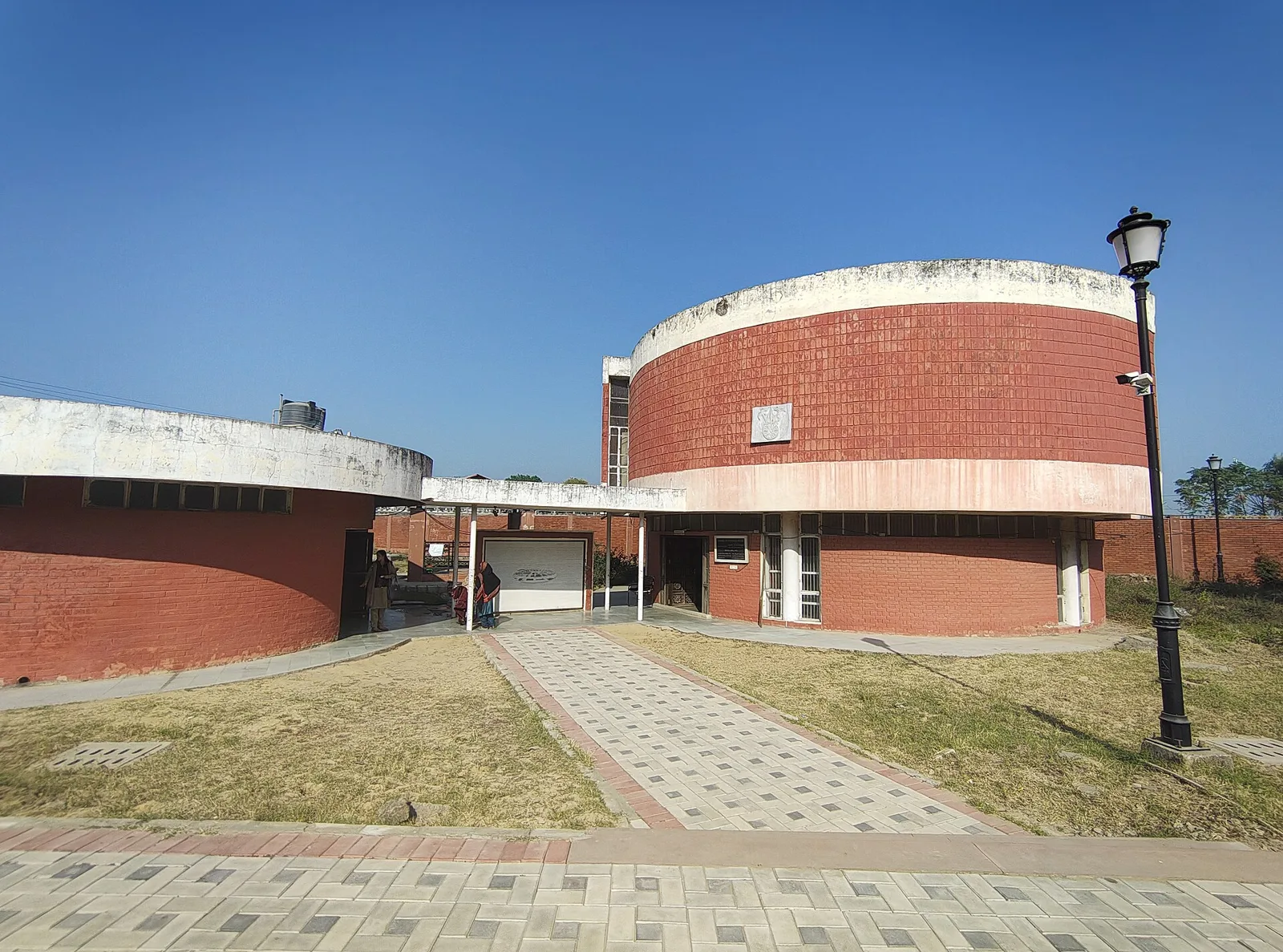
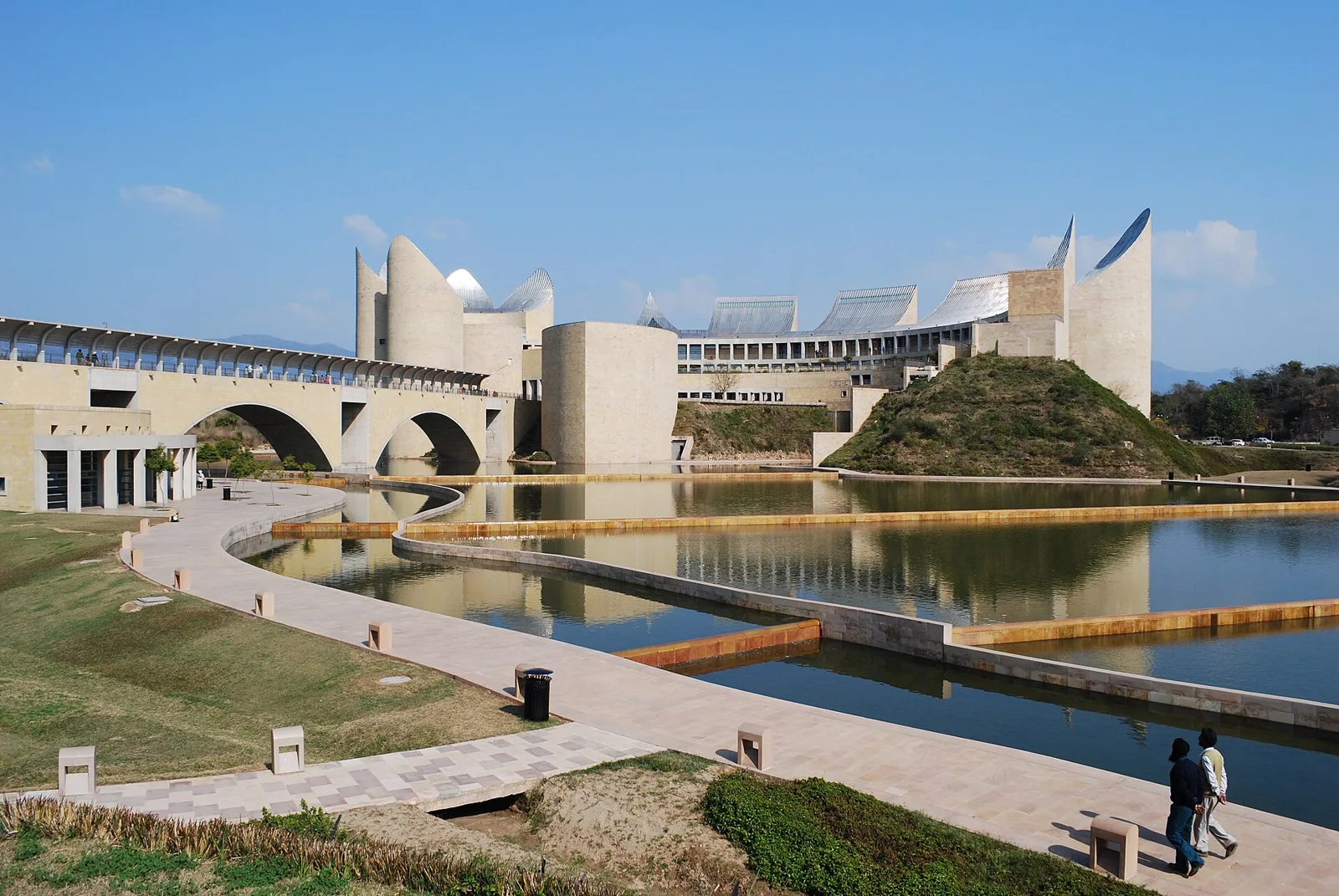
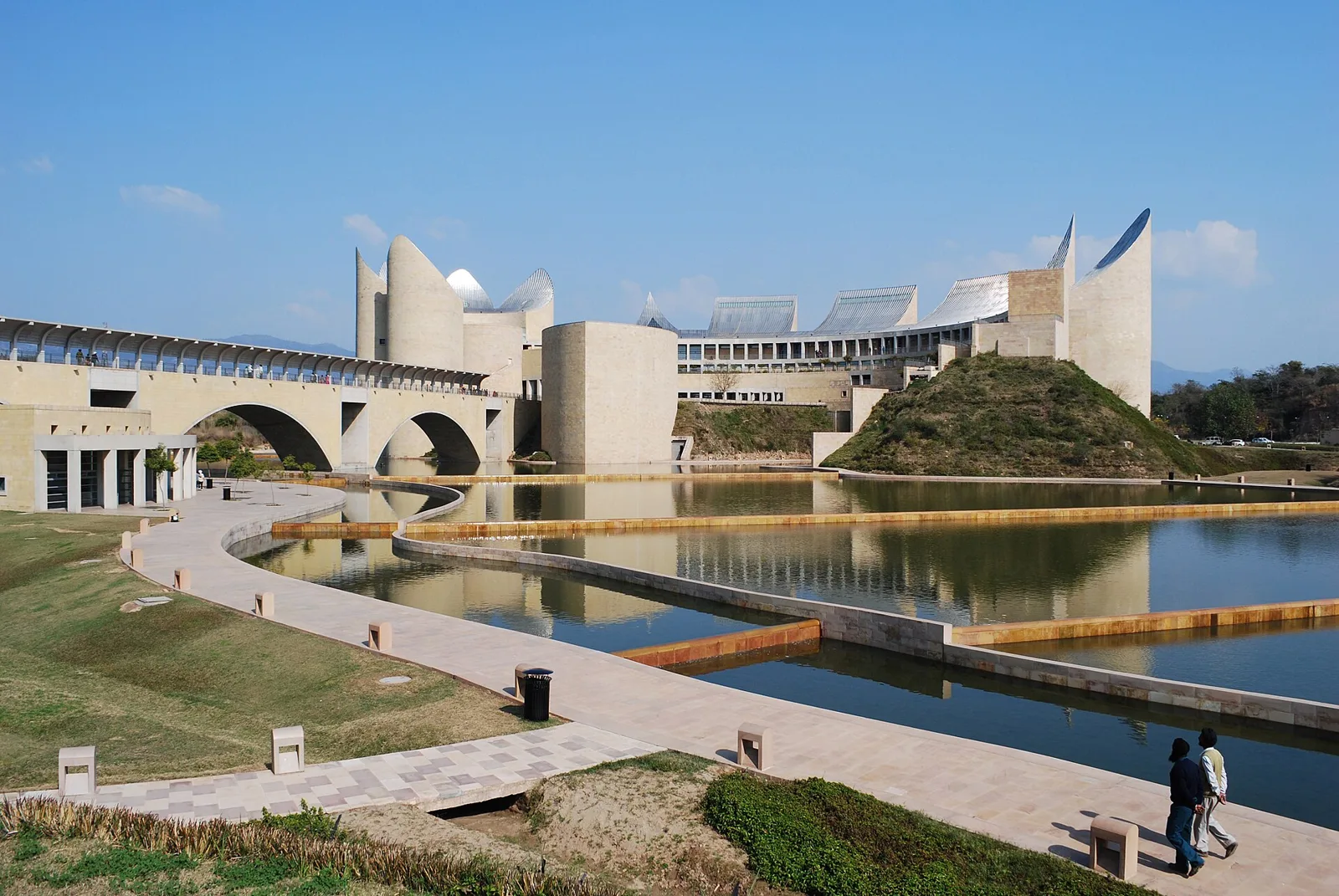
Virasat-e-Khalsa is a Sikh heritage museum complex in Anandpur Sahib, Punjab. Tourists and pilgrims visit to explore Sikh history and the Khalsa through material informed by Guru Gobind Singh’s scriptures.

Ropar Wetland

43 km away · Rupnagar district

Ropar Wetland

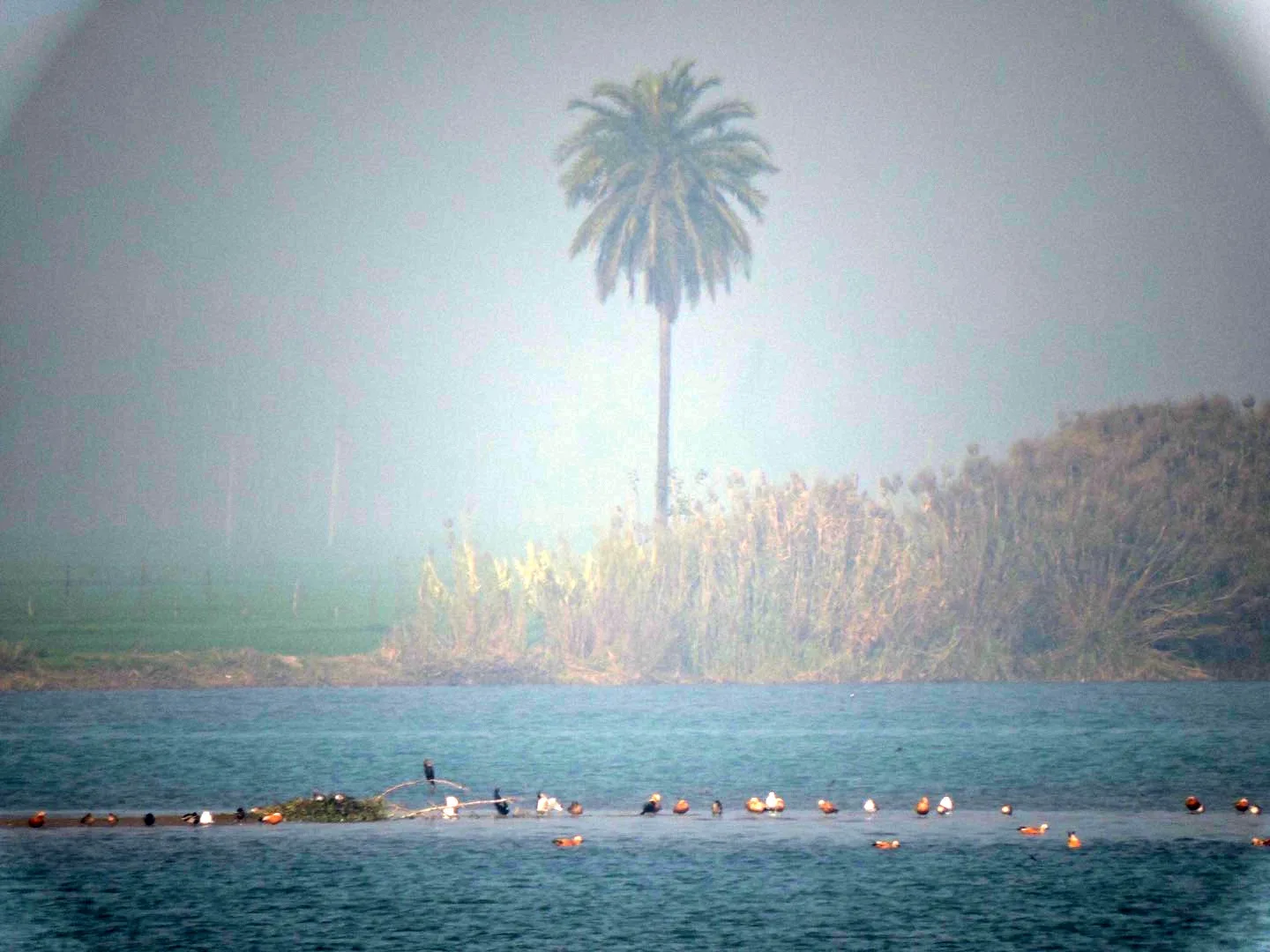
Ropar Wetland, in Punjab’s Rupnagar district, is a freshwater habitat formed by a river and lake. Visitors have come for birdwatching and boating, while its wildlife and Ramsar status are also notable.

Sanghol

67 km away · Fatehgarh Sahib district

Sanghol

Sanghol, also called Uchha Pind Sanghol, is a village in Punjab’s Fatehgarh Sahib district with roots in the Harappan civilisation. Visitors come to see its excavated Buddhist and Kushan remains and the museum collections.

Phillaur Fort

70 km away · Ludhiana district

Phillaur Fort

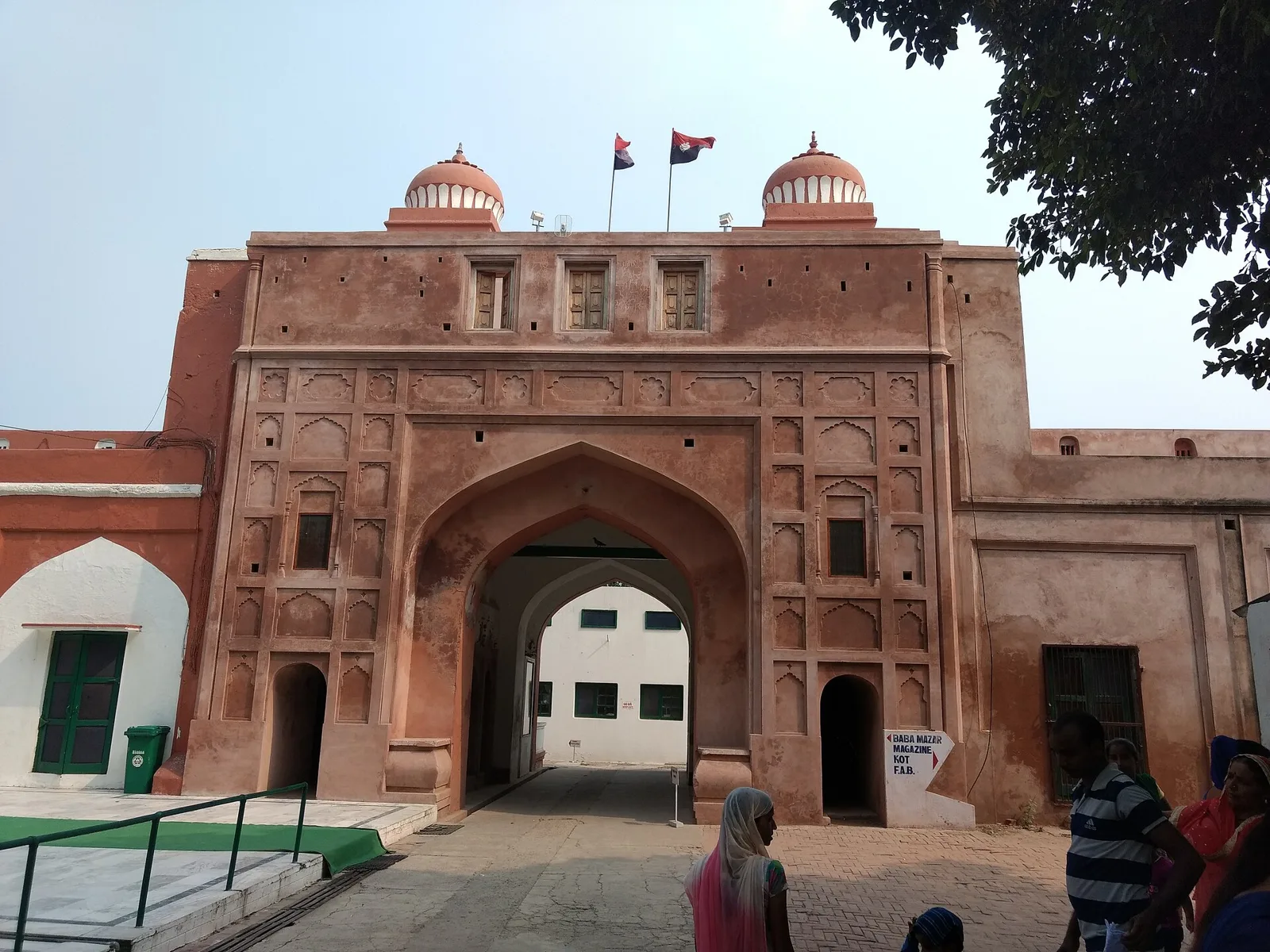
Known also as Maharaja Ranjit Singh Fort, Phillaur Fort is a fort in Punjab that visitors can see on the Grand Trunk Road at Phillaur.

Ludhiana

73 km away · Ludhiana district

Ludhiana

Ludhiana is Punjab’s most populous city and a major manufacturing and trading centre in northern India; visitors come for its industrial and commercial activity.

Devi Talab Mandir

75 km away · Jalandhar district

Devi Talab Mandir

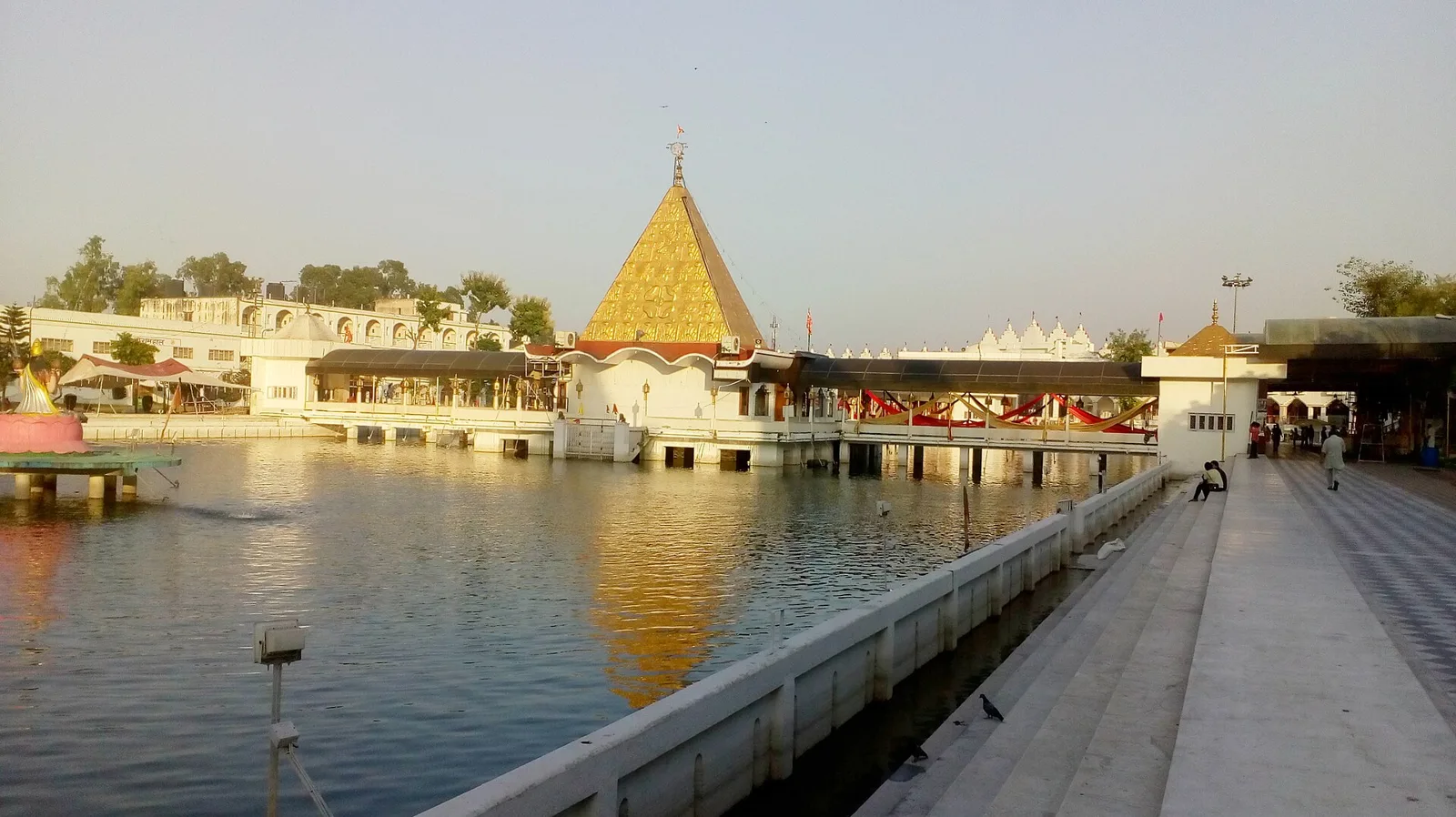
In Jalandhar, Punjab, Devi Talab Mandir is a Hindu place of worship dedicated to Goddess Durga. Pilgrims visit for its religious importance, ancient tank and shrines within the complex.

Jalandhar

76 km away · Jalandhar district

Jalandhar

Jalandhar is a major city in Punjab and the largest urban centre in Doaba. Visitors encounter it as a regional centre and a well-connected stop on rail and road routes.

Map

Nangal on the map

  1. 1Anandpur Sahib
  2. 2Virasat-e-Khalsa
  3. 3Ropar Wetland
  4. 4Sanghol
  5. 5Phillaur Fort
  6. 6Ludhiana
  7. 7Devi Talab Mandir
  8. 8Jalandhar

Punjab

Other cities to explore