Ghumoopedia — Explore, Discover, Experience
Sign in
Sri Muktsar Sahib, near Malout

City guide · Punjab

Malout

Malout is a market town in Punjab’s southern cotton-growing belt, serving farmers, traders and nearby villages. Cotton cultivation and processing have long shaped its economy, while agricultural machinery businesses support the region’s farming communities.

Famous for

  • Cotton trade
  • Agricultural machinery
  • Harji Ram Mandi
  • Regional produce markets
  • Godara family philanthropy

Why Malout matters

Malout is a market town in Punjab’s southern cotton-growing belt, serving farmers, traders and nearby villages. Cotton cultivation and processing have long shaped its economy, while agricultural machinery businesses support the region’s farming communities. Its rail and road connections also make it a practical commercial centre between towns in southwestern Punjab and routes towards Haryana and Rajasthan.

For visitors, Malout offers a glimpse of everyday life in a working Punjabi mandi town rather than a concentration of major monuments or resort attractions. The station-side markets and older commercial areas reflect its growth around trade and transport. Its history is closely associated with the Godara family, whose land, business activity and philanthropy helped shape the town. Malout is also linked with notable contemporary figures, including athlete Kamalpreet Kaur and entrepreneur Rohit Bansal. A visit is most rewarding for those interested in regional agriculture, local commerce and the changing landscape of Punjab’s cotton belt.
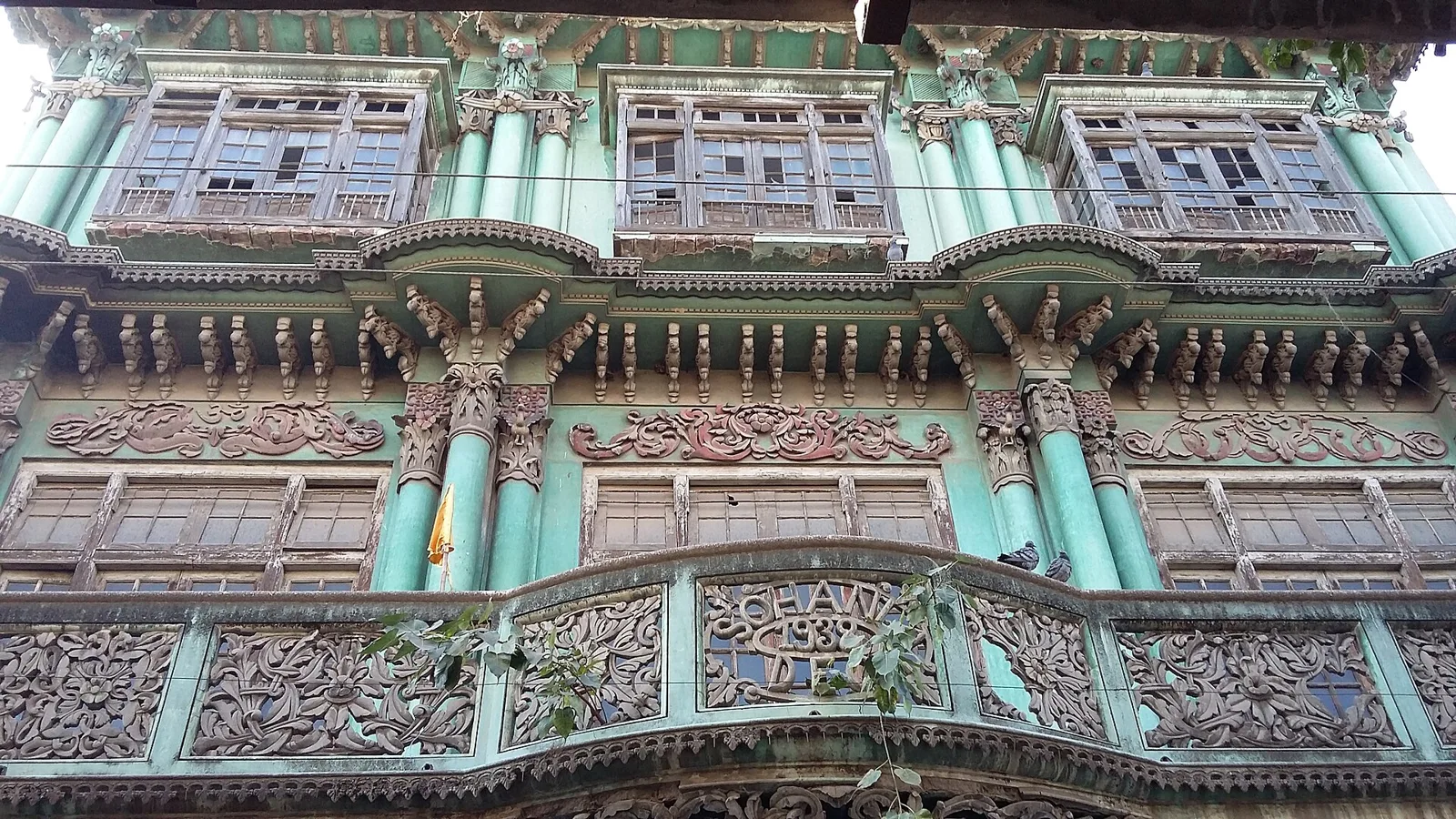
Famous for: crafts, trade & products

Malout is best known for cotton and the businesses that serve its production: ginning and pressing, wholesale trade and agricultural machinery. Cotton is a regional commodity rather than a distinctive finished textile associated exclusively with the town. The local economy has also included machinery workshops and dealers serving farmers from Malout and surrounding villages.

Harji Ram Mandi, established near the railway station, became an important centre of commerce and helped anchor the town’s early growth. Today, visitors can look around the station-side market, central bazaar and mandi areas for a sense of local trading life. Shops cater mainly to everyday needs, farm supplies and regional commerce; selection varies, so Malout is not especially known as a destination for artisan crafts or souvenir shopping. No widely recognised Malout-specific GI-tagged product or signature handicraft is established. For cotton-related businesses or farm equipment, the market and commercial districts are the most relevant places to explore, though many transactions are wholesale or business-oriented rather than aimed at tourists.

History

Malout’s growth is associated with the Godara family, among the early landholders in the area. During British rule, Chaudhary Nanaka Ram Godara acquired a large tract of land in 1853 and divided it among his sons, who encouraged agricultural and commercial development. Land was later made available for a railway station and township.

The railway connection, established in 1917–18, accelerated settlement and trade. Chaudhary Harji Ram Godara developed a market near the station, known as Harji Ram Mandi. A separate planned market followed after local merchants acquired land from the zamindar of Sheikhhu. Malout was formally established in 1920; the market was named Edward Ganj the following year, when civic improvements included a water-purification system. By the late 1940s, the town had services such as a post office and telephone exchange. Cotton processing, agricultural machinery and public institutions continued to shape its development, with Godara family philanthropy contributing land for civic facilities.

Food, festivals & culture

Malout shares the food traditions of southwestern Punjab. Dhabas and household kitchens commonly serve Punjabi staples such as roti, dal, seasonal vegetables and, in winter, sarson da saag with makki di roti. Lassi and familiar Punjabi sweets may also be found, though the town is not particularly known for a distinct signature dish. Menus and availability vary by season and establishment.

Punjabi is the principal language of daily life; Hindi is also widely understood. Bhangra and giddha belong to the region’s festive music and dance traditions, often heard at family celebrations and community events. Vaisakhi, in spring, is associated with the harvest and Sikh tradition; Lohri is celebrated in midwinter, while Diwali and Sikh Gurpurabs are observed through the autumn and winter calendar. As a town with Sikh and Hindu communities, Malout has gurdwaras and temples that serve as places of worship and gathering. Visitors should dress respectfully and follow local customs when entering religious spaces.

Visiting the city

The most comfortable time to visit is generally October to March, when days are milder than during Malout’s very hot summers. Winter nights can be cold. The nearest airport is Bathinda Airport, though flight availability may be limited; check current services before planning. Malout railway station is the town’s main rail gateway, and road connections link it with other centres in Punjab and neighbouring states.

Auto-rickshaws and local taxis are practical for getting around; the station and central market areas are also manageable on foot. Explore the station-side commercial district, the older market associated with Harji Ram Mandi and the central bazaar to see the town’s trading life. Malout is primarily a working town, so allow time for local markets rather than expecting a large cluster of formal tourist attractions.

Trips from the city

Nearest places to visit from Malout

Our closest destination guides, by straight-line distance.

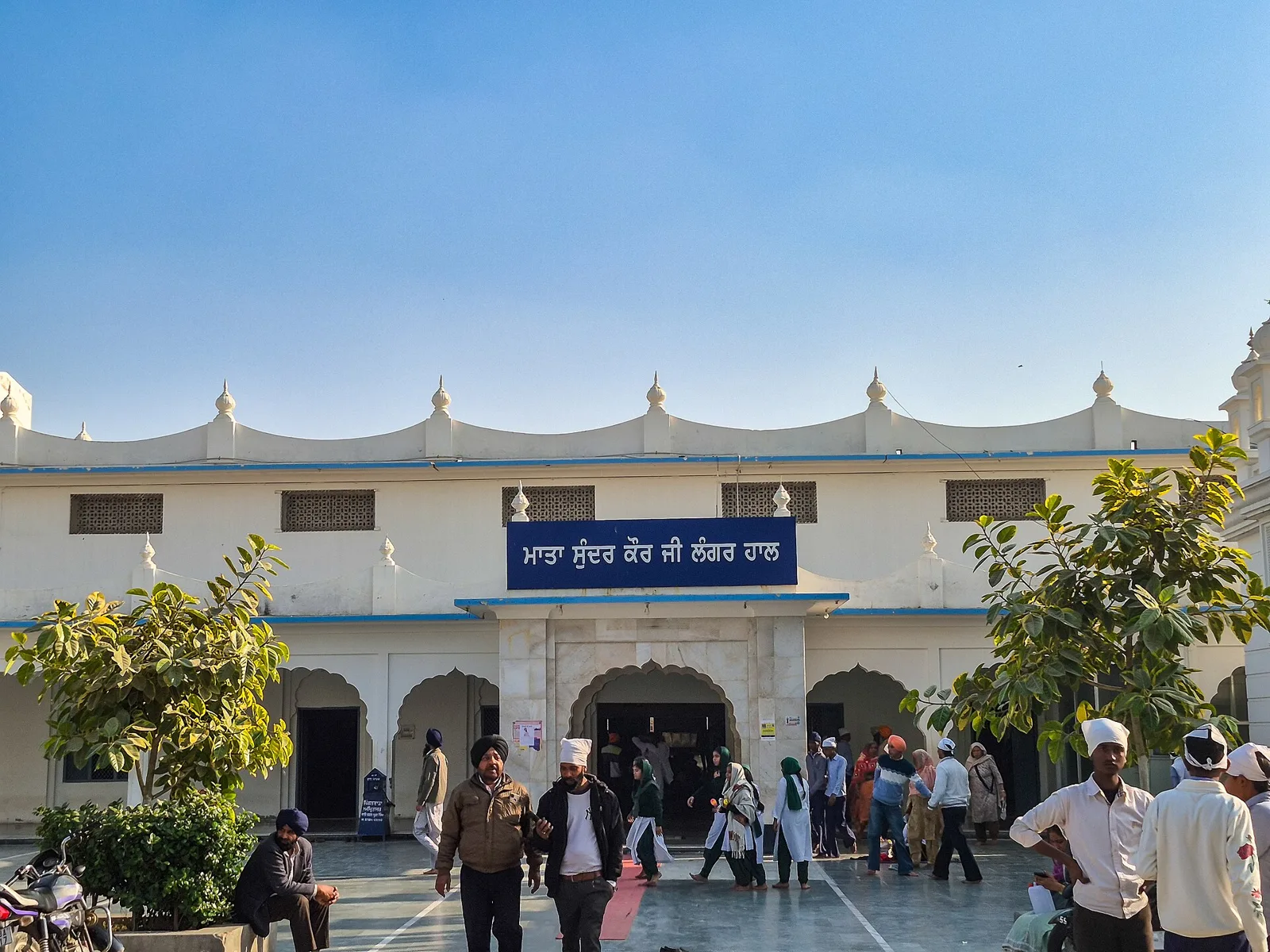
Sri Muktsar Sahib

30 km away · Sri Muktsar Sahib district

Sri Muktsar Sahib

Sri Muktsar Sahib, a city in Punjab, draws interest for its Sikh history and connection to the 1705 Battle of Muktsar; it also serves as a district centre.

Qila Mubarak

44 km away · Bathinda district

Qila Mubarak

Qila Mubarak is a historic fortress in Bathinda, known for its long past and its association with Razia Sultan. Visitors can see its lawns and gurdwaras, while much of the fort is closed to the public.

Bathinda

45 km away · Bathinda district

Bathinda

Bathinda is a city in Punjab’s Malwa region and the administrative centre of its district. Visitors can explore the historic Qila Mubarak fort, and the city also has a zoo and major educational institutions.

Takht Sri Damdama Sahib

63 km away · Bathinda district

Takht Sri Damdama Sahib

Takht Sri Damdama Sahib is a Sikh centre of temporal authority in Talwandi Sabo, visited for its connection with Guru Gobind Singh’s preparation of Sri Guru Granth Sahib.

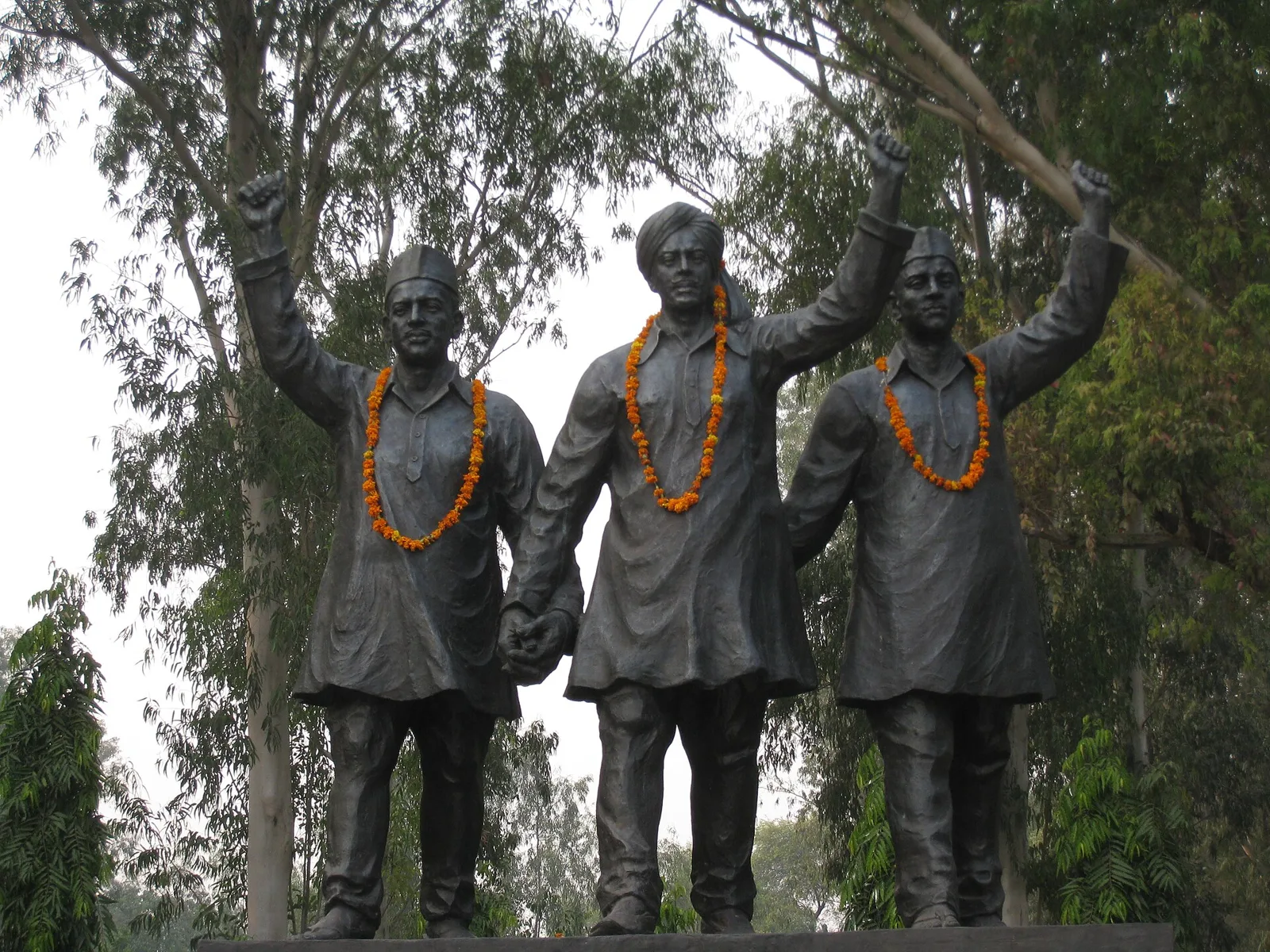
Hussainiwala

88 km away · Firozpur district

Hussainiwala

Hussainiwala is a village in Punjab’s Firozpur district, visited for its memorial to Bhagat Singh, Sukhdev Thapar and Shivaram Rajguru, and the daily India–Pakistan retreat ceremony.

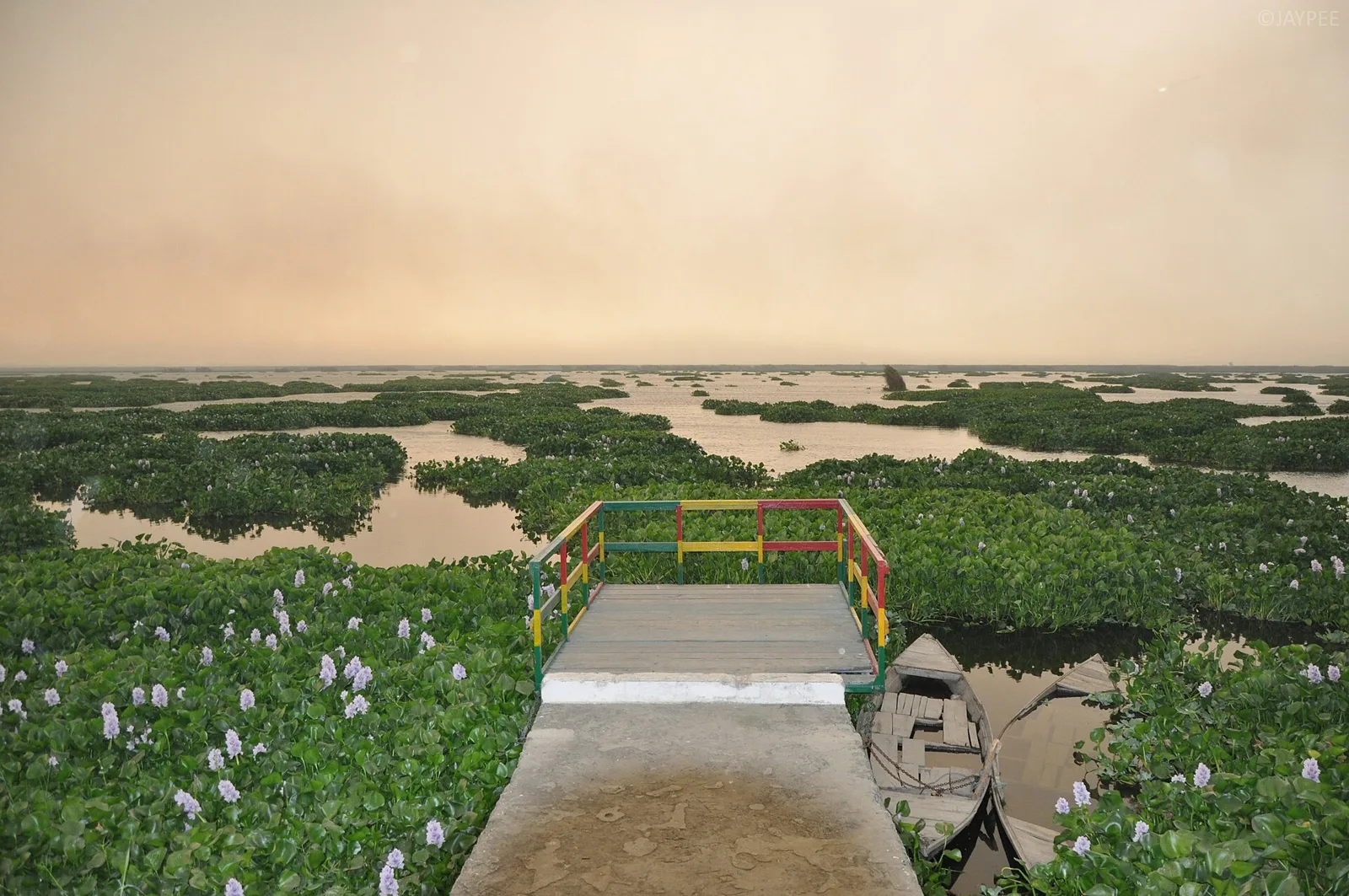
Harike Wetland

114 km away · Tarn Taran district

Harike Wetland

Harike Wetland is a Ramsar-listed lake and marsh complex in Punjab, created near the Beas–Sutlej confluence. Visitors come to see its diverse wetland habitat and migratory waterbirds, including threatened species.

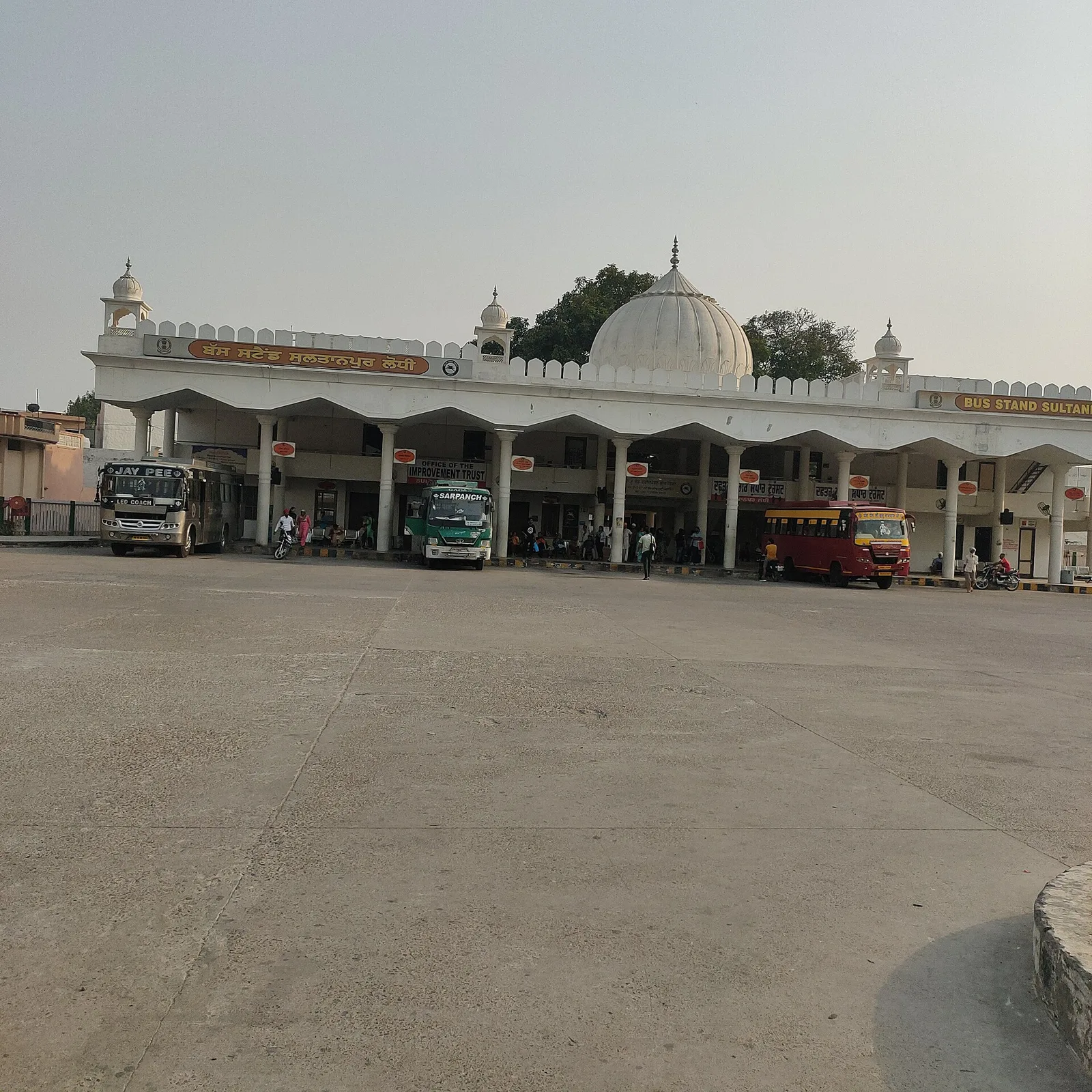
Sultanpur Lodhi

131 km away · Kapurthala district

Sultanpur Lodhi

Sultanpur Lodhi is a town in Punjab’s Kapurthala district, with historical links to Bahlul Khan Lodi and a mention in the Ain-e-Akbari that give visitors reasons to explore its past.

Ludhiana

152 km away · Ludhiana district

Ludhiana

Ludhiana is Punjab’s most populous city and a major manufacturing and trading centre in northern India; visitors come for its industrial and commercial activity.

Map

Malout on the map

  1. 1Sri Muktsar Sahib
  2. 2Qila Mubarak
  3. 3Bathinda
  4. 4Takht Sri Damdama Sahib
  5. 5Hussainiwala
  6. 6Harike Wetland
  7. 7Sultanpur Lodhi
  8. 8Ludhiana

Punjab

Other cities to explore