Ghumoopedia — Explore, Discover, Experience
Sign in

City guide · Punjab

Longowal

Longowal is a town in Sangrur district, in the agricultural heartland of Punjab. Its profile rests on two connected strands: Sikh religious life and the public legacy of Sant Harchand Singh Longowal, a prominent figure in Punjab politics.

Famous for

  • Sant Longowal Institute
  • Sant Harchand Singh Longowal
  • Historic Sikh gurdwaras
  • Sangrur-area agriculture

Why Longowal matters

Longowal is a town in Sangrur district, in the agricultural heartland of Punjab. Its profile rests on two connected strands: Sikh religious life and the public legacy of Sant Harchand Singh Longowal, a prominent figure in Punjab politics. Visitors come chiefly to see the town’s gurdwaras and to visit the Sant Longowal Institute of Engineering and Technology, a major educational institution that has given the town recognition beyond the region.

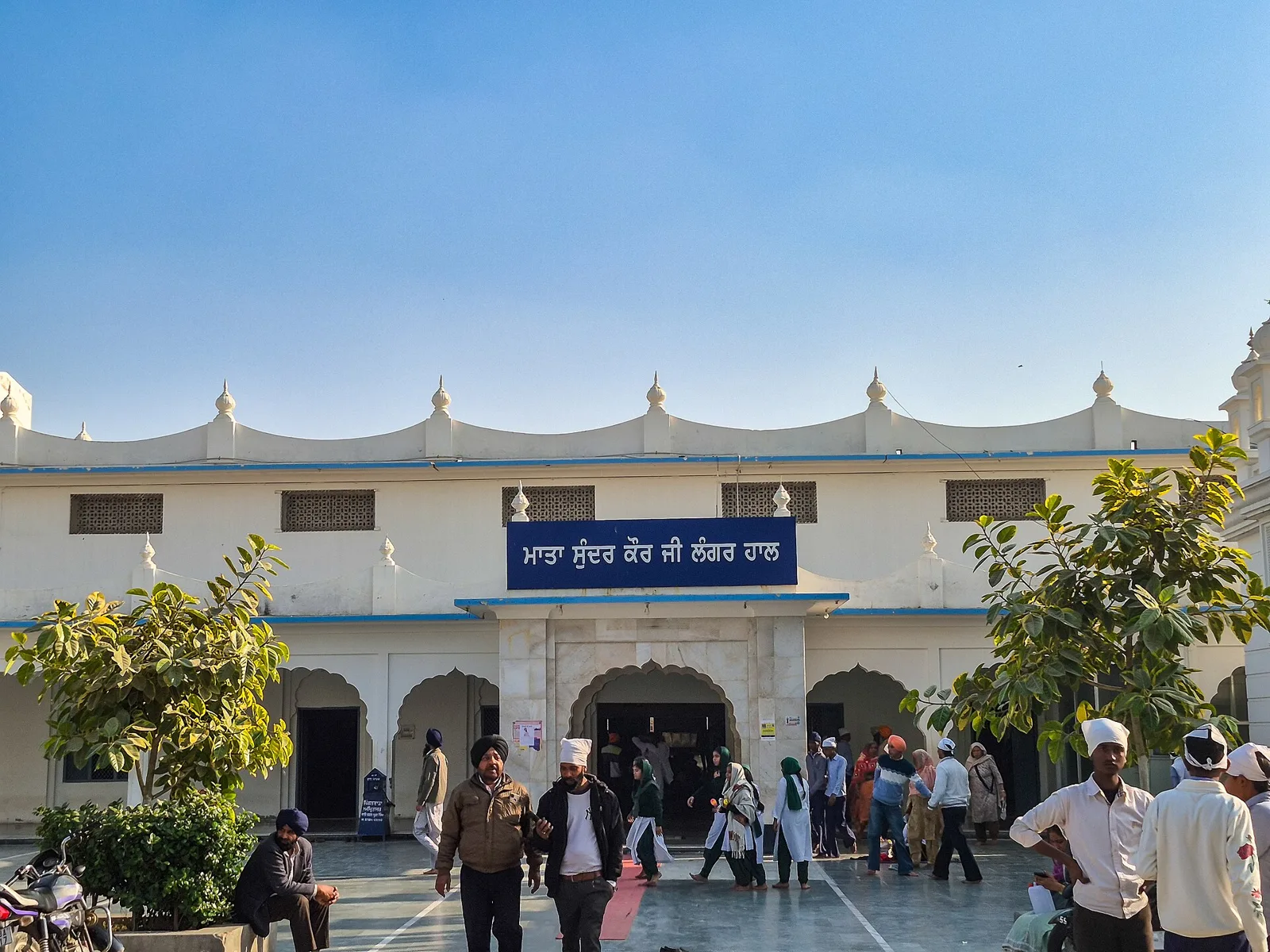
The older settlement is associated with Baba Alla ji Singh, and a gurdwara linked to his name remains near the centre. Another notable place of worship is Gurdwara Shaheed Bhai Mani Singh. Longowal is not a large sightseeing centre, but its shrines, busy local market and everyday Punjabi town life offer a sense of the region beyond the better-known cities. Its story also reflects how local initiatives in education, health services and transport helped a village develop into a municipal town and an important institutional centre.
Famous for: crafts, trade & products

Longowal is best known for its educational institution and Sikh heritage rather than for a signature textile, handicraft or GI-tagged product. The Sant Longowal Institute of Engineering and Technology is the town’s most prominent institution and a major source of its wider recognition. The local gurdwaras, including the old shrine associated with Baba Alla ji Singh and Gurdwara Shaheed Bhai Mani Singh, are central to its identity and community life.

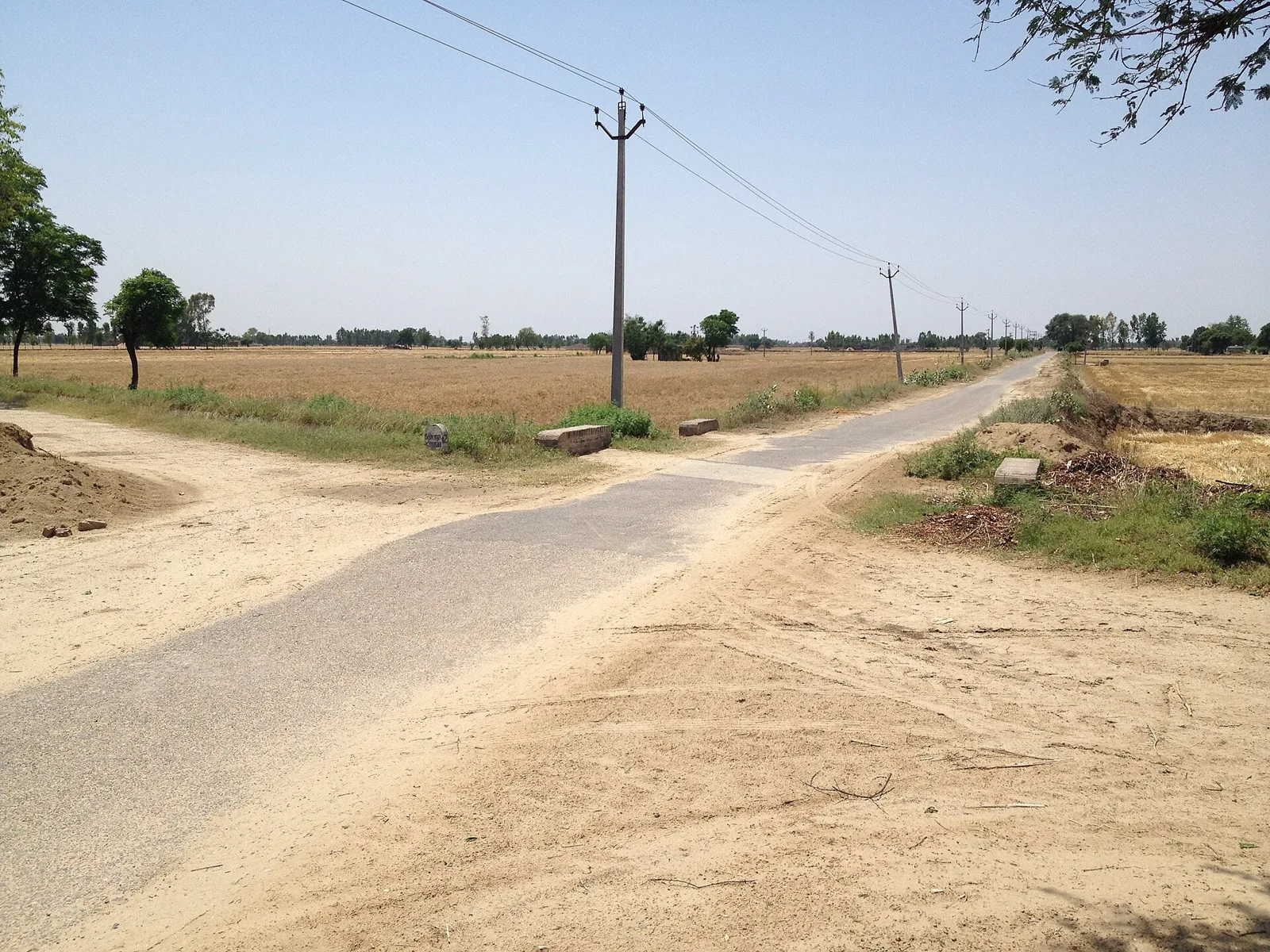
Longowal lies in an agricultural district, and its shops and markets mainly serve residents and nearby villages with everyday goods and services. Food staples and farm-related commerce reflect the surrounding rural economy, but the town is not widely identified with a particular craft, branded product or specialist shopping district. Visitors looking for local goods can browse the central market for ordinary Punjabi provisions, snacks and household items; it is more useful as a place to experience daily town life than as a destination for artisan shopping. For distinctive crafts or regionally branded products, travellers may need to explore larger towns elsewhere in Punjab.

History

Longowal began as a village associated with Baba Alla ji Singh. A gurdwara bearing his name remains near the settlement’s centre, recalling this early religious history. The town’s development accelerated in the mid-20th century, when it gained municipal administration and improved links and services. Sant Harchand Singh, later widely known as Sant Harchand Singh Longowal, moved to the village in the early 1940s and became active in local gurdwara affairs. Alongside local residents and community leaders, he supported efforts to improve road connections, education, postal services and access to basic health care.

These changes helped bring Longowal greater regional prominence, while Sant Harchand Singh Longowal went on to become an influential figure in Punjab politics. In a later phase of development, the establishment of the Sant Longowal Institute of Engineering and Technology gave the town a significant educational role. Longowal’s growth has therefore been shaped less by royal or colonial-era urban planning than by local religious institutions, community initiatives and modern public education.

Food, festivals & culture

Punjabi is the everyday language of Longowal, with Hindi also understood in many settings. Sikh worship and community traditions are visible at the town’s gurdwaras, where visitors should dress modestly, cover their heads and follow local customs. The older shrine associated with Baba Alla ji Singh and Gurdwara Shaheed Bhai Mani Singh are among the places that give the town its religious character. As in much of Punjab, kirtan and devotional singing are important parts of worship.

Meals are rooted in Punjabi home cooking: roti or paratha with dal, vegetables, curd and seasonal produce. Sweets such as jalebi, ladoo and other familiar mithai are commonly found in local shops, though no single dish defines Longowal. Sikh festivals such as Gurpurabs and Vaisakhi bring worshippers together, while Lohri in winter is celebrated with seasonal gatherings and bonfires. Bhangra and giddha belong to the broader Punjabi cultural tradition and are especially associated with festive occasions, weddings and community events.

Visiting the city

The cooler months, from October to March, are generally the most comfortable for exploring Longowal; summer can be very hot, and the monsoon brings humid weather and rain. The nearest major airport is Chandigarh International Airport. Sangrur railway station is a useful nearby rail connection; from there, continue to Longowal by road. Sunam is another nearby town and may be convenient depending on your route.

Local travel is mainly by road, with taxis and auto-rickshaws useful for short journeys; confirm availability locally. Start around the central market and the old gurdwara associated with Baba Alla ji Singh, then visit Gurdwara Shaheed Bhai Mani Singh. The Sant Longowal Institute of Engineering and Technology is another important point of interest, though access to its campus may be subject to local rules. Longowal works well as a short visit or as part of a wider Sangrur-area trip.

Trips from the city

Nearest places to visit from Longowal

Our closest destination guides, by straight-line distance.

Takht Sri Damdama Sahib

63 km away · Bathinda district

Takht Sri Damdama Sahib

Takht Sri Damdama Sahib is a Sikh centre of temporal authority in Talwandi Sabo, visited for its connection with Guru Gobind Singh’s preparation of Sri Guru Granth Sahib.

Bathinda

70 km away · Bathinda district

Bathinda

Bathinda is a city in Punjab’s Malwa region and the administrative centre of its district. Visitors can explore the historic Qila Mubarak fort, and the city also has a zoo and major educational institutions.

Patiala

71 km away · Patiala district

Patiala

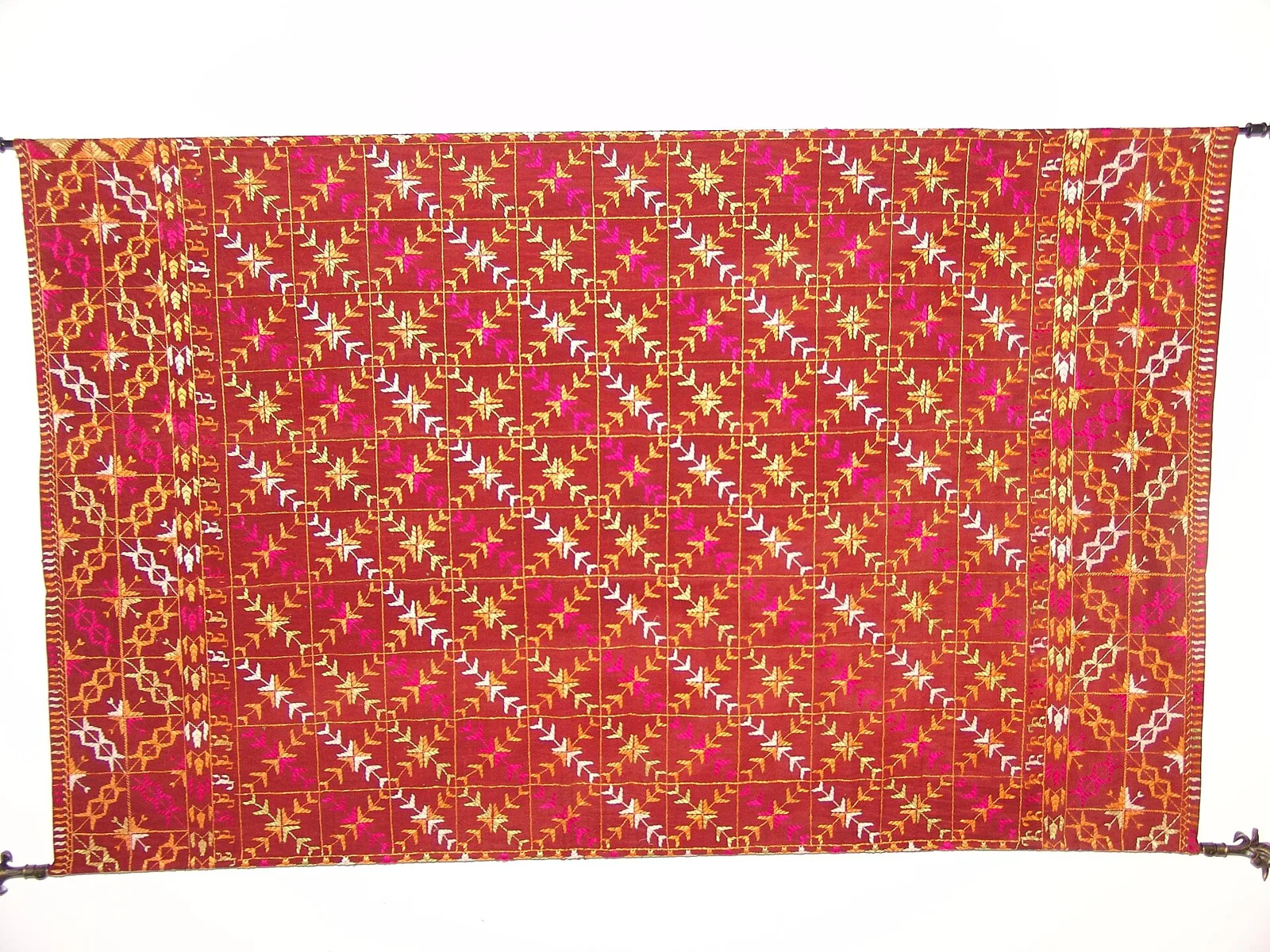
Patiala is a city in southeastern Punjab and the administrative centre of its district. People visit for its royal history, Qila Mubarak and distinctive clothing, footwear and cultural traditions.

Qila Mubarak

72 km away · Bathinda district

Qila Mubarak

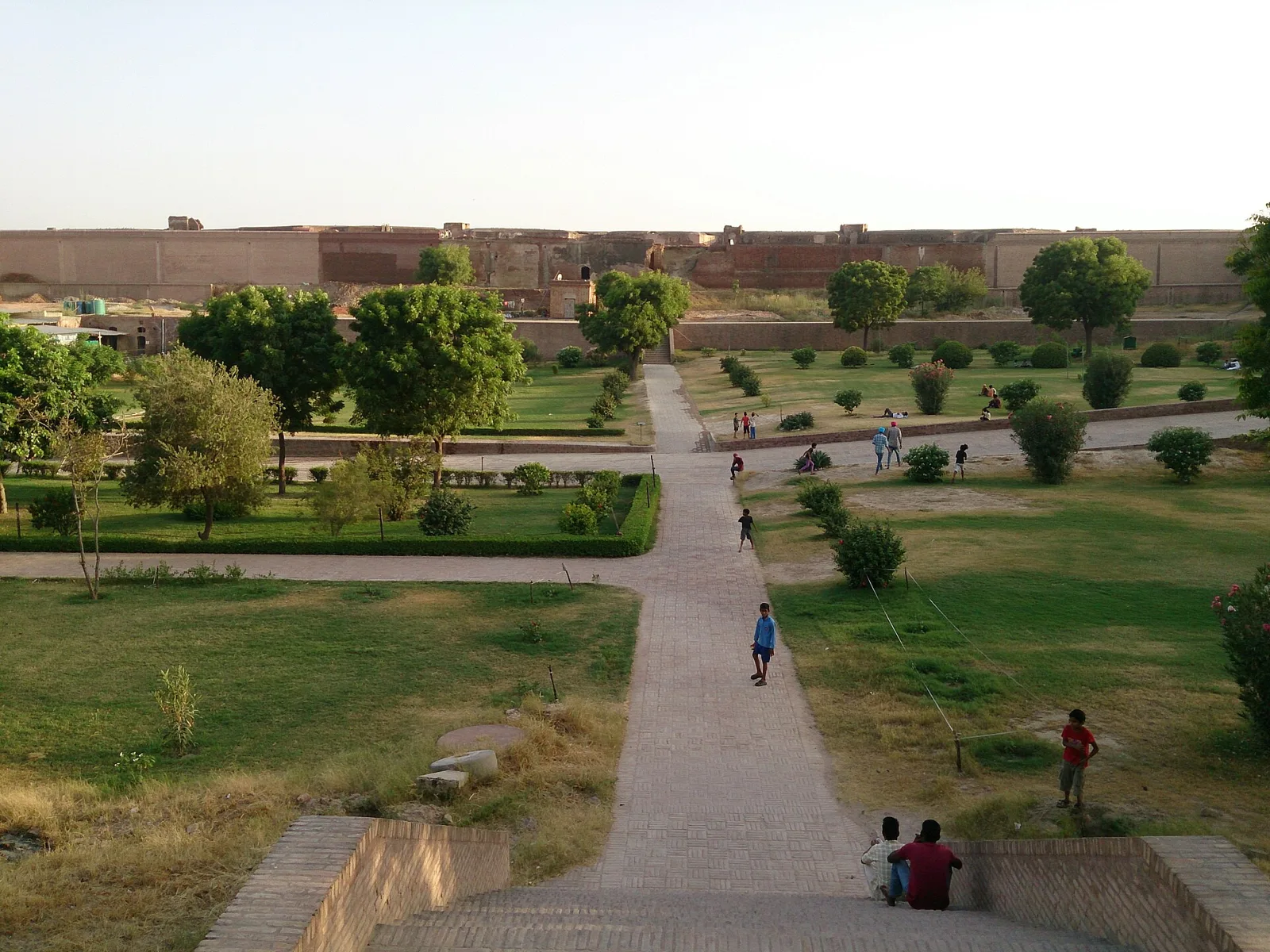
Qila Mubarak is a historic fortress in Bathinda, known for its long past and its association with Razia Sultan. Visitors can see its lawns and gurdwaras, while much of the fort is closed to the public.

Ludhiana

81 km away · Ludhiana district

Ludhiana

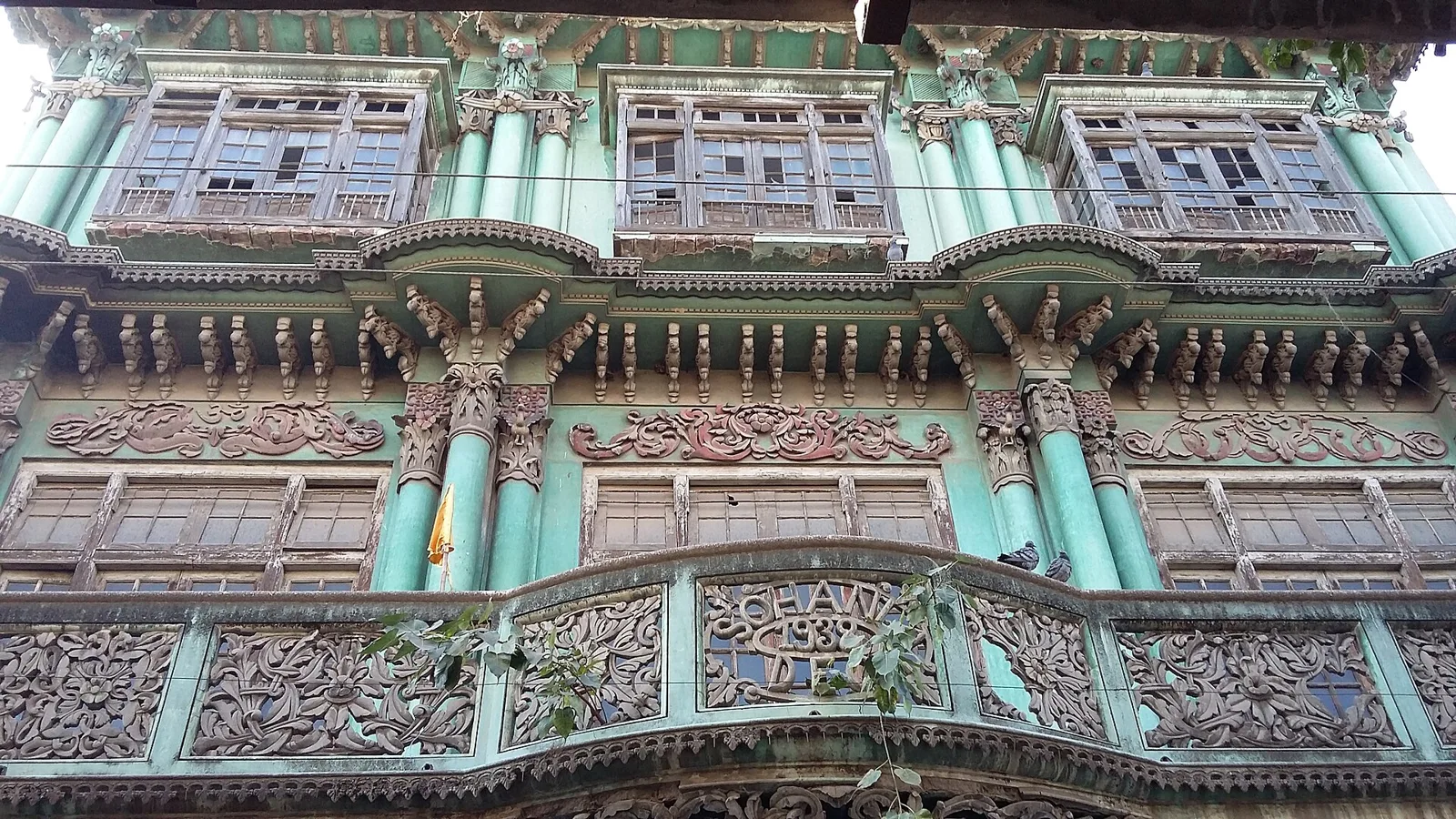
Ludhiana is Punjab’s most populous city and a major manufacturing and trading centre in northern India; visitors come for its industrial and commercial activity.

Aam Khas Bagh

84 km away · Fatehgarh Sahib district

Aam Khas Bagh

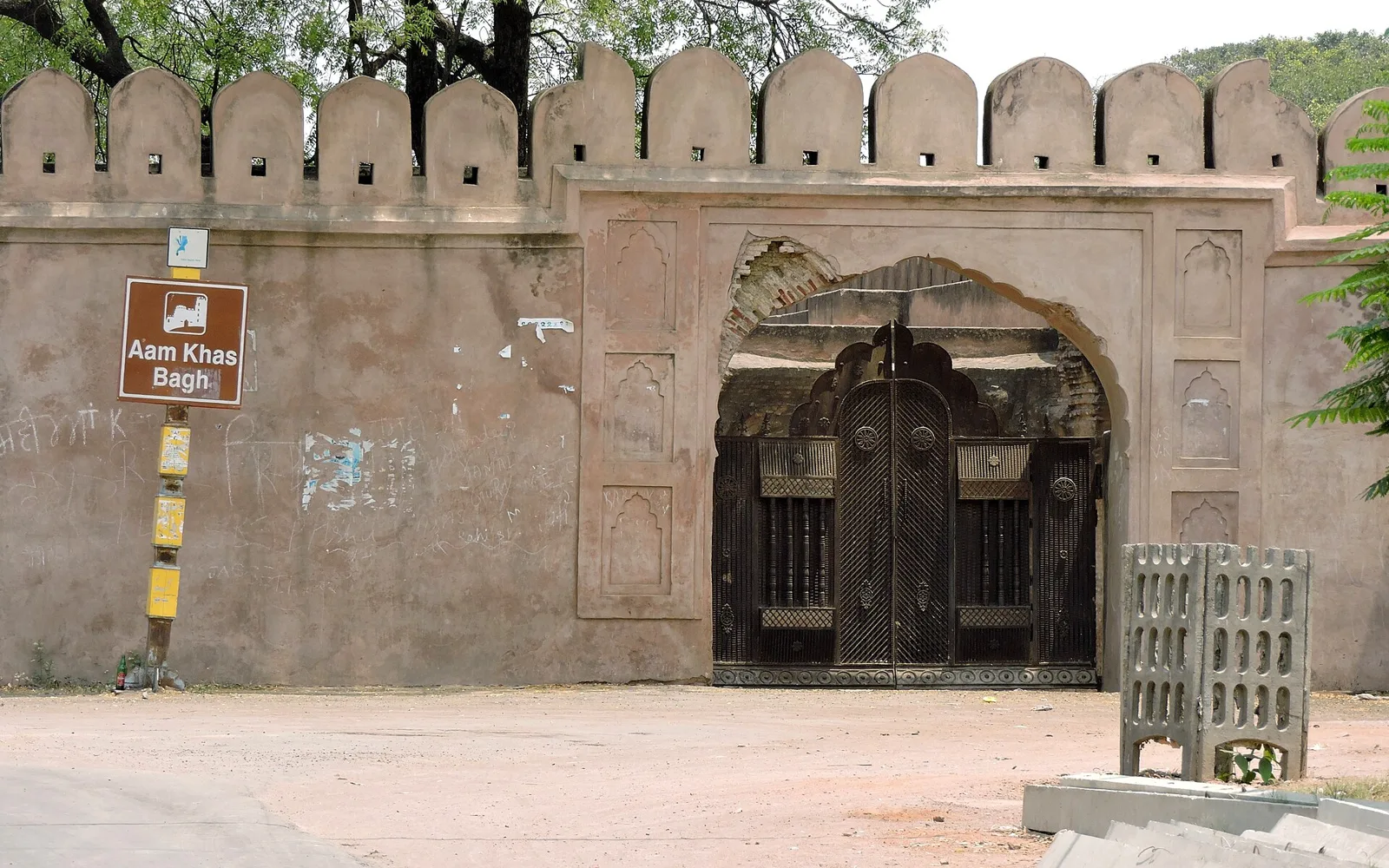
Aam Khas Bagh is a surviving Mughal-era roadside inn complex in Punjab’s Fatehgarh Sahib district, visited for its history as accommodation on the Delhi–Lahore route.

Fatehgarh Sahib

84 km away · Fatehgarh Sahib district

Fatehgarh Sahib

Fatehgarh Sahib is a city in Punjab and a Sikh pilgrimage centre, visited for its historic gurdwaras and its connection with the martyrdom of Guru Gobind Singh’s young sons.

Phillaur Fort

91 km away · Ludhiana district

Phillaur Fort

Known also as Maharaja Ranjit Singh Fort, Phillaur Fort is a fort in Punjab that visitors can see on the Grand Trunk Road at Phillaur.

Map

Longowal on the map

  1. 1Takht Sri Damdama Sahib
  2. 2Bathinda
  3. 3Patiala
  4. 4Qila Mubarak
  5. 5Ludhiana
  6. 6Aam Khas Bagh
  7. 7Fatehgarh Sahib
  8. 8Phillaur Fort

Punjab

Other cities to explore