Ghumoopedia — Explore, Discover, Experience
Sign in
Takht Sri Damdama Sahib, near Mansa

City guide · Punjab

Mansa

Mansa is an administrative centre in Punjab’s southern Malwa region, serving as the headquarters of Mansa district. Its location on important road and railway routes links it with nearby towns and larger centres, making it a regional hub for travel, services and agricultural trade.

Famous for

  • Baba Bhai Gurdas Ji temple
  • Cotton-growing fields
  • Malwa Punjabi culture
  • March–April temple fair
  • Agriculture and cotton trade

Why Mansa matters

Mansa is an administrative centre in Punjab’s southern Malwa region, serving as the headquarters of Mansa district. Its location on important road and railway routes links it with nearby towns and larger centres, making it a regional hub for travel, services and agricultural trade. The surrounding countryside is part of Punjab’s cotton belt, and farming remains central to the local economy and everyday life.

Visitors come for a quieter view of rural Malwa and for the temple and annual fair associated with Baba Bhai Gurdas Ji. In November and December, cotton plants flower across fields around the city, creating a distinctive seasonal landscape. Mansa also offers a glimpse of Punjabi-speaking community life, local religious traditions and the rhythms of an agricultural town. Its importance is less about a large tourist circuit than its role as a district centre, its connections across the region and its close relationship with the farms that surround it.
Famous for: crafts, trade & products

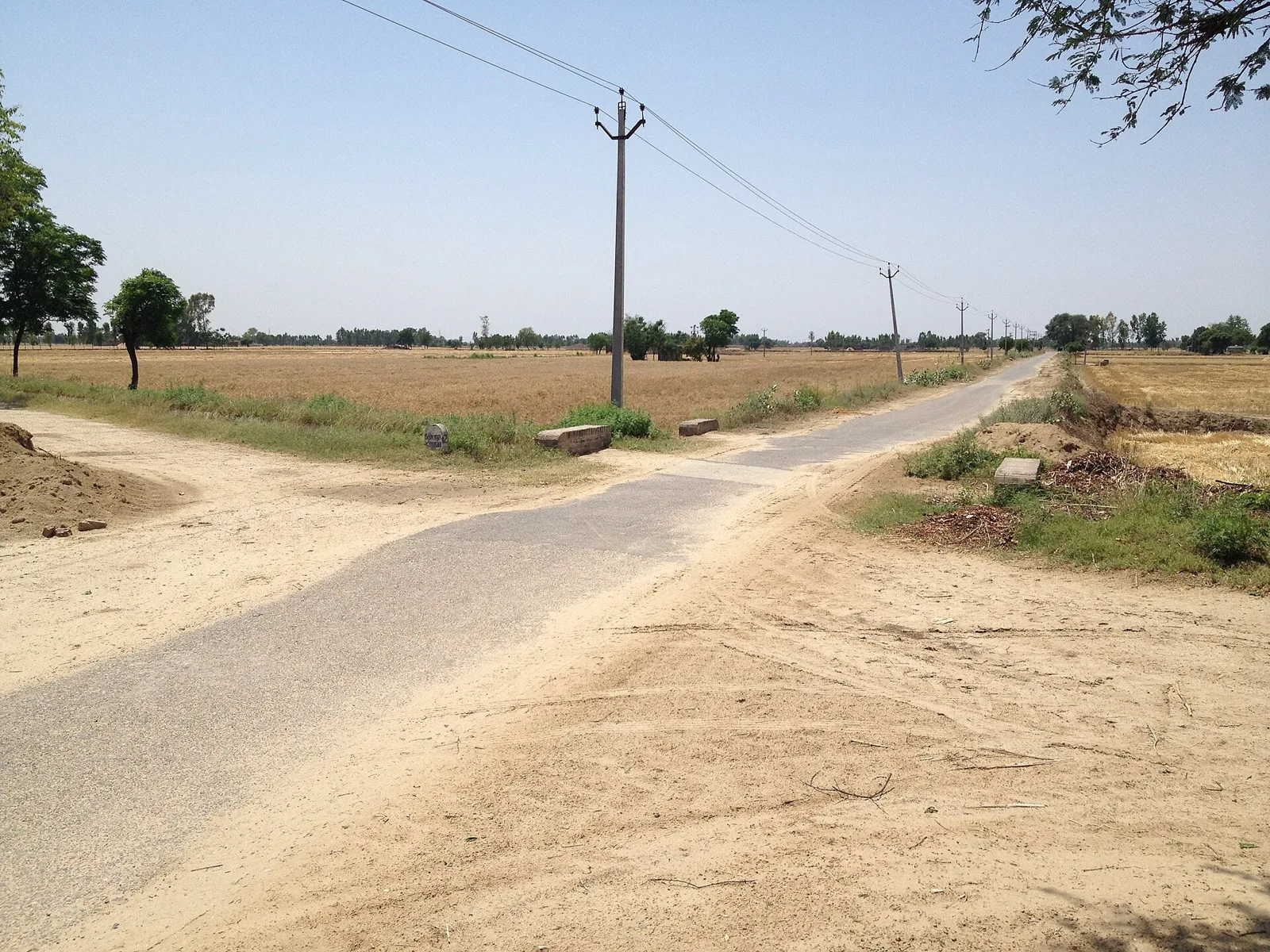
Mansa is best known locally for agriculture, especially cotton cultivation in the surrounding district. The crop is part of the wider cotton belt of Punjab, and fields around the city are especially notable when the plants bloom in November and December. Agriculture supports local commerce, though Mansa is not established as a major centre for a particular textile, handicraft or GI-tagged product.

Visitors looking for everyday goods can explore the town’s general markets, where local shopping reflects the needs of a district centre and its farming communities. The city is also home to educational institutions including Nehru Memorial Government College, Mata Sundri Girls College and S.D. Kanya Mahavidyala College. These serve the local area and contribute to Mansa’s role as a regional service centre. The temple of Baba Bhai Gurdas Ji, in the southeast of town, is a notable place of worship and the focus of an annual fair. Rather than seeking a specialist craft district, visitors will find Mansa’s identity most clearly in its agricultural links, institutions and religious gathering.

History

The history of the wider Mansa district reaches back to the Indus Valley period. Archaeological discoveries in district villages have similarities to material associated with Harappa and Mohenjo-daro, while the ancient settlement of Rakhigarhi lies in the broader region. Mansa’s own founding is associated with Bhai Gurdas, said to have come from Dhingar. Local tradition recounts that he meditated at his in-laws’ home after they initially refused to send his wife with him. A shrine was later established in his memory.

The area was associated with the Phulkian Sikh dynasty and the Kaithal Sikh kingdom during periods before modern state administration. Under British rule, the region formed part of the changing political and administrative landscape of Punjab. In independent India, Mansa developed as a town serving its agricultural hinterland and became the headquarters of Mansa district. A Class A municipality has operated in the town since 1952, reflecting its growth as a centre for civic services, education and trade.

Food, festivals & culture

Punjabi is the principal language of daily life, and local customs reflect the Malwa region. Agriculture shapes the seasonal calendar, while Sikh religious practice is prominent in community life. The temple of Baba Bhai Gurdas Ji in the southeast of town is an important place of worship. Its annual fair, usually held in March or April, draws visitors who make offerings of laddus and gur (jaggery) at the shrine.

The wider food culture is rooted in Punjabi home cooking, with wheat-based breads, lentils, seasonal vegetables and dairy foods common across the region. Laddus and jaggery are particularly associated with offerings at the temple fair rather than being exclusive to Mansa. Punjabi folk traditions, including music and dance associated with the Malwa region, are part of local celebrations and gatherings; specific performances can vary by occasion. The fair offers a chance to experience devotion alongside a lively community gathering, while the surrounding countryside reflects the farming life that underpins local culture.

Visiting the city

Winter is a comfortable season to visit, and November and December bring the added interest of cotton flowering in fields around Mansa. The temple fair is usually held in March or April. Mansa railway station is the main rail stop, on the Delhi–Bathinda line. For air travel, Chandigarh Airport and Indira Gandhi International Airport in Delhi are the principal options noted for the area; check current connections before setting out.

The city is connected by road and rail, with buses linking it to nearby towns and urban centres. Within Mansa, local transport can be used to reach the central town and the Baba Bhai Gurdas Ji temple in the southeast. The town centre is a practical area to explore for everyday shops and services; trips into the surrounding countryside offer a closer look at the agricultural landscape.

Trips from the city

Nearest places to visit from Mansa

Our closest destination guides, by straight-line distance.

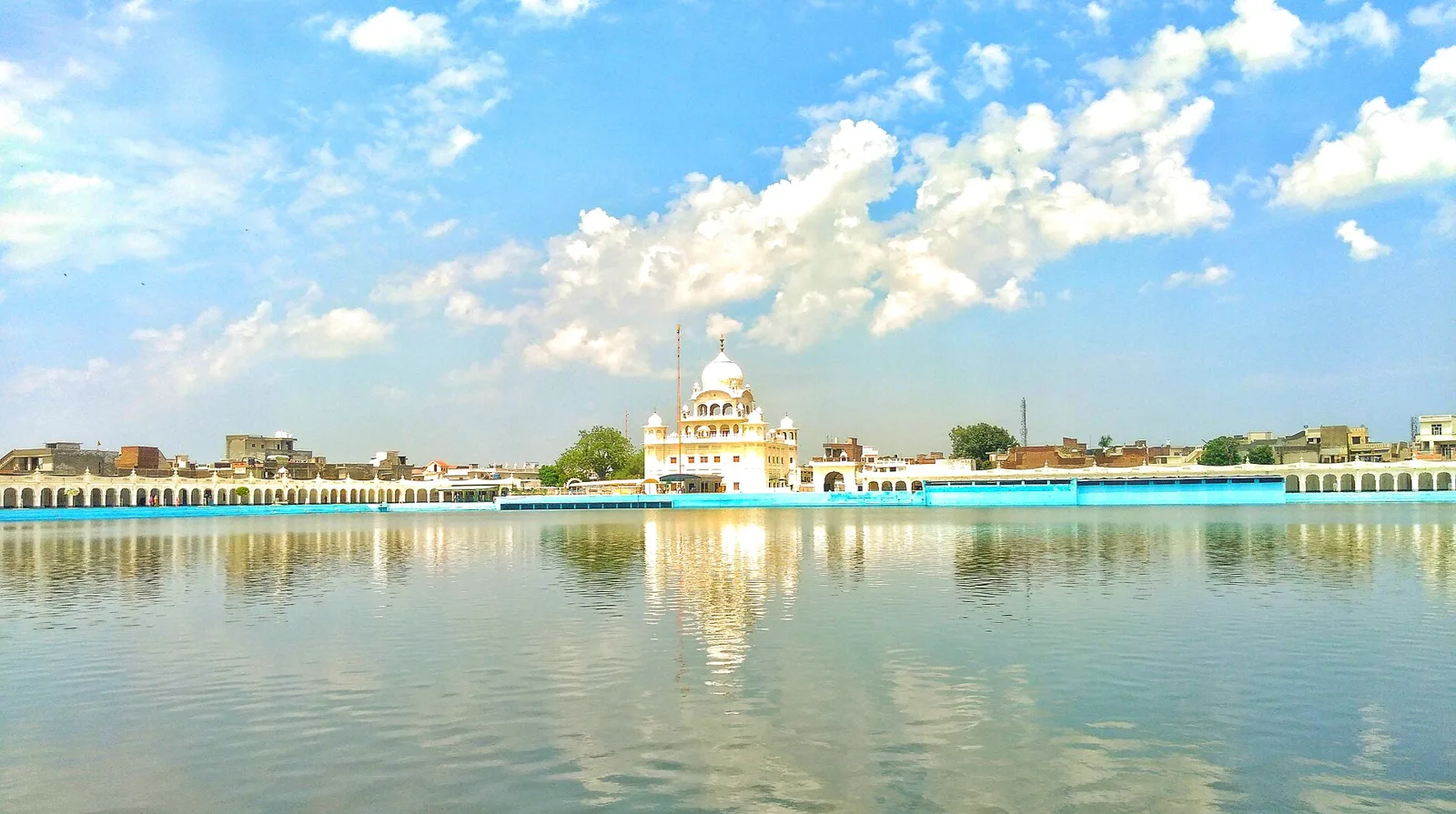
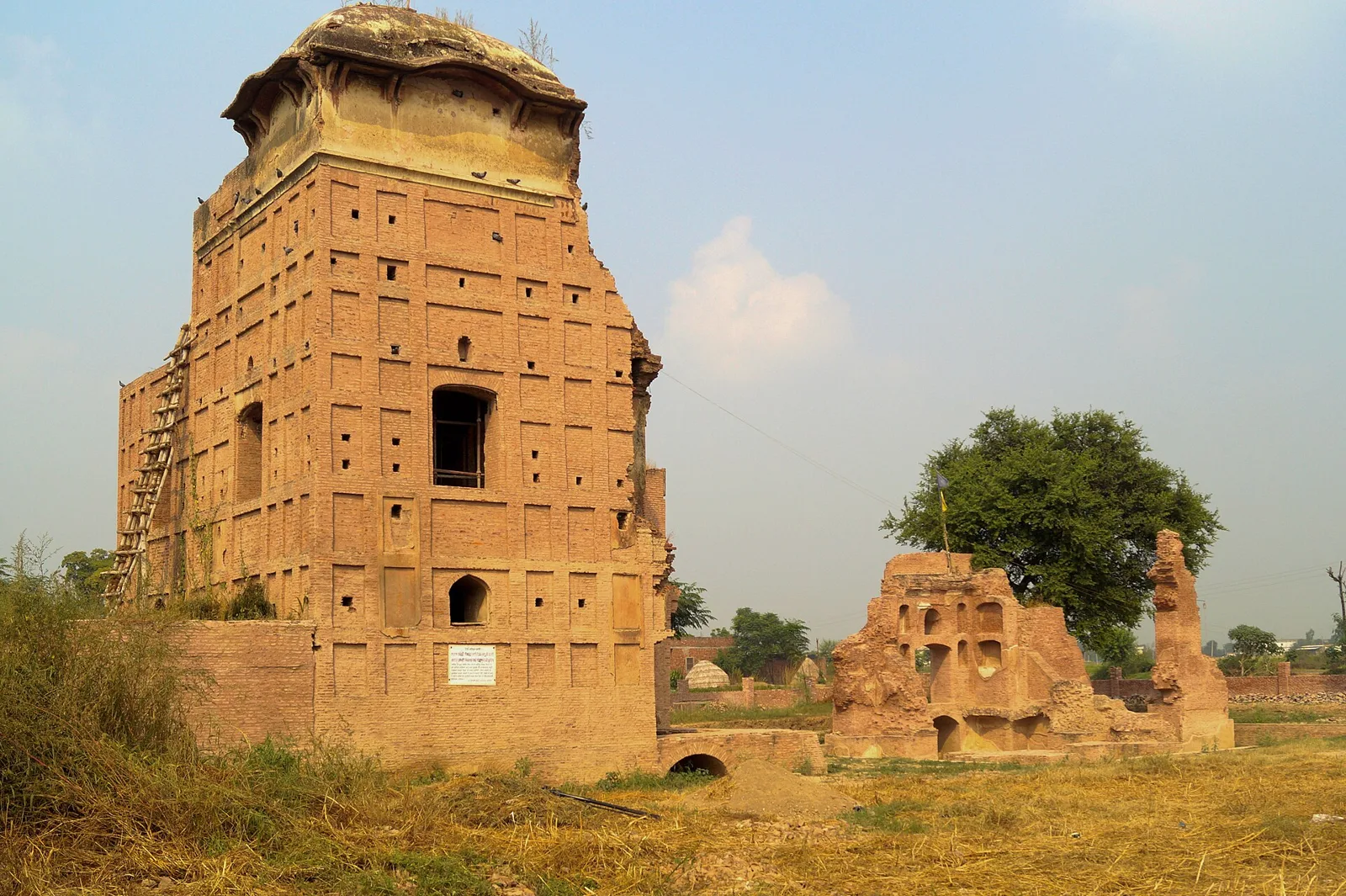
Takht Sri Damdama Sahib

31 km away · Bathinda district

Takht Sri Damdama Sahib

Takht Sri Damdama Sahib is a Sikh centre of temporal authority in Talwandi Sabo, visited for its connection with Guru Gobind Singh’s preparation of Sri Guru Granth Sahib.

Bathinda

51 km away · Bathinda district

Bathinda

Bathinda is a city in Punjab’s Malwa region and the administrative centre of its district. Visitors can explore the historic Qila Mubarak fort, and the city also has a zoo and major educational institutions.

Qila Mubarak

51 km away · Bathinda district

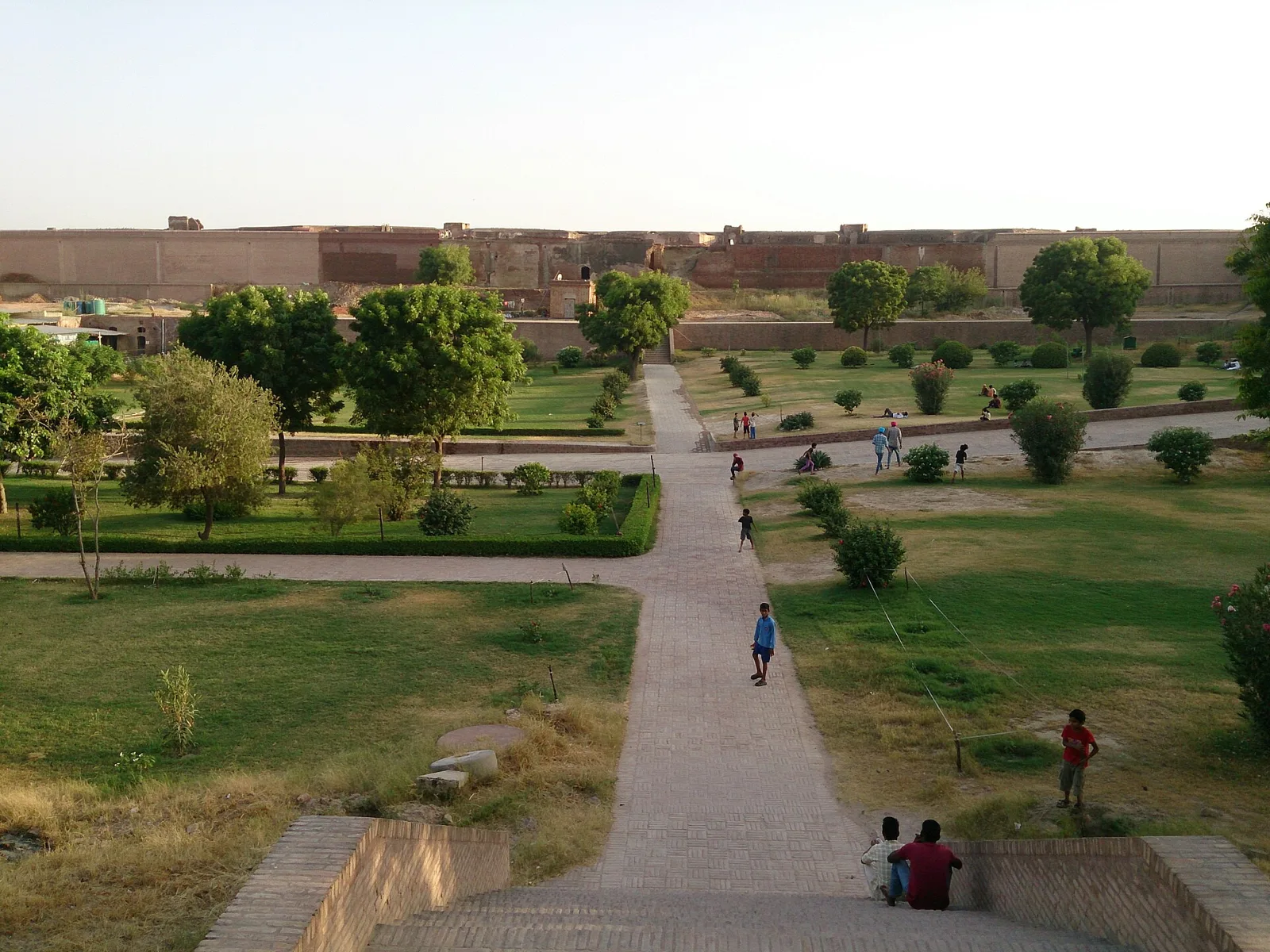
Qila Mubarak

Qila Mubarak is a historic fortress in Bathinda, known for its long past and its association with Razia Sultan. Visitors can see its lawns and gurdwaras, while much of the fort is closed to the public.

Sri Muktsar Sahib

101 km away · Sri Muktsar Sahib district

Sri Muktsar Sahib

Sri Muktsar Sahib, a city in Punjab, draws interest for its Sikh history and connection to the 1705 Battle of Muktsar; it also serves as a district centre.

Patiala

104 km away · Patiala district

Patiala

Patiala is a city in southeastern Punjab and the administrative centre of its district. People visit for its royal history, Qila Mubarak and distinctive clothing, footwear and cultural traditions.

Ludhiana

111 km away · Ludhiana district

Ludhiana

Ludhiana is Punjab’s most populous city and a major manufacturing and trading centre in northern India; visitors come for its industrial and commercial activity.

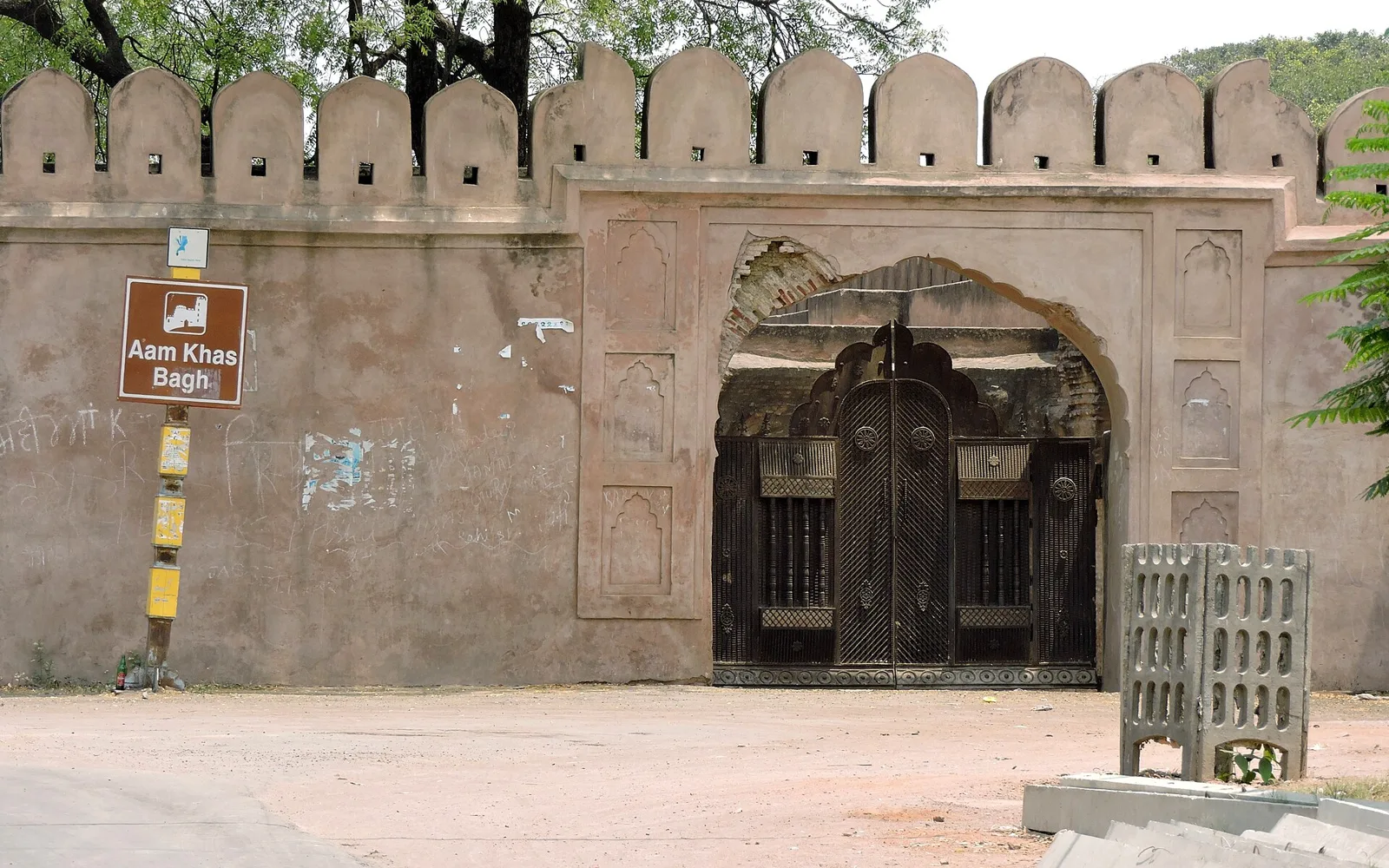
Aam Khas Bagh

120 km away · Fatehgarh Sahib district

Aam Khas Bagh

Aam Khas Bagh is a surviving Mughal-era roadside inn complex in Punjab’s Fatehgarh Sahib district, visited for its history as accommodation on the Delhi–Lahore route.

Fatehgarh Sahib

120 km away · Fatehgarh Sahib district

Fatehgarh Sahib

Fatehgarh Sahib is a city in Punjab and a Sikh pilgrimage centre, visited for its historic gurdwaras and its connection with the martyrdom of Guru Gobind Singh’s young sons.

Map

Mansa on the map

  1. 1Takht Sri Damdama Sahib
  2. 2Bathinda
  3. 3Qila Mubarak
  4. 4Sri Muktsar Sahib
  5. 5Patiala
  6. 6Ludhiana
  7. 7Aam Khas Bagh
  8. 8Fatehgarh Sahib

Punjab

Other cities to explore