Ghumoopedia — Explore, Discover, Experience
Sign in

City guide · Punjab

Moonak

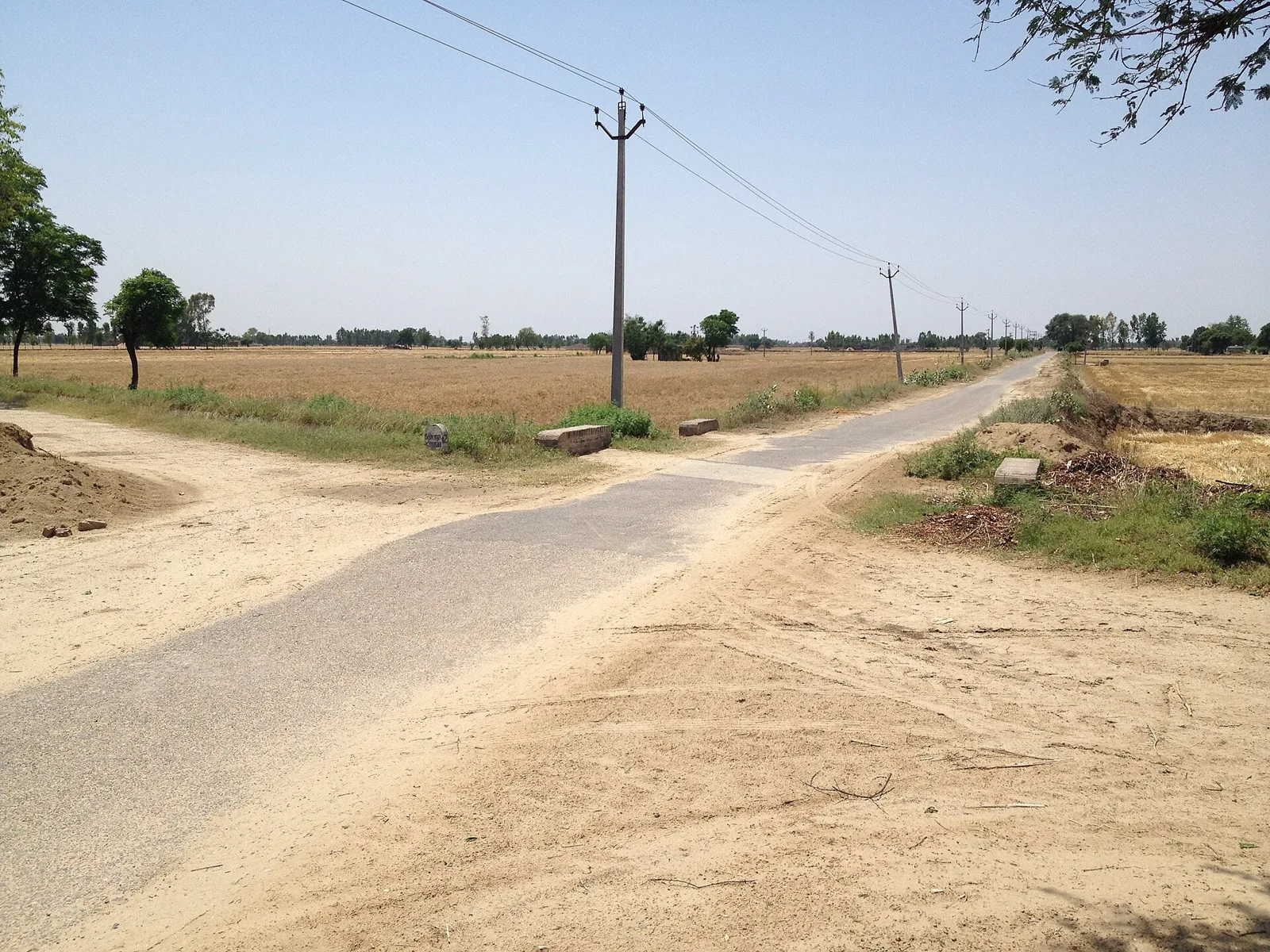
Moonak is a small town and nagar panchayat in Sangrur district, in Punjab’s Malwa region. Close to the Punjab-Haryana border, it serves residents and farming communities in the surrounding countryside, as well as people travelling between nearby towns such as Jakhal Mandi and Tohana.

Famous for

  • Agricultural livelihoods
  • Punjab-Haryana border setting
  • Regional town markets
  • Punjabi rural culture

Why Moonak matters

Moonak is a small town and nagar panchayat in Sangrur district, in Punjab’s Malwa region. Close to the Punjab-Haryana border, it serves residents and farming communities in the surrounding countryside, as well as people travelling between nearby towns such as Jakhal Mandi and Tohana. Its importance is chiefly regional: local shops and services support everyday needs, while agriculture remains central to livelihoods and the local economy.

Visitors are more likely to come for practical reasons, to meet local contacts or to experience a quieter side of rural Punjab, than for a major monument or a large tourist attraction. The town’s setting gives it a cross-border character, with links to settlements in both Punjab and Haryana. Its modest scale, Punjabi language and everyday market life offer a glimpse of the region beyond the state’s better-known cities. Chandigarh is the nearest commercial airport, about 150 km away, so Moonak is generally visited as part of a wider journey through the area rather than as a stand-alone destination.
Famous for: crafts, trade & products

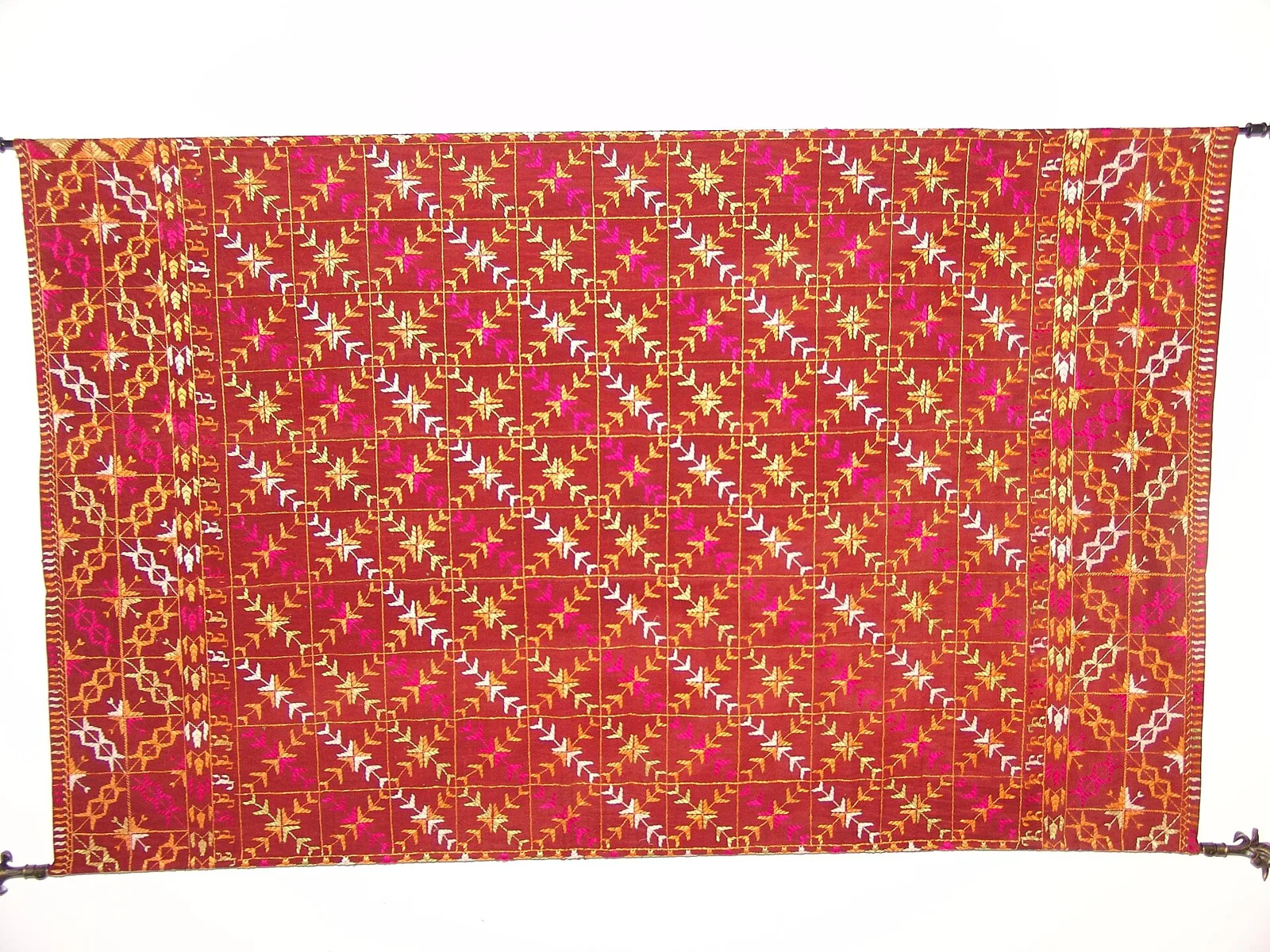
Moonak is best known locally as an agrarian service town, not as a centre for a nationally recognised textile, craft or GI-tagged product. Farming shapes much of the surrounding economy, and local trade caters to residents, cultivators and nearby villages. The crop mix follows the seasons and regional conditions; visitors should not assume that a particular product or harvest is available year-round.

For everyday shopping, look around the town’s central market streets, where small retailers and service businesses meet routine household and farming needs. These are practical places to look for locally traded goods, rather than specialist craft boutiques or a destination market. No single signature handicraft, saree tradition or large industrial sector defines Moonak’s public identity. Travellers seeking a broader choice of branded goods or specialist products may find more options in larger regional centres. As in many agricultural towns, market activity can vary with the farming calendar, so a visit is best approached as an opportunity to see local commerce in context rather than to shop for a specific souvenir.

History

Moonak’s history is closely tied to the settled farming communities of the wider Malwa region. Its growth has been shaped less by a prominent royal court or a major historic monument than by its role as a local centre for surrounding villages. The town’s position near the present Punjab-Haryana boundary also links its story to the movement of people and trade across what is now a state border.

During the colonial period, the wider region was influenced by British rule and the changing administration of Punjab and nearby princely territories. In the post-Independence period, state and district administration, improved transport and the continued importance of agriculture helped shape the town’s modern role. Today Moonak is a nagar panchayat within Sangrur district, serving as a modest urban centre for a predominantly rural hinterland.

Food, festivals & culture

Punjabi is the language of everyday life in Moonak, with Hindi also understood by many residents. The town’s food culture reflects the wider Punjab region: everyday meals may include roti, lentils, seasonal vegetables and dairy-based dishes. Punjabi staples such as makki di roti and sarson da saag are associated with the colder months, while sweets and savoury snacks are commonly shared at family gatherings and festive occasions. These are regional traditions rather than dishes unique to Moonak.

Baisakhi, celebrated in spring, is an important harvest-season festival across Punjab. Lohri is observed in midwinter, and Sikh Gurpurabs and Hindu festivals are marked according to their religious calendars. Gurdwaras and temples serve as places of worship and community gathering; visitors should be respectful of local customs and dress appropriately. Punjabi folk music and dances such as bhangra and giddha are part of the region’s cultural heritage and may be heard or seen at celebrations, though performances are not a daily tourist attraction.

Visiting the city

The cooler months, roughly October to March, are generally the most comfortable time to visit. Summers can be very hot, while monsoon weather may bring rain and humid conditions. Chandigarh is the nearest commercial airport, about 150 km away. Moonak Railway Station serves the town; Jakhal Junction, across the state border in Haryana, is another rail point to consider when planning a route. Check current connections before travelling.

Within Moonak, the central market area is a useful place to begin, with nearby streets offering a look at everyday town life. The surrounding agricultural outskirts give a sense of the rural setting, but visits to farmland should be arranged with local residents. Local road transport and taxis can help with journeys between the town and neighbouring settlements. Allow time for travel, as Moonak is a small regional centre rather than a major tourist hub.

Trips from the city

Nearest places to visit from Moonak

Our closest destination guides, by straight-line distance.

Patiala

75 km away · Patiala district

Patiala

Patiala is a city in southeastern Punjab and the administrative centre of its district. People visit for its royal history, Qila Mubarak and distinctive clothing, footwear and cultural traditions.

Takht Sri Damdama Sahib

80 km away · Bathinda district

Takht Sri Damdama Sahib

Takht Sri Damdama Sahib is a Sikh centre of temporal authority in Talwandi Sabo, visited for its connection with Guru Gobind Singh’s preparation of Sri Guru Granth Sahib.

Bathinda

101 km away · Bathinda district

Bathinda

Bathinda is a city in Punjab’s Malwa region and the administrative centre of its district. Visitors can explore the historic Qila Mubarak fort, and the city also has a zoo and major educational institutions.

Qila Mubarak

101 km away · Bathinda district

Qila Mubarak

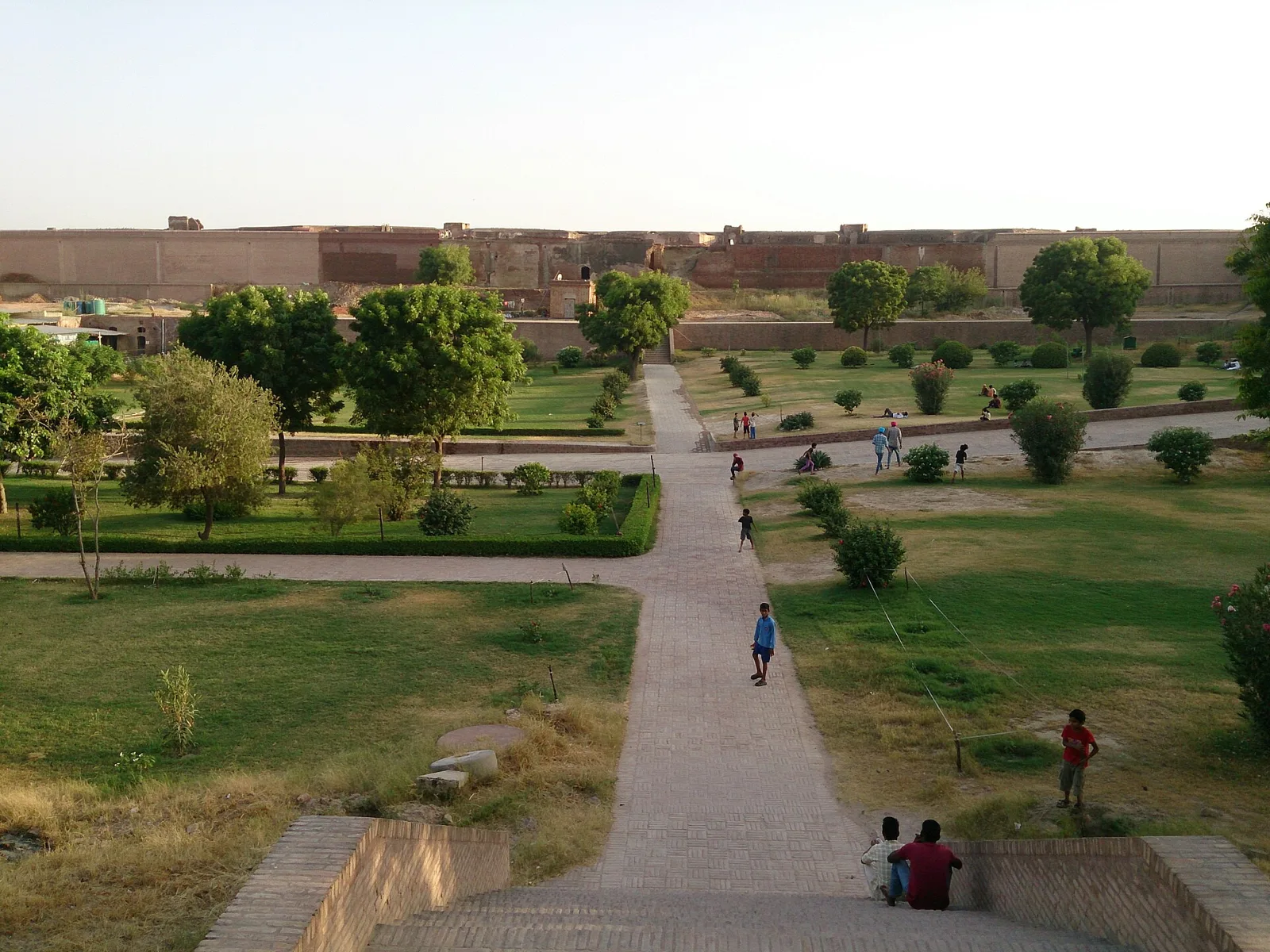
Qila Mubarak is a historic fortress in Bathinda, known for its long past and its association with Razia Sultan. Visitors can see its lawns and gurdwaras, while much of the fort is closed to the public.

Aam Khas Bagh

102 km away · Fatehgarh Sahib district

Aam Khas Bagh

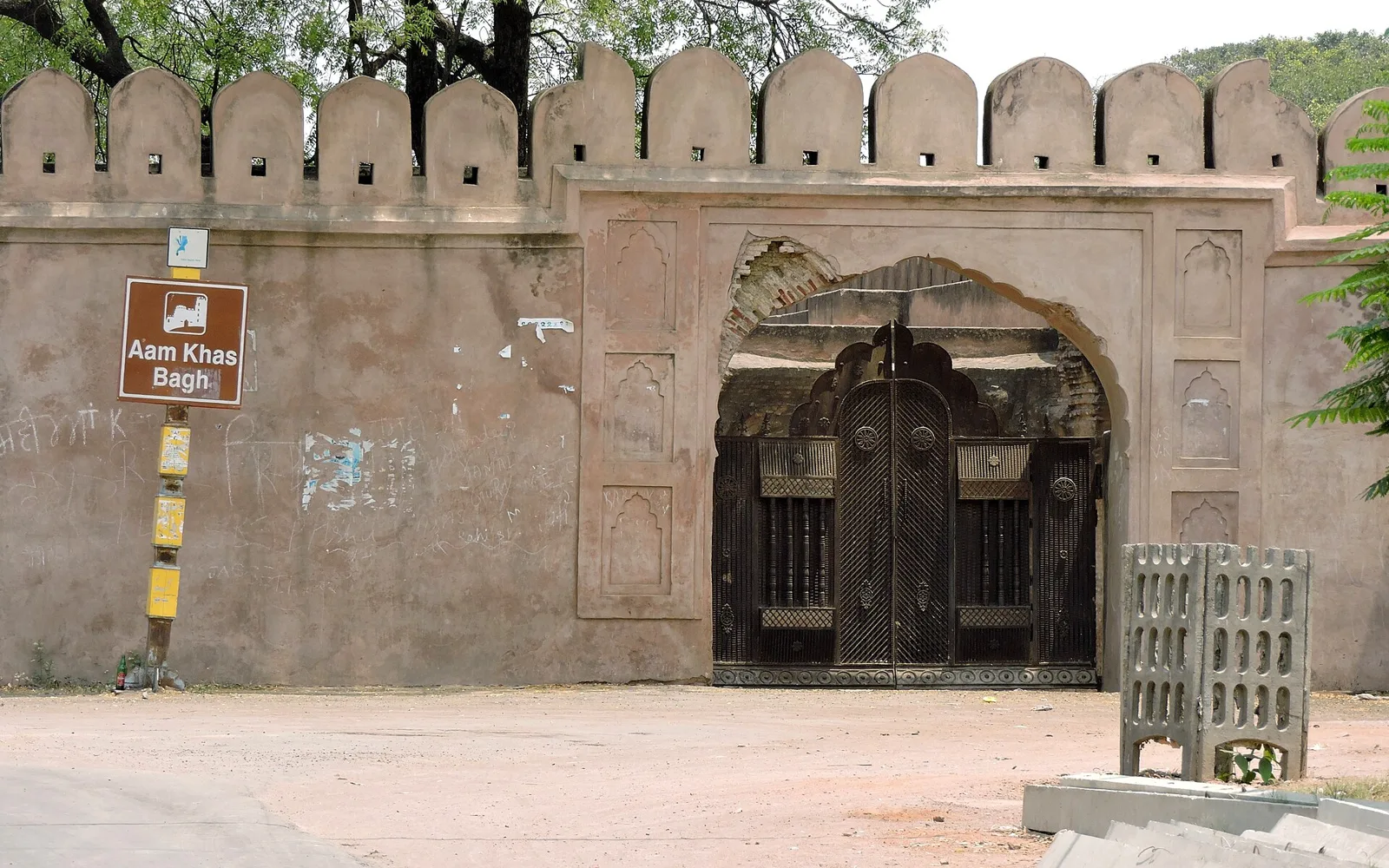
Aam Khas Bagh is a surviving Mughal-era roadside inn complex in Punjab’s Fatehgarh Sahib district, visited for its history as accommodation on the Delhi–Lahore route.

Fatehgarh Sahib

103 km away · Fatehgarh Sahib district

Fatehgarh Sahib

Fatehgarh Sahib is a city in Punjab and a Sikh pilgrimage centre, visited for its historic gurdwaras and its connection with the martyrdom of Guru Gobind Singh’s young sons.

Sanghol

117 km away · Fatehgarh Sahib district

Sanghol

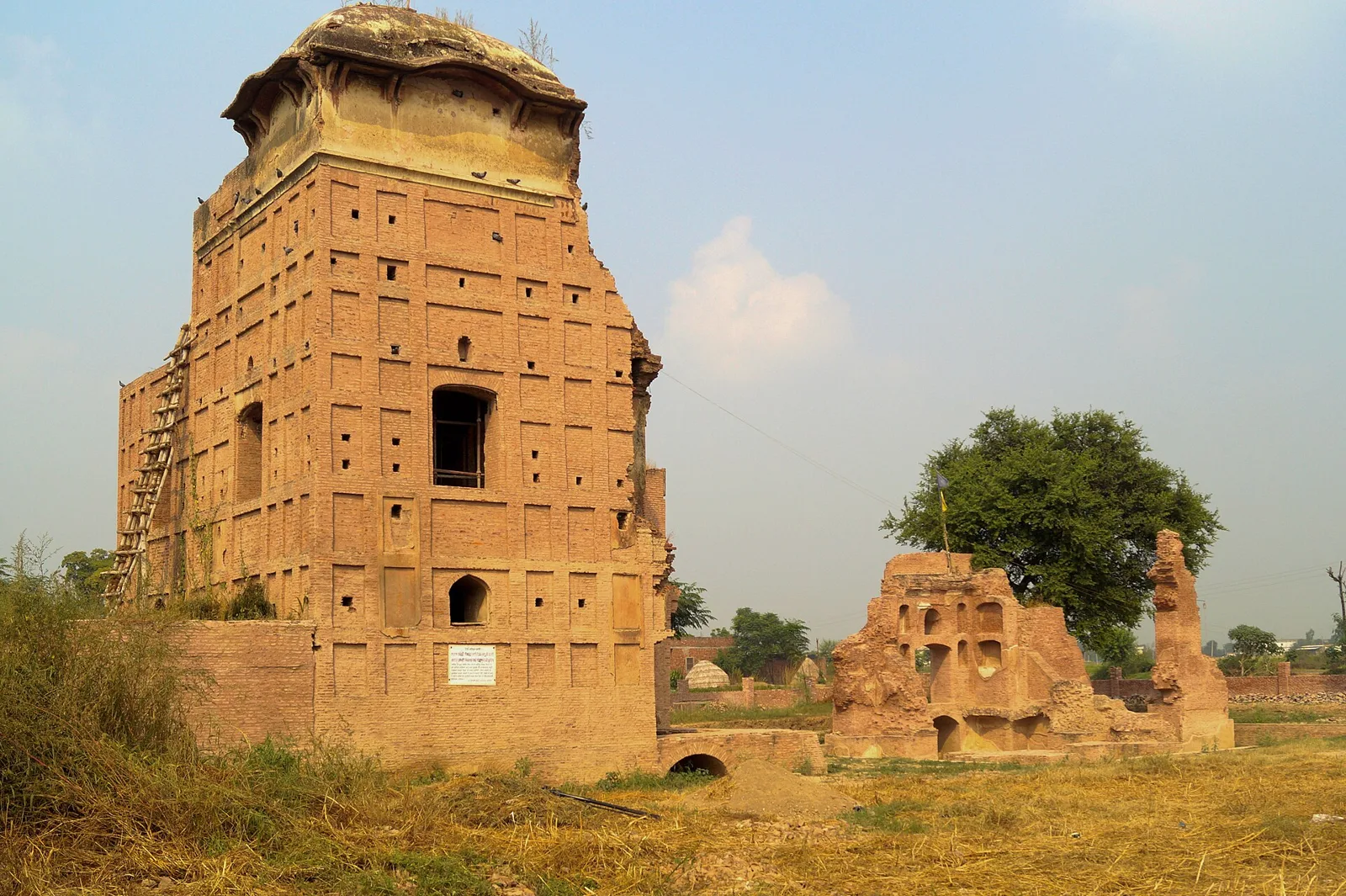
Sanghol, also called Uchha Pind Sanghol, is a village in Punjab’s Fatehgarh Sahib district with roots in the Harappan civilisation. Visitors come to see its excavated Buddhist and Kushan remains and the museum collections.

Ludhiana

121 km away · Ludhiana district

Ludhiana

Ludhiana is Punjab’s most populous city and a major manufacturing and trading centre in northern India; visitors come for its industrial and commercial activity.

Map

Moonak on the map

  1. 1Patiala
  2. 2Takht Sri Damdama Sahib
  3. 3Bathinda
  4. 4Qila Mubarak
  5. 5Aam Khas Bagh
  6. 6Fatehgarh Sahib
  7. 7Sanghol
  8. 8Ludhiana

Punjab

Other cities to explore