Ghumoopedia — Explore, Discover, Experience
Sign in
Devi Talab Mandir, near Urmar

City guide · Punjab

Urmar

Urmar, commonly referred to with nearby Tanda as Urmar Tanda, is a small town in Hoshiarpur district in Punjab’s Doaba region. Its importance is mainly regional: it serves surrounding villages with everyday shops, services and agricultural trading, and connects residents to larger centres such as Jalandhar and Hoshiarpur.

Famous for

  • Doaba market town
  • Agricultural trade
  • Punjabi village culture
  • Gurudwara visits

Why Urmar matters

Urmar, commonly referred to with nearby Tanda as Urmar Tanda, is a small town in Hoshiarpur district in Punjab’s Doaba region. Its importance is mainly regional: it serves surrounding villages with everyday shops, services and agricultural trading, and connects residents to larger centres such as Jalandhar and Hoshiarpur. Road and rail links make it a practical stop for people travelling through this part of the state rather than a major destination in its own right.

Visitors are drawn more by local life and nearby places of worship than by a large collection of monuments or visitor attractions. The town offers a glimpse of the market-centred rhythm of rural Punjab, with busy shopping streets and seasonal activity shaped by farming. Punjabi food, Sikh and Hindu religious traditions, and the wider landscape of the Doaba are central to its character. Urmar is also associated with the surrounding Tanda area, so local references and transport listings may use either name.
Famous for: crafts, trade & products

Urmar is best understood as a local service and trading centre, not as a place with a widely recognised textile, handicraft or GI-tagged product. Agriculture shapes much of its commercial life: shops and market businesses serve farmers and residents from nearby settlements, while seasonal produce and everyday provisions form part of the local trade. Visitors looking for regional goods can browse the town’s general market and food shops, though there is no established specialist craft district or signature souvenir to seek out.

The main bazaar is the most useful place to experience local commerce and find groceries, clothing, household goods and Punjabi snacks. Small businesses are generally geared to local needs rather than tourism. For a broader selection of branded goods or specialist shopping, travellers can continue to larger nearby towns and cities. Religious institutions and community spaces are important local institutions, but Urmar is not known for a single major museum, university or industrial complex. Its identity rests on its role in the surrounding agricultural hinterland and on the everyday services that connect nearby villages.

History

Urmar lies in the Doaba, the Punjab region between the Beas and Sutlej rivers, an area shaped over centuries by farming, migration and changing political powers. The town’s history is closely tied to the settlements and agricultural lands around it; a single, well-documented founding story or ruling dynasty is not commonly associated with Urmar itself. The wider region has been influenced by the successive political histories of Punjab, including Sikh rule and British administration.

During the colonial period, expanding road and rail connections helped market towns across the region move people and agricultural goods. Urmar’s station and links with nearby settlements supported its role as a local centre. After independence and the formation of modern Punjab, the town continued to serve the surrounding rural area through commerce, transport and public services. Today, its development remains connected to farming, road traffic and links with larger urban centres, while local religious and community traditions maintain continuity with the surrounding Doaba villages.

Food, festivals & culture

Punjabi is the language heard most often in daily life, with Hindi also understood in many shops and public settings. Food reflects the wider Doaba and Punjabi home-cooking tradition: seasonal sarson da saag with makki di roti, parathas, dal, fresh curd and lassi are familiar choices. Sweets such as jalebi, ladoo and pinni are found at local sweet shops, especially around family celebrations. Menus vary by establishment, and vegetarian food is easy to find.

Vaisakhi in spring, Lohri in midwinter, Diwali in autumn and Gurpurabs are observed by local communities, with celebrations centred on family gatherings and places of worship. Punjabi devotional singing and kirtan are part of Sikh religious life; folk forms such as bhangra and giddha are especially associated with festive occasions and weddings. Sikh gurdwaras and Hindu temples serve as important community spaces in the town and nearby villages. Visitors should dress respectfully and follow the customs displayed at each place of worship.

Visiting the city

The most comfortable time to visit is from October to March, when days are generally milder than in the hot summer months. The nearest airport is Adampur Airport; check current flight availability before planning around it. Tanda Urmar railway station is the main rail stop for the town, and road services connect Urmar with nearby towns and villages.

Auto-rickshaws and local taxis are useful for short trips, while walking works well around the central market. The bazaar and the streets around the railway station offer a straightforward introduction to everyday town life. Nearby villages and religious sites can be explored by arranging local transport. Urmar is compact and is often visited as part of a wider journey through Hoshiarpur district or the Doaba.

Trips from the city

Nearest places to visit from Urmar

Our closest destination guides, by straight-line distance.

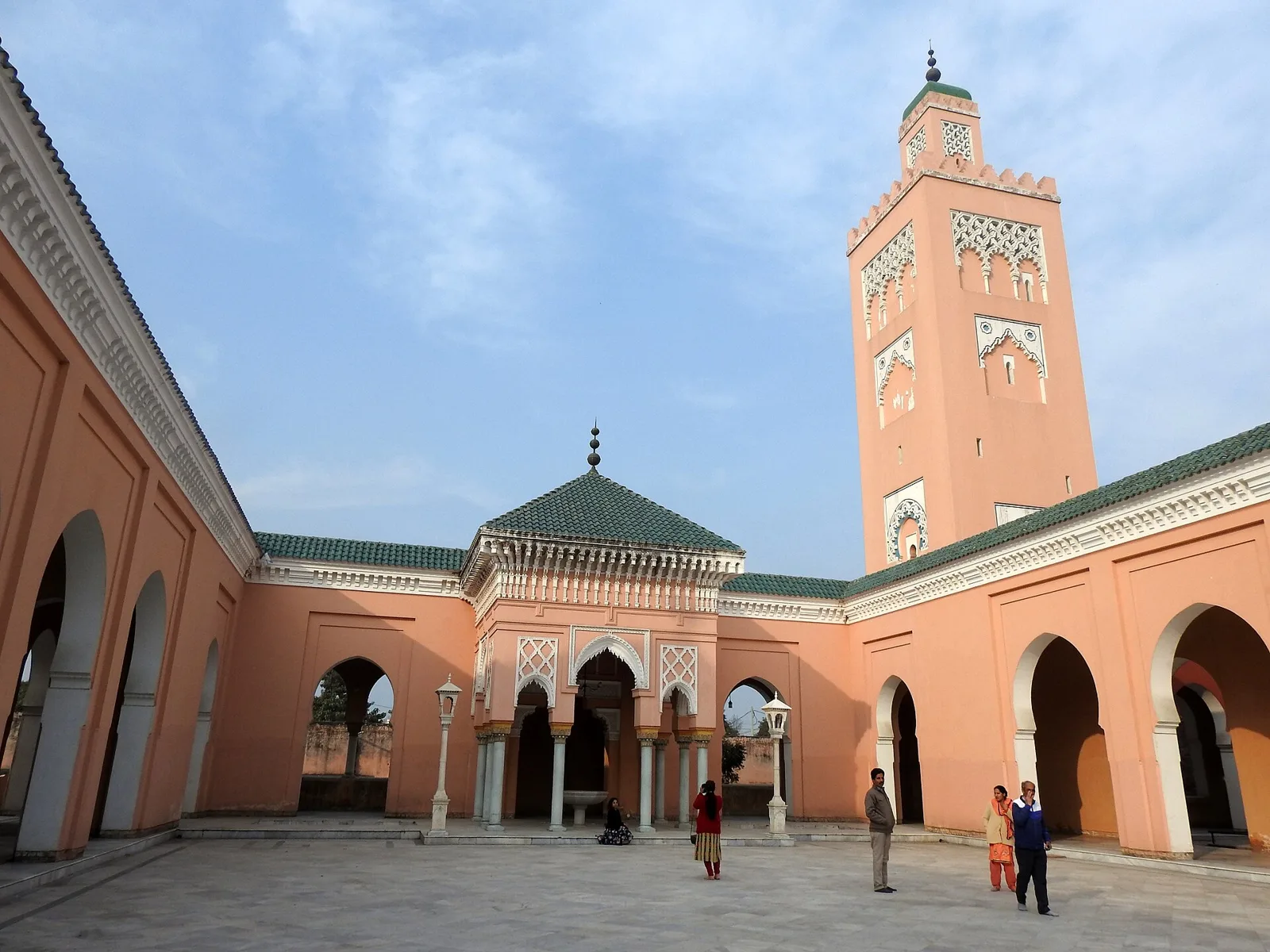
Devi Talab Mandir

38 km away · Jalandhar district

Devi Talab Mandir

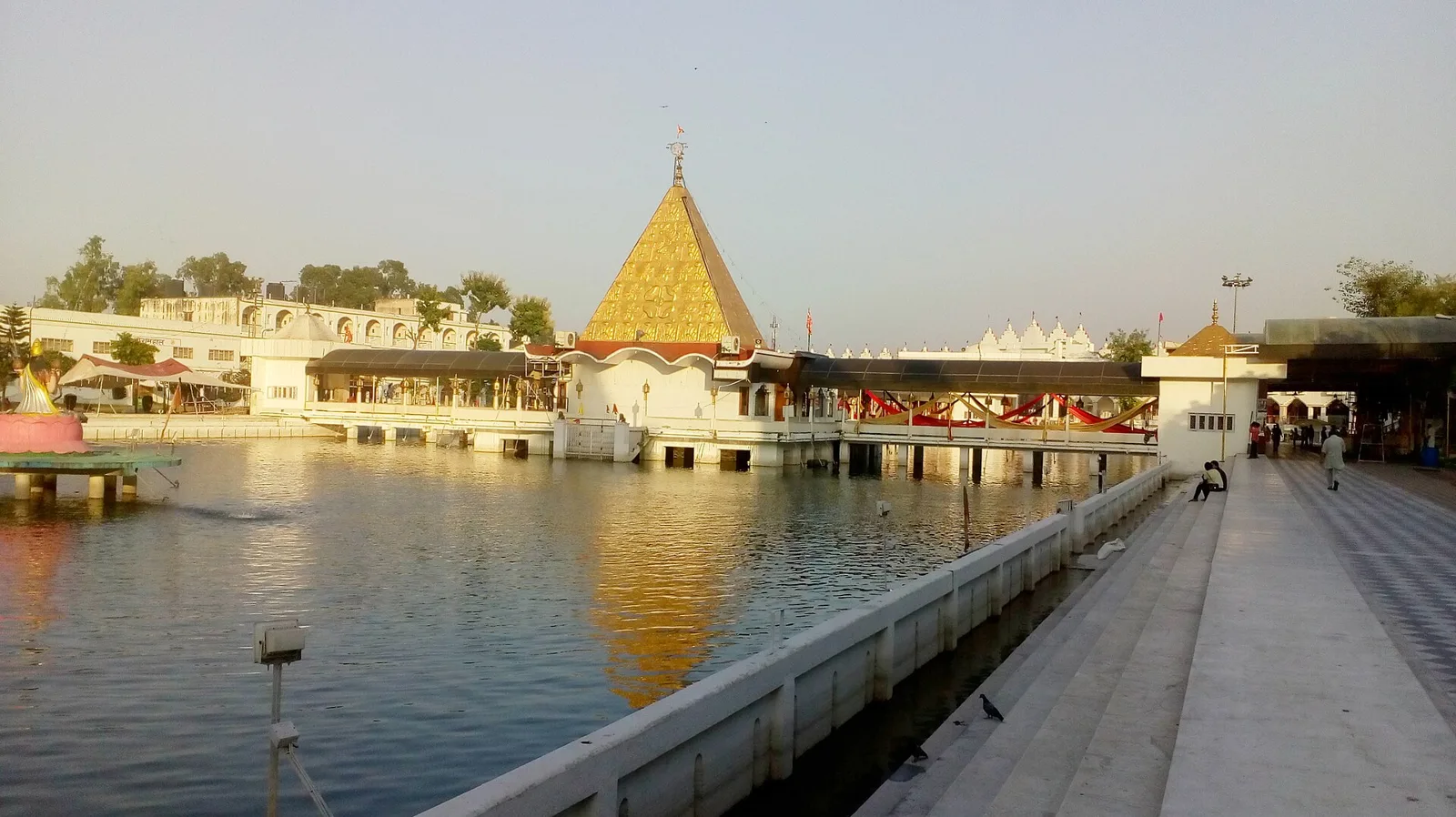
In Jalandhar, Punjab, Devi Talab Mandir is a Hindu place of worship dedicated to Goddess Durga. Pilgrims visit for its religious importance, ancient tank and shrines within the complex.

38 km away · Kapurthala district

Kanjli Wetland

Kanjli Wetland is an artificial wetland in Kapurthala district, Punjab, that includes Kanjli Lake. Visitors come to experience its diverse habitats and wildlife, recognised internationally through the Ramsar Convention.

Jalandhar

40 km away · Jalandhar district

Jalandhar

Jalandhar is a major city in Punjab and the largest urban centre in Doaba. Visitors encounter it as a regional centre and a well-connected stop on rail and road routes.

Jagatjit Palace

41 km away · Kapurthala district

Jagatjit Palace

Jagatjit Palace is a former royal residence in Kapurthala, now occupied by Sainik School. Visitors can learn about its connection with the town’s rulers and its change of use.

Kapurthala

41 km away · Kapurthala district

Kapurthala

Kapurthala is a Punjab city and former princely-state capital, noted for French and Indo-Saracenic architecture. Visitors come to see its palaces, gardens and historic character.

Jandiala Guru (Thathera Village)

59 km away · Amritsar district

Jandiala Guru (Thathera Village)

Jandiala Guru is a village and town in Punjab’s Amritsar district. Visitors interested in Sikh history may be drawn to its past association with the Niranjanias, also known as Hindalis.

Pathankot

65 km away · Pathankot district

Pathankot

Pathankot is a city in Punjab and the administrative centre of Pathankot district. Its position close to Himachal Pradesh makes it a convenient point of access to the neighbouring state.

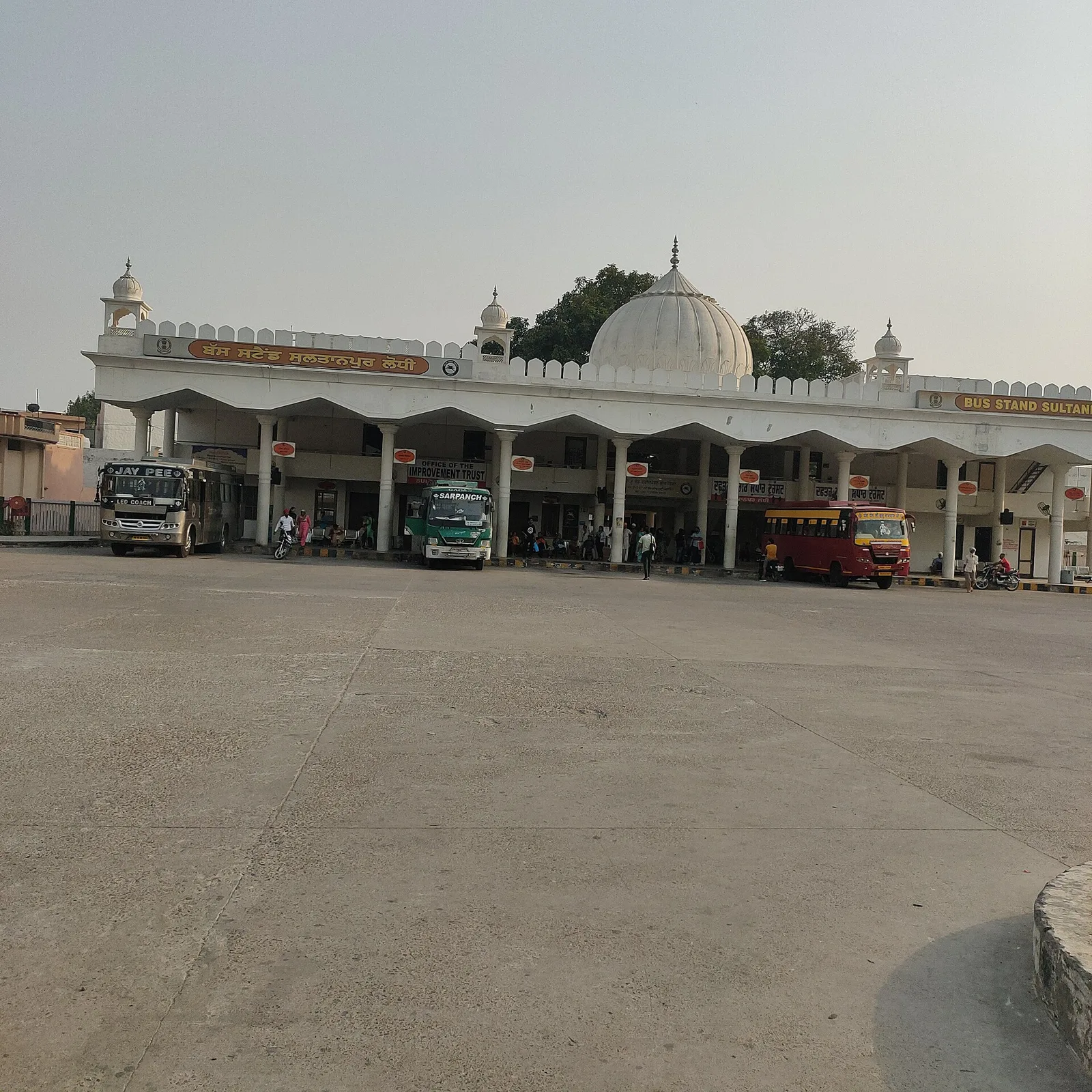
Sultanpur Lodhi

67 km away · Kapurthala district

Sultanpur Lodhi

Sultanpur Lodhi is a town in Punjab’s Kapurthala district, with historical links to Bahlul Khan Lodi and a mention in the Ain-e-Akbari that give visitors reasons to explore its past.

Map

Urmar on the map

  1. 1Devi Talab Mandir
  2. 2Kanjli Wetland
  3. 3Jalandhar
  4. 4Jagatjit Palace
  5. 5Kapurthala
  6. 6Jandiala Guru (Thathera Village)
  7. 7Pathankot
  8. 8Sultanpur Lodhi

Punjab

Other cities to explore