Ghumoopedia — Explore, Discover, Experience
Sign in
Anandpur Sahib, near Garhshanker

City guide · Punjab

Garhshanker

Garhshankar is a town in Hoshiarpur district, in the foothill belt of northeastern Punjab. It serves as an administrative and trading centre for nearby villages, bringing residents into town for government services, shopping, education and everyday business.

Famous for

  • Shankar Sahai heritage
  • Hoshiarpur tehsil town
  • Punjabi rural markets
  • Shivalik foothill setting

Why Garhshanker matters

Garhshankar is a town in Hoshiarpur district, in the foothill belt of northeastern Punjab. It serves as an administrative and trading centre for nearby villages, bringing residents into town for government services, shopping, education and everyday business. Its position between the plains and the Shivalik foothills also makes it a useful stop for travellers exploring this part of the state.

The town’s identity is closely tied to its long local history. Tradition associates its founding, around 1000 CE, with Shankar Sahai, a Doad Chandravanshi Rajput ruler. Today, visitors are more likely to encounter Garhshankar through its busy market streets, local places of worship and Punjabi town life than through a concentration of major tourist attractions. It is a practical base for a short visit, especially for those interested in the district’s history and rural surroundings. The nearby countryside offers a change of pace from the town centre, while local shops and eateries give a sense of everyday life in this part of Punjab.
Famous for: crafts, trade & products

Garhshankar is better known as a local service and trading town than as a specialist craft or manufacturing centre. There is no widely established textile, handicraft or GI-tagged product specifically associated with the town. Its shops mainly serve residents and surrounding villages, with everyday clothing, household goods, farm-related supplies and Punjabi food items available in the central market area.

Visitors can browse the town’s market streets for routine shopping and locally prepared snacks, but should not expect a dedicated craft bazaar or a recognised signature souvenir. For a broader selection of regional goods, larger towns in Hoshiarpur district and nearby parts of Punjab may offer more choice. Garhshankar’s most distinctive “product” is arguably its role as a commercial hub for its rural hinterland: the market reflects local needs and the rhythms of a working Punjabi town. Ask shopkeepers about seasonal produce and specialties when visiting, since availability can vary through the year.

History

Local tradition traces Garhshankar’s origins to around 1000 CE, when it was founded by Shankar Sahai, described as a Doad Chandravanshi Rajput ruler. The settlement’s name is associated with him. Accounts of its early past also recall a fort, or kila, which was later destroyed during incursions by western conquerors; details of these events are limited.

Garhshankar became a tehsil under British administration in 1844, strengthening its role as a centre for local government and trade. Before the Partition of British India in 1947, the town had a significant Muslim Ghorewaha, or Kachhwaha, Rajput community. Partition brought major changes to communities across Punjab, and the town’s social history forms part of that wider regional story.

In the decades since independence, Garhshankar has continued to serve its surrounding settlements through administration, markets, transport links and local services. Its present-day character combines this practical regional role with memories of an older settlement and its varied past.

Food, festivals & culture

Punjabi is the principal language of everyday life in Garhshankar, while Hindi is also understood and used. The local food culture follows familiar Punjabi patterns: meals often centre on roti or paratha, lentils, seasonal vegetables, dairy and pickles. Tea and simple sweets are common in shops and homes. What is available changes with the season, and the town’s eateries are generally geared towards everyday meals rather than a specialised food trail.

Lohri is celebrated in winter, Baisakhi in spring and Diwali in autumn; Sikh Gurpurabs are observed according to the religious calendar. Family gatherings and community events may feature Punjabi folk music, bhangra and giddha, especially around festive occasions. These traditions are shared across the wider region rather than unique to Garhshankar.

Temples and gurdwaras serve as important places of worship and community life in and around the town. Visitors should dress respectfully and follow local customs when entering religious spaces. Festival dates vary from year to year, so check locally if planning a visit around a particular celebration.

Visiting the city

The cooler months from October to March are generally the most comfortable for exploring Garhshankar. Summers can be very hot, while monsoon weather may bring rain. Adampur Airport, near Jalandhar, is the nearest regional airport; Chandigarh International Airport is another option for air travel. Check current flight availability before making plans. Garhshankar railway station serves the town, and road connections link it with other centres in the region.

Auto-rickshaws and local taxis are useful for getting around, while buses and private vehicles connect the town with nearby settlements. Begin around the central market and tehsil area for shops and everyday town life, then explore the outskirts for a quieter view of the surrounding countryside. The town is compact enough for a short visit, though local transport helps with trips beyond the centre.

Trips from the city

Nearest places to visit from Garhshanker

Our closest destination guides, by straight-line distance.

Anandpur Sahib

34 km away · Rupnagar district

Anandpur Sahib

Anandpur Sahib is a Punjab town closely connected with Sikh history and worship. Visitors come to its Takht, learn about the Khalsa’s founding and attend the spring Hola Mohalla gathering.

Virasat-e-Khalsa

34 km away · Rupnagar district

Virasat-e-Khalsa

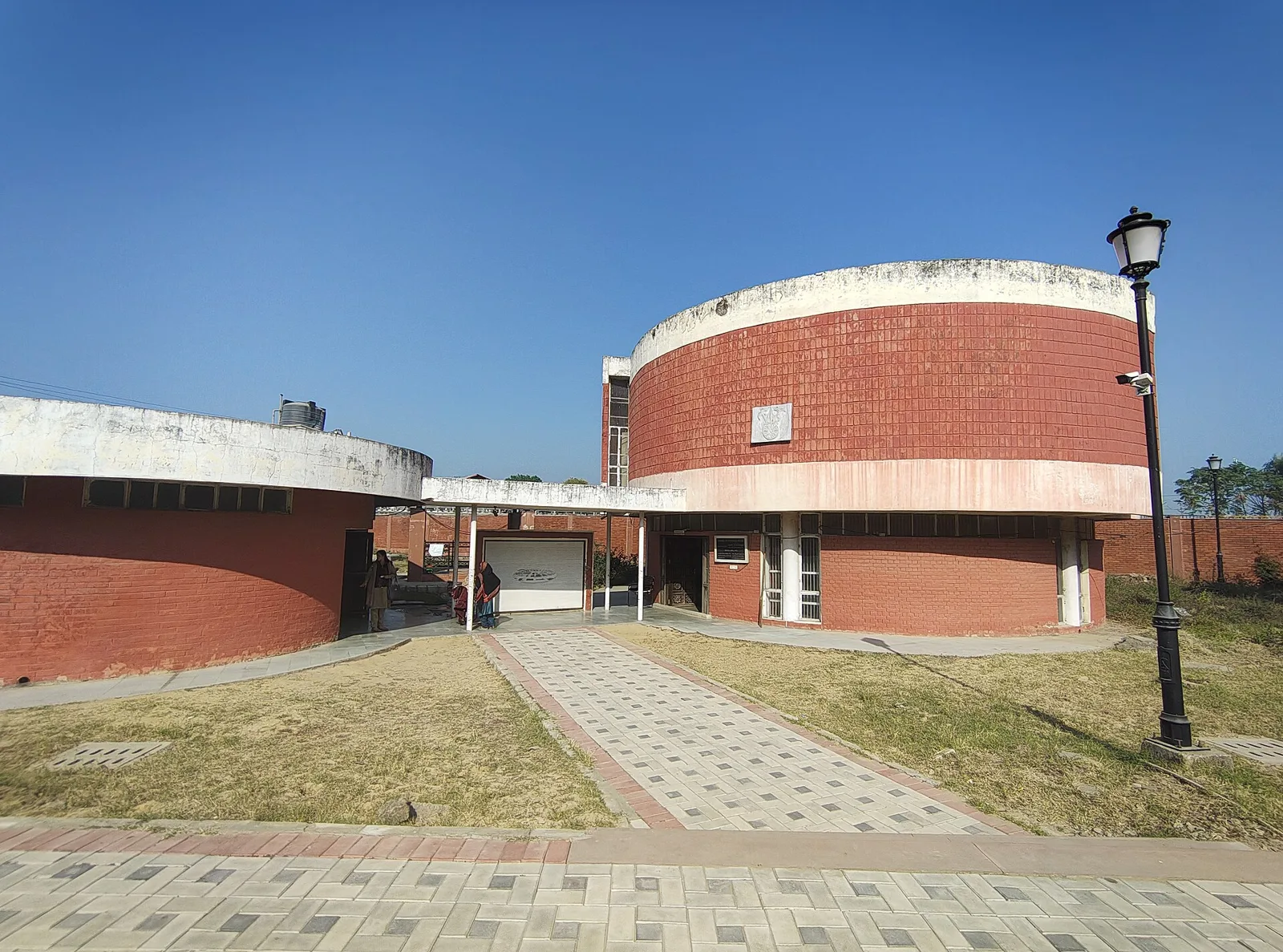
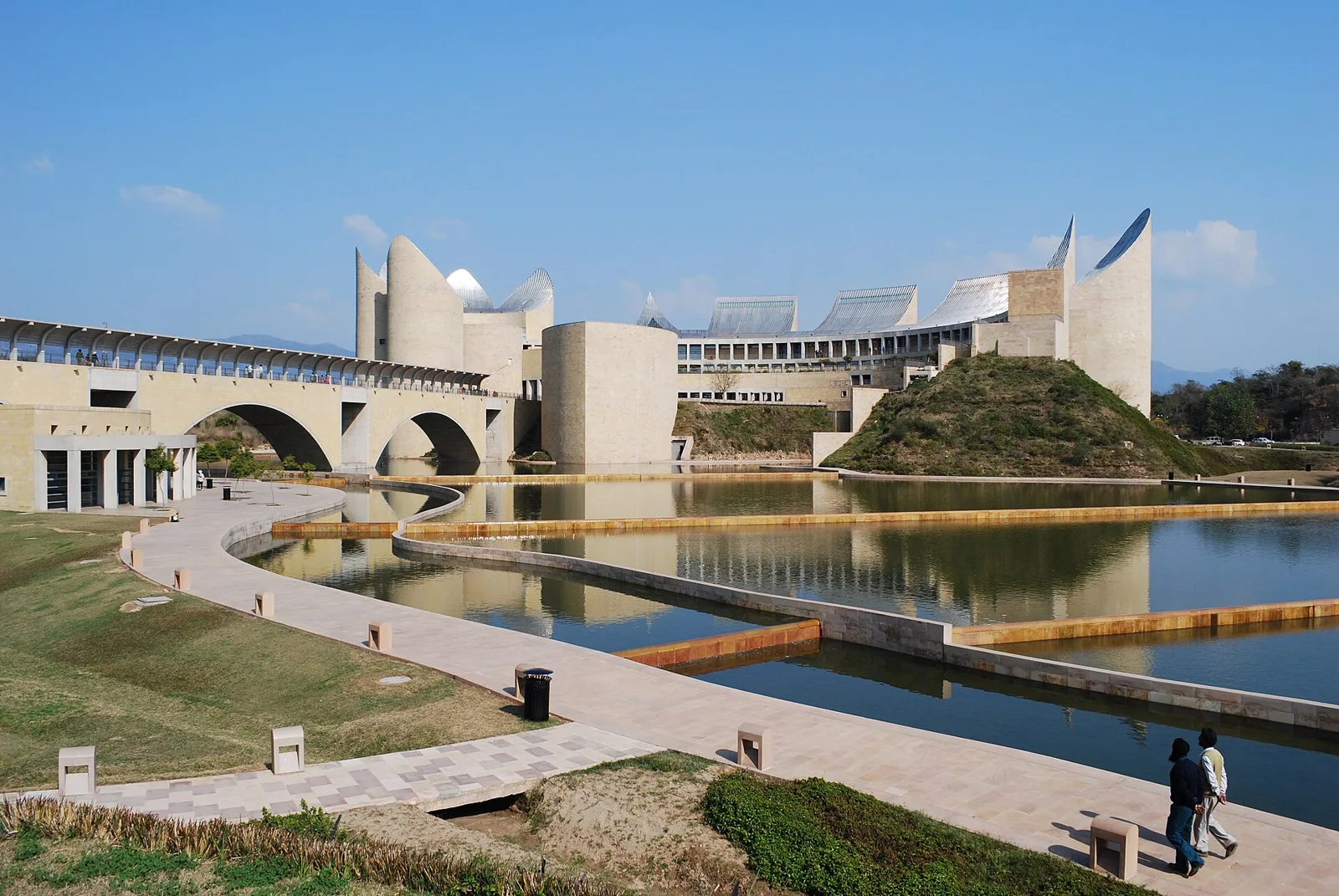
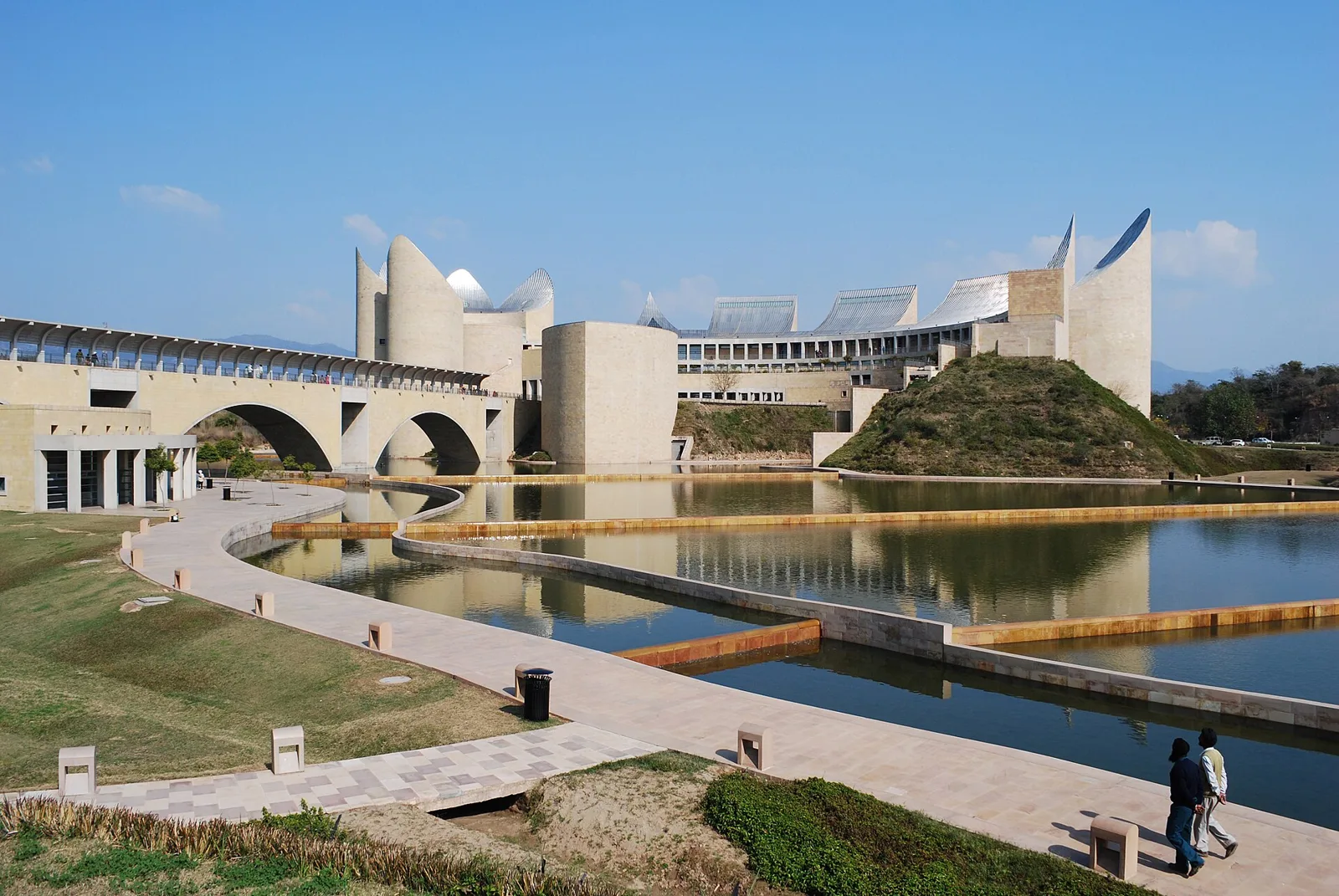
Virasat-e-Khalsa is a Sikh heritage museum complex in Anandpur Sahib, Punjab. Tourists and pilgrims visit to explore Sikh history and the Khalsa through material informed by Guru Gobind Singh’s scriptures.

Phillaur Fort

40 km away · Ludhiana district

Phillaur Fort

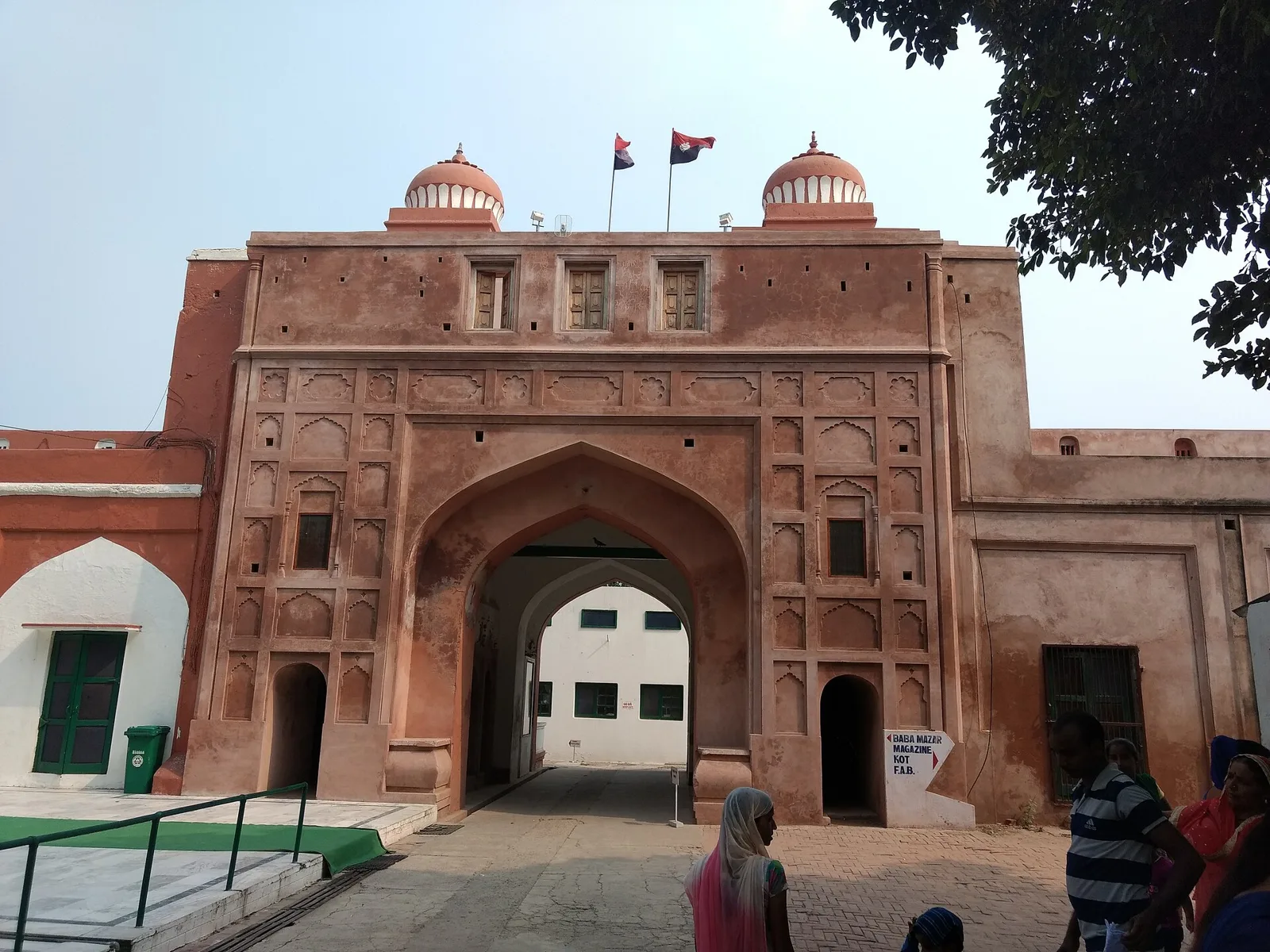
Known also as Maharaja Ranjit Singh Fort, Phillaur Fort is a fort in Punjab that visitors can see on the Grand Trunk Road at Phillaur.

Ropar Wetland

40 km away · Rupnagar district

Ropar Wetland

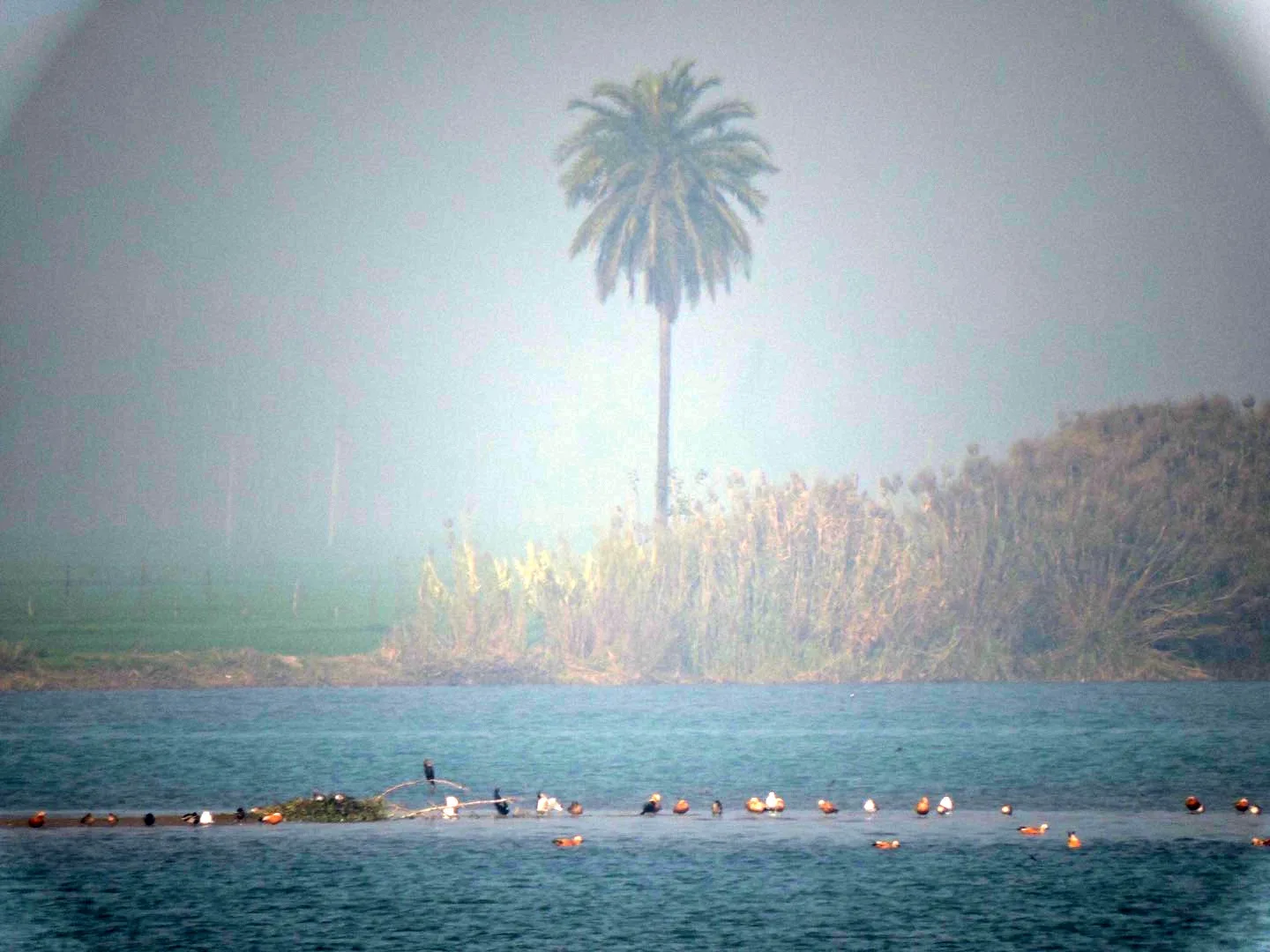
Ropar Wetland, in Punjab’s Rupnagar district, is a freshwater habitat formed by a river and lake. Visitors have come for birdwatching and boating, while its wildlife and Ramsar status are also notable.

Ludhiana

44 km away · Ludhiana district

Ludhiana

Ludhiana is Punjab’s most populous city and a major manufacturing and trading centre in northern India; visitors come for its industrial and commercial activity.

Sanghol

53 km away · Fatehgarh Sahib district

Sanghol

Sanghol, also called Uchha Pind Sanghol, is a village in Punjab’s Fatehgarh Sahib district with roots in the Harappan civilisation. Visitors come to see its excavated Buddhist and Kushan remains and the museum collections.

Devi Talab Mandir

55 km away · Jalandhar district

Devi Talab Mandir

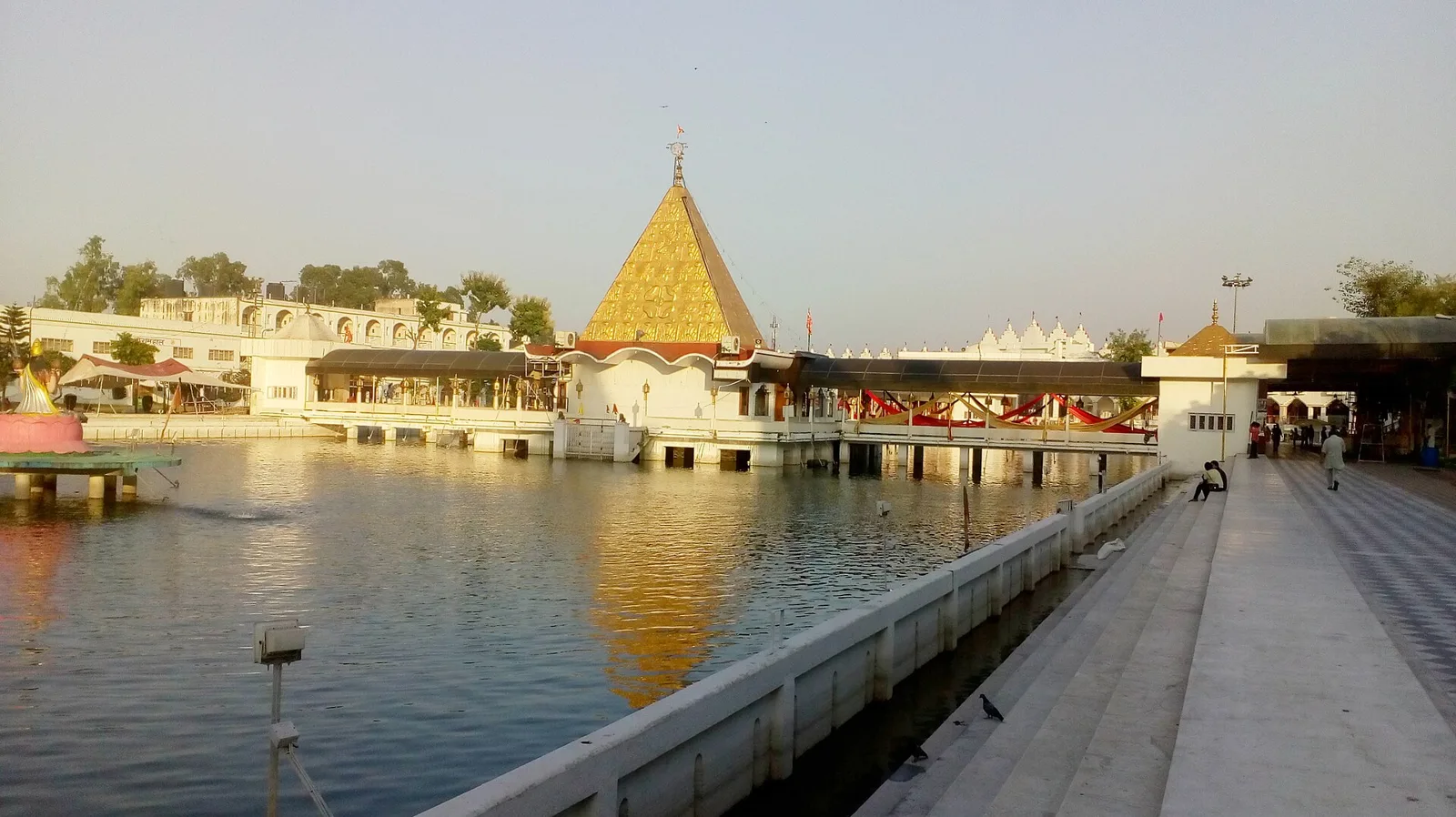
In Jalandhar, Punjab, Devi Talab Mandir is a Hindu place of worship dedicated to Goddess Durga. Pilgrims visit for its religious importance, ancient tank and shrines within the complex.

Jalandhar

55 km away · Jalandhar district

Jalandhar

Jalandhar is a major city in Punjab and the largest urban centre in Doaba. Visitors encounter it as a regional centre and a well-connected stop on rail and road routes.

Map

Garhshanker on the map

  1. 1Anandpur Sahib
  2. 2Virasat-e-Khalsa
  3. 3Phillaur Fort
  4. 4Ropar Wetland
  5. 5Ludhiana
  6. 6Sanghol
  7. 7Devi Talab Mandir
  8. 8Jalandhar

Punjab

Other cities to explore