Ghumoopedia — Explore, Discover, Experience
Sign in
Patiala, near Pattran

City guide · Punjab

Pattran

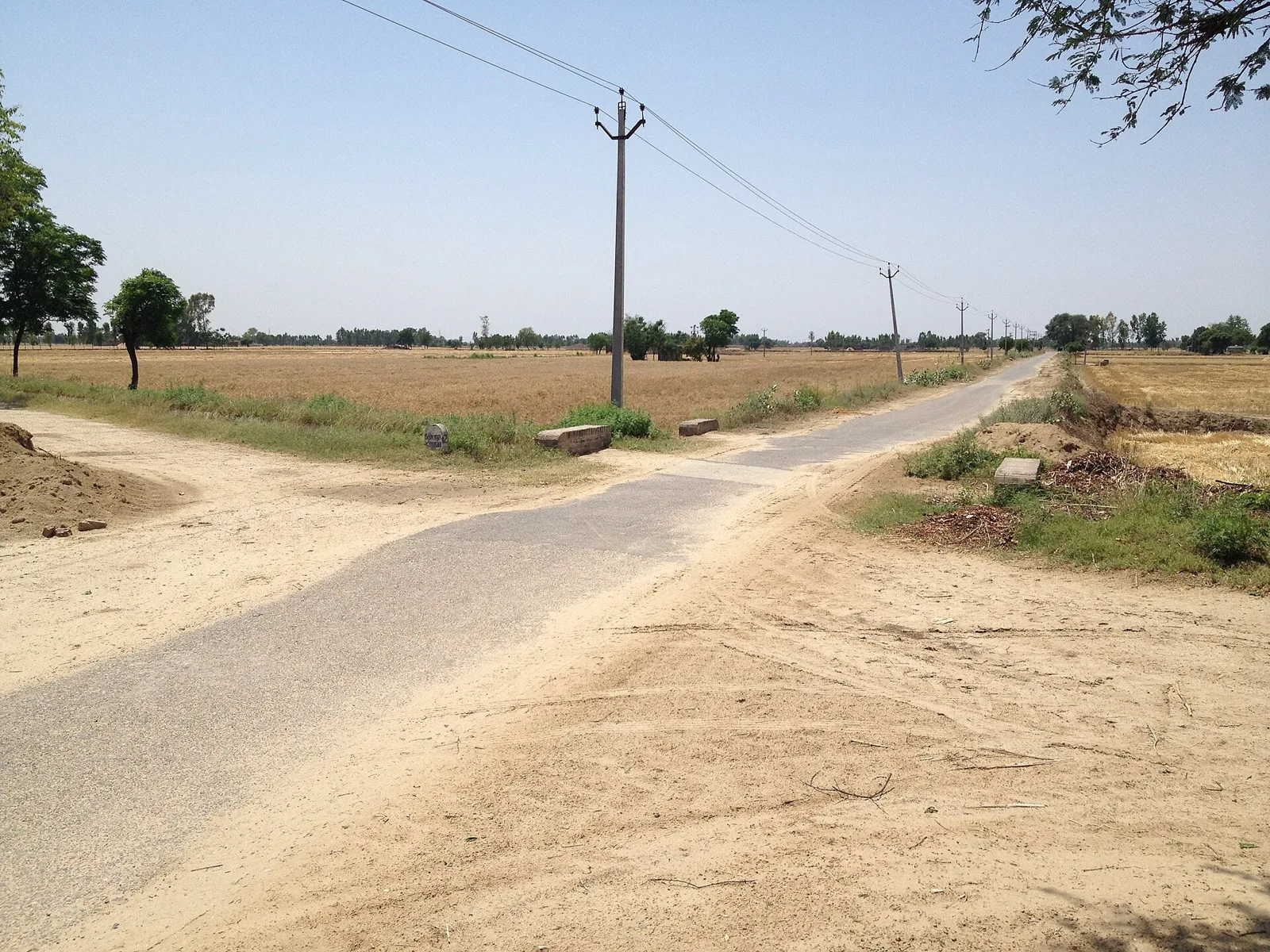
Patran is a municipal town in Patiala district, in Punjab’s agricultural Malwa region. About 60 kilometres from Patiala, it serves nearby villages and towns as a local centre for trade, services and road travel.

Famous for

  • Rice milling and trade
  • Shri Khatu Shyam Ji temple
  • Fertile agricultural land
  • Regional road connections
  • Car showrooms

Why Pattran matters

Patran is a municipal town in Patiala district, in Punjab’s agricultural Malwa region. About 60 kilometres from Patiala, it serves nearby villages and towns as a local centre for trade, services and road travel. Its fertile surroundings support farming, while rice processing and wholesale trade give the town a wider commercial role. More than 100 rice shellers operate in and around Patran, linking local harvests with markets across the region.

Visitors come for the busy marketplace and for Shri Khatu Shyam Ji temple, also known as Patran Dham, a prominent newer place of worship near Ghagga. Patran is also known locally for its car showrooms and its road links with places including Samana, Sangrur, Dirba, Tohana and Kaithal. It is best understood as a practical stop in a working agricultural landscape rather than as a destination centred on historic monuments. A visit can combine the temple and market with a glimpse of the rice trade that sustains much of the town’s activity.
Famous for: crafts, trade & products

Patran’s best-known trade is rice. The fertile farming belt around the town supplies paddy to local rice shellers, and the resulting grain moves through wholesale channels to markets in Punjab and neighbouring states. The town has more than 100 rice shellers, making milling and agricultural commerce central to its identity. The central marketplace is the most convenient place for everyday shopping and for seeing the town’s commercial life; rice mills and shellers are primarily working businesses rather than visitor attractions.

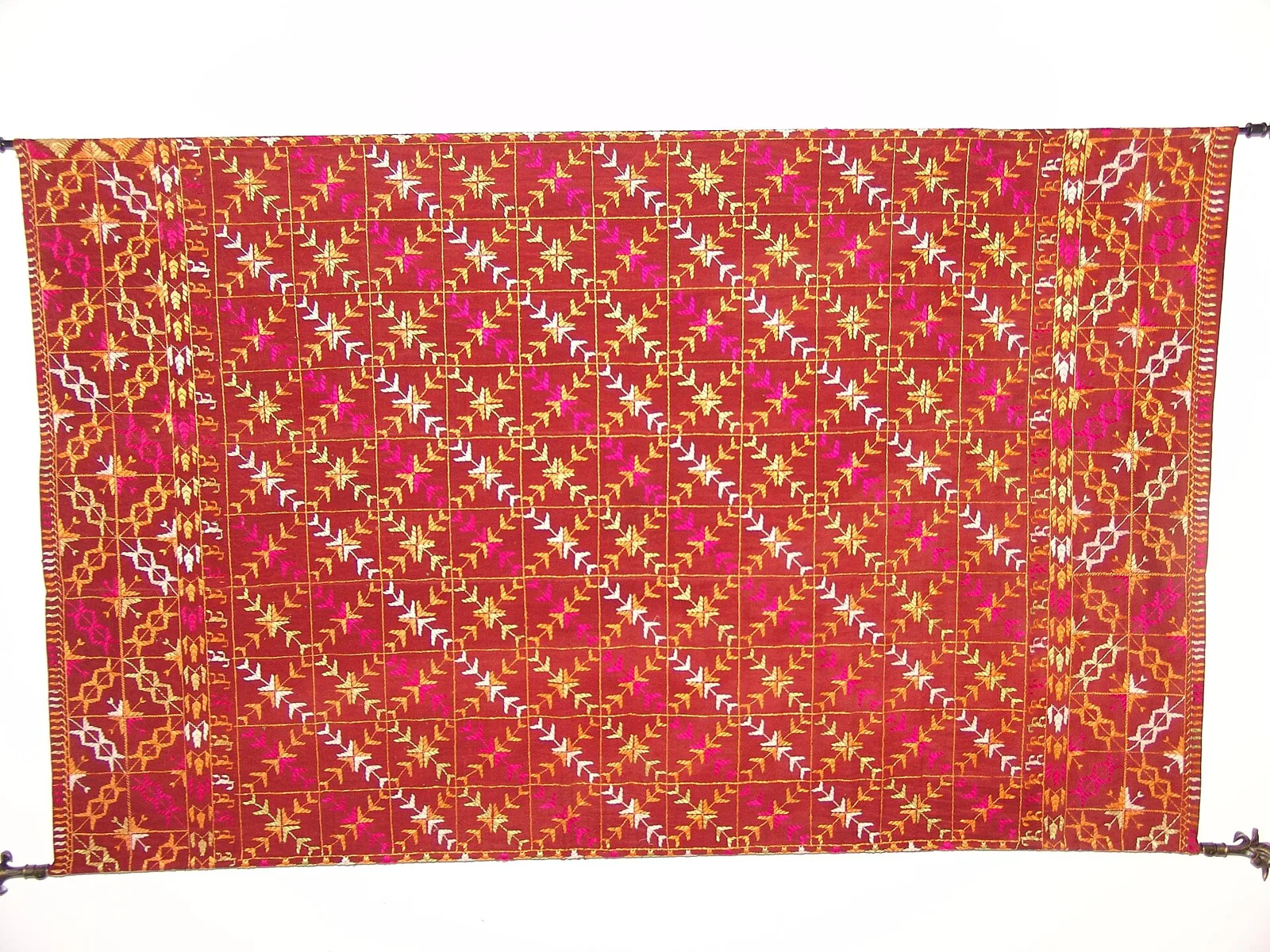
Patran is also noted for car showrooms, locally sometimes called car palaces, and for shops serving farmers and nearby communities. These businesses reflect its role as a regional service centre connected by road to towns such as Samana, Sangrur, Dirba and Tohana. There is no widely established local tradition of a signature textile, handicraft or GI-tagged product associated with Patran. Visitors looking for locally made goods are therefore more likely to find everyday Punjabi merchandise and agricultural products than a specialist craft market. Shri Khatu Shyam Ji temple, or Patran Dham, is the town’s most prominent visitor landmark.

History

Patran grew as a settlement in Punjab’s agricultural Malwa belt, where village farming, local exchange and roads between market towns shaped everyday life. The wider region’s past was influenced by Sikh rule, princely administrations and, later, British colonial Punjab. Patran itself is not widely associated with a documented royal seat, major battle or prominent archaeological monument, so its history is best approached through the development of its rural economy and regional connections rather than through a single famous event.

After independence, changes in Punjab’s administration and the state’s reorganisation in 1966 formed part of the modern setting in which Patran developed as a town in Patiala district. Improved road connections strengthened links with nearby centres, while expanding agriculture and rice processing helped establish its present commercial role. The growth of rice shellers, shops and vehicle businesses reflects a broader shift from a mainly farming settlement towards a service and trading hub for surrounding villages. The newer Shri Khatu Shyam Ji temple has added a religious destination to this working-town profile.

Food, festivals & culture

Daily life in Patran reflects Punjabi traditions and the rhythms of farming and trade. Punjabi is the main language of local life, while Hindi is also commonly understood. Meals are typical of the region: wheat breads such as roti and paratha, seasonal vegetables, lentils, dairy foods and lassi. Sweets from local shops are popular for family occasions, though Patran is not especially known for a distinct, town-specific dish.

Lohri in midwinter, Vaisakhi in spring, and Diwali in autumn are among the festivals observed in the area; Sikh Gurpurabs are also important occasions. Music and dance associated with Punjab, including bhangra and giddha, feature in celebrations, especially around harvest festivities and weddings. The most prominent local visitor destination is Shri Khatu Shyam Ji temple, also called Patran Dham, near Ghagga. Gurdwaras and other places of worship serve neighbourhood communities and are part of the town’s everyday religious life. Festival dates follow the relevant lunar or religious calendars and vary from year to year.

Visiting the city

October to March is generally the most comfortable period to visit, with cooler weather for exploring the town and its surroundings. Summers can be very hot, while the monsoon brings rain to the agricultural landscape. Patran is primarily reached by road, with connections to Patiala, Samana, Sangrur, Dirba and Tohana. Chandigarh International Airport is the nearest major commercial airport. For rail travel, check connections through Jakhal Junction or Patiala railway station; local onward travel is by road.

Within Patran, taxis, auto-rickshaws and other local transport can help with short trips, though availability may vary. The central market is useful for seeing everyday commerce, while rice-milling activity is best viewed from public roads rather than treated as a visitor attraction. Shri Khatu Shyam Ji temple at Patran Dham and the nearby Ghagga area are the main places to explore beyond the market.

Trips from the city

Nearest places to visit from Pattran

Our closest destination guides, by straight-line distance.

Patiala

54 km away · Patiala district

Patiala

Patiala is a city in southeastern Punjab and the administrative centre of its district. People visit for its royal history, Qila Mubarak and distinctive clothing, footwear and cultural traditions.

Aam Khas Bagh

83 km away · Fatehgarh Sahib district

Aam Khas Bagh

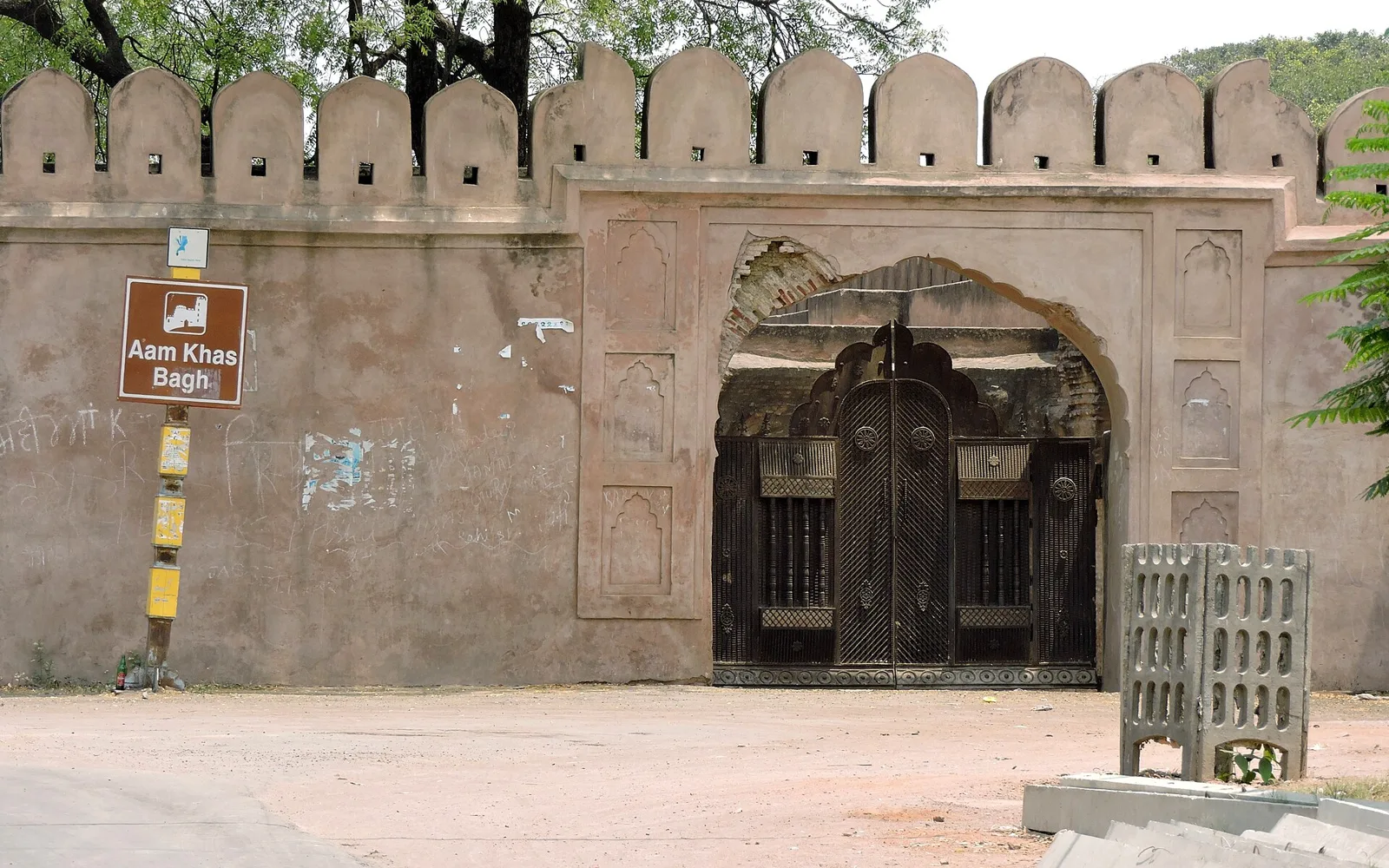
Aam Khas Bagh is a surviving Mughal-era roadside inn complex in Punjab’s Fatehgarh Sahib district, visited for its history as accommodation on the Delhi–Lahore route.

Fatehgarh Sahib

83 km away · Fatehgarh Sahib district

Fatehgarh Sahib

Fatehgarh Sahib is a city in Punjab and a Sikh pilgrimage centre, visited for its historic gurdwaras and its connection with the martyrdom of Guru Gobind Singh’s young sons.

Takht Sri Damdama Sahib

93 km away · Bathinda district

Takht Sri Damdama Sahib

Takht Sri Damdama Sahib is a Sikh centre of temporal authority in Talwandi Sabo, visited for its connection with Guru Gobind Singh’s preparation of Sri Guru Granth Sahib.

Sanghol

97 km away · Fatehgarh Sahib district

Sanghol

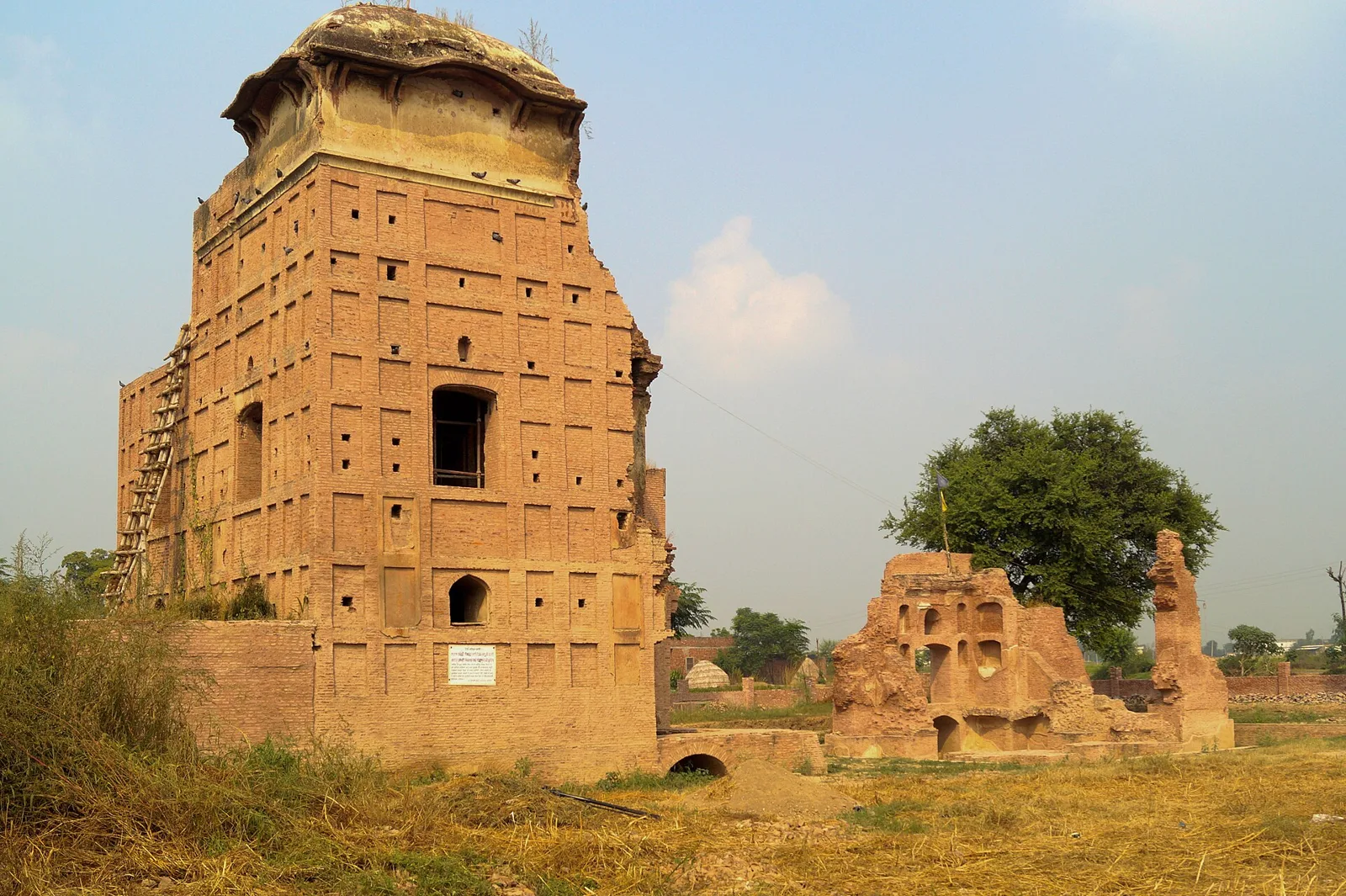
Sanghol, also called Uchha Pind Sanghol, is a village in Punjab’s Fatehgarh Sahib district with roots in the Harappan civilisation. Visitors come to see its excavated Buddhist and Kushan remains and the museum collections.

Fateh Burj

102 km away · Mohali district

Fateh Burj

Fateh Burj is a 100-metre victory monument at Chappar Chiri in Punjab’s Mohali district. People visit to see a tower commemorating the Sikh Misls and Banda Singh Bahadur’s decisive battle.

Ludhiana

107 km away · Ludhiana district

Ludhiana

Ludhiana is Punjab’s most populous city and a major manufacturing and trading centre in northern India; visitors come for its industrial and commercial activity.

Bathinda

110 km away · Bathinda district

Bathinda

Bathinda is a city in Punjab’s Malwa region and the administrative centre of its district. Visitors can explore the historic Qila Mubarak fort, and the city also has a zoo and major educational institutions.

Map

Pattran on the map

  1. 1Patiala
  2. 2Aam Khas Bagh
  3. 3Fatehgarh Sahib
  4. 4Takht Sri Damdama Sahib
  5. 5Sanghol
  6. 6Fateh Burj
  7. 7Ludhiana
  8. 8Bathinda

Punjab

Other cities to explore