Ghumoopedia — Explore, Discover, Experience
Sign in
Sri Muktsar Sahib, near Jalalabad

City guide · Punjab

Jalalabad

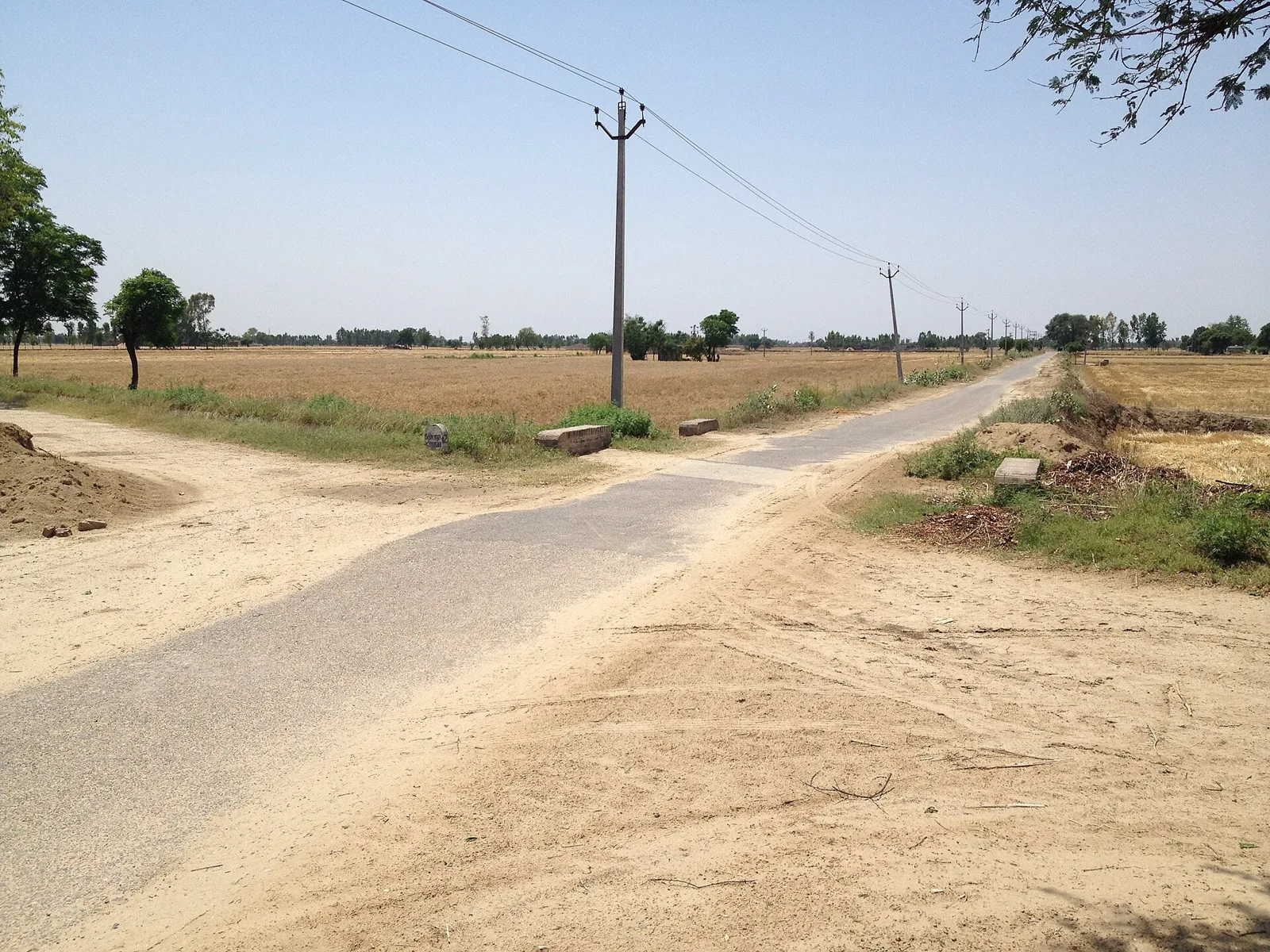
Jalalabad is a municipal town in Fazilka district, in south-western Punjab, near the India–Pakistan border. It serves the farming settlements around it as a local centre for trade, transport and services.

Famous for

  • Rice milling and trade
  • World Kabaddi Cup stadium
  • Mamdot Nawabi heritage
  • Punjab borderland setting
  • Agricultural market town

Why Jalalabad matters

Jalalabad is a municipal town in Fazilka district, in south-western Punjab, near the India–Pakistan border. It serves the farming settlements around it as a local centre for trade, transport and services. The surrounding agricultural economy is reflected in the rice mills on the outskirts, which process and trade grain from the region. Its location also gives the town a place in Punjab’s borderland story, although it is not a border-crossing point for visitors.

The town’s history is linked to the Nawabs of Mamdot, who made it their capital and gave it its name. Today, its best-known public landmark is a multipurpose sports stadium built for the 2011 World Kabaddi Cup. Visitors are more likely to come for local connections, regional business or a glimpse of everyday life in rural Punjab than for a large tourist circuit. Jalalabad is also associated with people from the wider area, including cricketer Shubman Gill. Together, its Nawabi past, agricultural trade and sporting connections give it a distinct place in the Fazilka region.
Famous for: crafts, trade & products

Jalalabad’s most visible commercial link is rice processing. Mills on the outskirts handle paddy from the surrounding agricultural belt, and rice is traded beyond the local market. Grain, farm supplies and everyday retail make up much of the town’s practical commercial life. Visitors can look for these businesses around the market and outer approaches, though mills are working sites rather than visitor attractions.

The city is not especially known for a signature textile, saree, handicraft or GI-tagged product, and it does not have a widely established craft-shopping district. Its appeal is instead tied to the rural economy and local commerce. Small shops and markets are useful places to find daily goods and Punjabi snacks, but specialist souvenirs are not a defining draw. The multipurpose sports stadium, built for the 2011 World Kabaddi Cup, is a notable local institution and reflects the town’s connection with kabaddi. Anyone seeking a specific product or public event should check locally, as markets and stadium use vary.

History

Jalalabad grew under the Mamdot Nawabs, a ruling family whose authority took shape in the nineteenth century. Qutbuddin Khan established the Mamdot principality, and Jalalabad was founded as its capital. The town is named for his son, Nawab Jalaluddin Khan. Its early role as a seat of local power helped establish it as a settlement and trading centre in the surrounding countryside.

During British rule, the area formed part of the wider Punjab region. After independence and the partition of Punjab, Jalalabad remained on the Indian side of the new international border, a major change to the region’s political and commercial geography. In modern times, its importance has rested chiefly on local administration, agricultural trade and rice milling. It is now within Fazilka district, whose creation gave the town a place in a border district with strong connections to farming communities. The sports stadium built for the 2011 World Kabaddi Cup added a newer public landmark to the town’s story.

Food, festivals & culture

Everyday food in Jalalabad reflects Punjabi home cooking: wheat-based breads, lentils, seasonal vegetables, dairy and hearty meals shaped by the agricultural calendar. Common Punjabi sweets and snacks can be found in local shops, though the town is not especially identified with one signature dish. Markets and roadside eateries are the easiest places to sample familiar regional fare.

Punjabi is the main language of daily life; Hindi is also understood by many residents. Sikh and Hindu religious observances shape the calendar, with Vaisakhi celebrated in spring, Lohri in winter, and Gurpurab and Diwali observed according to their changing dates. Gurdwaras and temples serve as important places for worship and community gatherings. Punjabi folk music and dance, including bhangra and giddha, are part of the wider regional culture and feature especially around celebrations and weddings. Kabaddi also has a strong public profile, underscored by the town’s stadium and its history as a host location for a national tournament.

Visiting the city

The cooler months, roughly October to March, are generally the most comfortable time to visit; summers can be very hot, while monsoon weather brings rain. Jalalabad Railway Station is the town’s rail stop. Bathinda Airport is a nearby airport, but flight availability can be limited, so check current services before planning; Amritsar’s Sri Guru Ram Dass Jee International Airport is another option for a wider range of connections.

Auto-rickshaws and local taxis are practical for getting around town, while road transport connects Jalalabad with nearby settlements and district centres. Explore the central market for everyday shops and food, and the outer areas where rice mills reflect the local economy. The sports stadium is another point of interest, though access and events depend on local arrangements. Because this is a working border-region town rather than a developed tourist hub, plan onward transport and activities in advance.

Trips from the city

Nearest places to visit from Jalalabad

Our closest destination guides, by straight-line distance.

Sri Muktsar Sahib

29 km away · Sri Muktsar Sahib district

Sri Muktsar Sahib

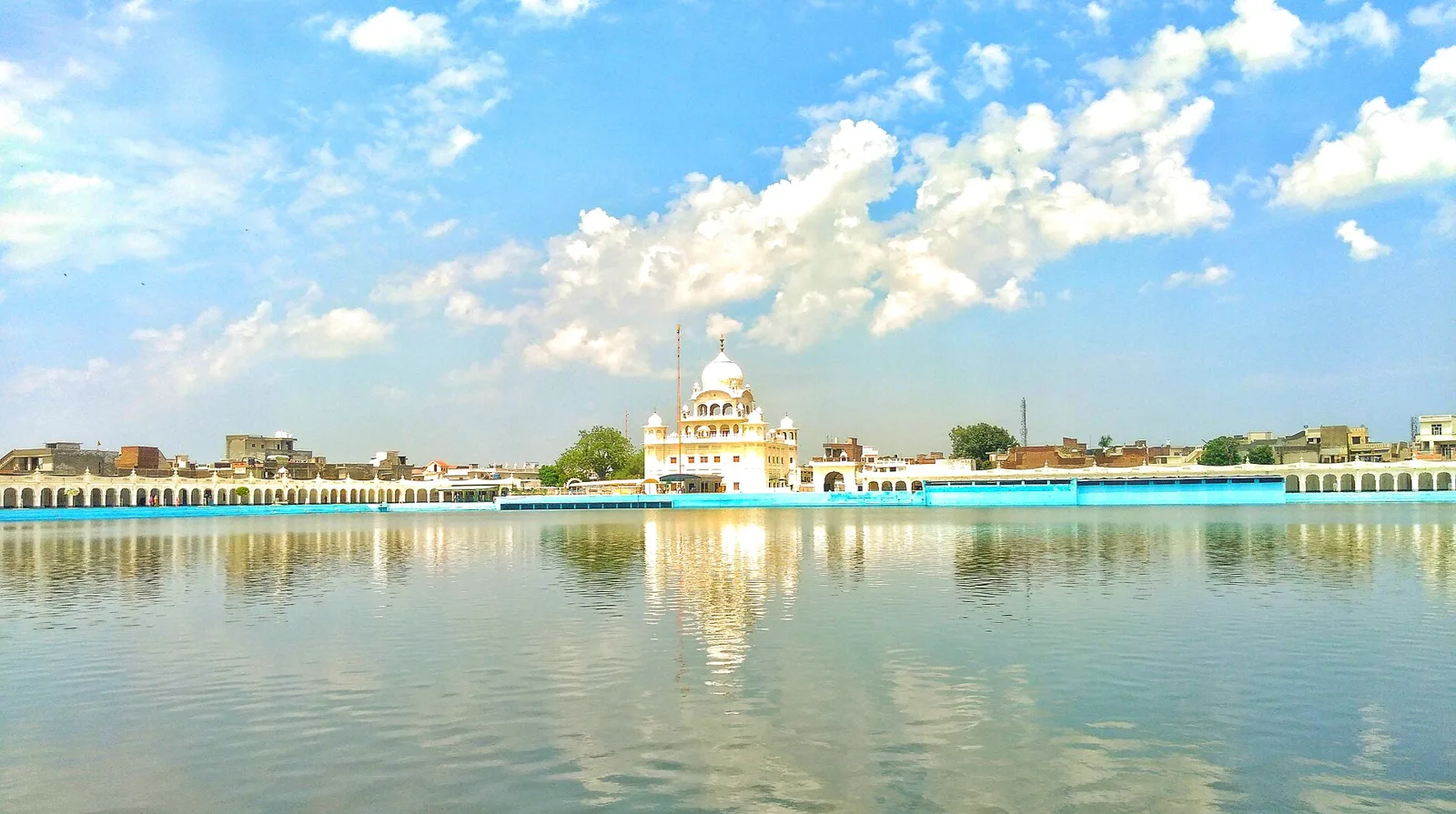
Sri Muktsar Sahib, a city in Punjab, draws interest for its Sikh history and connection to the 1705 Battle of Muktsar; it also serves as a district centre.

Hussainiwala

52 km away · Firozpur district

Hussainiwala

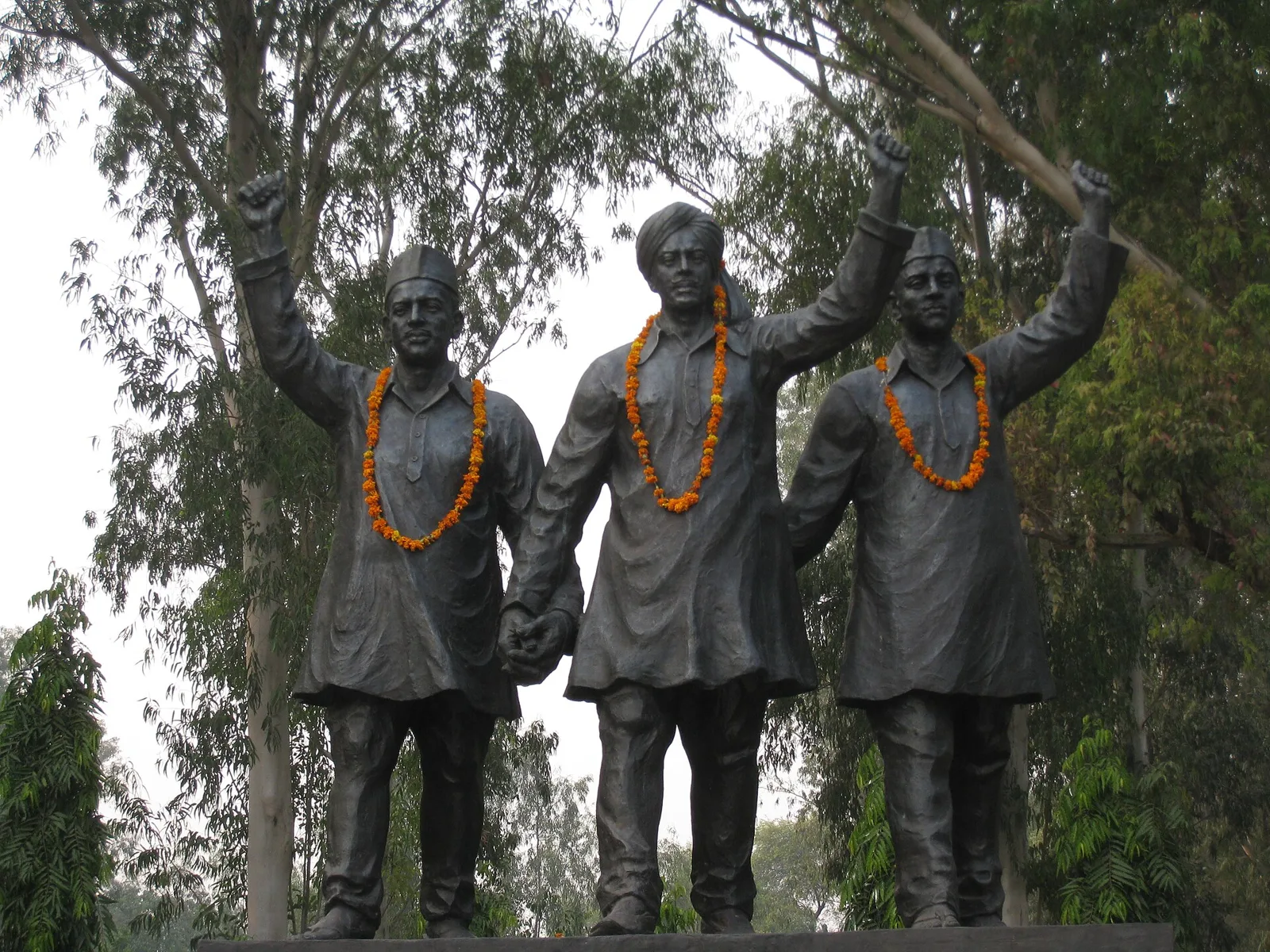
Hussainiwala is a village in Punjab’s Firozpur district, visited for its memorial to Bhagat Singh, Sukhdev Thapar and Shivaram Rajguru, and the daily India–Pakistan retreat ceremony.

Bathinda

79 km away · Bathinda district

Bathinda

Bathinda is a city in Punjab’s Malwa region and the administrative centre of its district. Visitors can explore the historic Qila Mubarak fort, and the city also has a zoo and major educational institutions.

Qila Mubarak

79 km away · Bathinda district

Qila Mubarak

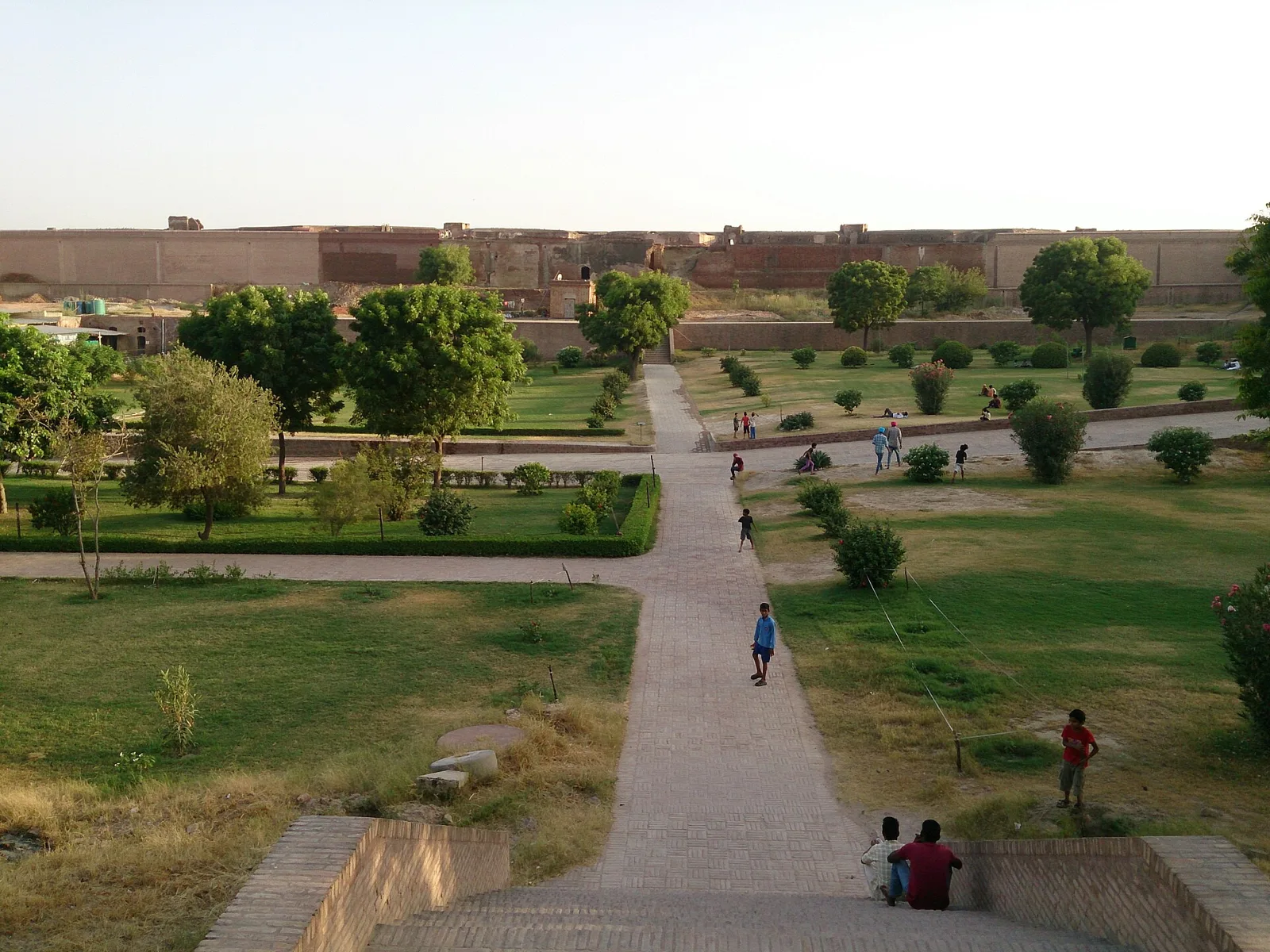
Qila Mubarak is a historic fortress in Bathinda, known for its long past and its association with Razia Sultan. Visitors can see its lawns and gurdwaras, while much of the fort is closed to the public.

Harike Wetland

91 km away · Tarn Taran district

Harike Wetland

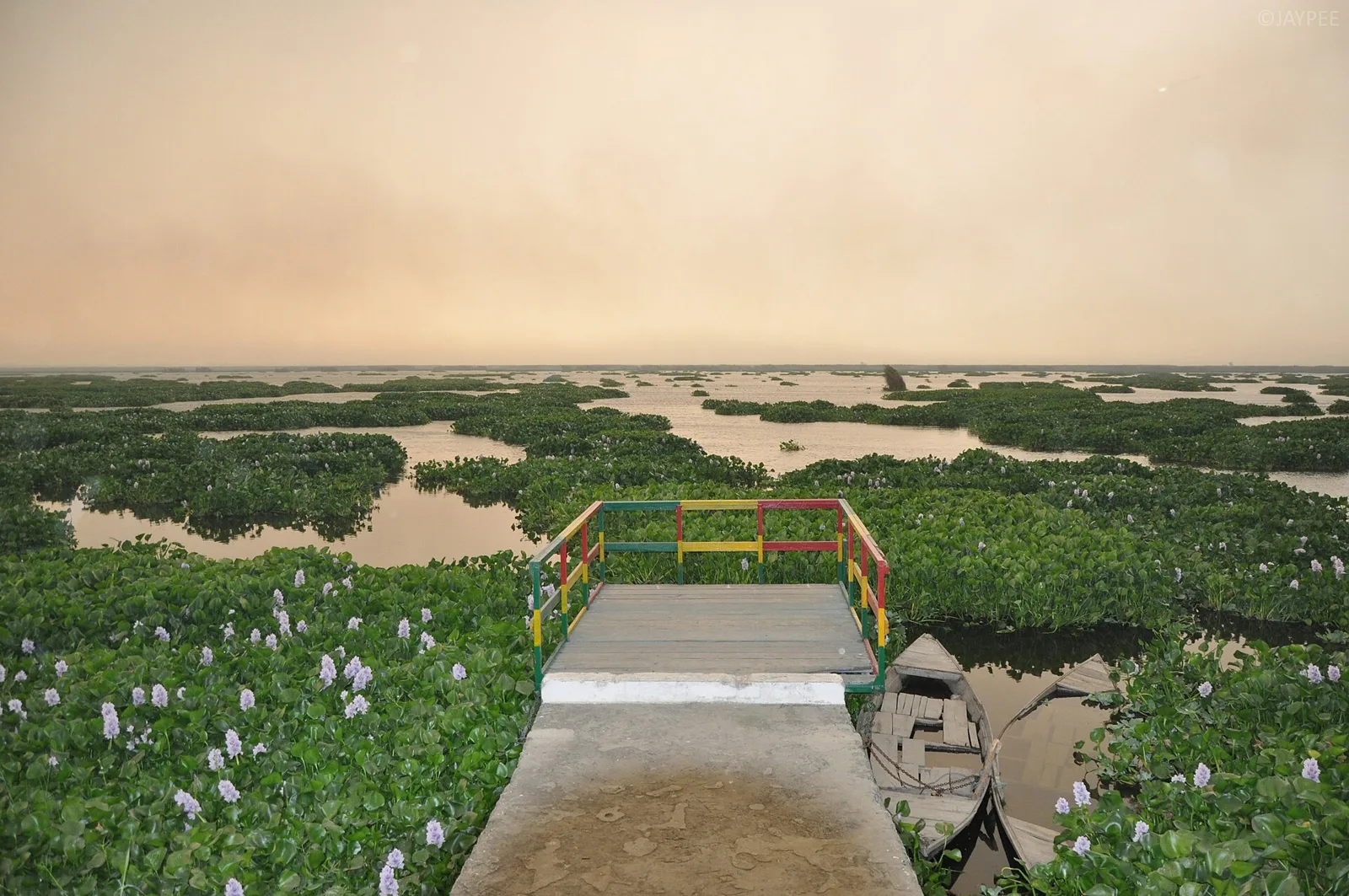
Harike Wetland is a Ramsar-listed lake and marsh complex in Punjab, created near the Beas–Sutlej confluence. Visitors come to see its diverse wetland habitat and migratory waterbirds, including threatened species.

Takht Sri Damdama Sahib

105 km away · Bathinda district

Takht Sri Damdama Sahib

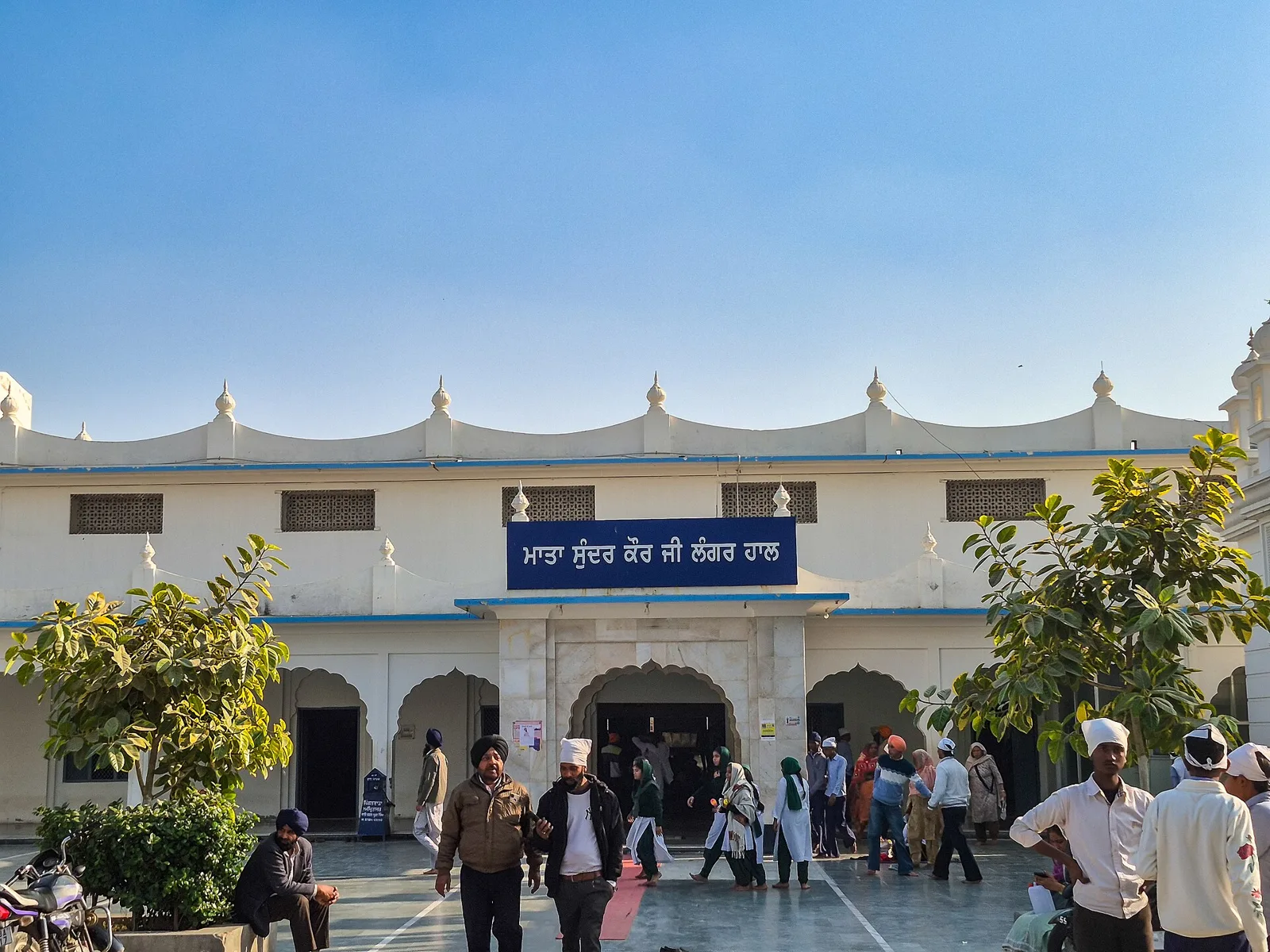
Takht Sri Damdama Sahib is a Sikh centre of temporal authority in Talwandi Sabo, visited for its connection with Guru Gobind Singh’s preparation of Sri Guru Granth Sahib.

Sultanpur Lodhi

112 km away · Kapurthala district

Sultanpur Lodhi

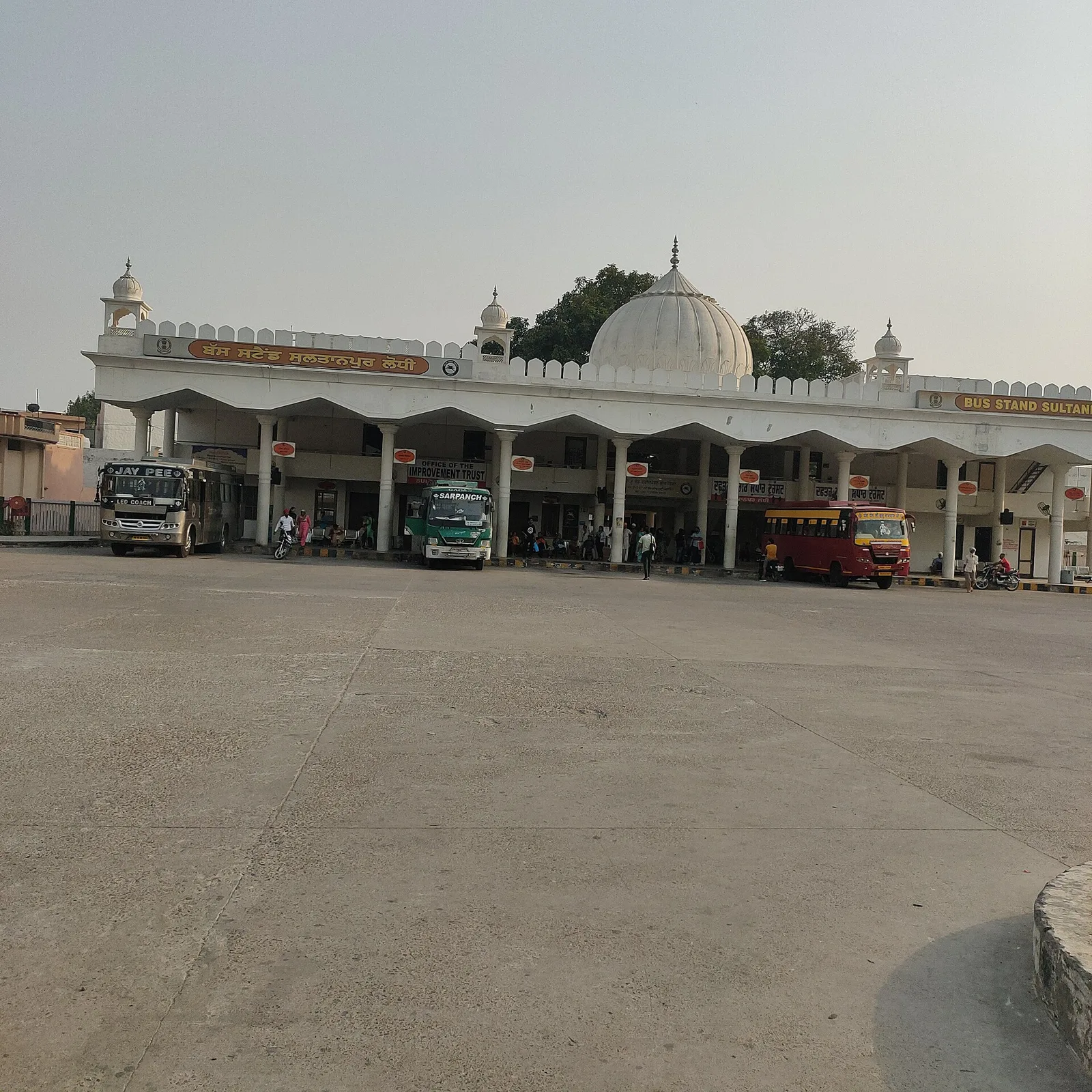
Sultanpur Lodhi is a town in Punjab’s Kapurthala district, with historical links to Bahlul Khan Lodi and a mention in the Ain-e-Akbari that give visitors reasons to explore its past.

Attari–Wagah Border

115 km away · Amritsar district

Attari–Wagah Border

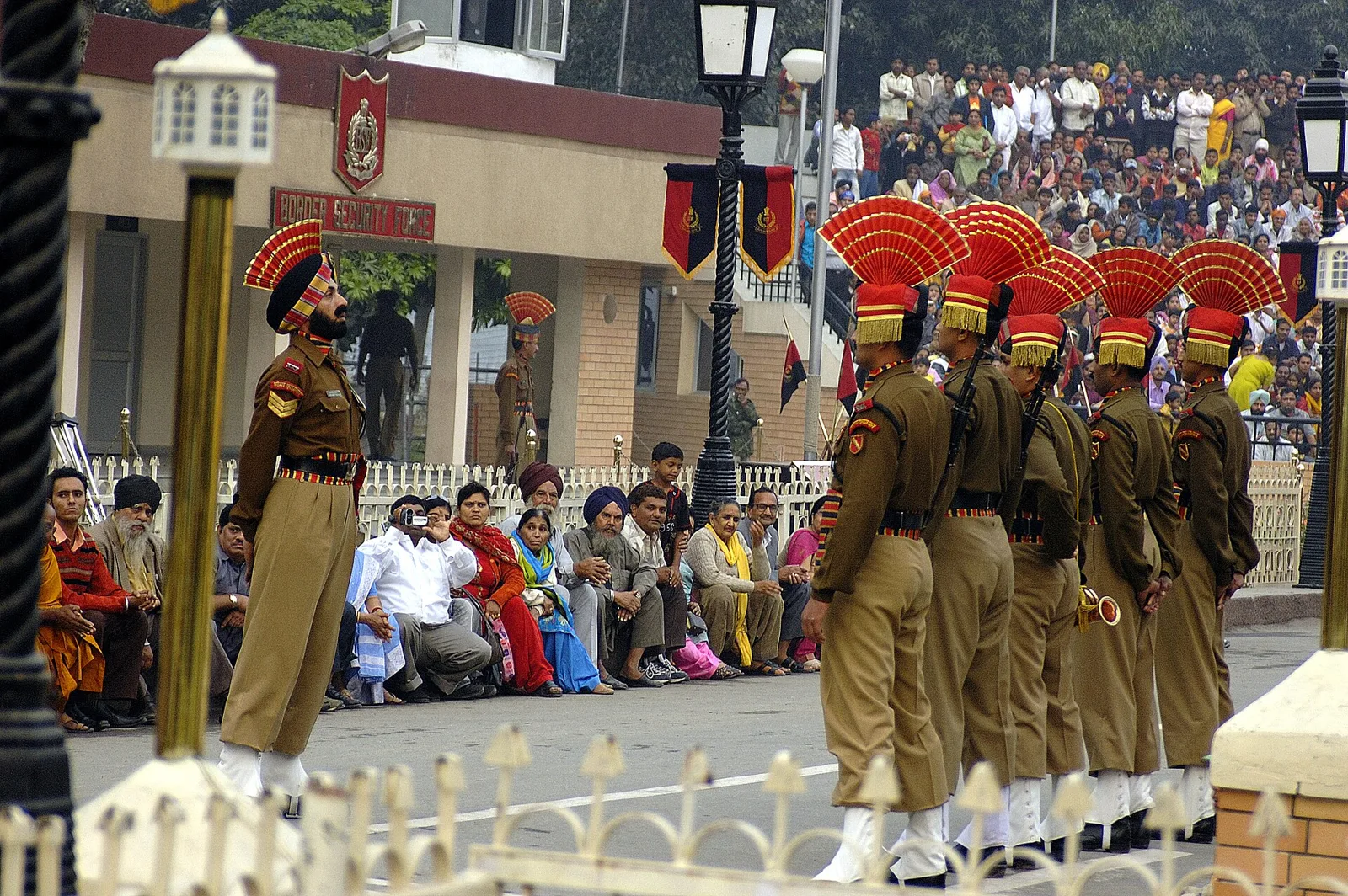
Attari–Wagah is a border area in Punjab beside Attari village. Visitors come for its setting near the India–Pakistan boundary and the village’s connections to the Lahore–Delhi railway and Sikh military history.

Map

Jalalabad on the map

  1. 1Sri Muktsar Sahib
  2. 2Hussainiwala
  3. 3Bathinda
  4. 4Qila Mubarak
  5. 5Harike Wetland
  6. 6Takht Sri Damdama Sahib
  7. 7Sultanpur Lodhi
  8. 8Attari–Wagah Border

Punjab

Other cities to explore