Ghumoopedia — Explore, Discover, Experience
Sign in
Harike Wetland, near Talwandi Bhai

City guide · Punjab

Talwandi Bhai

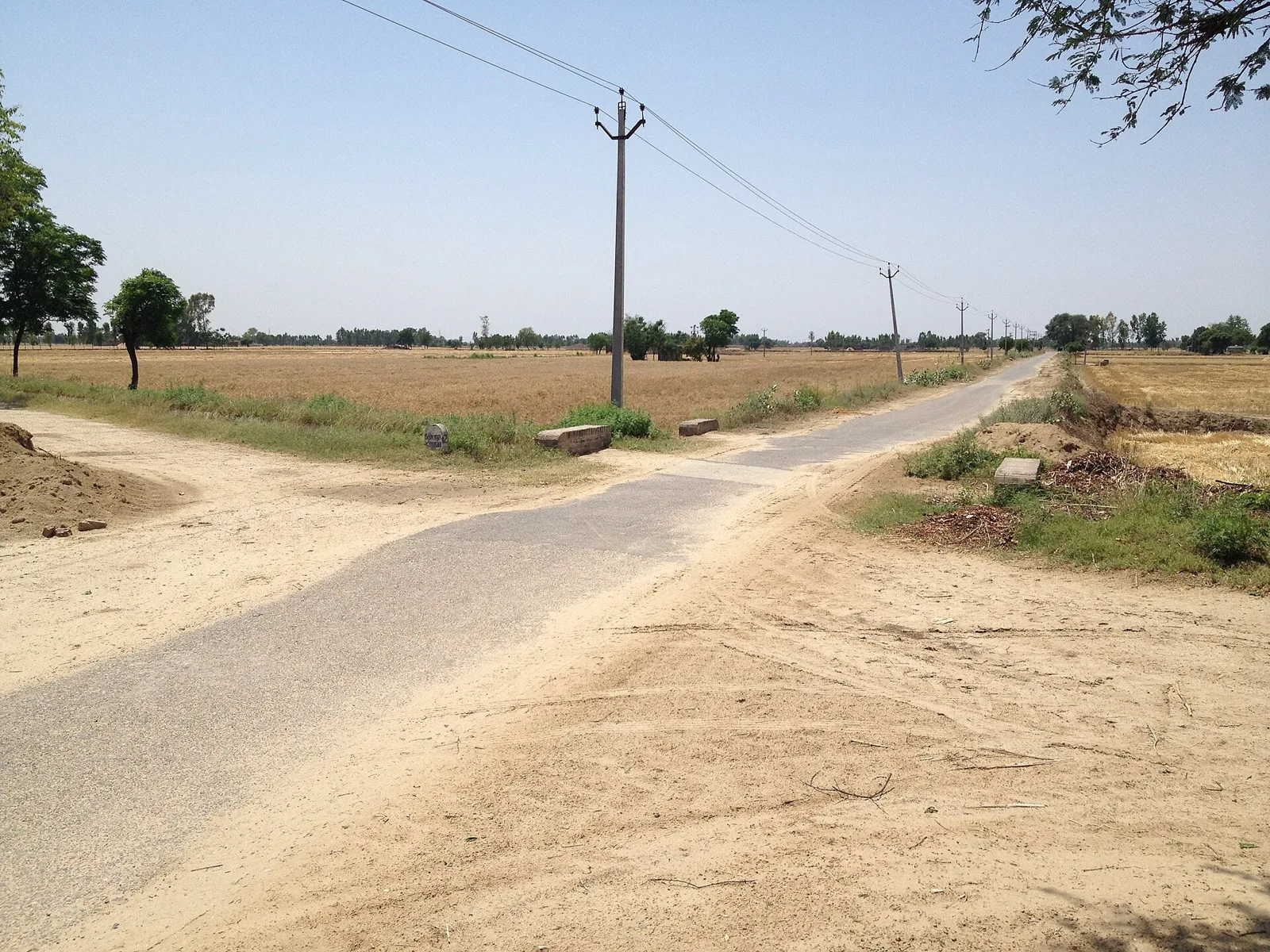
Talwandi Bhai is a small town in Ferozepur district, in Punjab’s agricultural heartland. Its importance comes less from landmark sightseeing than from its role as a service and trading centre for surrounding villages.

Famous for

  • Grain market
  • Tractor-driven farm equipment
  • Agricultural trade
  • Road and rail connections

Why Talwandi Bhai matters

Talwandi Bhai is a small town in Ferozepur district, in Punjab’s agricultural heartland. Its importance comes less from landmark sightseeing than from its role as a service and trading centre for surrounding villages. The town first developed as a grain market, helped by its position among farming communities and access to both road and rail transport. It remains a practical stop for agricultural trade and related services.

Today, Talwandi Bhai is also known for making tractor-driven agricultural equipment, alongside its wider mix of commercial, professional and industrial activity. Its location on National Highways 5 and 54 connects it with towns and markets across the region. Visitors are most likely to come for business, farm machinery or local market activity rather than a conventional tourist itinerary. A visit offers a glimpse of a working Punjabi market town, where the rhythms of farming, transport and trade shape everyday life.
Famous for: crafts, trade & products

Talwandi Bhai’s best-known products are practical rather than ornamental: tractor-driven equipment and implements used in agriculture. Local manufacturers and agricultural machinery dealers are the most relevant places to enquire about these goods. The town’s grain market reflects its original role as a collection and trading point for produce from nearby villages; activity there is tied to the agricultural season. General shops and the central market area serve residents and visitors with everyday goods and services.

The town is not especially associated with a signature textile, saree tradition, handicraft or widely recognized GI-tagged product. Its commercial character instead centres on farming, grain, machinery and supporting trades. For visitors interested in local industry, asking in the market or among machinery businesses is more useful than looking for a dedicated craft district or visitor showroom. Talwandi Bhai’s importance lies in the supply chain linking nearby farms with equipment makers, dealers and regional markets.

History

Talwandi Bhai grew as a market town serving villages in the surrounding agricultural countryside. Its early commercial role was shaped by the need to bring farm produce to a central trading point, with road and rail links helping people and goods reach the market. It is not chiefly remembered as a royal capital or a town built around a prominent court or monumental palace; its history is more closely tied to everyday trade and transport.

During the colonial period, the wider region experienced changes in administration and transport, while market towns such as Talwandi Bhai benefited from improving connections between villages and larger centres. No single well-documented founding date or ruling dynasty defines the town’s story. In modern times it has expanded beyond grain trading into professional services, industry and the manufacture of tractor-driven agricultural equipment. Its development continues to reflect the needs of the surrounding farming economy and its position on major highways.

Food, festivals & culture

Punjabi is the main language of daily life, and the town’s food and customs reflect the wider Malwa region. Meals commonly draw on wheat, dairy and seasonal produce; visitors may find familiar Punjabi dishes such as parathas, dal, lassi and, in the cooler months, sarson da saag with makki di roti. Sweets and festive foods vary by household and season rather than forming a distinct town specialty.

Vaisakhi in spring, Lohri in winter, and Gurpurabs and Diwali through the year are observed in the broader Punjabi tradition. Bhangra and giddha are familiar forms of festive music and dance. Sikh gurdwaras and Hindu temples serve as places of worship and community gathering; visitors should dress modestly and follow local etiquette. The town’s cultural life is closely connected to family occasions, religious observances and the agricultural calendar.

Visiting the city

The most comfortable time to visit is generally from October to March, when the weather is cooler than in the hot summer months. Talwandi Bhai has its own railway station, Talwandi Bhai railway station. Bathinda Airport at Bhisiana is a nearby airport option, though flight availability may be limited; Sri Guru Ram Dass Jee International Airport in Amritsar offers broader air connections. Check current transport options before travelling.

Within town, local taxis, auto-rickshaws and walking can help with short journeys. The central bazaar and grain-market area give a sense of local commerce, while agricultural machinery businesses are worth exploring for visitors interested in farm equipment. The highway approaches and railway station area are useful points for orientation. Talwandi Bhai works best as a brief market-town visit or a stop during travel around Ferozepur district.

Trips from the city

Nearest places to visit from Talwandi Bhai

Our closest destination guides, by straight-line distance.

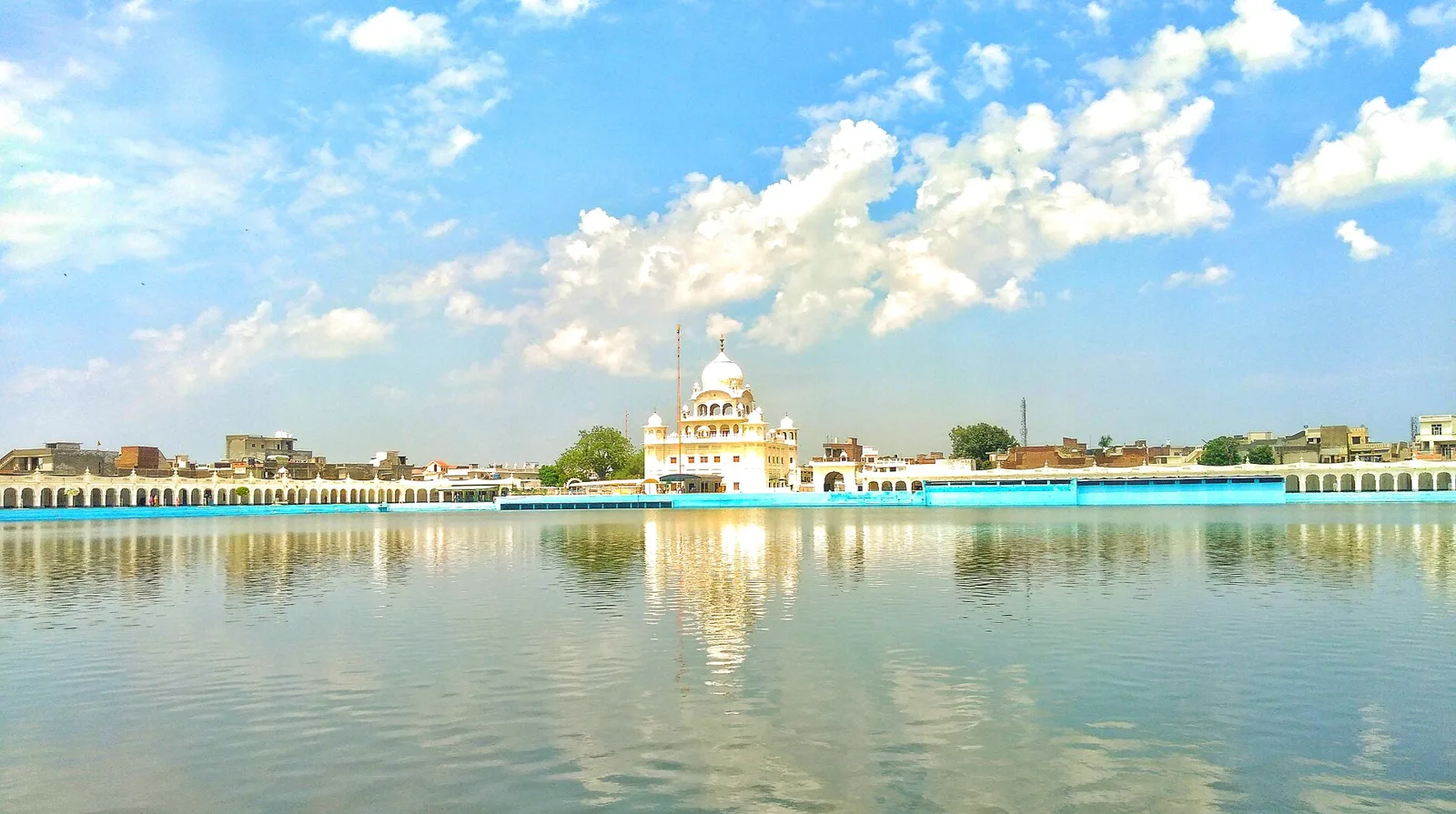
Harike Wetland

33 km away · Tarn Taran district

Harike Wetland

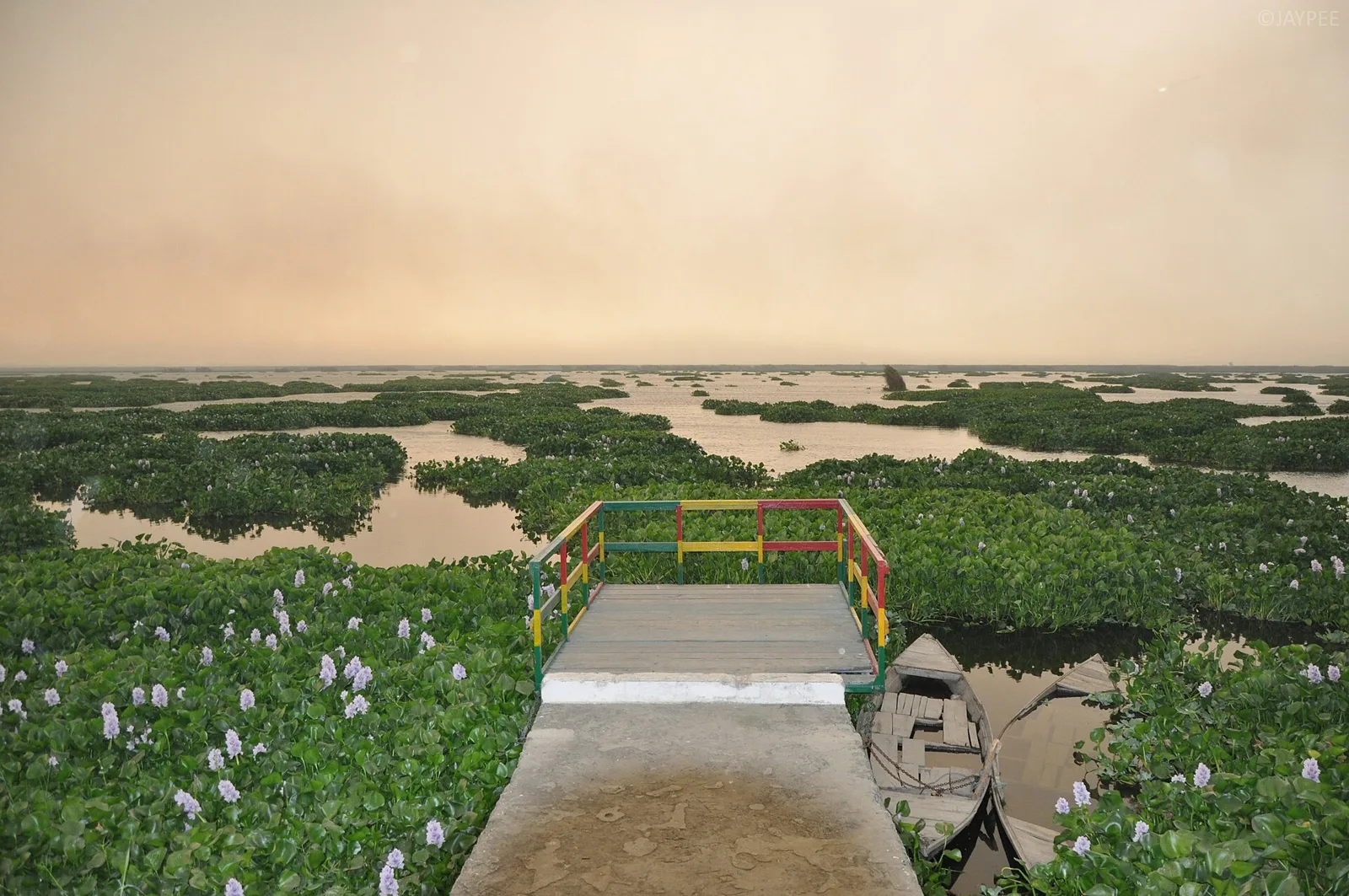
Harike Wetland is a Ramsar-listed lake and marsh complex in Punjab, created near the Beas–Sutlej confluence. Visitors come to see its diverse wetland habitat and migratory waterbirds, including threatened species.

Hussainiwala

40 km away · Firozpur district

Hussainiwala

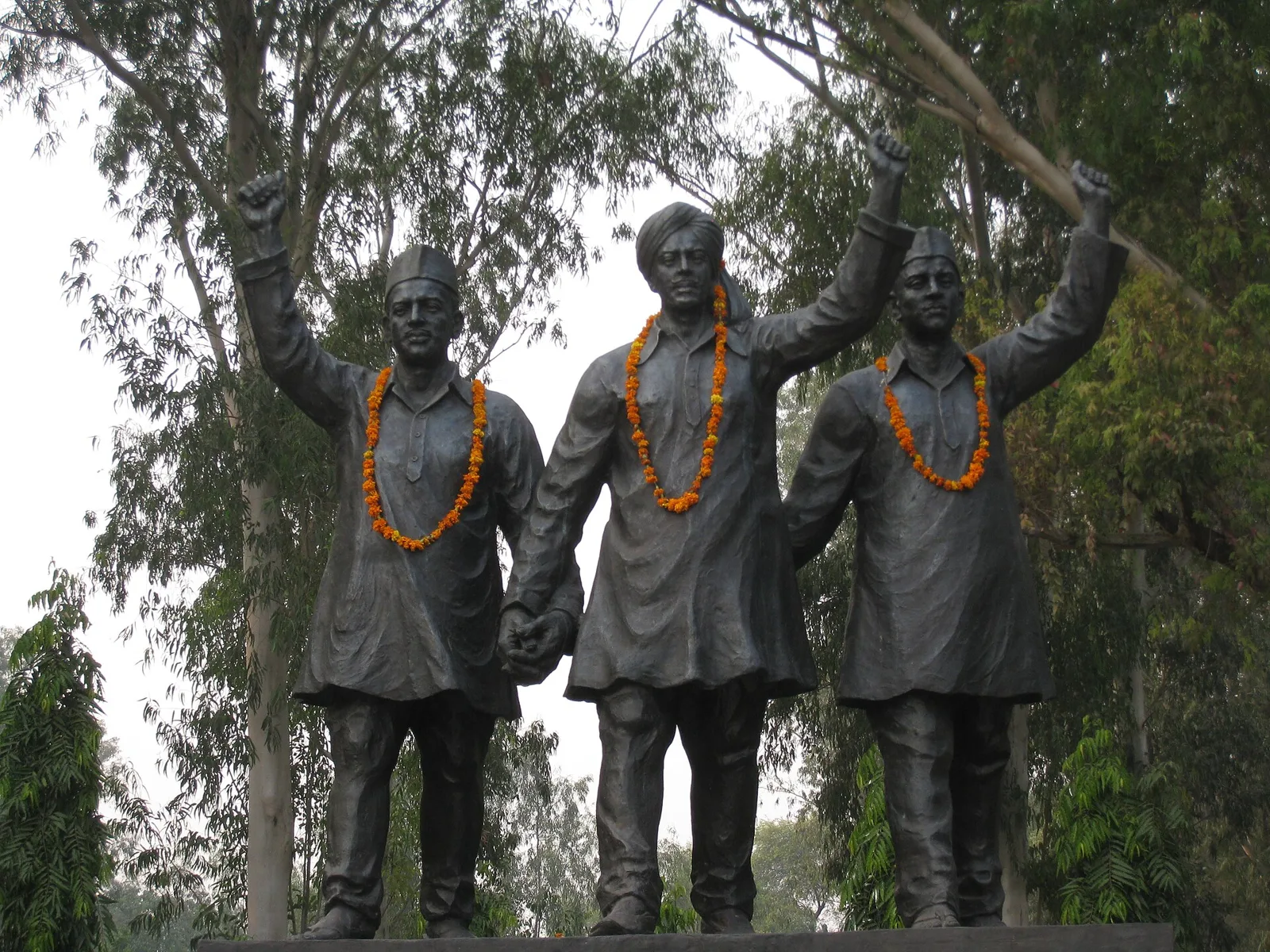
Hussainiwala is a village in Punjab’s Firozpur district, visited for its memorial to Bhagat Singh, Sukhdev Thapar and Shivaram Rajguru, and the daily India–Pakistan retreat ceremony.

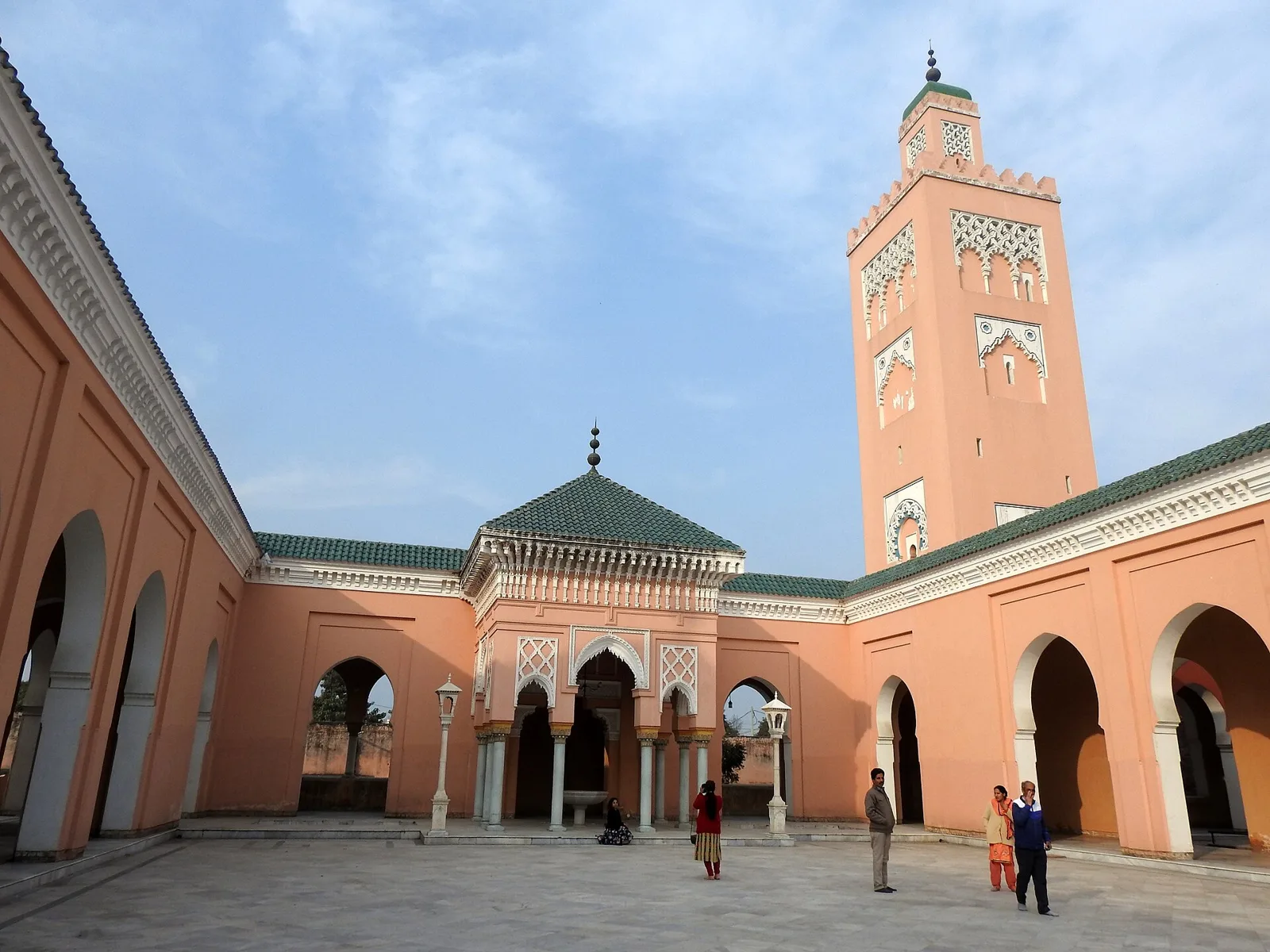
Sultanpur Lodhi

47 km away · Kapurthala district

Sultanpur Lodhi

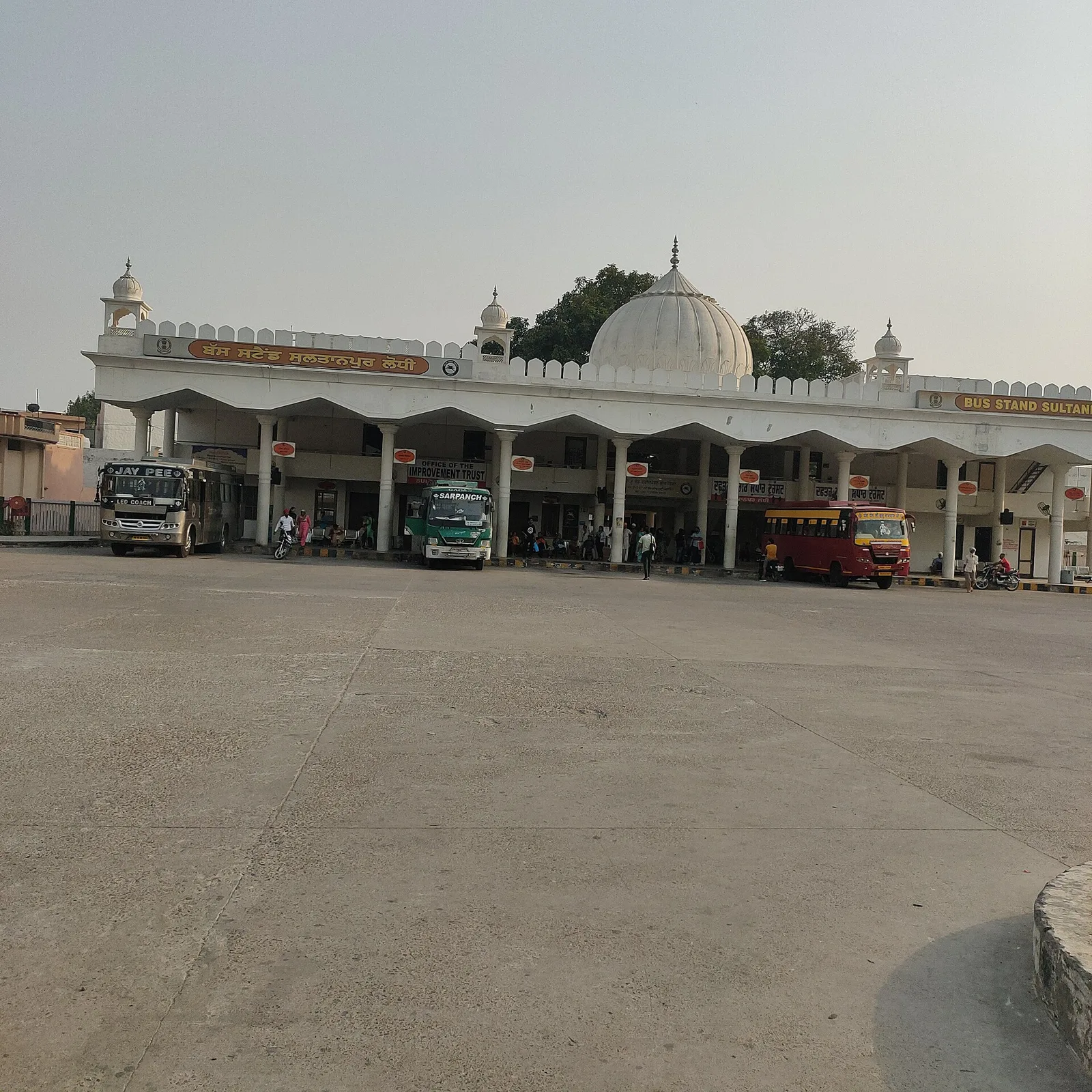
Sultanpur Lodhi is a town in Punjab’s Kapurthala district, with historical links to Bahlul Khan Lodi and a mention in the Ain-e-Akbari that give visitors reasons to explore its past.

Sri Muktsar Sahib

58 km away · Sri Muktsar Sahib district

Sri Muktsar Sahib

Sri Muktsar Sahib, a city in Punjab, draws interest for its Sikh history and connection to the 1705 Battle of Muktsar; it also serves as a district centre.

Bathinda

70 km away · Bathinda district

Bathinda

Bathinda is a city in Punjab’s Malwa region and the administrative centre of its district. Visitors can explore the historic Qila Mubarak fort, and the city also has a zoo and major educational institutions.

Kapurthala

72 km away · Kapurthala district

Kapurthala

Kapurthala is a Punjab city and former princely-state capital, noted for French and Indo-Saracenic architecture. Visitors come to see its palaces, gardens and historic character.

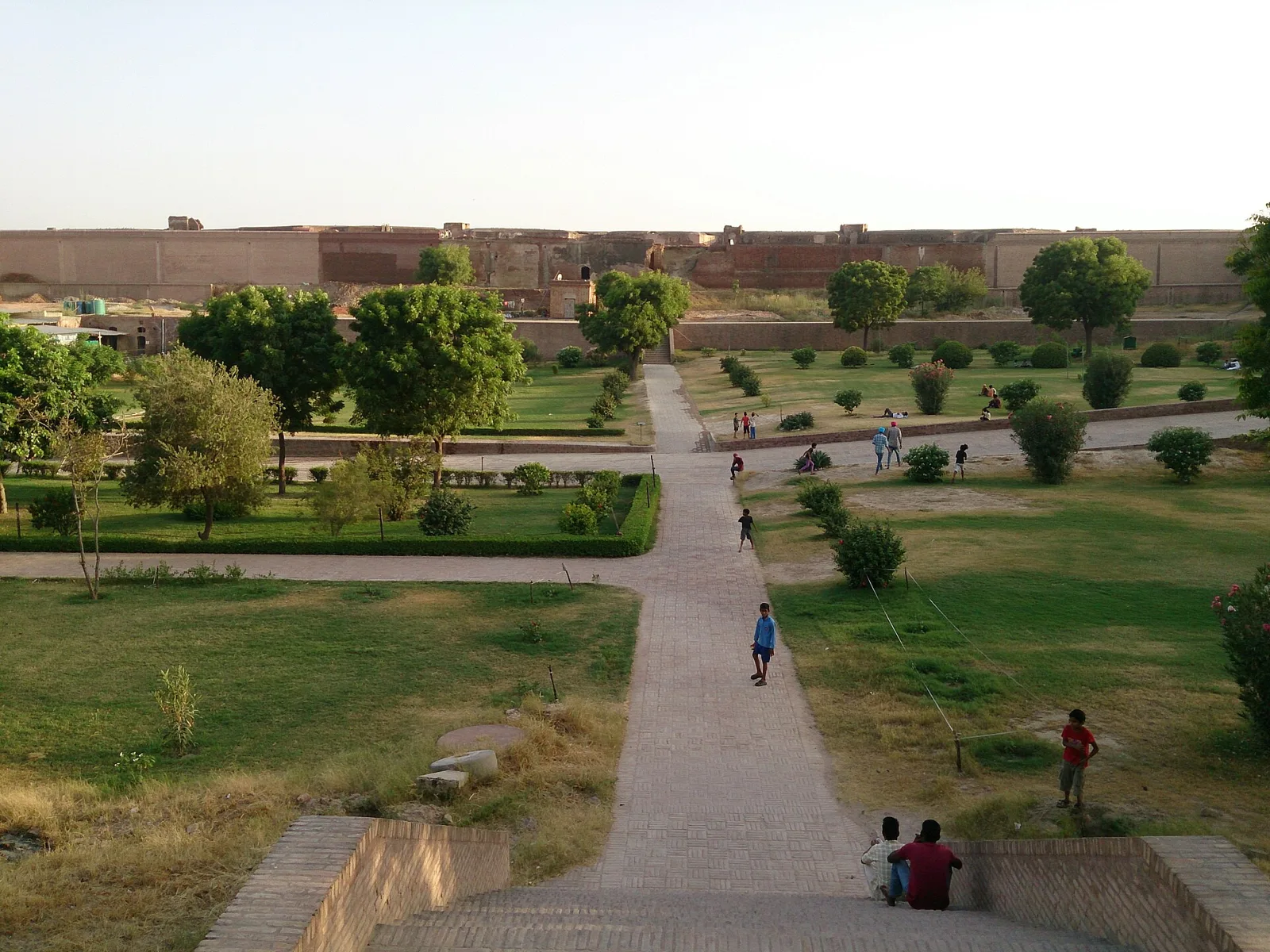
Qila Mubarak

72 km away · Bathinda district

Qila Mubarak

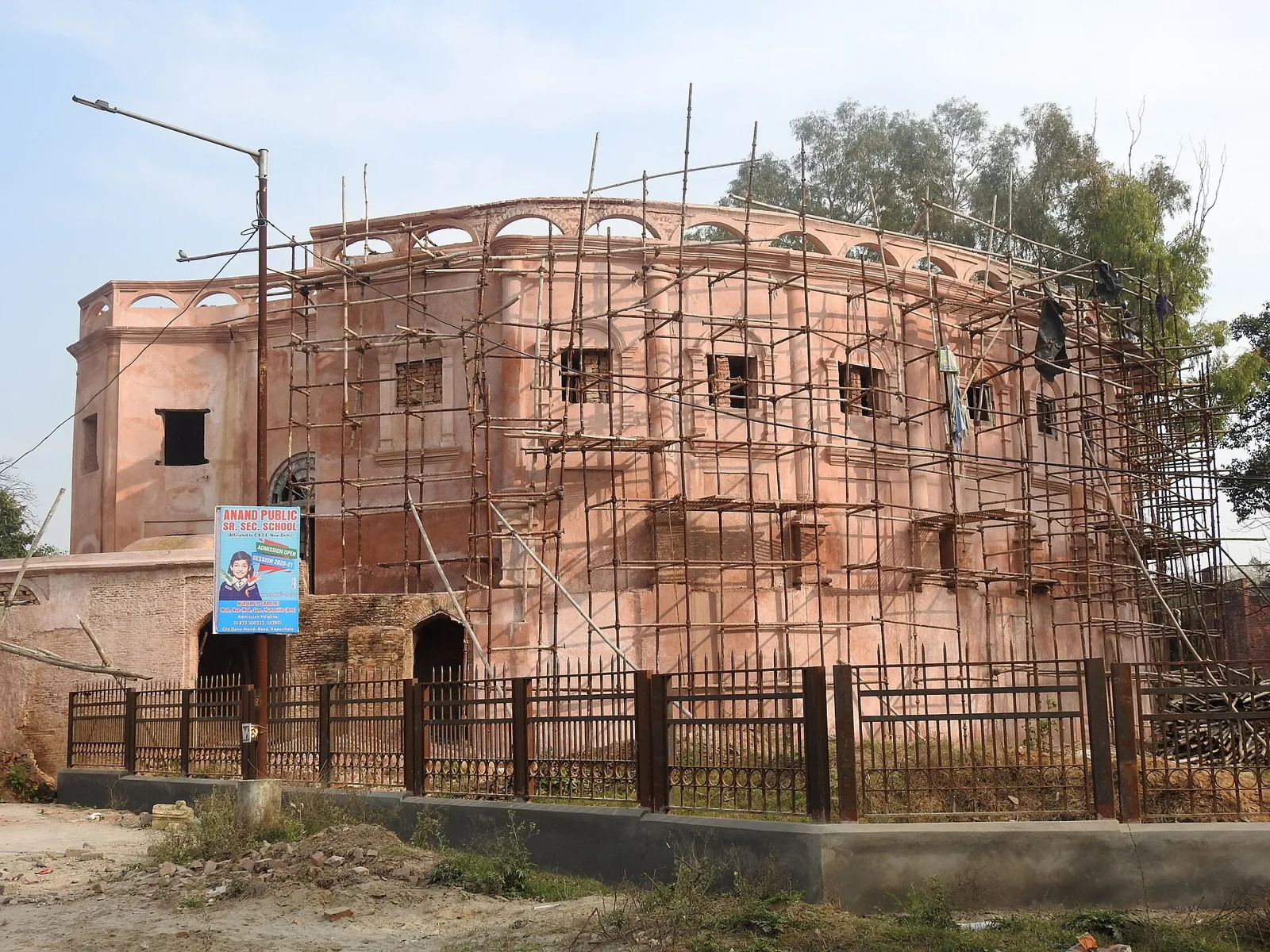
Qila Mubarak is a historic fortress in Bathinda, known for its long past and its association with Razia Sultan. Visitors can see its lawns and gurdwaras, while much of the fort is closed to the public.

Jagatjit Palace

73 km away · Kapurthala district

Jagatjit Palace

Jagatjit Palace is a former royal residence in Kapurthala, now occupied by Sainik School. Visitors can learn about its connection with the town’s rulers and its change of use.

Map

Talwandi Bhai on the map

  1. 1Harike Wetland
  2. 2Hussainiwala
  3. 3Sultanpur Lodhi
  4. 4Sri Muktsar Sahib
  5. 5Bathinda
  6. 6Kapurthala
  7. 7Qila Mubarak
  8. 8Jagatjit Palace

Punjab

Other cities to explore