Ghumoopedia — Explore, Discover, Experience
Sign in
Takht Sri Damdama Sahib, near Raman

City guide · Punjab

Raman

Raman is a municipal town in Bathinda district, closely connected to Bathinda city and its wider regional economy. Its contemporary identity is shaped by industry: the major refinery in the area has brought attention to Raman and its surroundings, while continuing industrial development is expected to influence the town’s role in the district.

Famous for

  • Bathinda district town
  • Refinery-linked industry
  • Raman railway station
  • Tapacharya Shri Hem Kunwar Jain College

Why Raman matters

Raman is a municipal town in Bathinda district, closely connected to Bathinda city and its wider regional economy. Its contemporary identity is shaped by industry: the major refinery in the area has brought attention to Raman and its surroundings, while continuing industrial development is expected to influence the town’s role in the district. Raman is also a local service centre, with everyday shops and educational facilities serving residents and nearby communities.

For visitors, Raman is more a practical stop than a destination built around a large collection of established tourist attractions. Its railway connection makes it accessible from Bathinda and New Delhi, and the town offers a view of life in an industrially changing part of Punjab. Tapacharya Shri Hem Kunwar Jain College is a notable local institution, particularly for women’s higher education, with courses in arts, information technology and commerce. Visitors may also use Raman as a base for local errands or onward travel in the Bathinda area.
Famous for: crafts, trade & products

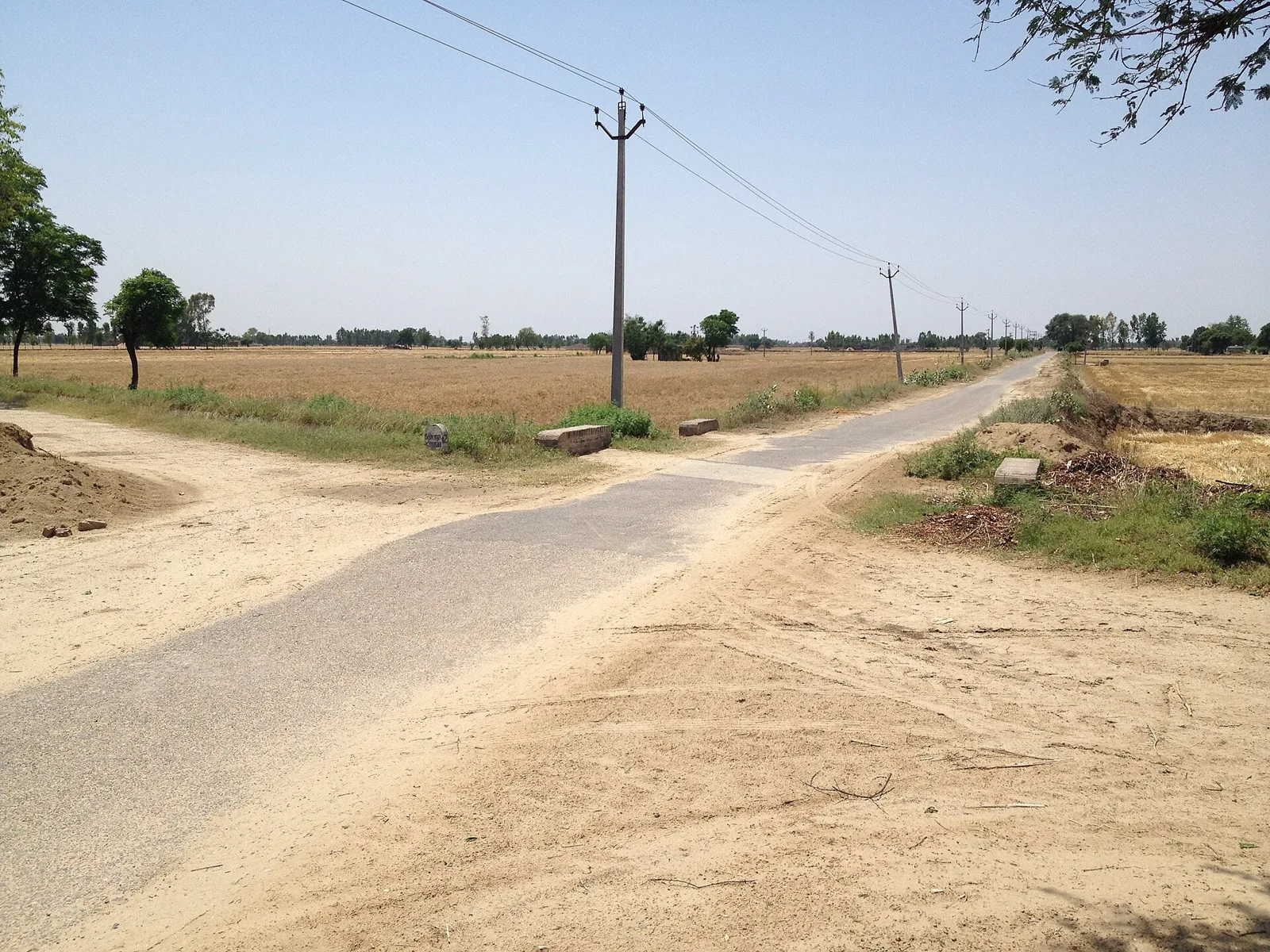
Raman is best known locally for its connection to the refinery-led industrial belt near Bathinda. The refinery is a major part of the area’s modern economy, but it is an industrial facility rather than a visitor attraction; access should not be assumed. The town is not especially associated with a widely recognised textile, handicraft or GI-tagged product, so visitors should not expect a specialist craft-shopping district.

For ordinary shopping, the central bazaar and shops around the town centre are the practical places to look for daily necessities, clothing, snacks and locally made sweets. These are neighbourhood businesses rather than a destination market, and product selection can vary. Raman’s notable institution is Tapacharya Shri Hem Kunwar Jain College, which provides graduate and postgraduate education in arts, information technology and commerce, with a focus on opportunities for women. The town’s identity is therefore more closely tied to education, local commerce and industry than to a signature craft or export product.

History

Raman’s documented modern identity is that of a municipal town in Bathinda district and a suburb of Bathinda city. Its growth has been tied to its position within the district’s network of settlements, transport links and local services. The available account of the town does not establish a particular ruling dynasty, a major royal centre or a distinctive colonial-era episode, so specific claims about rulers or events should be treated cautiously.

In more recent times, the area’s development has increasingly been associated with industrial activity, especially the refinery nearby. This has brought Raman greater regional visibility and is expected to continue shaping employment, infrastructure and settlement patterns. Education is another part of the town’s present-day development: Tapacharya Shri Hem Kunwar Jain College provides higher-education courses for women. Raman’s story is thus chiefly one of local growth within the Bathinda region, with industry, transport and education influencing its changing role.

Food, festivals & culture

Raman shares the food traditions of the Bathinda region and wider Punjab. Punjabi meals commonly include breads, lentils, seasonal vegetables and dairy-based dishes; tea and familiar Indian sweets are easy to find in local shops. The central bazaar is the most practical area to seek everyday snacks and sweets, though particular specialities vary by shop. Punjabi is the principal language of local life, and Hindi is also commonly understood.

The cultural calendar follows Punjab’s wider seasonal and religious festivals. Lohri is celebrated in midwinter, Baisakhi in spring, and Gurpurab observances and Diwali bring their own gatherings at times that vary each year. Punjabi folk music and dances such as bhangra and gidda are part of the region’s broader cultural tradition, especially at festive occasions. Residents worship at local gurdwaras and temples; visitors should dress respectfully and follow customs when entering places of worship. Raman is a working town, so community and religious life are more prominent than organised tourist performances.

Visiting the city

The cooler months, roughly October to March, are generally the most comfortable time to visit; summers can be very hot. Bathinda Airport is the nearest airport identified for Raman, about 57 km away, but check current flight availability before planning. Raman railway station connects the town with Bathinda and New Delhi. From the station, local taxis or other road transport can be used to reach the town centre; confirm onward arrangements locally.

The central bazaar is a useful area to explore for everyday shops and food, while the railway-station neighbourhood offers a glimpse of local travel and commerce. Raman’s refinery is an industrial site, not a general tourist attraction, and access may be restricted. Bathinda city is the main nearby centre for a broader range of services and onward sightseeing.

Trips from the city

Nearest places to visit from Raman

Our closest destination guides, by straight-line distance.

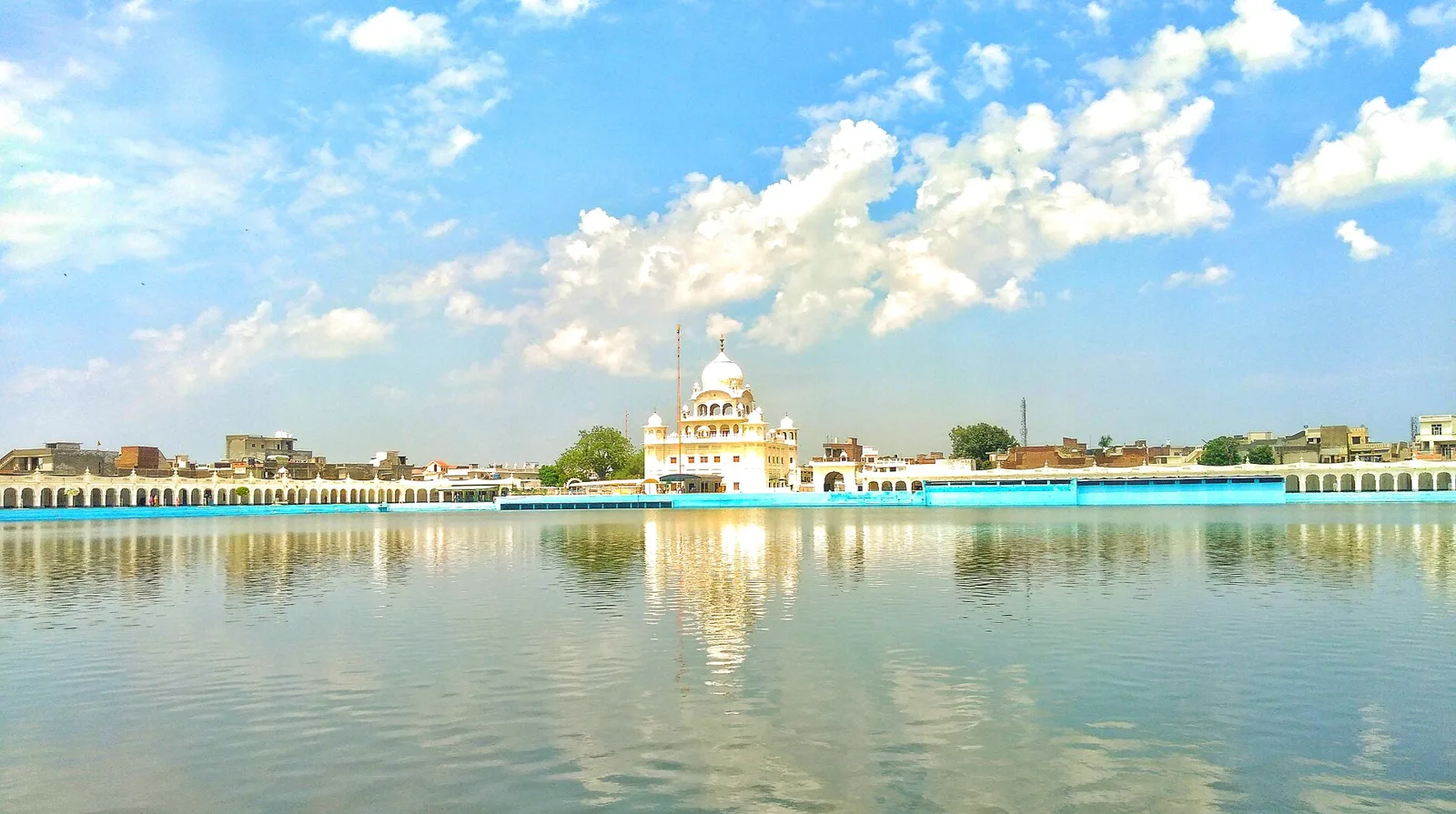
Takht Sri Damdama Sahib

10 km away · Bathinda district

Takht Sri Damdama Sahib

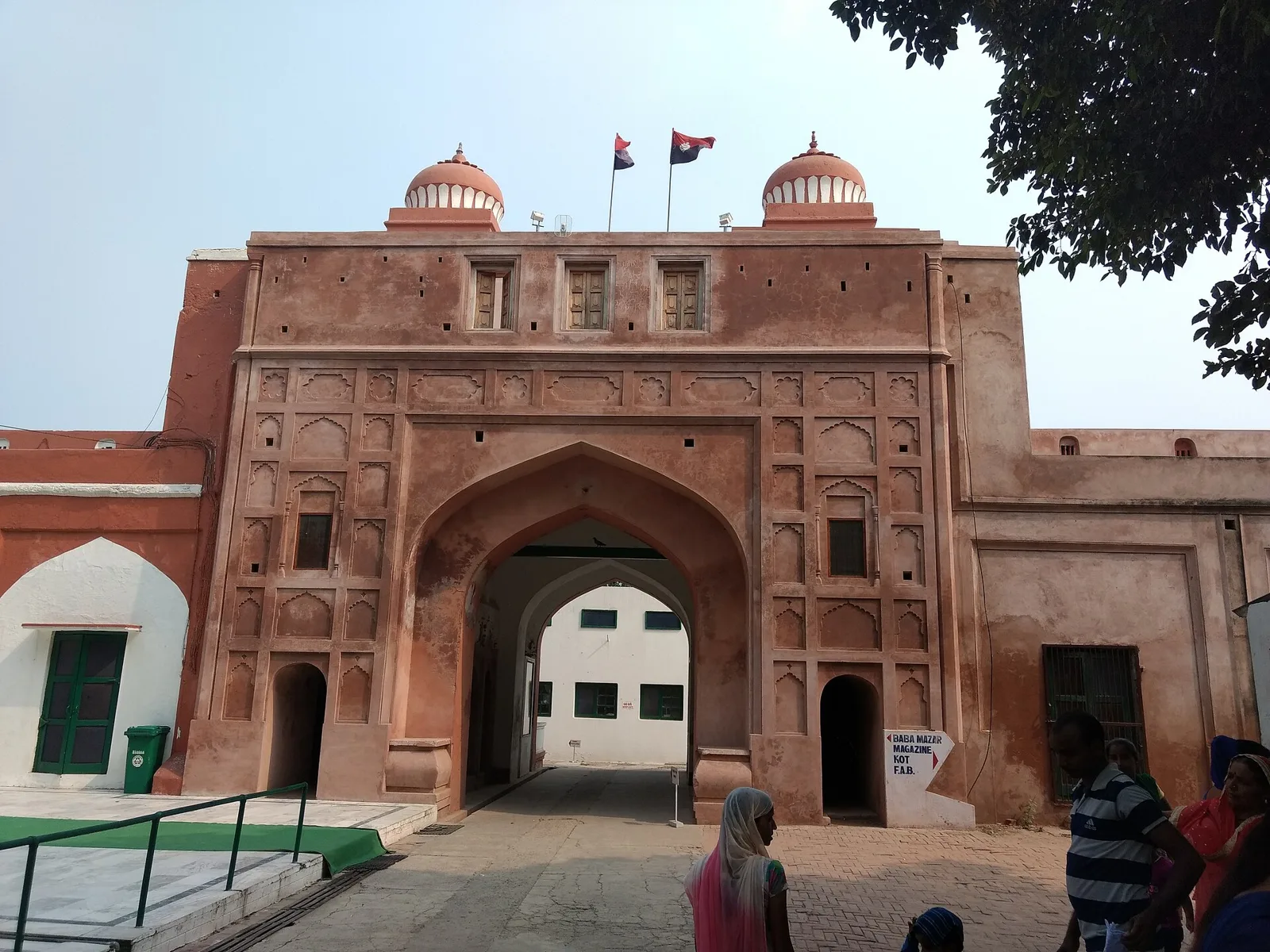
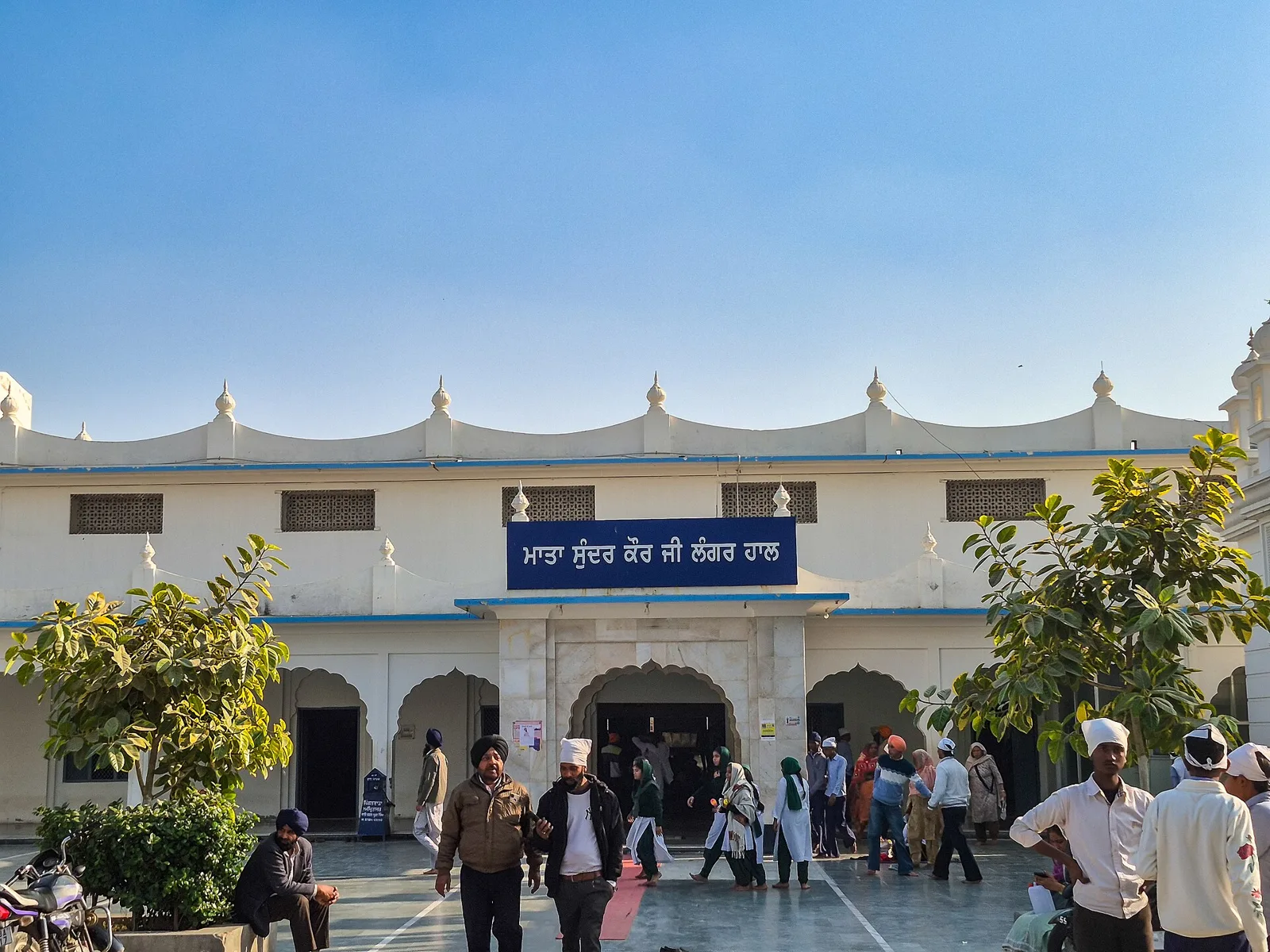
Takht Sri Damdama Sahib is a Sikh centre of temporal authority in Talwandi Sabo, visited for its connection with Guru Gobind Singh’s preparation of Sri Guru Granth Sahib.

Qila Mubarak

29 km away · Bathinda district

Qila Mubarak

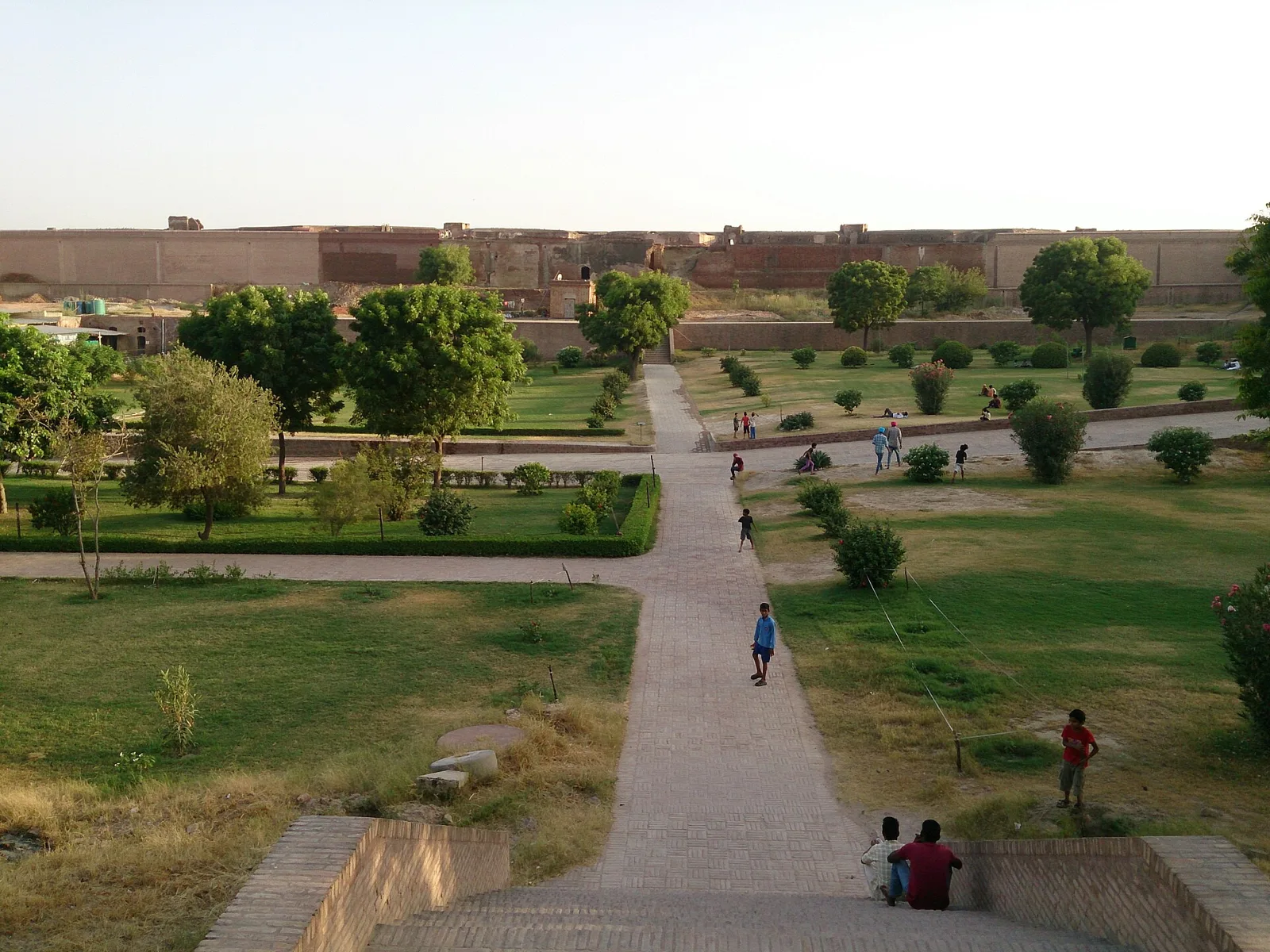
Qila Mubarak is a historic fortress in Bathinda, known for its long past and its association with Razia Sultan. Visitors can see its lawns and gurdwaras, while much of the fort is closed to the public.

Bathinda

31 km away · Bathinda district

Bathinda

Bathinda is a city in Punjab’s Malwa region and the administrative centre of its district. Visitors can explore the historic Qila Mubarak fort, and the city also has a zoo and major educational institutions.

Sri Muktsar Sahib

73 km away · Sri Muktsar Sahib district

Sri Muktsar Sahib

Sri Muktsar Sahib, a city in Punjab, draws interest for its Sikh history and connection to the 1705 Battle of Muktsar; it also serves as a district centre.

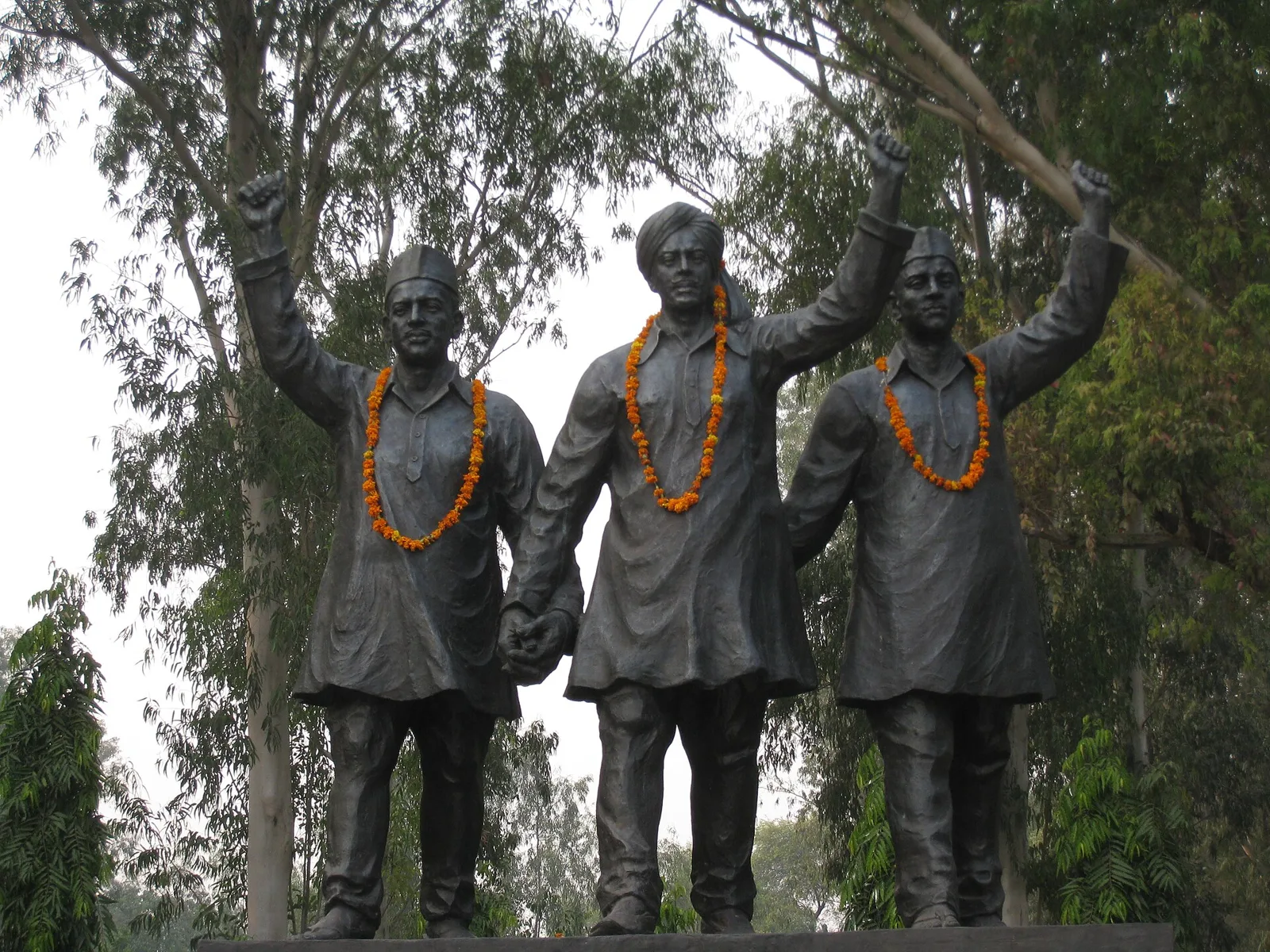
Hussainiwala

124 km away · Firozpur district

Hussainiwala

Hussainiwala is a village in Punjab’s Firozpur district, visited for its memorial to Bhagat Singh, Sukhdev Thapar and Shivaram Rajguru, and the daily India–Pakistan retreat ceremony.

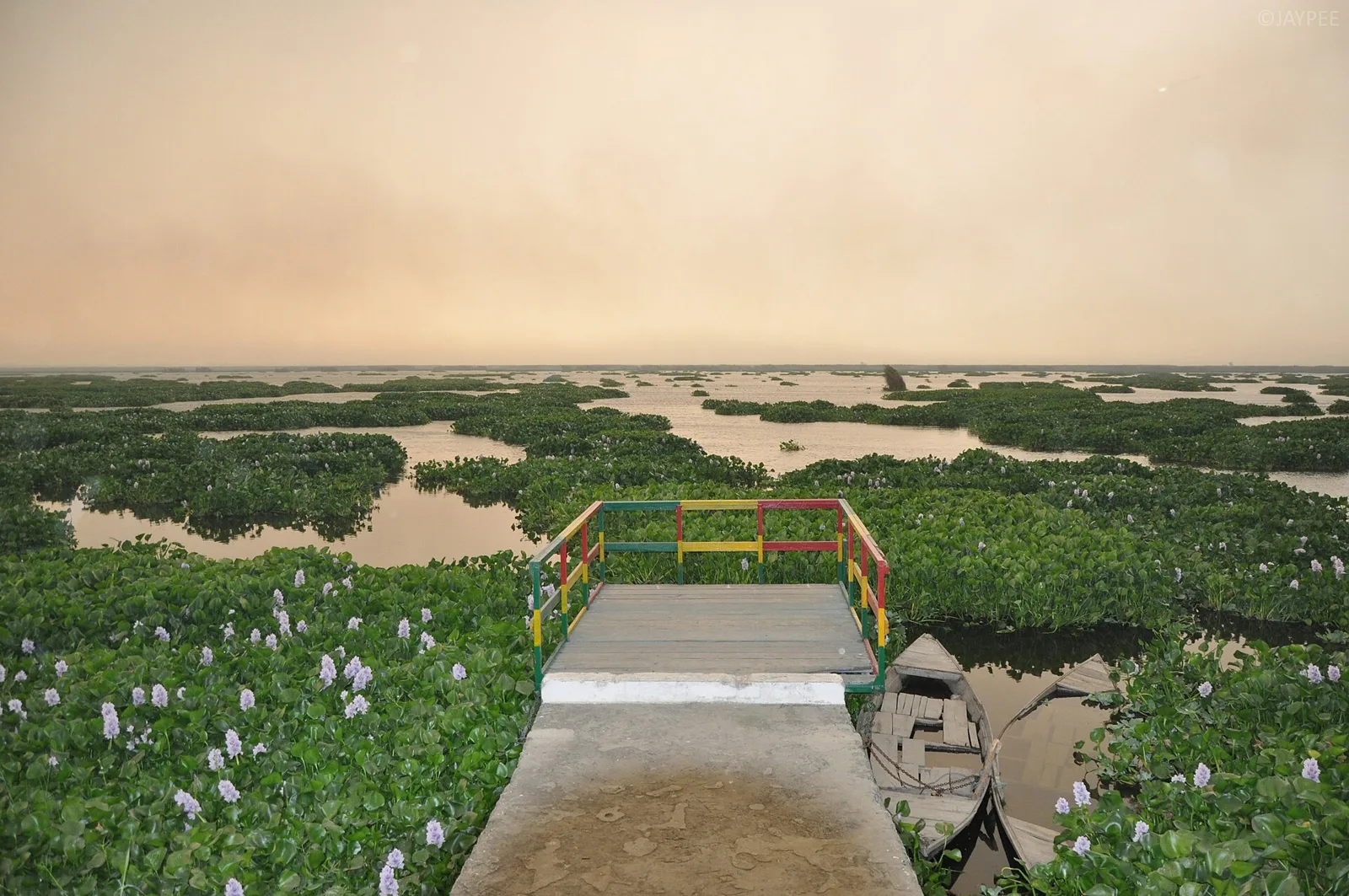
Harike Wetland

133 km away · Tarn Taran district

Harike Wetland

Harike Wetland is a Ramsar-listed lake and marsh complex in Punjab, created near the Beas–Sutlej confluence. Visitors come to see its diverse wetland habitat and migratory waterbirds, including threatened species.

Ludhiana

136 km away · Ludhiana district

Ludhiana

Ludhiana is Punjab’s most populous city and a major manufacturing and trading centre in northern India; visitors come for its industrial and commercial activity.

Phillaur Fort

141 km away · Ludhiana district

Phillaur Fort

Known also as Maharaja Ranjit Singh Fort, Phillaur Fort is a fort in Punjab that visitors can see on the Grand Trunk Road at Phillaur.

Map

Raman on the map

  1. 1Takht Sri Damdama Sahib
  2. 2Qila Mubarak
  3. 3Bathinda
  4. 4Sri Muktsar Sahib
  5. 5Hussainiwala
  6. 6Harike Wetland
  7. 7Ludhiana
  8. 8Phillaur Fort

Punjab

Other cities to explore