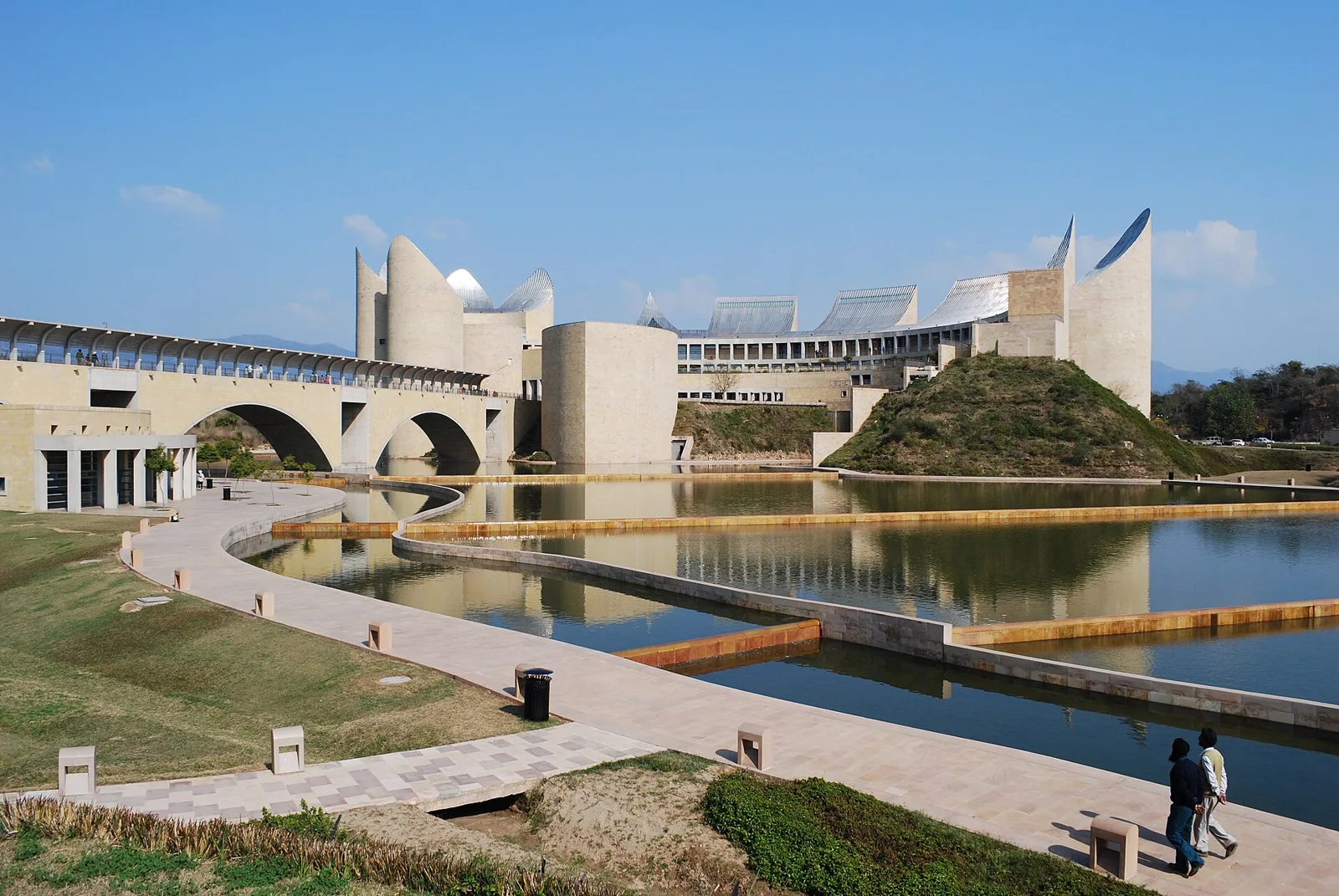
Ghumoopedia — Explore, Discover, Experience
Sign in
Patiala, near Rurki

City guide · Punjab

Rurki

Rurki Khas, commonly called Rurki Sainian, is a village in Garhshankar tehsil of Hoshiarpur district, Punjab. It is best approached as a place of local and historical interest rather than a large urban destination.

Famous for

  • Babbar Akali heritage
  • Gurdwara Moti Bagh
  • Gurdwara Darwaja Sahib
  • Ravidaas Gurdwara
  • Shaheed Bhagat Singh memorial
  • Bist Doab Canal setting

Why Rurki matters

Rurki Khas, commonly called Rurki Sainian, is a village in Garhshankar tehsil of Hoshiarpur district, Punjab. It is best approached as a place of local and historical interest rather than a large urban destination. Its most distinctive story is its connection to the Babbar Akali movement: Rattan Singh Rakkar, a movement leader, took refuge here in 1932. The village’s religious sites and memorial to Shaheed Numbardaar Bhagat Singh offer further points of interest, while its setting west of the Jalandhar Branch of the Bist Doab Canal gives it a rural Punjabi character.

Visitors may find Rurki Khas worthwhile as a short stop when exploring Garhshankar and the surrounding Hoshiarpur region. Its gurdwaras are places of worship, so visitors should behave respectfully and follow local customs. The village also has government senior secondary schools, reflecting its role as a local residential and educational centre. Those seeking extensive shopping, major attractions or visitor services will find more options in nearby towns; Rurki’s appeal lies chiefly in its community life, places of worship and history.
Famous for: crafts, trade & products

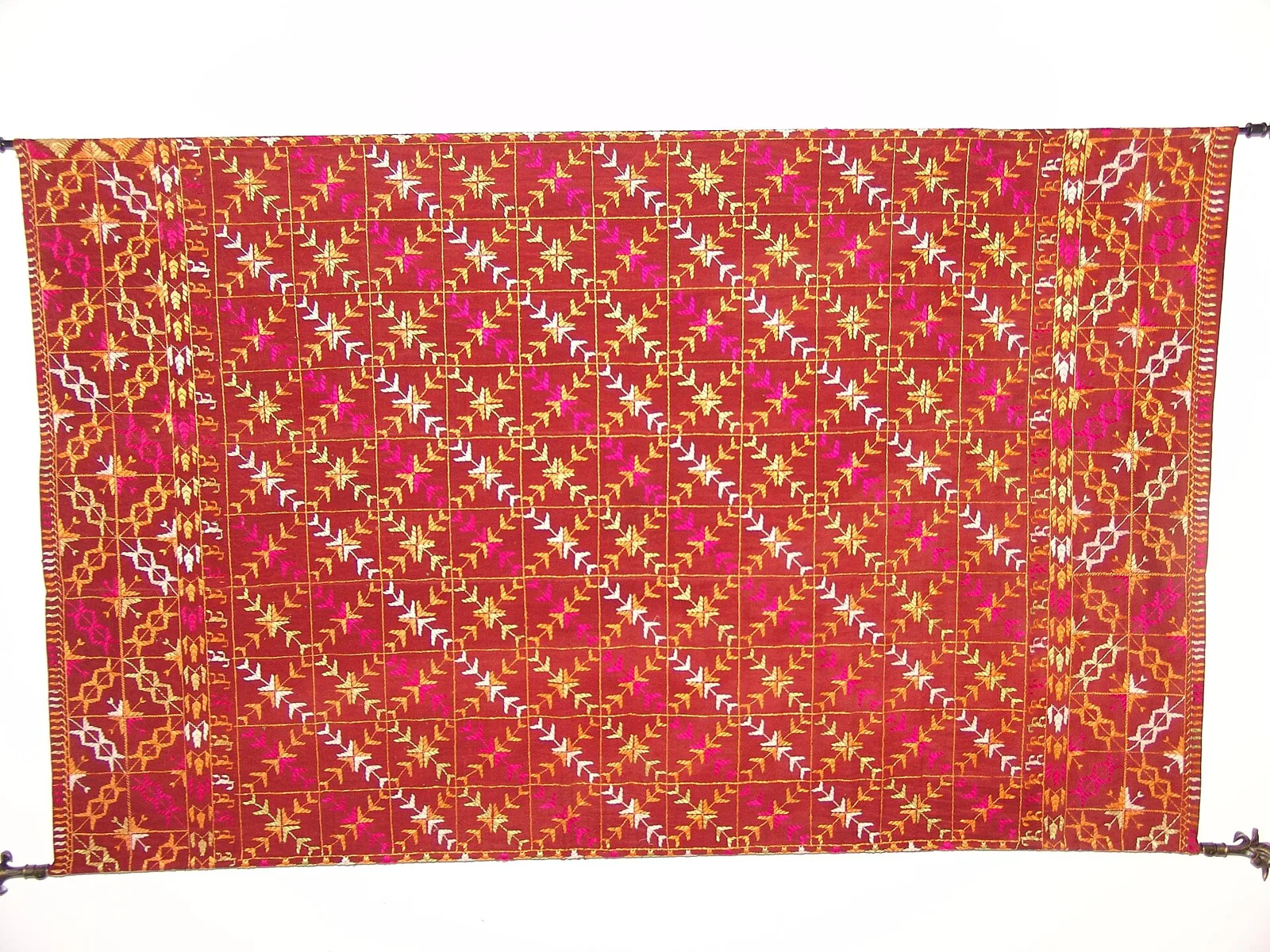
Rurki Khas is not widely identified with a signature textile, handicraft, GI-tagged product or large industry. Its local identity is more closely tied to its religious landmarks and its place in the history of the Babbar Akali movement. Gurdwara Moti Bagh, Gurdwara Darwaja Sahib and Ravidaas Gurdwara are among the village’s notable sites, while the Shaheed Numbardaar Bhagat Singh memorial statue commemorates local patriotic memory.

There is no established craft quarter or specialist shopping district to seek out in the village. For everyday provisions and a broader selection of shops, visitors can look to nearby Garhshankar, the closest tehsil town. Purchases there are likely to be ordinary local goods rather than products unique to Rurki. The village’s schools, including Shahid Master Malkit Singh Government Senior Secondary School, are important local institutions, but they are educational facilities rather than visitor attractions. Travellers interested in regional crafts or branded Punjabi products should ask in Garhshankar about current local sellers rather than assume a particular product is made in Rurki.

History

Rurki Khas is associated with a consequential episode in the history of the Babbar Akali movement. Rattan Singh Rakkar, a jathedar of its Garhshankar branch, took refuge in the village in 1932. After he was identified by a police informant, he was killed in an encounter with police on 15 July that year. The British authorities then punished the village for sheltering him. They established a police post whose costs fell on residents, imposed a fine, withheld pension payments and restricted access to government employment. Supporters of the political struggle also faced limits on leaving the village without prior permission, and the village was placed on the government’s blacklist.

In later decades, local development included the electrification of the village in 1963 and the establishment of a government senior secondary school in 1965. Today Rurki Khas remains a village administered by an elected sarpanch. Its memorial and local religious sites keep aspects of its community and political history visible.

Food, festivals & culture

Punjabi is the principal language of daily life in Rurki Khas. The village’s places of worship include Sikh gurdwaras and Ravidaas Gurdwara, reflecting local religious life. Visitors should cover their heads and remove footwear where requested, and should ask before photographing worshippers or ceremonies.

As in many parts of Punjab, visitors may encounter familiar Punjabi home-style meals and seasonal foods, but specific offerings depend on local households and shops. Baisakhi, celebrated in spring, is an important harvest-season festival across Punjab; Lohri is observed in midwinter, and Sikh Gurpurabs follow the lunar calendar. Punjabi folk music, including dhol-led celebrations, and dances such as bhangra and giddha are part of the wider regional culture, though performances are not guaranteed during a visit. The gurdwaras and memorial are better approached as community places than as staged attractions.

Visiting the city

The cooler months, roughly October to March, are generally the most comfortable time to visit Punjab’s countryside. Adampur Airport, near Jalandhar, is a nearby air option; Chandigarh International Airport is another possibility. Garhshankar railway station is the nearest named rail station to check for connections. From Garhshankar, arrange onward road transport to Rurki Khas; local buses or hired vehicles may be options, but services can vary.

Explore the village centre, Gurdwara Moti Bagh, Gurdwara Darwaja Sahib, Ravidaas Gurdwara and the Shaheed Numbardaar Bhagat Singh memorial. Nearby Garhshankar is useful for everyday services and a broader range of shops. Rurki Khas is a small settlement, so confirm local transport and access arrangements before setting out, and be considerate at religious sites.

Trips from the city

Nearest places to visit from Rurki

Our closest destination guides, by straight-line distance.

Patiala

8 km away · Patiala district

Patiala

Patiala is a city in southeastern Punjab and the administrative centre of its district. People visit for its royal history, Qila Mubarak and distinctive clothing, footwear and cultural traditions.

Aam Khas Bagh

31 km away · Fatehgarh Sahib district

Aam Khas Bagh

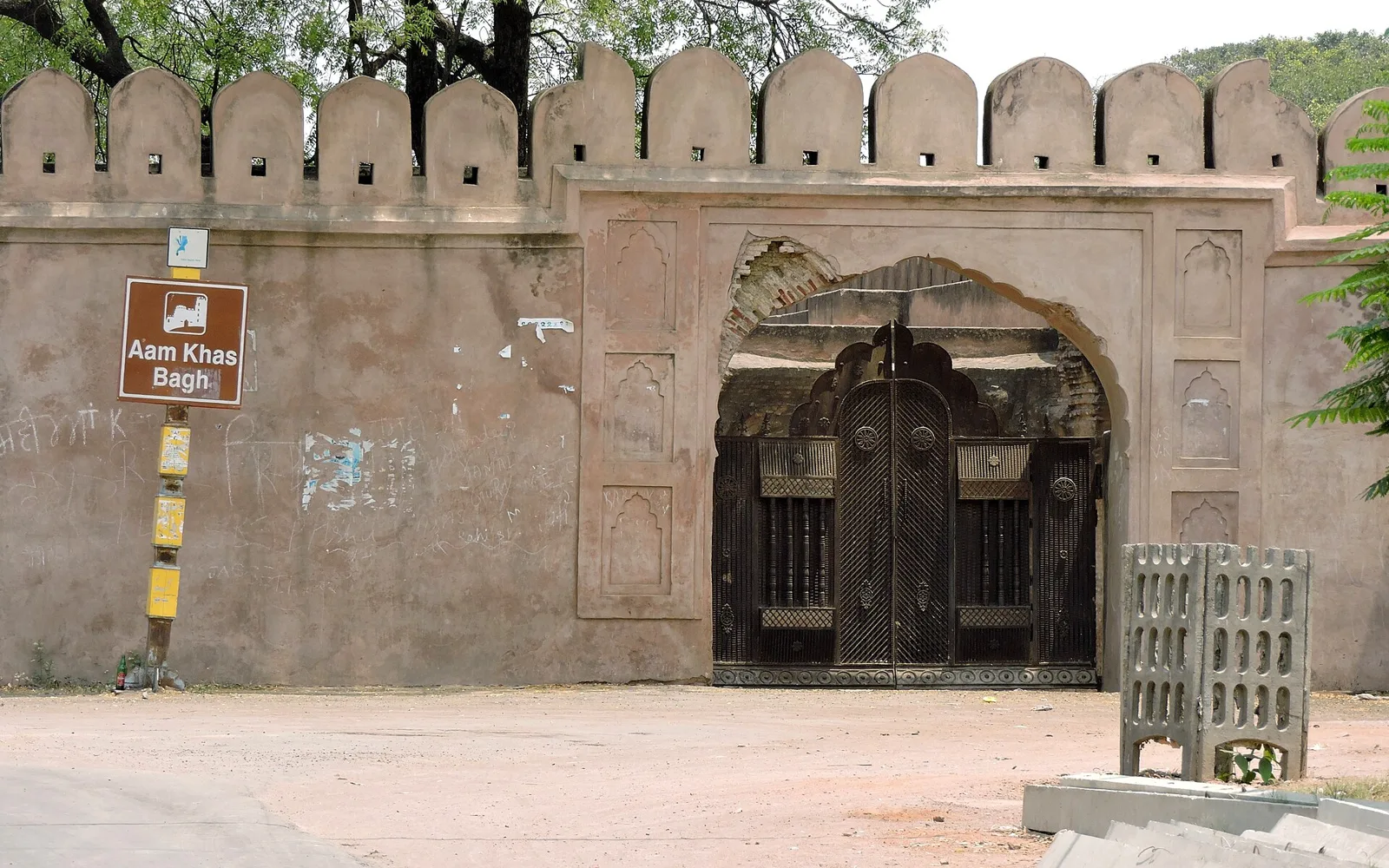
Aam Khas Bagh is a surviving Mughal-era roadside inn complex in Punjab’s Fatehgarh Sahib district, visited for its history as accommodation on the Delhi–Lahore route.

Fatehgarh Sahib

32 km away · Fatehgarh Sahib district

Fatehgarh Sahib

Fatehgarh Sahib is a city in Punjab and a Sikh pilgrimage centre, visited for its historic gurdwaras and its connection with the martyrdom of Guru Gobind Singh’s young sons.

Fateh Burj

42 km away · Mohali district

Fateh Burj

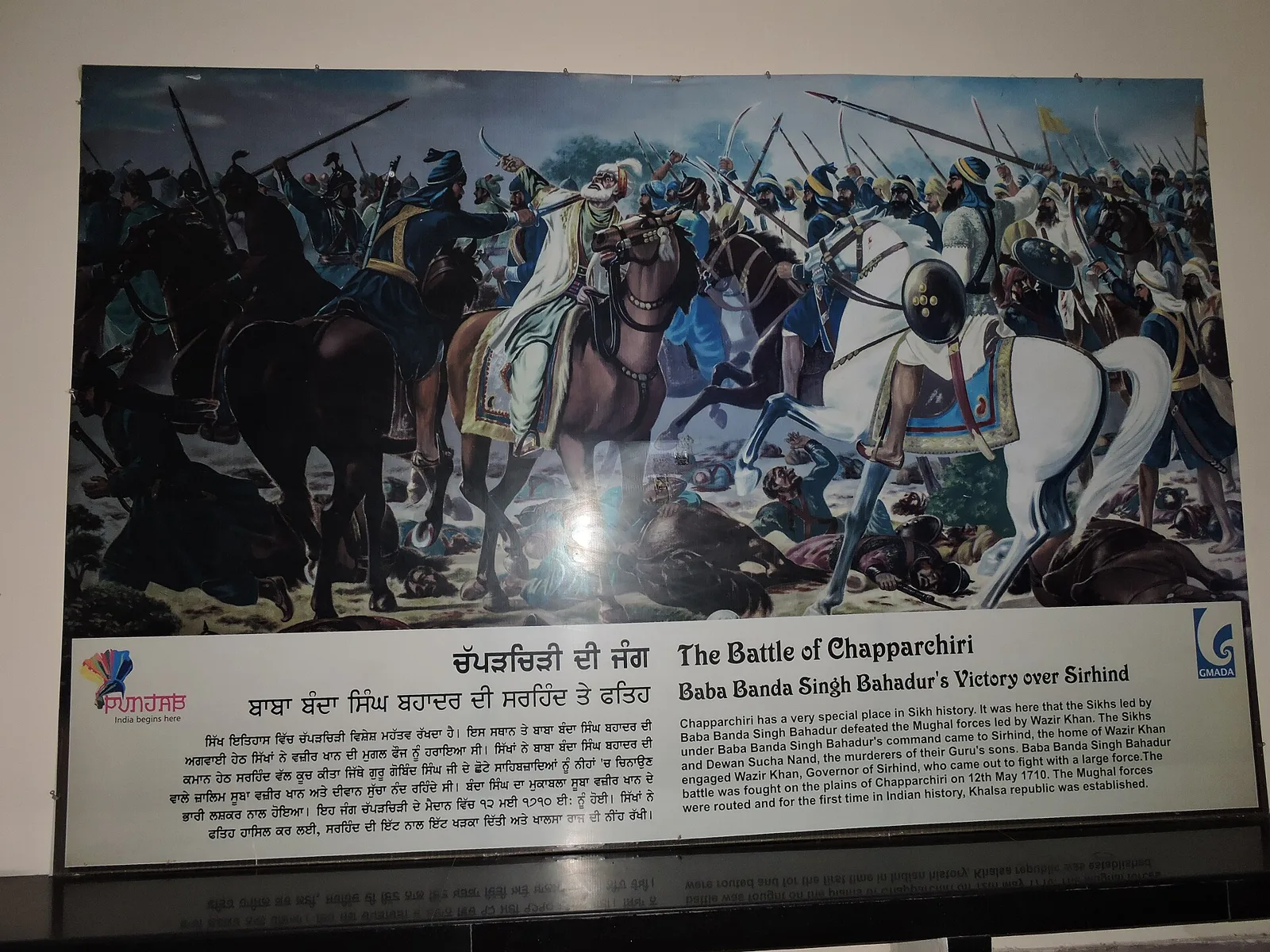
Fateh Burj is a 100-metre victory monument at Chappar Chiri in Punjab’s Mohali district. People visit to see a tower commemorating the Sikh Misls and Banda Singh Bahadur’s decisive battle.

Sanghol

47 km away · Fatehgarh Sahib district

Sanghol

Sanghol, also called Uchha Pind Sanghol, is a village in Punjab’s Fatehgarh Sahib district with roots in the Harappan civilisation. Visitors come to see its excavated Buddhist and Kushan remains and the museum collections.

Ropar Wetland

72 km away · Rupnagar district

Ropar Wetland

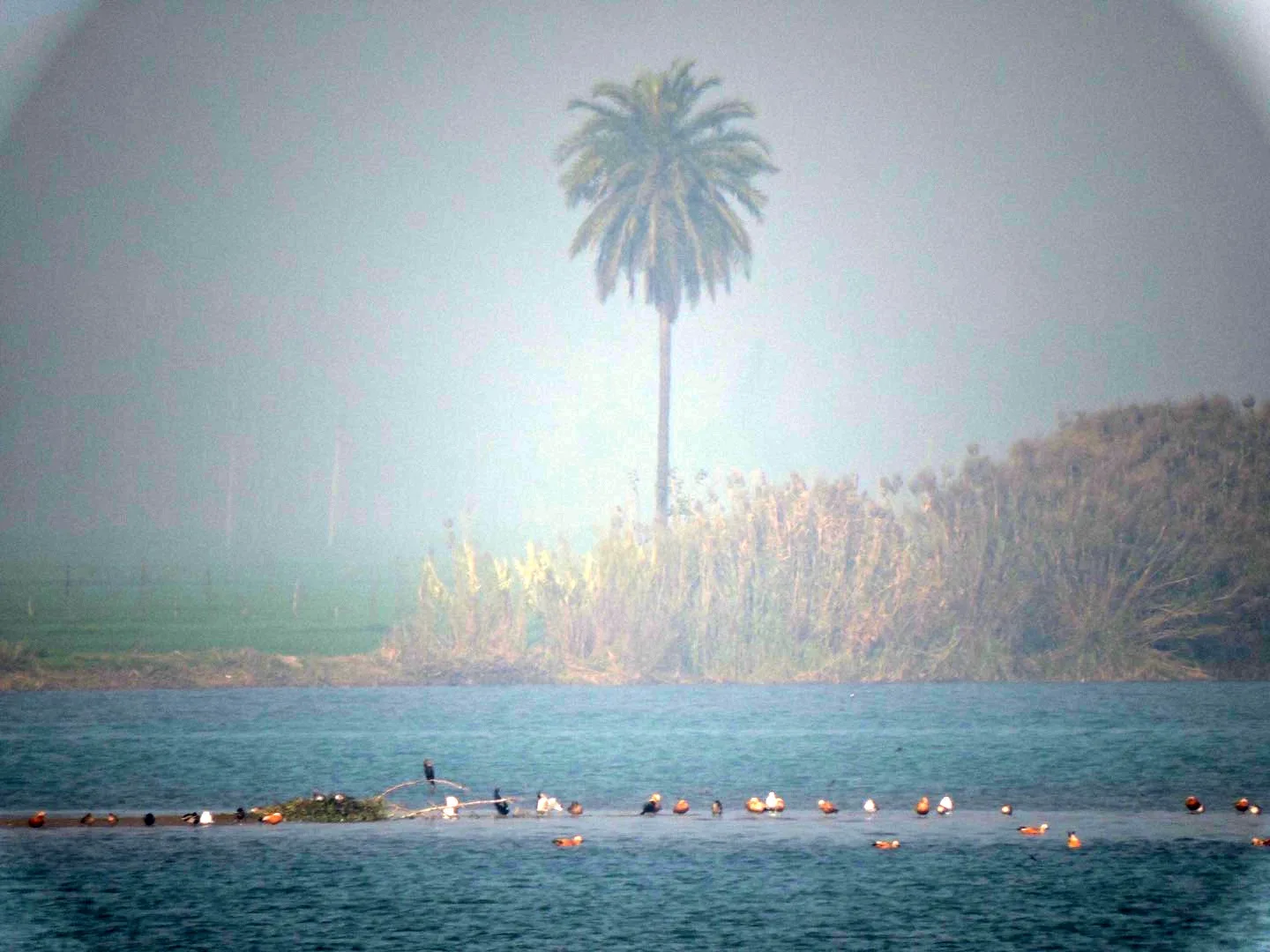
Ropar Wetland, in Punjab’s Rupnagar district, is a freshwater habitat formed by a river and lake. Visitors have come for birdwatching and boating, while its wildlife and Ramsar status are also notable.

Ludhiana

85 km away · Ludhiana district

Ludhiana

Ludhiana is Punjab’s most populous city and a major manufacturing and trading centre in northern India; visitors come for its industrial and commercial activity.

Anandpur Sahib

96 km away · Rupnagar district

Anandpur Sahib

Anandpur Sahib is a Punjab town closely connected with Sikh history and worship. Visitors come to its Takht, learn about the Khalsa’s founding and attend the spring Hola Mohalla gathering.

Map

Rurki on the map

  1. 1Patiala
  2. 2Aam Khas Bagh
  3. 3Fatehgarh Sahib
  4. 4Fateh Burj
  5. 5Sanghol
  6. 6Ropar Wetland
  7. 7Ludhiana
  8. 8Anandpur Sahib

Punjab

Other cities to explore