Ghumoopedia — Explore, Discover, Experience
Sign in
Sri Muktsar Sahib, near Faridkot

City guide · Punjab

Faridkot

Faridkot is an administrative and educational centre in south-western Punjab. It is the headquarters of Faridkot district and of a revenue division that includes Bathinda and Mansa.

Famous for

  • Baba Farid heritage
  • Quila Mubarak
  • Historic princely state
  • Baba Farid fair
  • Medical education institutions

Why Faridkot matters

Faridkot is an administrative and educational centre in south-western Punjab. It is the headquarters of Faridkot district and of a revenue division that includes Bathinda and Mansa. Its location on the Punjab plains and its road and rail links make it a service hub for nearby towns and farming communities. Agriculture remains important to the surrounding region, while public services and education are prominent in the city itself.

Visitors come chiefly for its connections with Baba Farid, the 13th-century Sufi saint, and for reminders of its princely-state past. Tilla Baba Farid and Gurdwara Godri Sahib are among the city’s important places of worship, while Quila Mubarak and other historic buildings give the old town a distinctive character. The annual Baba Farid fair adds a lively religious and cultural dimension. Faridkot is not a major shopping destination for specialist crafts, but its central markets offer a useful glimpse of everyday Punjabi city life. Its combination of devotional heritage, historic architecture and regional institutions makes it a worthwhile stop for travellers exploring the Malwa area.
Famous for: crafts, trade & products

Faridkot is better known for its heritage and institutions than for a signature textile, handicraft or GI-tagged product. It is not widely recognised as a specialist saree or craft-making centre. The city’s commercial life serves local residents and the agricultural communities around it, with shops and markets supplying everyday goods, clothing, household needs and farm-related necessities. The central bazaar and adjoining streets are practical places to browse, eat and see the rhythm of local trade; visitors looking for a particular craft or product should not expect a dedicated artisan district.

Agriculture is part of the wider regional economy, and local shops and food businesses reflect the tastes and needs of Punjab’s farming belt. Faridkot is also known for education and healthcare: Baba Farid University of Health Sciences is based here, alongside Guru Gobind Singh Medical College and Hospital. These institutions draw students, patients and visitors from across the region. For travellers, the city’s most distinctive “finds” are therefore its historic sites, religious landmarks and local food rather than a widely marketed craft or export product.

History

The settlement is traditionally traced to around 1200, when Raja Mokalsi, a Bhatti chief, is said to have founded a town called Mokalhar. Local tradition links its later name to Baba Farid, who is believed to have visited the area. Another account places the settlement’s founding in the 16th century, so the early story is not certain. The present town’s princely-state history took shape in 1763 under Hamir Singh. Faridkot was briefly controlled by Maharaja Ranjit Singh in the early 19th century and was restored to its ruling family in 1809 following British intervention.

The town expanded as the state capital from 1837. Its rulers built structures including Quila Mubarak, Raj Mahal and the Clock Tower. Irrigation from the Sirhind Canal branch helped support agriculture in the formerly arid region. Faridkot State joined PEPSU in 1948. The city became a district headquarters in 1972, and Faridkot became a revenue division in 1996, strengthening its modern administrative role.

Food, festivals & culture

Punjabi is the main language of daily life; Hindi is also understood in many settings. Food is rooted in the broader Punjabi tradition: visitors may find makki di roti and sarson da saag in the cooler months, along with parathas, dal, lassi and familiar sweets such as jalebi or pinni. Menus and availability vary by season and establishment, and the central market is a convenient place to sample everyday snacks and meals.

The city’s most distinctive annual celebration is the Baba Farid fair, usually held in September around the saint’s commemorative observances. It brings devotees and visitors to local shrines and is accompanied by religious gatherings and community activity. Sikh places of worship, including Gurdwara Godri Sahib, are central to the city’s devotional life; temples and other community shrines also serve residents. Punjabi folk music and dance, especially bhangra and giddha, are part of the wider regional culture and feature at festive and family occasions. The city’s heritage sites and places of worship offer a respectful way to encounter its religious and local traditions.

Visiting the city

October to March is generally the most comfortable season for exploring Faridkot; summers can be very hot, while monsoon weather may bring rain. The nearest airport is Bathinda Airport, though flight options can be limited; check current services before planning around it. Chandigarh International Airport is another option for broader connections. Faridkot railway station serves the city, with onward journeys possible by road.

Auto-rickshaws and local taxis are useful for getting between the station, central markets and attractions. The old town around Quila Mubarak and the central bazaar is a good area to explore on foot, while Tilla Baba Farid and Gurdwara Godri Sahib are key stops for visitors interested in religious heritage. Allow time for travel between sites, and dress respectfully when entering places of worship.

Trips from the city

Nearest places to visit from Faridkot

Our closest destination guides, by straight-line distance.

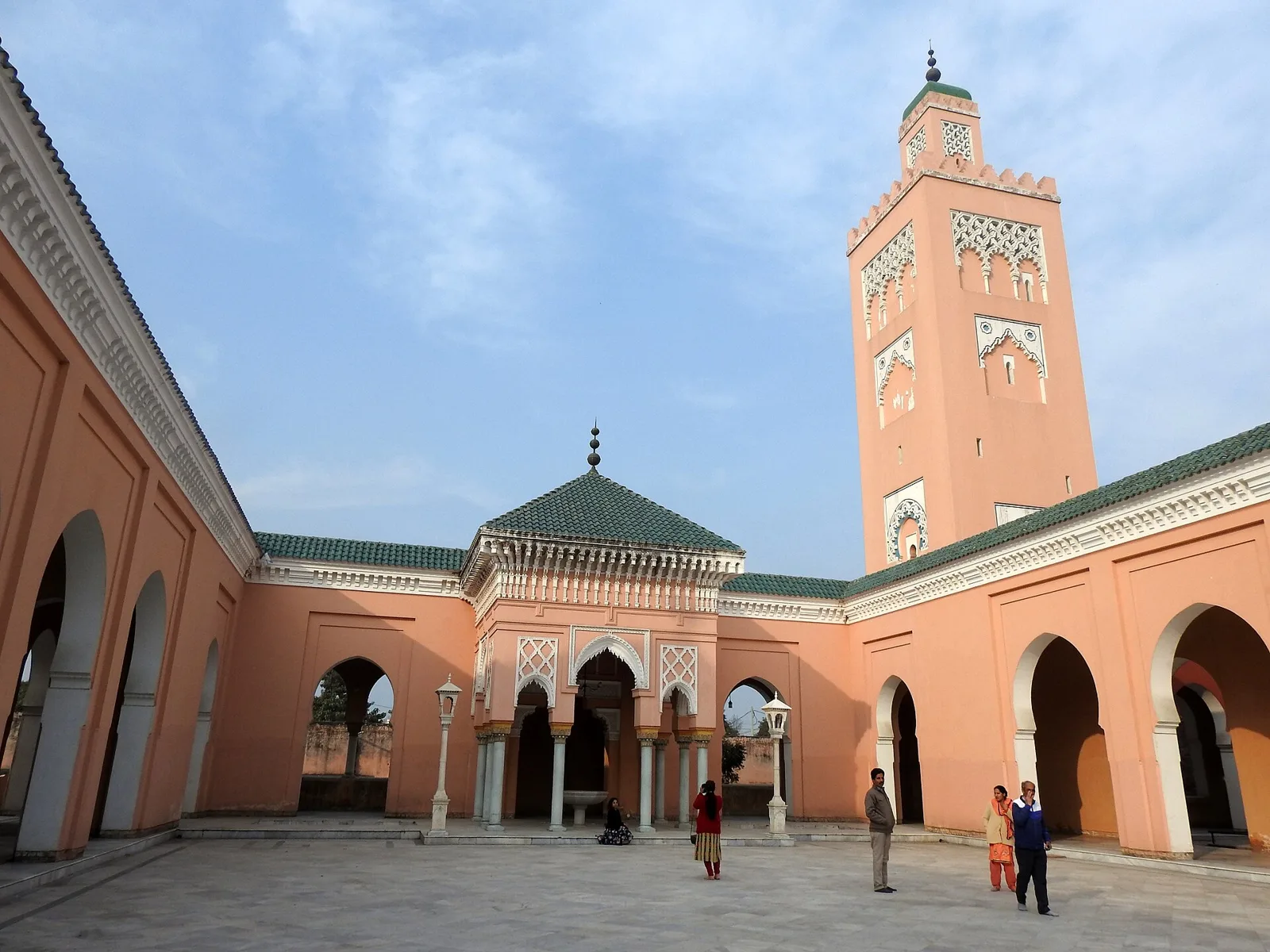
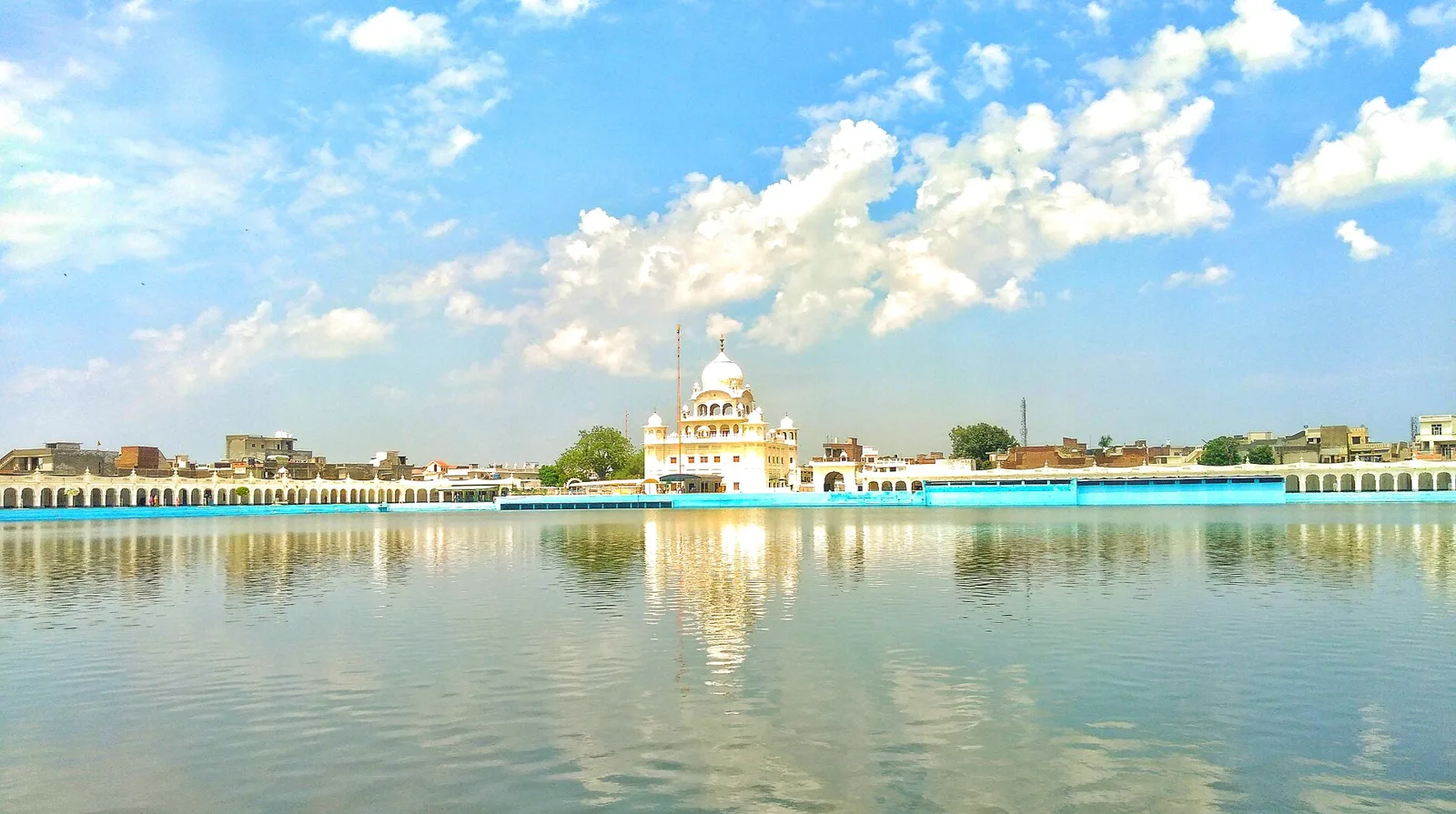
Sri Muktsar Sahib

32 km away · Sri Muktsar Sahib district

Sri Muktsar Sahib

Sri Muktsar Sahib, a city in Punjab, draws interest for its Sikh history and connection to the 1705 Battle of Muktsar; it also serves as a district centre.

Hussainiwala

41 km away · Firozpur district

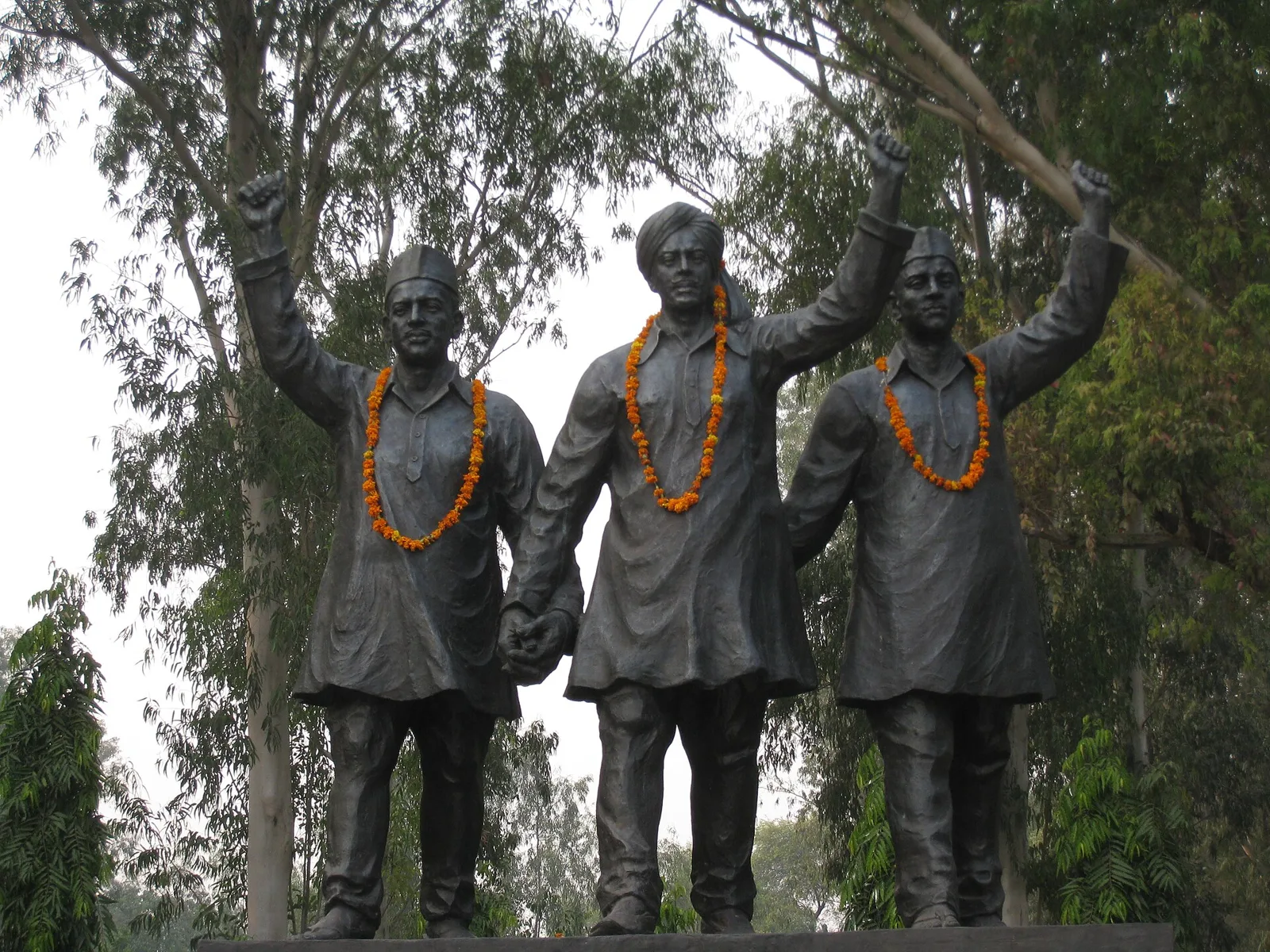
Hussainiwala

Hussainiwala is a village in Punjab’s Firozpur district, visited for its memorial to Bhagat Singh, Sukhdev Thapar and Shivaram Rajguru, and the daily India–Pakistan retreat ceremony.

Bathinda

53 km away · Bathinda district

Bathinda

Bathinda is a city in Punjab’s Malwa region and the administrative centre of its district. Visitors can explore the historic Qila Mubarak fort, and the city also has a zoo and major educational institutions.

Qila Mubarak

55 km away · Bathinda district

Qila Mubarak

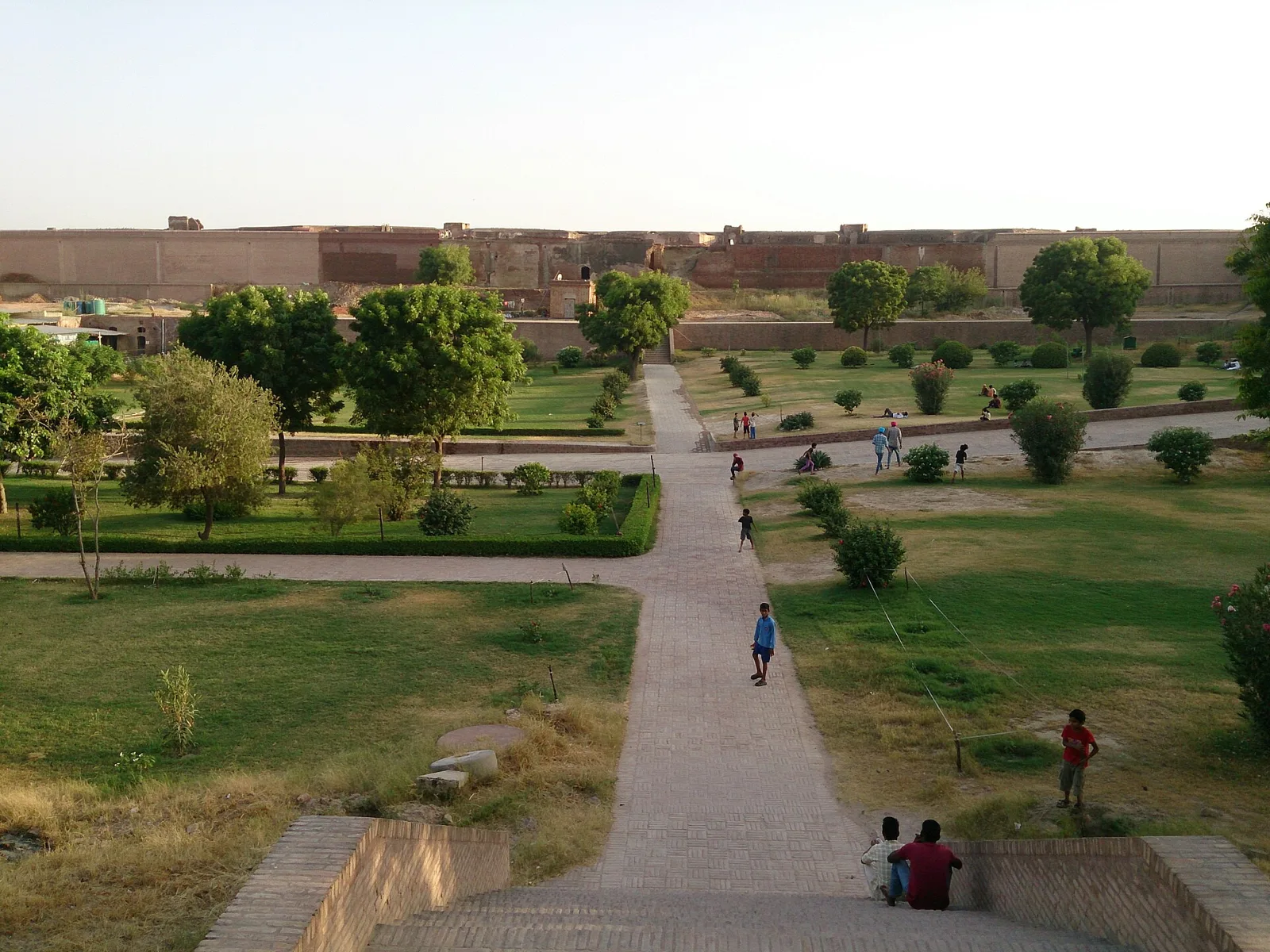
Qila Mubarak is a historic fortress in Bathinda, known for its long past and its association with Razia Sultan. Visitors can see its lawns and gurdwaras, while much of the fort is closed to the public.

Harike Wetland

57 km away · Tarn Taran district

Harike Wetland

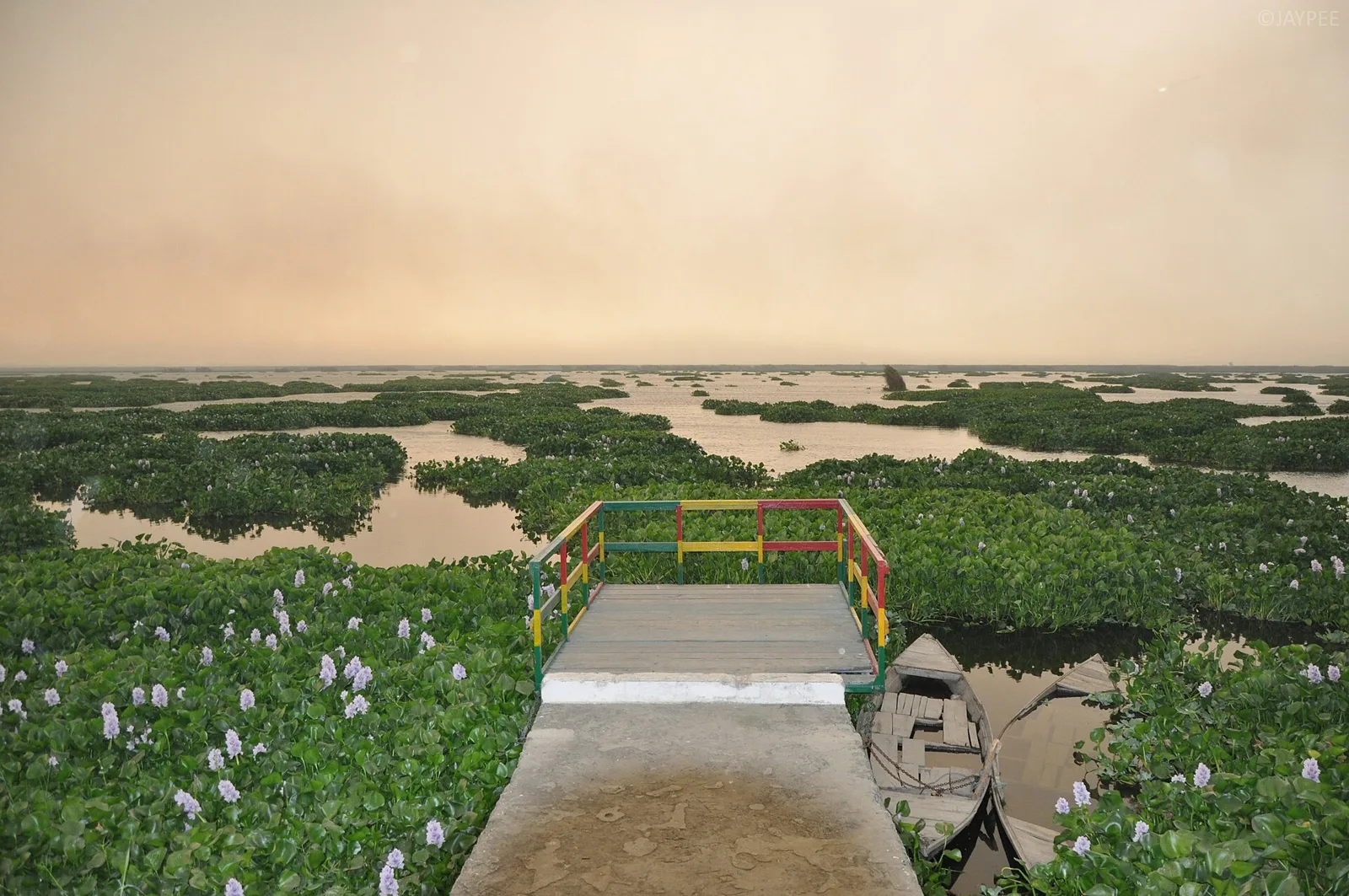
Harike Wetland is a Ramsar-listed lake and marsh complex in Punjab, created near the Beas–Sutlej confluence. Visitors come to see its diverse wetland habitat and migratory waterbirds, including threatened species.

Sultanpur Lodhi

73 km away · Kapurthala district

Sultanpur Lodhi

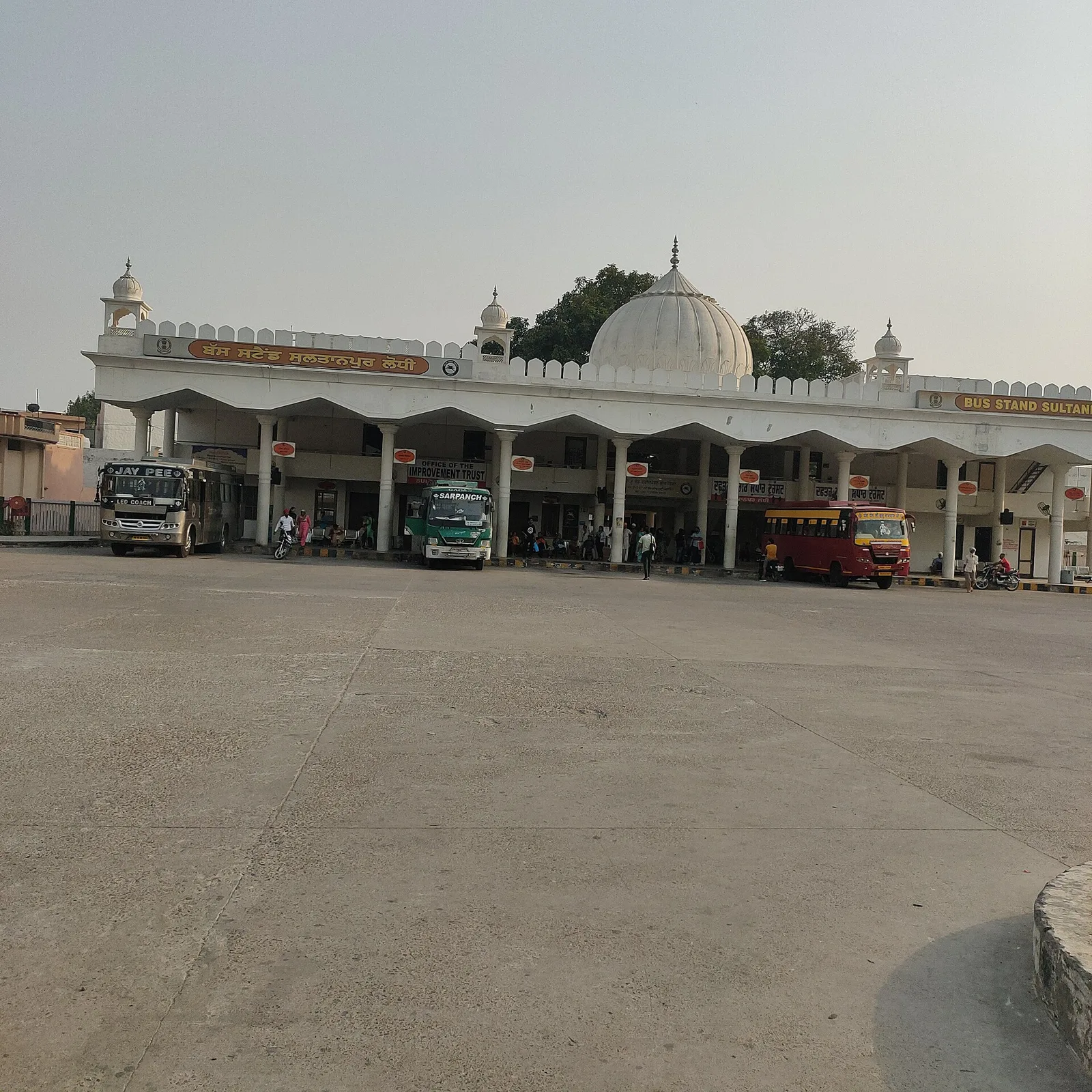
Sultanpur Lodhi is a town in Punjab’s Kapurthala district, with historical links to Bahlul Khan Lodi and a mention in the Ain-e-Akbari that give visitors reasons to explore its past.

Takht Sri Damdama Sahib

82 km away · Bathinda district

Takht Sri Damdama Sahib

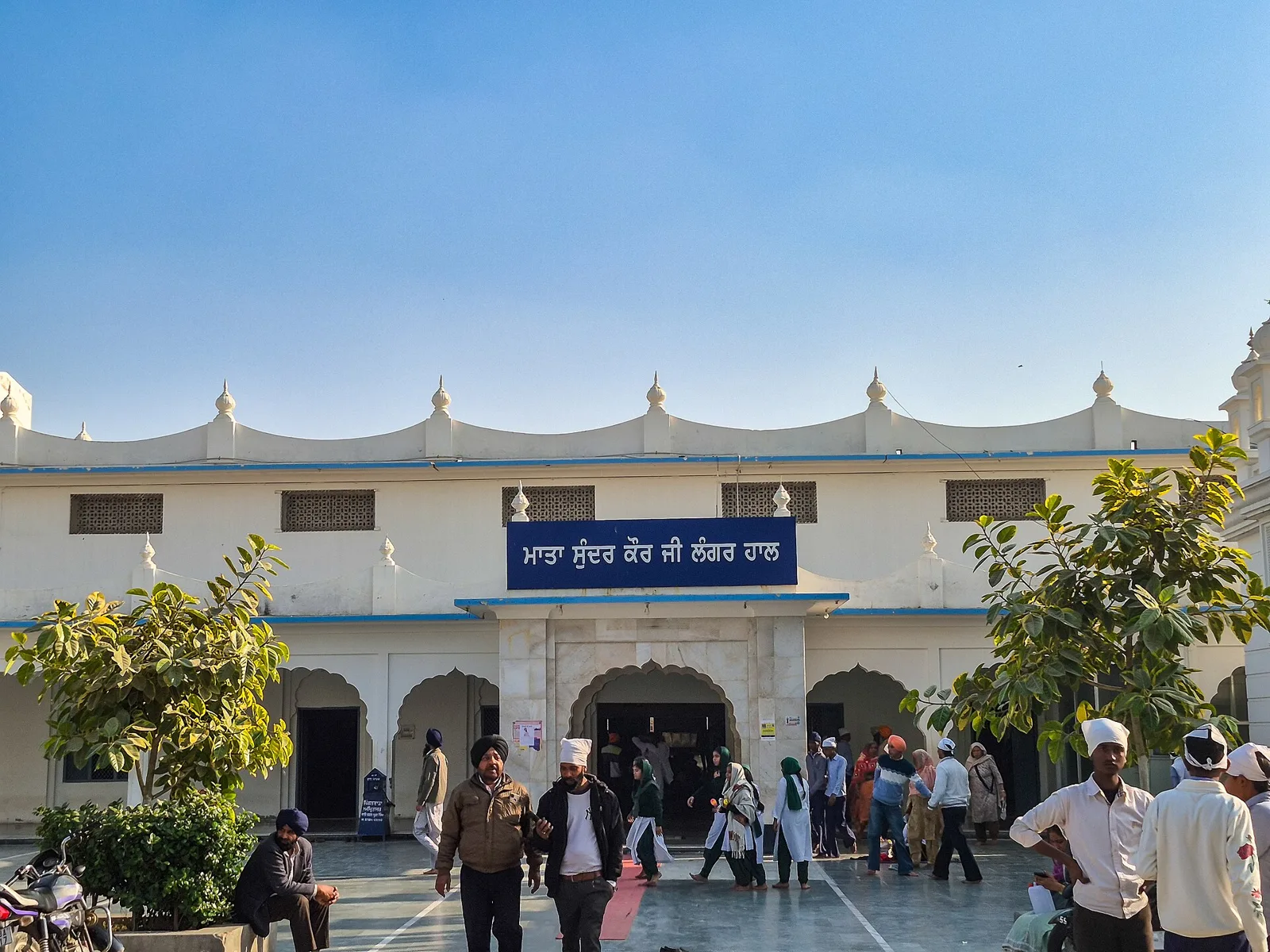
Takht Sri Damdama Sahib is a Sikh centre of temporal authority in Talwandi Sabo, visited for its connection with Guru Gobind Singh’s preparation of Sri Guru Granth Sahib.

Kapurthala

98 km away · Kapurthala district

Kapurthala

Kapurthala is a Punjab city and former princely-state capital, noted for French and Indo-Saracenic architecture. Visitors come to see its palaces, gardens and historic character.

Map

Faridkot on the map

  1. 1Sri Muktsar Sahib
  2. 2Hussainiwala
  3. 3Bathinda
  4. 4Qila Mubarak
  5. 5Harike Wetland
  6. 6Sultanpur Lodhi
  7. 7Takht Sri Damdama Sahib
  8. 8Kapurthala

Punjab

Other cities to explore