Ghumoopedia — Explore, Discover, Experience
Sign in
Fatehgarh Sahib, near Gobindgarh

City guide · Punjab

Gobindgarh

Mandi Gobindgarh, often called Gobindgarh, is an industrial town in Fatehgarh Sahib district, Punjab. Its identity is closely tied to steelmaking: rolling mills, steel units and the trade in metal have earned it the names “Steel City of Punjab” and “Loha Mandi.” The town is an important manufacturing and commercial centre on the Grand Trunk Road, linking it with other cities in Punjab and the wider north Indian market.

Famous for

  • Punjab’s steel industry
  • Steel rolling mills
  • Loha Mandi trade
  • Guru Hargobind tradition
  • Gurudwara near the station

Why Gobindgarh matters

Mandi Gobindgarh, often called Gobindgarh, is an industrial town in Fatehgarh Sahib district, Punjab. Its identity is closely tied to steelmaking: rolling mills, steel units and the trade in metal have earned it the names “Steel City of Punjab” and “Loha Mandi.” The town is an important manufacturing and commercial centre on the Grand Trunk Road, linking it with other cities in Punjab and the wider north Indian market.

For visitors, Gobindgarh offers a different perspective on Punjab from its better-known religious and heritage destinations. Its industrial landscape and busy trading areas reveal how a specialised industry shapes everyday life and the local economy. Sikh tradition also connects the town with Guru Hargobind, who is said to have stayed by Barhi Dhab; a gurdwara near the railway station commemorates this association. The town is a practical stop for those interested in Punjab’s steel trade, as well as a base for exploring the surrounding district.
Famous for: crafts, trade & products

Gobindgarh is best known for steel production and trade rather than a signature textile or handicraft. Its industrial area is associated with steel rolling mills and units that process metal into products used in construction and manufacturing. The local market is often described as a loha mandi, reflecting the importance of steel and metal trading to the town. Buyers looking for steel products should contact or visit relevant industrial and wholesale businesses, rather than expect a dedicated tourist craft bazaar.

The Grand Trunk Road corridor and the town’s industrial and commercial districts are the main places to observe this trade. Small shops and local markets serve everyday needs, while the steel sector operates through mills, dealers and workshops. Gobindgarh is not especially known for a GI-tagged product or a major craft tradition, and visitors should not expect the range of artisan goods found in Punjab’s craft centres. Its most distinctive local “product” is the output of its steel industry, which gives the town its character and connects it to regional supply networks.

History

Local Sikh tradition associates Gobindgarh with Guru Hargobind, the sixth Sikh Guru, who is said to have stayed near Barhi Dhab in 1646. The story links the place’s name to the Guru and to a prediction that it would one day become a centre for steel. A gurdwara near the railway station commemorates this association.

Modern industrial development began under the rulers of Nabha, the princely state to which the town then belonged. In 1902, Maharaja Hira Singh ordered industrial units to be established, and Maharaja Partap Singh later continued development. In 1928, Gobindgarh was designated a free-trade zone for steel, helping its metal trade expand. Workshops followed along the Grand Trunk Road, with land made available to local blacksmiths in the early 1940s. The town once had four gates, closed at sunset; they were demolished in 1950. Over time, mills and metal businesses transformed it into a major industrial centre.

Food, festivals & culture

Punjabi is the everyday language, while Hindi is also widely understood. Food reflects the broader Punjabi kitchen: visitors can look for makki di roti and sarson da saag in season, along with dal, chole, parathas and familiar milk-based sweets such as jalebi or pinni. Menus vary between establishments, and the town is more strongly associated with industry than with a distinctive regional dish.

Lohri, usually celebrated in January, marks the winter season with bonfires, song and community gatherings. Baisakhi in spring is an important Sikh festival and harvest celebration; Gurpurabs honouring Sikh Gurus are observed according to the religious calendar. Diwali is also widely celebrated in autumn. Bhangra and giddha are familiar Punjabi performance traditions, especially at weddings and festivals. Sikh gurdwaras and Hindu temples serve local worshippers, while the gurdwara near the railway station is a notable place for visitors interested in the town’s association with Guru Hargobind.

Visiting the city

Autumn through early spring is generally the most comfortable time to visit, as summers in Punjab can be very hot. The nearest major airport is Shaheed Bhagat Singh International Airport in Chandigarh. The town’s railway station is Mandi Gobindgarh railway station; check current connections before travelling.

Auto-rickshaws and local taxis are practical for getting around, while the Grand Trunk Road provides access to the main commercial and industrial areas. The steel-market and mill districts give a sense of the town’s working identity. Visitors can also explore the town centre and the gurdwara near the station, keeping in mind that industrial premises may not be open for casual visits. For wider sightseeing, use Gobindgarh as a base to explore other towns and heritage sites in Fatehgarh Sahib district.

Trips from the city

Nearest places to visit from Gobindgarh

Our closest destination guides, by straight-line distance.

Fatehgarh Sahib

9 km away · Fatehgarh Sahib district

Fatehgarh Sahib

Fatehgarh Sahib is a city in Punjab and a Sikh pilgrimage centre, visited for its historic gurdwaras and its connection with the martyrdom of Guru Gobind Singh’s young sons.

Aam Khas Bagh

10 km away · Fatehgarh Sahib district

Aam Khas Bagh

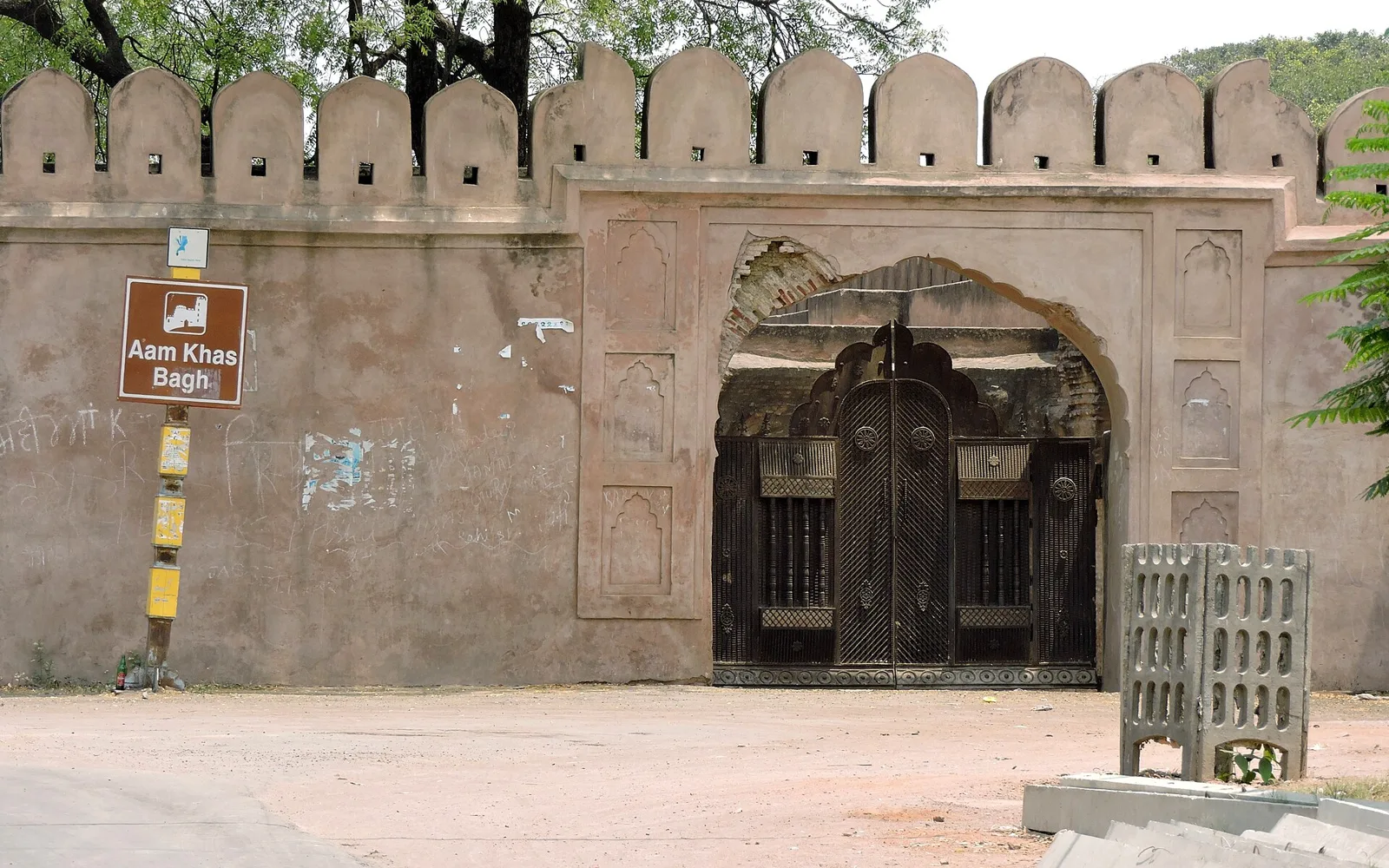
Aam Khas Bagh is a surviving Mughal-era roadside inn complex in Punjab’s Fatehgarh Sahib district, visited for its history as accommodation on the Delhi–Lahore route.

Sanghol

15 km away · Fatehgarh Sahib district

Sanghol

Sanghol, also called Uchha Pind Sanghol, is a village in Punjab’s Fatehgarh Sahib district with roots in the Harappan civilisation. Visitors come to see its excavated Buddhist and Kushan remains and the museum collections.

Fateh Burj

35 km away · Mohali district

Fateh Burj

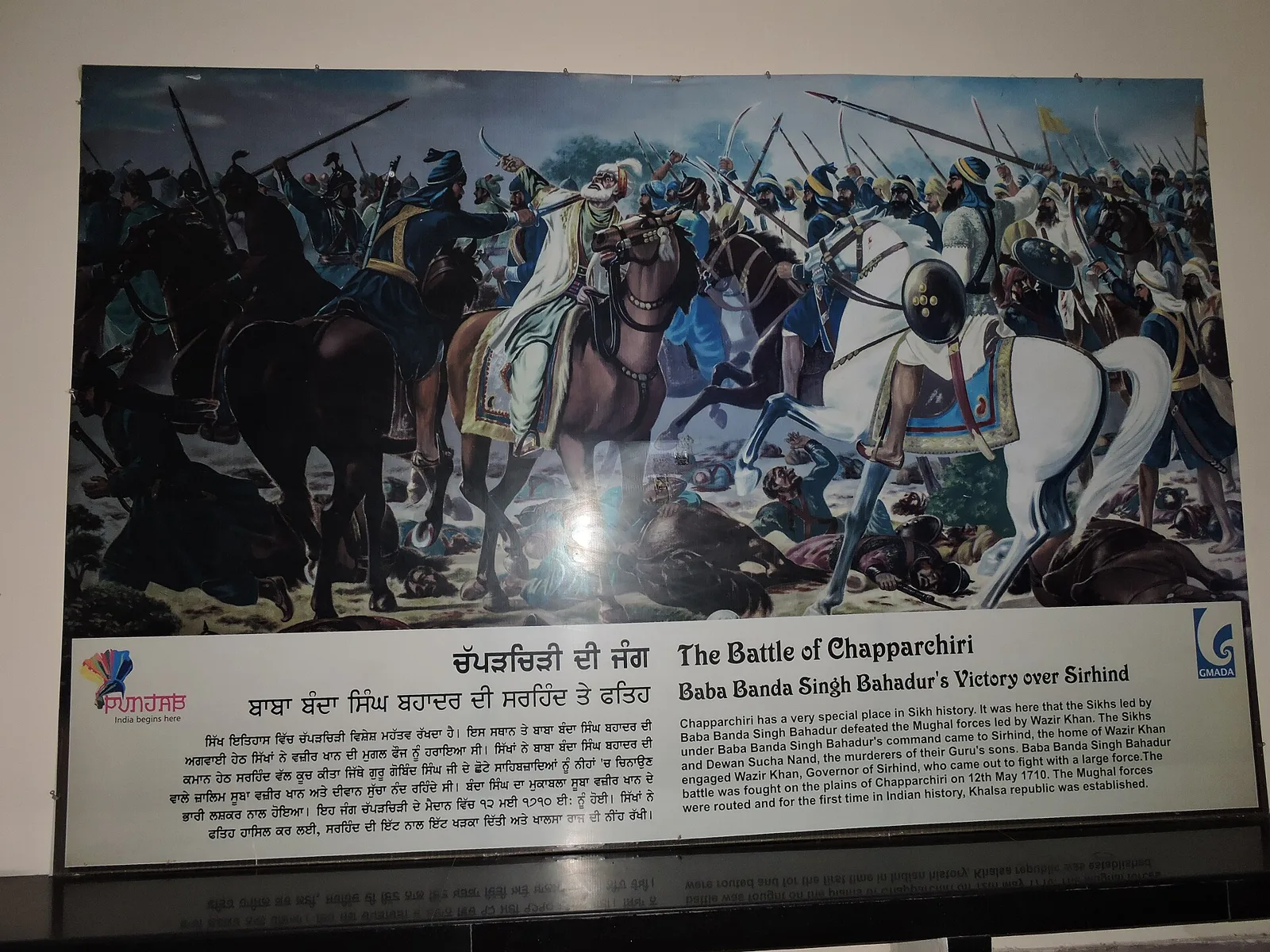
Fateh Burj is a 100-metre victory monument at Chappar Chiri in Punjab’s Mohali district. People visit to see a tower commemorating the Sikh Misls and Banda Singh Bahadur’s decisive battle.

Patiala

38 km away · Patiala district

Patiala

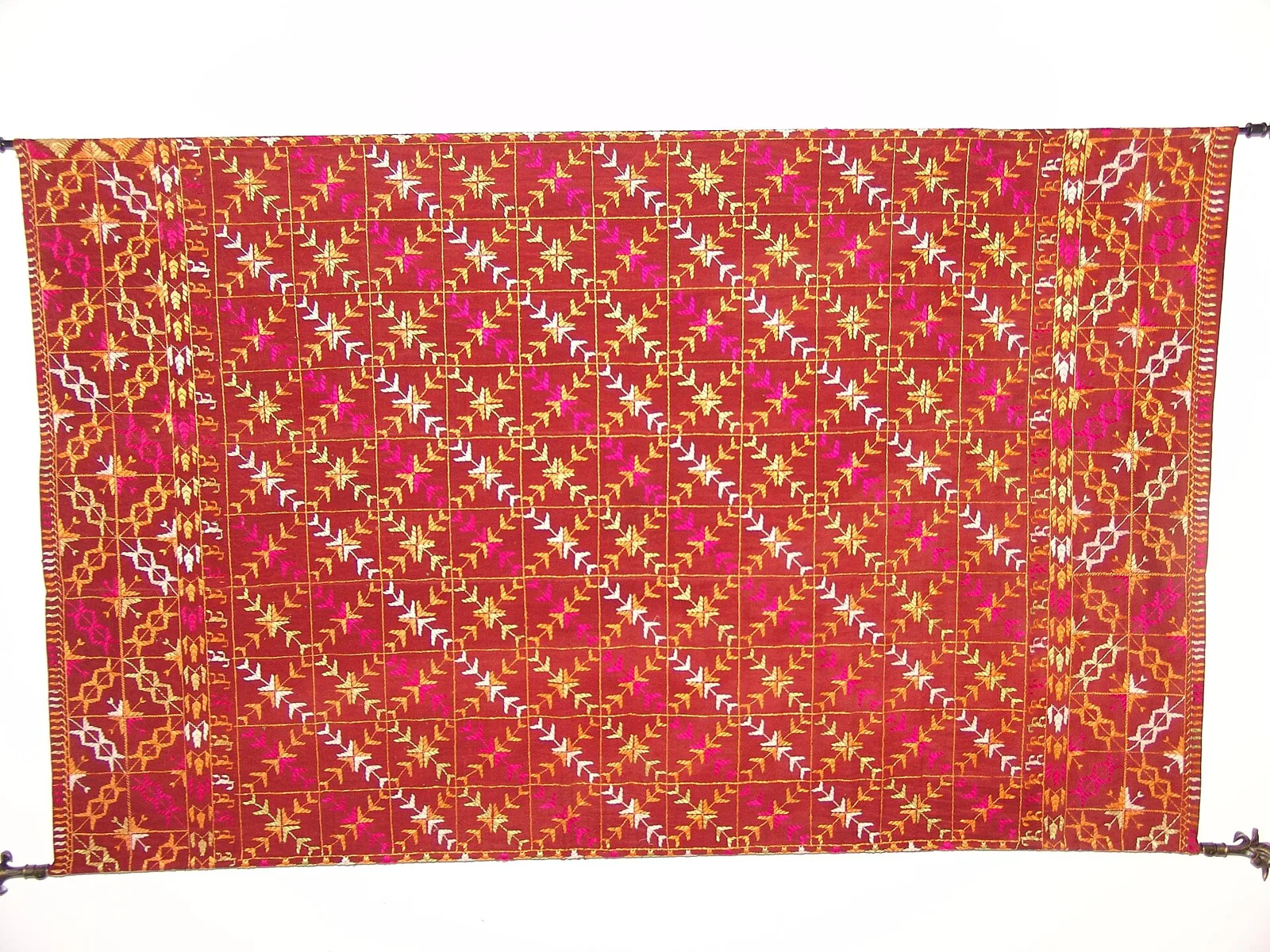
Patiala is a city in southeastern Punjab and the administrative centre of its district. People visit for its royal history, Qila Mubarak and distinctive clothing, footwear and cultural traditions.

Ropar Wetland

43 km away · Rupnagar district

Ropar Wetland

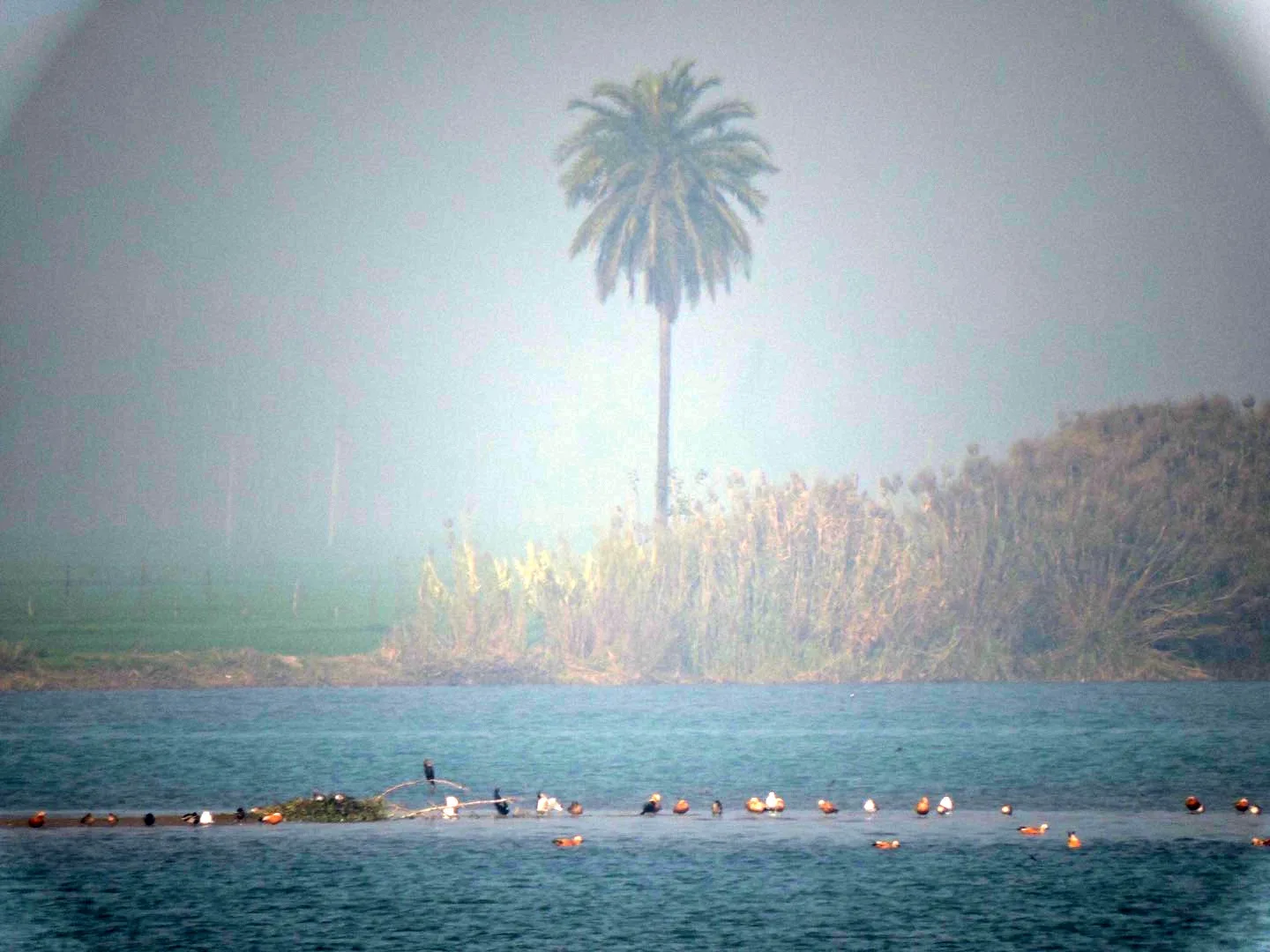
Ropar Wetland, in Punjab’s Rupnagar district, is a freshwater habitat formed by a river and lake. Visitors have come for birdwatching and boating, while its wildlife and Ramsar status are also notable.

Ludhiana

51 km away · Ludhiana district

Ludhiana

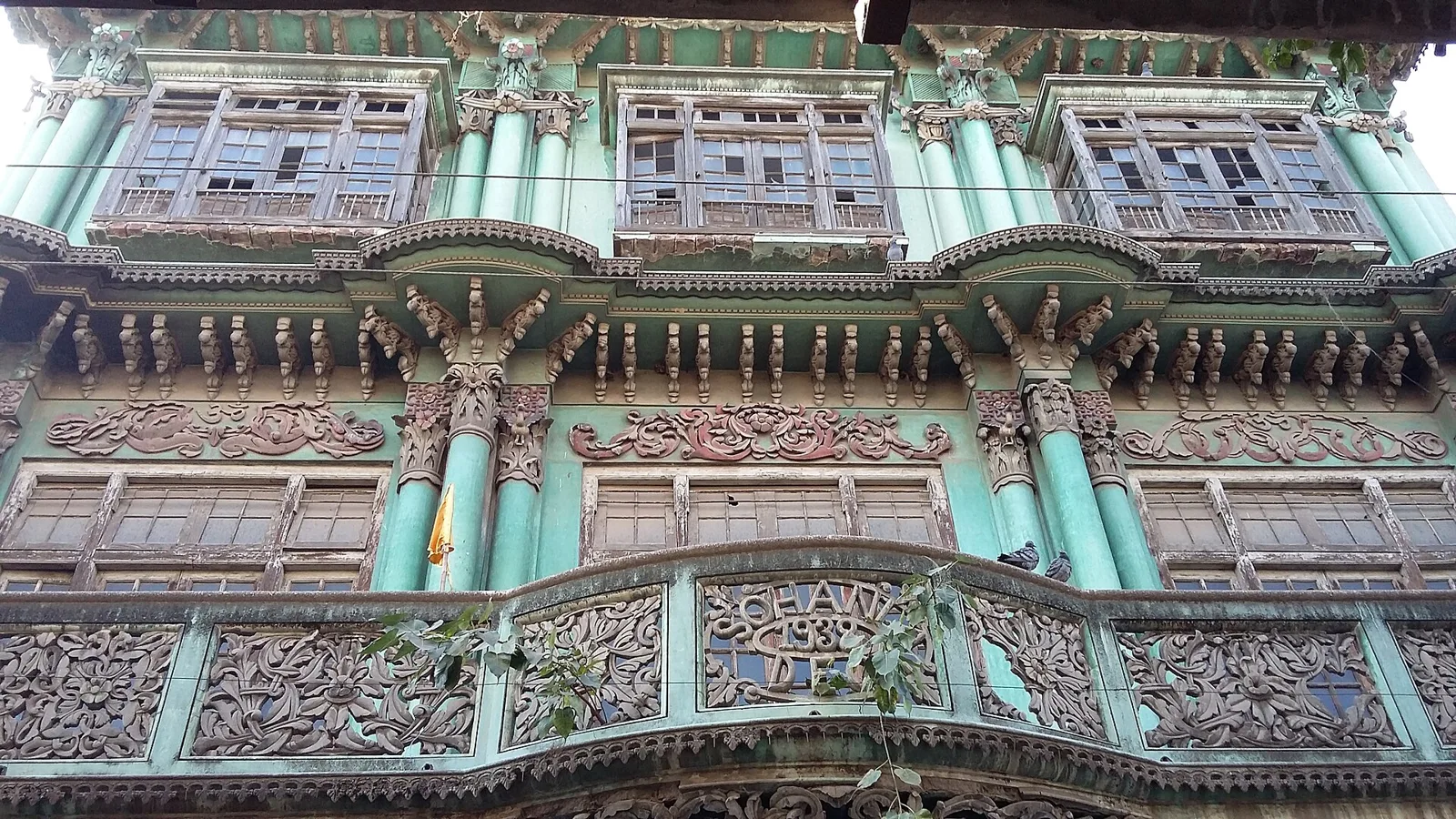
Ludhiana is Punjab’s most populous city and a major manufacturing and trading centre in northern India; visitors come for its industrial and commercial activity.

Phillaur Fort

62 km away · Ludhiana district

Phillaur Fort

Known also as Maharaja Ranjit Singh Fort, Phillaur Fort is a fort in Punjab that visitors can see on the Grand Trunk Road at Phillaur.

Map

Gobindgarh on the map

  1. 1Fatehgarh Sahib
  2. 2Aam Khas Bagh
  3. 3Sanghol
  4. 4Fateh Burj
  5. 5Patiala
  6. 6Ropar Wetland
  7. 7Ludhiana
  8. 8Phillaur Fort

Punjab

Other cities to explore