Ghumoopedia — Explore, Discover, Experience
Sign in
Patiala, near Sangrur

City guide · Punjab

Sangrur

Sangrur is a district headquarters in Punjab’s Malwa region, serving as an administrative, commercial and service centre for nearby towns and rural communities. Its importance today comes from this regional role, supported by agriculture, local trade and public institutions.

Famous for

  • Banasar Bagh and Sheesh Mahal
  • Jind princely-state heritage
  • Nanakiana Sahib gurdwara
  • Regional grain markets
  • Homi Bhabha Cancer Hospital

Why Sangrur matters

Sangrur is a district headquarters in Punjab’s Malwa region, serving as an administrative, commercial and service centre for nearby towns and rural communities. Its importance today comes from this regional role, supported by agriculture, local trade and public institutions. The city also has a notable place in Punjab’s princely-state history: it was the capital of the former Jind State, and remnants of that era give the older parts of town a distinctive character.

Visitors can explore Banasar Bagh, a historic garden associated with the Jind rulers, and its Sheesh Mahal, as well as the city’s traditional gates and places of worship. Sangrur is not a large-scale tourist hub, but it offers a useful introduction to everyday life in Malwa and makes a practical base for exploring the surrounding district. Its healthcare institutions include PGIMER Satellite Centre Sangrur and Homi Bhabha Cancer Hospital, established by Tata Memorial Centre in collaboration with the Punjab government. These facilities also serve people from beyond the city.
Famous for: crafts, trade & products

Sangrur’s identity is closely tied to the agricultural economy of Malwa. Grain and other farm produce move through the city’s trading network, while local shops and markets supply surrounding villages with household goods, clothing and farm-related items. Central market streets are the best place to browse everyday Punjabi clothing, fabrics, footwear and local provisions. The city is not especially associated with a single signature textile, craft or GI-tagged product, so visitors should not expect a distinct Sangrur-only souvenir tradition.

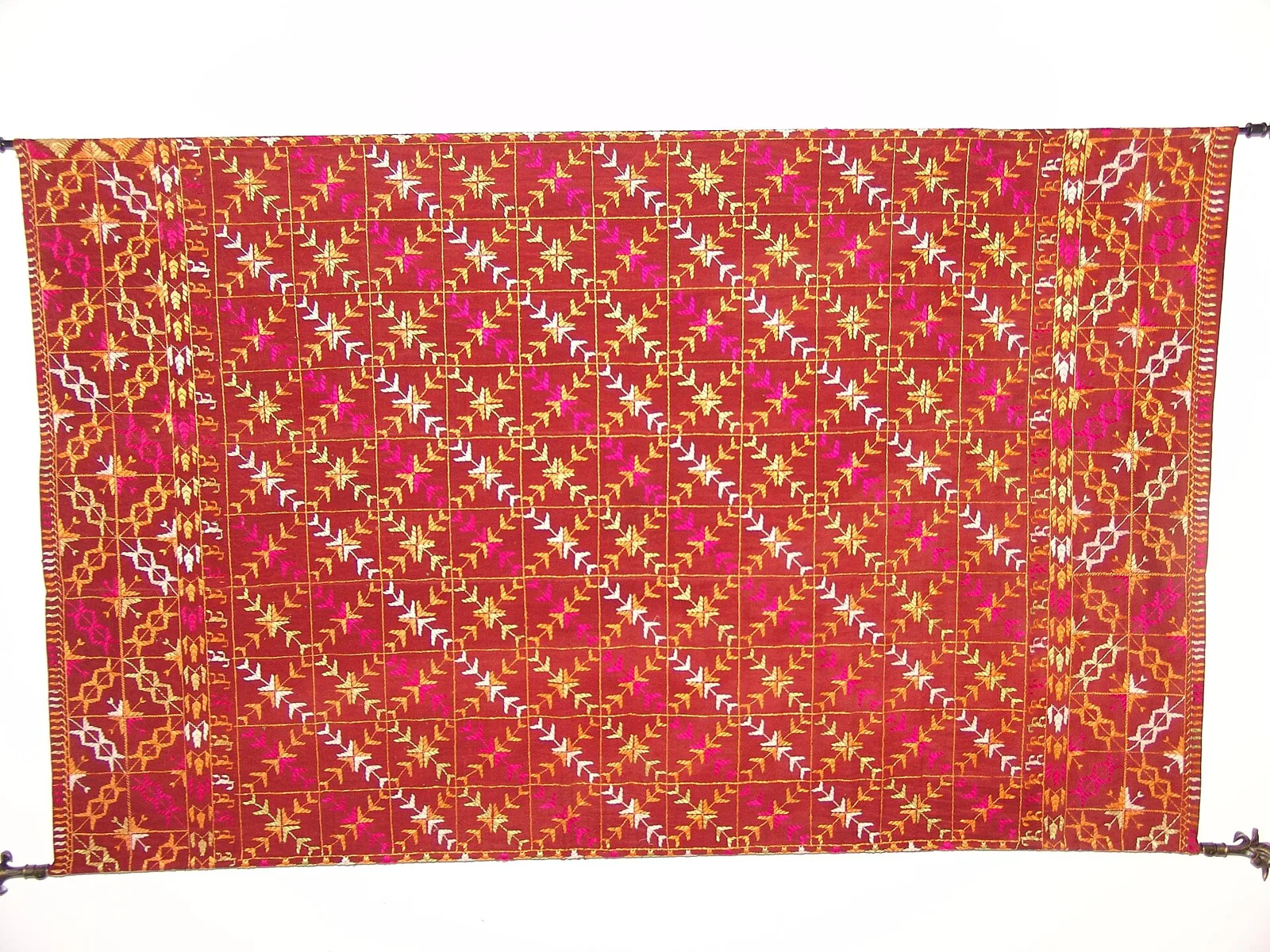
Phulkari embroidery, Punjabi suits and traditional juttis can be found through regional clothing and handicraft sellers, although these are part of a wider Punjabi tradition rather than products unique to Sangrur. Agriculture also supports grain handling, rice milling and related commerce in the wider area. For a different kind of institutional profile, Sangrur is known for major healthcare facilities: PGIMER Satellite Centre Sangrur and Homi Bhabha Cancer Hospital, developed by Tata Memorial Centre with the Punjab government. Banasar Bagh and Sheesh Mahal are among the city’s best-known heritage sites, rather than shopping destinations.

History

Sangrur developed as an important town under the Jind princely state, one of the Sikh-ruled Phulkian states of the Punjab region. It served as the state’s capital, and the town’s historic layout and surviving gates reflect its former administrative and royal importance. Banasar Bagh and its Sheesh Mahal are associated with the Jind rulers and remain reminders of that period. The garden’s design and buildings offer a glimpse of the courtly landscape that once stood apart from the surrounding market town.

During British rule, Jind remained a princely state under British paramountcy rather than becoming a directly administered district. After independence, the princely states of the region were integrated into the Patiala and East Punjab States Union. Sangrur subsequently continued as an administrative centre, and it became the headquarters of Sangrur district in reorganized Punjab. The creation of the present-day Punjab state in 1966 reinforced the city’s role in district administration. Modern growth has added commercial activity, transport links and public services to its historic core.

Food, festivals & culture

Punjabi is the principal language of daily life, with the Malwai form of Punjabi common in the region; Hindi is also understood in many settings. Local meals draw on the wider food traditions of Punjab, with breads, lentils, seasonal vegetables, dairy and lassi familiar on household and restaurant menus. Sweets such as jalebi, ladoo and pinni are often enjoyed at family gatherings and festive occasions, though offerings vary between shops and seasons.

Vaisakhi in spring celebrates the harvest and has special importance in Sikh tradition. Lohri, in midwinter, is marked with bonfires and seasonal songs, while Gurpurabs are observed at gurdwaras throughout the year. Diwali is also widely celebrated in autumn. Folk performance traditions of Malwa and Punjab include lively bhangra and the women’s dance giddha, accompanied by regional songs and dhol rhythms. Gurdwaras, temples and other neighbourhood places of worship form an important part of community life; Nanakiana Sahib is among the area’s notable Sikh religious sites.

Visiting the city

October to March is generally the most comfortable period to visit, with cooler weather for walking around the historic centre and Banasar Bagh. Summers can be very hot, while the monsoon brings periods of rain. The nearest major airport with broader scheduled connections is Chandigarh International Airport; Ludhiana’s Sahnewal airfield is closer but has more limited services, so check current flight options before travelling. Sangrur Railway Station is the main rail stop in the city, with Dhuri serving as an important nearby junction.

Auto-rickshaws and local taxis are useful for getting around, while central areas can be explored on foot. Consider the old town and its historic gates, the central market streets, Banasar Bagh and Sheesh Mahal, and Nanakiana Sahib. Confirm local access conditions before setting out for religious or heritage sites.

Trips from the city

Nearest places to visit from Sangrur

Our closest destination guides, by straight-line distance.

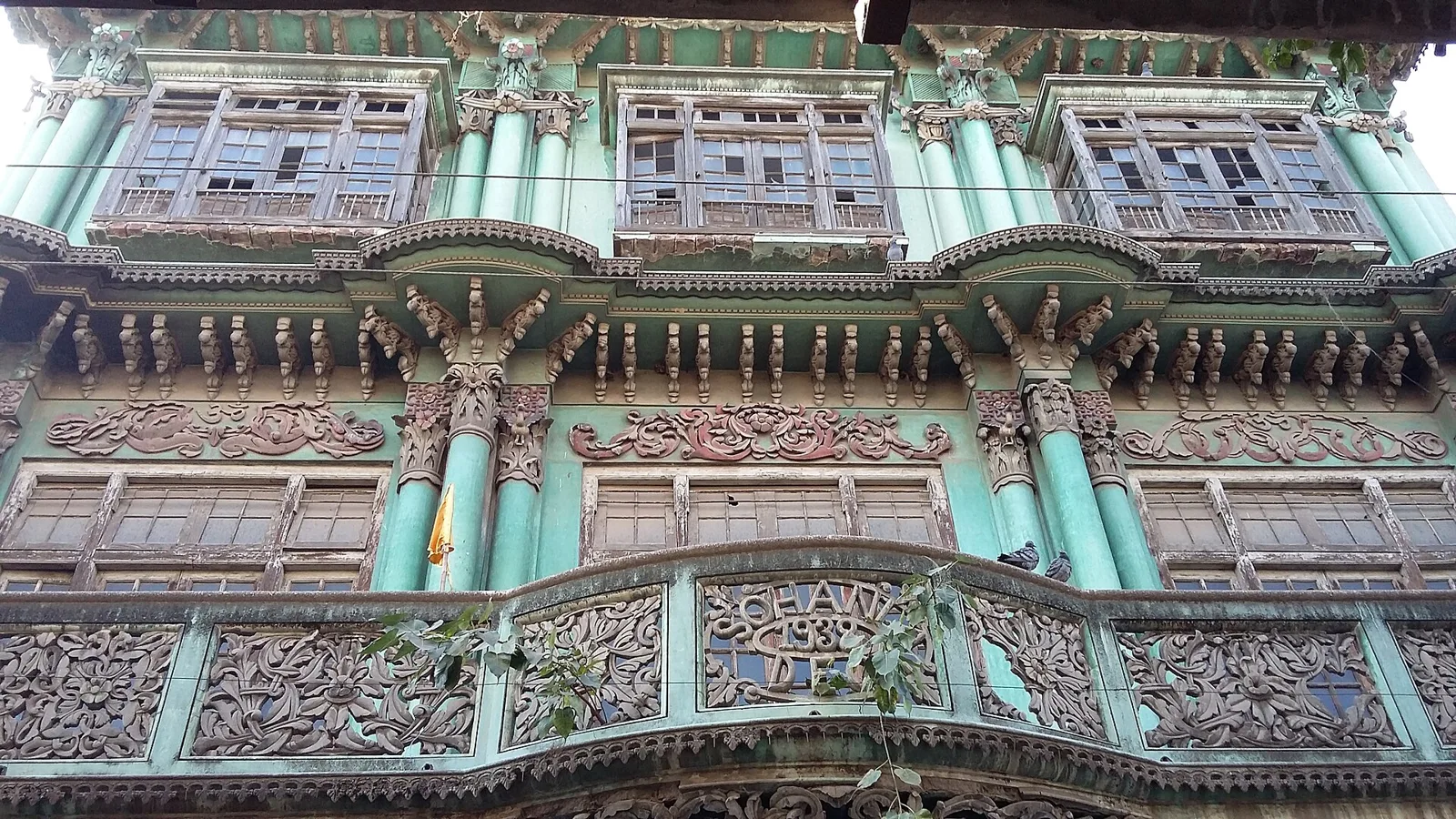
Patiala

54 km away · Patiala district

Patiala

Patiala is a city in southeastern Punjab and the administrative centre of its district. People visit for its royal history, Qila Mubarak and distinctive clothing, footwear and cultural traditions.

Aam Khas Bagh

69 km away · Fatehgarh Sahib district

Aam Khas Bagh

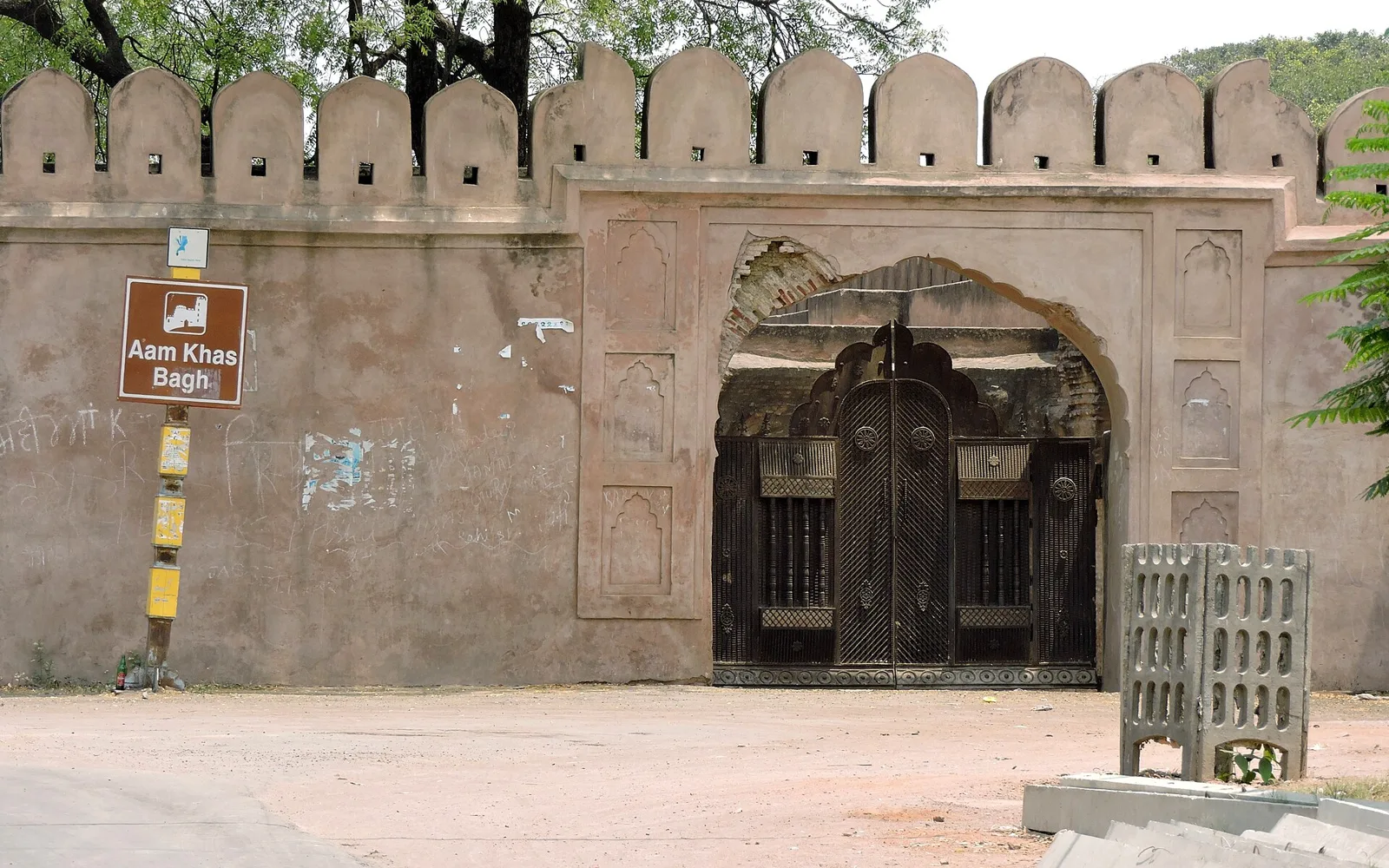
Aam Khas Bagh is a surviving Mughal-era roadside inn complex in Punjab’s Fatehgarh Sahib district, visited for its history as accommodation on the Delhi–Lahore route.

Fatehgarh Sahib

69 km away · Fatehgarh Sahib district

Fatehgarh Sahib

Fatehgarh Sahib is a city in Punjab and a Sikh pilgrimage centre, visited for its historic gurdwaras and its connection with the martyrdom of Guru Gobind Singh’s young sons.

Ludhiana

74 km away · Ludhiana district

Ludhiana

Ludhiana is Punjab’s most populous city and a major manufacturing and trading centre in northern India; visitors come for its industrial and commercial activity.

Sanghol

79 km away · Fatehgarh Sahib district

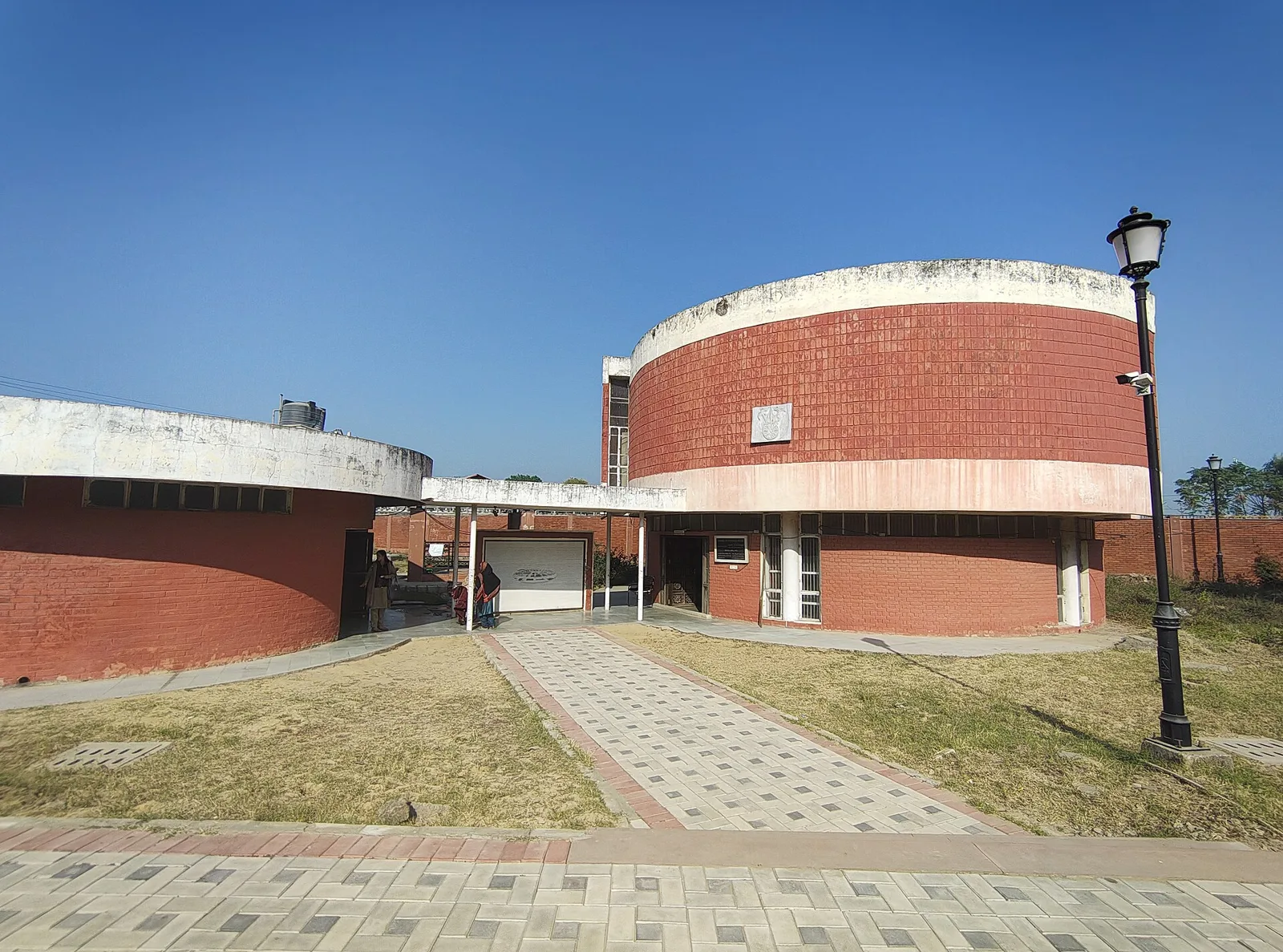
Sanghol

Sanghol, also called Uchha Pind Sanghol, is a village in Punjab’s Fatehgarh Sahib district with roots in the Harappan civilisation. Visitors come to see its excavated Buddhist and Kushan remains and the museum collections.

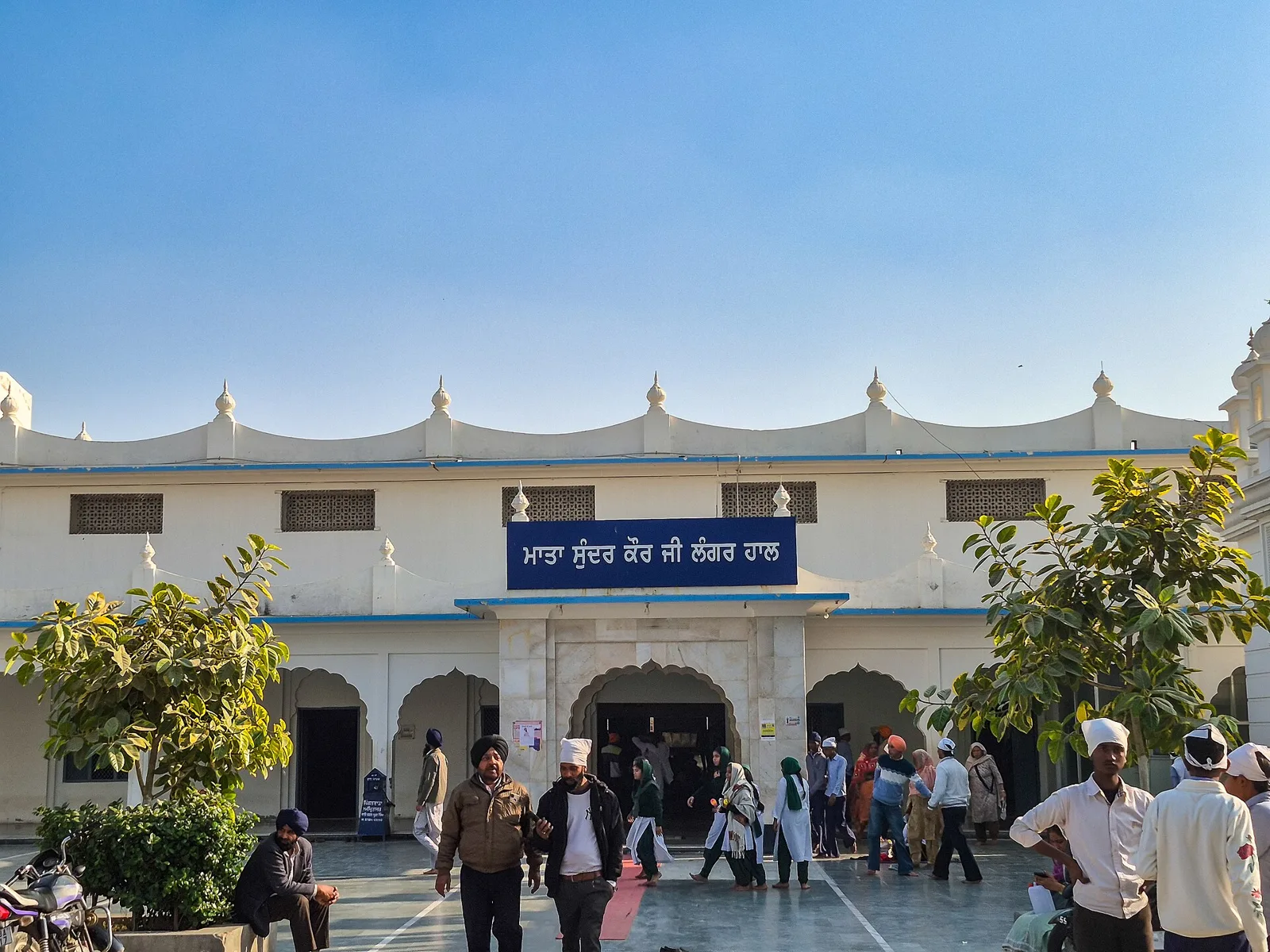
Takht Sri Damdama Sahib

79 km away · Bathinda district

Takht Sri Damdama Sahib

Takht Sri Damdama Sahib is a Sikh centre of temporal authority in Talwandi Sabo, visited for its connection with Guru Gobind Singh’s preparation of Sri Guru Granth Sahib.

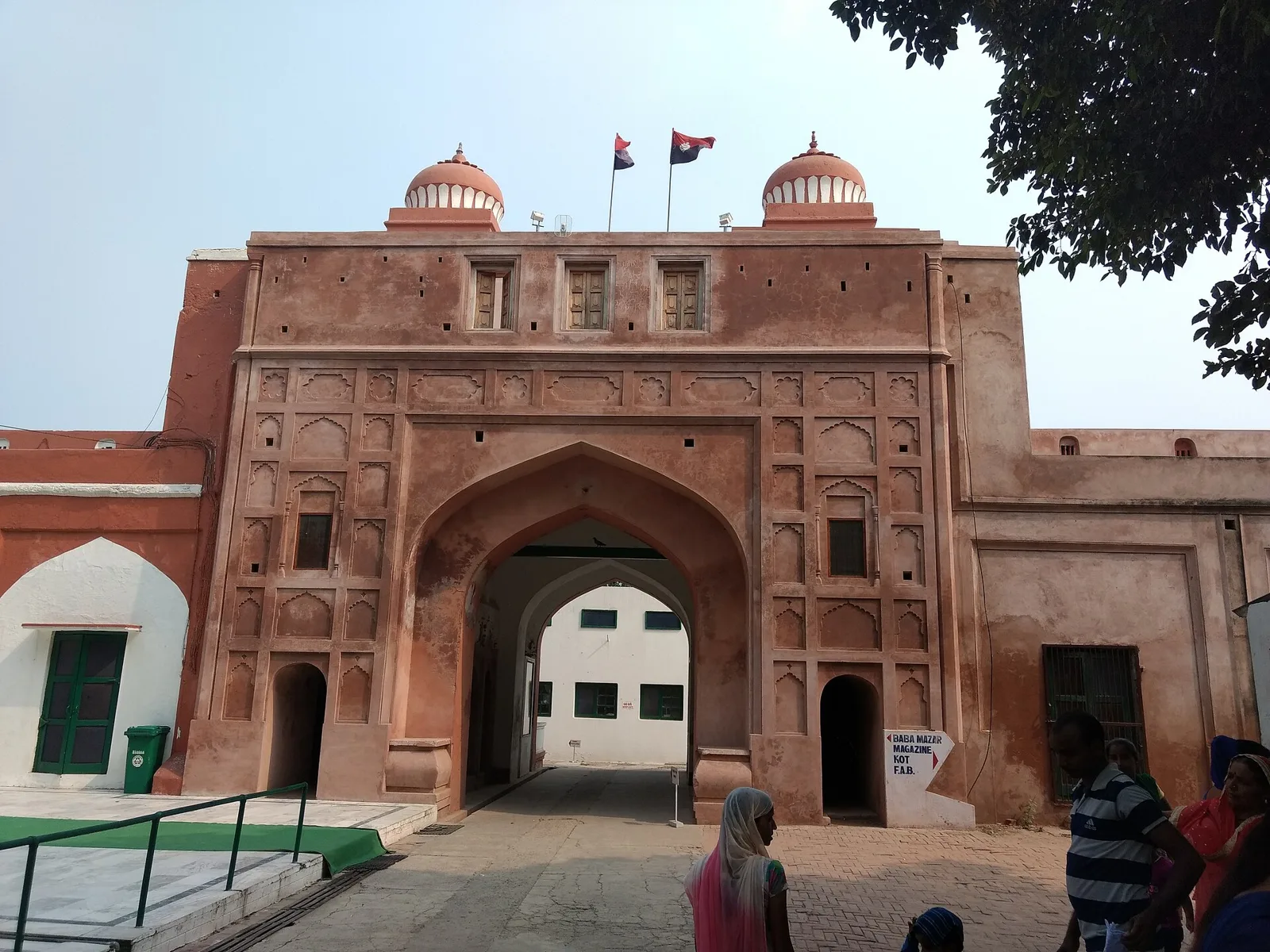
Phillaur Fort

85 km away · Ludhiana district

Phillaur Fort

Known also as Maharaja Ranjit Singh Fort, Phillaur Fort is a fort in Punjab that visitors can see on the Grand Trunk Road at Phillaur.

Bathinda

86 km away · Bathinda district

Bathinda

Bathinda is a city in Punjab’s Malwa region and the administrative centre of its district. Visitors can explore the historic Qila Mubarak fort, and the city also has a zoo and major educational institutions.

Map

Sangrur on the map

  1. 1Patiala
  2. 2Aam Khas Bagh
  3. 3Fatehgarh Sahib
  4. 4Ludhiana
  5. 5Sanghol
  6. 6Takht Sri Damdama Sahib
  7. 7Phillaur Fort
  8. 8Bathinda

Punjab

Other cities to explore