Ghumoopedia — Explore, Discover, Experience
Sign in
Patiala, near Nabha

City guide · Punjab

Nabha

Nabha is a historic city in the Patiala district of south-west Punjab and the former capital of the princely state of Nabha. Today it serves as a local administrative and commercial centre for nearby towns and farming communities.

Famous for

  • Former Nabha princely state
  • Hira Mahal
  • Punjabi Sikh heritage
  • Agricultural market town

Why Nabha matters

Nabha is a historic city in the Patiala district of south-west Punjab and the former capital of the princely state of Nabha. Today it serves as a local administrative and commercial centre for nearby towns and farming communities. Its location in Punjab’s fertile plains has long connected the city’s daily life and trade with the surrounding agricultural region.

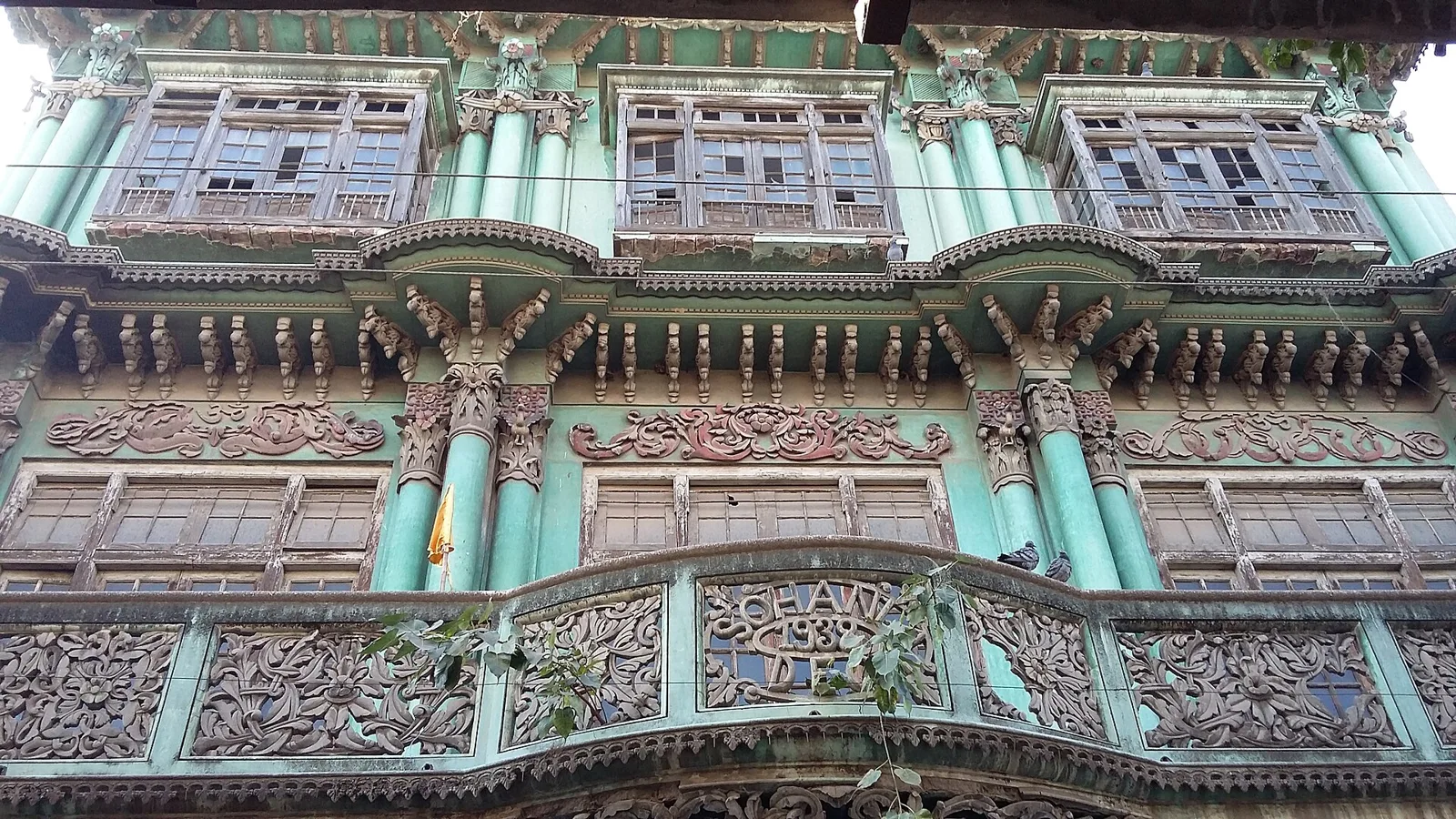
Visitors come for a quieter look at Punjab’s princely-era heritage, including Hira Mahal, associated with the rulers of Nabha, as well as the city’s older streets, markets and places of worship. The former state’s legacy gives Nabha a distinct place in the region’s history, while its Punjabi character is evident in its food, religious life and busy bazaars. It is not chiefly a destination for a signature textile or a nationally famous craft; rather, its appeal lies in the combination of local history, everyday town life and access to the wider Patiala region. Nabha is also a useful base for exploring nearby towns and countryside.
Famous for: crafts, trade & products

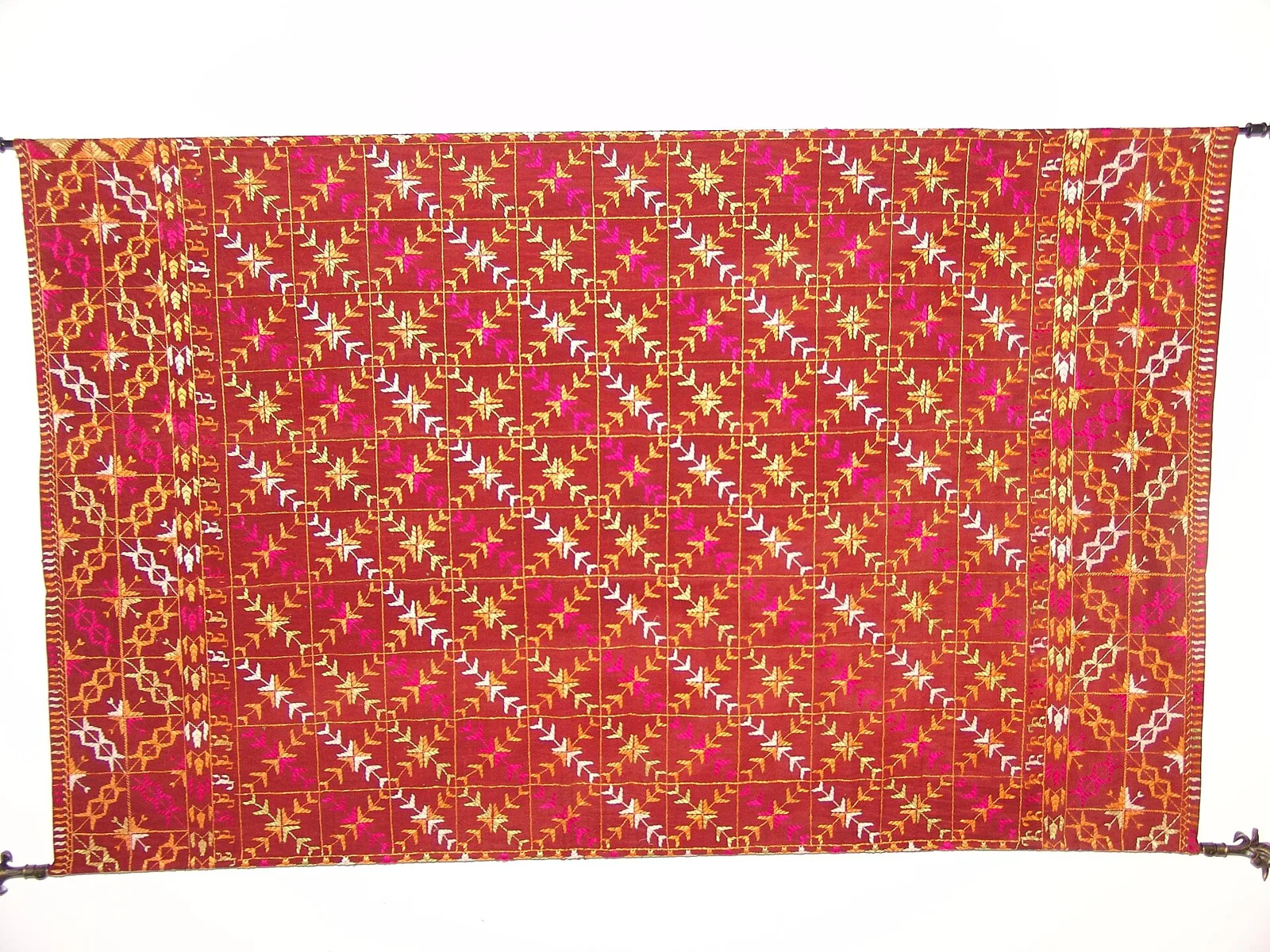
Nabha’s best-known identity is historical: it was the capital of a princely state, and Hira Mahal remains a reminder of that royal past. The city is not widely identified with a particular GI-tagged product, signature saree or nationally prominent handicraft. Its trade is more closely connected to the needs of the surrounding agricultural area and the everyday requirements of local residents.

The central bazaar and market streets are the most practical places to browse for daily goods, Punjabi clothing, snacks and locally traded produce. Shops serving farming communities form part of the town’s commercial life, though individual products and availability vary. Visitors looking for a specialist craft or a specific regional product should ask locally rather than assume that it is made or sold in Nabha. Hira Mahal is a heritage landmark, not a shopping destination; check locally whether access to its grounds or interiors is possible. For a broader selection of regional goods, Patiala offers additional markets within the district.

History

Nabha developed as the capital of the princely state of the same name, founded by the Sikh ruler Hamir Singh in the eighteenth century. Its rulers belonged to the Phulkian line, a family whose branches established several influential states in the region. The royal court and its associated buildings shaped the town’s standing as an administrative centre, while surrounding agricultural settlements supported local trade.

During the British period, Nabha remained a princely state under British paramountcy rather than being governed as a directly administered district. Hira Singh, one of its later rulers, is associated with Hira Mahal, a lasting mark of the state’s royal era. After independence, Nabha became part of the Patiala and East Punjab States Union, and it later became part of Punjab. In modern times, it has continued as a municipal and sub-divisional centre within Patiala district. Its development reflects the combined influence of administration, regional commerce and agriculture.

Food, festivals & culture

Punjabi is the language most closely associated with everyday life in Nabha; Hindi is also used. Meals reflect the wider food traditions of Punjab, with breads, lentils, seasonal vegetables and dairy-based dishes common in homes and eateries. Tea, savoury snacks and familiar Punjabi sweets can be found in local shops, though Nabha is not especially known for one signature dish.

Sikh religious life is prominent, alongside other faith traditions, and gurdwaras and temples serve as important community spaces. Vaisakhi, usually celebrated in spring, has agricultural and Sikh significance. Gurpurabs are observed according to the Sikh calendar, while Diwali is celebrated in autumn. Weddings and community gatherings may feature bhangra and giddha, as well as Punjabi folk singing; religious music is heard at worship and observances. Festival dates can shift from year to year, so visitors should check locally for event details.

Visiting the city

The cooler months, roughly October to March, are generally the most comfortable for exploring Nabha; summers can be very hot, and the monsoon brings rain. Chandigarh International Airport is the nearest major commercial airport. Nabha Railway Station serves the city, with onward connections varying by route.

Auto-rickshaws and local taxis are useful for getting around, while the central market area is best explored on foot. Begin in the older town and its bazaar streets, then visit the area around Hira Mahal for a sense of Nabha’s princely heritage. Ask locally about access to heritage buildings and places of worship, as entry arrangements may vary. Patiala makes a practical nearby excursion for additional historic sites and shopping.

Trips from the city

Nearest places to visit from Nabha

Our closest destination guides, by straight-line distance.

Patiala

24 km away · Patiala district

Patiala

Patiala is a city in southeastern Punjab and the administrative centre of its district. People visit for its royal history, Qila Mubarak and distinctive clothing, footwear and cultural traditions.

Aam Khas Bagh

37 km away · Fatehgarh Sahib district

Aam Khas Bagh

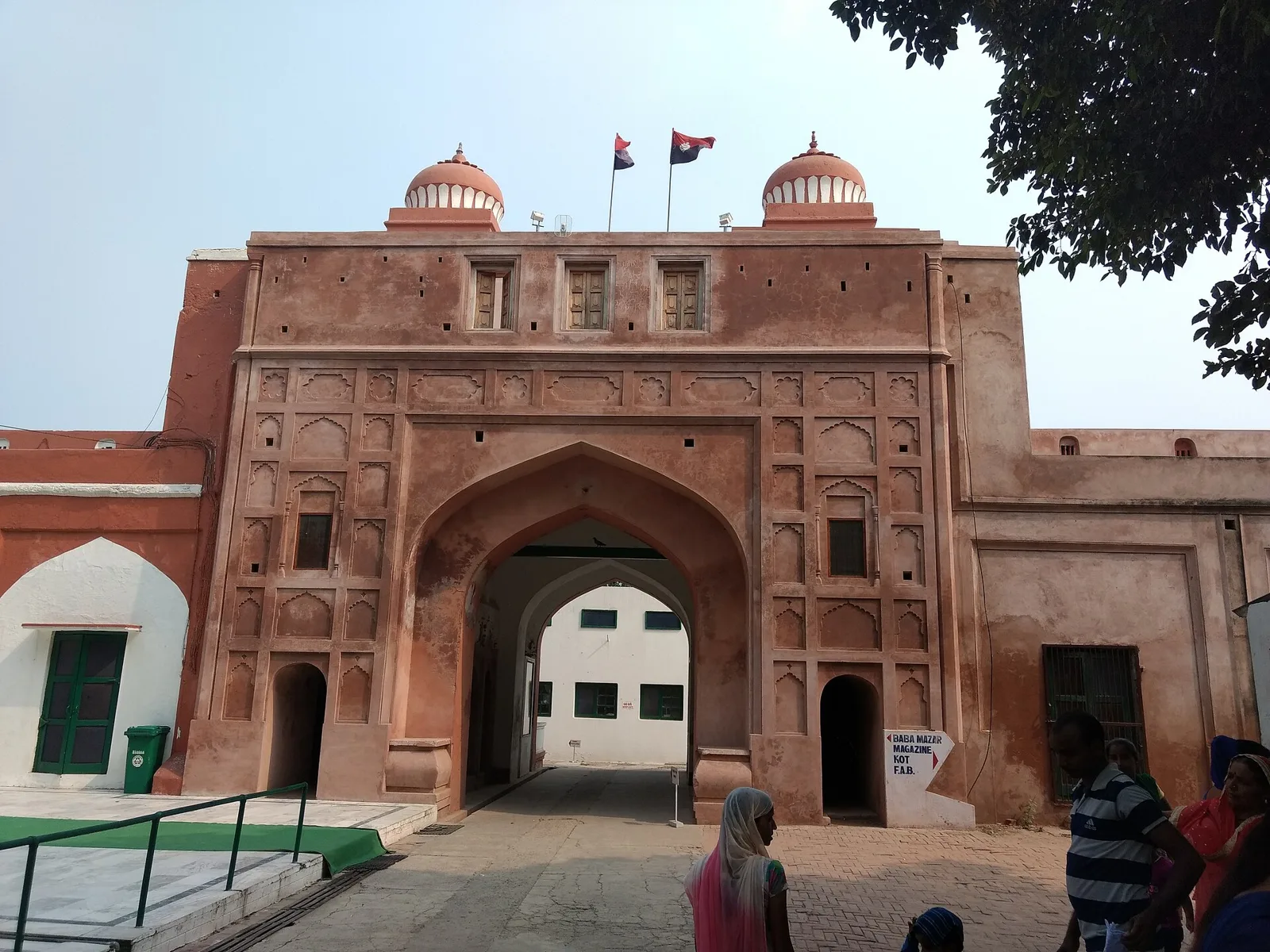
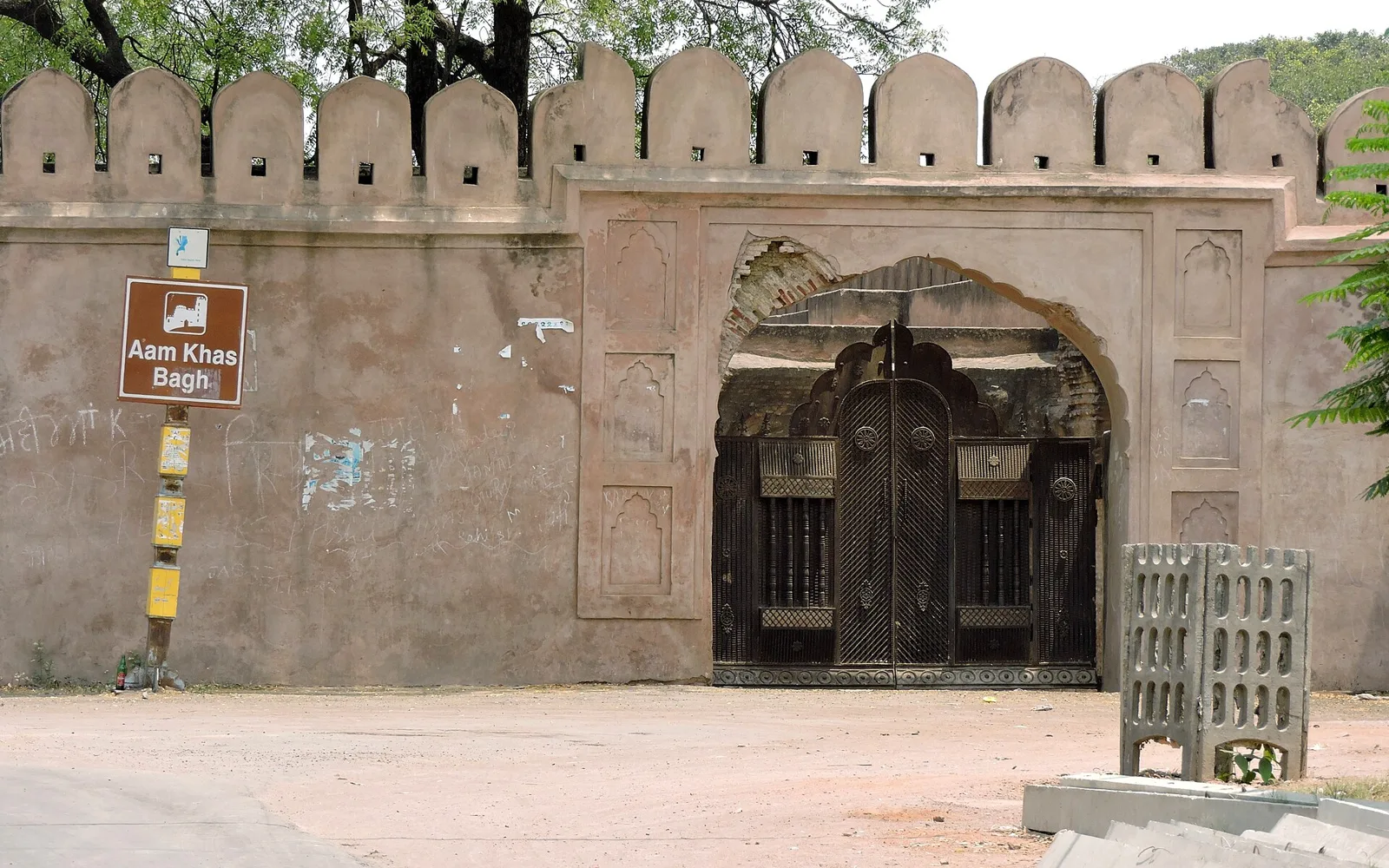
Aam Khas Bagh is a surviving Mughal-era roadside inn complex in Punjab’s Fatehgarh Sahib district, visited for its history as accommodation on the Delhi–Lahore route.

Fatehgarh Sahib

38 km away · Fatehgarh Sahib district

Fatehgarh Sahib

Fatehgarh Sahib is a city in Punjab and a Sikh pilgrimage centre, visited for its historic gurdwaras and its connection with the martyrdom of Guru Gobind Singh’s young sons.

Sanghol

51 km away · Fatehgarh Sahib district

Sanghol

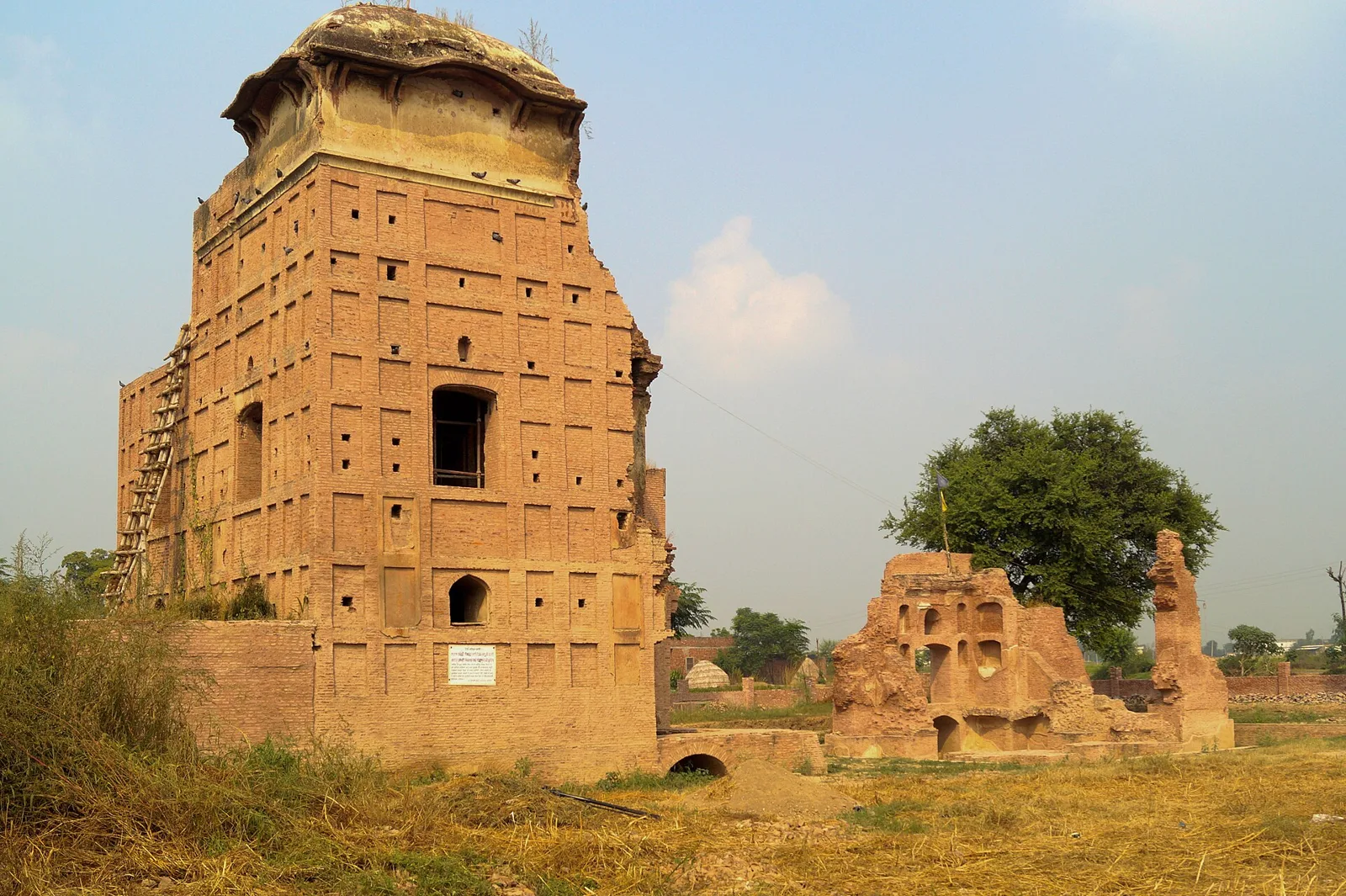
Sanghol, also called Uchha Pind Sanghol, is a village in Punjab’s Fatehgarh Sahib district with roots in the Harappan civilisation. Visitors come to see its excavated Buddhist and Kushan remains and the museum collections.

Fateh Burj

61 km away · Mohali district

Fateh Burj

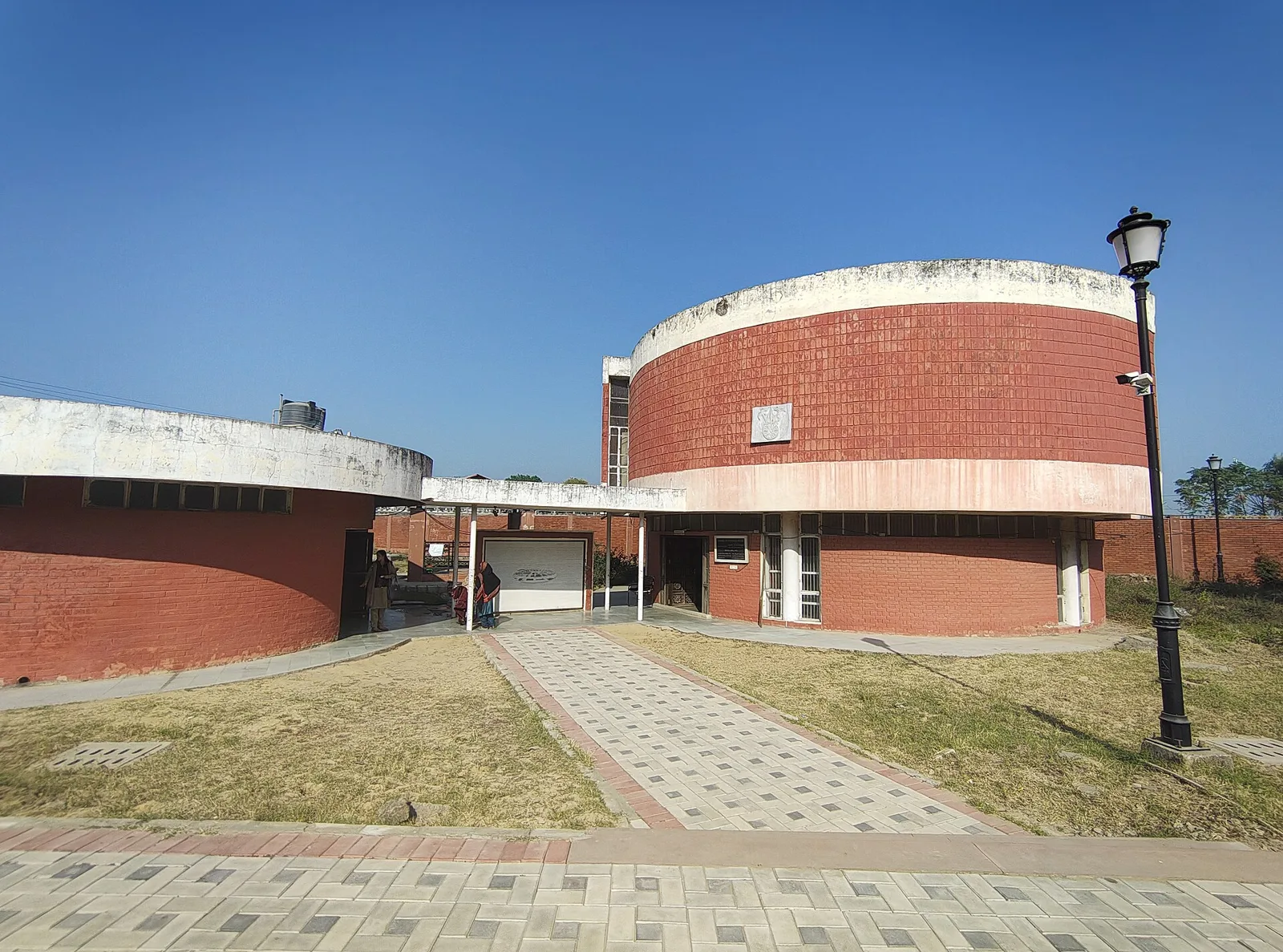
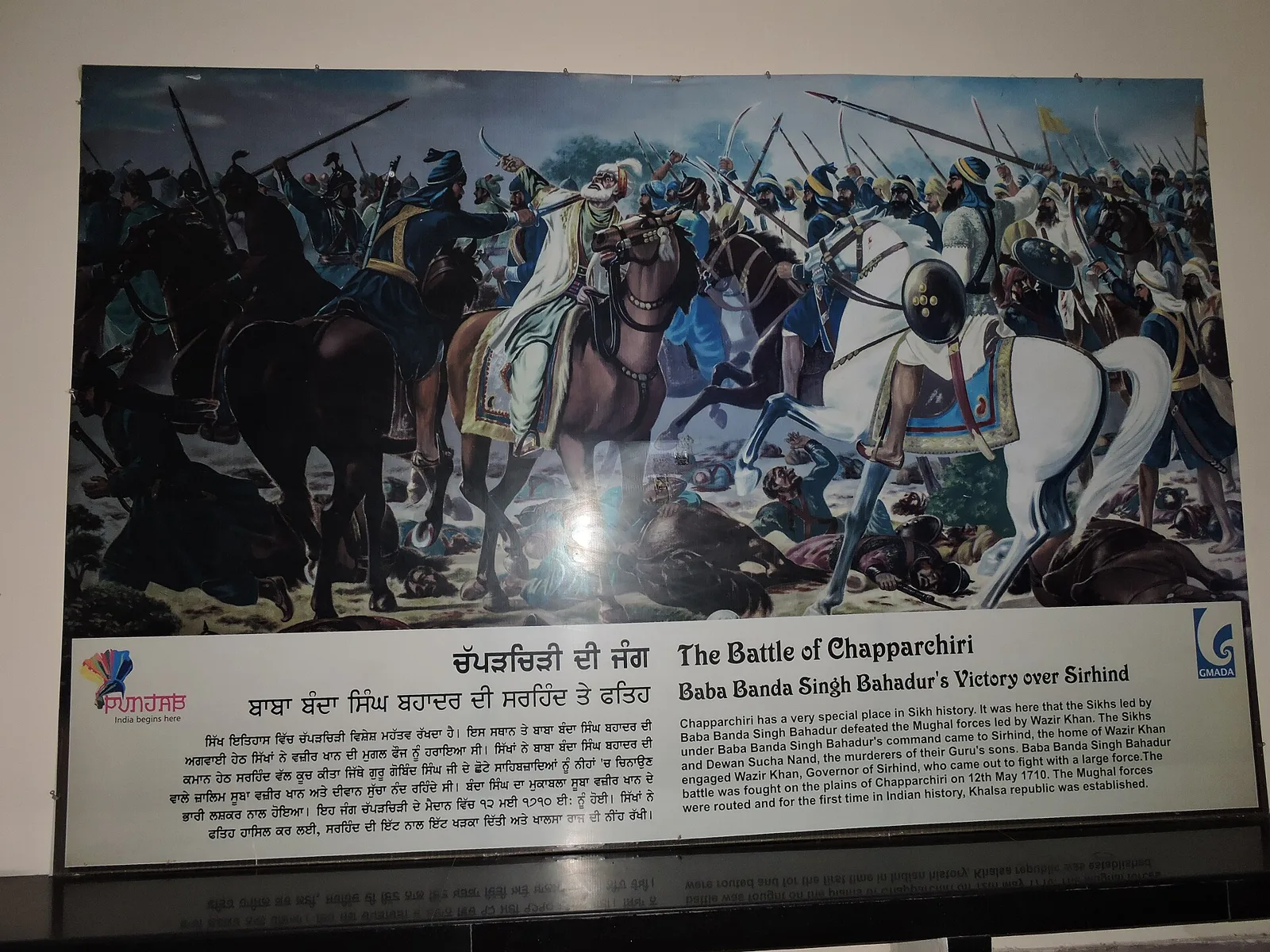
Fateh Burj is a 100-metre victory monument at Chappar Chiri in Punjab’s Mohali district. People visit to see a tower commemorating the Sikh Misls and Banda Singh Bahadur’s decisive battle.

Ludhiana

66 km away · Ludhiana district

Ludhiana

Ludhiana is Punjab’s most populous city and a major manufacturing and trading centre in northern India; visitors come for its industrial and commercial activity.

Phillaur Fort

79 km away · Ludhiana district

Phillaur Fort

Known also as Maharaja Ranjit Singh Fort, Phillaur Fort is a fort in Punjab that visitors can see on the Grand Trunk Road at Phillaur.

Ropar Wetland

79 km away · Rupnagar district

Ropar Wetland

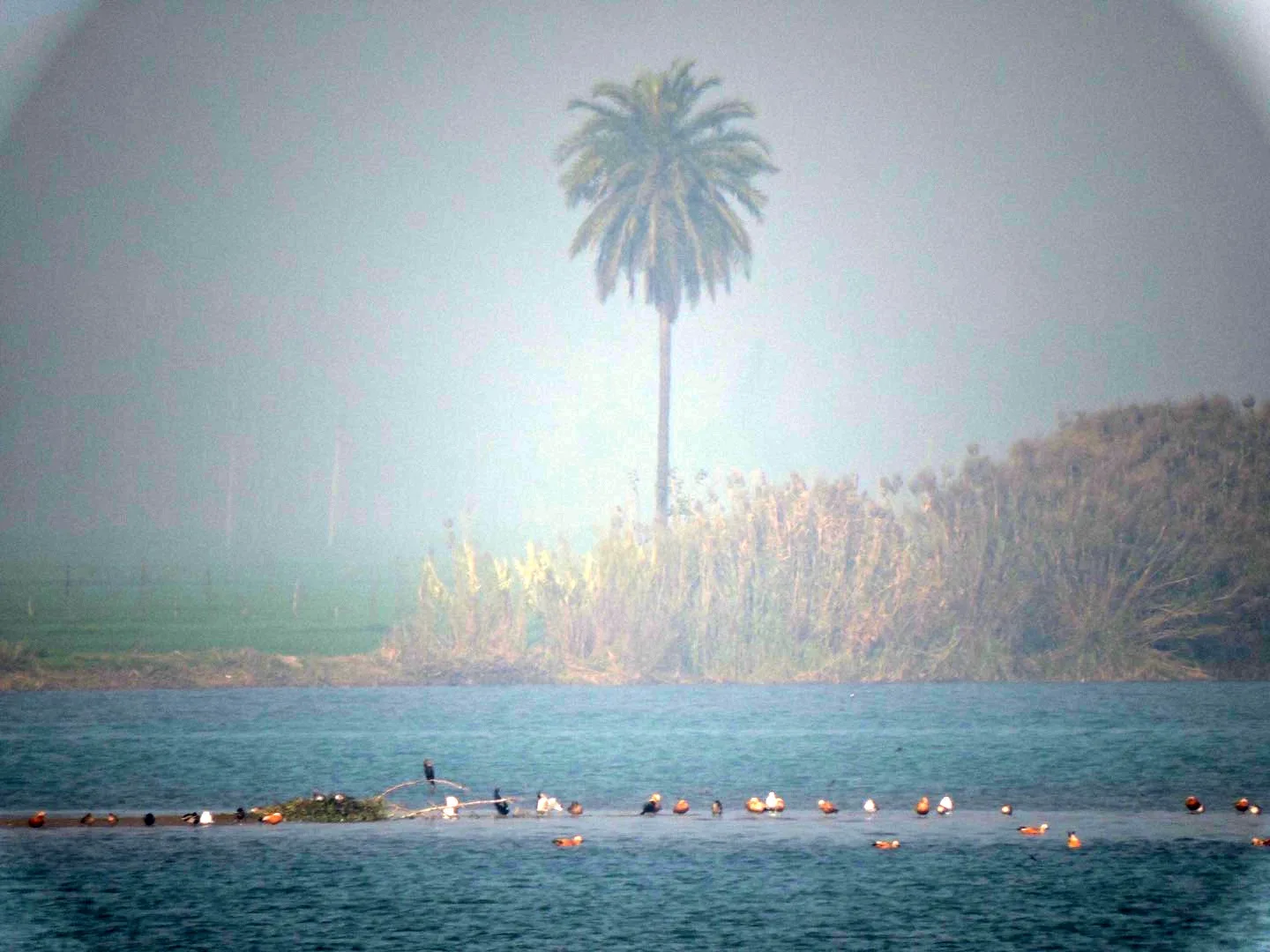
Ropar Wetland, in Punjab’s Rupnagar district, is a freshwater habitat formed by a river and lake. Visitors have come for birdwatching and boating, while its wildlife and Ramsar status are also notable.

Map

Nabha on the map

  1. 1Patiala
  2. 2Aam Khas Bagh
  3. 3Fatehgarh Sahib
  4. 4Sanghol
  5. 5Fateh Burj
  6. 6Ludhiana
  7. 7Phillaur Fort
  8. 8Ropar Wetland

Punjab

Other cities to explore