Ghumoopedia — Explore, Discover, Experience
Sign in
Phillaur Fort, near Bilga

City guide · Punjab

Bilga

Bilga is a large village in Punjab’s Doaba region, close to Nurmahal and within Jalandhar district. Its most distinctive landmark is the Shri Guru Arjan Dev Sikh Temple, a central gurdwara associated with the fifth Sikh Guru.

Famous for

  • Shri Guru Arjan Dev Gurdwara
  • Guru Arjan’s displayed vestments
  • Sikh devotional visits
  • Doaba village heritage
  • Phillaur-Nurmahal road link

Why Bilga matters

Bilga is a large village in Punjab’s Doaba region, close to Nurmahal and within Jalandhar district. Its most distinctive landmark is the Shri Guru Arjan Dev Sikh Temple, a central gurdwara associated with the fifth Sikh Guru. Local tradition connects Guru Arjan Dev Ji’s visit to the area with his wedding in nearby Meo. The gurdwara preserves vestments attributed to the Guru, displayed for visitors, and draws devotees from beyond the village as well as local worshippers.

Bilga is also a useful stop for seeing everyday village life in this part of Punjab: agricultural surroundings, Punjabi-speaking communities and a network of nearby towns. The Phillaur–Nurmahal road lies around two kilometres away, while Bilga has its own railway station. Most residents are Sikh, and religious life is an important part of the village’s identity. Visitors generally come for the historic gurdwara and its devotional significance rather than for a large shopping district or a purpose-built tourist circuit. Its appeal is quiet and local, best experienced respectfully around the central place of worship and village lanes.
Famous for: crafts, trade & products

Bilga is best known for its historic gurdwara, not for a documented specialist craft, textile, GI-tagged product or large manufacturing industry. The Shri Guru Arjan Dev Sikh Temple is the village’s principal place of interest; its collection includes vestments attributed to Guru Arjan Dev Ji. Visitors can see the religious landmark in the village centre, observing local customs and asking at the gurdwara about appropriate conduct and access to its display.

The village’s character is shaped more by its residential and agricultural setting than by a dedicated market for souvenirs or locally branded goods. Small shops serve everyday needs, while a broader choice of retail and services can be found in nearby Nurmahal and other regional towns. Bilga is not widely identified with a particular handicraft or food product, so visitors should not expect an established craft bazaar or specialty shopping trail. For a sense of local commerce, browse village shops respectfully and look to nearby town markets for general Punjabi goods. The main reason to visit remains the gurdwara and its religious heritage, rather than trade or shopping.

History

Bilga’s origins are described in local tradition through the settlement of Sanghera Jatt families in the Doaba region. One account names Bhikhi, son of Sahu Ram Sanghera, as a founder and says that descendants and relatives established eight pattis, or traditional village divisions. The village’s name is also linked in this account to Bega, an earlier landholder; the story explains how a name associated with him became Bilga. These details belong to local heritage narratives rather than a fully documented political chronology.

The area’s most prominent historical association is with Guru Arjan Dev Ji. Tradition connects his visit to the locality with his wedding in neighbouring Meo, and the central gurdwara commemorates that connection. Bilga grew as a village within the wider agricultural landscape of Doaba. Today Bilga remains linked to nearby Nurmahal and Jalandhar through local roads and rail, while retaining its village layout and religious centre.

Food, festivals & culture

Sikh religious life is central to Bilga’s identity, and the Shri Guru Arjan Dev Sikh Temple is its leading place of worship and community gathering. Visitors should dress modestly, cover their heads and follow gurdwara etiquette. Punjabi is the principal language of daily life; Hindi may also be understood. The local culture reflects the wider Doaba region, where family ties, village connections and agricultural rhythms remain important.

Bilga is not especially known as a destination for a signature dish or sweet. Visitors are likely to encounter familiar Punjabi foods in the area, such as roti, dal and seasonal vegetable dishes, with sweets and snacks more readily found in nearby towns. Sikh observances, including Gurpurabs commemorating the Sikh Gurus, follow the Sikh calendar and can bring worshippers together at the gurdwara. Vaisakhi, usually celebrated in spring, is an important seasonal festival across Punjab. Punjabi devotional singing and kirtan are part of gurdwara worship; bhangra and giddha are broader Punjabi dance traditions rather than attractions specific to Bilga.

Visiting the city

The cooler months, roughly October to March, are generally comfortable for visiting Bilga. Adampur Airport is the nearest named airport; travellers should check current flight availability, as larger airports may offer more options. Bilga Railway Station is the village’s own station, but check current services before planning a rail journey. The Phillaur–Nurmahal road is about two kilometres from the village, and local taxis or other road transport can help cover the final stretch.

Start at the Shri Guru Arjan Dev Sikh Temple in the centre, allowing time for a respectful visit. The surrounding village lanes offer a glimpse of local life, while nearby Nurmahal is the practical choice for additional services and a wider town setting. Bilga is compact, so walking is useful within the village; arrange onward transport for trips beyond it.

Trips from the city

Nearest places to visit from Bilga

Our closest destination guides, by straight-line distance.

Phillaur Fort

14 km away · Ludhiana district

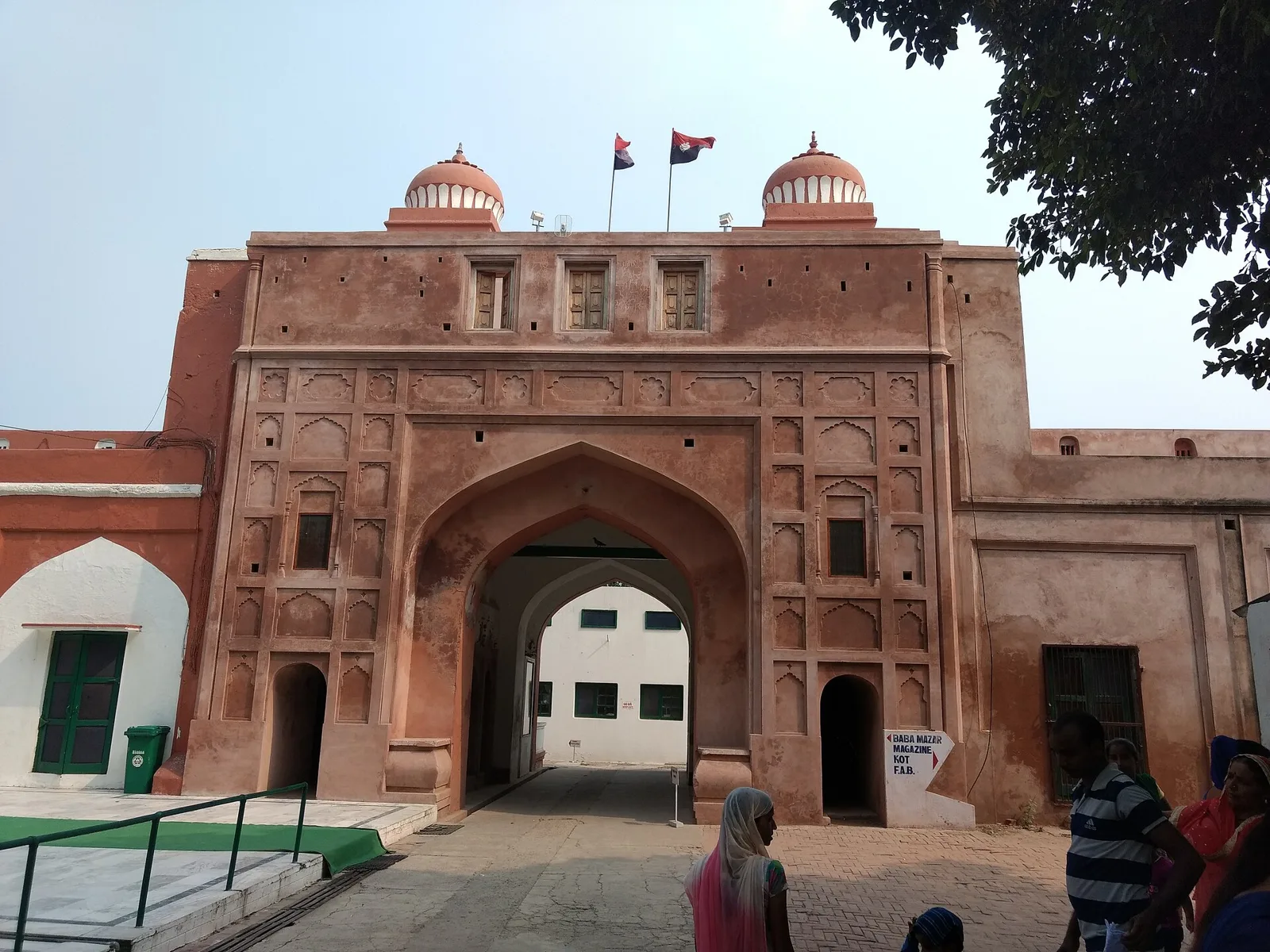
Phillaur Fort

Known also as Maharaja Ranjit Singh Fort, Phillaur Fort is a fort in Punjab that visitors can see on the Grand Trunk Road at Phillaur.

Ludhiana

24 km away · Ludhiana district

Ludhiana

Ludhiana is Punjab’s most populous city and a major manufacturing and trading centre in northern India; visitors come for its industrial and commercial activity.

Jalandhar

32 km away · Jalandhar district

Jalandhar

Jalandhar is a major city in Punjab and the largest urban centre in Doaba. Visitors encounter it as a regional centre and a well-connected stop on rail and road routes.

Devi Talab Mandir

33 km away · Jalandhar district

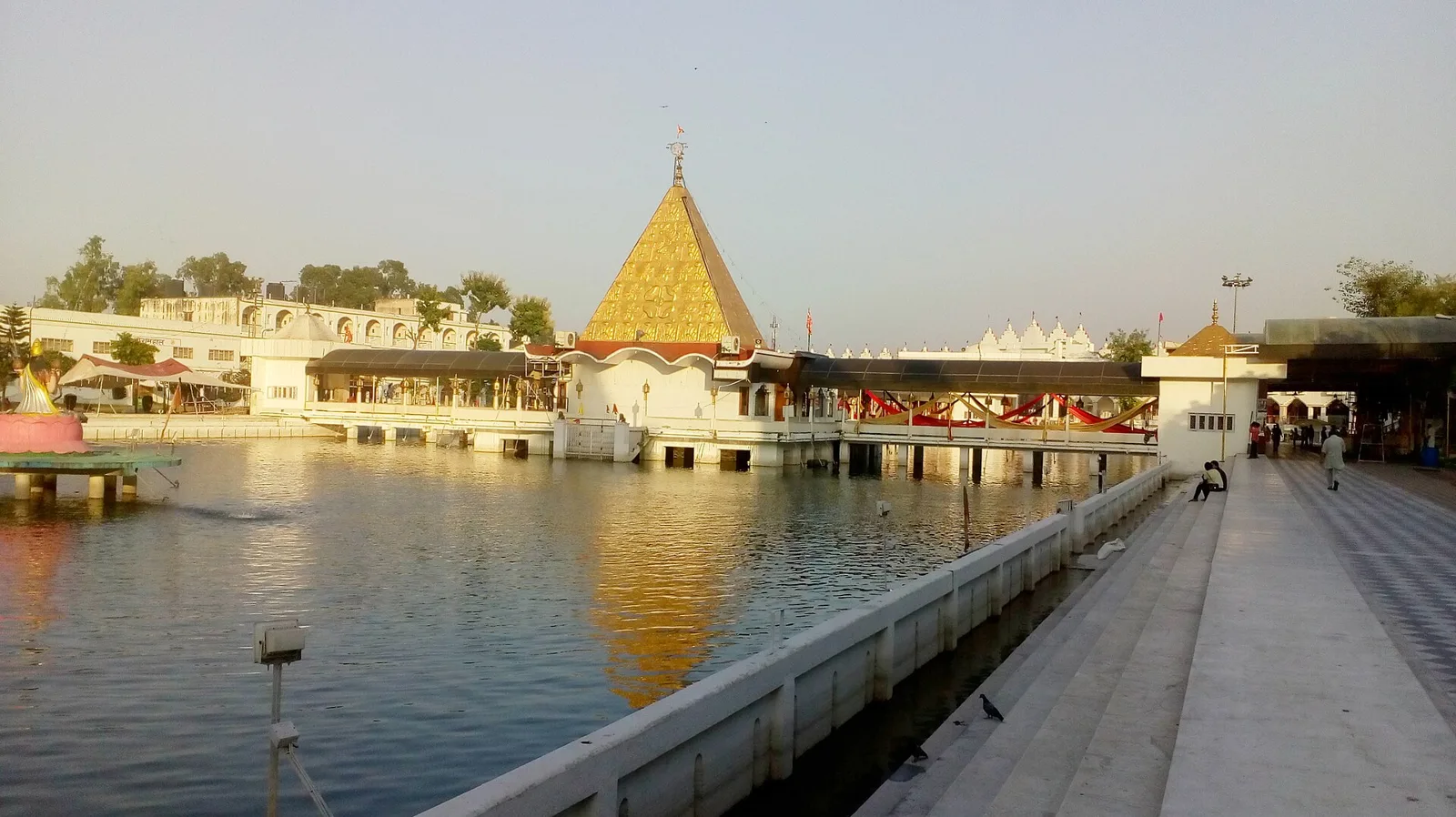
Devi Talab Mandir

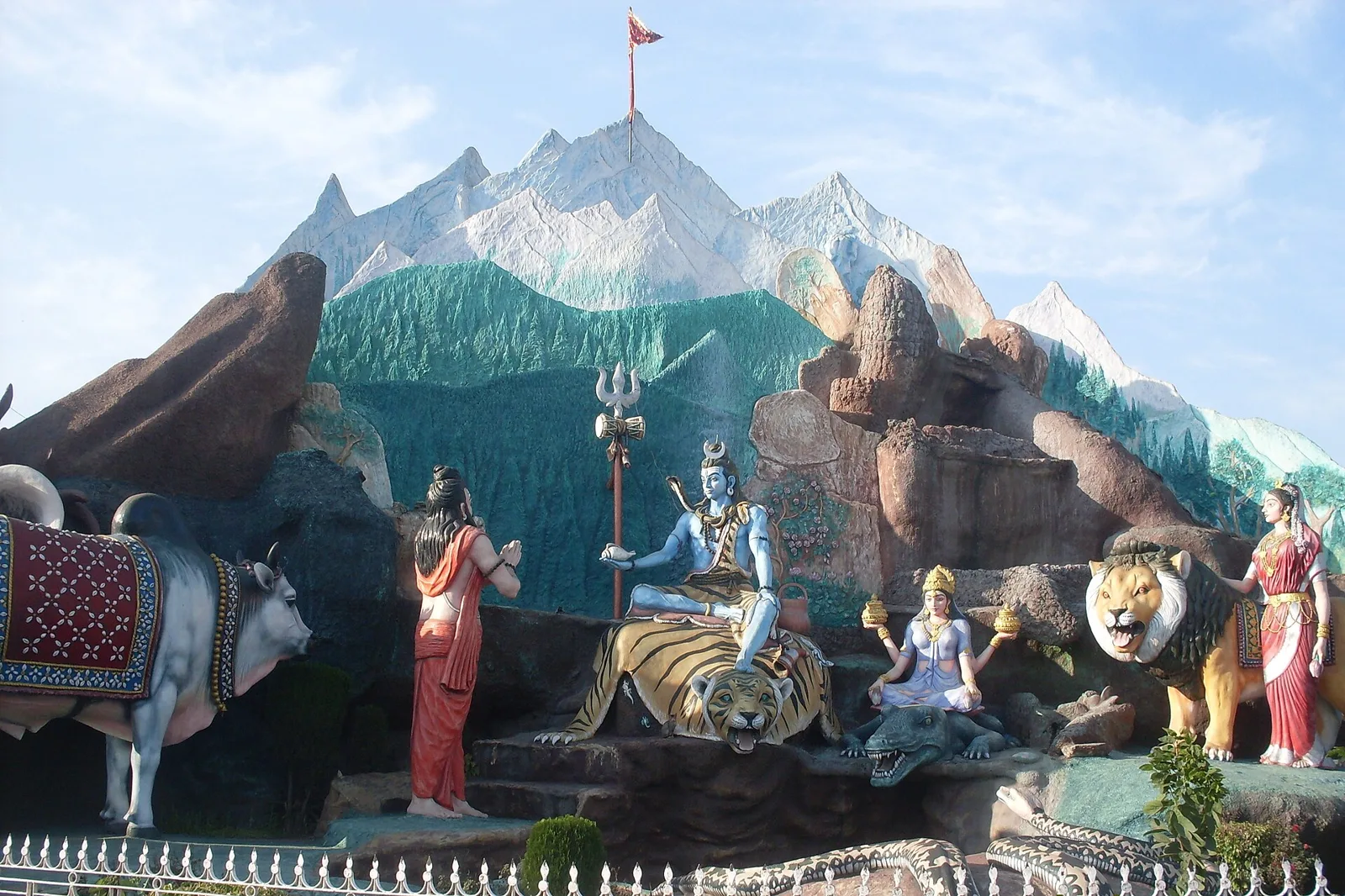
In Jalandhar, Punjab, Devi Talab Mandir is a Hindu place of worship dedicated to Goddess Durga. Pilgrims visit for its religious importance, ancient tank and shrines within the complex.

Jagatjit Palace

44 km away · Kapurthala district

Jagatjit Palace

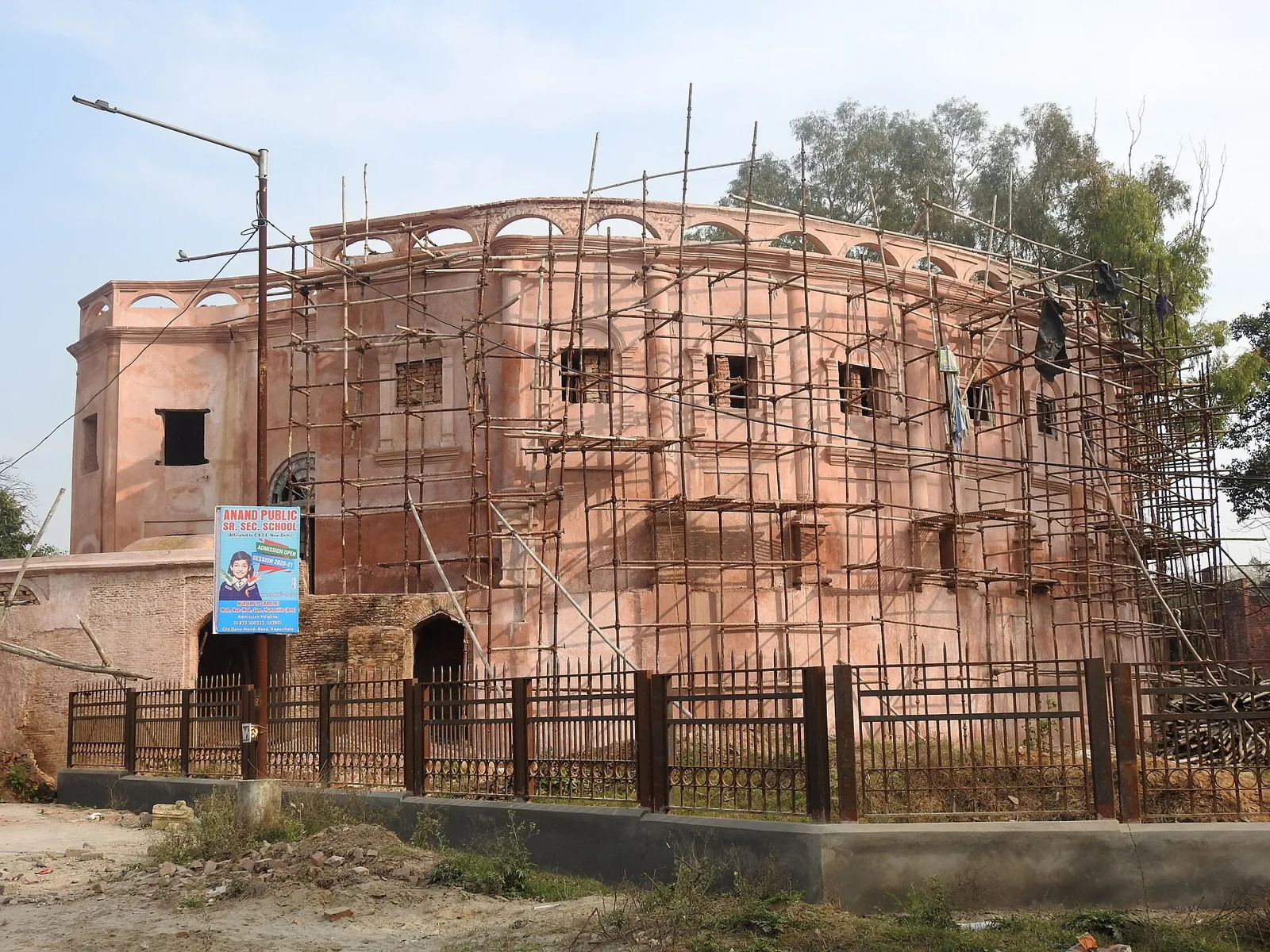
Jagatjit Palace is a former royal residence in Kapurthala, now occupied by Sainik School. Visitors can learn about its connection with the town’s rulers and its change of use.

Kapurthala

45 km away · Kapurthala district

Kapurthala

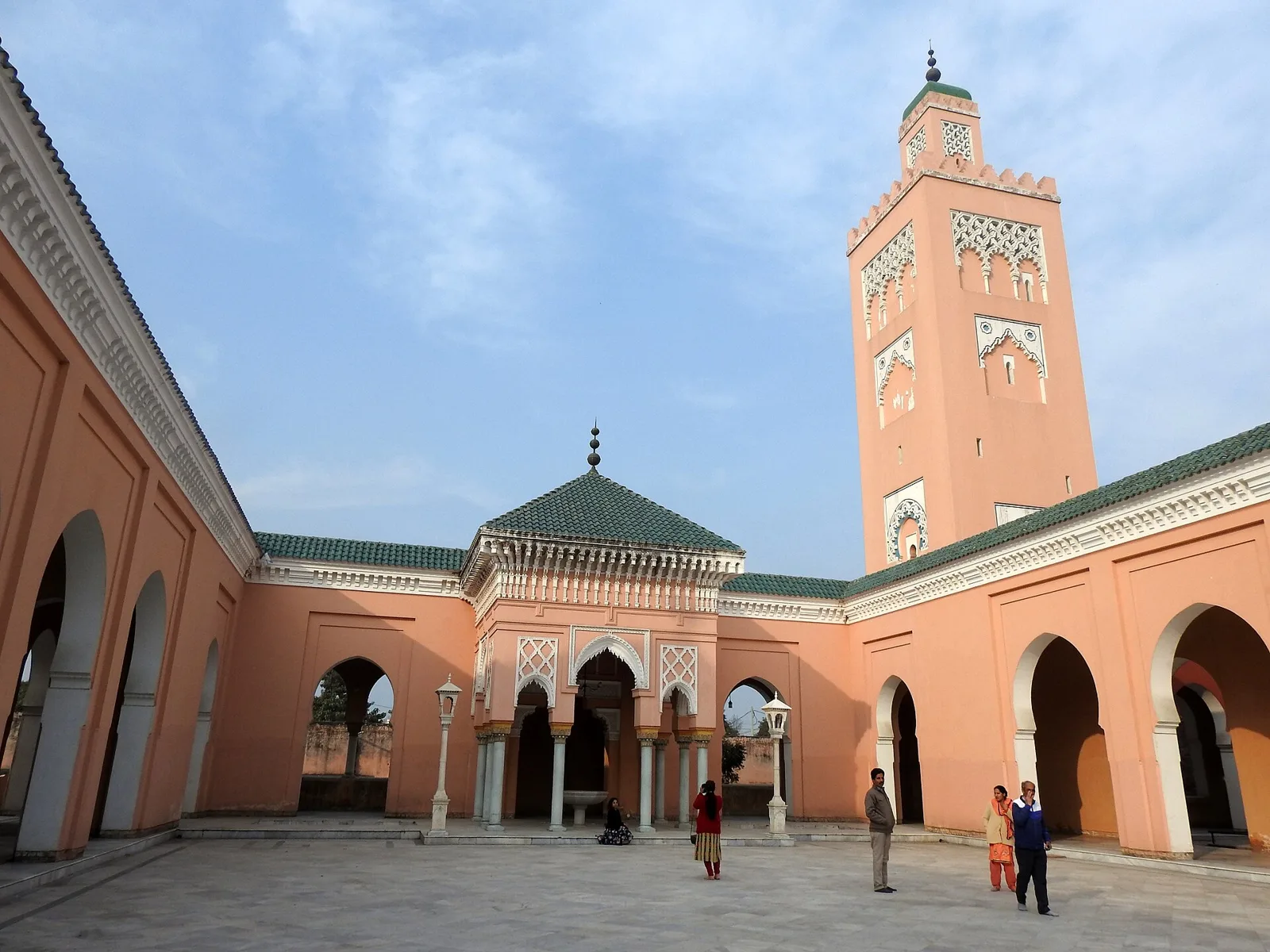
Kapurthala is a Punjab city and former princely-state capital, noted for French and Indo-Saracenic architecture. Visitors come to see its palaces, gardens and historic character.

Sultanpur Lodhi

47 km away · Kapurthala district

Sultanpur Lodhi

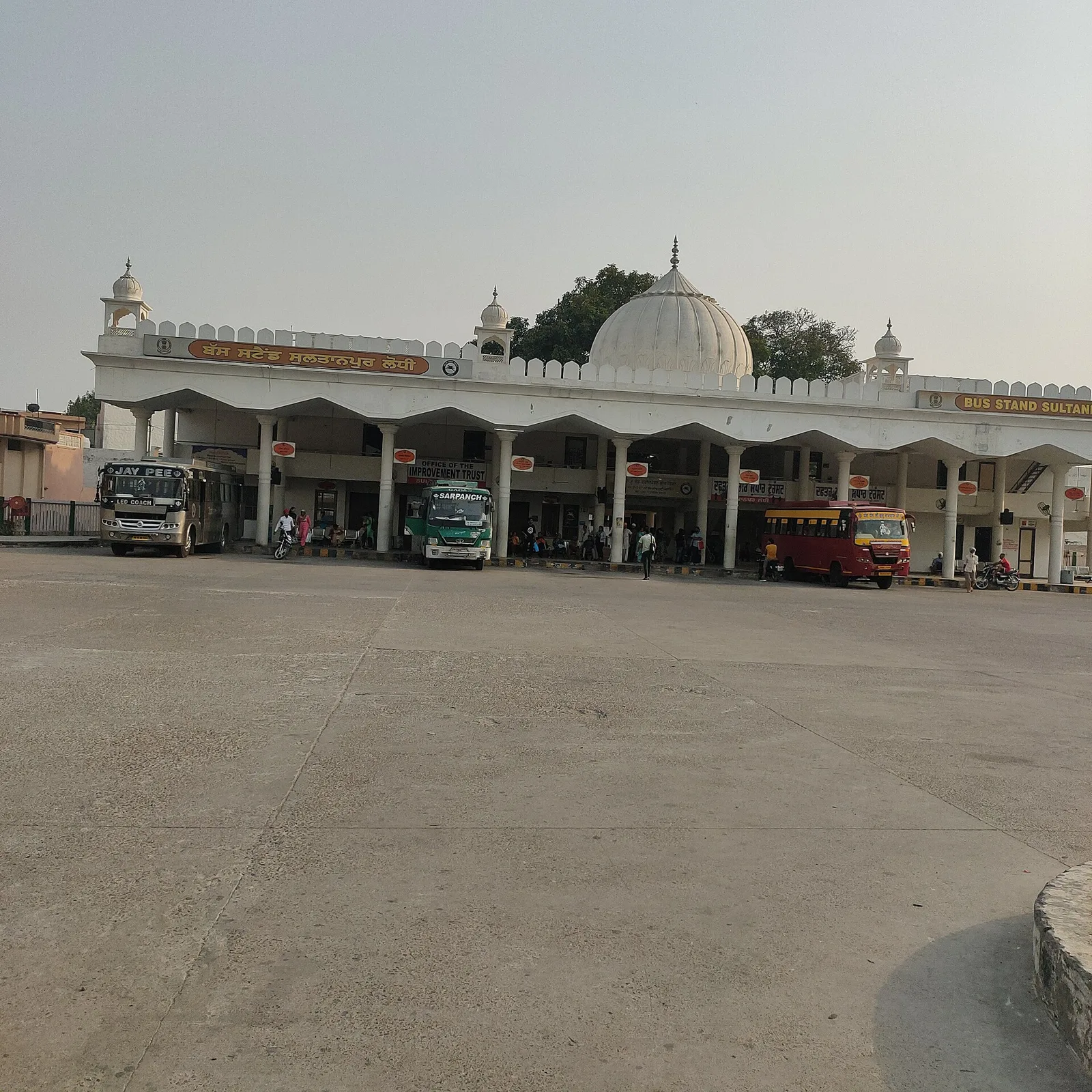
Sultanpur Lodhi is a town in Punjab’s Kapurthala district, with historical links to Bahlul Khan Lodi and a mention in the Ain-e-Akbari that give visitors reasons to explore its past.

49 km away · Kapurthala district

Kanjli Wetland

Kanjli Wetland is an artificial wetland in Kapurthala district, Punjab, that includes Kanjli Lake. Visitors come to experience its diverse habitats and wildlife, recognised internationally through the Ramsar Convention.

Map

Bilga on the map

  1. 1Phillaur Fort
  2. 2Ludhiana
  3. 3Jalandhar
  4. 4Devi Talab Mandir
  5. 5Jagatjit Palace
  6. 6Kapurthala
  7. 7Sultanpur Lodhi
  8. 8Kanjli Wetland

Punjab

Other cities to explore