Ghumoopedia — Explore, Discover, Experience
Sign in
Takht Sri Damdama Sahib, near Budhlada

City guide · Punjab

Budhlada

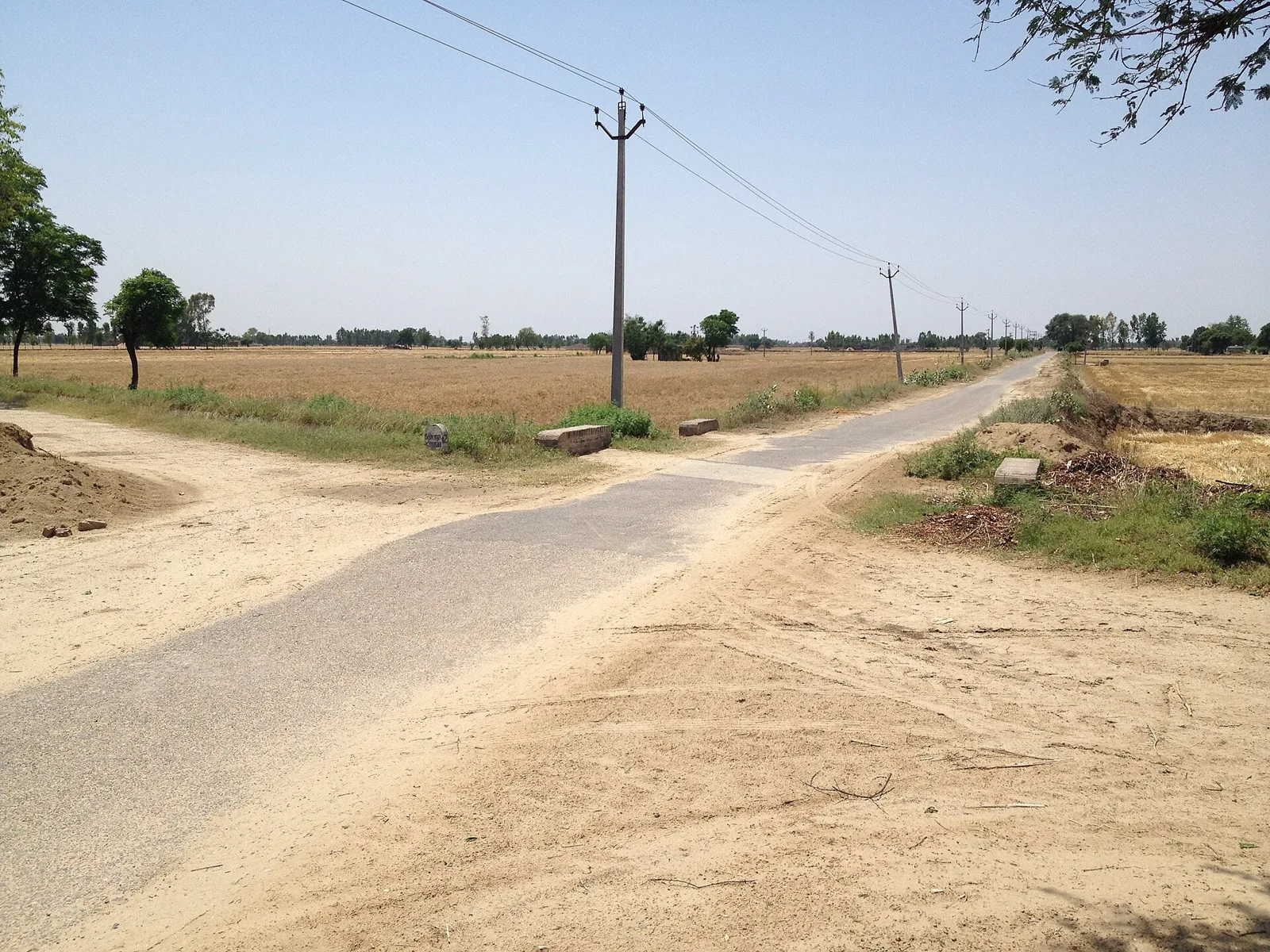
Budhlada is a small regional centre in Mansa district, in Punjab’s Malwa region. Agriculture shapes much of local life and employment, while the town’s markets and transport links serve surrounding villages.

Famous for

  • Agricultural trade
  • Boora sugar heritage
  • Railway-linked commerce
  • Praja movement history
  • Punjabi rural culture

Why Budhlada matters

Budhlada is a small regional centre in Mansa district, in Punjab’s Malwa region. Agriculture shapes much of local life and employment, while the town’s markets and transport links serve surrounding villages. Its railway connection helped it grow as a place for trade, and the grain and produce economy remains central to its everyday character. Visitors are more likely to come for local connections, market activity and an introduction to rural Punjab than for a major tourist circuit.

The town also has a distinctive historical story. In the 1930s and 1940s, it was known for boora khand, a finely powdered sugar made at a factory near the railway station and sent to markets including Lahore and Karachi. Partition disrupted those links. Budhlada also has associations with the Praja movement and with people active in public service, social reform and military life. Nearby Samaon, linked with the story of Sucha Singh Soorma, offers another point of interest for those exploring the area. Together, trade, agriculture and local history give Budhlada its regional importance.
Famous for: crafts, trade & products

Budhlada’s best-documented commercial speciality is its history of boora khand, a very fine sugar produced at a factory near the railway station in the 1930s and 1940s. The product once travelled to markets as far away as Lahore and Karachi, but that trade was disrupted by Partition. This is principally a heritage of the town rather than a present-day visitor industry: there is no widely recognised local GI-tagged product or signature craft associated with Budhlada.

Today, agriculture is the stronger influence on commerce. Local markets and the agricultural produce trade serve Budhlada and nearby villages; visitors can look for seasonal farm produce and everyday Punjabi goods in the town’s market areas. The railway station remains a reminder of the transport link that supported earlier trade. Budhlada is not especially known for textile production, sarees or a dedicated handicraft market, so visitors seeking those specialities should not expect a concentrated shopping district. Its most distinctive story is the shift from railway-borne sugar commerce to a town whose economy is closely tied to agriculture and its surrounding rural communities.

History

Budhlada’s early history is connected with the former state of Kaithal. After local residents did not support the British during the uprising of 1857, the territory was annexed. The area later came under Karnal district administration. In the colonial period, Budhlada developed as a market town, and the British-built railway strengthened its links with other parts of Punjab. By the early twentieth century, it was a modest settlement with a growing commercial role.

Its best-known industrial chapter came in the 1930s and 1940s, when a factory near the station produced boora khand for distant markets. Partition in 1947 severed routes to Lahore and Karachi and ended that era of trade. Budhlada also became a centre for activity connected with the Praja movement, particularly after the death of Sewa Singh Thikriwala. After independence, the town continued to develop as an agricultural service centre. It has held Class II Municipal Council status since the 1950s, and its council is organised into 19 wards.

Food, festivals & culture

Punjabi is the principal language of daily life in Budhlada, with Hindi also commonly understood. The food reflects the wider Malwa region: meals may include makki di roti and sarson da saag in season, along with lentils, roti, dairy foods and lassi. Jaggery and other traditional sweets are familiar in the agricultural belt; the town’s past association with boora sugar adds a local note to its food history, though it is not necessarily a distinct modern speciality.

Vaisakhi in spring, Lohri in winter, and Sikh Gurpurabs are important occasions across the region; Diwali is also observed. Community celebrations often bring together devotional singing, Punjabi folk music, dhol and seasonal gatherings. Bhangra, gidda and folk boliyan are part of the broader cultural tradition. Worship and community life centre on local gurdwaras, temples and other neighbourhood places of prayer. Budhlada’s cultural character is less about a formal tourist performance scene and more about Punjabi speech, family and village ties, religious observances and the rhythms of the farming year.

Visiting the city

Spring and autumn are generally comfortable seasons for a visit; summer can be very hot, while winter mornings and evenings may be cold. Budhlada has its own railway station, Budhlada railway station, which is the most convenient rail point for the town. Bathinda Airport is a nearer airfield, but travellers looking for broader scheduled connections may find Chandigarh International Airport more useful; check current services before planning around either airport.

Within town, local taxis, auto-rickshaws and other locally available transport can help with short trips. The market areas and railway-station surroundings are useful places to see everyday commercial life and trace the town’s trading history. Budhlada is also a practical base for visiting nearby villages, including Samaon, about 18 km away. Confirm local transport availability for excursions beyond town.

Trips from the city

Nearest places to visit from Budhlada

Our closest destination guides, by straight-line distance.

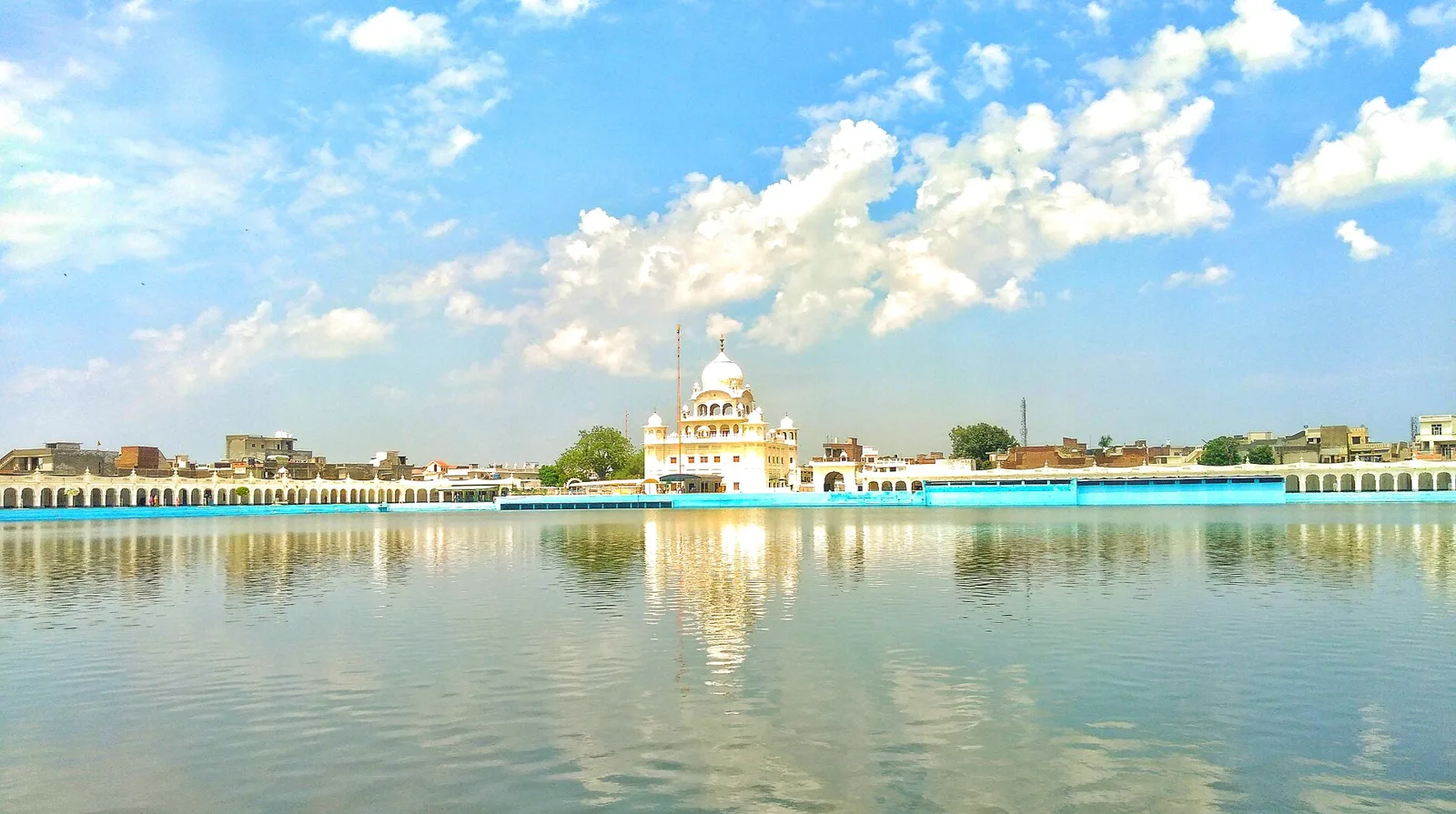
Takht Sri Damdama Sahib

47 km away · Bathinda district

Takht Sri Damdama Sahib

Takht Sri Damdama Sahib is a Sikh centre of temporal authority in Talwandi Sabo, visited for its connection with Guru Gobind Singh’s preparation of Sri Guru Granth Sahib.

Bathinda

68 km away · Bathinda district

Bathinda

Bathinda is a city in Punjab’s Malwa region and the administrative centre of its district. Visitors can explore the historic Qila Mubarak fort, and the city also has a zoo and major educational institutions.

Qila Mubarak

68 km away · Bathinda district

Qila Mubarak

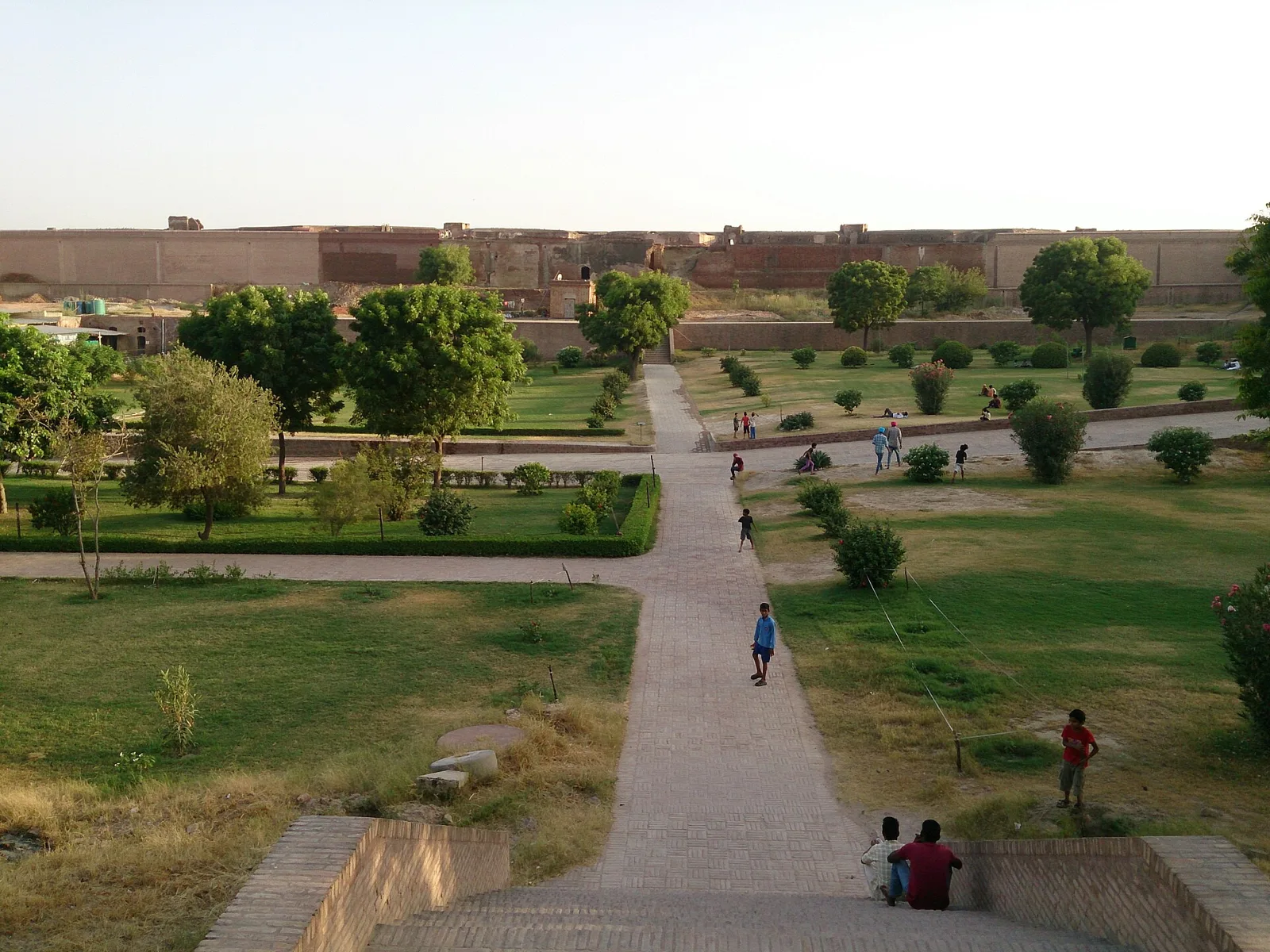
Qila Mubarak is a historic fortress in Bathinda, known for its long past and its association with Razia Sultan. Visitors can see its lawns and gurdwaras, while much of the fort is closed to the public.

Patiala

93 km away · Patiala district

Patiala

Patiala is a city in southeastern Punjab and the administrative centre of its district. People visit for its royal history, Qila Mubarak and distinctive clothing, footwear and cultural traditions.

Aam Khas Bagh

112 km away · Fatehgarh Sahib district

Aam Khas Bagh

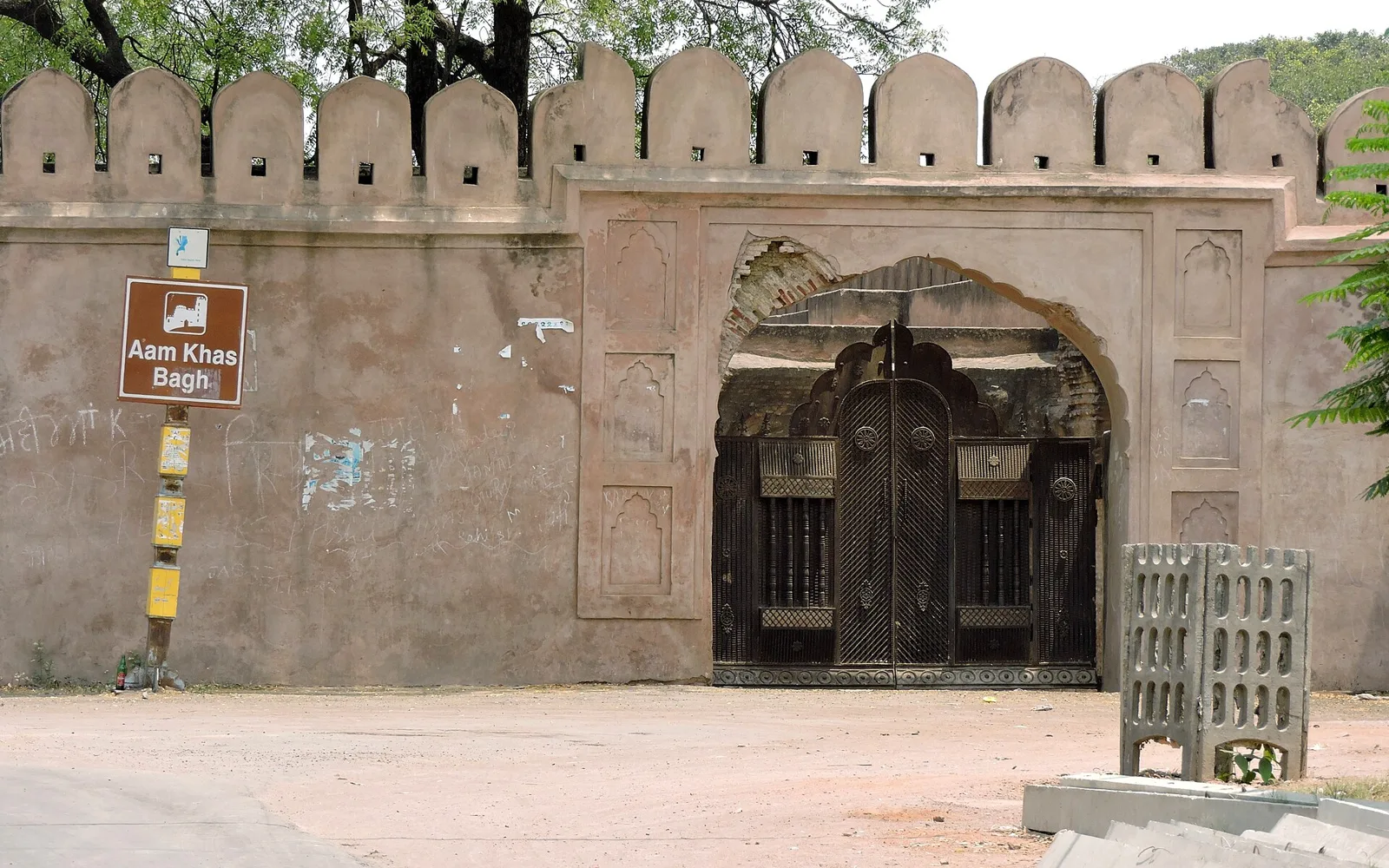
Aam Khas Bagh is a surviving Mughal-era roadside inn complex in Punjab’s Fatehgarh Sahib district, visited for its history as accommodation on the Delhi–Lahore route.

Fatehgarh Sahib

113 km away · Fatehgarh Sahib district

Fatehgarh Sahib

Fatehgarh Sahib is a city in Punjab and a Sikh pilgrimage centre, visited for its historic gurdwaras and its connection with the martyrdom of Guru Gobind Singh’s young sons.

Ludhiana

113 km away · Ludhiana district

Ludhiana

Ludhiana is Punjab’s most populous city and a major manufacturing and trading centre in northern India; visitors come for its industrial and commercial activity.

Sri Muktsar Sahib

118 km away · Sri Muktsar Sahib district

Sri Muktsar Sahib

Sri Muktsar Sahib, a city in Punjab, draws interest for its Sikh history and connection to the 1705 Battle of Muktsar; it also serves as a district centre.

Map

Budhlada on the map

  1. 1Takht Sri Damdama Sahib
  2. 2Bathinda
  3. 3Qila Mubarak
  4. 4Patiala
  5. 5Aam Khas Bagh
  6. 6Fatehgarh Sahib
  7. 7Ludhiana
  8. 8Sri Muktsar Sahib

Punjab

Other cities to explore