Ghumoopedia — Explore, Discover, Experience
Sign in
Sultanpur Lodhi, near Dharmkot

City guide · Punjab

Dharmkot

Dharmkot is a small town in Punjab’s Moga district, in the state’s agricultural Malwa region. Its importance is chiefly regional: it serves nearby villages with everyday commerce and public services, while Moga is the larger centre for many administrative, transport and shopping needs.

Famous for

  • Agricultural market town
  • Dharmkot Assembly constituency
  • Punjabi rural culture

Why Dharmkot matters

Dharmkot is a small town in Punjab’s Moga district, in the state’s agricultural Malwa region. Its importance is chiefly regional: it serves nearby villages with everyday commerce and public services, while Moga is the larger centre for many administrative, transport and shopping needs. The town’s identity is closely tied to the surrounding countryside and the rhythms of farming rather than to a major monument or a nationally known tourist attraction.

Visitors are more likely to come for local connections, family visits or a glimpse of life in a Punjabi market town than for a set sightseeing circuit. Dharmkot is also the name of a Punjab Assembly constituency, giving it a place in the state’s electoral geography. Its appeal lies in ordinary neighbourhood scenes, Punjabi food and access to the rural landscape around Moga. Travellers planning a wider visit can use Moga as a base for transport and services, then explore Dharmkot and nearby villages at a relaxed pace.
Famous for: crafts, trade & products

Dharmkot is best understood as a local service and trading centre for an agricultural hinterland. Shops and small businesses cater to residents of the town and surrounding villages; seasonal activity reflects the farming calendar. This is not a city widely identified with a signature textile, handicraft, GI-tagged product or specialised manufacturing industry, so visitors should not expect a dedicated craft quarter or a nationally recognised product market.

For everyday shopping, look around the town’s central bazaar and main commercial streets, where general stores, clothing shops, produce sellers and eateries serve local needs. For a broader choice of goods, larger retail and wholesale options are available in nearby Moga. The town’s public institutions and local services are part of its regional role, while its name is also associated with the Dharmkot Assembly constituency. Visitors interested in agricultural trade will find the surrounding countryside and local market activity more relevant than souvenir shopping. Ask locally about seasonal produce, since availability changes through the year.

History

Dharmkot’s development is best understood through its position among the settlements of the Moga region. The town grew as a centre for nearby rural communities, with local trade and services linked to agriculture. Its history is not commonly presented through a major palace, fort or celebrated royal foundation, and detailed accounts of particular rulers or a founding date should be treated cautiously.

The wider region experienced the political changes that shaped Punjab, including British rule and the reorganisation of the state after independence. In 1956, the merger of Patiala and East Punjab States Union into Punjab altered the state’s administrative and electoral structure. These changes provide context for Dharmkot’s place in modern Punjab, rather than a distinct town-specific event. In more recent decades, the formation of Moga district in 1995 strengthened the area’s district-level identity. Today Dharmkot functions as a local town and the centre of an assembly constituency, connected closely to Moga and the surrounding agricultural settlements.

Food, festivals & culture

Punjabi is the language most commonly heard in everyday life, with Hindi also understood in many public and commercial settings. Food reflects the wider Punjabi home and roadside tradition: wheat breads, lentils, seasonal vegetables, curd and rice dishes are common. Dhabas and local eateries are a practical way to try familiar regional cooking; no particular sweet or dish is uniquely associated with Dharmkot.

The annual calendar follows Punjab’s mix of religious and seasonal celebrations. Lohri is marked in midwinter, while Vaisakhi in spring has agricultural as well as religious significance. Gurpurabs follow the Sikh calendar, and Diwali is observed in autumn by many residents. Celebrations are often centred on family gatherings and places of worship. Sikh gurdwaras and Hindu temples serve local communities, though Dharmkot is not widely known as a pilgrimage destination. Punjabi folk music and bhangra or gidda may feature at weddings and festive gatherings, alongside devotional singing. The feel is that of a working town whose customs are shared with the villages around it.

Visiting the city

The cooler months, roughly October to March, are generally the most comfortable for exploring; summers can be very hot, and the monsoon brings rain. Dharmkot has no major airport or railway station of its own. Moga railway station is the main nearby rail connection. For air travel, check current routes through Sri Guru Ram Dass Jee International Airport in Amritsar; airport choice and onward travel depend on available services.

Road travel is the practical way to reach Dharmkot. Buses and taxis connect the town with Moga and other regional centres, while local autos or taxis can help with short trips. Explore the central bazaar and main streets for everyday town life, then visit nearby villages by arranging local transport. Moga is a useful base for more extensive shopping and services. Confirm road and transport connections before setting out, particularly if travelling onward to smaller settlements.

Trips from the city

Nearest places to visit from Dharmkot

Our closest destination guides, by straight-line distance.

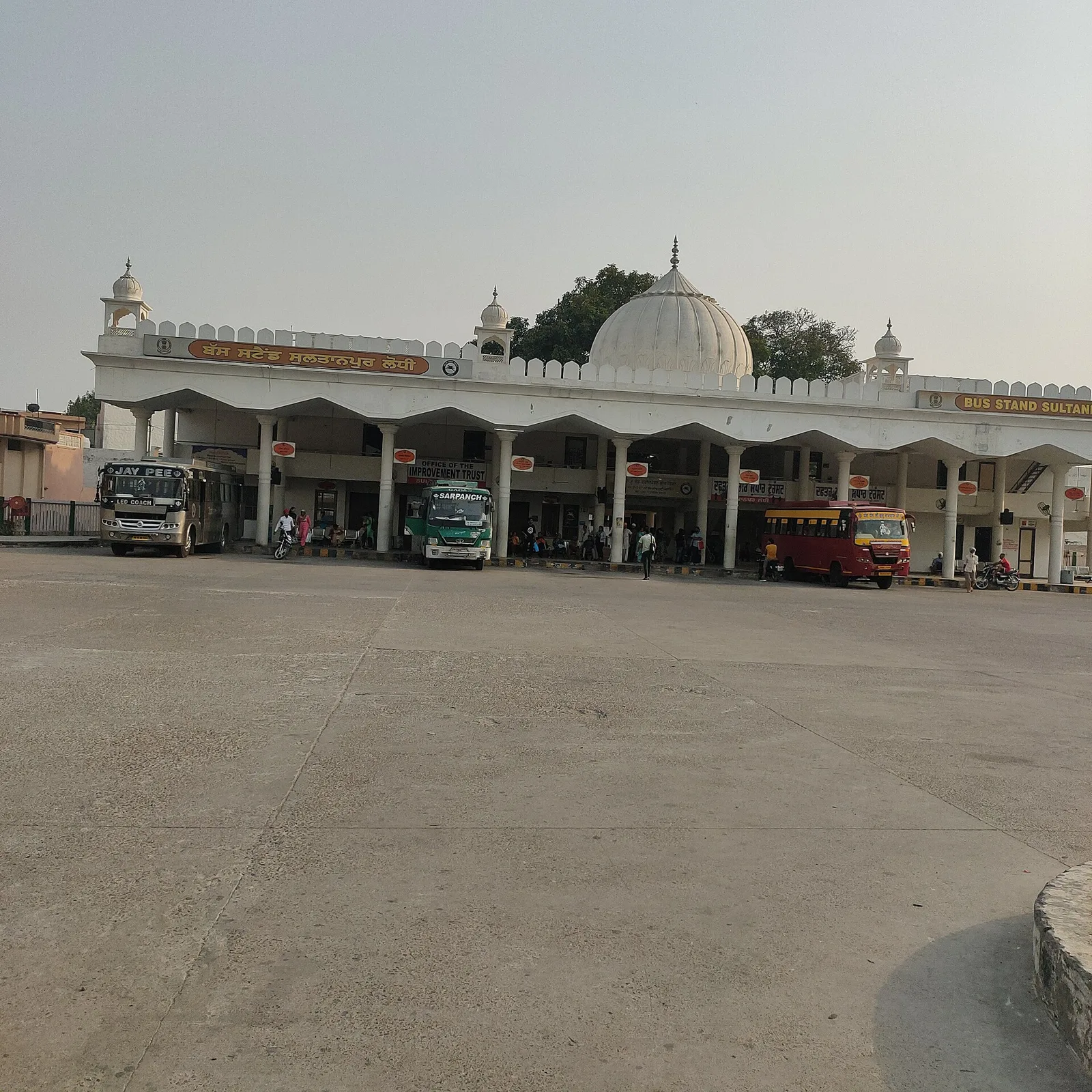
Sultanpur Lodhi

30 km away · Kapurthala district

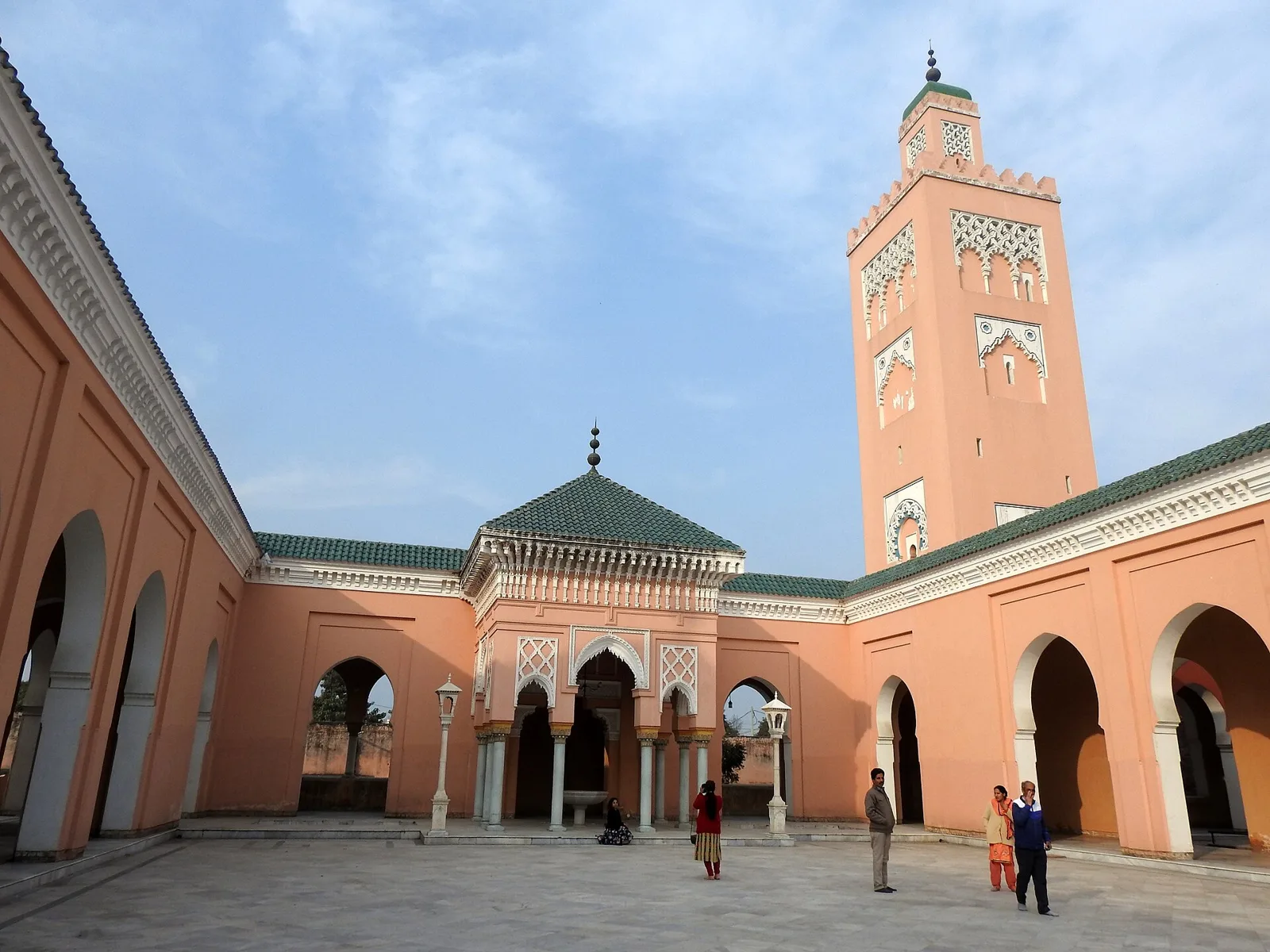
Sultanpur Lodhi

Sultanpur Lodhi is a town in Punjab’s Kapurthala district, with historical links to Bahlul Khan Lodi and a mention in the Ain-e-Akbari that give visitors reasons to explore its past.

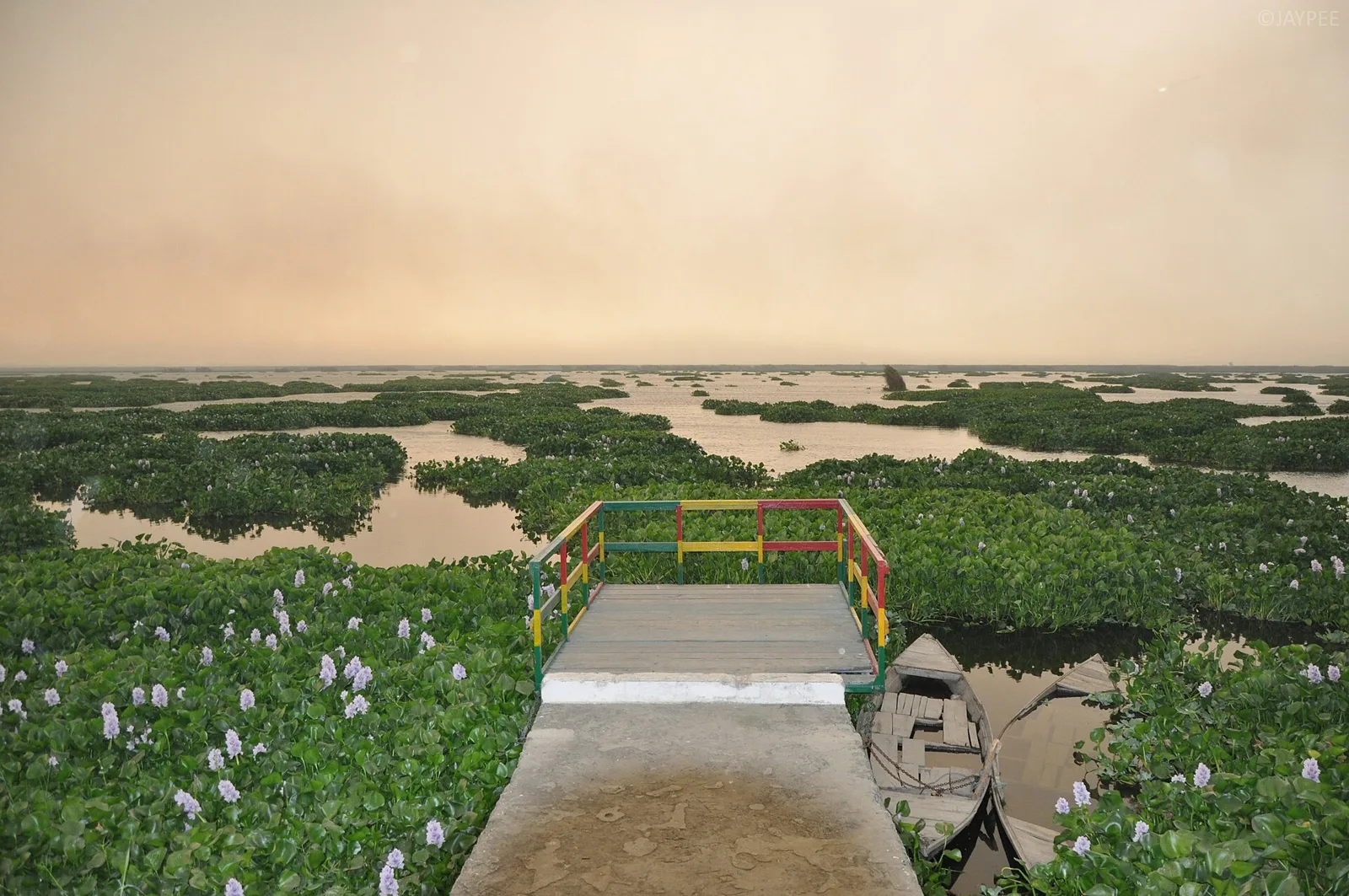
Harike Wetland

34 km away · Tarn Taran district

Harike Wetland

Harike Wetland is a Ramsar-listed lake and marsh complex in Punjab, created near the Beas–Sutlej confluence. Visitors come to see its diverse wetland habitat and migratory waterbirds, including threatened species.

Jagatjit Palace

50 km away · Kapurthala district

Jagatjit Palace

Jagatjit Palace is a former royal residence in Kapurthala, now occupied by Sainik School. Visitors can learn about its connection with the town’s rulers and its change of use.

Kapurthala

50 km away · Kapurthala district

Kapurthala

Kapurthala is a Punjab city and former princely-state capital, noted for French and Indo-Saracenic architecture. Visitors come to see its palaces, gardens and historic character.

Jalandhar

53 km away · Jalandhar district

Jalandhar

Jalandhar is a major city in Punjab and the largest urban centre in Doaba. Visitors encounter it as a regional centre and a well-connected stop on rail and road routes.

54 km away · Kapurthala district

Kanjli Wetland

Kanjli Wetland is an artificial wetland in Kapurthala district, Punjab, that includes Kanjli Lake. Visitors come to experience its diverse habitats and wildlife, recognised internationally through the Ramsar Convention.

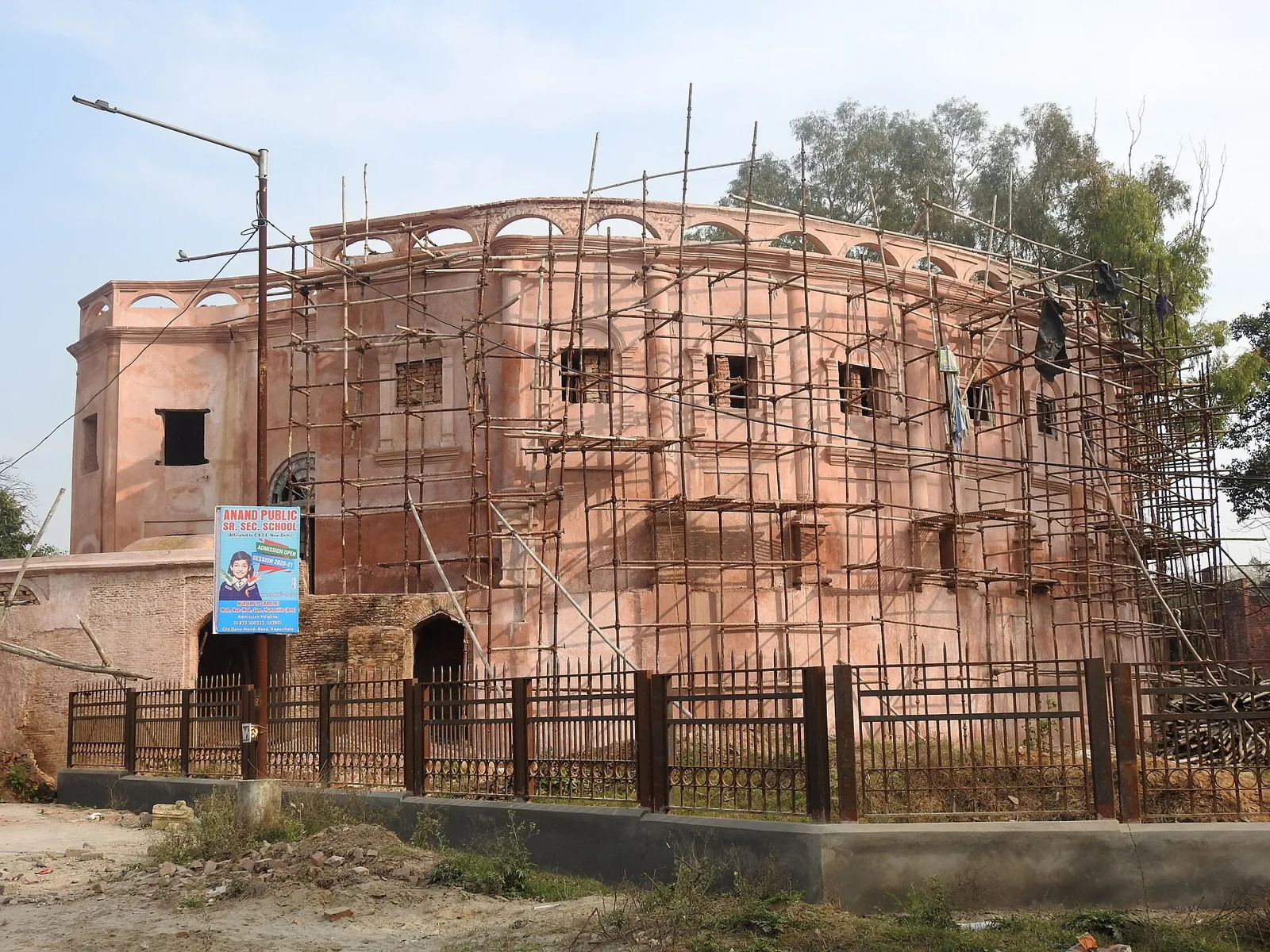
Phillaur Fort

54 km away · Ludhiana district

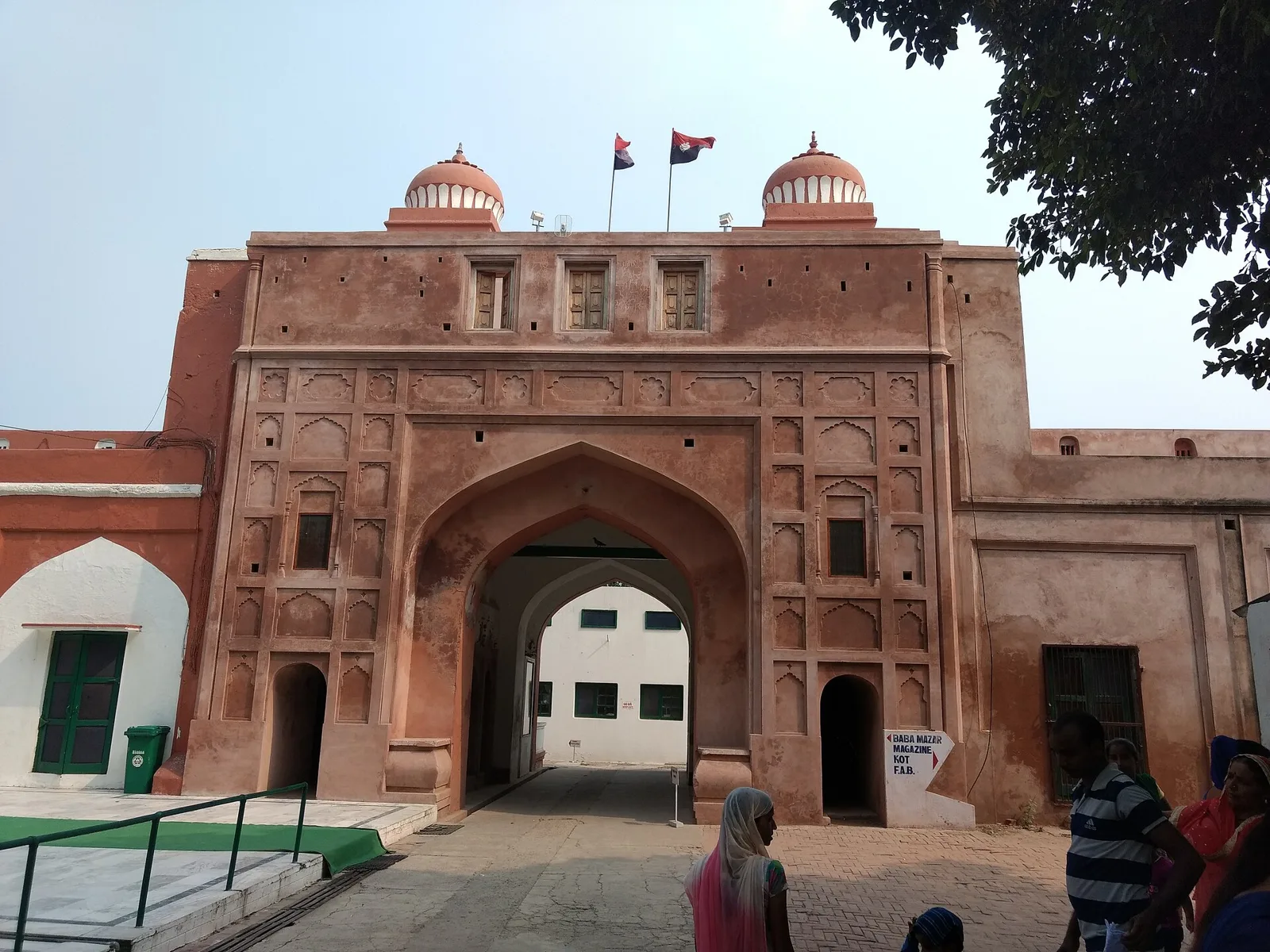
Phillaur Fort

Known also as Maharaja Ranjit Singh Fort, Phillaur Fort is a fort in Punjab that visitors can see on the Grand Trunk Road at Phillaur.

Devi Talab Mandir

55 km away · Jalandhar district

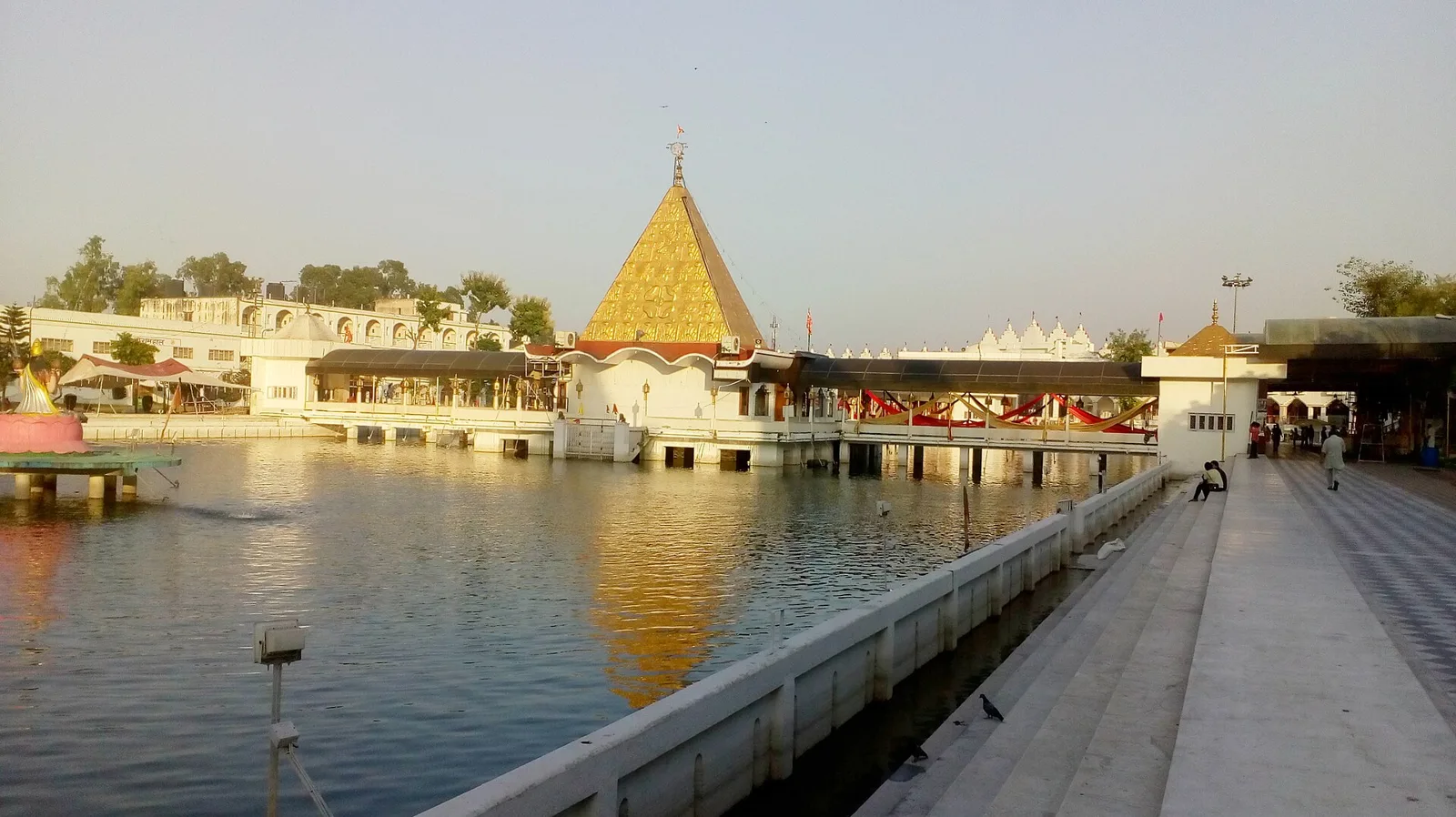
Devi Talab Mandir

In Jalandhar, Punjab, Devi Talab Mandir is a Hindu place of worship dedicated to Goddess Durga. Pilgrims visit for its religious importance, ancient tank and shrines within the complex.

Map

Dharmkot on the map

  1. 1Sultanpur Lodhi
  2. 2Harike Wetland
  3. 3Jagatjit Palace
  4. 4Kapurthala
  5. 5Jalandhar
  6. 6Kanjli Wetland
  7. 7Phillaur Fort
  8. 8Devi Talab Mandir

Punjab

Other cities to explore