Ghumoopedia — Explore, Discover, Experience
Sign in
Ludhiana, near Jagraon

City guide · Punjab

Jagraon

Jagraon is a long-established city in Punjab’s Malwa region and an important local centre in Ludhiana district. It serves as a municipal council, sub-division and rural police district, and its position between Ludhiana and Moga makes it a useful hub for nearby towns and villages.

Famous for

  • Roshni Mela
  • Peer Baba Mohkumdeen's Mazar
  • Lala Lajpat Rai's hometown
  • Guru Sar at Kaunke
  • Historic Malwa market town

Why Jagraon matters

Jagraon is a long-established city in Punjab’s Malwa region and an important local centre in Ludhiana district. It serves as a municipal council, sub-division and rural police district, and its position between Ludhiana and Moga makes it a useful hub for nearby towns and villages. The city lies close to the geographical centre of Punjab, about 37 kilometres from Ludhiana and 29 kilometres from Moga.

Visitors are drawn chiefly by its living religious traditions and local history. The annual Roshni Mela at the mazar of Peer Baba Mohkumdeen brings visitors from across Punjab and neighbouring states. Jagraon is also associated with Lala Lajpat Rai, the freedom movement leader whose former home is now a municipal library. A short trip southwest leads to Kaunke Kalan and Guru Sar, a gurdwara commemorating Guru Hargobind’s visit to the region. Jagraon is best approached as a working Punjabi town, where a visit can combine a shrine, historic associations and everyday market life rather than a long list of monumental attractions.
Famous for: crafts, trade & products

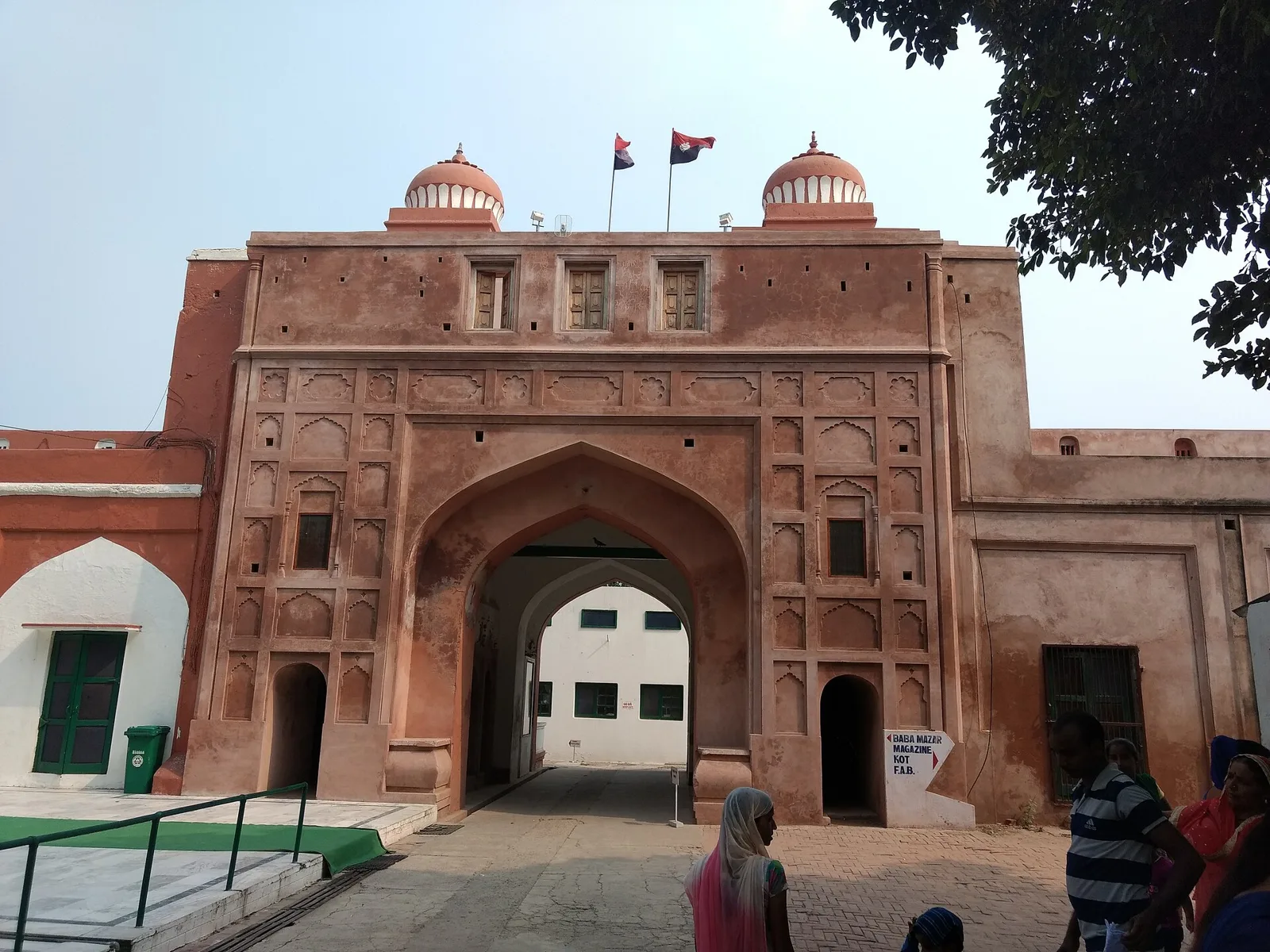
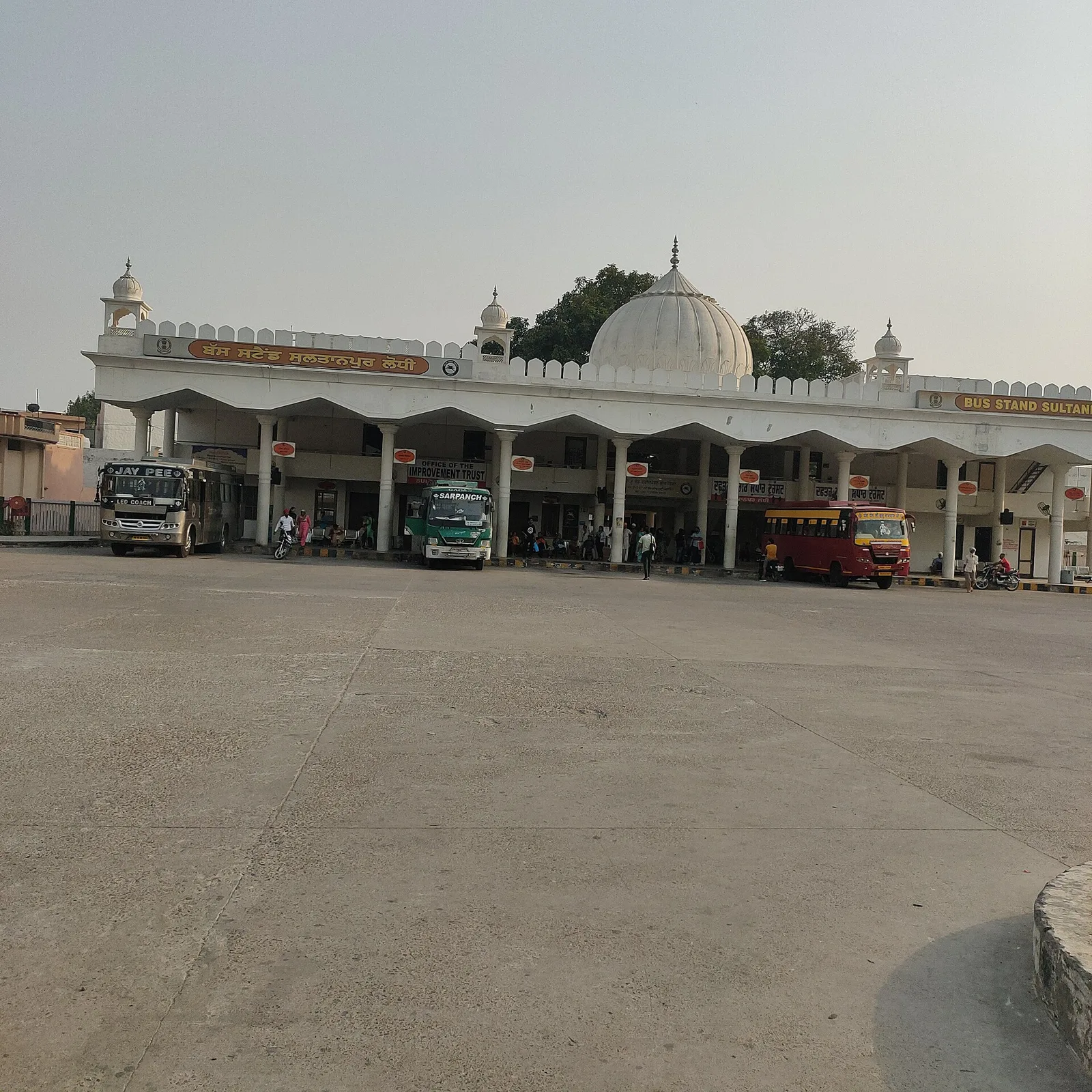
Jagraon is better known for its religious gathering, local history and role as a market town than for a widely recognised textile, handicraft or GI-tagged product. Its central bazaars serve residents and surrounding villages, with everyday shops and businesses reflecting the needs of a busy regional centre. Visitors can browse the town’s market streets for routine Punjabi clothing, household goods and snacks, but should not expect a single signature craft district or a specialist product market.

Agriculture shapes the wider area’s economy, and Jagraon’s local trade connects the city with villages across this part of Ludhiana district. The city’s most distinctive public institution for visitors is the municipal library housed in Lala Lajpat Rai’s former home, linking local civic life with the freedom movement. For a cultural visit, the mazar of Peer Baba Mohkumdeen is closely associated with the Roshni Mela. Nearby Kaunke Kalan is known for Guru Sar. These sites, rather than a particular manufactured product, are the strongest reasons to explore Jagraon and its surroundings.

History

Jagraon is more than three centuries old. It was established in 1688 by Rai Kamaluddin of Raikot. The name is traditionally linked to Jagar aon, interpreted as a place prone to great flooding; the ending graon derives from the Sanskrit grama, meaning village. The region was part of the Malwa landscape through which Sikh Gurus travelled. Guru Hargobind visited the area in 1631–32, and Guru Sar at nearby Kaunke commemorates that association.

In 1790, Rai Ahmad of Jagraon was arrested by the Maratha general Ranee Khan after a dispute involving a promised payment for protection, but escaped near Panipat. The wider Punjab came under British rule in the nineteenth century. Jagraon is also the birthplace of Lala Lajpat Rai, a prominent leader of India’s independence movement; his former home now serves as a municipal library. At Partition in 1947, Rai Inayat Khan was remembered as custodian of Guru Sahib’s Ganga Sagar. Today Jagraon functions as a municipal and administrative centre within Ludhiana district.

Food, festivals & culture

Punjabi is the main language of everyday life in Jagraon, while Hindi is also understood and used. The city’s best-known gathering is the Roshni Mela at the mazar of Peer Baba Mohkumdeen. It attracts devotees and visitors from Punjab and neighbouring states and reflects the region’s shared shrine-going traditions. Sikh observances, including Gurpurabs, are marked at local gurdwaras; their dates follow the Sikh calendar. Vaisakhi in spring and Diwali in autumn are also part of the wider Punjabi festive year.

Food follows familiar Punjabi tastes: expect hearty breads, lentils, seasonal vegetables, dairy-based dishes and sweets available through local eateries and shops. Specific recipes are not uniquely associated with Jagraon. Bhangra and giddha belong to the region’s broader Punjabi performance culture and are especially associated with festive occasions, though performances are not guaranteed on an ordinary visit. Places of worship are central to the city’s cultural landscape: the mazar is a focal point during the mela, and gurdwaras in town and nearby Kaunke Kalan offer quieter visits. Visitors should dress respectfully and follow local customs at religious sites.

Visiting the city

The cooler months, roughly October to March, are generally the most comfortable time to explore Jagraon; summers can be very hot, and monsoon weather may bring rain. The nearest airport is Ludhiana Airport at Sahnewal, though travellers should check current flight availability. Jagraon Railway Station is the main station serving the city, with Ludhiana an important nearby rail hub.

Auto-rickshaws and locally available taxis are practical for short trips; arrange transport in advance for nearby villages. Start around the central bazaar to see everyday town life, then visit the mazar of Peer Baba Mohkumdeen. Lala Lajpat Rai’s former home, now a municipal library, offers a further historical stop. Allow time for Kaunke Kalan, about seven kilometres southwest, to see Guru Sar. The Roshni Mela is the liveliest time to experience the shrine, but crowds are substantial.

Trips from the city

Nearest places to visit from Jagraon

Our closest destination guides, by straight-line distance.

Ludhiana

38 km away · Ludhiana district

Ludhiana

Ludhiana is Punjab’s most populous city and a major manufacturing and trading centre in northern India; visitors come for its industrial and commercial activity.

Phillaur Fort

39 km away · Ludhiana district

Phillaur Fort

Known also as Maharaja Ranjit Singh Fort, Phillaur Fort is a fort in Punjab that visitors can see on the Grand Trunk Road at Phillaur.

Sultanpur Lodhi

54 km away · Kapurthala district

Sultanpur Lodhi

Sultanpur Lodhi is a town in Punjab’s Kapurthala district, with historical links to Bahlul Khan Lodi and a mention in the Ain-e-Akbari that give visitors reasons to explore its past.

Jalandhar

61 km away · Jalandhar district

Jalandhar

Jalandhar is a major city in Punjab and the largest urban centre in Doaba. Visitors encounter it as a regional centre and a well-connected stop on rail and road routes.

Devi Talab Mandir

63 km away · Jalandhar district

Devi Talab Mandir

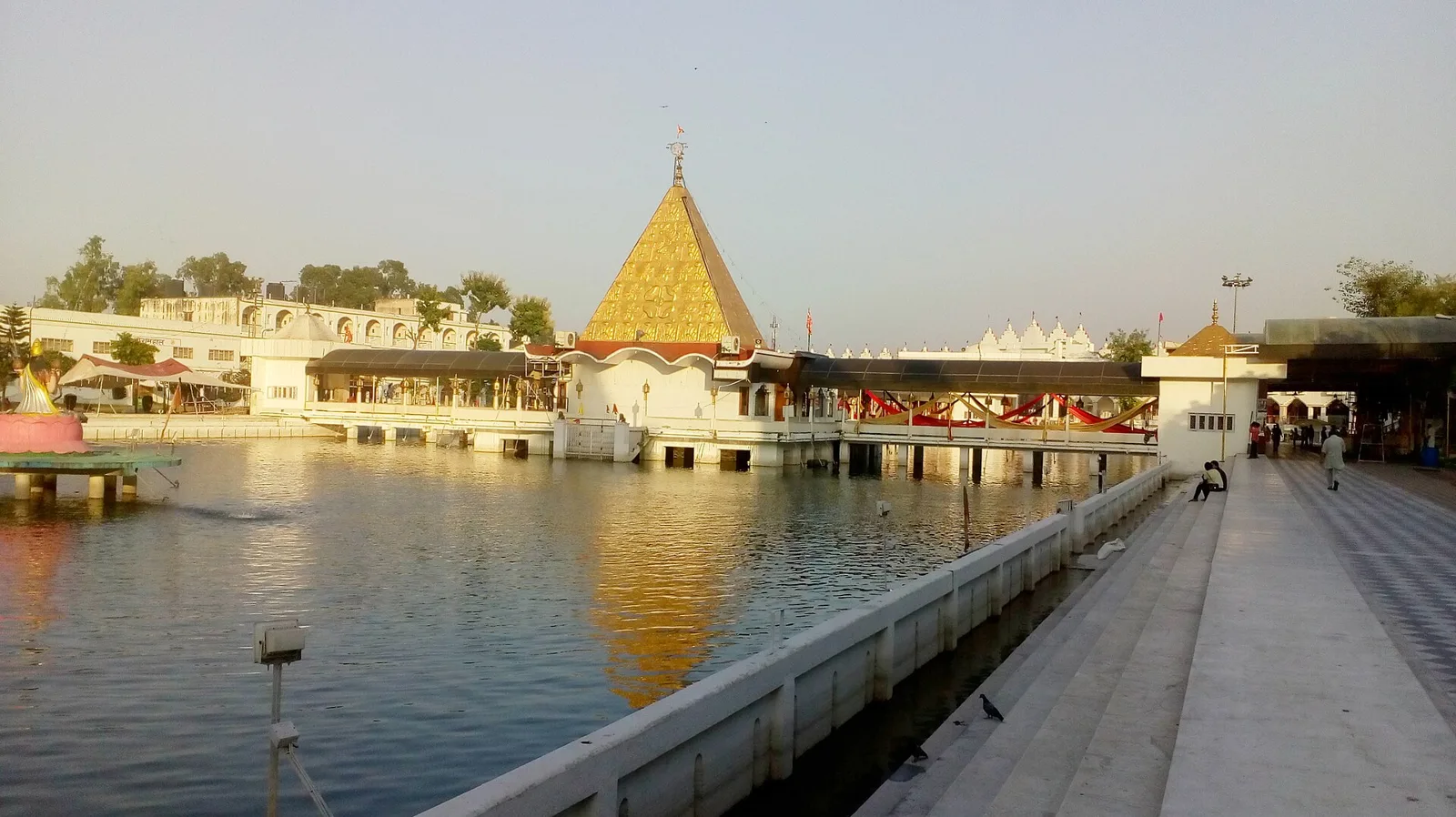
In Jalandhar, Punjab, Devi Talab Mandir is a Hindu place of worship dedicated to Goddess Durga. Pilgrims visit for its religious importance, ancient tank and shrines within the complex.

Harike Wetland

63 km away · Tarn Taran district

Harike Wetland

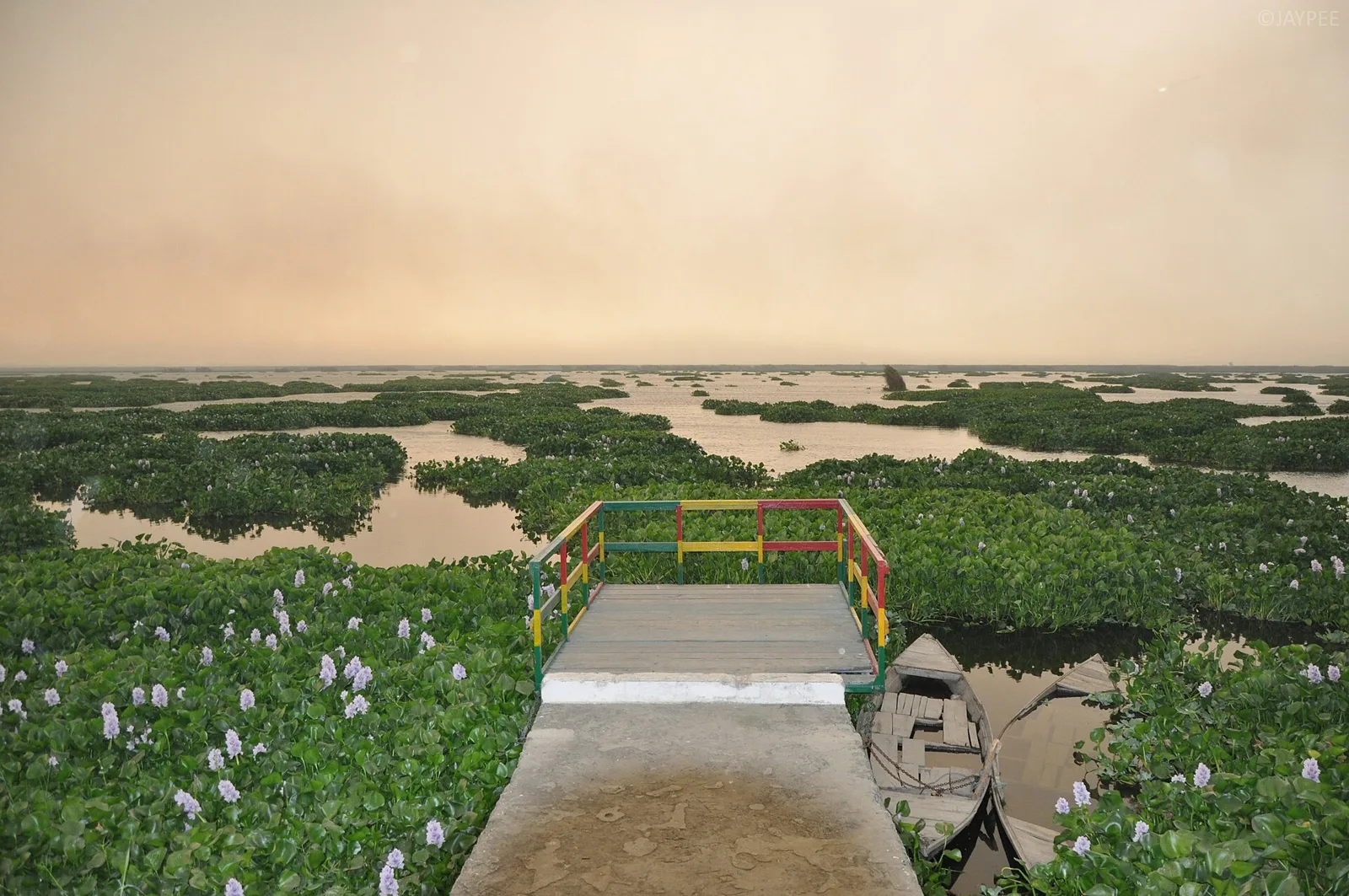
Harike Wetland is a Ramsar-listed lake and marsh complex in Punjab, created near the Beas–Sutlej confluence. Visitors come to see its diverse wetland habitat and migratory waterbirds, including threatened species.

Jagatjit Palace

66 km away · Kapurthala district

Jagatjit Palace

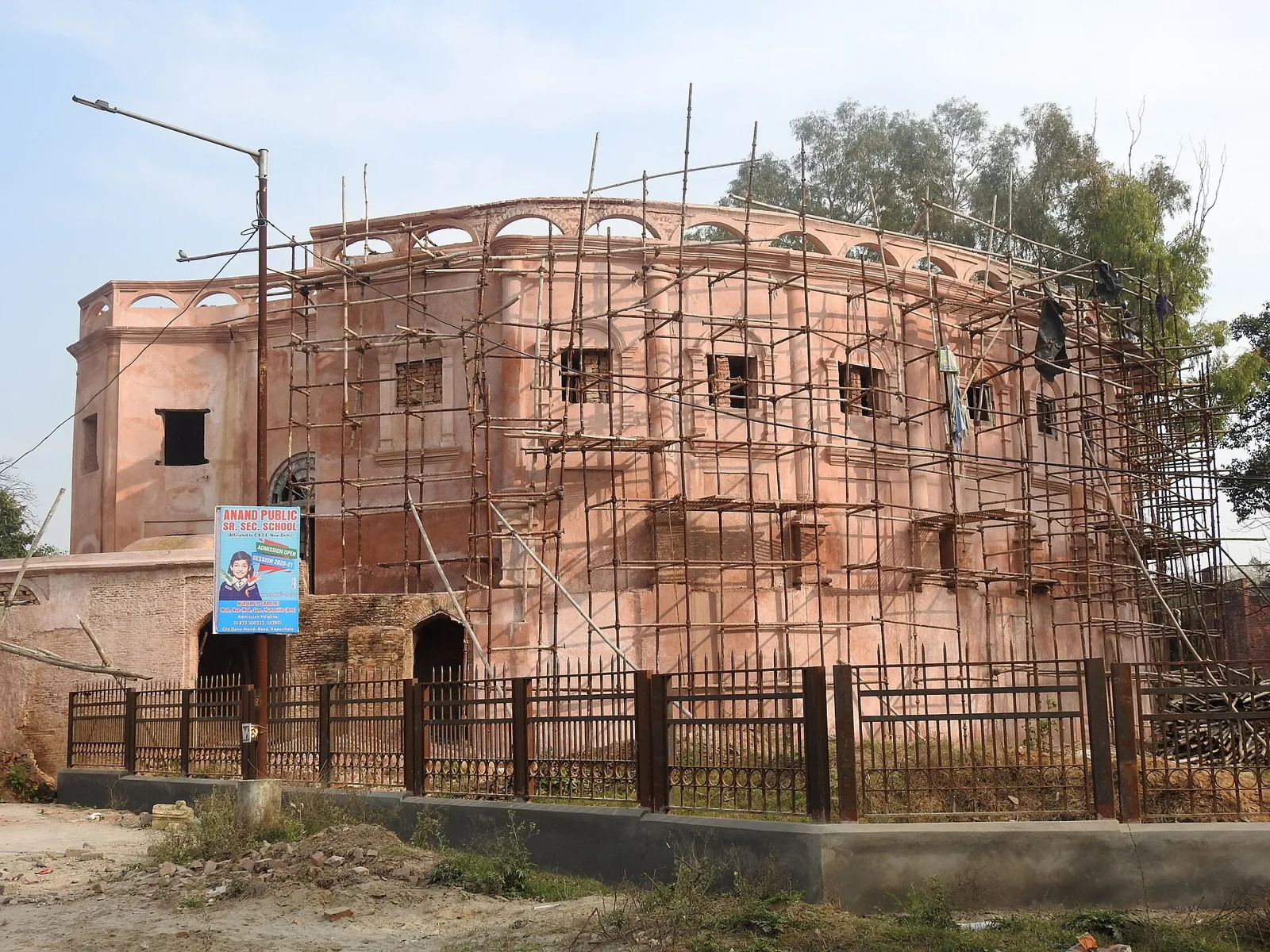
Jagatjit Palace is a former royal residence in Kapurthala, now occupied by Sainik School. Visitors can learn about its connection with the town’s rulers and its change of use.

Kapurthala

66 km away · Kapurthala district

Kapurthala

Kapurthala is a Punjab city and former princely-state capital, noted for French and Indo-Saracenic architecture. Visitors come to see its palaces, gardens and historic character.

Map

Jagraon on the map

  1. 1Ludhiana
  2. 2Phillaur Fort
  3. 3Sultanpur Lodhi
  4. 4Jalandhar
  5. 5Devi Talab Mandir
  6. 6Harike Wetland
  7. 7Jagatjit Palace
  8. 8Kapurthala

Punjab

Other cities to explore