Ghumoopedia — Explore, Discover, Experience
Sign in
Harike Wetland, near Patti

City guide · Punjab

Patti

Patti is a historic town in Punjab’s Majha region and an important centre in Tarn Taran district. About 47 kilometres from Amritsar, it lies close to the international border with Pakistan.

Famous for

  • Historic Mughal fort
  • Sikh historical associations
  • Bibi Rajni’s story
  • Agricultural trade
  • Old city wall remains

Why Patti matters

Patti is a historic town in Punjab’s Majha region and an important centre in Tarn Taran district. About 47 kilometres from Amritsar, it lies close to the international border with Pakistan. Its location makes it a useful stop for travellers exploring the district, while its local markets and institutions serve surrounding agricultural communities. Farming and related work remain central to the town’s economy, alongside a growing network of schools and colleges.

Patti’s appeal lies in the meeting of local life and layered history. The town has a Mughal-era fort, traces of an old defensive wall and religious sites connected with Sikh and Sufi traditions. Stories associated with Bibi Rajni, remembered for her devotion to Guru Ram Das, add to its place in regional Sikh memory. Visitors can explore the old town and its heritage at an unhurried pace, then experience the everyday rhythm of a border-region market town. Patti is also connected by rail with Amritsar and Khem Karan, the line’s final Indian station.
Famous for: crafts, trade & products

Patti is not widely identified with a particular textile, handicraft or GI-tagged product. Its local economy is more closely tied to agriculture and allied activities, so trade tends to focus on farm produce, agricultural supplies and the everyday needs of nearby villages. The central market is the most practical place to browse for groceries, household goods and locally available seasonal produce; selection varies with the farming season and local demand.

The town’s best-known heritage features are its Mughal fort and surviving traces of the old city wall, rather than a specialist craft quarter. The fort, built in 1755, served for many years as a local police station. Educational institutions, including schools and colleges, are also part of Patti’s contemporary role as a district-town service centre. Visitors looking for Punjab-made textiles, crafts or packaged regional foods may find a broader selection in larger nearby centres such as Amritsar. In Patti, the most useful way to understand local commerce is to walk through the central bazaar and observe how it serves the surrounding farming communities.

History

Patti’s older name was Patti Haibatpura; the shorter name gradually came into use. It was described historically as “9 lakhi Patti,” a reference to the substantial revenue it was said to generate. The town was associated with Rai Duni Chand, whose daughter Bibi Rajni is remembered in Sikh tradition for her devotion to Guru Ram Das. Mughal officials also lived in Patti, and its fort was built in 1755.

Patti later became a centre of Sikh-era conflict and changed hands during the contests among the misls, eventually coming under the Faisalpuria, or Singhpuria, Misl. The fort was used to hold and prosecute rebels. Before the 1947 Partition, Patti was a sub-tehsil within Kasur tahsil of Lahore district. Partition reshaped the area’s communities, and some local families, including the Gillanis, moved to Pakistan. After administrative changes and the division of Amritsar district, Patti became part of Tarn Taran district. Today it is developing while retaining an economy rooted largely in agriculture.

Food, festivals & culture

Patti shares the food traditions of the wider Majha region: everyday meals commonly centre on roti, dal, seasonal vegetables and dairy, with Punjabi snacks and sweets available in local shops. There is no single dish for which the town is especially known, so visitors can look to the central market for familiar regional fare. Punjabi is the main language of daily life; Hindi is also understood by many residents.

The cultural calendar follows Punjab’s seasonal and religious observances. Lohri is celebrated in midwinter, Vaisakhi in spring, and Gurpurabs are marked according to the Sikh calendar; Diwali is observed in autumn. Gurdwaras are central to Sikh worship and community life, while the town’s historical associations also include a Shiva temple on a raised mound and Sufi Pir traditions. Punjabi devotional singing and folk music are part of the broader regional culture. Bhangra and giddha are familiar Punjabi dances, especially at festive and family gatherings, though performances are not guaranteed at any particular time.

Visiting the city

October to March is generally the most comfortable season for exploring Patti, with cooler weather than the hot summer months. The nearest airport is Sri Guru Ram Dass Jee International Airport in Amritsar. Patti has its own railway station on the line linking Amritsar with Khem Karan; Amritsar Junction is the larger rail hub for onward connections.

Within town, local autos and taxis can help with short trips, while the central areas are easiest to explore on foot. Begin around the old town and central market, then look for the Mughal fort and remaining sections of the historic wall. The raised ground near the Shiva temple offers another point of interest. As Patti is close to the international border, check current local guidance before travelling towards border-side areas and follow any access restrictions.

Trips from the city

Nearest places to visit from Patti

Our closest destination guides, by straight-line distance.

Harike Wetland

18 km away · Tarn Taran district

Harike Wetland

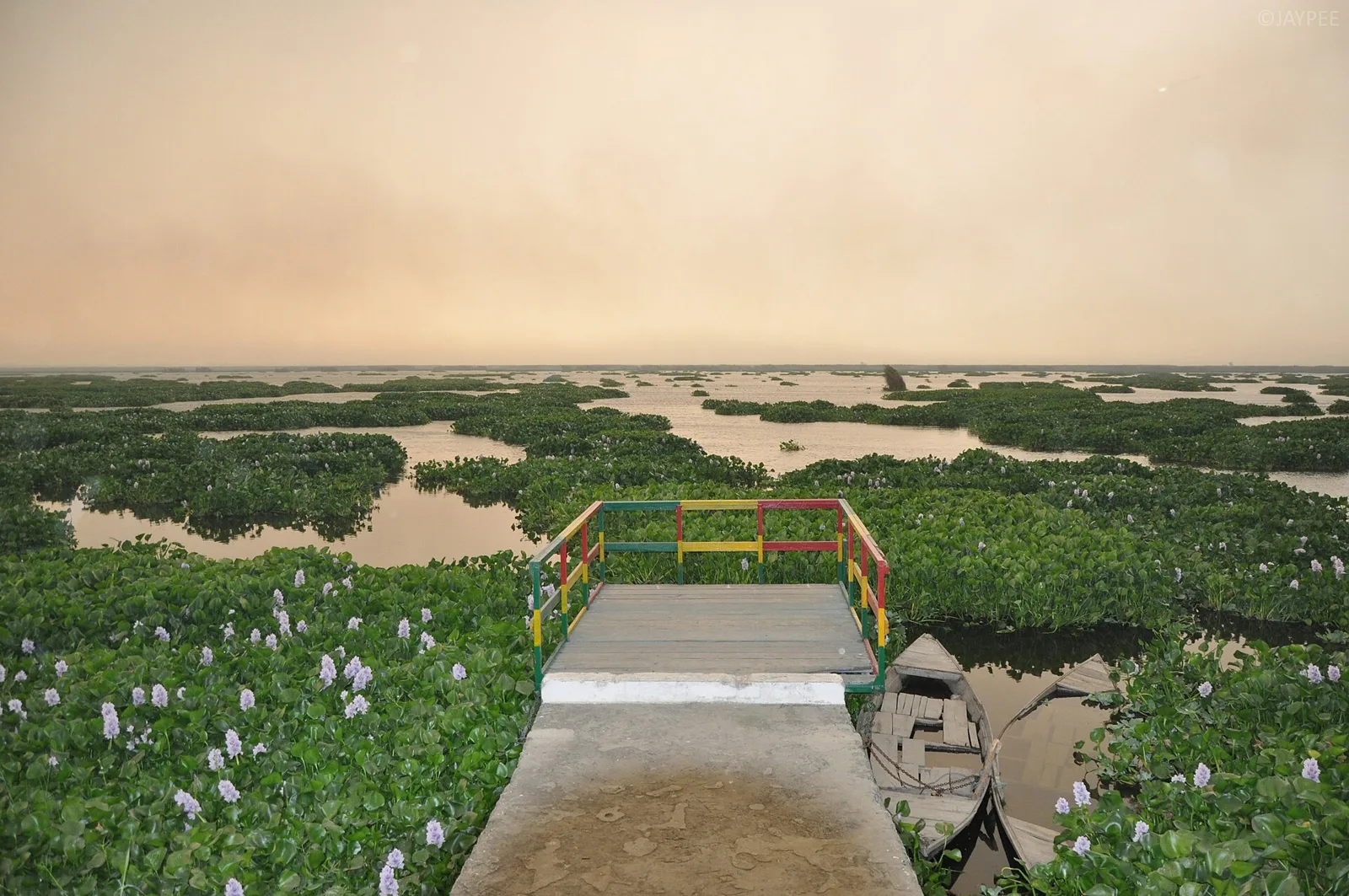
Harike Wetland is a Ramsar-listed lake and marsh complex in Punjab, created near the Beas–Sutlej confluence. Visitors come to see its diverse wetland habitat and migratory waterbirds, including threatened species.

Sultanpur Lodhi

33 km away · Kapurthala district

Sultanpur Lodhi

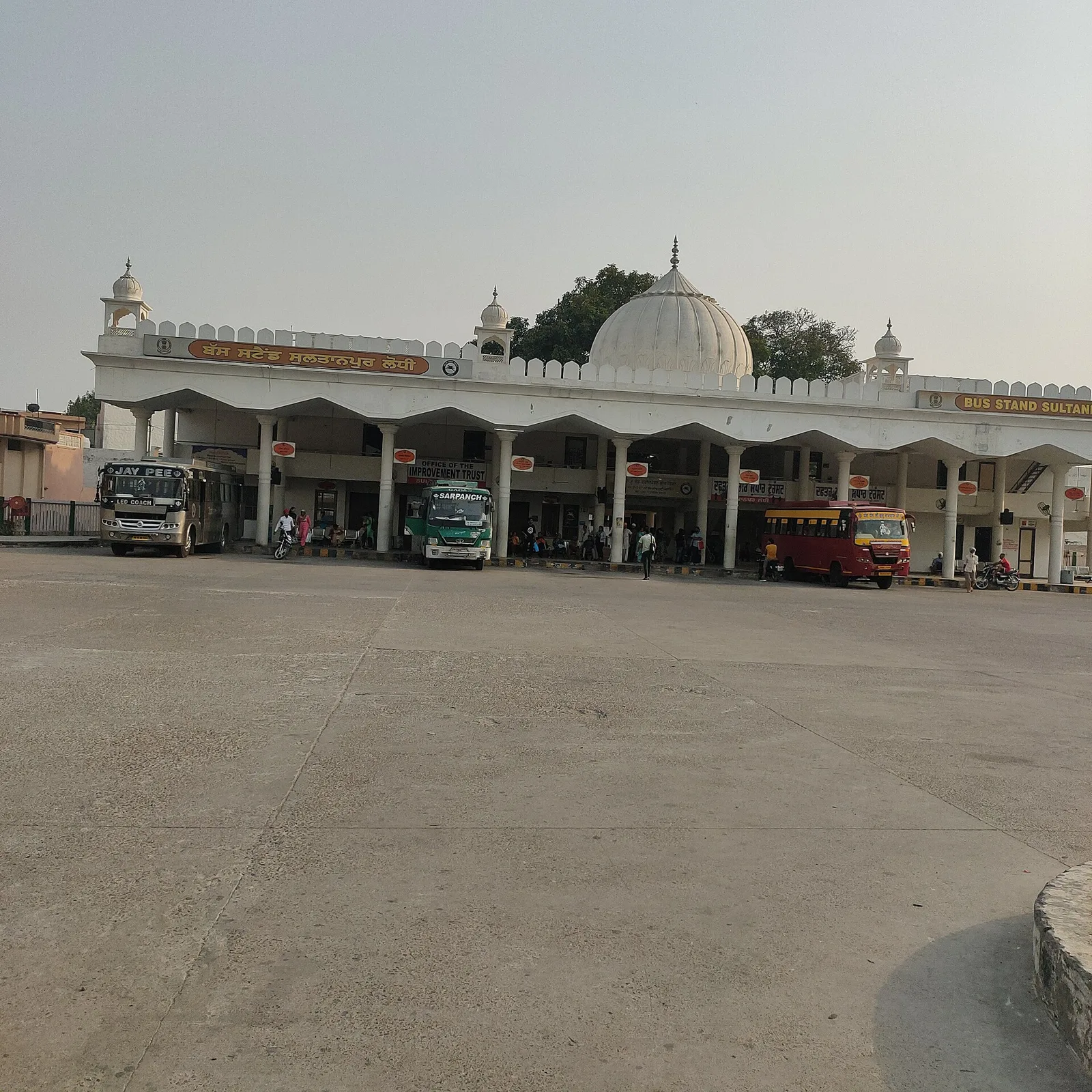
Sultanpur Lodhi is a town in Punjab’s Kapurthala district, with historical links to Bahlul Khan Lodi and a mention in the Ain-e-Akbari that give visitors reasons to explore its past.

Jandiala Guru (Thathera Village)

35 km away · Amritsar district

Jandiala Guru (Thathera Village)

Jandiala Guru is a village and town in Punjab’s Amritsar district. Visitors interested in Sikh history may be drawn to its past association with the Niranjanias, also known as Hindalis.

Golden Temple

38 km away · Amritsar district

Golden Temple

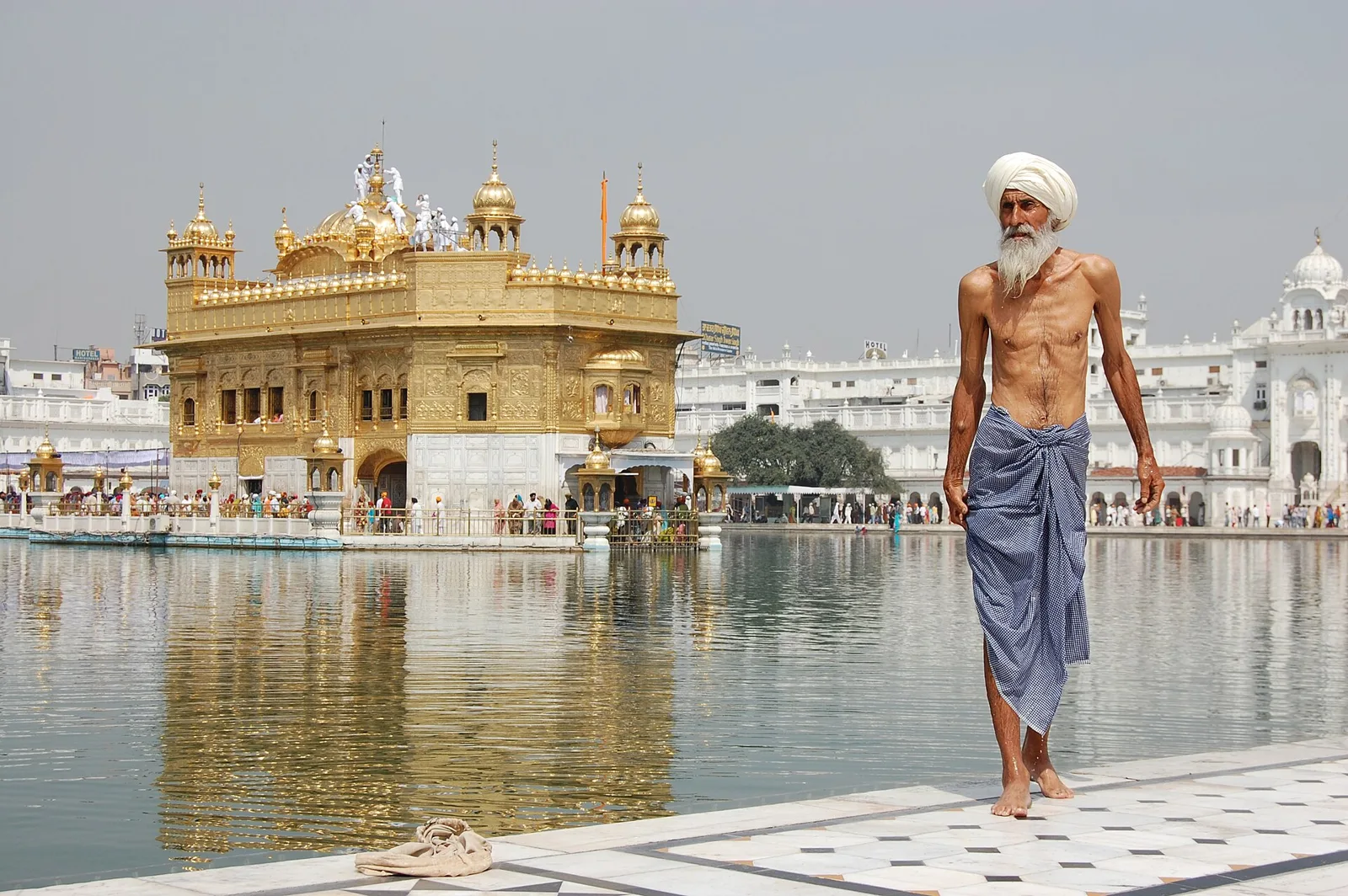
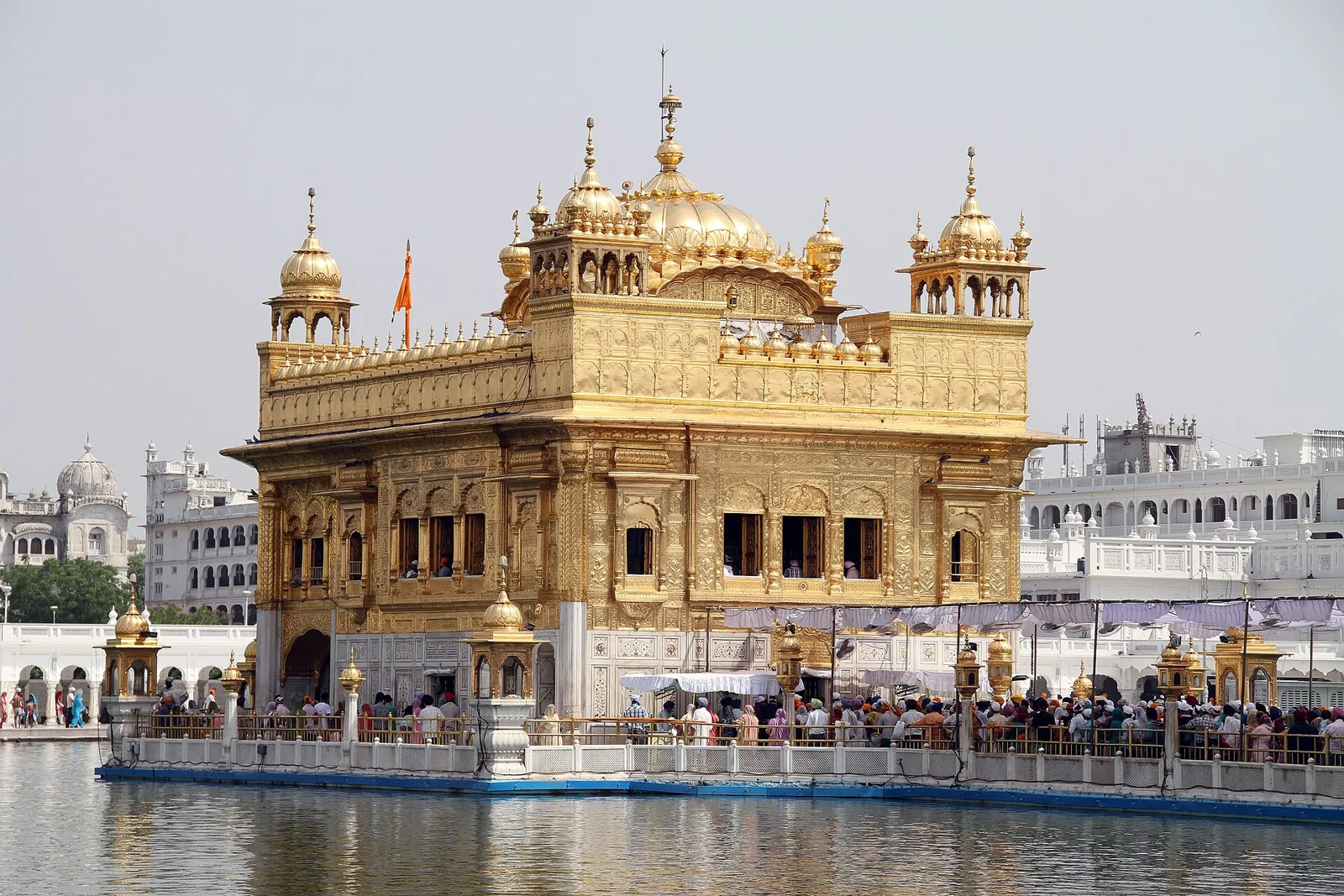
A major Sikh shrine in Amritsar, the Golden Temple draws worshippers to its sacred sanctuary and pool, while its langar welcomes visitors to a free vegetarian meal.

Jallianwala Bagh

38 km away · Amritsar district

Jallianwala Bagh

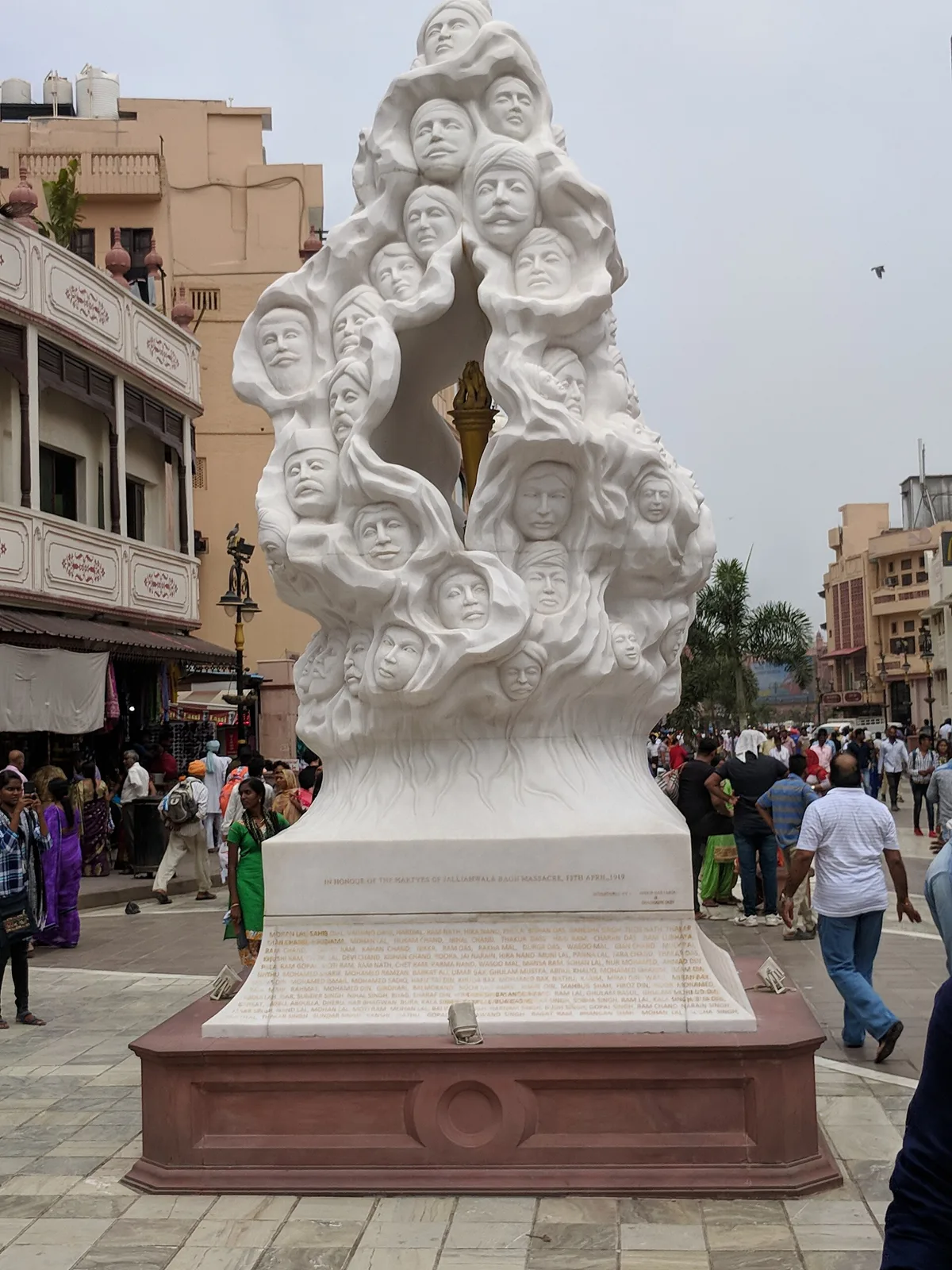
A historic garden and national memorial in Amritsar, Jallianwala Bagh commemorates those killed or wounded in the 1919 massacre. Visitors come to remember them and see the site’s museum, gallery and memorials.

Amritsar

40 km away · Amritsar district

Amritsar

Amritsar is a major city in Punjab’s Majha region, known for the Golden Temple, its food and wooden chess-making. Visitors also come for its cultural, transport and commercial significance.

Durgiana Temple

40 km away · Amritsar district

Durgiana Temple

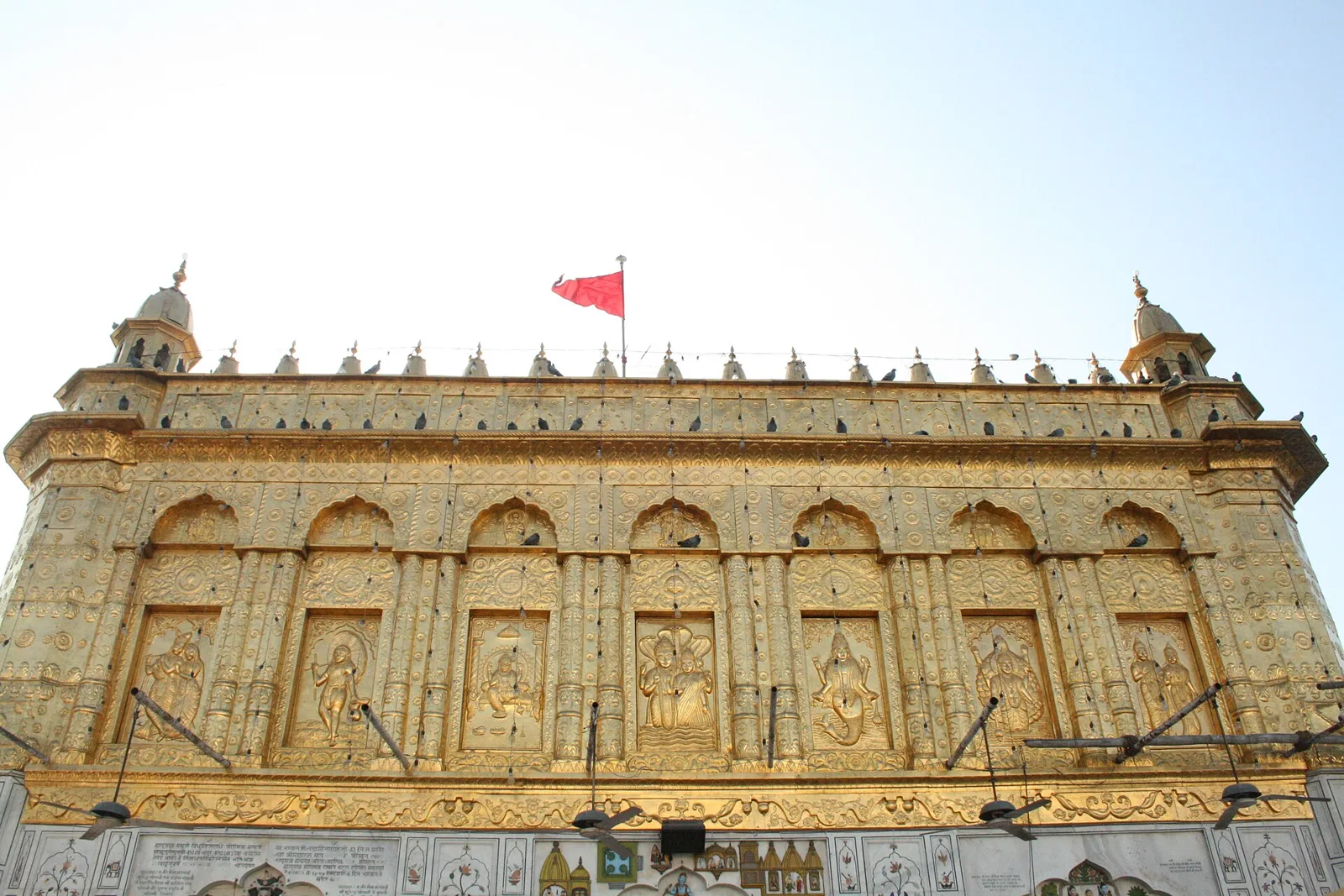
Durgiana Temple, also called Shri Durgiana Mandir, is a Hindu shrine in Amritsar, Punjab. Visitors come to worship Durga, with Lakshmi and Vishnu also honoured there.

Attari–Wagah Border

43 km away · Amritsar district

Attari–Wagah Border

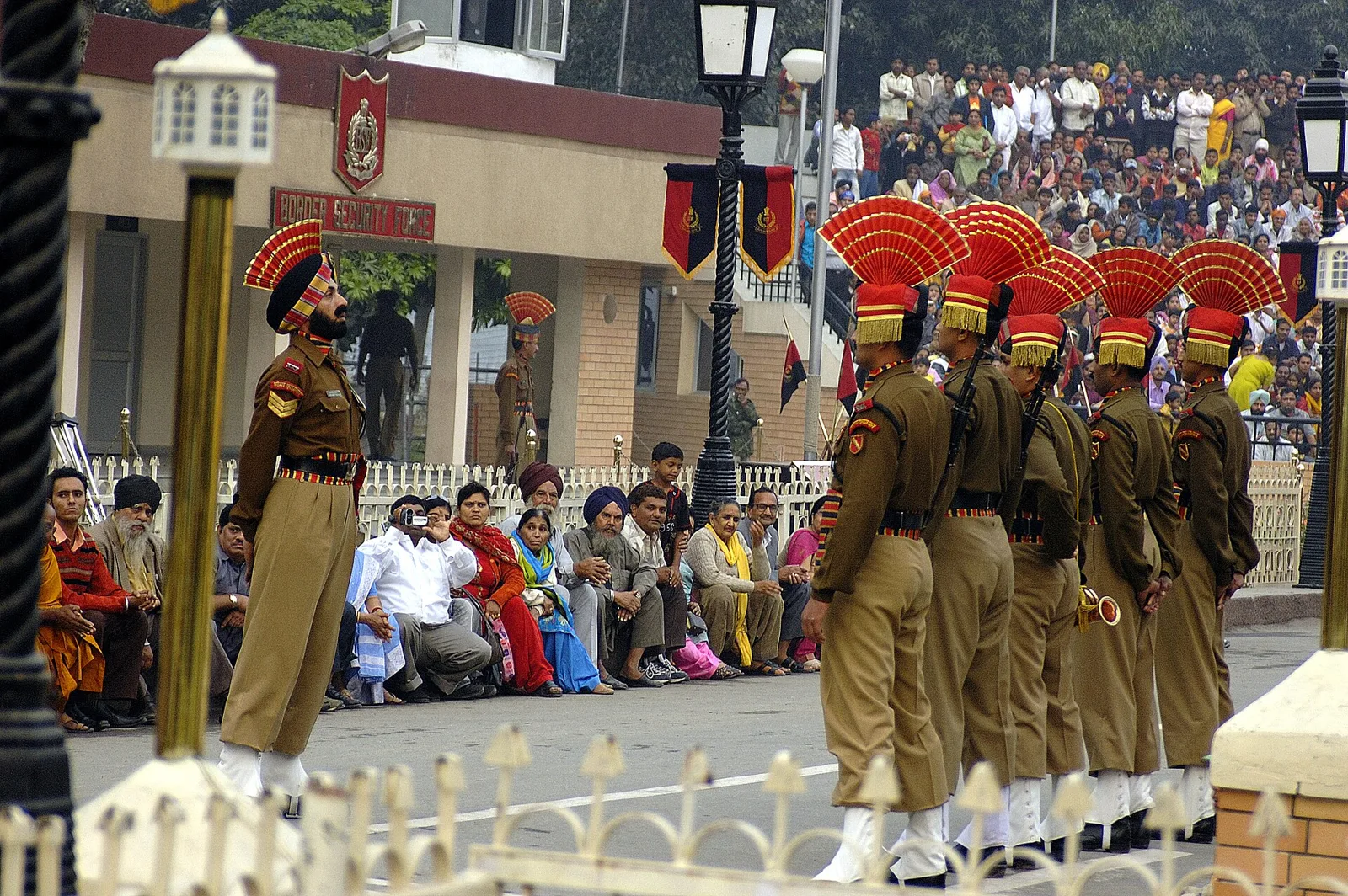
Attari–Wagah is a border area in Punjab beside Attari village. Visitors come for its setting near the India–Pakistan boundary and the village’s connections to the Lahore–Delhi railway and Sikh military history.

Map

Patti on the map

  1. 1Harike Wetland
  2. 2Sultanpur Lodhi
  3. 3Jandiala Guru (Thathera Village)
  4. 4Golden Temple
  5. 5Jallianwala Bagh
  6. 6Amritsar
  7. 7Durgiana Temple
  8. 8Attari–Wagah Border

Punjab

Other cities to explore