Ghumoopedia — Explore, Discover, Experience
Sign in
Harike Wetland, near Mullanwala

City guide · Punjab

Mullanwala

Mullanwala, also known as Mullanwala Khas, is a small town in Punjab’s Firozpur district, in the wider Zira area. Its importance is chiefly regional: it serves nearby villages with everyday shops, services and connections, while agriculture shapes much of the surrounding landscape and local economy.

Famous for

  • Agricultural trade in the Zira belt
  • Wheat and paddy farming
  • Punjabi town and village culture
  • Local grain and produce commerce

Why Mullanwala matters

Mullanwala, also known as Mullanwala Khas, is a small town in Punjab’s Firozpur district, in the wider Zira area. Its importance is chiefly regional: it serves nearby villages with everyday shops, services and connections, while agriculture shapes much of the surrounding landscape and local economy. Wheat and paddy cultivation are characteristic of this part of Punjab, and the movement of farm produce links the town to larger trading centres in the district.

Visitors are more likely to come for family visits, local business or to explore the rural character of the Firozpur region than for a major sightseeing attraction. The town offers a glimpse of everyday Punjabi life, with neighbourhood shops, food stalls and places of worship set among the activity of a working agricultural community. Mullanwala is also a practical stop for travellers moving through the Zira area. Those seeking prominent historic monuments or specialist shopping will find a wider choice in larger nearby towns; here, the appeal is the quieter pace and local connections.
Famous for: crafts, trade & products

Mullanwala is not widely associated with a distinctive textile, handicraft tradition or GI-tagged product. Its local commerce is more closely tied to the needs of residents and the surrounding farming communities. Shops and small businesses in the town centre serve day-to-day needs, while agricultural produce from the area enters broader regional trade. Wheat and paddy are familiar crops across this part of Punjab, though seasonal production and trading activity vary.

For visitors, the most useful place to browse is the central market area, where everyday goods, snacks and household essentials are sold. It is a place for ordinary local shopping rather than a destination market for specialised crafts or luxury goods. Larger towns in the district offer a broader selection of retail services and products. Travellers interested in Punjabi textiles, crafts or packaged regional foods can look for established shops in those larger centres, rather than expecting a particular Mullanwala-made speciality. Asking locally about seasonal produce is a simple way to connect with the area’s agricultural character.

History

Mullanwala’s story is best understood within the history of the Firozpur and Zira region rather than through a well-documented local royal court or a single famous monument. The wider Punjab landscape experienced successive periods of Sikh political influence before coming under British rule during the nineteenth century. As elsewhere in colonial Punjab, administration, roads and agricultural commerce gradually shaped connections between villages and market towns; detailed accounts of Mullanwala’s own development are limited.

After Partition in 1947, the region became part of Indian Punjab. In the decades that followed, improved transport, public services and the expansion of modern farming strengthened links between smaller settlements and district centres. Mullanwala developed as a local service and market town within an agricultural hinterland. Its present-day character reflects that practical role: farms and villages support local commerce, while residents travel to larger towns for services and institutions not available nearby.

Food, festivals & culture

Everyday food follows familiar Punjabi patterns: roti or paratha with dal, seasonal vegetables, curd and pickles. Tea is a common refreshment, and sweets such as jalebi, laddoo or barfi may be found at local shops, particularly around festive occasions. Baisakhi, celebrated in spring, is associated with the harvest season; Lohri brings winter gatherings, while Diwali falls in autumn. Sikh Gurpurabs are observed according to the lunar calendar, with dates changing from year to year.

Punjabi is the principal language of daily life, and Hindi is also understood by many people. Folk songs, dhol rhythms, bhangra and giddha are part of the broader cultural life of the region, especially at celebrations and family events. Sikh gurdwaras and Hindu temples serve as important places of worship and community gathering. Visitors should dress respectfully and follow customary etiquette when entering religious sites; specific local practices can be checked with residents.

Visiting the city

The most comfortable time to visit is generally from October to March, when days are cooler. Summers can be very hot, while monsoon weather may bring rain and humid conditions. Sri Guru Ram Dass Jee International Airport in Amritsar is a practical airport for flights to the region; onward travel is by road. Firozpur Cantt is the main railway station to consider for rail connections, with the final leg to Mullanwala made by road. Check current services before setting out.

Local buses, shared vehicles, taxis and auto-rickshaws are useful for getting around, though availability may vary. Begin around the town centre and market streets for everyday activity, then explore nearby village roads and farmland with local guidance. Mullanwala is a modest town rather than a resort destination, so travellers seeking extensive sightseeing or accommodation options may prefer to arrange these in a larger nearby centre.

Trips from the city

Nearest places to visit from Mullanwala

Our closest destination guides, by straight-line distance.

Harike Wetland

17 km away · Tarn Taran district

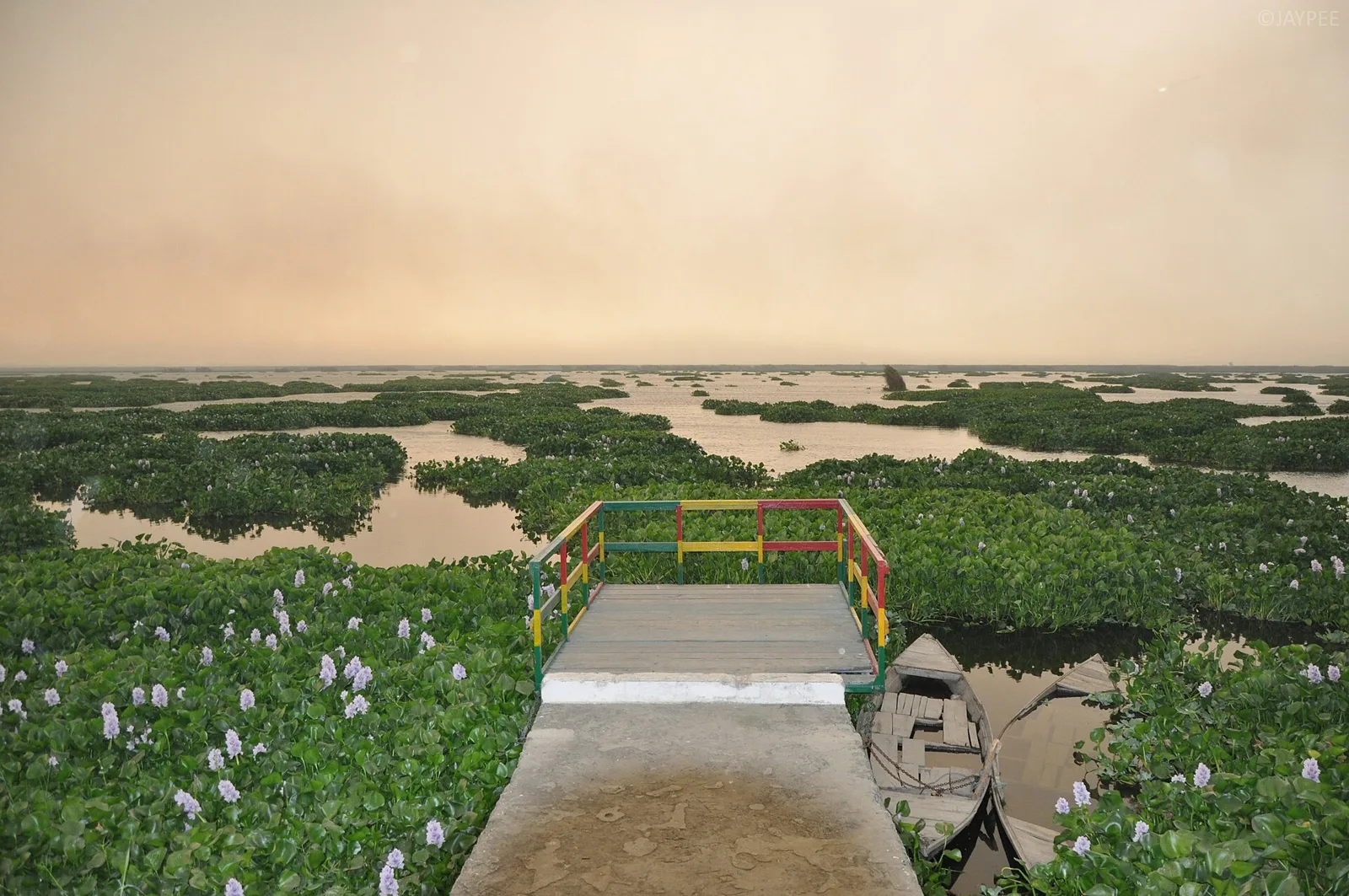
Harike Wetland

Harike Wetland is a Ramsar-listed lake and marsh complex in Punjab, created near the Beas–Sutlej confluence. Visitors come to see its diverse wetland habitat and migratory waterbirds, including threatened species.

Hussainiwala

27 km away · Firozpur district

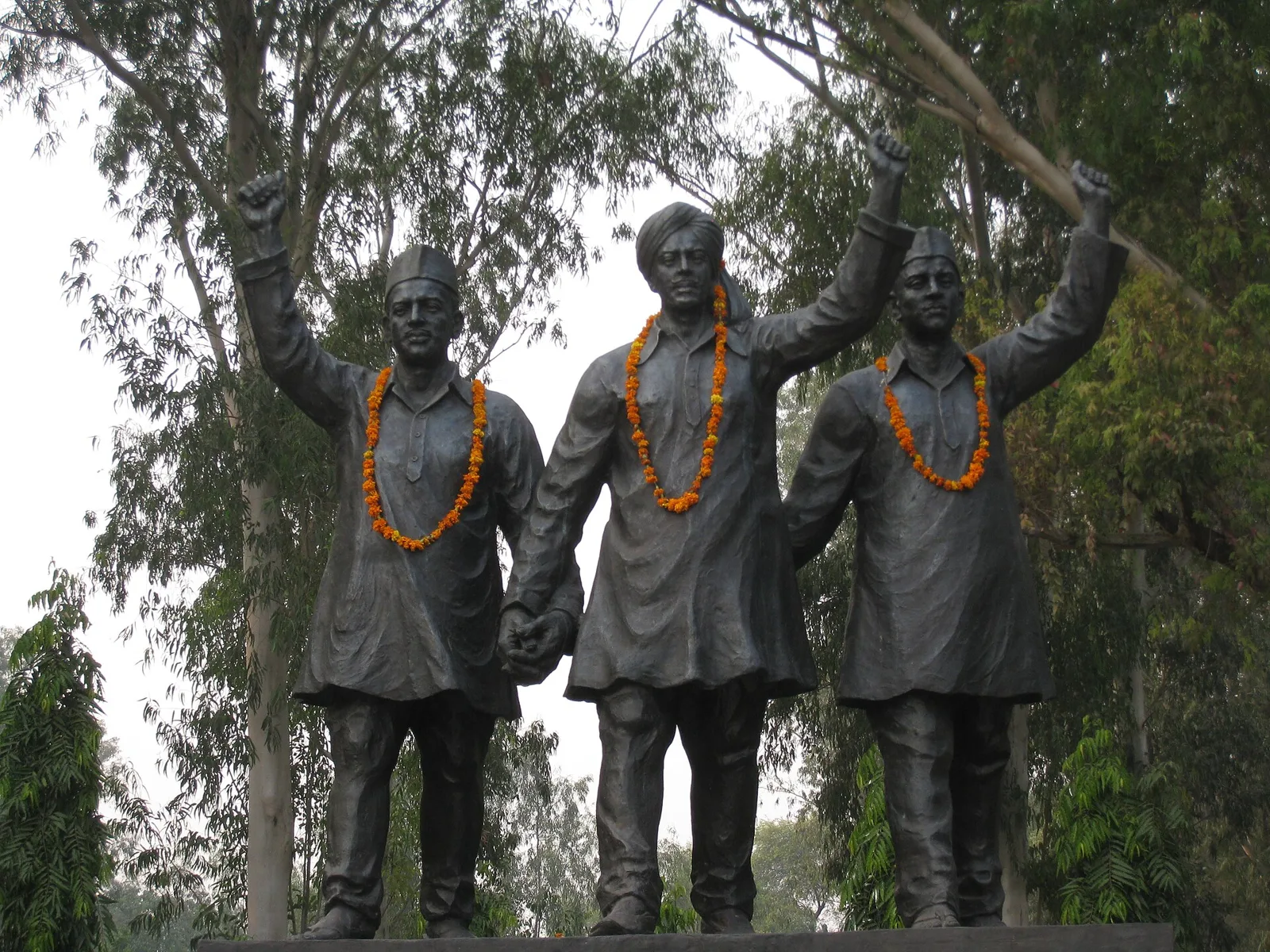
Hussainiwala

Hussainiwala is a village in Punjab’s Firozpur district, visited for its memorial to Bhagat Singh, Sukhdev Thapar and Shivaram Rajguru, and the daily India–Pakistan retreat ceremony.

Sultanpur Lodhi

40 km away · Kapurthala district

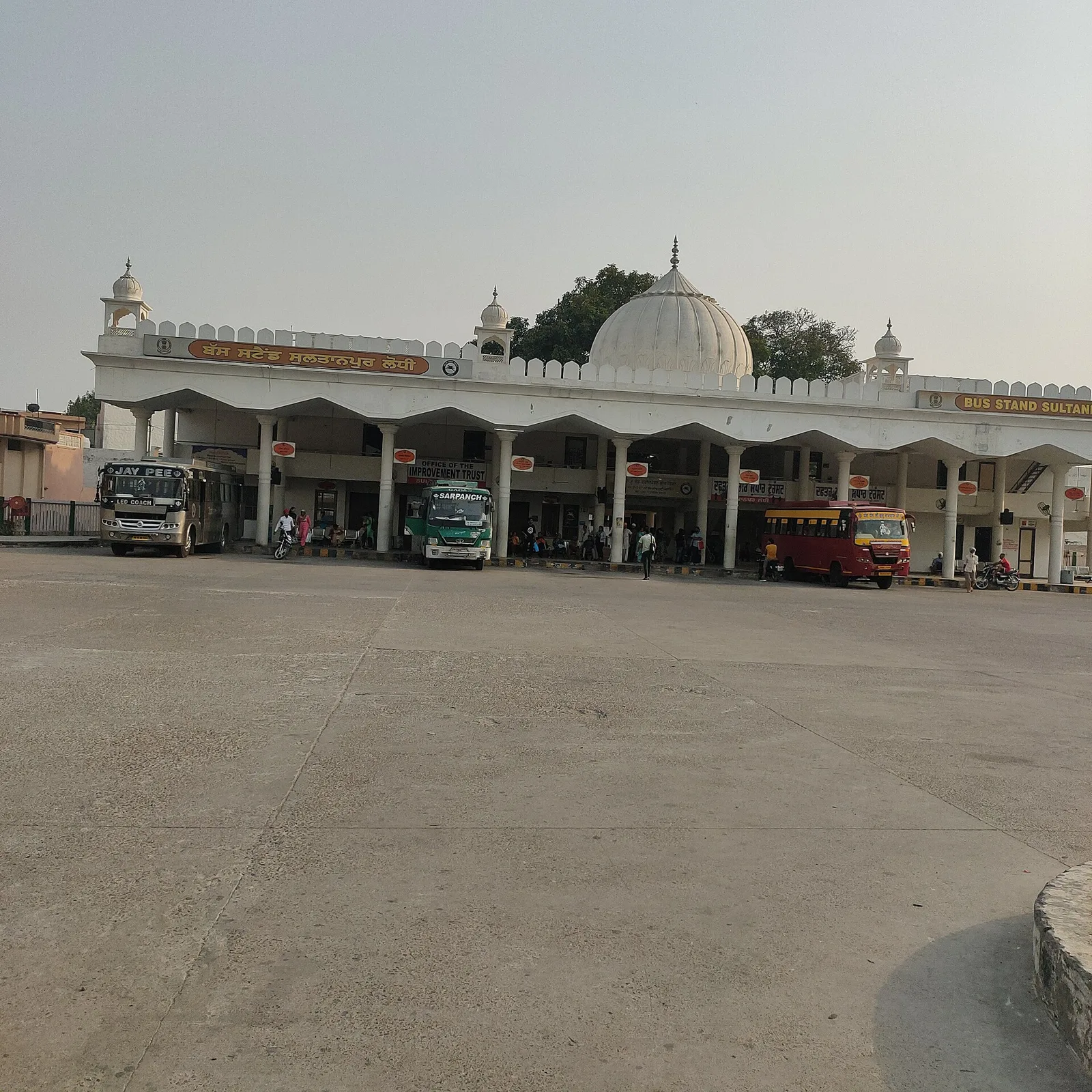
Sultanpur Lodhi

Sultanpur Lodhi is a town in Punjab’s Kapurthala district, with historical links to Bahlul Khan Lodi and a mention in the Ain-e-Akbari that give visitors reasons to explore its past.

Jandiala Guru (Thathera Village)

59 km away · Amritsar district

Jandiala Guru (Thathera Village)

Jandiala Guru is a village and town in Punjab’s Amritsar district. Visitors interested in Sikh history may be drawn to its past association with the Niranjanias, also known as Hindalis.

Golden Temple

62 km away · Amritsar district

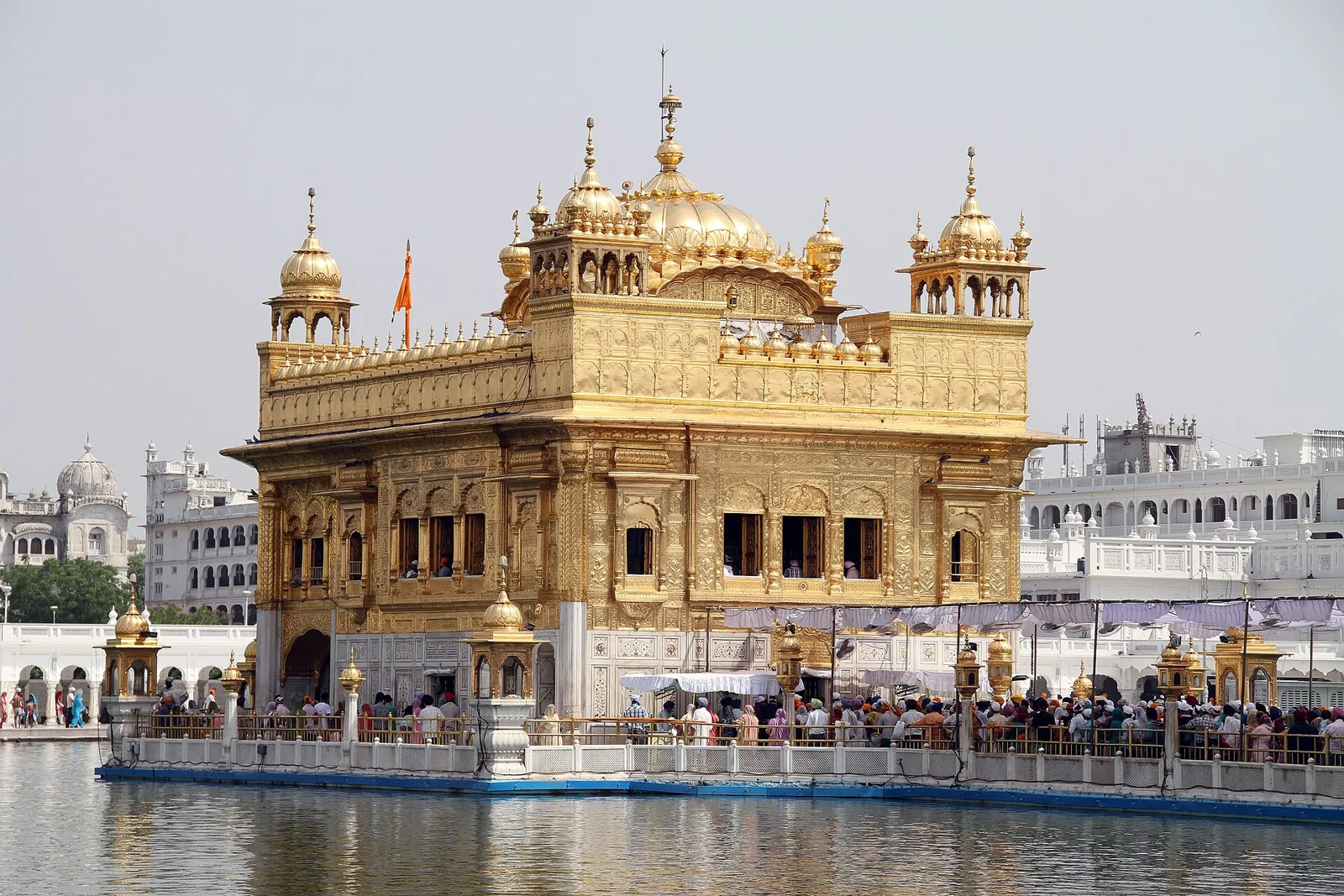
Golden Temple

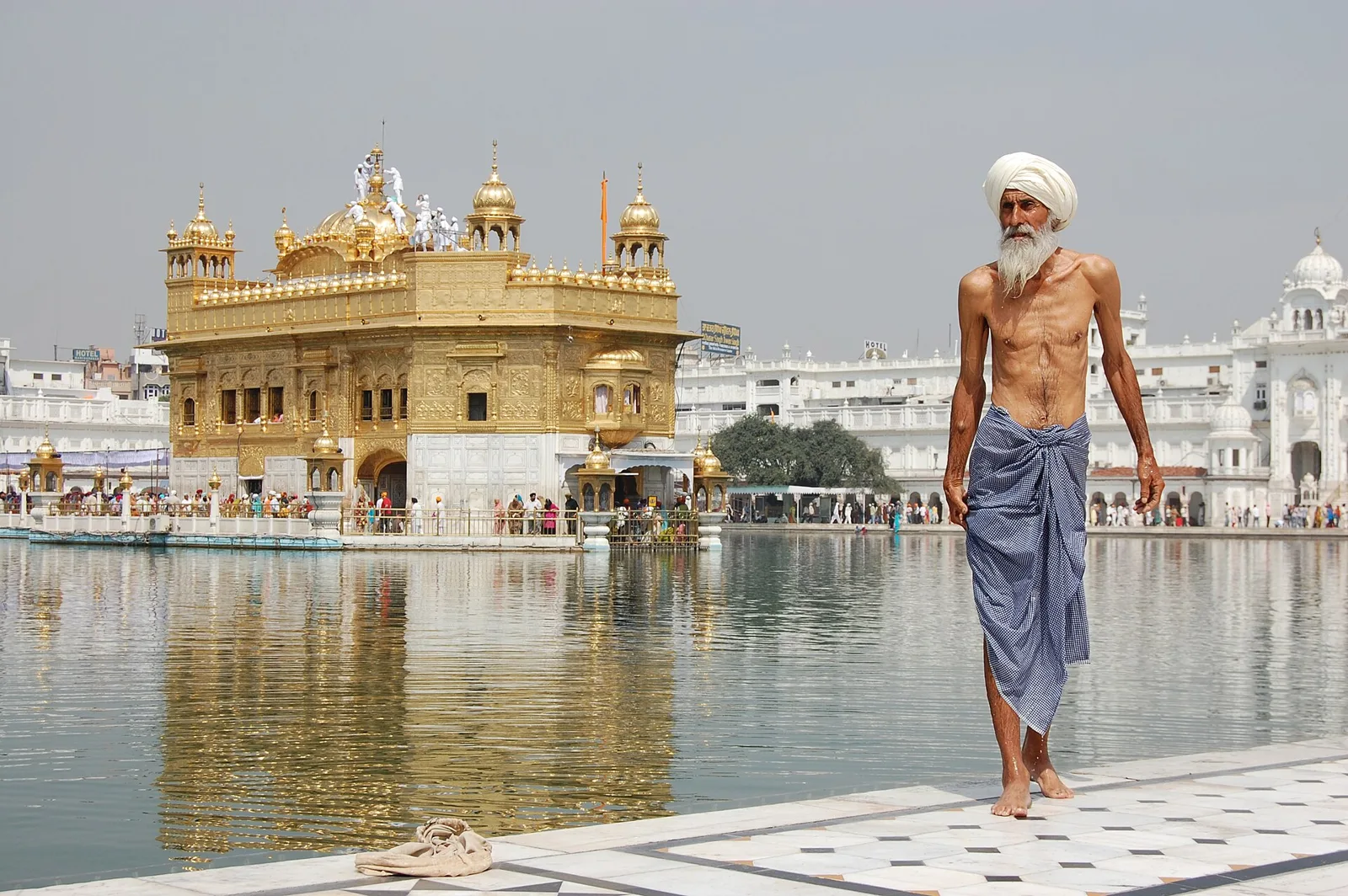
A major Sikh shrine in Amritsar, the Golden Temple draws worshippers to its sacred sanctuary and pool, while its langar welcomes visitors to a free vegetarian meal.

Jallianwala Bagh

62 km away · Amritsar district

Jallianwala Bagh

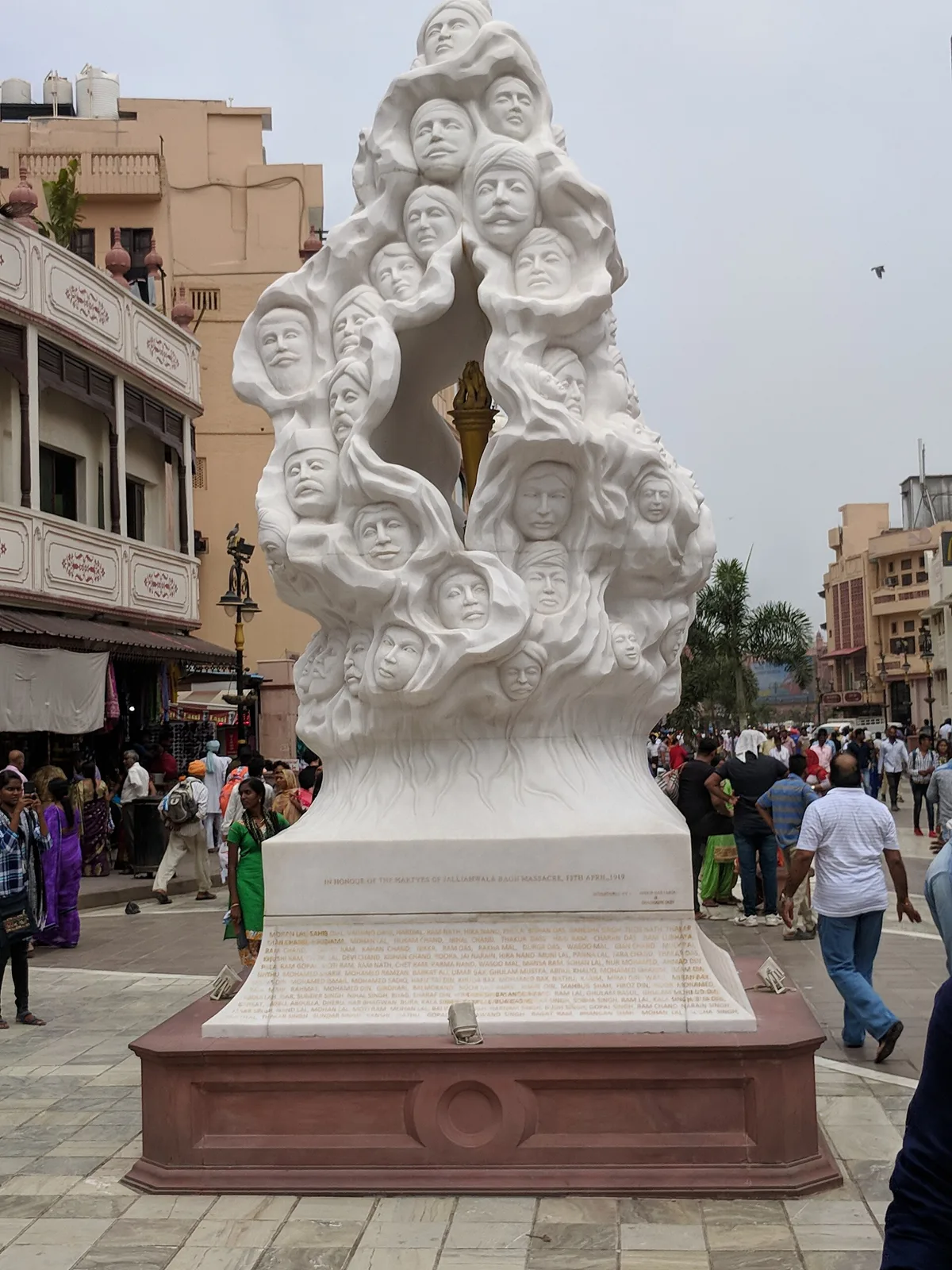
A historic garden and national memorial in Amritsar, Jallianwala Bagh commemorates those killed or wounded in the 1919 massacre. Visitors come to remember them and see the site’s museum, gallery and memorials.

Attari–Wagah Border

63 km away · Amritsar district

Attari–Wagah Border

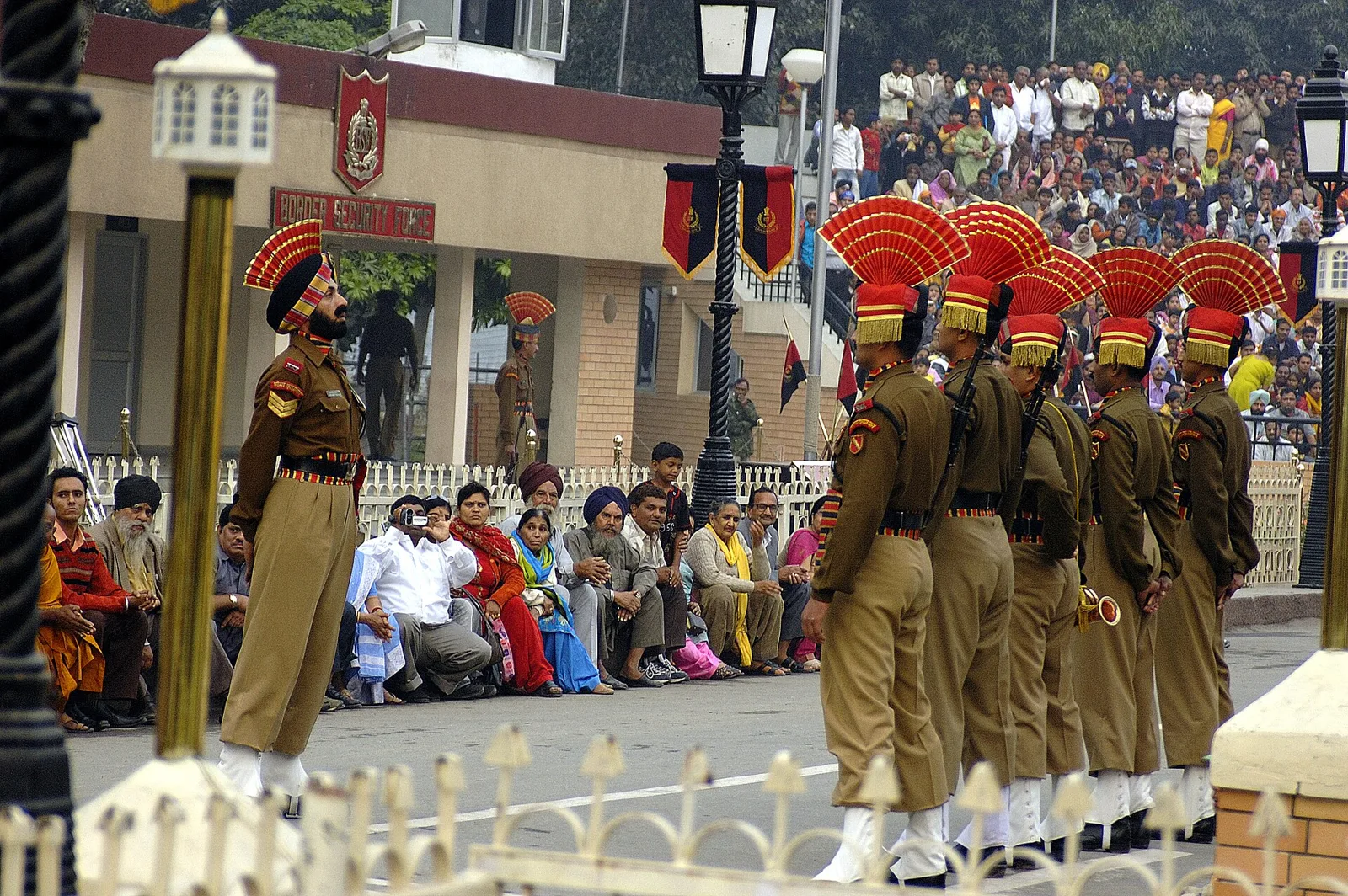
Attari–Wagah is a border area in Punjab beside Attari village. Visitors come for its setting near the India–Pakistan boundary and the village’s connections to the Lahore–Delhi railway and Sikh military history.

Amritsar

64 km away · Amritsar district

Amritsar

Amritsar is a major city in Punjab’s Majha region, known for the Golden Temple, its food and wooden chess-making. Visitors also come for its cultural, transport and commercial significance.

Map

Mullanwala on the map

  1. 1Harike Wetland
  2. 2Hussainiwala
  3. 3Sultanpur Lodhi
  4. 4Jandiala Guru (Thathera Village)
  5. 5Golden Temple
  6. 6Jallianwala Bagh
  7. 7Attari–Wagah Border
  8. 8Amritsar

Punjab

Other cities to explore