Ghumoopedia — Explore, Discover, Experience
Sign in
Bathinda, near Tapa

City guide · Punjab

Tapa

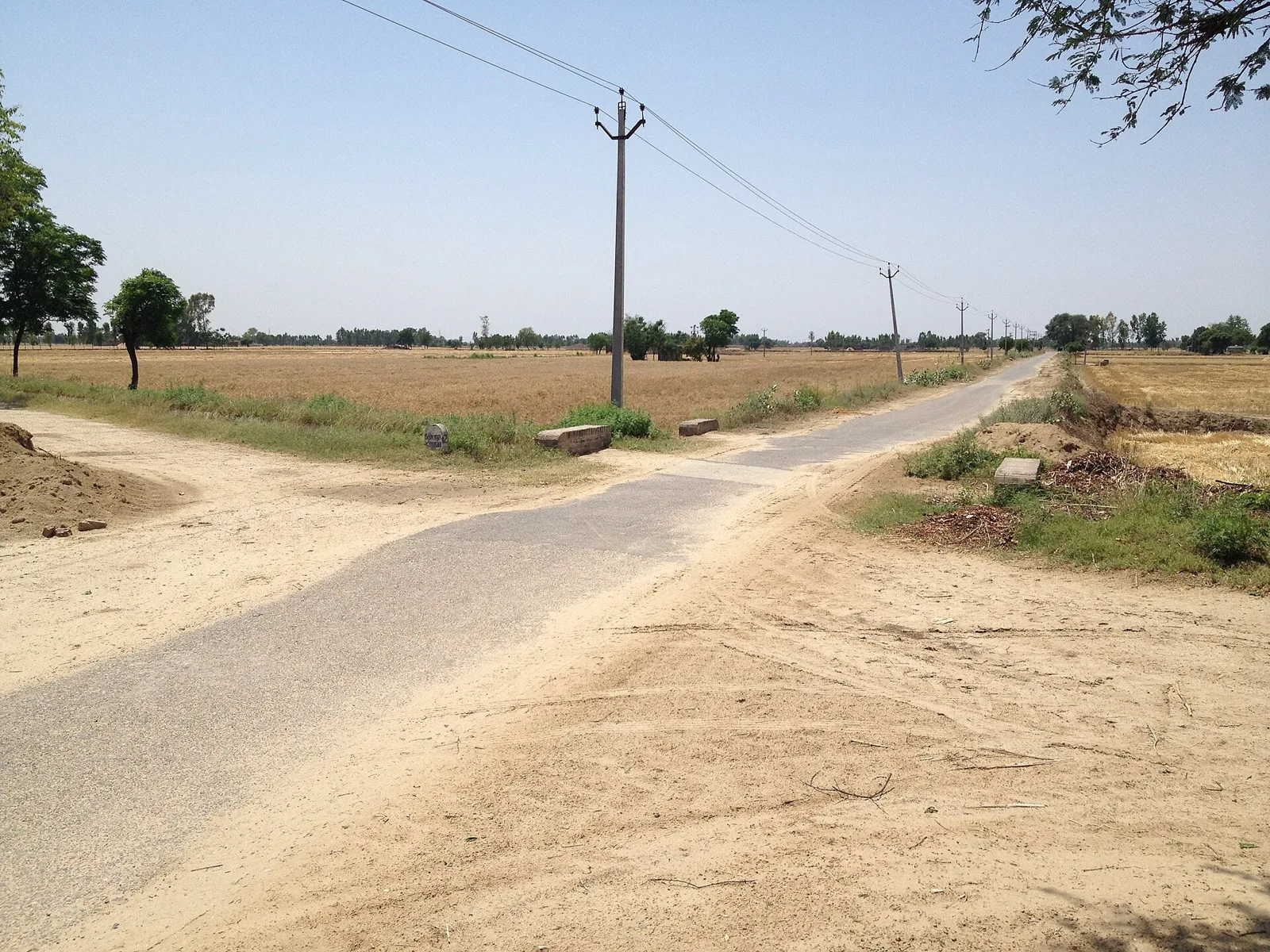
Tapa is a small town in Barnala district, in the heart of Punjab’s agricultural belt. It is often called Tapa Mandi: mandi means market, and the town’s grain market remains central to its identity.

Famous for

  • Tapa grain mandi
  • Agricultural trade
  • Historic deras
  • Gurdwaras
Plan a tripHotels near Tapa

Why Tapa matters

Tapa is a small town in Barnala district, in the heart of Punjab’s agricultural belt. It is often called Tapa Mandi: mandi means market, and the town’s grain market remains central to its identity. Farmers and traders from surrounding villages bring crops here, making Tapa a practical regional hub for the sale and movement of agricultural produce. The market also supports jobs and businesses serving the countryside, including transport, storage and farm-related services.

Visitors are most likely to come for local business, religious visits or a glimpse of everyday life in a Punjabi market town rather than for a major sightseeing circuit. Tapa is also known for its historic deras and gurdwaras, which serve local communities and give the town a strong religious character. Its importance lies less in grand monuments than in its links to nearby villages: Tapa brings together trade, services and worship in a compact urban centre. It offers a grounded introduction to the rhythms of rural Punjab and its harvest economy.
Famous for: crafts, trade & products

Tapa’s best-known trade is grain. The mandi serves farmers and buyers from nearby villages, with agricultural produce forming the town’s most visible commercial link to the surrounding countryside. Grain trading also supports associated work such as transport, storage, and the supply of farming goods. Visitors interested in this everyday economy can explore the market area during normal business activity, while being mindful that it is a working space rather than a visitor attraction.

Tapa is not especially associated with a signature textile, handicraft or GI-tagged product. Its shops and businesses mainly meet local needs, and the mandi is the clearest place to understand what the town produces and trades. There are also small retailers and food businesses serving residents and market-goers, but specific local products should not be assumed to be unique to Tapa. The town’s deras and gurdwaras are important institutions, though they are places of worship rather than commercial attractions. For a broader range of shopping, visitors can look to Barnala and other larger centres in the district.

History

Tapa’s growth is closely tied to its role as a market town for the villages around it. The name Tapa Mandi reflects this long-standing function: farmers have used the town as a place to bring produce, meet traders and access services. Rather than being known for a royal court or a single monumental foundation, Tapa’s history is most visible in its everyday connections to agriculture and community life.

As transport and farming networks developed across Punjab, market towns such as Tapa became important points linking rural producers with buyers and larger trading centres. The town’s commercial activity continued through the colonial era and after independence, alongside wider changes in agriculture and regional administration. In modern times, Tapa is part of Barnala district and continues to serve nearby villages through its grain market, shops and local services. Its historic deras and gurdwaras also reflect the enduring role of religious institutions in shaping community life. Detailed claims about particular rulers or founding dates are not central to the town’s documented identity.

Food, festivals & culture

Punjabi is the main language of daily life in Tapa, while Hindi is also understood and used in many settings. Food reflects the wider Malwa region and Punjab: wheat-based rotis, lentils, seasonal vegetables and dairy are common, with dishes such as sarson da saag and makki di roti especially associated with the winter season. Lassi and familiar sweets are enjoyed locally, though menus and specialities vary between homes and eateries.

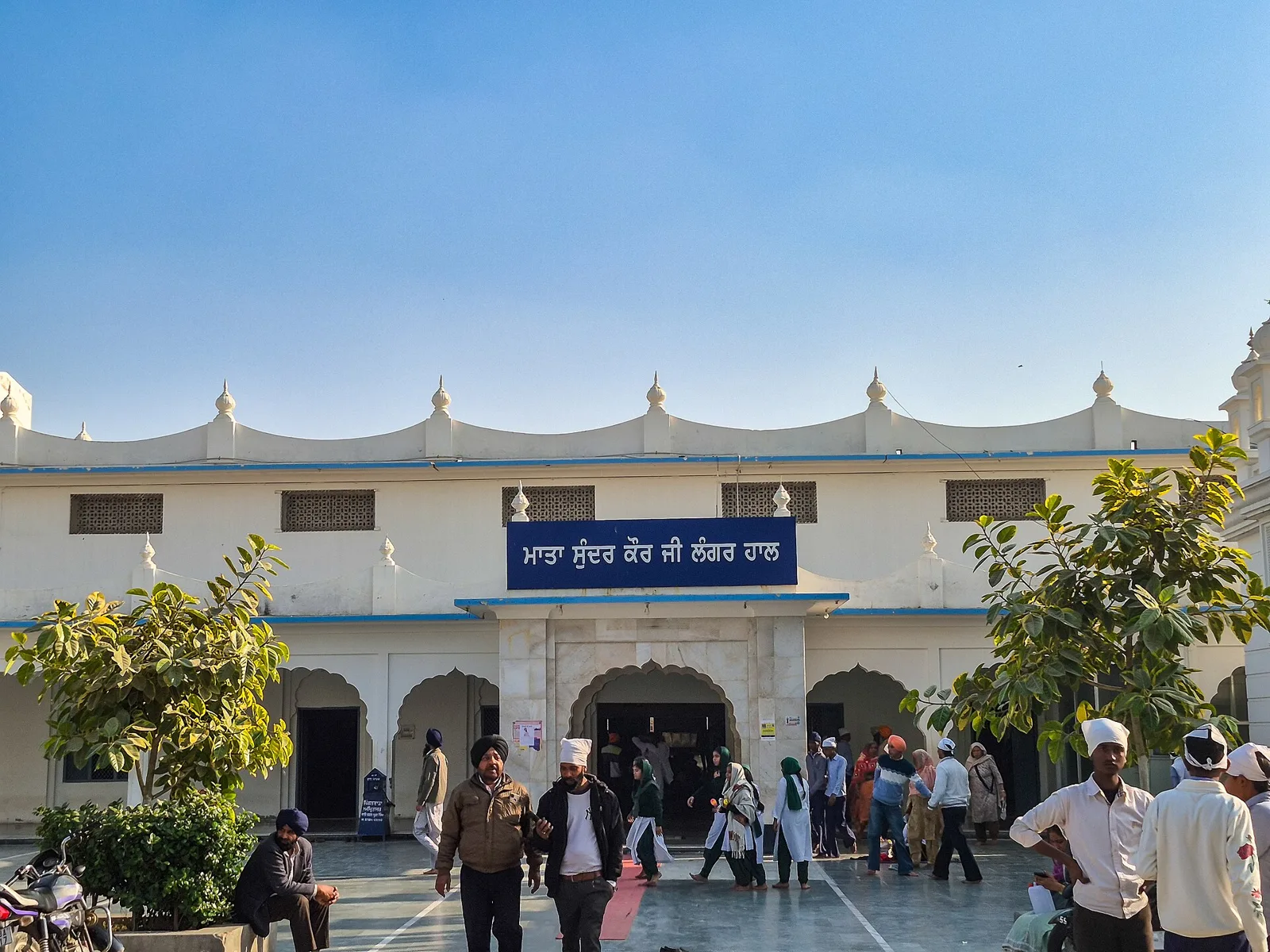
Baisakhi, in spring, is linked to the harvest and is marked across Punjab; Lohri is celebrated in winter, and Gurpurab observances follow the Sikh calendar. Music and dance traditions include Punjabi folk singing, bhangra and giddha, heard particularly around celebrations and community events. Tapa’s historic deras and gurdwaras are important places of worship and gathering. Visitors should dress respectfully, follow local customs and ask before photographing people or religious spaces. The town’s cultural life is rooted in its farming calendar, faith communities and close ties with surrounding villages.

Visiting the city

The cooler months, roughly October to March, are generally the most comfortable time to visit; summers can be very hot. Tapa has its own railway station, Tapa railway station, which is the most direct rail arrival point for the town. Bathinda Airport is geographically nearer than Chandigarh, but commercial flight options may be limited; Chandigarh International Airport is a larger alternative with broader connectivity. Check current routes before planning around either airport.

Auto-rickshaws and local taxis are useful for getting around, while the town centre and mandi area can be explored on foot when convenient. The grain-market district offers a look at Tapa’s working economy, and the areas around its gurdwaras and deras are of interest for their religious and community life. Barnala, the district headquarters, is a practical nearby destination for additional services and shopping. Be considerate around market activity and places of worship.

Trips from the city

Nearest places to visit from Tapa

Our closest destination guides, by straight-line distance.

Bathinda

41 km away · Bathinda district

Bathinda

Bathinda is a city in Punjab’s Malwa region and the administrative centre of its district. Visitors can explore the historic Qila Mubarak fort, and the city also has a zoo and major educational institutions.

Qila Mubarak

43 km away · Bathinda district

Qila Mubarak

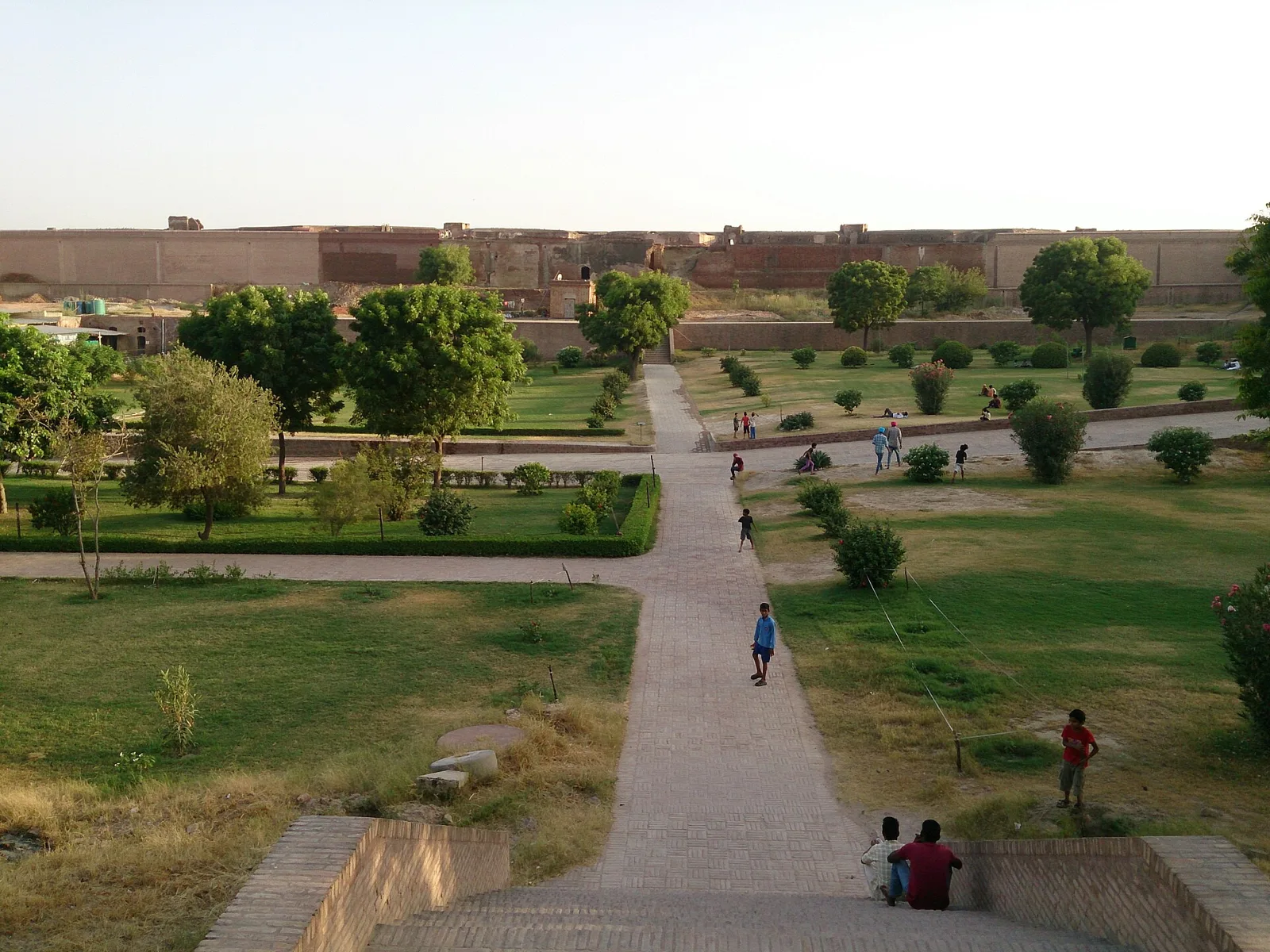
Qila Mubarak is a historic fortress in Bathinda, known for its long past and its association with Razia Sultan. Visitors can see its lawns and gurdwaras, while much of the fort is closed to the public.

Takht Sri Damdama Sahib

44 km away · Bathinda district

Takht Sri Damdama Sahib

Takht Sri Damdama Sahib is a Sikh centre of temporal authority in Talwandi Sabo, visited for its connection with Guru Gobind Singh’s preparation of Sri Guru Granth Sahib.

Ludhiana

82 km away · Ludhiana district

Ludhiana

Ludhiana is Punjab’s most populous city and a major manufacturing and trading centre in northern India; visitors come for its industrial and commercial activity.

Sri Muktsar Sahib

84 km away · Sri Muktsar Sahib district

Sri Muktsar Sahib

Sri Muktsar Sahib, a city in Punjab, draws interest for its Sikh history and connection to the 1705 Battle of Muktsar; it also serves as a district centre.

Phillaur Fort

89 km away · Ludhiana district

Phillaur Fort

Known also as Maharaja Ranjit Singh Fort, Phillaur Fort is a fort in Punjab that visitors can see on the Grand Trunk Road at Phillaur.

Patiala

99 km away · Patiala district

Patiala

Patiala is a city in southeastern Punjab and the administrative centre of its district. People visit for its royal history, Qila Mubarak and distinctive clothing, footwear and cultural traditions.

Harike Wetland

102 km away · Tarn Taran district

Harike Wetland

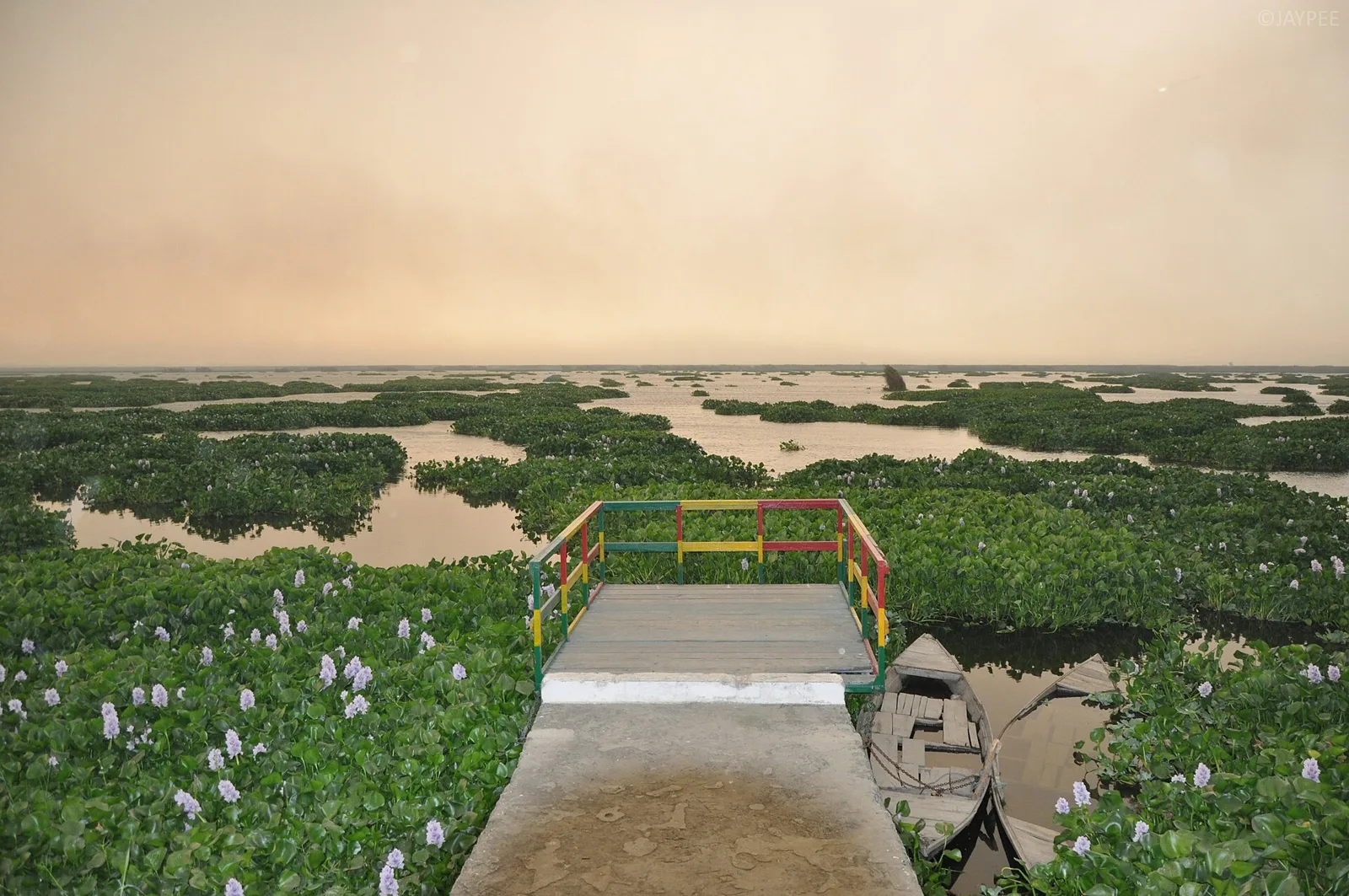
Harike Wetland is a Ramsar-listed lake and marsh complex in Punjab, created near the Beas–Sutlej confluence. Visitors come to see its diverse wetland habitat and migratory waterbirds, including threatened species.

Map

Tapa on the map

  1. 1Bathinda
  2. 2Qila Mubarak
  3. 3Takht Sri Damdama Sahib
  4. 4Ludhiana
  5. 5Sri Muktsar Sahib
  6. 6Phillaur Fort
  7. 7Patiala
  8. 8Harike Wetland

Punjab

Other cities to explore