Ghumoopedia — Explore, Discover, Experience
Sign in
Attari–Wagah Border, near Bhikkiwind Uttar

City guide · Punjab

Bhikkiwind Uttar

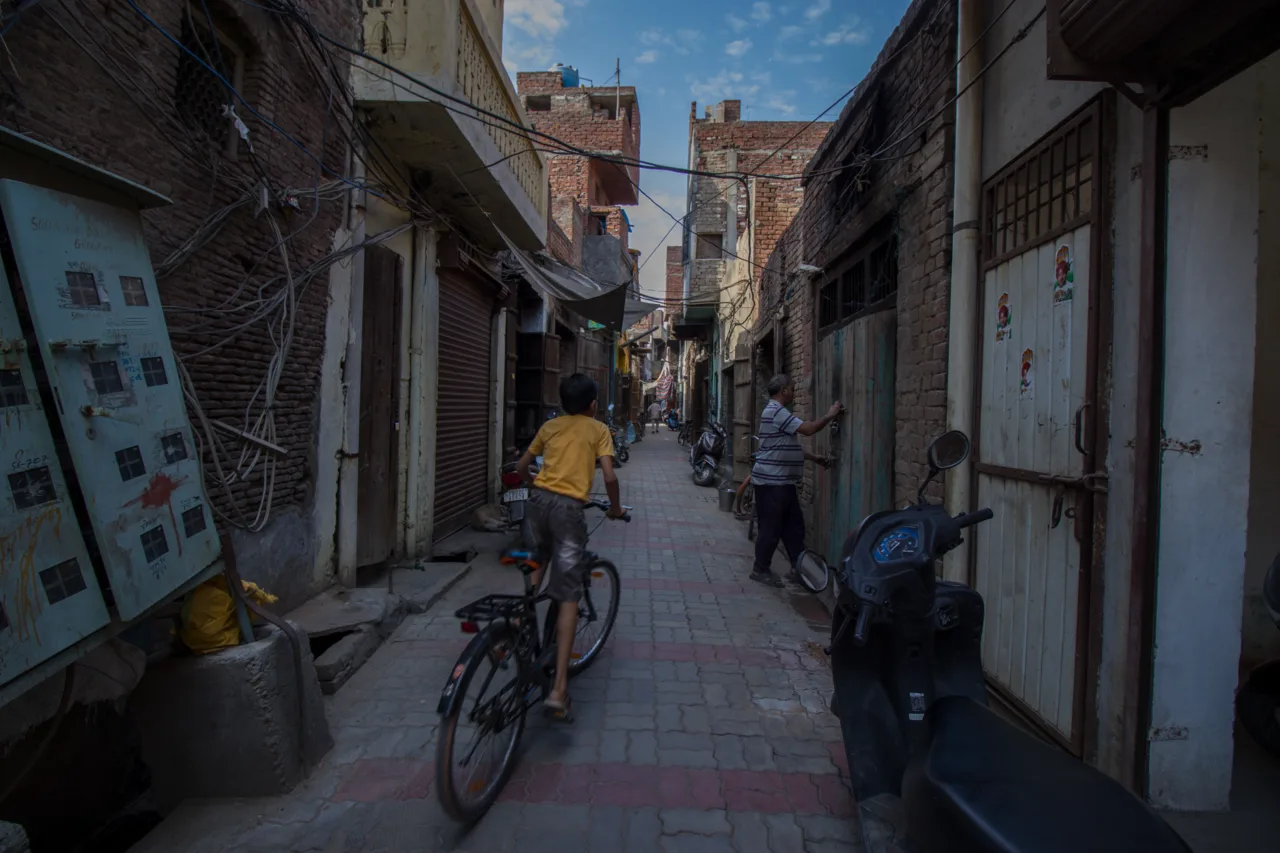
Bhikkiwind Uttar is part of the Bhikhiwind area in Tarn Taran district, in Punjab’s agricultural southwest. Its importance is chiefly local: it serves surrounding villages with everyday shops, services and links to larger towns, while farming shapes much of the area’s work and trade.

Famous for

  • Agricultural market town
  • Punjabi rural life
  • Indo-Pak borderland
  • Nearby Asal Uttar region

Why Bhikkiwind Uttar matters

Bhikkiwind Uttar is part of the Bhikhiwind area in Tarn Taran district, in Punjab’s agricultural southwest. Its importance is chiefly local: it serves surrounding villages with everyday shops, services and links to larger towns, while farming shapes much of the area’s work and trade. The landscape is characteristic of the Punjab plains, with cultivated fields and settlements connected by road.

The area is also associated with the wider border region and with Asal Uttar, the nearby site of a major battle during the 1965 India–Pakistan war. Visitors are more likely to come for family visits, local business or an interest in rural Punjab than for a large cluster of formal tourist attractions. Bhikkiwind Uttar offers a quieter view of everyday life in the district, with Punjabi spoken in homes and markets and the region’s religious and agricultural traditions evident in community life. Tarn Taran and Amritsar are useful bases for exploring better-known heritage sites nearby.
Famous for: crafts, trade & products

Bhikkiwind Uttar and the surrounding Bhikhiwind area are best understood as a service and trading centre for an agricultural hinterland, rather than as a specialised craft or manufacturing destination. Wheat, paddy and other farm produce are important to the wider district, alongside livestock and dairy activity. Local shops and market areas cater mainly to residents and nearby villages, with everyday groceries, clothing, household goods and farm supplies rather than a distinct tourist shopping quarter.

There is no widely recognised local textile, handicraft or GI-tagged product associated specifically with Bhikkiwind Uttar. Visitors looking for regional Punjabi goods can browse ordinary shops in the town, while larger selections and more established shopping areas are found in Tarn Taran and Amritsar. Seasonal produce and familiar Punjabi food items may be available through local vendors, but availability varies. The area’s strongest identity is its connection to farming, village trade and borderland life, not a particular export industry or named market. For context on the region’s history, the nearby Asal Uttar area is more notable than any dedicated craft centre.

History

Bhikkiwind Uttar’s history is closely tied to the wider Bhikhiwind area and the villages and farming settlements of the Punjab plains. There is no broadly documented account of a distinct founding date or a succession of rulers specific to the locality. Like the surrounding region, it came under British rule after the annexation of Punjab in 1849, and its social and economic life remained strongly linked to agriculture.

The 1947 Partition reshaped this border district, dividing Punjab and bringing major changes to communities and movement across the region. In the 1965 India–Pakistan war, the nearby Asal Uttar area became the setting for a significant battle. In the decades after independence, road links, local commerce and public services strengthened Bhikhiwind’s role as a centre for surrounding villages. Tarn Taran district was formed in 2006, placing the area within its present district administration.

Food, festivals & culture

Punjabi is the main language of daily life, with Hindi also understood by many residents. Food follows familiar Punjabi patterns: makki di roti and sarson da saag in season, wheat breads, lentils, vegetables, dairy products and lassi. Sweets such as jalebi, ladoo and pinni are enjoyed at celebrations, though offerings vary between local shops. The area’s agricultural calendar and village ties remain important parts of community life.

Gurpurabs, especially those honouring Sikh Gurus, are observed at gurdwaras, while Diwali, Holi and Vaisakhi bring family and community gatherings. Vaisakhi, in spring, is particularly connected with the harvest and Sikh tradition. Bhangra and giddha are familiar forms of Punjabi dance, often seen at weddings and festive events; folk singing and devotional music are also part of local occasions. Gurdwaras are central places of worship, alongside Hindu temples and other neighbourhood places of prayer. Visitors should dress respectfully and follow customary practices at religious sites.

Visiting the city

Spring and autumn are generally comfortable seasons for visiting; summers can be very hot, while winter mornings may be cool or foggy. Sri Guru Ram Dass Jee International Airport in Amritsar is the nearest major airport. Patti railway station is a nearby rail option; check current connections before travel, as services and onward transport can vary.

The area is reached mainly by road. Buses, shared vehicles and taxis connect Bhikhiwind with nearby towns, while local auto-rickshaws or hired cars can help with short trips. The town centre and its everyday market streets offer a feel for local life. For regional history, visitors can explore the wider Asal Uttar area; Tarn Taran and Amritsar provide additional heritage and religious sites. Confirm local access arrangements before visiting border-adjacent locations.

Trips from the city

Nearest places to visit from Bhikkiwind Uttar

Our closest destination guides, by straight-line distance.

Attari–Wagah Border

29 km away · Amritsar district

Attari–Wagah Border

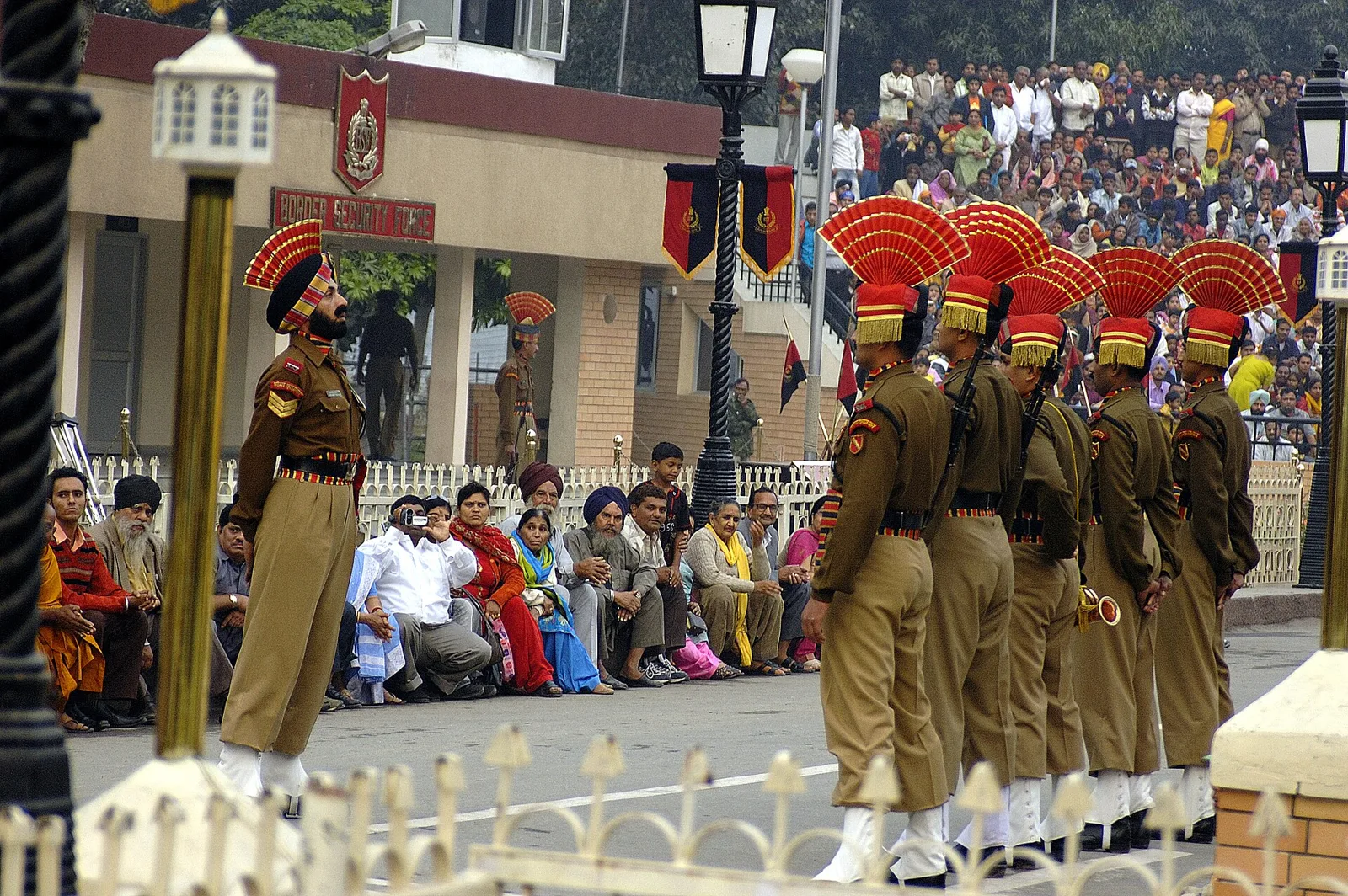
Attari–Wagah is a border area in Punjab beside Attari village. Visitors come for its setting near the India–Pakistan boundary and the village’s connections to the Lahore–Delhi railway and Sikh military history.

Golden Temple

34 km away · Amritsar district

Golden Temple

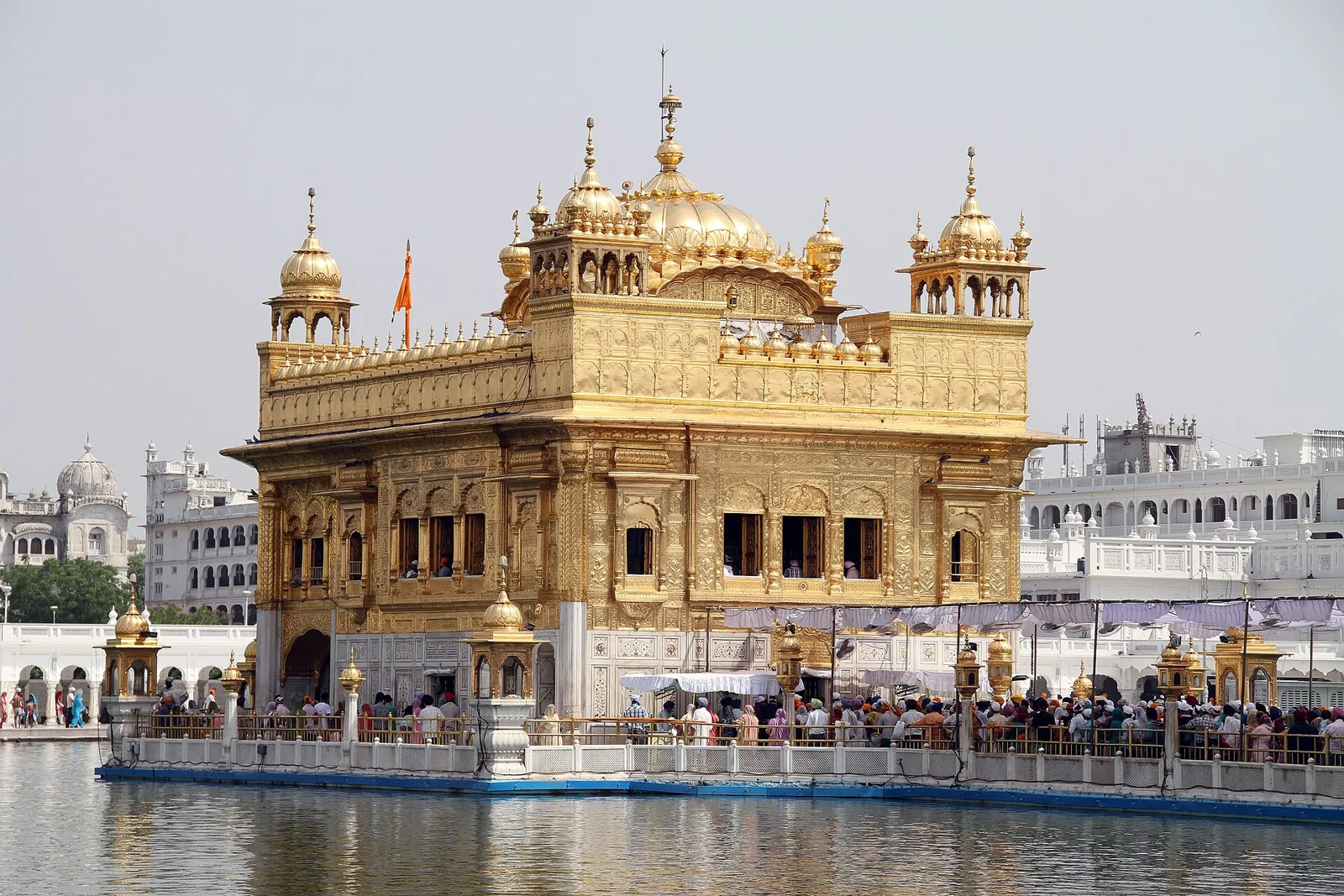
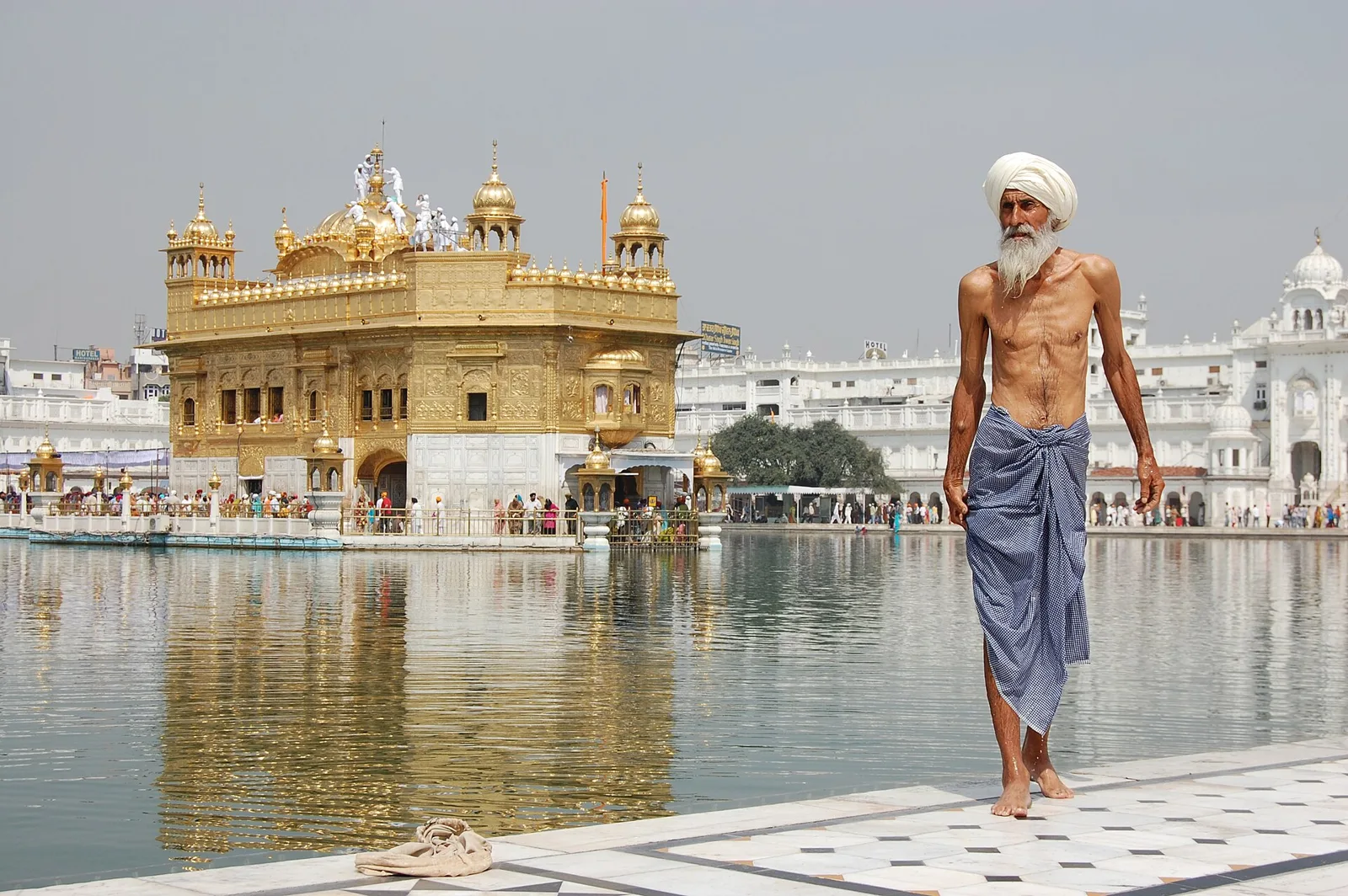
A major Sikh shrine in Amritsar, the Golden Temple draws worshippers to its sacred sanctuary and pool, while its langar welcomes visitors to a free vegetarian meal.

Harike Wetland

34 km away · Tarn Taran district

Harike Wetland

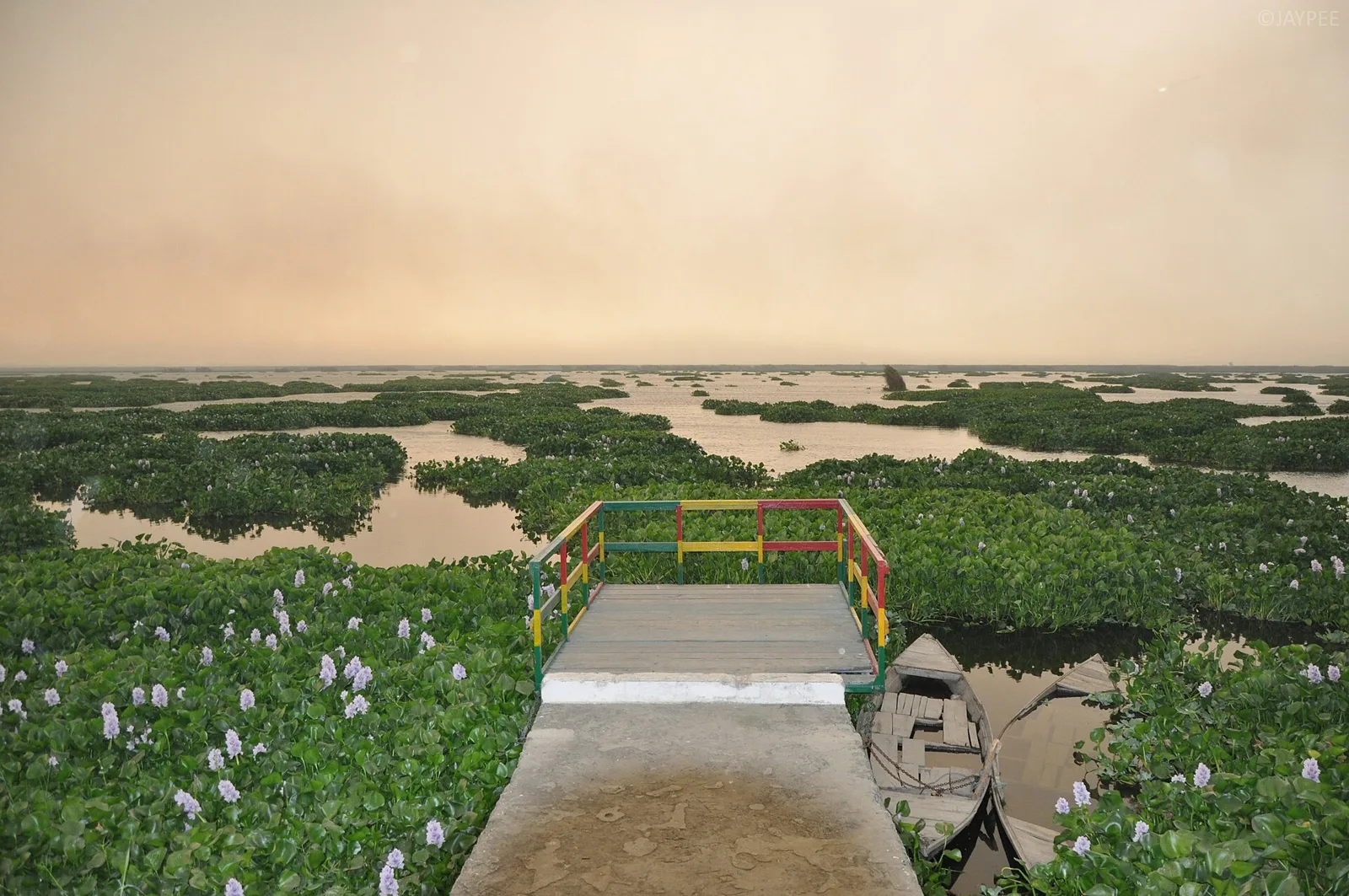
Harike Wetland is a Ramsar-listed lake and marsh complex in Punjab, created near the Beas–Sutlej confluence. Visitors come to see its diverse wetland habitat and migratory waterbirds, including threatened species.

Jallianwala Bagh

35 km away · Amritsar district

Jallianwala Bagh

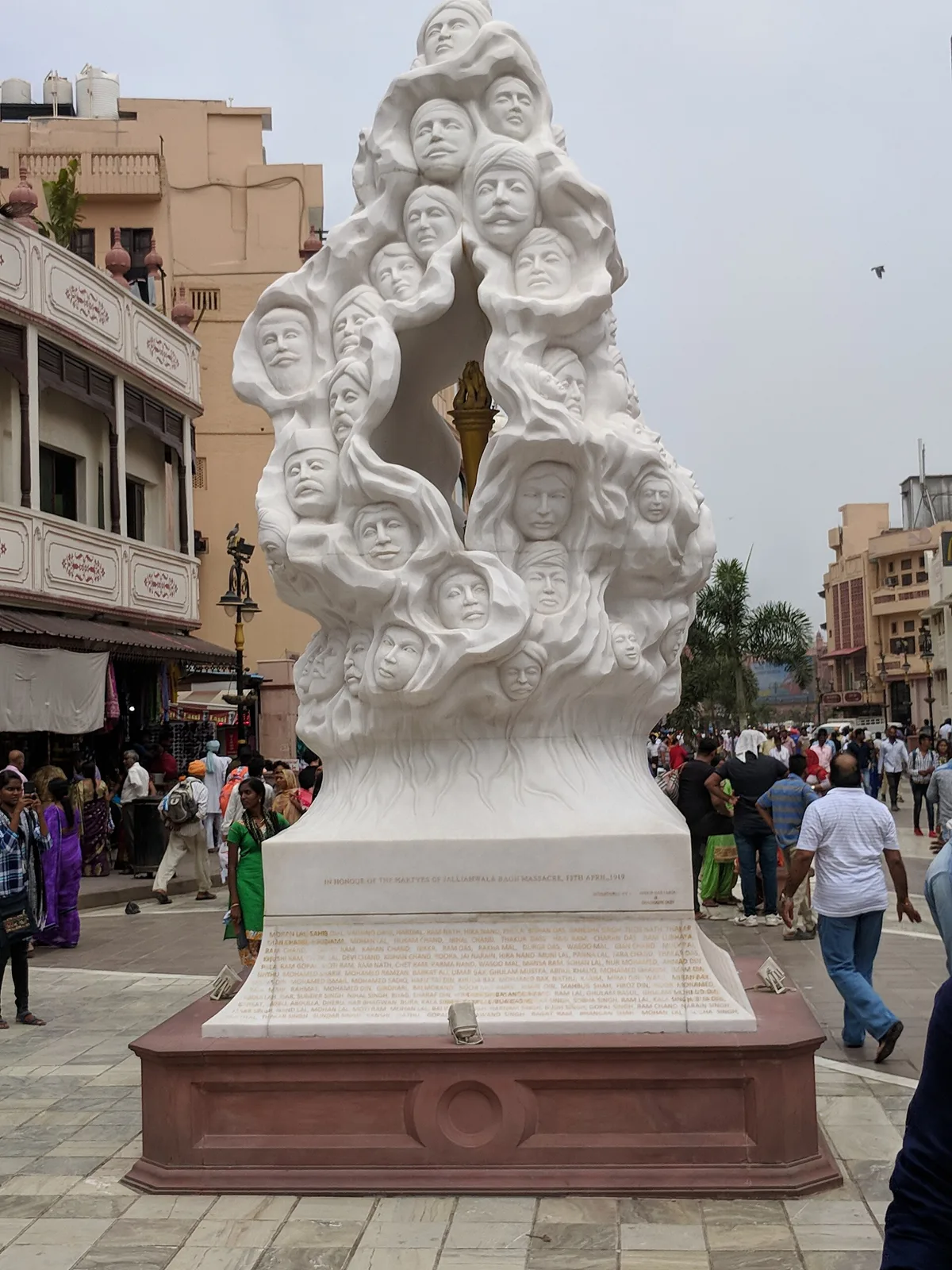
A historic garden and national memorial in Amritsar, Jallianwala Bagh commemorates those killed or wounded in the 1919 massacre. Visitors come to remember them and see the site’s museum, gallery and memorials.

Amritsar

36 km away · Amritsar district

Amritsar

Amritsar is a major city in Punjab’s Majha region, known for the Golden Temple, its food and wooden chess-making. Visitors also come for its cultural, transport and commercial significance.

Durgiana Temple

36 km away · Amritsar district

Durgiana Temple

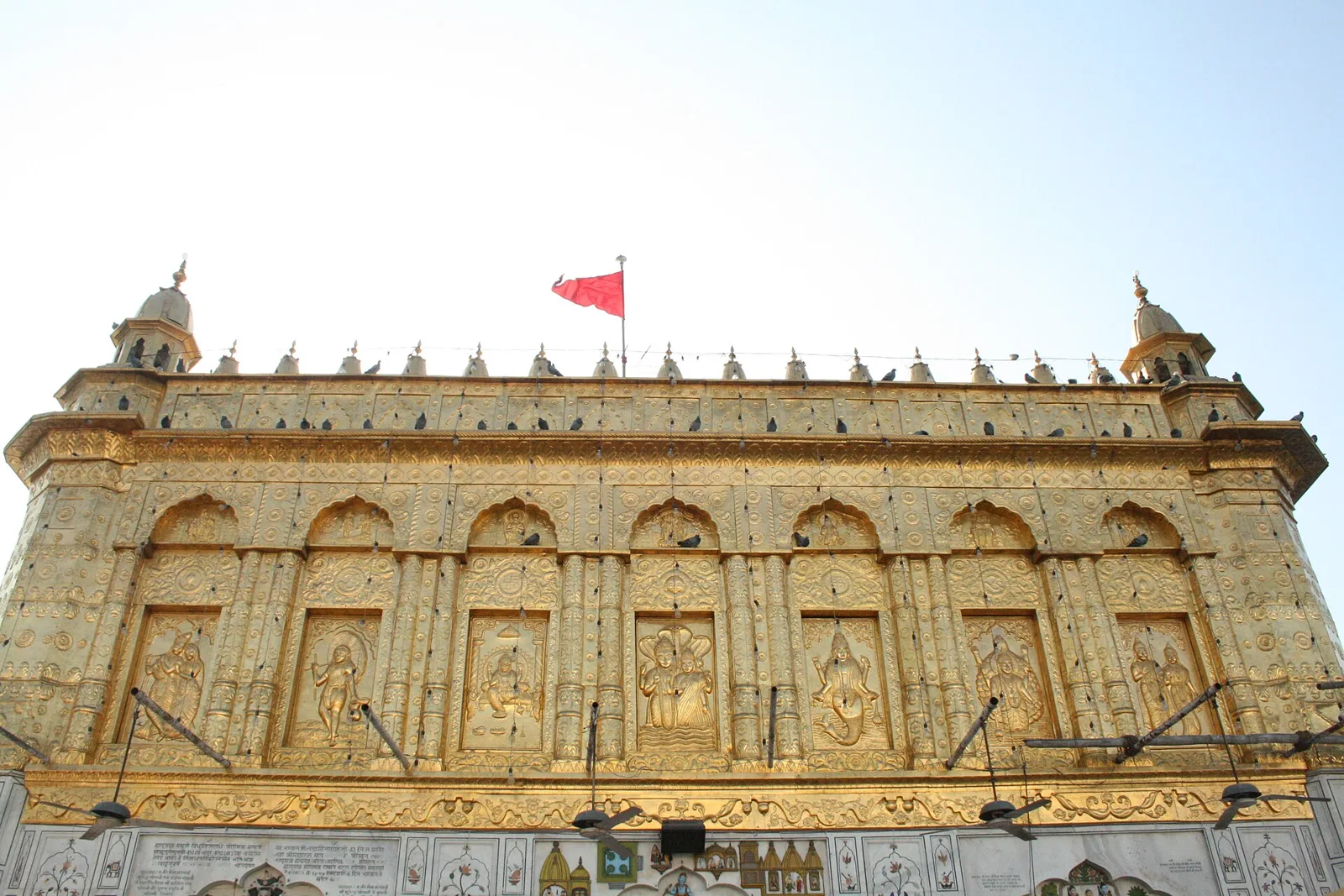
Durgiana Temple, also called Shri Durgiana Mandir, is a Hindu shrine in Amritsar, Punjab. Visitors come to worship Durga, with Lakshmi and Vishnu also honoured there.

Jandiala Guru (Thathera Village)

39 km away · Amritsar district

Jandiala Guru (Thathera Village)

Jandiala Guru is a village and town in Punjab’s Amritsar district. Visitors interested in Sikh history may be drawn to its past association with the Niranjanias, also known as Hindalis.

Hussainiwala

42 km away · Firozpur district

Hussainiwala

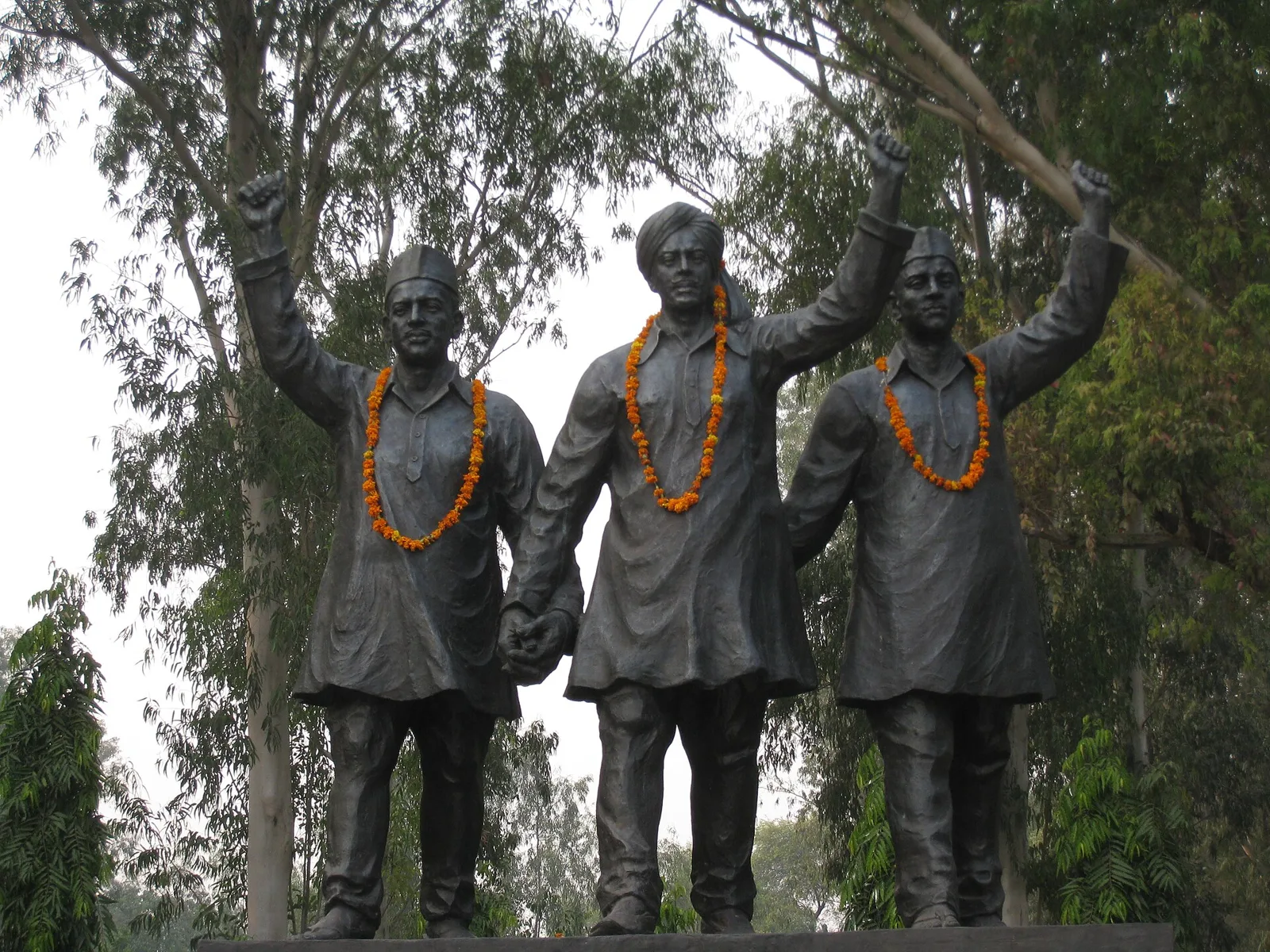
Hussainiwala is a village in Punjab’s Firozpur district, visited for its memorial to Bhagat Singh, Sukhdev Thapar and Shivaram Rajguru, and the daily India–Pakistan retreat ceremony.

Map

Bhikkiwind Uttar on the map

  1. 1Attari–Wagah Border
  2. 2Golden Temple
  3. 3Harike Wetland
  4. 4Jallianwala Bagh
  5. 5Amritsar
  6. 6Durgiana Temple
  7. 7Jandiala Guru (Thathera Village)
  8. 8Hussainiwala

Punjab

Other cities to explore