Ghumoopedia — Explore, Discover, Experience
Sign in
Harike Wetland, near Kot Ise Khan

City guide · Punjab

Kot Ise Khan

Kot Ise Khan is a small town in Punjab’s Moga district, set along the Moga–Makhu section of National Highway 703B. Its location links villages and nearby towns with Moga, about 15 kilometres away, as well as Zira, Makhu and Dharamkot.

Famous for

  • Manj Rajput heritage
  • Bhabra Jain migration
  • Moga–Makhu highway
  • Regional market-town life

Why Kot Ise Khan matters

Kot Ise Khan is a small town in Punjab’s Moga district, set along the Moga–Makhu section of National Highway 703B. Its location links villages and nearby towns with Moga, about 15 kilometres away, as well as Zira, Makhu and Dharamkot. The town’s importance today is chiefly regional: it serves as a local centre for everyday commerce and movement through this part of the district.

Kot Ise Khan is also notable for its origin story and the movement of trading communities that shaped its early history. It was established by Ise Khan Manj, a Manj Rajput chief. In 1543, an epidemic led many Bhabra Jain traders from Ferozepur to relocate here, adding another strand to the town’s past. Visitors are more likely to encounter ordinary Punjabi town life than a major monument or destination attraction: roadside activity, local shops and the surrounding agricultural landscape are central to its character. It can be a useful stop when travelling between Moga and the Makhu–Zira area.
Famous for: crafts, trade & products

Kot Ise Khan is not widely identified with a particular textile, handicraft, GI-tagged product or large-scale industry. Its profile is more that of a local market town serving nearby villages and road traffic. Everyday shops and services are concentrated around the town centre and the Moga–Makhu highway corridor; visitors looking for a broader selection of goods will find more options in Moga.

The town’s historical association with Bhabra Jain traders is a notable part of its story, but it should not be taken as evidence of a surviving specialist trading quarter or a particular craft market. Local commerce is likely to reflect the needs of the surrounding rural area, including household shopping and farm-related services. There is no well-established visitor circuit for shopping or artisan workshops here. For regional produce, clothing and other general purchases, explore the central bazaar and ask locally about current shops; for specialist products, Moga is the more practical nearby centre.

History

Kot Ise Khan was established by Ise Khan Manj, a chief of the Manj Rajput community. A significant change in its early development followed an epidemic in 1543, when many Bhabra Jain traders moved here from Ferozepur. Their arrival forms an important part of the town’s recorded historical identity and points to its role as a place of settlement and commerce.

Its subsequent growth is best understood in the context of Punjab’s rural market towns, which connected surrounding settlements with trading and administrative centres. In modern times, its position on the Moga–Makhu section of National Highway 703B has helped maintain that connective role. Moga, roughly 15 kilometres away, remains an important nearby centre, while Zira, Makhu and Dharamkot are also part of the town’s wider regional links.

Food, festivals & culture

Kot Ise Khan shares the everyday cultural traditions of rural Punjab. Punjabi is the principal language of local life, while Hindi is also understood by many people. Meals in the area commonly draw on Punjabi staples such as roti, dal, seasonal vegetables, dairy foods and, in appropriate seasons, sarson da saag with makki di roti. Sweets such as jalebi, laddoo and pinni are familiar across the region, though individual shops and seasonal availability vary.

Major Punjabi and Sikh festivals, including Vaisakhi in spring, Gurpurab observances and Diwali in autumn, are marked in the wider district through worship, family gatherings and community events. Lohri is celebrated in winter, especially around seasonal and family occasions. Punjabi folk music and bhangra and giddha are part of the broader regional cultural tradition, particularly during celebrations. The town’s history also includes a Bhabra Jain community, though visitors should ask locally about active places of worship rather than assume a particular historic site is open or maintained.

Visiting the city

Winter and the milder months of spring and autumn are generally the most comfortable times to visit; summer in Punjab can be very hot, and monsoon weather may affect road journeys. Kot Ise Khan is about 15 kilometres from Moga and lies on National Highway 703B toward Makhu. Moga railway station is the main nearby rail connection. The nearest major airport is Sri Guru Ram Dass Jee International Airport in Amritsar; check current routes and onward road connections before travelling.

Local buses, shared vehicles, taxis and auto-rickshaws may be available, with services varying by time and route. The central market area and highway corridor are practical places to begin exploring. Kot Ise Khan is compact, and Moga is the best nearby base for a wider range of services and regional connections.

Trips from the city

Nearest places to visit from Kot Ise Khan

Our closest destination guides, by straight-line distance.

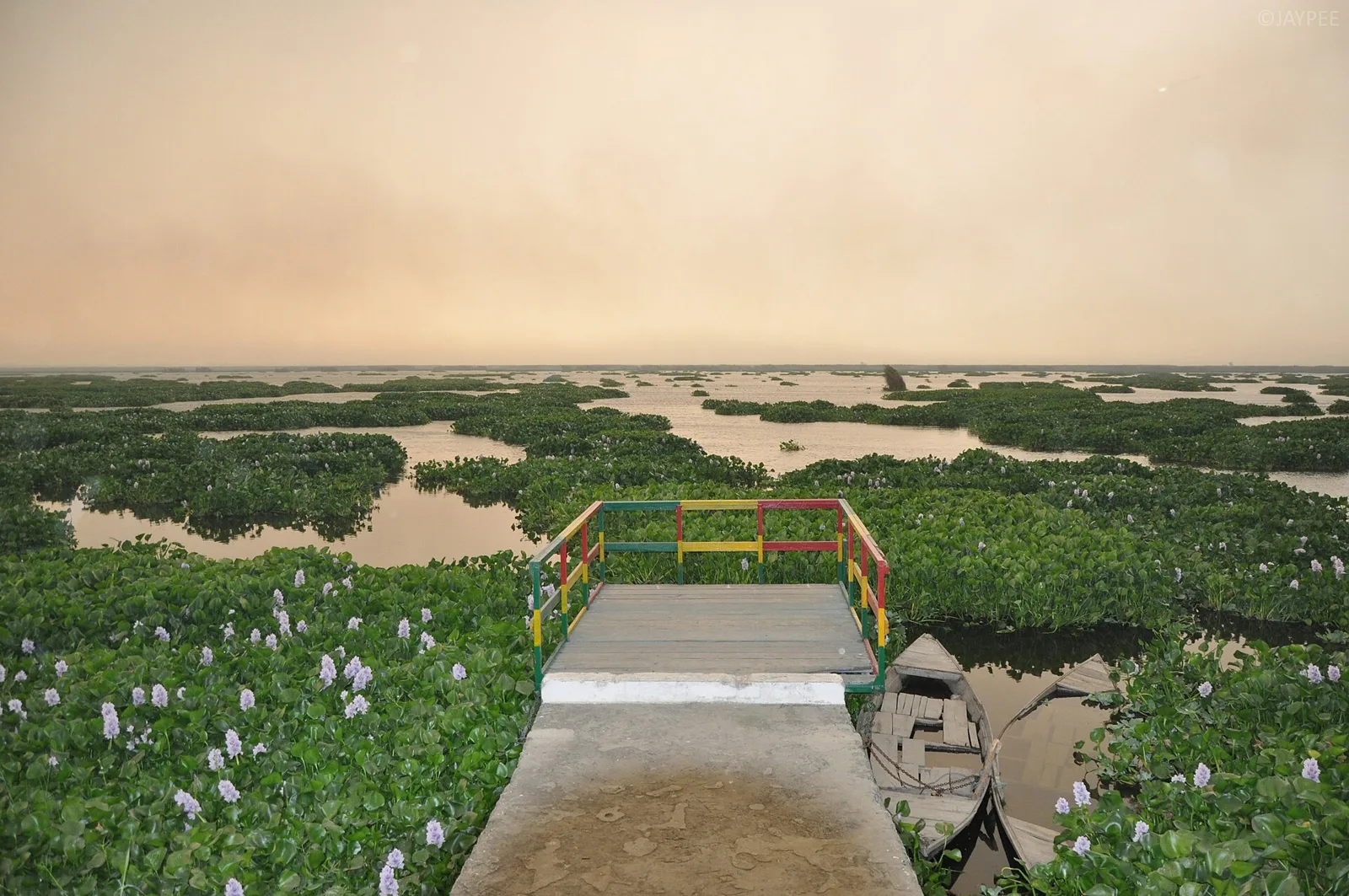
Harike Wetland

28 km away · Tarn Taran district

Harike Wetland

Harike Wetland is a Ramsar-listed lake and marsh complex in Punjab, created near the Beas–Sutlej confluence. Visitors come to see its diverse wetland habitat and migratory waterbirds, including threatened species.

Sultanpur Lodhi

30 km away · Kapurthala district

Sultanpur Lodhi

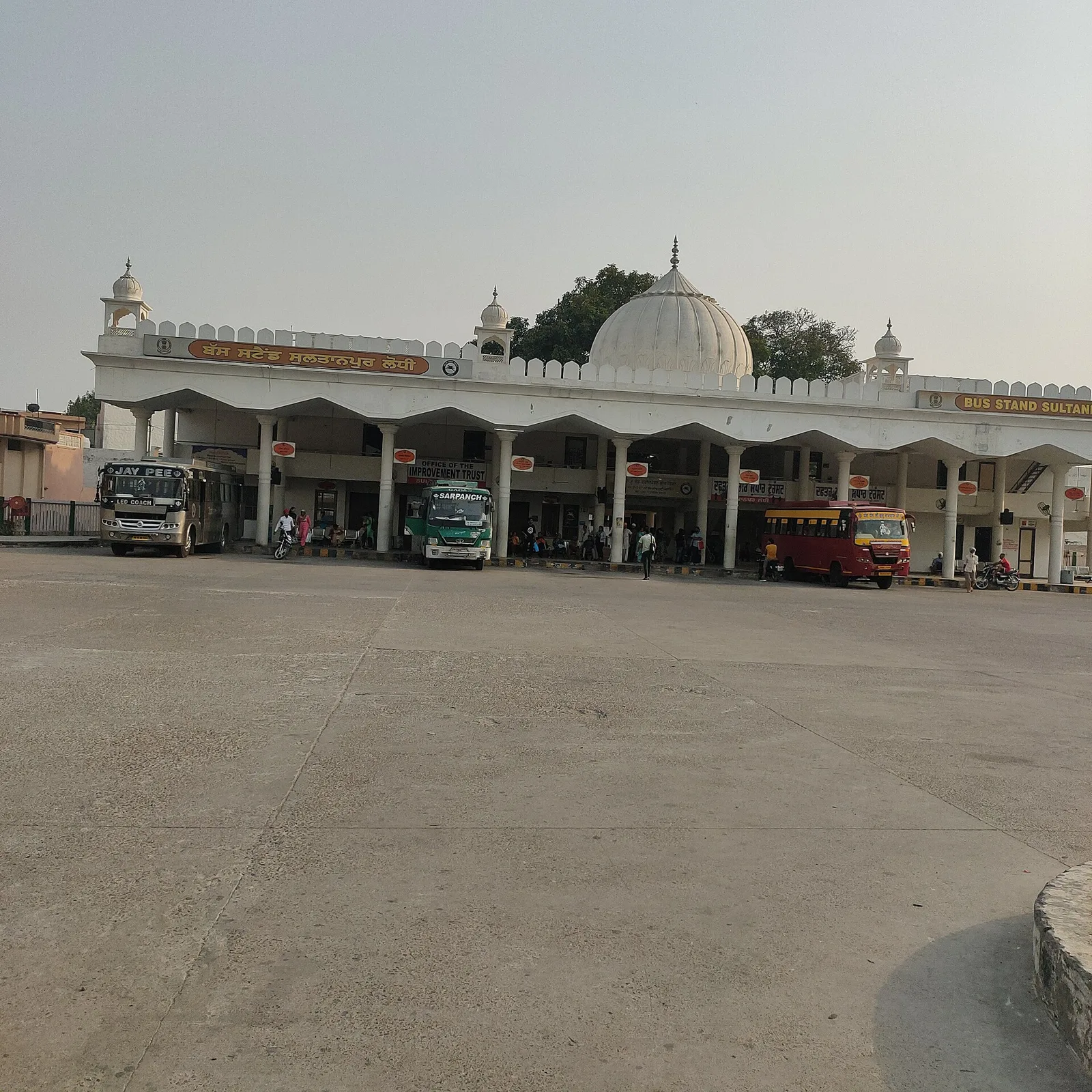
Sultanpur Lodhi is a town in Punjab’s Kapurthala district, with historical links to Bahlul Khan Lodi and a mention in the Ain-e-Akbari that give visitors reasons to explore its past.

Jagatjit Palace

53 km away · Kapurthala district

Jagatjit Palace

Jagatjit Palace is a former royal residence in Kapurthala, now occupied by Sainik School. Visitors can learn about its connection with the town’s rulers and its change of use.

Kapurthala

53 km away · Kapurthala district

Kapurthala

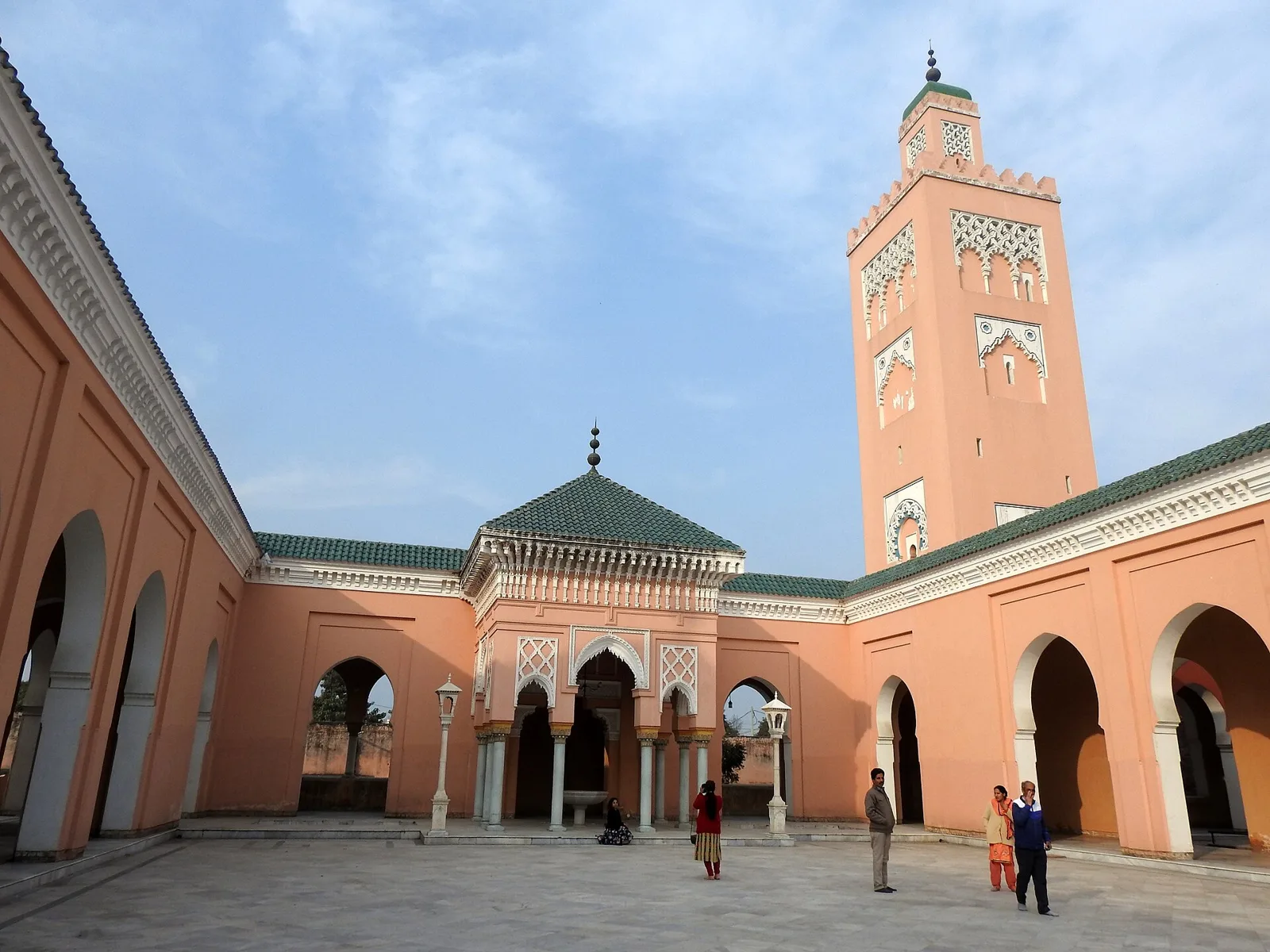
Kapurthala is a Punjab city and former princely-state capital, noted for French and Indo-Saracenic architecture. Visitors come to see its palaces, gardens and historic character.

Hussainiwala

57 km away · Firozpur district

Hussainiwala

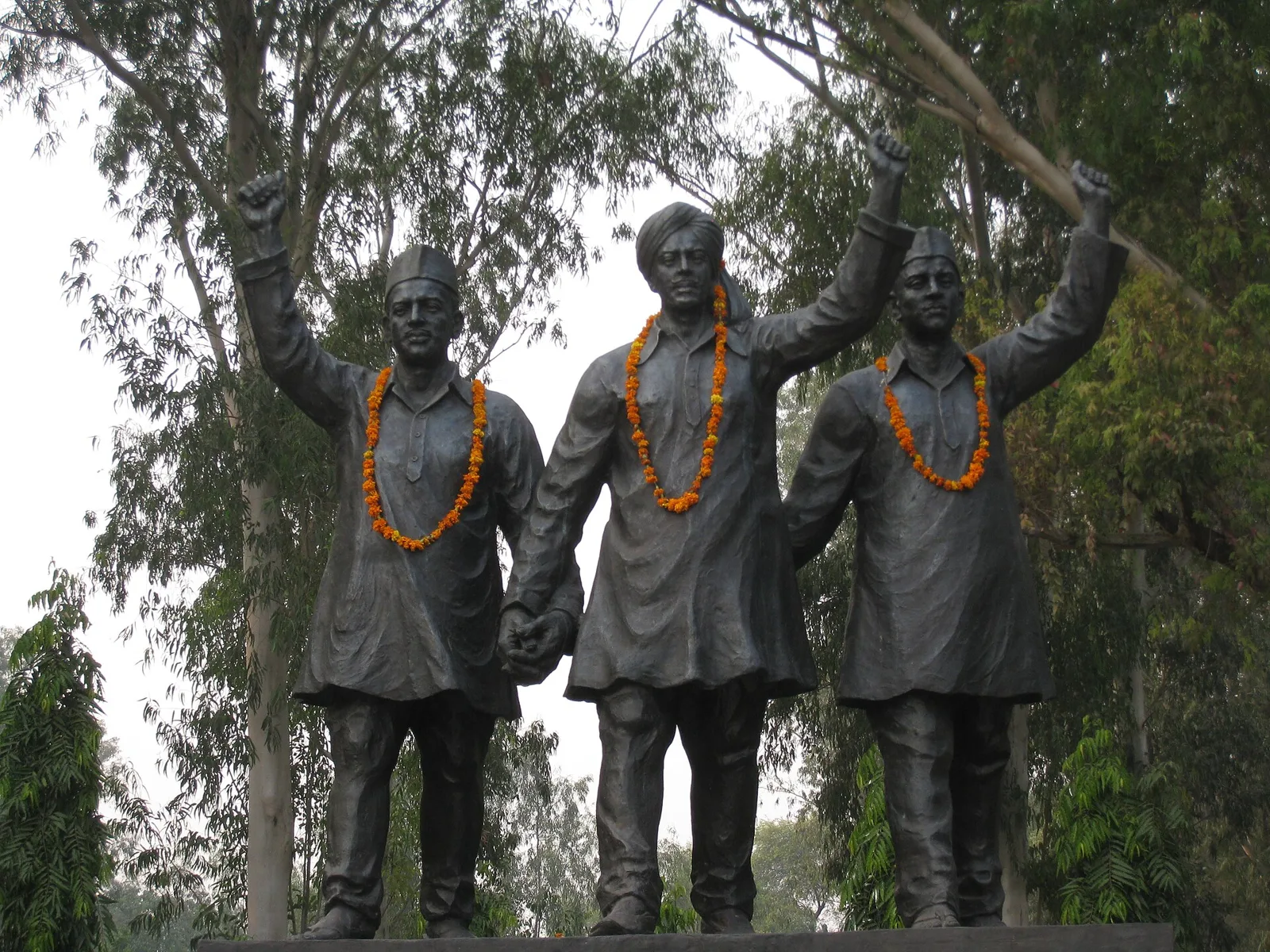
Hussainiwala is a village in Punjab’s Firozpur district, visited for its memorial to Bhagat Singh, Sukhdev Thapar and Shivaram Rajguru, and the daily India–Pakistan retreat ceremony.

57 km away · Kapurthala district

Kanjli Wetland

Kanjli Wetland is an artificial wetland in Kapurthala district, Punjab, that includes Kanjli Lake. Visitors come to experience its diverse habitats and wildlife, recognised internationally through the Ramsar Convention.

Jalandhar

59 km away · Jalandhar district

Jalandhar

Jalandhar is a major city in Punjab and the largest urban centre in Doaba. Visitors encounter it as a regional centre and a well-connected stop on rail and road routes.

Devi Talab Mandir

61 km away · Jalandhar district

Devi Talab Mandir

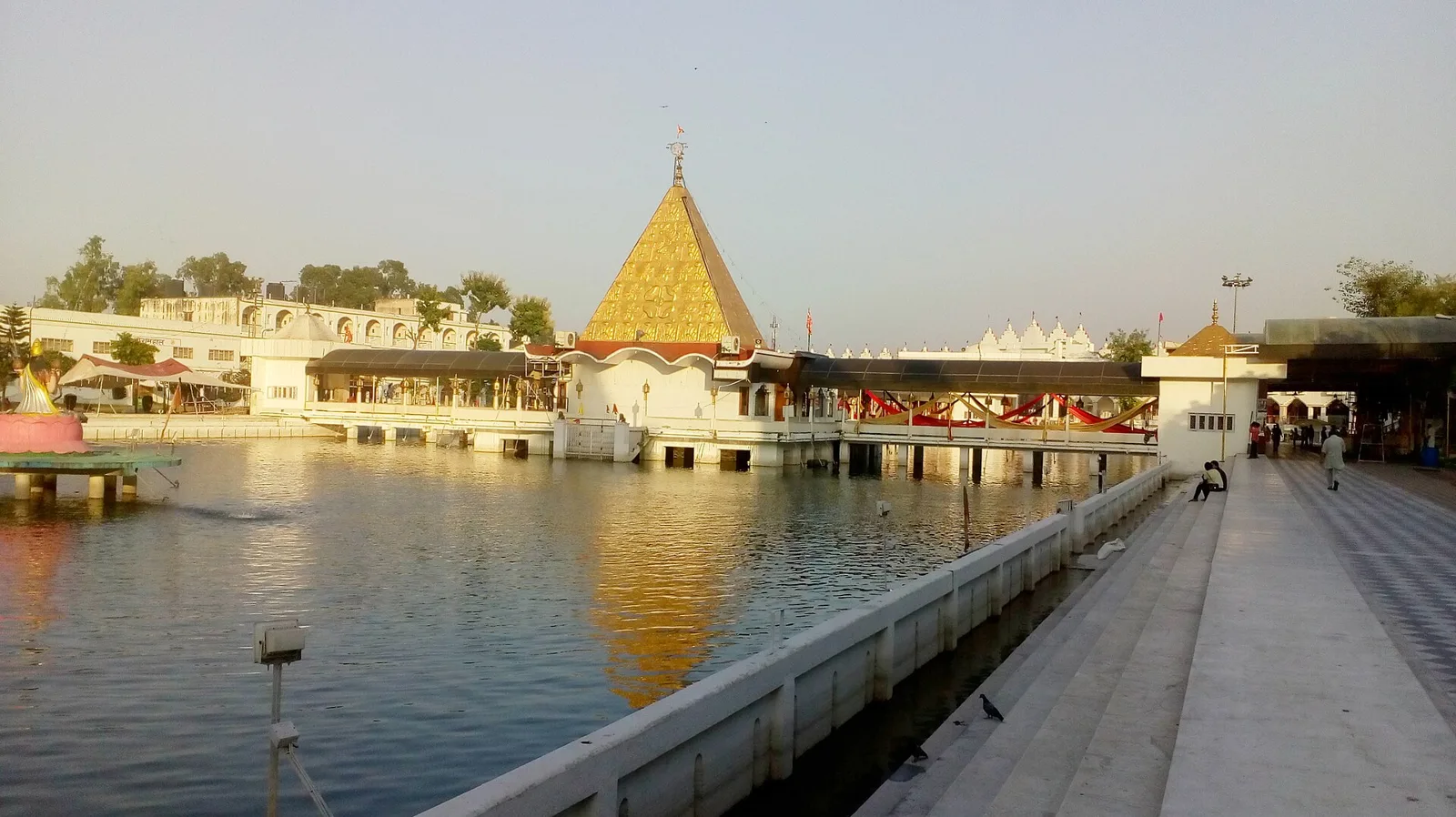
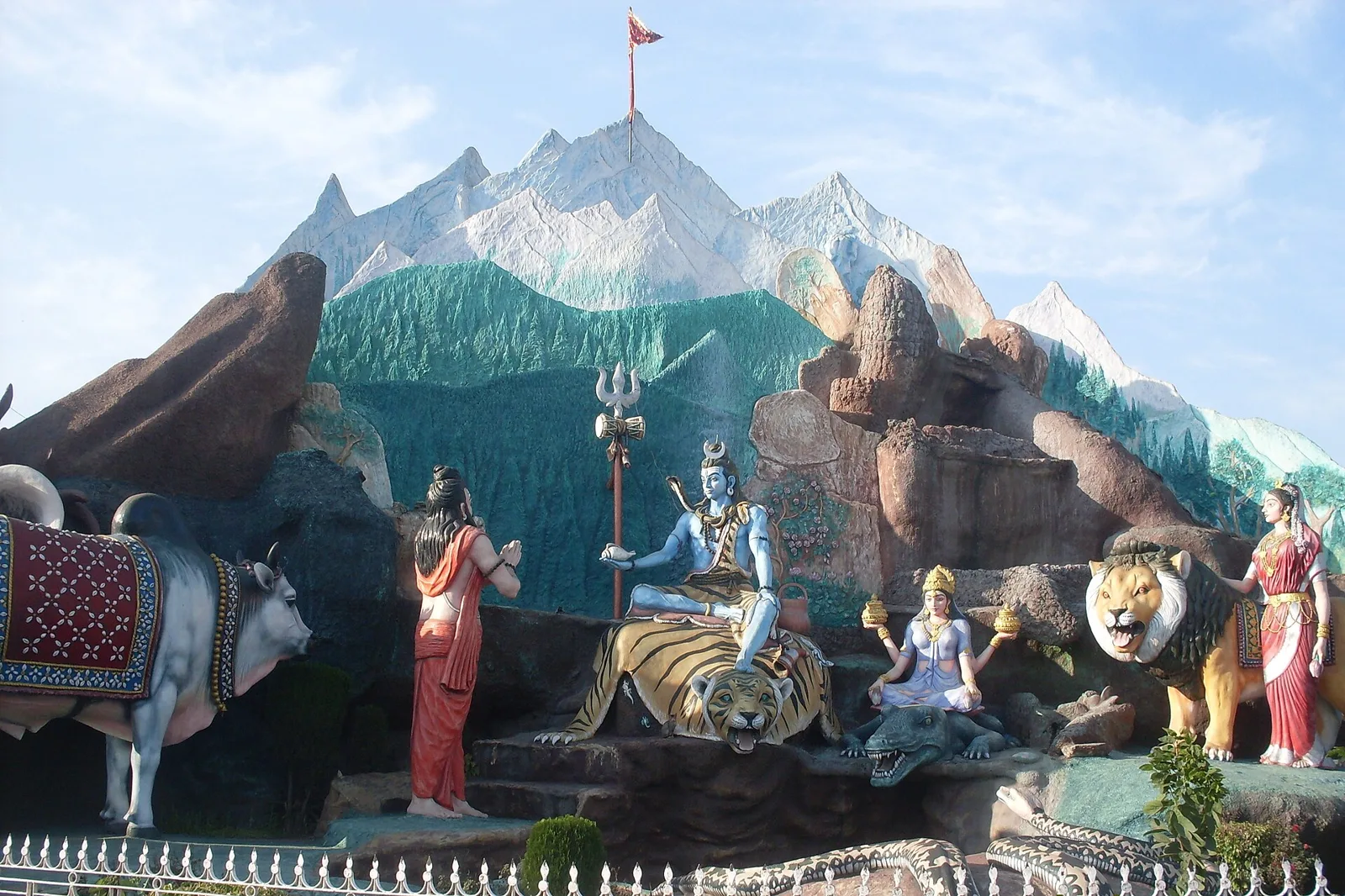
In Jalandhar, Punjab, Devi Talab Mandir is a Hindu place of worship dedicated to Goddess Durga. Pilgrims visit for its religious importance, ancient tank and shrines within the complex.

Map

Kot Ise Khan on the map

  1. 1Harike Wetland
  2. 2Sultanpur Lodhi
  3. 3Jagatjit Palace
  4. 4Kapurthala
  5. 5Hussainiwala
  6. 6Kanjli Wetland
  7. 7Jalandhar
  8. 8Devi Talab Mandir

Punjab

Other cities to explore