Ghumoopedia — Explore, Discover, Experience
Sign in
Qila Mubarak, near Giddarbaha

City guide · Punjab

Giddarbaha

Giddarbaha is a municipal town in Punjab’s Muktsar district, positioned between Malout, Bathinda and Muktsar. Its location on a regional road corridor and its railway connection make it a useful local centre for travel and trade in the state’s south-west.

Famous for

  • Snuff manufacturing
  • Giddarbaha railway station
  • Dera Baba Gangaram
  • Jai Maa Mahakali Mandir
  • Pepali jackal legend

Why Giddarbaha matters

Giddarbaha is a municipal town in Punjab’s Muktsar district, positioned between Malout, Bathinda and Muktsar. Its location on a regional road corridor and its railway connection make it a useful local centre for travel and trade in the state’s south-west. The railway line divides older and newer parts of town, giving visitors a glimpse of how transport helped shape its growth.

The town is best known for its snuff factories, while local religious sites draw worshippers from Giddarbaha and nearby villages. Dera Baba Gangaram and Jai Maa Mahakali Mandir are among the places people visit, and the surrounding area includes notable Sikh shrines such as Gurdwara Guptsar Sahib in Chhattiana. Local tradition also gives the town an unusual origin story involving a jackal and a pipal tree. Giddarbaha is not a major sightseeing destination, but it offers a picture of everyday small-town life in Punjab, with neighbourhood markets, places of worship and a strong connection to the wider Malwa region.
Famous for: crafts, trade & products

Giddarbaha’s best-known local industry is snuff manufacturing. The town has been associated with snuff factories, which distinguish it from places better known for textiles or large handicraft traditions. Visitors interested in this trade can ask locally about manufacturers and shops; availability and access to production premises may vary. The town’s everyday markets serve residents and nearby villages, with routine shopping and household goods rather than a nationally renowned specialist bazaar.

There is no widely recognised Giddarbaha-specific textile, handicraft or GI-tagged product to identify as a signature souvenir. Nor is the town especially known for a large tourist-facing craft market. For a sense of its commercial life, explore the central shopping streets and areas around the bus stand and railway station, where local businesses serve travellers and the surrounding community. Giddarbaha’s railway connection and position between larger regional centres have supported its role as a practical local trading stop. Visitors looking for distinctive Punjabi crafts or a broader range of regional products may find more choice in larger nearby cities such as Bathinda.

History

Giddarbaha’s earlier name was Pepali, traditionally linked to an old pipal tree. A local story says that when Guru Gobind Singh visited, villagers told him that a jackal troubled women fetching water from a well. The tale says he arranged the jackal’s marriage to the pipal tree; the place was then called Giddar Vyahya, meaning “the jackal is married.” This is remembered as local tradition rather than a documented account of the town’s founding.

The small settlement grew into a town during the colonial period. British officials are said to have rendered its name as Giddarbaha, which became the established form. In 1909, a plan for a walled town included six gates. Railway development further changed the urban layout: the Bathinda–Karachi line was established in 1917 to carry goods, and Giddarbaha railway station followed in 1918. The station’s location near the clock-house gate helped separate the older and newer parts of town. Today Giddarbaha is a municipal centre in Muktsar district, connected to surrounding towns by road and rail.

Food, festivals & culture

Punjabi is the main language of everyday life, and Hindi is also understood. The town shares the broader food traditions of Punjab: meals commonly feature roti or paratha, dal, seasonal vegetables, dairy foods and tea. Sweets such as jalebi, laddoo and other familiar Punjabi mithai are available from local sweet shops, though Giddarbaha is not particularly known for a signature dish.

Festivals reflect the town’s Hindu and Sikh communities. Vaisakhi is celebrated in spring, while Diwali and Holi bring seasonal gatherings and festive activity. Sikh Gurpurabs are observed according to the religious calendar, with worship and community events at gurdwaras. Punjabi folk music, including bhangra and giddha, is part of the wider regional culture and may feature at celebrations and family occasions.

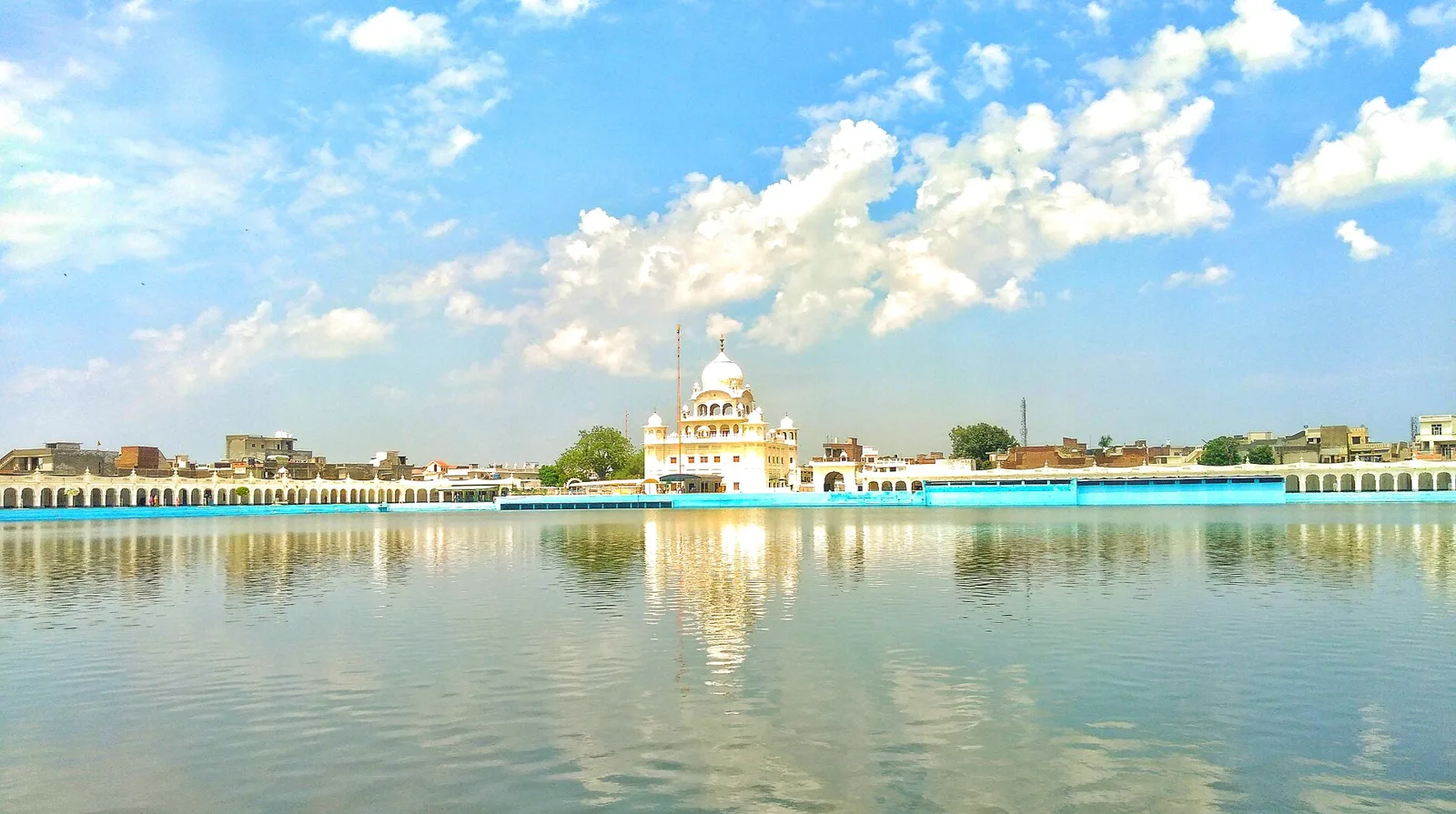
Places of worship are an important part of local life. Dera Baba Gangaram and Jai Maa Mahakali Mandir on Railway Road are noted locally; the area also has gurdwaras, mosques and churches. Nearby, Gurdwara Guptsar Sahib in Chhattiana is a prominent Sikh place of worship.

Visiting the city

October to March is generally the most comfortable period to visit, with cooler weather than the very hot summer months. The nearest airport is Bathinda Airport; check current commercial connections before planning, as travellers may need to consider a larger airport for flights. Giddarbaha railway station is the town’s main rail stop, and the bus stand serves road journeys to nearby centres including Malout, Bathinda and Muktsar.

Auto-rickshaws and local vehicles are practical for getting around town. Explore the central streets, the area around the railway station and clock-house gate, and the local markets for a sense of everyday life. Visitors can also make time for Dera Baba Gangaram and Jai Maa Mahakali Mandir. Gurdwara Guptsar Sahib is in nearby Chhattiana, so allow for a road trip beyond the town.

Trips from the city

Nearest places to visit from Giddarbaha

Our closest destination guides, by straight-line distance.

Qila Mubarak

26 km away · Bathinda district

Qila Mubarak

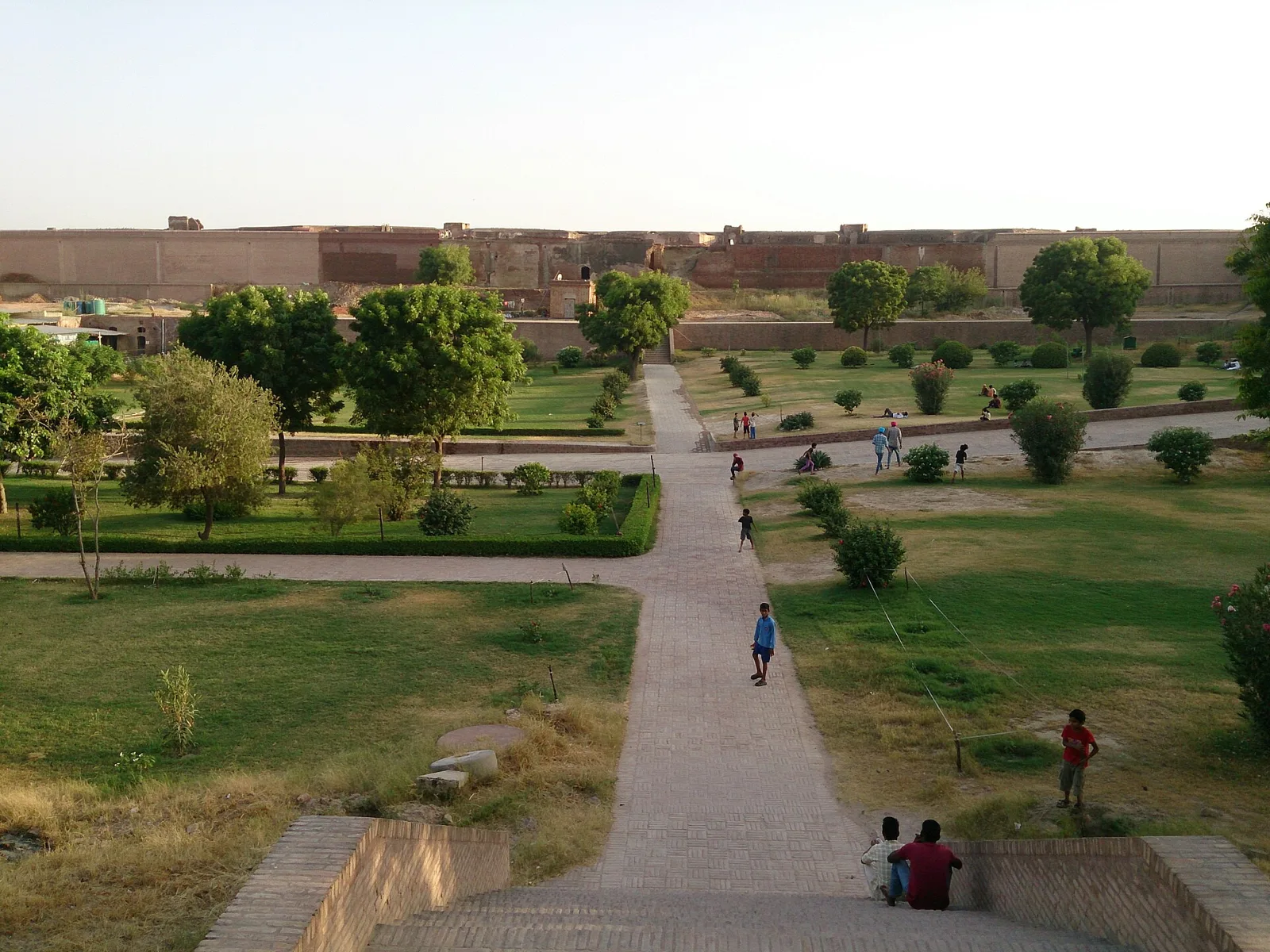
Qila Mubarak is a historic fortress in Bathinda, known for its long past and its association with Razia Sultan. Visitors can see its lawns and gurdwaras, while much of the fort is closed to the public.

Bathinda

28 km away · Bathinda district

Bathinda

Bathinda is a city in Punjab’s Malwa region and the administrative centre of its district. Visitors can explore the historic Qila Mubarak fort, and the city also has a zoo and major educational institutions.

Sri Muktsar Sahib

34 km away · Sri Muktsar Sahib district

Sri Muktsar Sahib

Sri Muktsar Sahib, a city in Punjab, draws interest for its Sikh history and connection to the 1705 Battle of Muktsar; it also serves as a district centre.

Takht Sri Damdama Sahib

46 km away · Bathinda district

Takht Sri Damdama Sahib

Takht Sri Damdama Sahib is a Sikh centre of temporal authority in Talwandi Sabo, visited for its connection with Guru Gobind Singh’s preparation of Sri Guru Granth Sahib.

Hussainiwala

89 km away · Firozpur district

Hussainiwala

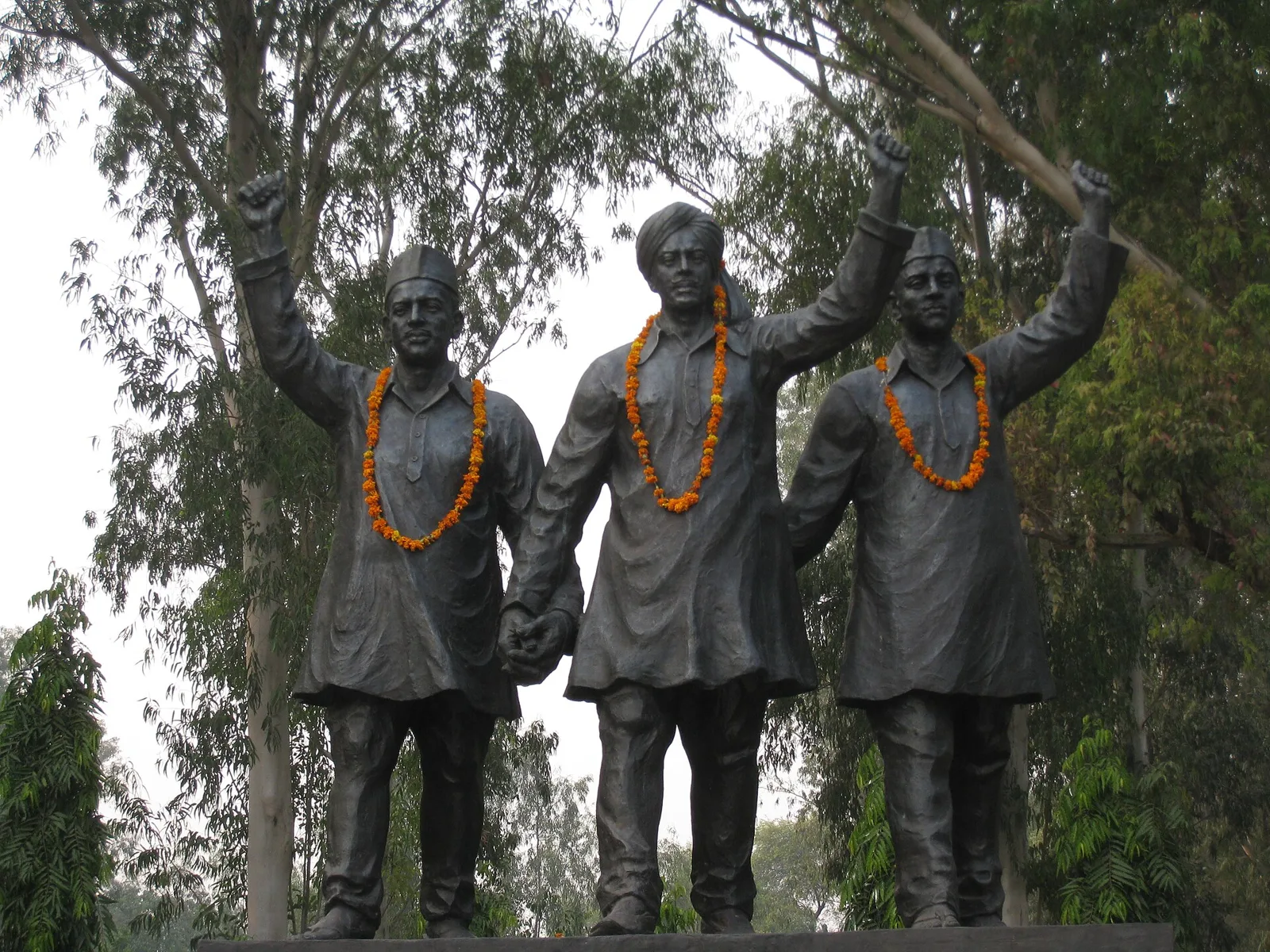
Hussainiwala is a village in Punjab’s Firozpur district, visited for its memorial to Bhagat Singh, Sukhdev Thapar and Shivaram Rajguru, and the daily India–Pakistan retreat ceremony.

Harike Wetland

110 km away · Tarn Taran district

Harike Wetland

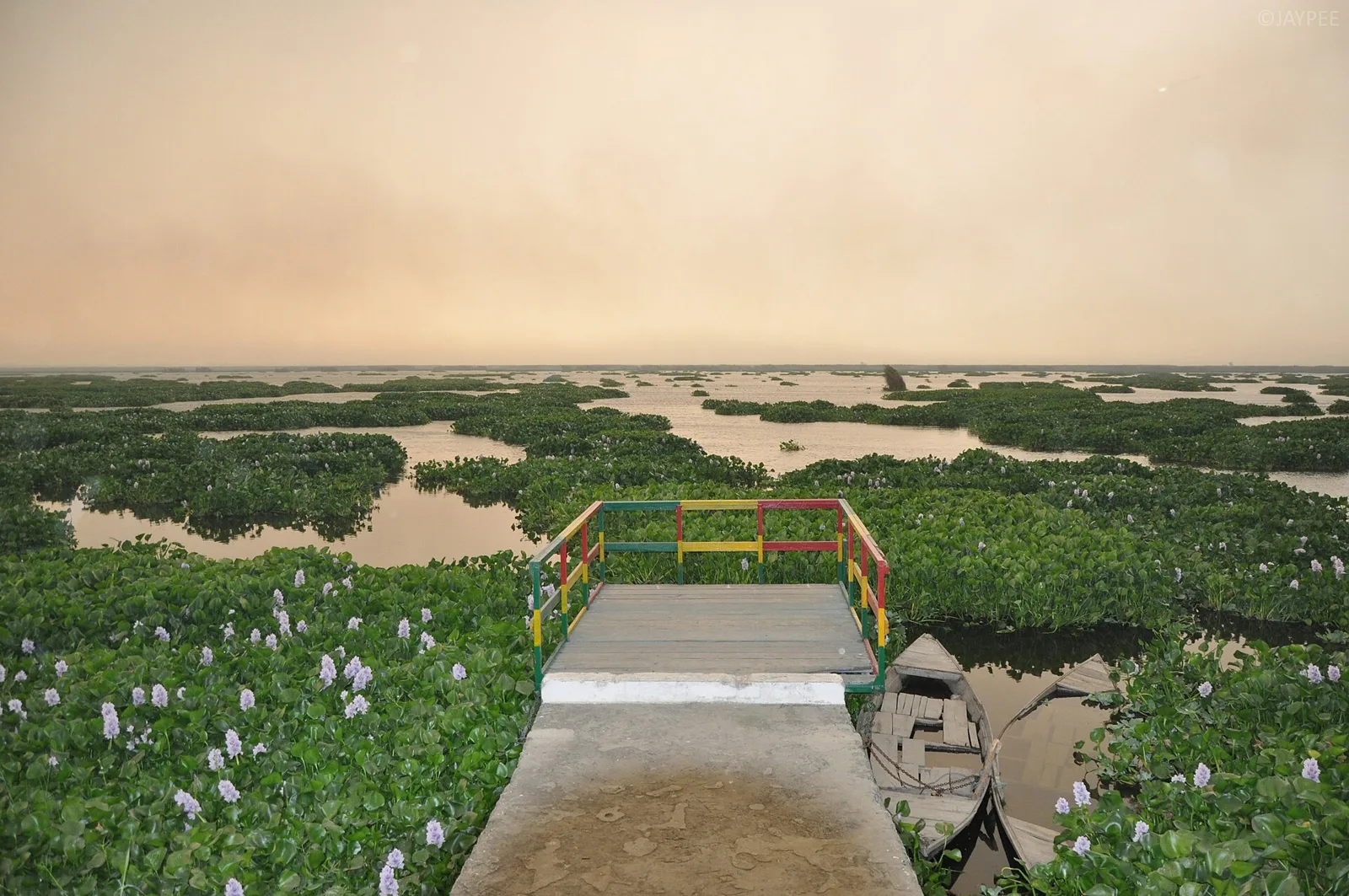
Harike Wetland is a Ramsar-listed lake and marsh complex in Punjab, created near the Beas–Sutlej confluence. Visitors come to see its diverse wetland habitat and migratory waterbirds, including threatened species.

Sultanpur Lodhi

124 km away · Kapurthala district

Sultanpur Lodhi

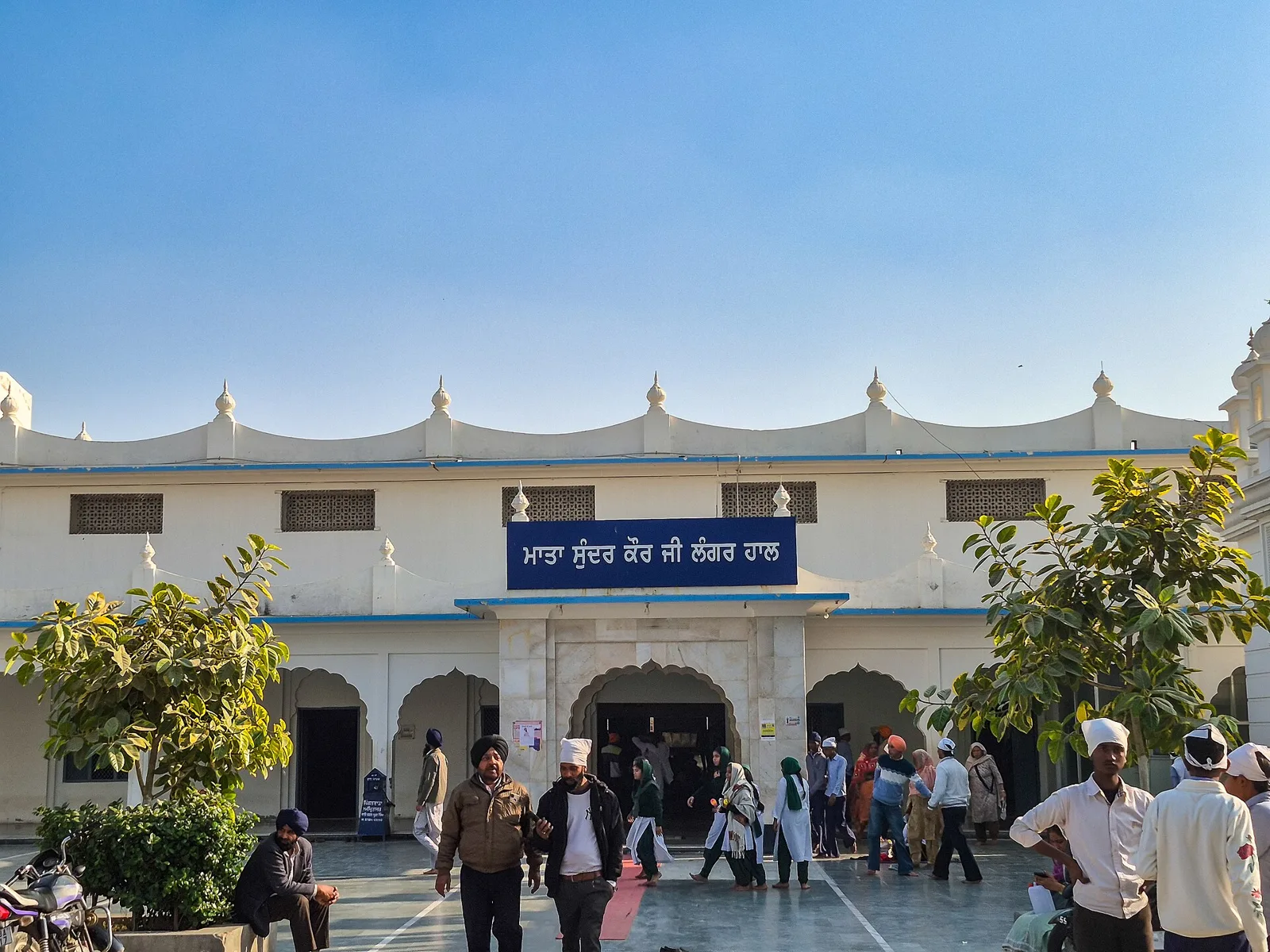
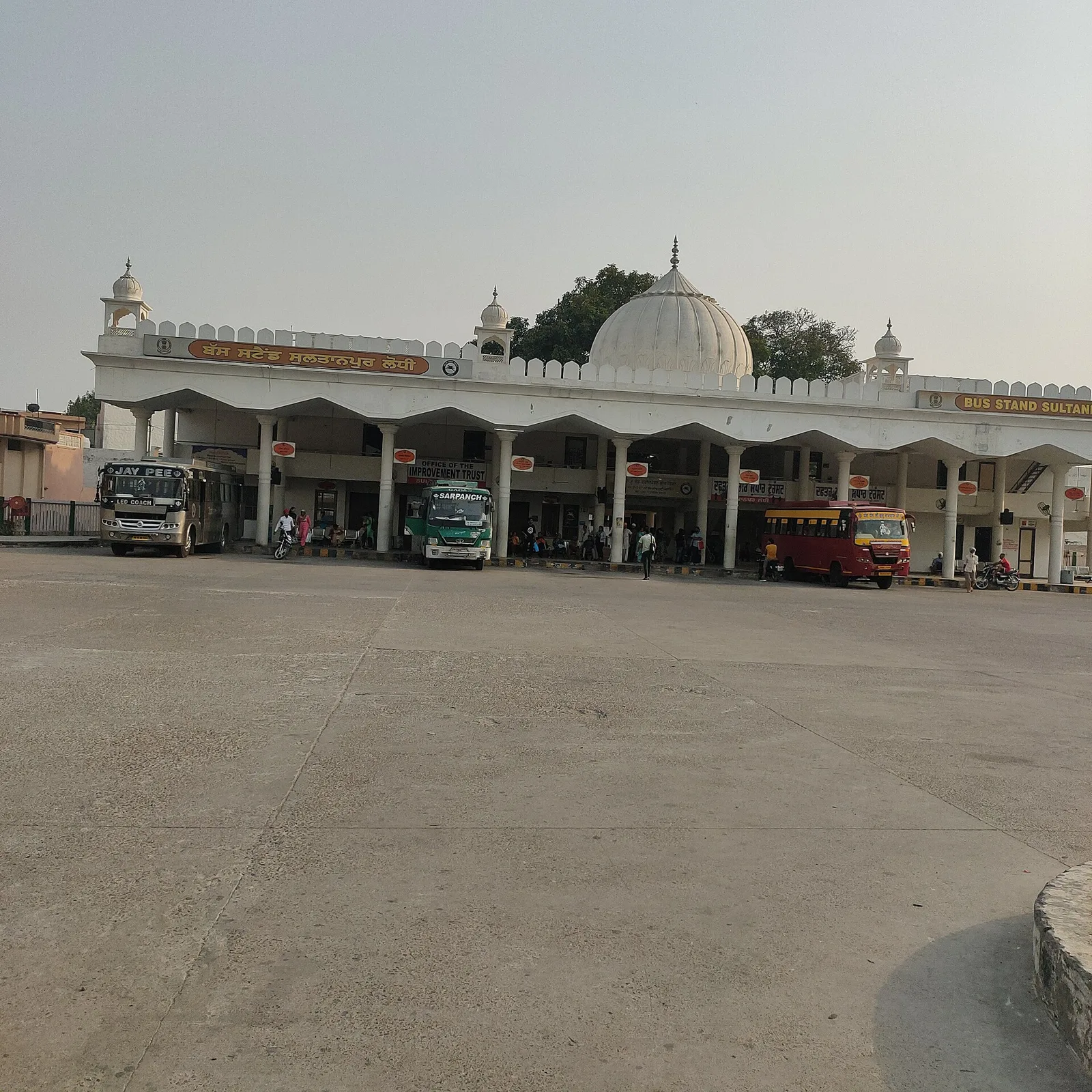
Sultanpur Lodhi is a town in Punjab’s Kapurthala district, with historical links to Bahlul Khan Lodi and a mention in the Ain-e-Akbari that give visitors reasons to explore its past.

Ludhiana

138 km away · Ludhiana district

Ludhiana

Ludhiana is Punjab’s most populous city and a major manufacturing and trading centre in northern India; visitors come for its industrial and commercial activity.

Map

Giddarbaha on the map

  1. 1Qila Mubarak
  2. 2Bathinda
  3. 3Sri Muktsar Sahib
  4. 4Takht Sri Damdama Sahib
  5. 5Hussainiwala
  6. 6Harike Wetland
  7. 7Sultanpur Lodhi
  8. 8Ludhiana

Punjab

Other cities to explore