Ghumoopedia — Explore, Discover, Experience
Sign in
Dera Baba Nanak, near Qadian

City guide · Punjab

Qadian

Qadian is a small town in Gurdaspur district whose importance reaches well beyond its size. It is best known as the birthplace of Mirza Ghulam Ahmad, who founded the Ahmadiyya Muslim Community in 1889.

Famous for

  • Ahmadiyya heritage
  • Mirza Ghulam Ahmad birthplace
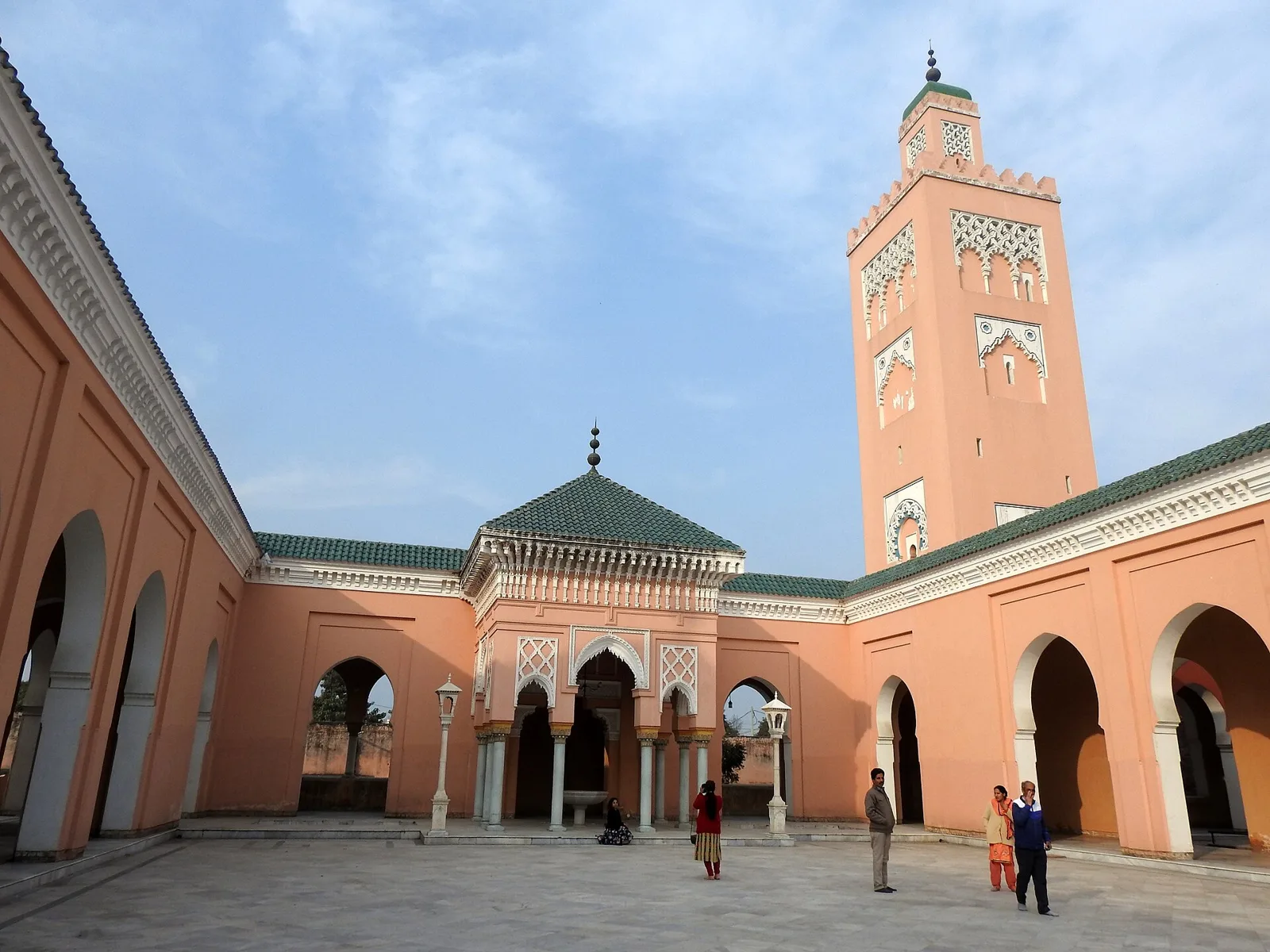
  • Aqsa Mosque
  • Mubarak Mosque
  • Historic religious gatherings

Why Qadian matters

Qadian is a small town in Gurdaspur district whose importance reaches well beyond its size. It is best known as the birthplace of Mirza Ghulam Ahmad, who founded the Ahmadiyya Muslim Community in 1889. The town became the movement’s headquarters and a centre of religious learning, drawing visitors interested in its history and places of worship. Its central landmarks include Aqsa Mosque, Mubarak Mosque and Minaret-ul-Masih, alongside the Bahishti Maqbara cemetery, which holds significance for the community.

Qadian also offers a window onto Punjab’s layered history. Its story spans Mughal-era settlement, Sikh rule, the princely and colonial periods, and the upheaval of Partition in 1947. The movement’s headquarters later shifted to Rabwah in Pakistan, but Qadian remains an important historic and spiritual destination for Ahmadi Muslims. Visitors generally come for religious heritage, community gatherings and the town’s connection to a major modern Islamic movement, rather than for a large commercial or resort scene. Its quieter streets and compact historic core reward an unhurried visit.
Famous for: crafts, trade & products

Qadian is not widely known for a signature textile, handicraft, GI-tagged product or specialised manufacturing industry. Its strongest identity is as a centre of Ahmadiyya history and religious heritage. Visitors are more likely to seek out historic mosques, the Minaret-ul-Masih and other sites connected with the community than a particular local craft or product.

For everyday shopping, the town’s local bazaar and shops serve residents with groceries, clothing, household goods and seasonal produce. Punjabi food staples and sweets are available through ordinary shops and eateries, but Qadian is not especially associated with a nationally recognised dish or confection. Those looking for a wider choice of branded goods, specialist shopping or regional produce can consider larger nearby towns such as Batala or Amritsar. The most distinctive institution to learn about in Qadian is the Ahmadiyya community itself: its historic religious sites and gatherings explain the town’s continuing importance more clearly than any particular trade. Check locally about access arrangements before visiting religious or community properties.

History

Qadian’s origins are traditionally traced to 1530, when Mirza Hadi Baig, a religious scholar who had migrated from Samarkand, established a settlement here. He is said to have named its centre Islam Pur Qazi; the name changed over time to Qazi, Qadi and finally Qadian. The surrounding area later came under Sikh rule. In 1834, during Maharaja Ranjit Singh’s reign, Qadian and nearby villages were granted to Mirza Ghulam Murtaza, whose son was Mirza Ghulam Ahmad.

Under British rule, Qadian developed into a centre of religious activity. Ghulam Ahmad founded the Ahmadiyya Muslim Community in 1889, and the town hosted its annual gathering from 1891. It served as the movement’s headquarters until Partition in 1947. The division brought violence, displacement and major changes to the town’s population; the community’s headquarters moved to Rabwah, in the newly formed Pakistan. Qadian remains in India and retains important sites associated with the movement’s early history.

Food, festivals & culture

Daily life in Qadian reflects the wider culture of Punjab. Punjabi is widely spoken, while Hindi is also used; Urdu has a place in religious and community settings. Meals commonly draw on regional staples such as roti, dal, vegetables and dairy, with sweets available from local shops. These are familiar Punjabi foods rather than dishes for which Qadian is especially renowned.

The town’s most distinctive cultural calendar is connected with Ahmadiyya religious life, including its historic annual gathering, usually associated with the winter season. Eid celebrations follow the Islamic lunar calendar, so their dates shift each year. Vaisakhi in spring, Diwali in autumn and Sikh Gurpurabs, whose dates vary, are part of the broader regional calendar. Aqsa Mosque and Mubarak Mosque are among Qadian’s notable places of worship, and the Minaret-ul-Masih and Bahishti Maqbara are significant heritage sites. Punjabi folk music and bhangra and giddha traditions belong to the region’s wider cultural landscape, though they are not unique to Qadian.

Visiting the city

Spring and autumn are generally comfortable seasons to visit; summers can be hot, while the monsoon brings rain. The nearest major airport with regular commercial connections is Sri Guru Ram Dass Jee International Airport in Amritsar. Qadian railway station serves the town, while Batala Junction is a useful larger rail connection. Check current transport and site-access information before setting out.

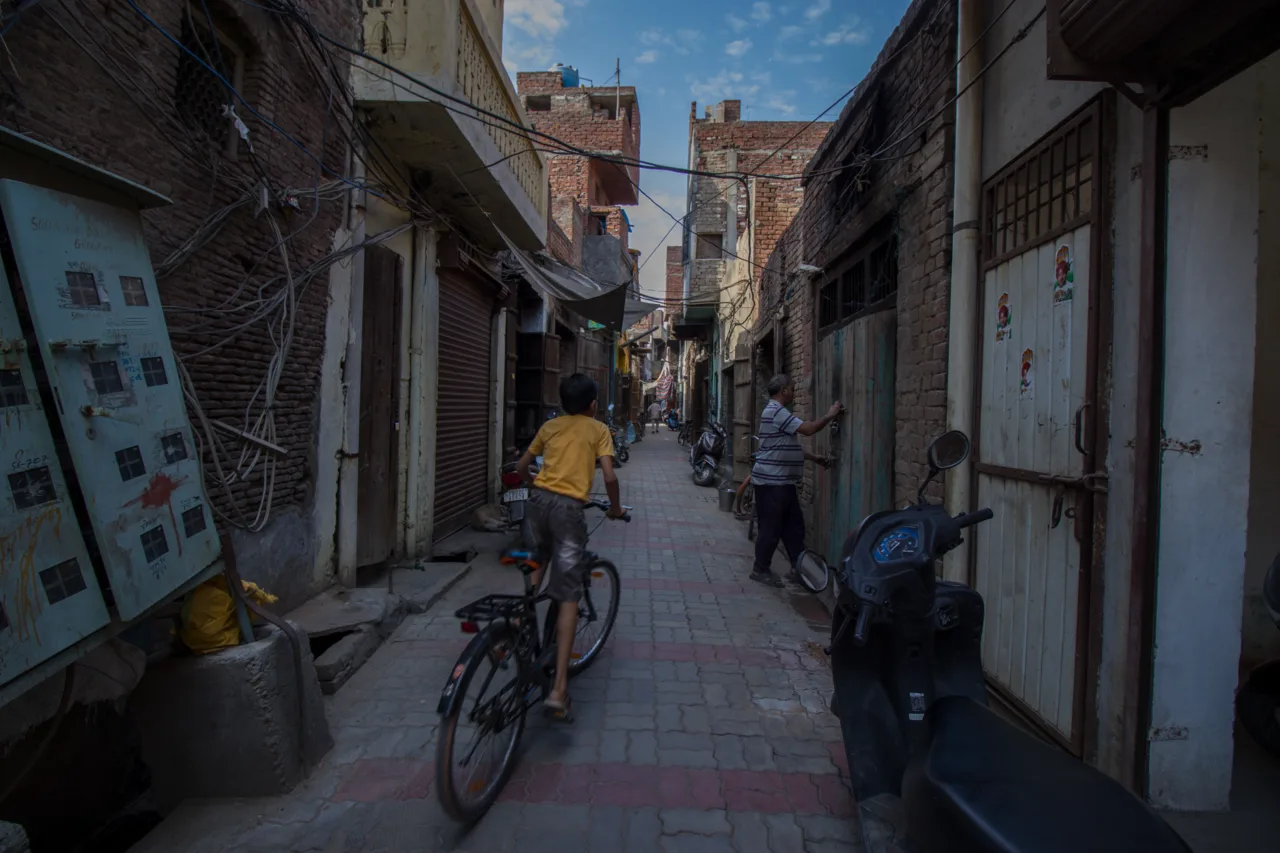
Auto-rickshaws and local taxis can help with journeys around town; the central historic area is suitable for exploring on foot. Focus on the neighbourhood around Aqsa Mosque, Mubarak Mosque and Minaret-ul-Masih, and allow time for the Bahishti Maqbara and the local bazaar. Religious-site entry arrangements may vary, so dress respectfully and ask about visitor guidance on arrival.

Trips from the city

Nearest places to visit from Qadian

Our closest destination guides, by straight-line distance.

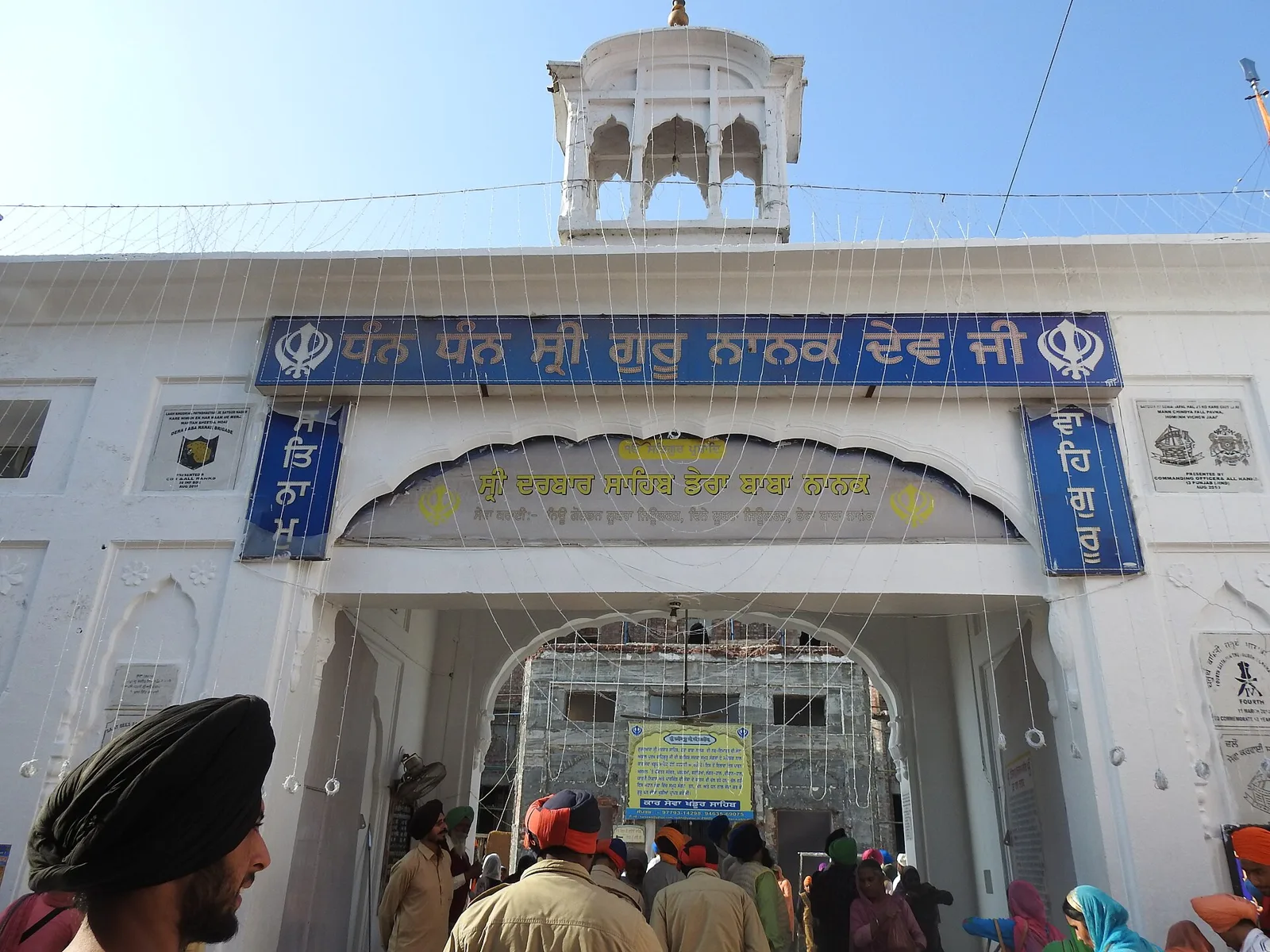
Dera Baba Nanak

40 km away · Gurdaspur district

Dera Baba Nanak

Dera Baba Nanak is a town and municipal council in Punjab’s Gurdaspur district. People visit its shrine, where a passage between India and Pakistan was established in November 2019.

Jandiala Guru (Thathera Village)

44 km away · Amritsar district

Jandiala Guru (Thathera Village)

Jandiala Guru is a village and town in Punjab’s Amritsar district. Visitors interested in Sikh history may be drawn to its past association with the Niranjanias, also known as Hindalis.

45 km away · Kapurthala district

Kanjli Wetland

Kanjli Wetland is an artificial wetland in Kapurthala district, Punjab, that includes Kanjli Lake. Visitors come to experience its diverse habitats and wildlife, recognised internationally through the Ramsar Convention.

Kapurthala

49 km away · Kapurthala district

Kapurthala

Kapurthala is a Punjab city and former princely-state capital, noted for French and Indo-Saracenic architecture. Visitors come to see its palaces, gardens and historic character.

Jagatjit Palace

50 km away · Kapurthala district

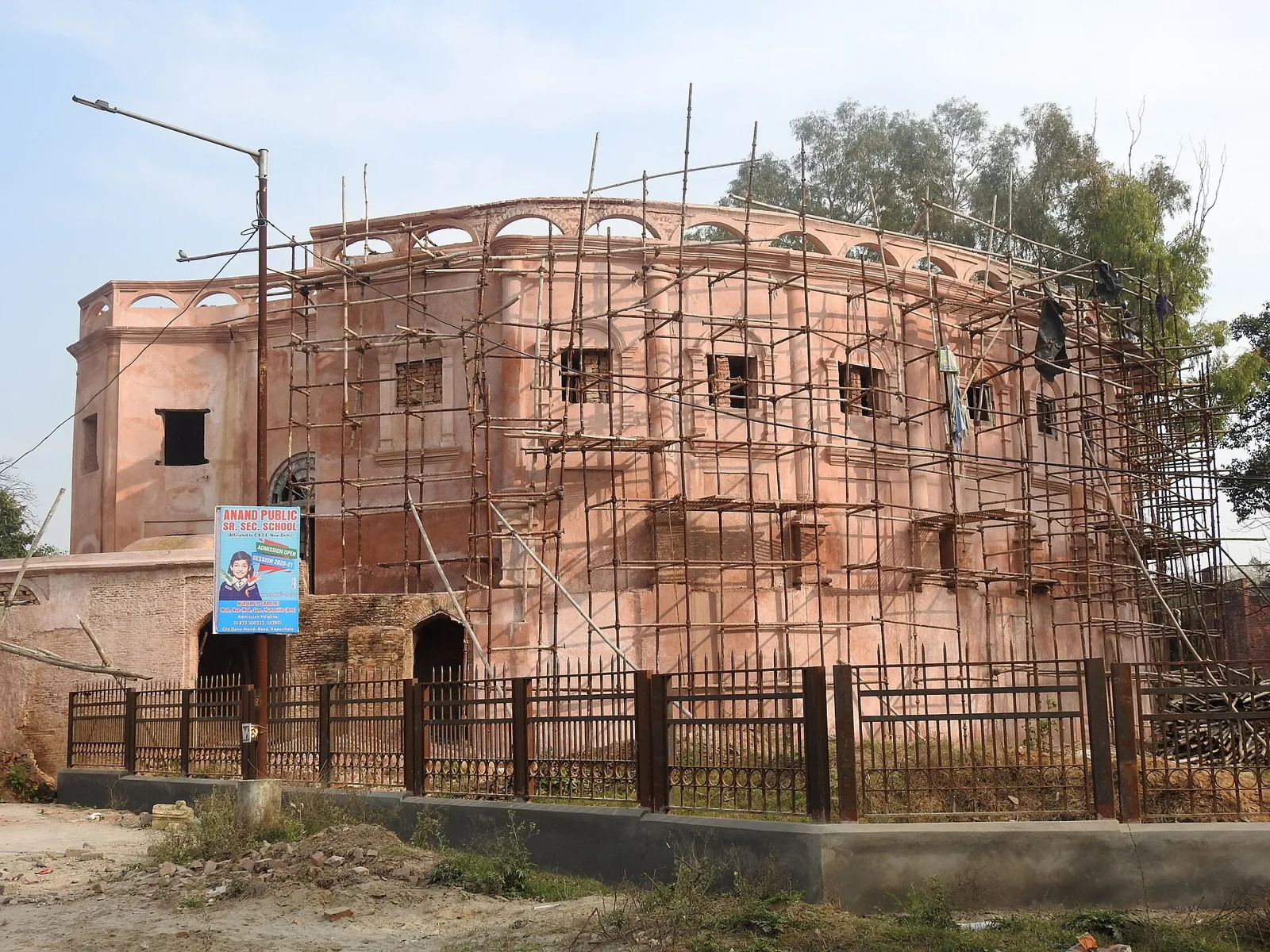
Jagatjit Palace

Jagatjit Palace is a former royal residence in Kapurthala, now occupied by Sainik School. Visitors can learn about its connection with the town’s rulers and its change of use.

Golden Temple

52 km away · Amritsar district

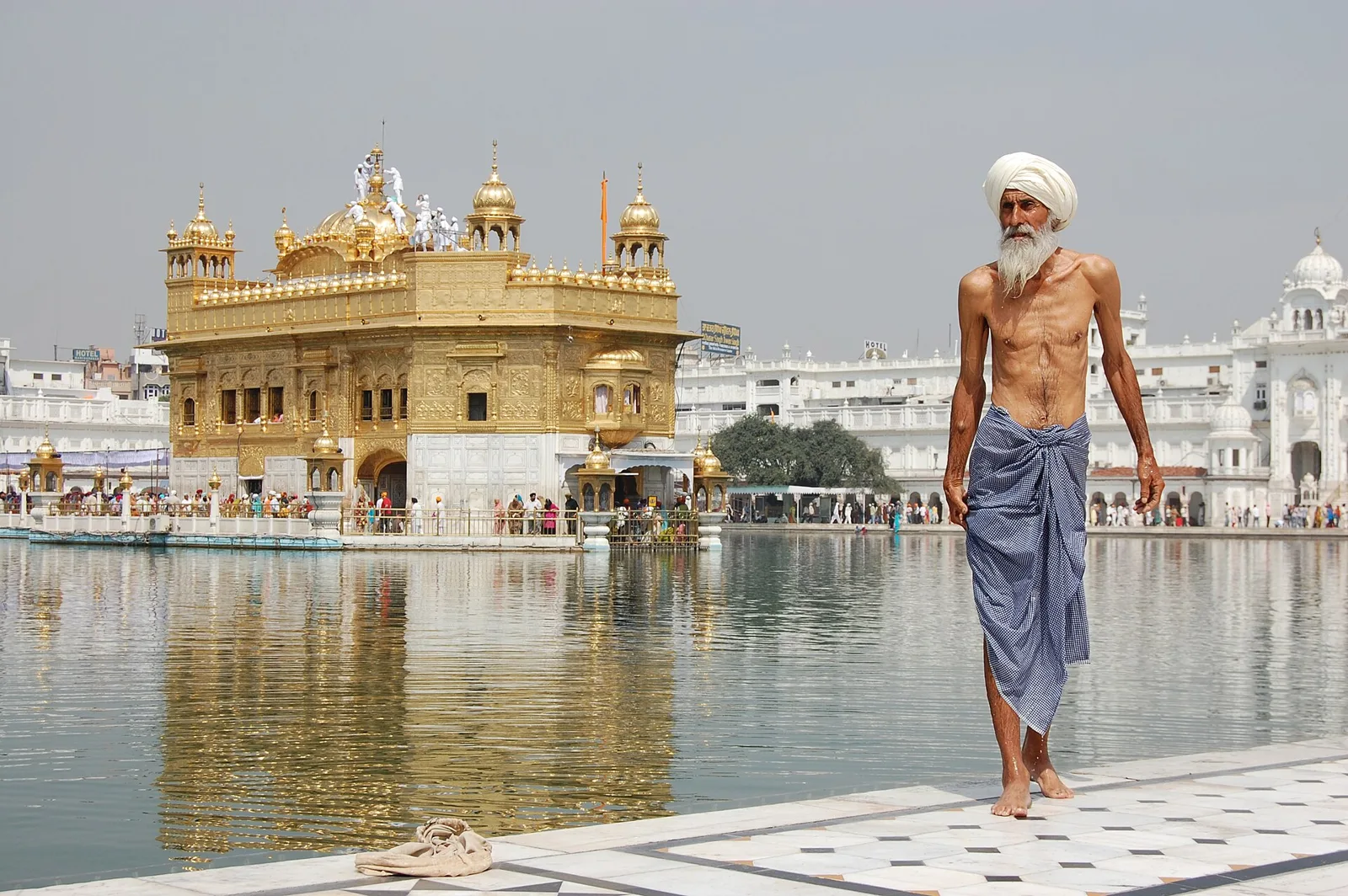
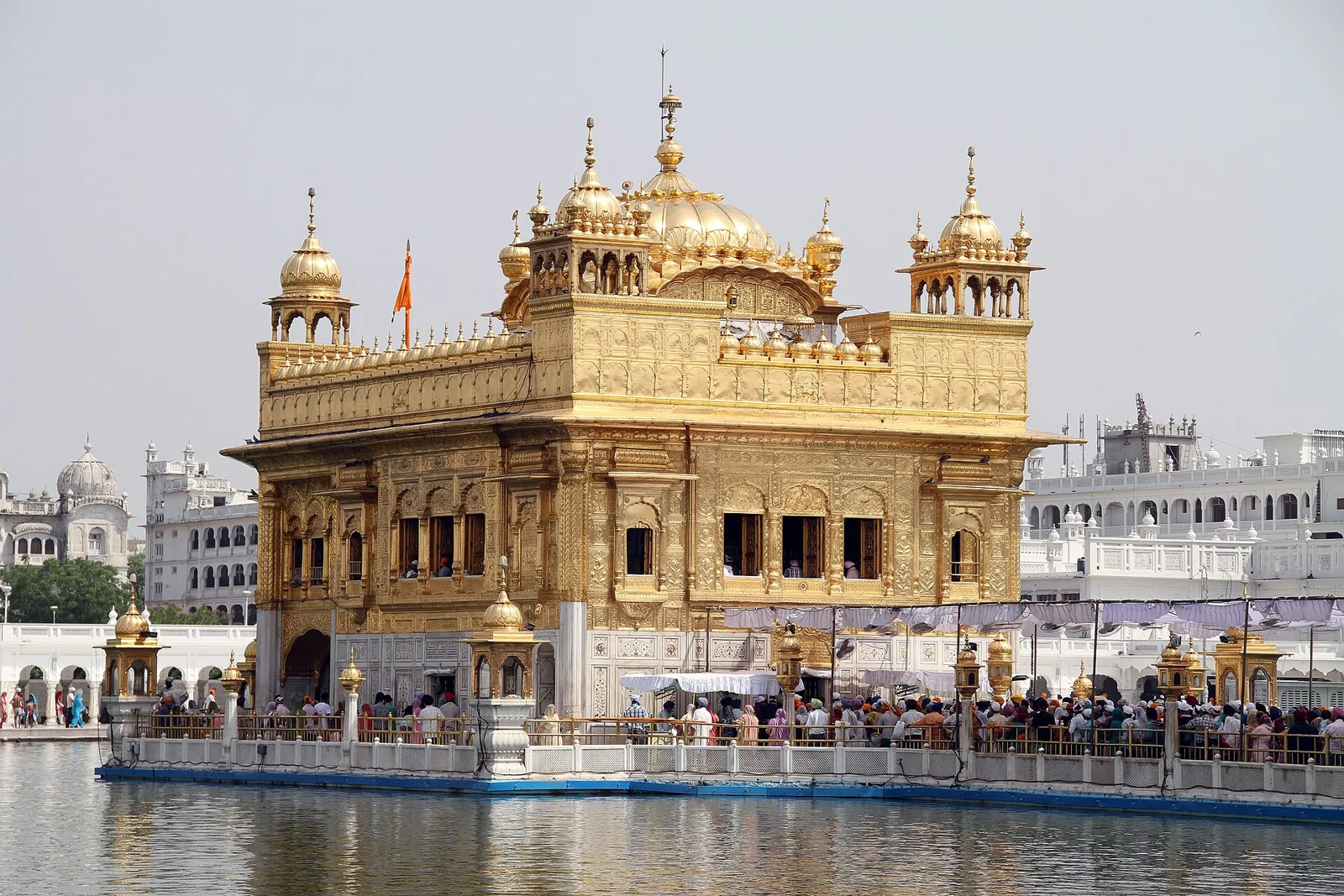
Golden Temple

A major Sikh shrine in Amritsar, the Golden Temple draws worshippers to its sacred sanctuary and pool, while its langar welcomes visitors to a free vegetarian meal.

Jallianwala Bagh

52 km away · Amritsar district

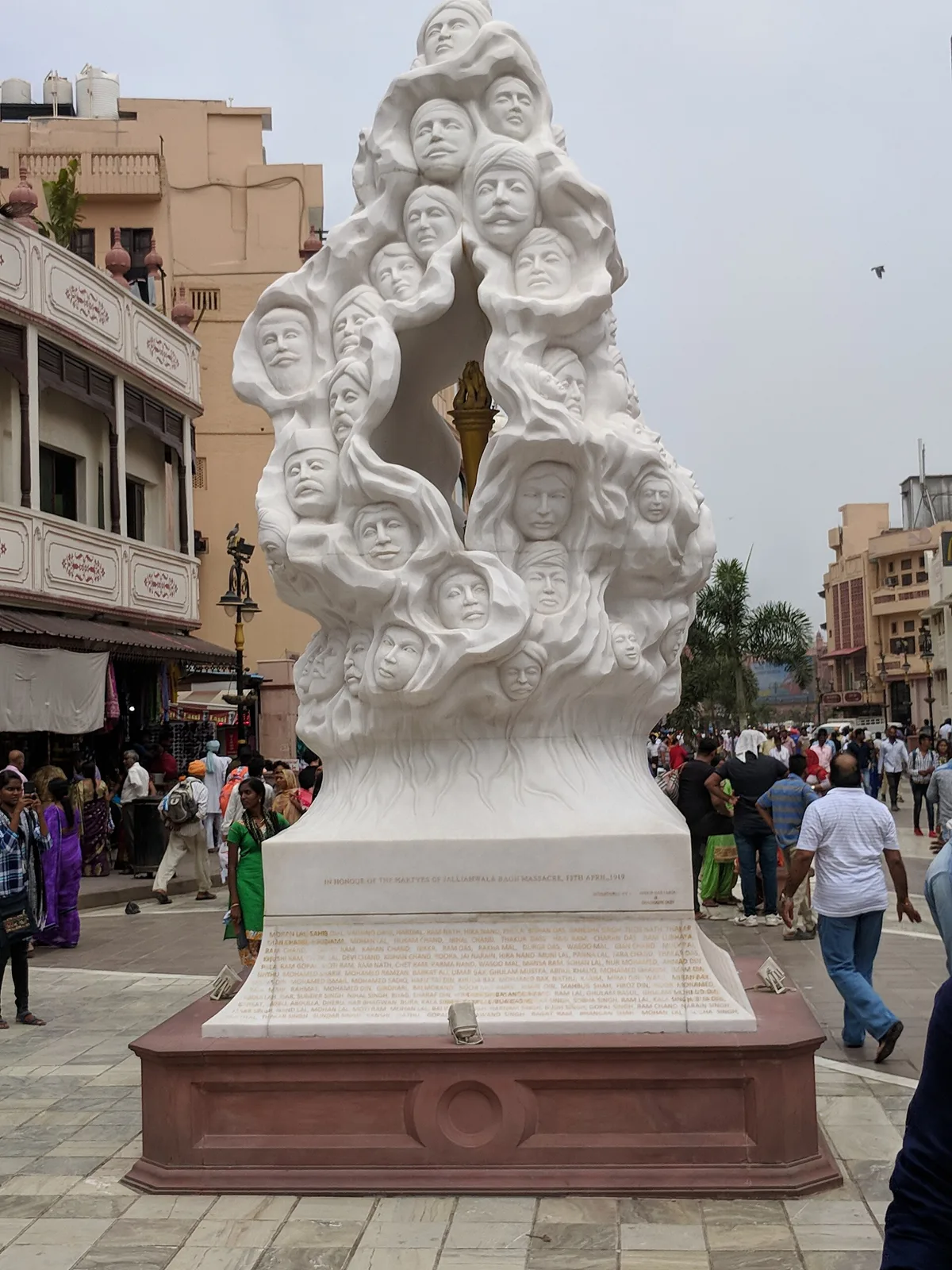
Jallianwala Bagh

A historic garden and national memorial in Amritsar, Jallianwala Bagh commemorates those killed or wounded in the 1919 massacre. Visitors come to remember them and see the site’s museum, gallery and memorials.

Amritsar

53 km away · Amritsar district

Amritsar

Amritsar is a major city in Punjab’s Majha region, known for the Golden Temple, its food and wooden chess-making. Visitors also come for its cultural, transport and commercial significance.

Map

Qadian on the map

  1. 1Dera Baba Nanak
  2. 2Jandiala Guru (Thathera Village)
  3. 3Kanjli Wetland
  4. 4Kapurthala
  5. 5Jagatjit Palace
  6. 6Golden Temple
  7. 7Jallianwala Bagh
  8. 8Amritsar

Punjab

Other cities to explore