Ghumoopedia — Explore, Discover, Experience
Sign in
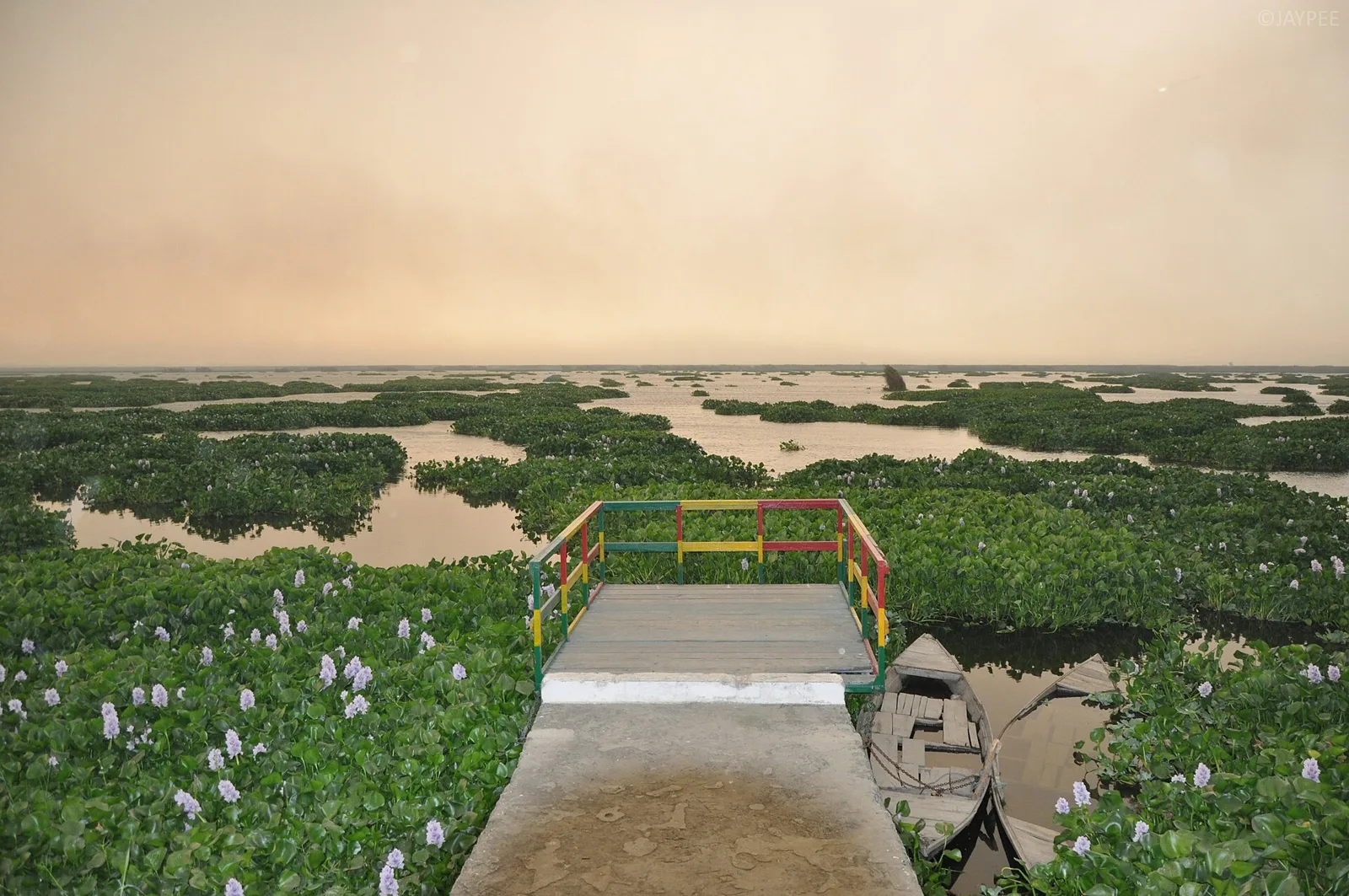
Harike Wetland, near Moga

City guide · Punjab

Moga

Moga is a regional centre in Punjab’s Malwa belt, serving as the administrative headquarters of Moga district and a hub for surrounding farming communities. Its position on the Ferozepur–Ludhiana road supports trade and travel across this part of the state.

Famous for

  • Malwa district headquarters
  • Agricultural grain markets
  • Dairy and food processing
  • Dev Samaj institutions
  • Dayanand Mathra Dass College
Plan a tripHotels near Moga

Why Moga matters

Moga is a regional centre in Punjab’s Malwa belt, serving as the administrative headquarters of Moga district and a hub for surrounding farming communities. Its position on the Ferozepur–Ludhiana road supports trade and travel across this part of the state. The city’s economy is closely connected to agriculture, grain commerce, dairy and food processing, while its schools and colleges draw students from nearby towns and villages.

Visitors are more likely to encounter everyday Punjabi city life than a major monument circuit: busy markets, educational institutions, places of worship and the bustle of the grain trade. Moga is also associated with the development of modern education and public service in the region, including the Dev Samaj school and Dayanand Mathra Dass College. It makes a useful stop for travellers exploring rural Malwa or travelling between Ludhiana and Ferozepur. The surrounding district’s villages and farmland offer a sense of the agricultural landscape that shapes local work, food and community life.
Famous for: crafts, trade & products

Moga is better known for agricultural commerce and food processing than for a signature handicraft or textile tradition. The grain market serves farmers and traders from the city’s hinterland, with crops such as wheat and rice central to the regional economy. Dairy is another important part of the area’s food industry, and Moga is associated with large-scale dairy and food processing, including Nestlé operations in the region.

The central shops and bazaars are practical places to browse for everyday Punjabi clothing, fabric, household goods and locally made sweets, rather than specialist sarees or artisan crafts. The grain market is most relevant to agricultural trade; visitors looking for gifts can explore general shops for packaged foods and Punjabi products. No widely recognised Moga-specific GI-tagged craft or textile is a defining city speciality, so it is best not to expect a dedicated craft district. The city’s notable institutions include Dayanand Mathra Dass College and the Dev Samaj educational legacy, which has contributed to Moga’s role as a centre for learning as well as commerce.

History

Moga’s early origins are described in several local traditions. One account links its name to Moga Gill, associated with the Gill clan; other explanations connect it to an ancient ruler. Stories about the settlement’s founding and early clans vary, so no single origin account is certain. The area was shaped by local Jat communities and later by the wider political changes of the Malwa region, including Mughal-era conflict and the growth of Sikh influence.

Rail service reached Moga in 1901, helping connect the town to trade networks. During British rule it was part of Ferozepur district. Education and civic life developed early: a Dev Samaj school was founded in 1899, and Dayanand Mathra Dass College opened in 1926. Moga also figured in political and social movements of the colonial period. After independence, it continued to grow as a market and service centre for nearby villages. On 24 November 1995, it became the headquarters of the newly formed Moga district, having previously been a tehsil of Faridkot district.

Food, festivals & culture

Punjabi is the main language of everyday life; Hindi is also widely understood. Food reflects the agrarian culture of the region: expect wheat-based rotis and parathas, seasonal sarson da saag with makki di roti, dal, chole and generous servings of lassi. Jalebi, ladoo and pinni are familiar sweet-shop choices, though menus vary by season and establishment.

The calendar follows Punjab’s agricultural and religious rhythms. Lohri is celebrated in midwinter, Vaisakhi in spring, and Diwali and Holi in autumn and spring respectively; Sikh Gurpurabs are observed according to the lunar calendar. Bhangra and giddha, accompanied by dhol and Punjabi folk songs, are part of festive gatherings and wedding celebrations. Sikh gurdwaras and Hindu temples serve as important places of worship and community life. Visitors should dress respectfully and follow local customs when entering religious spaces.

Visiting the city

The most comfortable time to visit is October to March, when days are generally cooler. Summers can be very hot, while the monsoon brings rain and humidity. Moga Railway Station is the city’s main rail stop. The nearest airport is Ludhiana Airport at Sahnewal, though travellers seeking broader scheduled connections may find Amritsar’s Sri Guru Ram Dass Jee International Airport more useful.

Buses, taxis and auto-rickshaws can help with local journeys; confirm availability for longer trips. Moga lies on the Ferozepur–Ludhiana road, making road travel a convenient way to reach nearby towns. For a short visit, explore the central bazaar and grain-market area, then visit a local place of worship or educational landmark. The railway-station surroundings and town centre show the city’s everyday commercial pace; arrange transport in advance if visiting villages beyond the city.

Trips from the city

Nearest places to visit from Moga

Our closest destination guides, by straight-line distance.

Harike Wetland

42 km away · Tarn Taran district

Harike Wetland

Harike Wetland is a Ramsar-listed lake and marsh complex in Punjab, created near the Beas–Sutlej confluence. Visitors come to see its diverse wetland habitat and migratory waterbirds, including threatened species.

Sultanpur Lodhi

44 km away · Kapurthala district

Sultanpur Lodhi

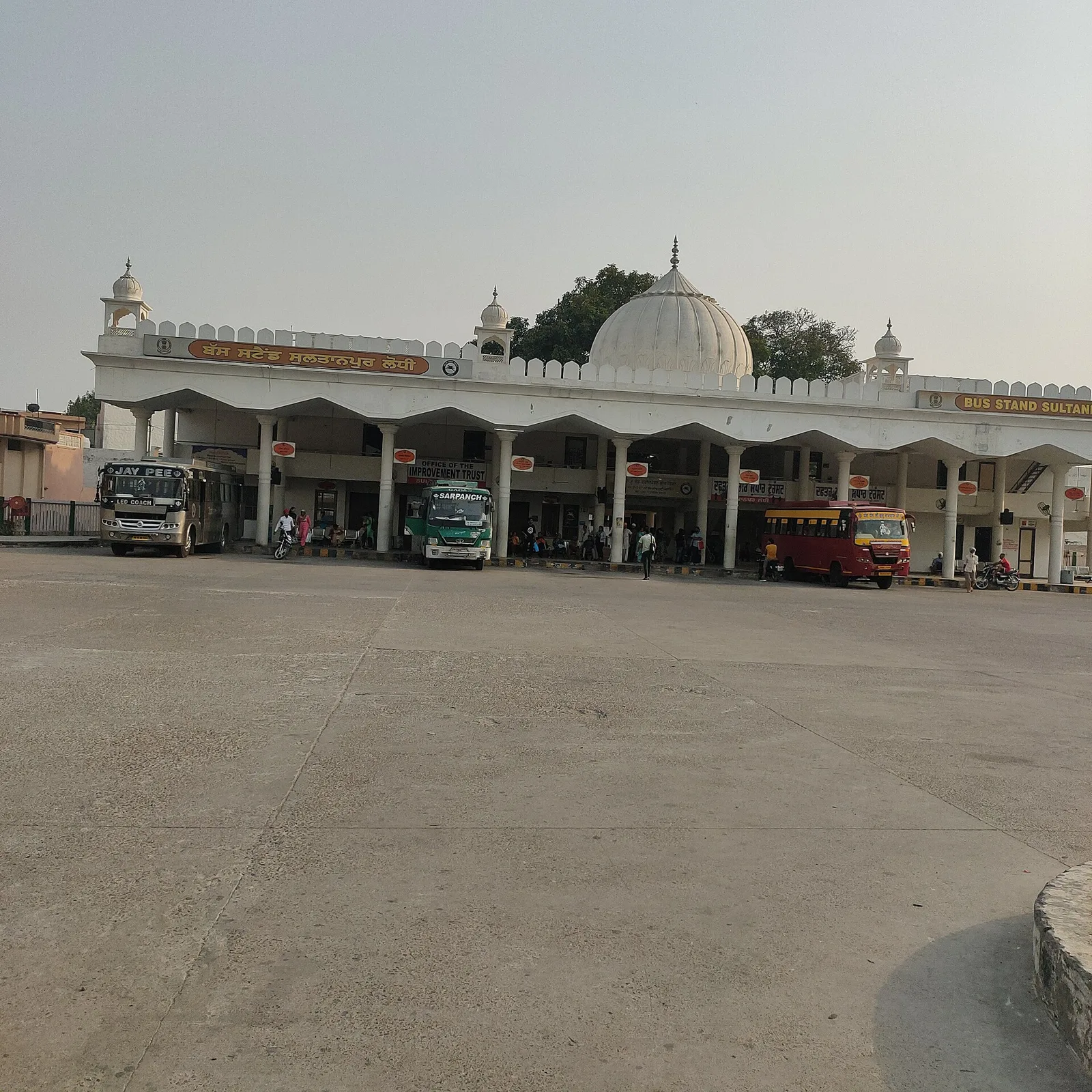
Sultanpur Lodhi is a town in Punjab’s Kapurthala district, with historical links to Bahlul Khan Lodi and a mention in the Ain-e-Akbari that give visitors reasons to explore its past.

Hussainiwala

63 km away · Firozpur district

Hussainiwala

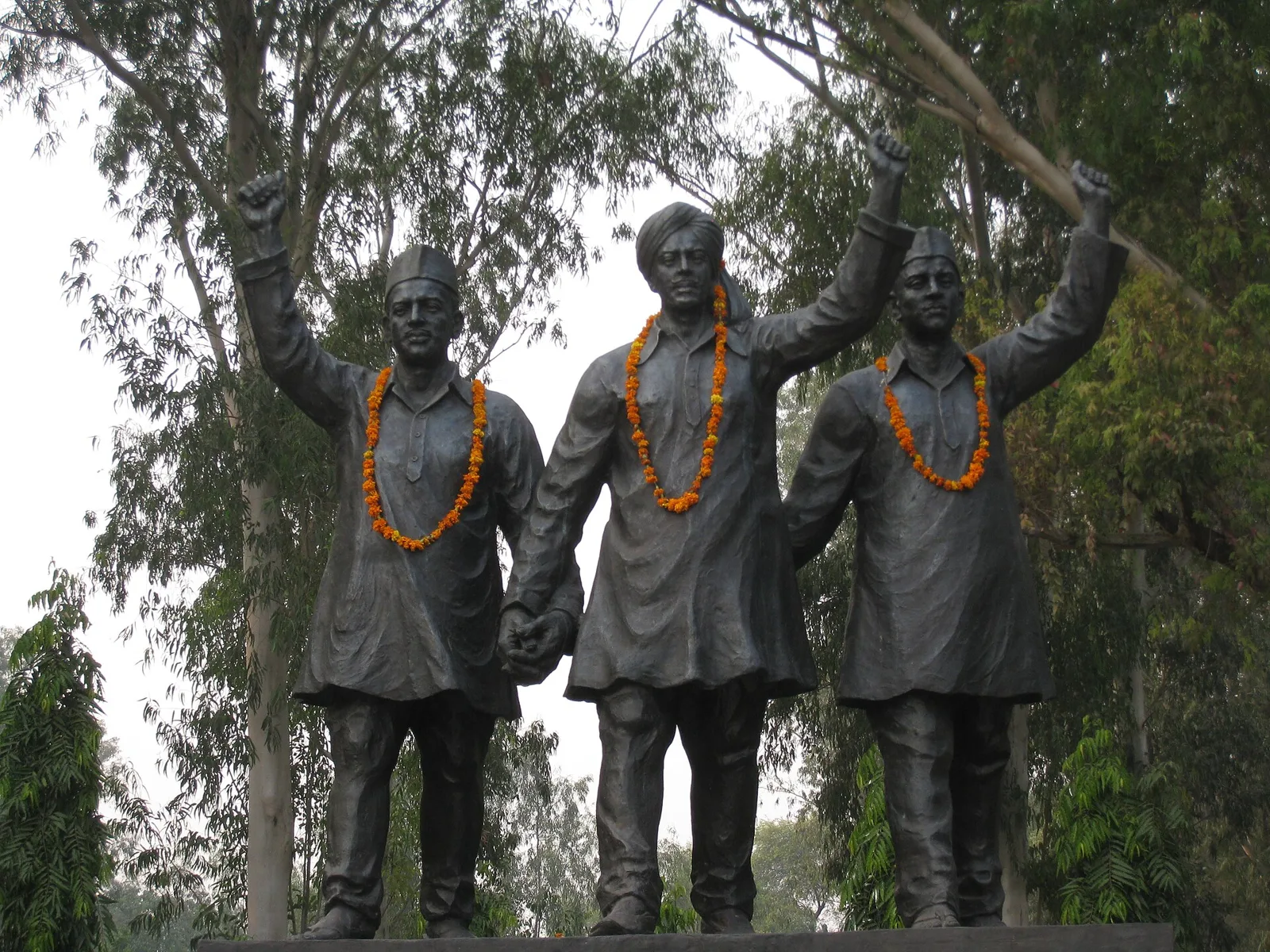
Hussainiwala is a village in Punjab’s Firozpur district, visited for its memorial to Bhagat Singh, Sukhdev Thapar and Shivaram Rajguru, and the daily India–Pakistan retreat ceremony.

Phillaur Fort

63 km away · Ludhiana district

Phillaur Fort

Known also as Maharaja Ranjit Singh Fort, Phillaur Fort is a fort in Punjab that visitors can see on the Grand Trunk Road at Phillaur.

Jagatjit Palace

66 km away · Kapurthala district

Jagatjit Palace

Jagatjit Palace is a former royal residence in Kapurthala, now occupied by Sainik School. Visitors can learn about its connection with the town’s rulers and its change of use.

Kapurthala

66 km away · Kapurthala district

Kapurthala

Kapurthala is a Punjab city and former princely-state capital, noted for French and Indo-Saracenic architecture. Visitors come to see its palaces, gardens and historic character.

Ludhiana

66 km away · Ludhiana district

Ludhiana

Ludhiana is Punjab’s most populous city and a major manufacturing and trading centre in northern India; visitors come for its industrial and commercial activity.

Bathinda

68 km away · Bathinda district

Bathinda

Bathinda is a city in Punjab’s Malwa region and the administrative centre of its district. Visitors can explore the historic Qila Mubarak fort, and the city also has a zoo and major educational institutions.

Map

Moga on the map

  1. 1Harike Wetland
  2. 2Sultanpur Lodhi
  3. 3Hussainiwala
  4. 4Phillaur Fort
  5. 5Jagatjit Palace
  6. 6Kapurthala
  7. 7Ludhiana
  8. 8Bathinda

Punjab

Other cities to explore