Ghumoopedia — Explore, Discover, Experience
Sign in
Bathinda, near Rampura Phul

City guide · Punjab

Rampura Phul

Rampura Phul is a town in Bathinda district, in Punjab’s Malwa region. Its name reflects its position between the settlements of Rampura and Phul, and it serves as a local centre for surrounding villages.

Famous for

  • Phulkian family heritage
  • Sikh historical connections
  • Rampura–Phul twin settlement
  • Regional trading centre

Why Rampura Phul matters

Rampura Phul is a town in Bathinda district, in Punjab’s Malwa region. Its name reflects its position between the settlements of Rampura and Phul, and it serves as a local centre for surrounding villages. Phul Town also functions as a tehsil centre, giving the area an administrative role as well as a commercial one. Shops, services and transport links make the town a practical hub for residents of nearby farming communities.

The town’s strongest historical associations are with Phul and his descendants, the Phulkian family, whose members later established the princely states of Jind, Nabha and Patiala. Rampura’s connection to this lineage and to Sikh history gives it interest beyond its everyday regional role. Visitors are more likely to come for local family or business visits, religious connections and a glimpse of life in a Malwa market town than for a large concentration of established tourist attractions. Its bazaars and food shops offer a grounded introduction to contemporary Punjabi town life.
Famous for: crafts, trade & products

Rampura Phul is best understood as a regional trading and service town rather than as a centre for a signature textile, handicraft or GI-tagged product. Its commercial life serves the surrounding settlements, whose economy is closely connected with agriculture. The town’s shops and market streets cater to everyday needs, including clothing, household goods, farm-related services and prepared food. For visitors, the central bazaar is the most convenient place to browse local retailers and sample ordinary Punjabi snacks or sweets.

There is no widely recognised local craft or named product for which Rampura Phul is especially known, so visitors should not expect a specialised souvenir market. Punjabi clothing and household textiles may be available through general retailers, but they are not a distinctive local speciality. The town’s more notable association is its historical link to Phul and the Phulkian family, rather than a particular industry. For a sense of local commerce, explore the central shopping area and the streets used by residents travelling between the town and nearby villages; product selection and business activity vary by shop.

History

Phul is traditionally associated with Phul, who founded the village in 1627. His descendants became known as the Phulkian family and later established the princely states of Jind, Nabha and Patiala. In 1680, Phul’s son Rama founded Rampura, giving the town one part of its present name. Rama and his brother Tiloka were initiated into the Sikh faith by Guru Gobind Singh. The family also supported Banda Singh Bahadur in his early campaigns; Rama was killed at Malerkotla in 1714.

During the British period, the area formed part of Nabha State. Following independence and the formation of the Patiala and East Punjab States Union, Rampura Phul became part of Barnala district. It was transferred to Bathinda district in 1954. The settlement’s growth has since been shaped by its role as a market and service centre for nearby villages, as well as by road and rail connections. Its paired name continues to reflect the close relationship between Rampura and Phul.

Food, festivals & culture

Punjabi is the principal language of everyday life in Rampura Phul; Hindi is also understood and used. Local food follows the broader Malwa and Punjabi tradition. Dhabas and family kitchens commonly serve hearty breads, lentils and seasonal vegetables; makki di roti with sarson da saag is a familiar winter meal across the region. Lassi, pakoras and sweets made with flour, ghee or jaggery are also part of the wider Punjabi food repertoire, though no single dish is uniquely associated with the town.

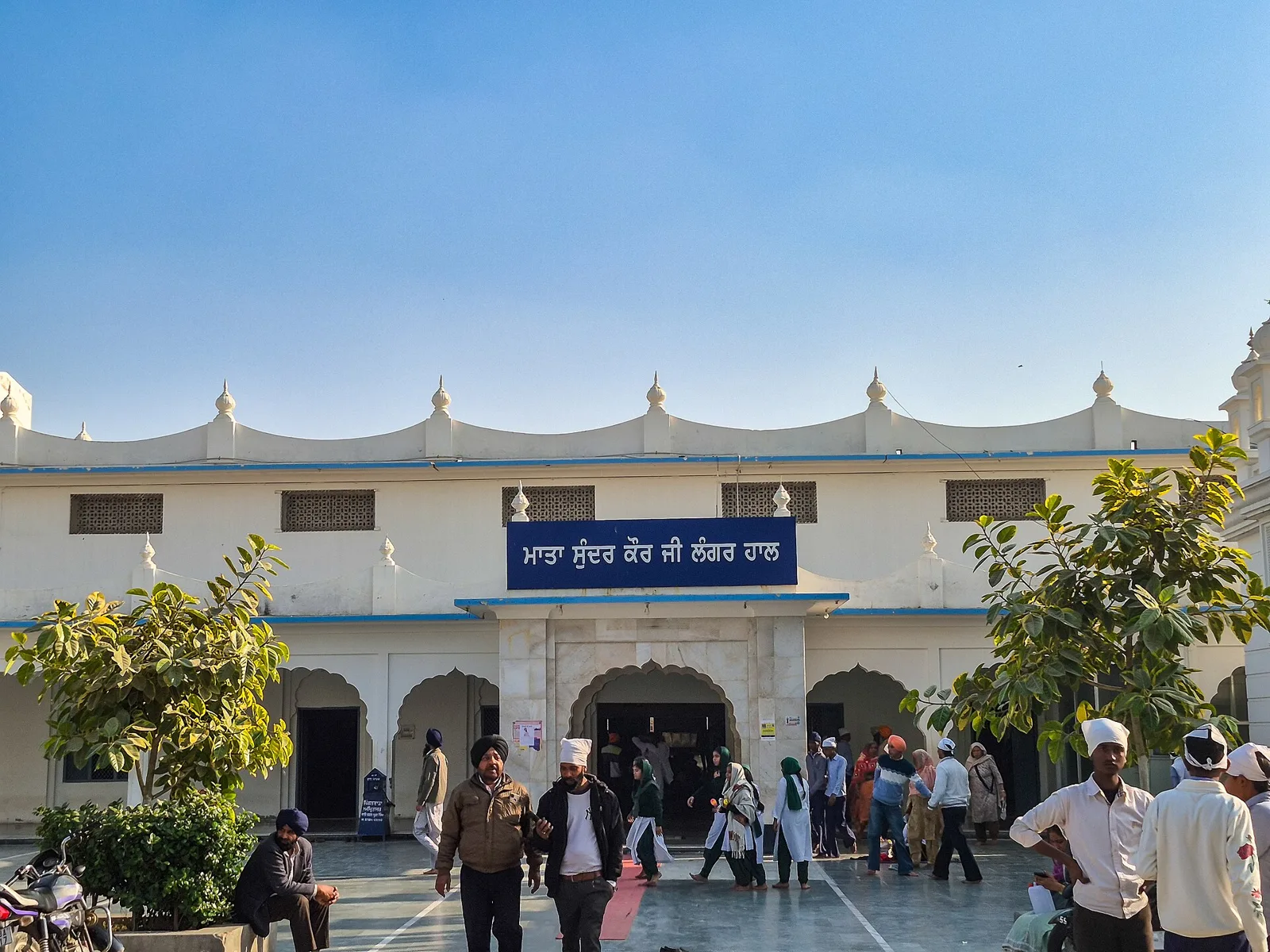
Vaisakhi, celebrated in spring, is important in the agricultural calendar and Sikh tradition. Gurpurabs are observed according to the Sikh calendar, while Lohri in January and Diwali in autumn bring seasonal gatherings and festivities. Punjabi folk music, including lively bhangra and giddha at celebrations, is part of the region’s cultural life. Gurdwaras and Hindu temples serve local worshippers and community events; visitors should follow customary etiquette, including covering their heads where required and removing shoes in prayer spaces.

Visiting the city

Spring and autumn are generally comfortable seasons for exploring Rampura Phul; summers can be very hot, while winter mornings and evenings may be cold or foggy. The nearest airport is Bathinda Airport at Bhisiana, though scheduled passenger connections may be limited. Check current flight options before planning around it. Rampura Phul railway station is the town’s main rail station, and road services connect it with Bathinda and nearby settlements.

Auto-rickshaws and local taxis are useful for short trips, while the central bazaar is easy to explore on foot. Spend time around the main market streets, then visit the older settlement areas of Rampura and Phul to understand how the paired town name reflects local geography and history. Local gurdwaras and temples offer places for quiet visits; dress modestly and observe signs about worship practices.

Trips from the city

Nearest places to visit from Rampura Phul

Our closest destination guides, by straight-line distance.

Bathinda

28 km away · Bathinda district

Bathinda

Bathinda is a city in Punjab’s Malwa region and the administrative centre of its district. Visitors can explore the historic Qila Mubarak fort, and the city also has a zoo and major educational institutions.

Qila Mubarak

30 km away · Bathinda district

Qila Mubarak

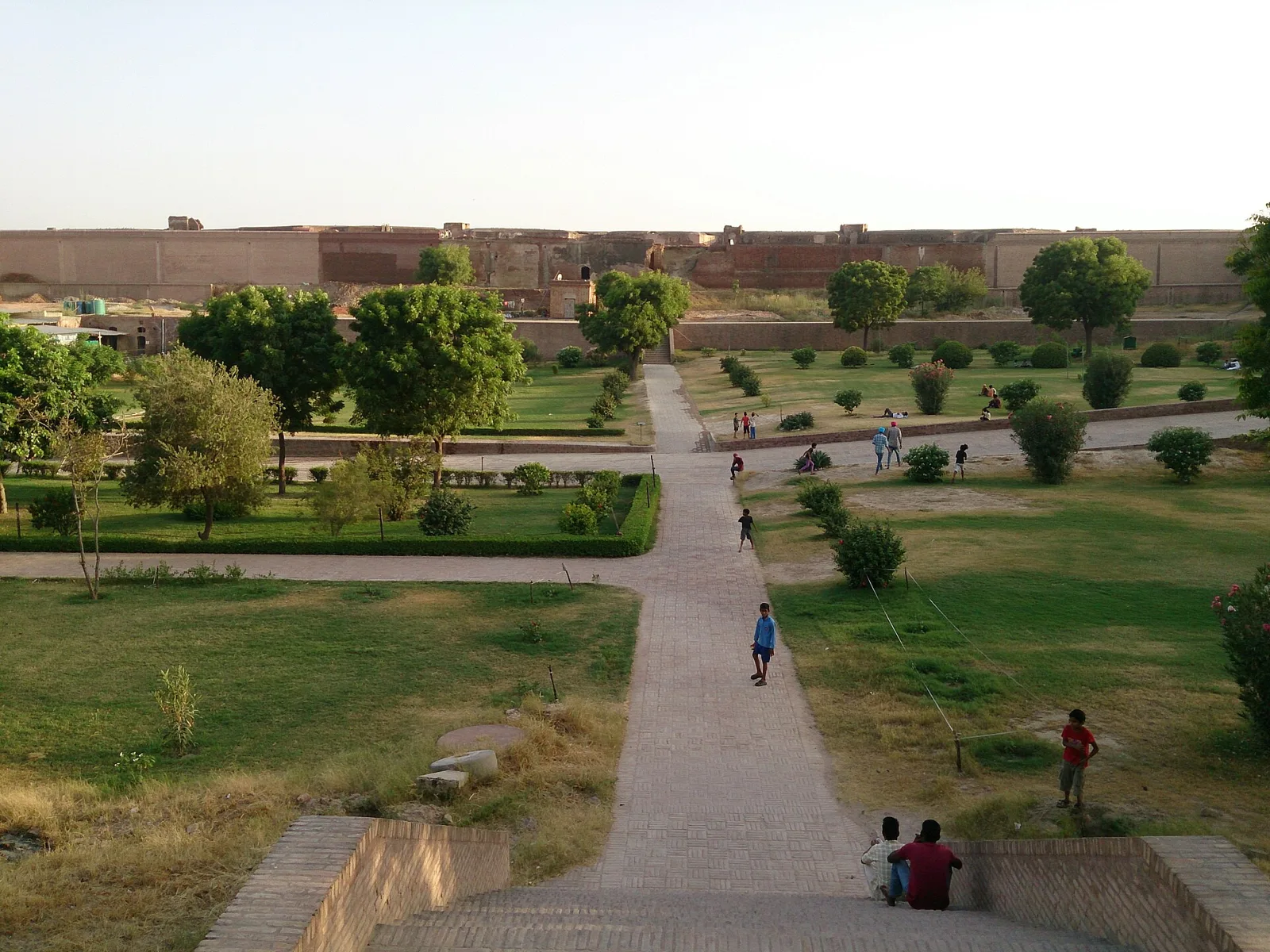
Qila Mubarak is a historic fortress in Bathinda, known for its long past and its association with Razia Sultan. Visitors can see its lawns and gurdwaras, while much of the fort is closed to the public.

Takht Sri Damdama Sahib

36 km away · Bathinda district

Takht Sri Damdama Sahib

Takht Sri Damdama Sahib is a Sikh centre of temporal authority in Talwandi Sabo, visited for its connection with Guru Gobind Singh’s preparation of Sri Guru Granth Sahib.

Sri Muktsar Sahib

73 km away · Sri Muktsar Sahib district

Sri Muktsar Sahib

Sri Muktsar Sahib, a city in Punjab, draws interest for its Sikh history and connection to the 1705 Battle of Muktsar; it also serves as a district centre.

Ludhiana

91 km away · Ludhiana district

Ludhiana

Ludhiana is Punjab’s most populous city and a major manufacturing and trading centre in northern India; visitors come for its industrial and commercial activity.

Phillaur Fort

97 km away · Ludhiana district

Phillaur Fort

Known also as Maharaja Ranjit Singh Fort, Phillaur Fort is a fort in Punjab that visitors can see on the Grand Trunk Road at Phillaur.

Harike Wetland

101 km away · Tarn Taran district

Harike Wetland

Harike Wetland is a Ramsar-listed lake and marsh complex in Punjab, created near the Beas–Sutlej confluence. Visitors come to see its diverse wetland habitat and migratory waterbirds, including threatened species.

Hussainiwala

104 km away · Firozpur district

Hussainiwala

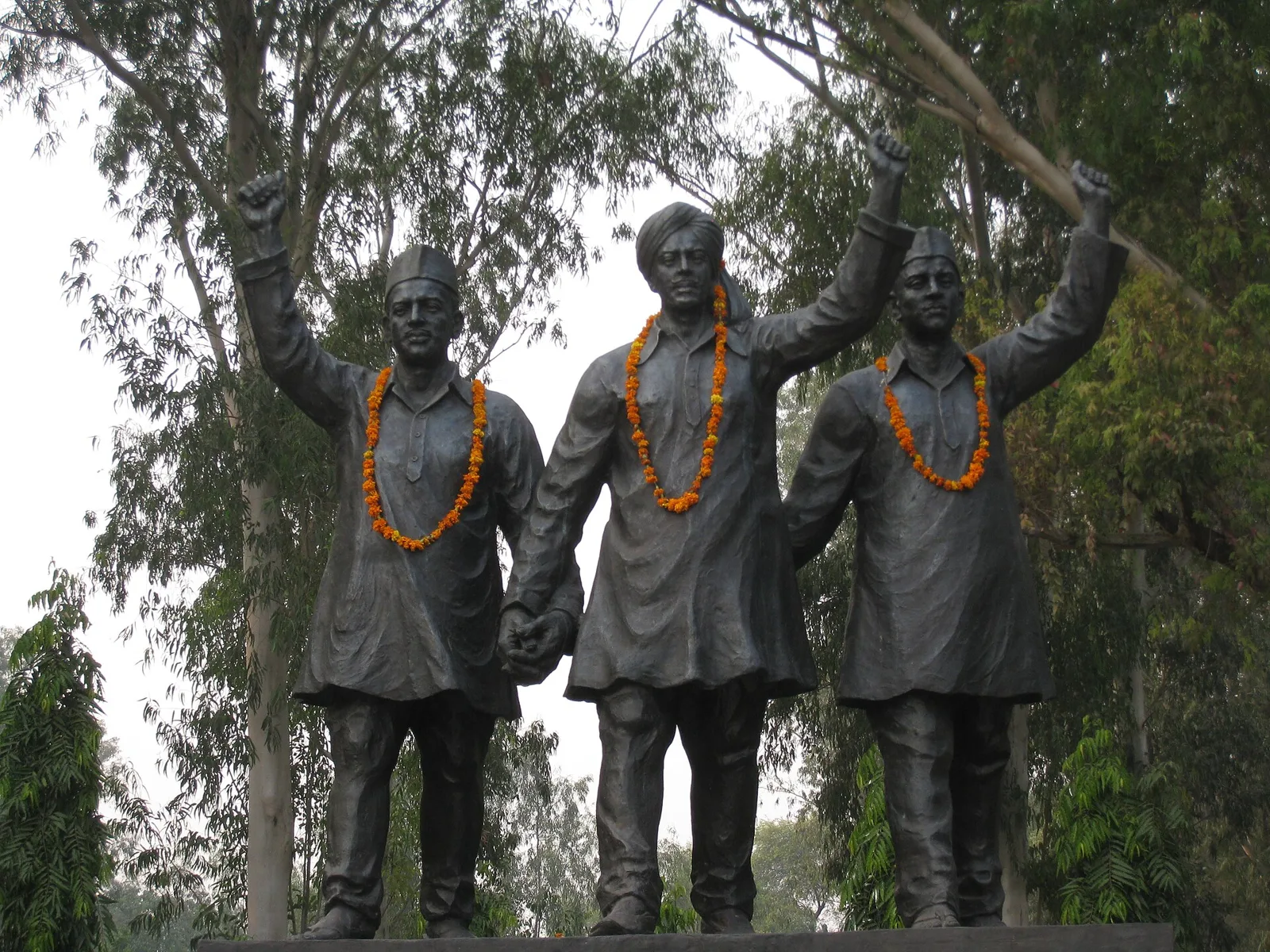
Hussainiwala is a village in Punjab’s Firozpur district, visited for its memorial to Bhagat Singh, Sukhdev Thapar and Shivaram Rajguru, and the daily India–Pakistan retreat ceremony.

Map

Rampura Phul on the map

  1. 1Bathinda
  2. 2Qila Mubarak
  3. 3Takht Sri Damdama Sahib
  4. 4Sri Muktsar Sahib
  5. 5Ludhiana
  6. 6Phillaur Fort
  7. 7Harike Wetland
  8. 8Hussainiwala

Punjab

Other cities to explore