Ghumoopedia — Explore, Discover, Experience
Sign in
Aam Khas Bagh, near Khanna

City guide · Punjab

Khanna

Khanna is a commercial city in Punjab’s Ludhiana district, best known as a major centre for the buying, selling and handling of grain. Its market serves farmers and traders from the surrounding agricultural belt, making the city an important link between rural production and wider regional trade.

Famous for

  • Khanna grain market
  • Wheat and rice trade
  • Grand Trunk Road
  • Purani Sarai
  • Punjabi agricultural culture

Why Khanna matters

Khanna is a commercial city in Punjab’s Ludhiana district, best known as a major centre for the buying, selling and handling of grain. Its market serves farmers and traders from the surrounding agricultural belt, making the city an important link between rural production and wider regional trade. Wheat and rice are central to this activity, while the city’s shops and services support the daily needs of nearby villages and market visitors.

The city lies on the Grand Trunk Road, about 40 kilometres from Ludhiana, and is connected by road and rail. That location has helped Khanna grow as a transport and trading centre as well as a municipal hub. Visitors are most likely to encounter the grain market, busy commercial streets and everyday Punjabi life rather than a circuit of major tourist attractions. A locally remembered old inn, Purani Sarai, points to the area’s long history as a stop along the Delhi–Lahore route. Khanna is also a useful base for exploring the surrounding countryside and nearby settlements.
Famous for: crafts, trade & products

Khanna’s defining trade is grain. Its mandi, or agricultural market, is known across the region for the arrival and sale of staples such as wheat and rice, with activity shaped by harvest seasons and the wider farming calendar. The market area and surrounding wholesale businesses are the most relevant places to see this commercial life; visitors should expect a working trade district rather than a tourist market. Local retailers and food shops serve residents and people travelling in from neighbouring villages.

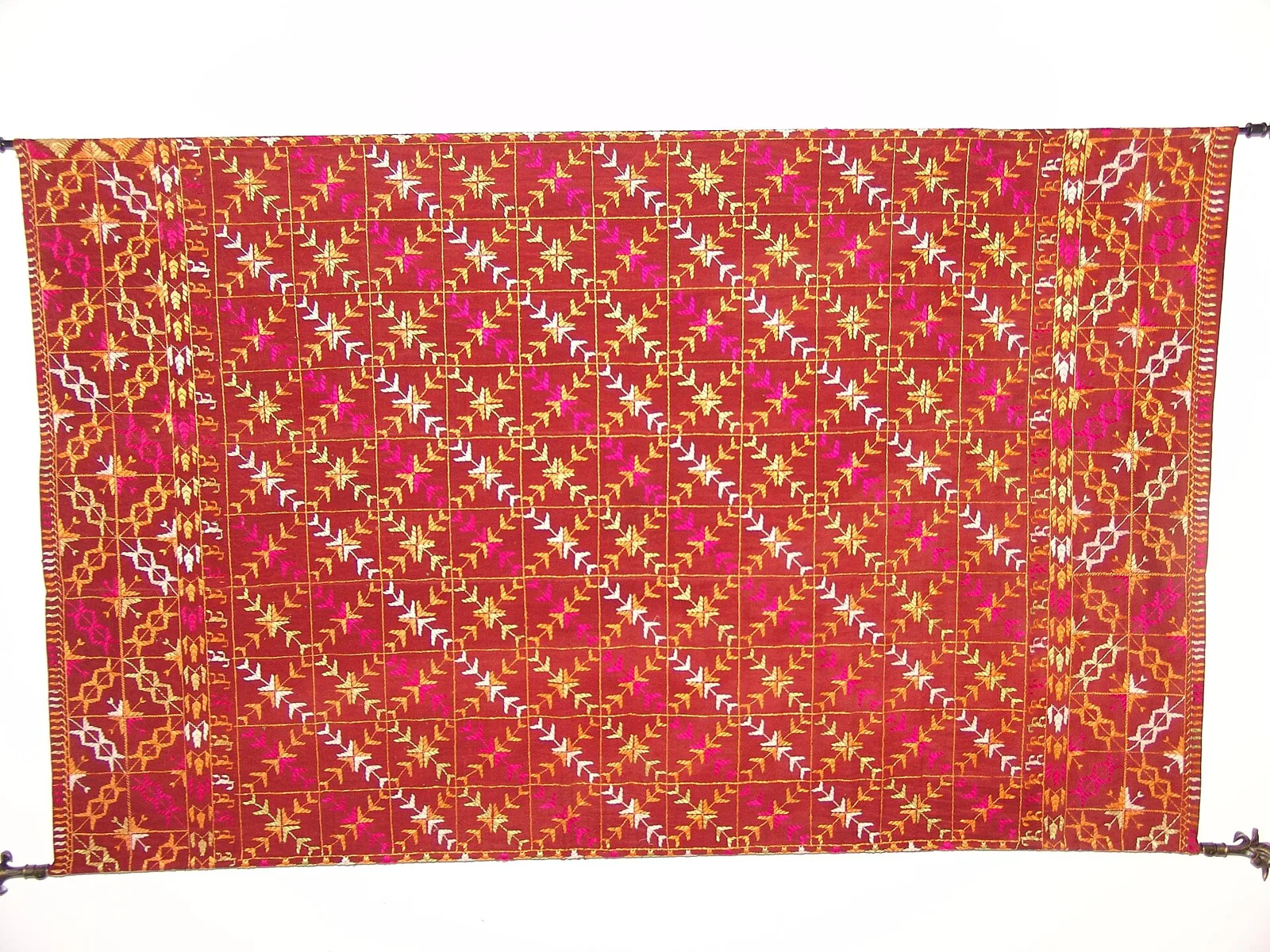
The city is not especially associated with a signature textile, handicraft or GI-tagged product, so it is better known for agricultural commerce than for a distinct craft tradition. Everyday goods, clothing and household items can be found in the town’s shops and bazaars, but these are part of ordinary regional retail rather than a specialist shopping draw. Khanna’s importance lies in the network connecting farmers, commission agents, traders and transport operators. For visitors interested in how Punjab’s farm economy works, the grain-market area offers the clearest sense of the city’s identity, particularly when trading activity is underway.

History

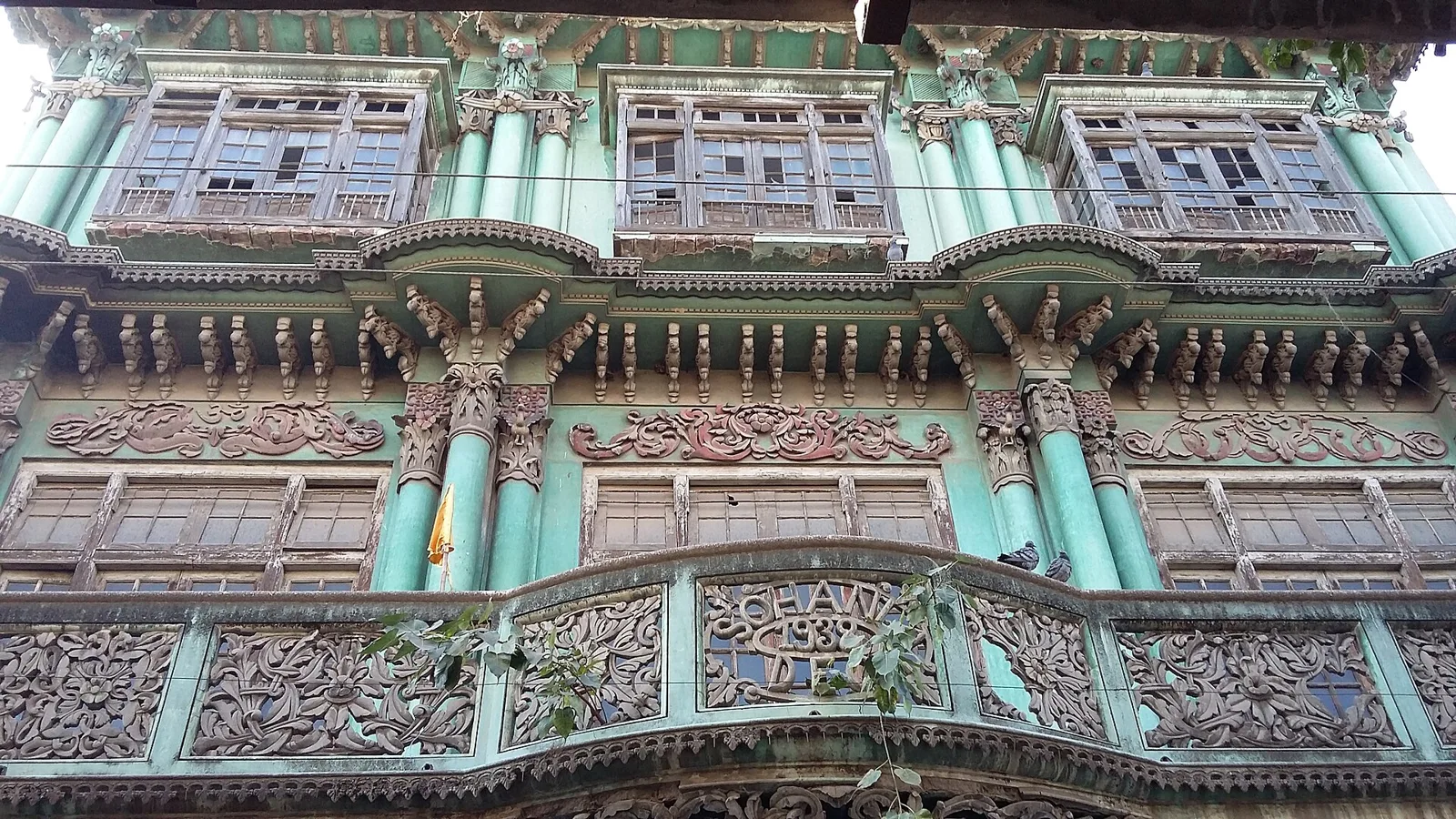
Khanna’s past is closely tied to the old Delhi–Lahore road. Local tradition associates the area with a sarai, or roadside inn, said to have been built during Sher Shah Suri’s rule. The place remembered as Purani Sarai preserves that connection with travellers and road traffic. One account of the city’s name links it to the Punjabi word kann, meaning a small portion of land, granted to Daya Kaur, while Khanna is also understood in Punjabi as “one quarter.” These explanations are part of local tradition rather than a settled historical record.

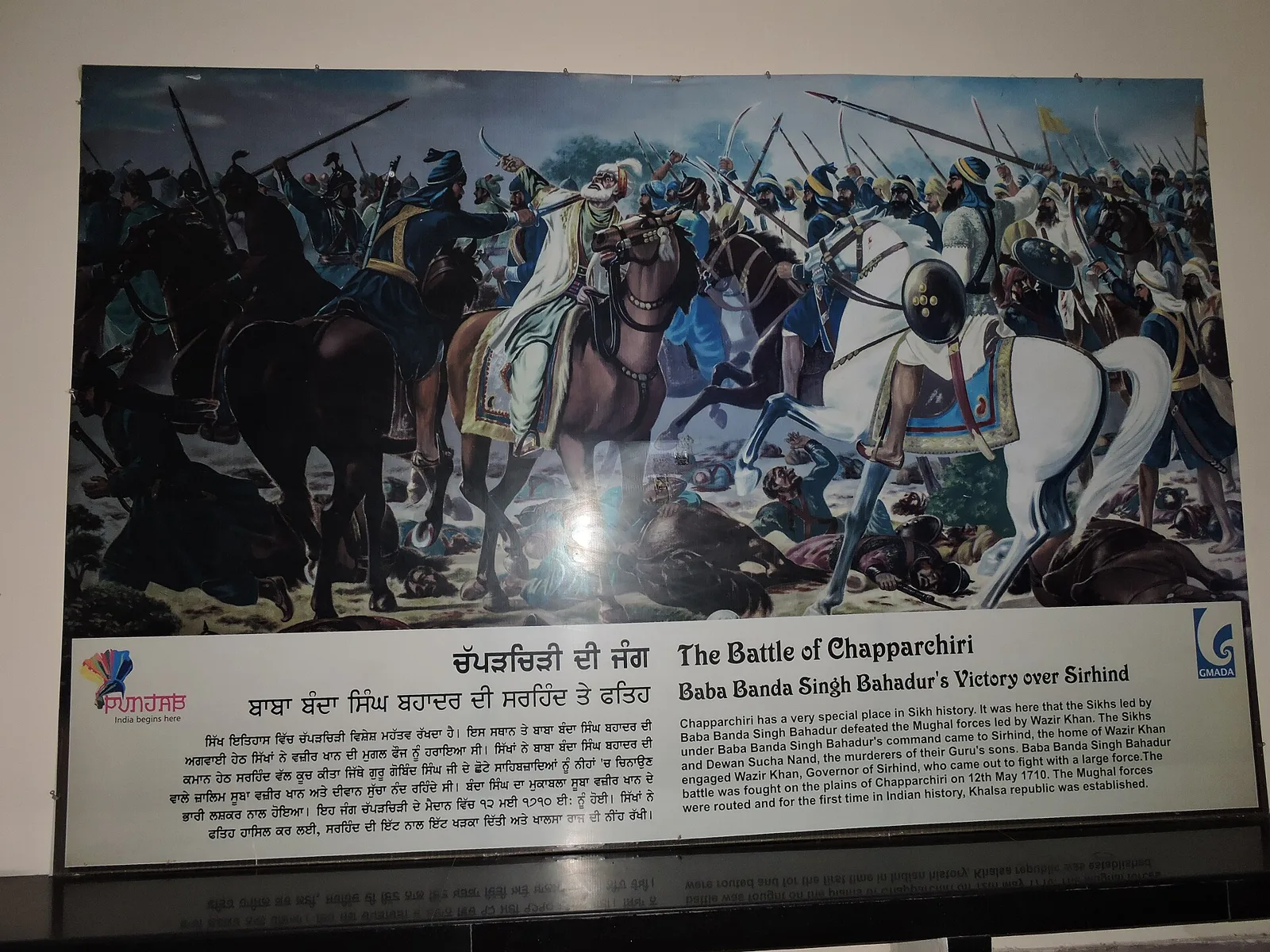
After Mughal authority weakened in Punjab, the area passed through changing local powers, including control associated with Banda Bahadur and a chief from Dahedu. Its fertile surroundings encouraged settlement and cultivation. Under British rule, the wider road and railway networks strengthened movement through the region. In modern times, Khanna developed into a busy agricultural trading centre and municipal council within Ludhiana district, with its grain market and transport links shaping much of its growth.

Food, festivals & culture

Khanna’s everyday culture reflects the agricultural towns of central Punjab. Punjabi is the main language of local life; Hindi is also commonly understood. Meals draw on familiar Punjabi staples such as roti, dal, seasonal vegetables, parathas and lassi. Sarson da saag with makki di roti is especially associated with winter, while sweets and snacks made with jaggery, flour or dairy are common in local shops. The city is not known for one distinctive dish, but its food reflects the wider region’s hearty, farm-linked cooking.

Vaisakhi, celebrated in spring, has a strong connection with the harvest, while Lohri brings winter bonfires, songs and community gatherings. Sikh Gurpurabs and Hindu festivals are also observed according to their religious calendars. Bhangra and gidda are familiar Punjabi dance traditions, heard and seen especially at seasonal celebrations and family events. Gurdwaras and Hindu temples serve as important places of worship and community life. For visitors, a walk through the town’s market streets offers a modest, everyday glimpse of local routines, food and Punjabi hospitality.

Visiting the city

The most comfortable season to visit is generally October to March, when days are cooler. Summers are hot, and the monsoon brings warmer, wetter weather. Khanna railway station is the city’s main rail stop. The nearest airport is Ludhiana Airport, also called Sahnewal Airport; services can be limited, so travellers may find Chandigarh International Airport more practical for a wider choice of flights.

Khanna sits on the Grand Trunk Road and is about 40 kilometres from Ludhiana. Auto-rickshaws, taxis and local buses are useful for getting around, while many central shops and streets can be explored on foot. The grain-market district gives a sense of the city’s commercial life, and the older town area is worth exploring for its local streets and connection with Purani Sarai. Nearby villages offer a view of the agricultural landscape, though local transport arrangements are best checked on arrival.

Trips from the city

Nearest places to visit from Khanna

Our closest destination guides, by straight-line distance.

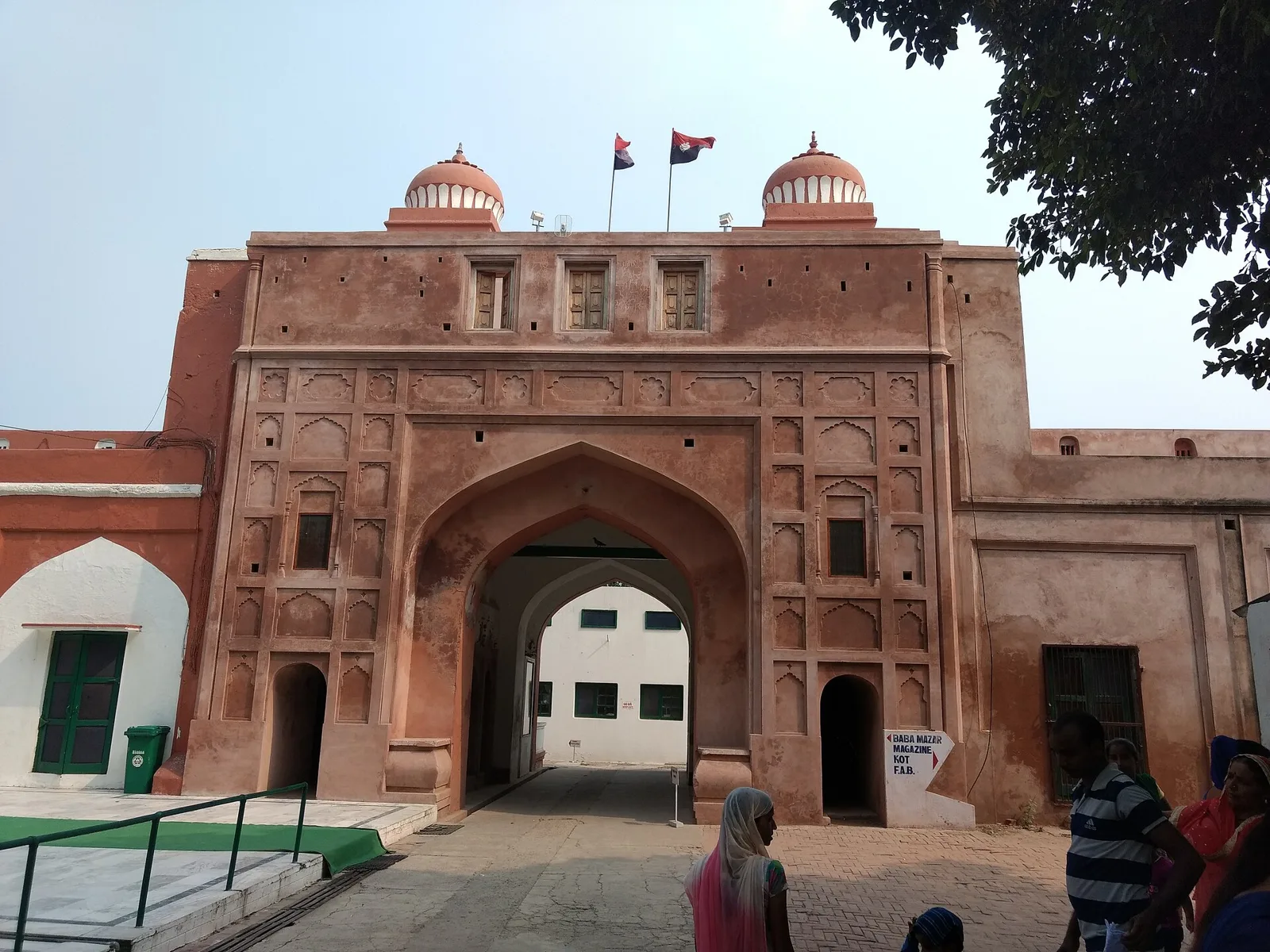
Aam Khas Bagh

18 km away · Fatehgarh Sahib district

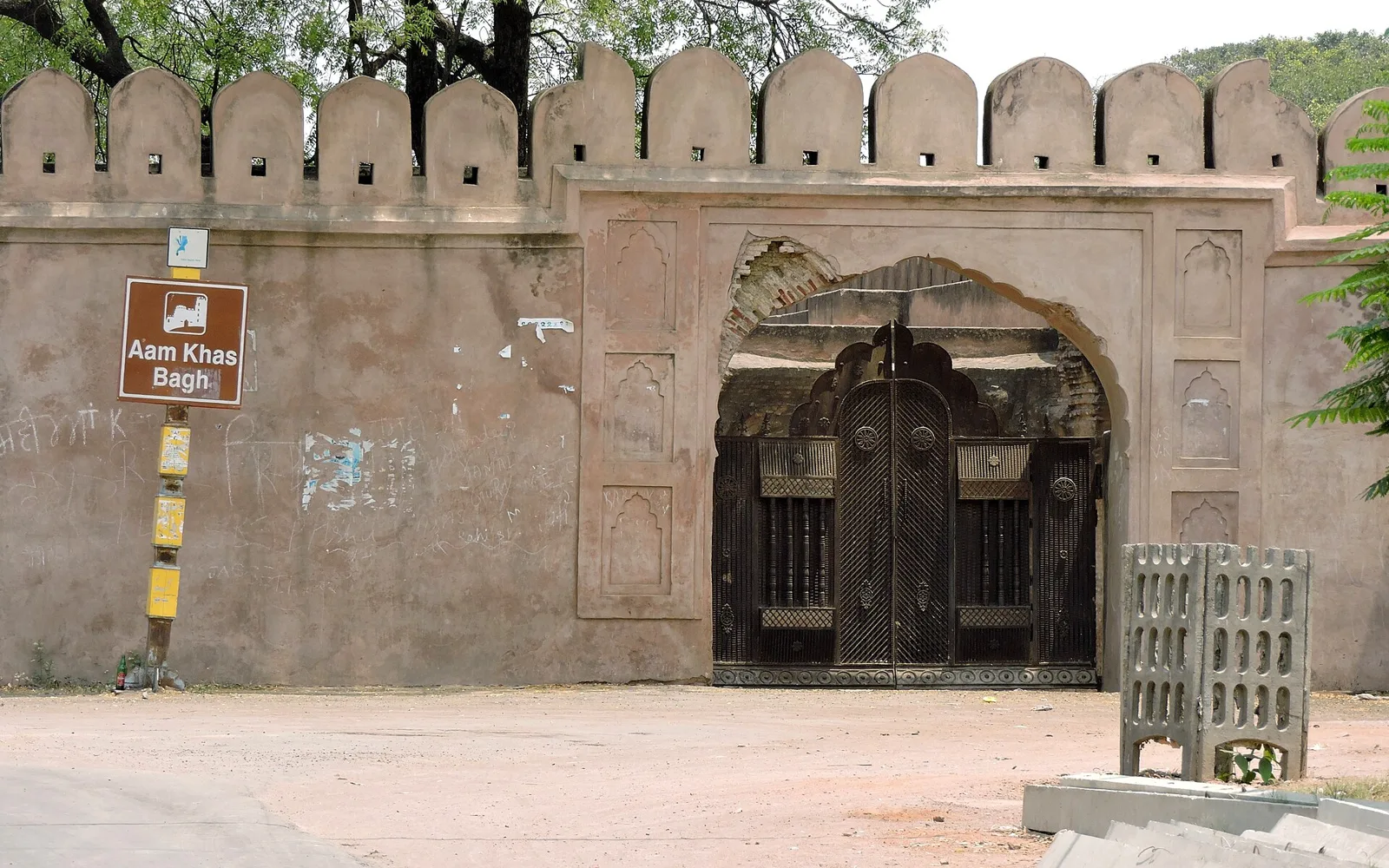
Aam Khas Bagh

Aam Khas Bagh is a surviving Mughal-era roadside inn complex in Punjab’s Fatehgarh Sahib district, visited for its history as accommodation on the Delhi–Lahore route.

Fatehgarh Sahib

18 km away · Fatehgarh Sahib district

Fatehgarh Sahib

Fatehgarh Sahib is a city in Punjab and a Sikh pilgrimage centre, visited for its historic gurdwaras and its connection with the martyrdom of Guru Gobind Singh’s young sons.

Sanghol

18 km away · Fatehgarh Sahib district

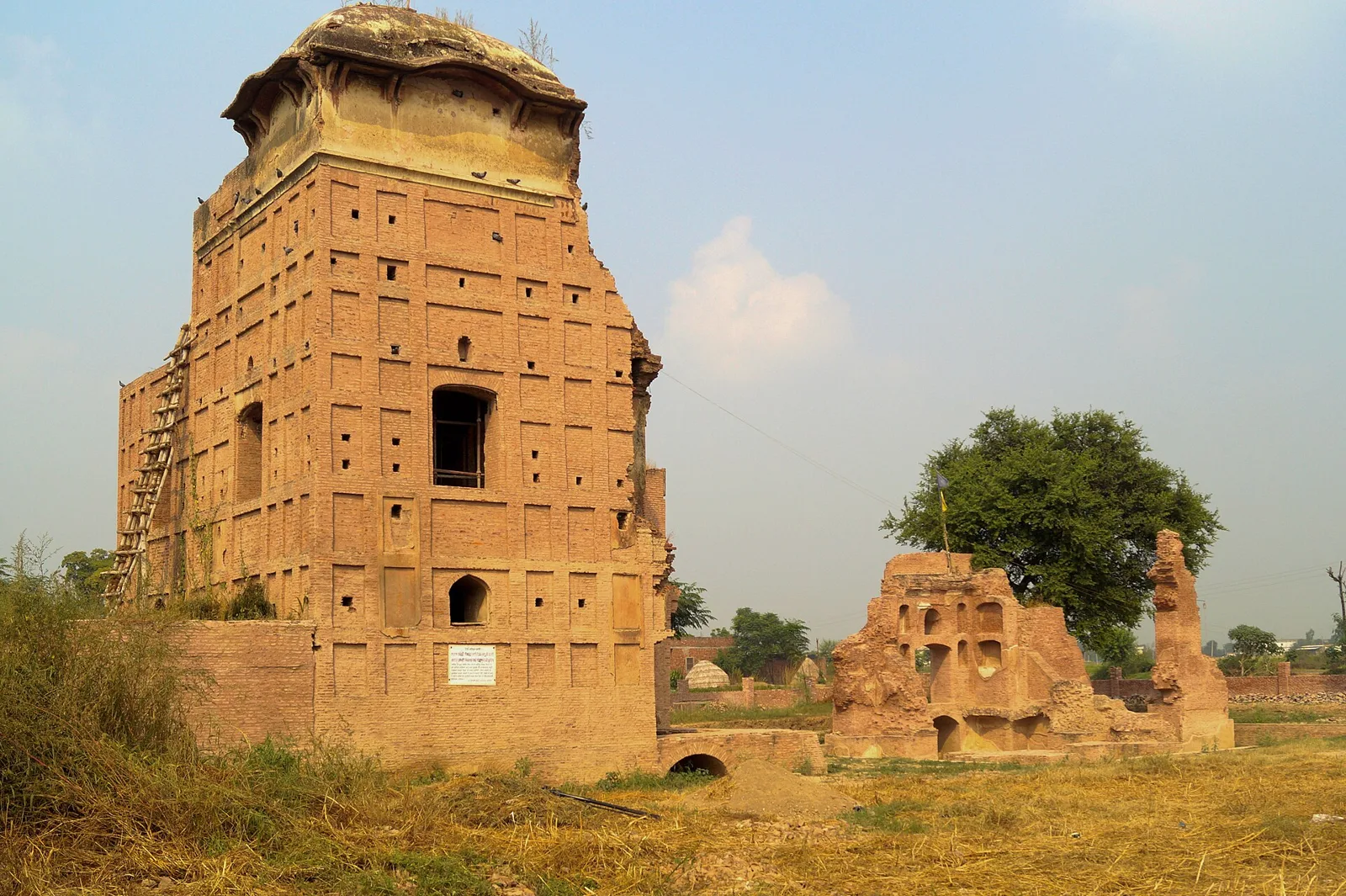
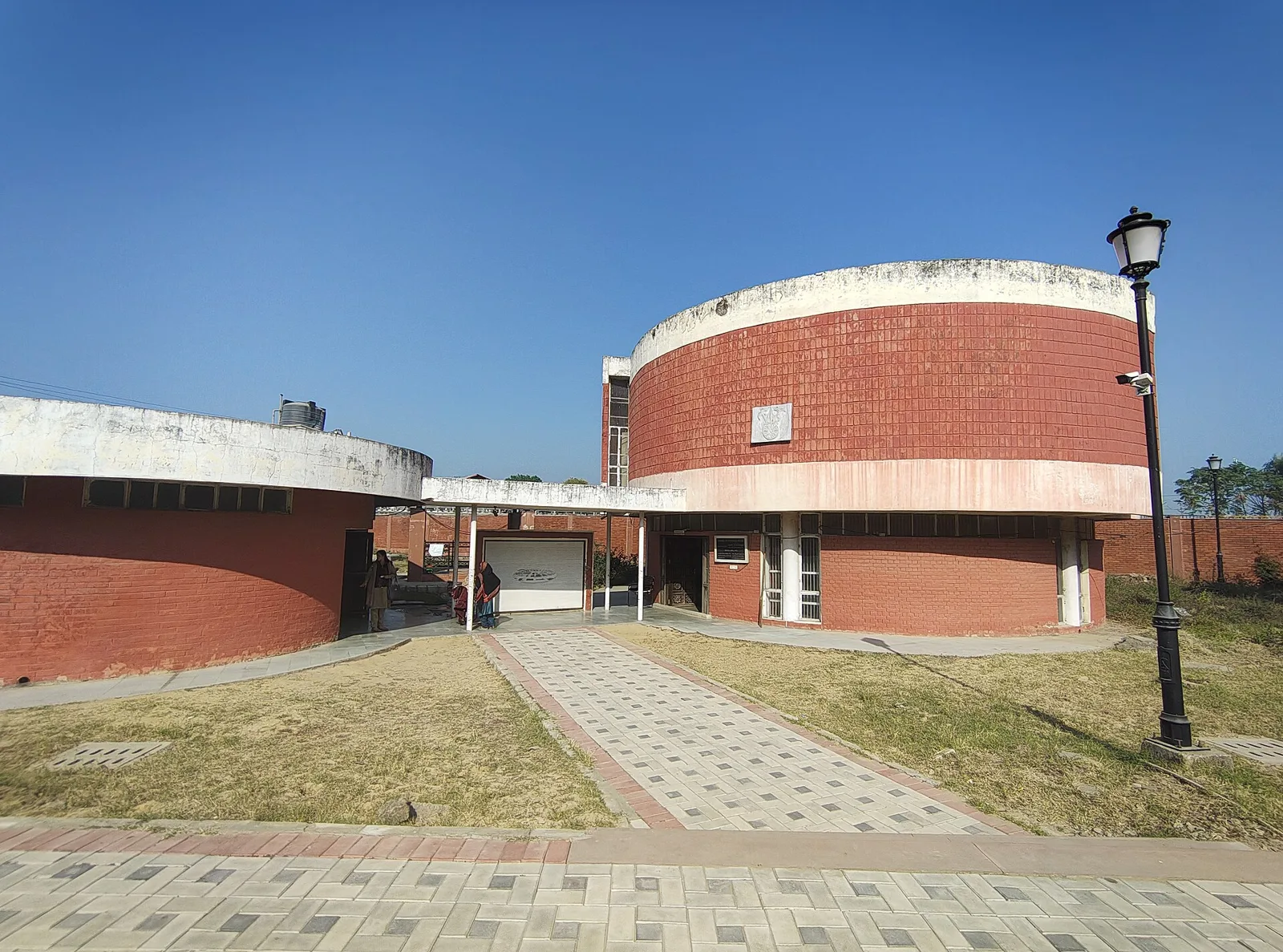
Sanghol

Sanghol, also called Uchha Pind Sanghol, is a village in Punjab’s Fatehgarh Sahib district with roots in the Harappan civilisation. Visitors come to see its excavated Buddhist and Kushan remains and the museum collections.

Ludhiana

42 km away · Ludhiana district

Ludhiana

Ludhiana is Punjab’s most populous city and a major manufacturing and trading centre in northern India; visitors come for its industrial and commercial activity.

Fateh Burj

43 km away · Mohali district

Fateh Burj

Fateh Burj is a 100-metre victory monument at Chappar Chiri in Punjab’s Mohali district. People visit to see a tower commemorating the Sikh Misls and Banda Singh Bahadur’s decisive battle.

Patiala

44 km away · Patiala district

Patiala

Patiala is a city in southeastern Punjab and the administrative centre of its district. People visit for its royal history, Qila Mubarak and distinctive clothing, footwear and cultural traditions.

Ropar Wetland

44 km away · Rupnagar district

Ropar Wetland

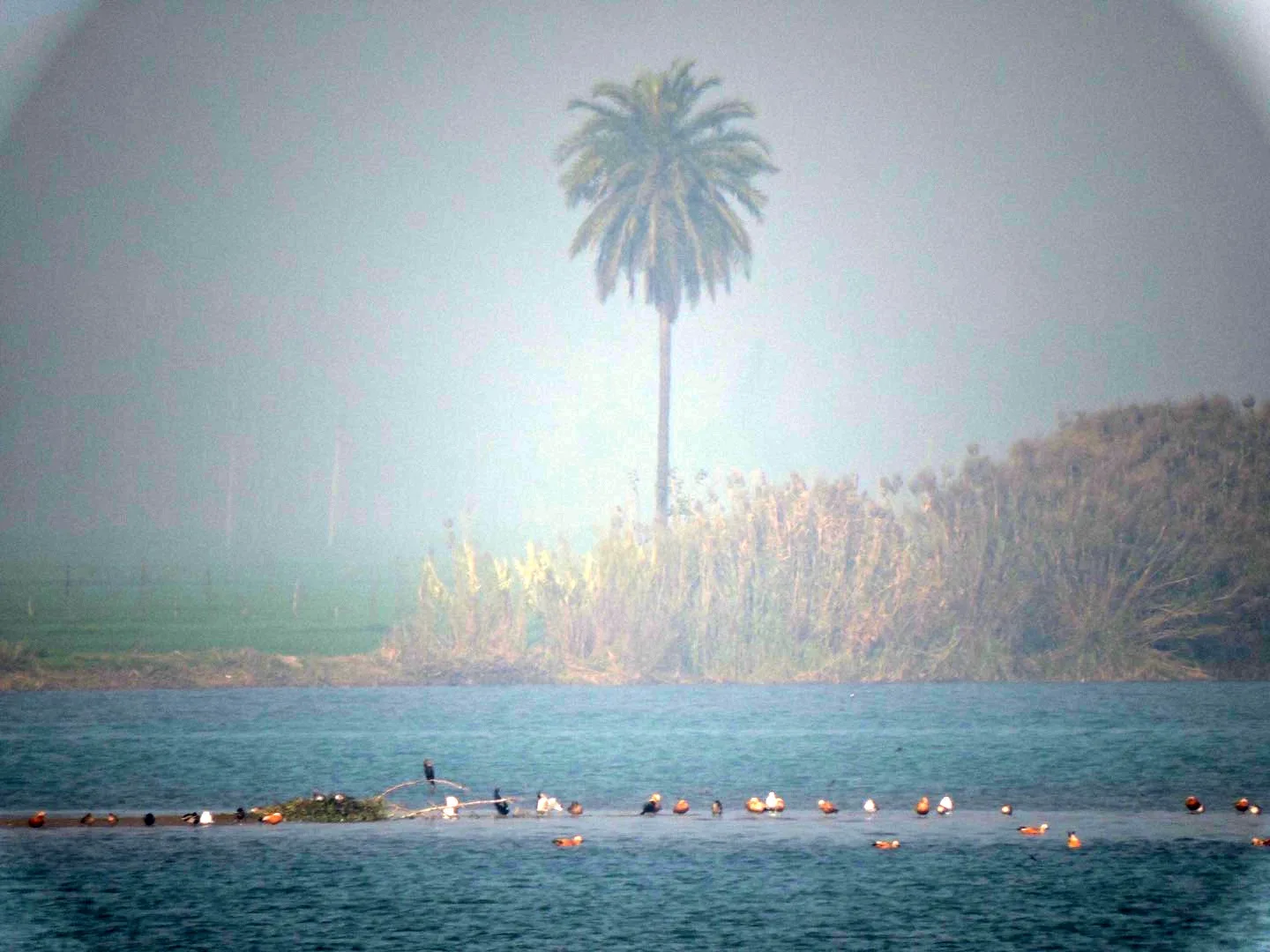
Ropar Wetland, in Punjab’s Rupnagar district, is a freshwater habitat formed by a river and lake. Visitors have come for birdwatching and boating, while its wildlife and Ramsar status are also notable.

Phillaur Fort

53 km away · Ludhiana district

Phillaur Fort

Known also as Maharaja Ranjit Singh Fort, Phillaur Fort is a fort in Punjab that visitors can see on the Grand Trunk Road at Phillaur.

Map

Khanna on the map

  1. 1Aam Khas Bagh
  2. 2Fatehgarh Sahib
  3. 3Sanghol
  4. 4Ludhiana
  5. 5Fateh Burj
  6. 6Patiala
  7. 7Ropar Wetland
  8. 8Phillaur Fort

Punjab

Other cities to explore