
Ghumoopedia — Explore, Discover, Experience
Sign in
Jind, near Jind

City guide · Haryana

Jind

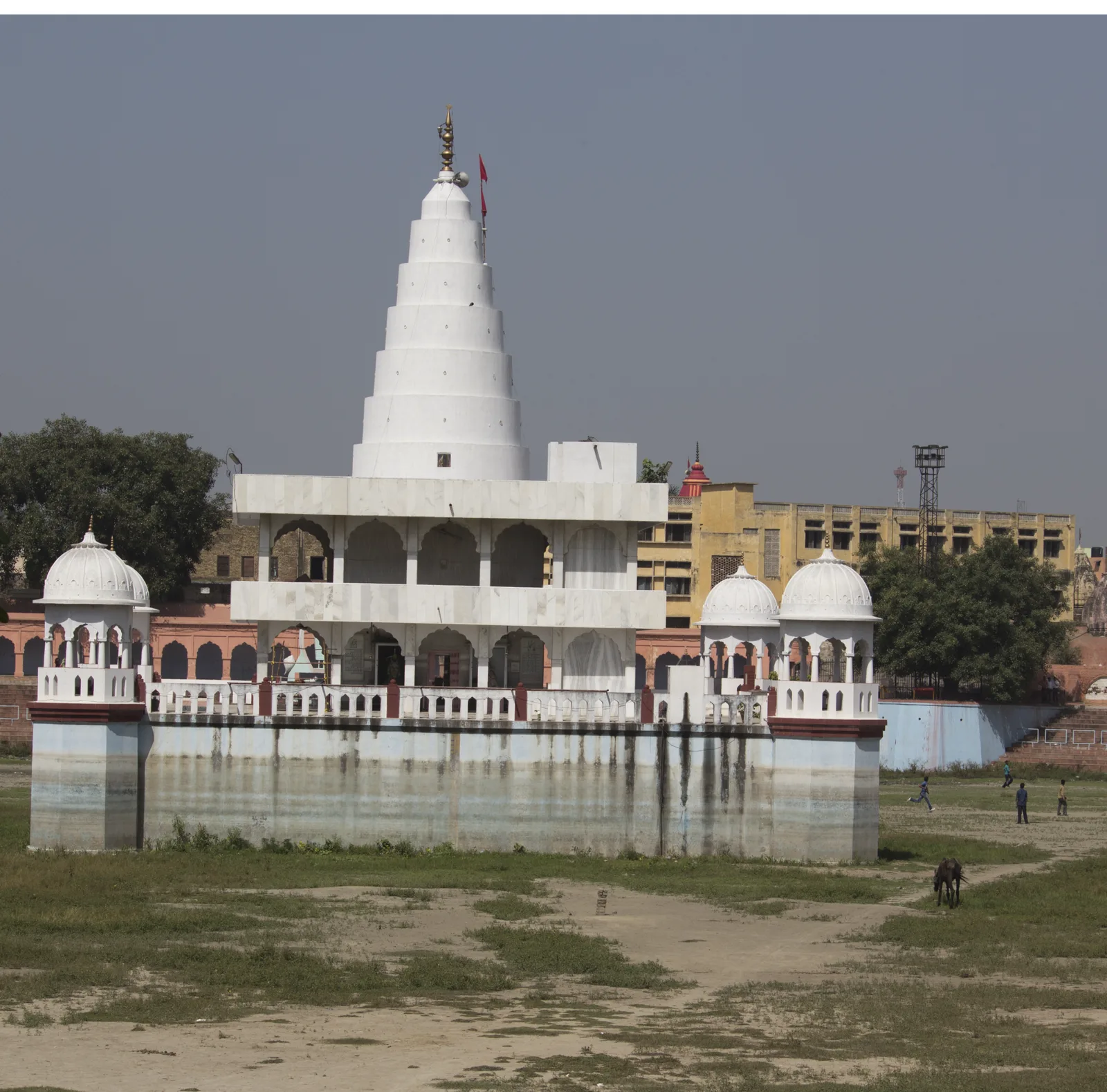
Jind is among the largest and oldest cities in Haryana’s Jind district and serves as its administrative centre. Visitors go to Rani Talab, while Pandu Pindara and Ramrai draw devotees for Amavasya bathing.

Famous for

  • Rani Talab
  • Jayanti Devi Temple
  • Pandu Pindara
  • Ramrai pilgrimage sites
  • Jind Fort
In the city
1
District
Jind
Plan a tripHotels near Jind

Why Jind matters

Jind is the administrative centre of Jind district and an important service and trading hub for the surrounding towns and farming communities of central Haryana. Its appeal comes from a mix of religious landmarks, local history and everyday market life. Rani Talab is a prominent place to visit, while Jayanti Devi Temple and the old Jind Fort offer glimpses of the city’s religious traditions and princely past.

Pandu Pindara and Ramrai, outside the city, are important pilgrimage destinations. Devotees visit them for holy bathing, particularly on Amavasya. Local tradition connects Jind’s origins with the Pandavas and the worship of Jayanti Devi; these stories remain part of the city’s cultural memory. Jind also offers a convenient base for exploring the wider district, including the archaeological site of Rakhigarhi, about 15 kilometres away. Its importance today rests less on one single attraction than on its role as a district centre and a meeting point for regional travel, commerce and worship.

Famous for: crafts, trade & products

Jind is better known as a regional market and administrative centre than as a destination for a nationally recognised craft, signature textile or GI-tagged product. The surrounding countryside supports farming, and local trade includes agricultural produce alongside everyday food, clothing and household goods. Visitors looking for practical shopping can explore the central bazaar streets and established shops in town; these are more useful for daily essentials and locally traded goods than for specialist craft shopping.

The city does not have a widely documented signature saree or handicraft tradition to seek out. Nor is there a prominent city-specific GI product that defines its visitor economy. For a closer look at the agricultural side of the region, ask locally about current produce markets and their access arrangements, which can vary. Small businesses and services also reflect Jind’s role as a district hub, serving residents from nearby towns and villages. For distinctive souvenirs, visitors may find general Haryana-themed items, but should check their origin rather than assume they are made in Jind.

History

The area around Jind has ancient settlement connections: Rakhigarhi, an important Indus Valley Civilisation site, lies about 15 kilometres from the city. Later traditions associate the region with the Kuru kingdom. Jind also appears in the Ain-i-Akbari, which records it as a revenue-paying pargana under the sarkar of Hisar and mentions a Hindu temple at nearby Pandu Pindara.

In the 18th century, Sikh ruler Maharaja Gajpat Singh established control over the region and made Jind the capital of his state. He built the Jind Fort in the 1770s. The princely state later came under British paramountcy; Sangrur became its capital in the 19th century. After independence, Jind State joined the Indian Union in 1948 and the area became part of PEPSU. In 1966, Jind and Narwana tehsils were brought together as Jind district, one of the districts of the newly formed Haryana. The city has since developed as the district’s administrative and commercial centre.

Food, festivals & culture

Everyday food in Jind reflects the wider Haryanvi table: wheat or millet rotis, seasonal vegetables and greens, dairy foods, curd and lassi. Sweets such as kheer, churma and locally made milk-based treats are familiar across the region, though menus vary between homes and eateries. Hindi and Haryanvi are widely used; Punjabi is also spoken by some residents.

The calendar follows both the Hindu festival cycle and local agricultural seasons. Holi arrives in spring, while Teej is celebrated during the monsoon and Diwali in autumn. Baisakhi and Navratri are also observed. Folk singing, ragini and saang traditions form part of Haryana’s broader performance culture, alongside seasonal songs and community celebrations. Temples are central to local religious life. Jayanti Devi Temple is an important city shrine, while Pandu Pindara and Ramrai draw pilgrims, especially for ritual bathing on Amavasya. These visits give the nearby religious sites a particular place in Jind’s cultural identity.

Visiting the city

The most comfortable time to visit is generally October to March, when days are cooler; summers can be very hot, and the monsoon brings humid, rainy weather. The nearest airport is Maharaja Agrasen Airport at Hisar, though travellers seeking wider scheduled connections can use Indira Gandhi International Airport in Delhi. Jind Junction is the main railway station. Taxis, auto-rickshaws and local buses are practical ways to get around; arrange separate transport for Pandu Pindara, Ramrai or Rakhigarhi.

In town, explore the central area around Rani Talab, Jayanti Devi Temple and Jind Fort, along with the nearby bazaar streets. Allow extra time for pilgrimage sites outside the urban centre, especially on Amavasya, when they can be busier. Check current transport and airport connections before setting out.

Attractions

Places to visit in Jind

Sights within about 12 km of each other, even when they fall in different districts.

Map

Jind on the map

  1. 1Jind

Haryana

Other cities to explore