
Ghumoopedia — Explore, Discover, Experience
Sign in
Hisar, near Hisar

City guide · Haryana

Hisar

Hisar is Haryana’s district administrative centre, where visitors encounter a history shaped by successive rulers, from the Mauryans to the British.

Famous for

  • Firoz Shah Palace Complex
  • Hisar steel industry
  • Agricultural universities
  • Hissar cattle breed
  • Agroha heritage
In the city
2
District
Hisar

Why Hisar matters

Hisar is a major administrative, educational and commercial centre in western Haryana, serving as the headquarters of Hisar district. About 164 km west of New Delhi, it is also part of the wider effort to develop alternative centres of growth around the National Capital Region. Agriculture and related research are prominent here, alongside established steel and manufacturing businesses.

Visitors come for the remains of the old fortified city, especially the Firoz Shah Palace Complex, and for nearby archaeological and religious sites associated with Agroha. Hisar is also known for its agricultural and veterinary universities, which draw students and researchers from across the region. Its location amid Haryana’s dry plains makes it a useful base for exploring the district’s rural heritage and nearby historic towns. The city’s character combines a compact old centre, busy markets and newer institutional and residential areas. Summers are intensely hot, while winter is comparatively mild, so travel is generally more comfortable in the cooler months.
Famous for: crafts, trade & products

Hisar is better known for agriculture, education and industry than for a distinctive textile or handicraft tradition. The city has steel and other manufacturing businesses, while its surrounding district supports farming and livestock production. The area is associated with the Hissar cattle breed, and local agricultural institutions conduct research in farming, animal husbandry and veterinary science. These institutions are important parts of the city’s identity, though they are not ordinary shopping attractions.

For everyday purchases, visitors can browse the central bazaars and commercial streets for clothing, household goods, local produce and familiar Haryana snacks. Hisar is not widely recognised for a GI-tagged product or a major saree-weaving centre, so shoppers seeking specialised crafts may find a broader selection in larger regional markets. The Firoz Shah Palace Complex is the city’s best-known historic landmark; Agroha, outside the central city, is notable for its archaeological remains and religious complex. Together, these sites reflect Hisar’s links to regional history more clearly than any single signature craft or souvenir.

History

The Hisar region has a long history of settlement. Archaeological sites nearby, including Rakhigarhi and Siswal, record early communities, while the wider area later formed part of several north Indian kingdoms and empires. Mauryan, Kushan and Gupta influence followed, and Hansi became an important stronghold under the Chauhans before their defeat by Muhammad Ghori.

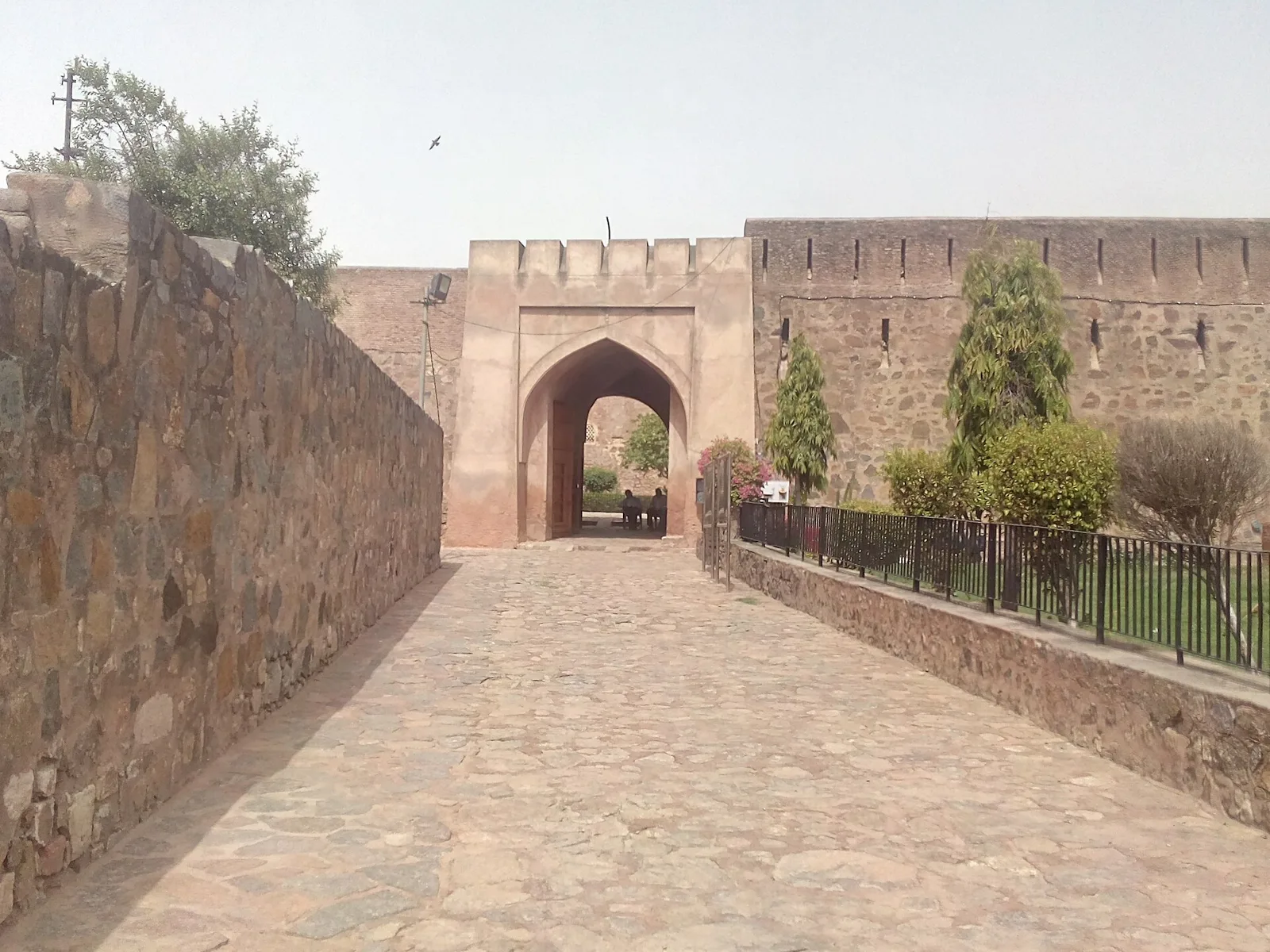
The city took its present name in 1354, when Delhi Sultan Firuz Shah Tughlaq founded Hisar-e-Firoza and built a fortified complex with palaces and gates. Timur’s invasion damaged the settlement in 1398. Hisar later passed among the Sayyids, Lodis and Mughals, before coming under British control in the nineteenth century. It became a municipality in 1867 and was affected by the upheaval of 1857. After independence it was part of Punjab; when Haryana was formed in 1966, Hisar became part of the new state. Its later growth as a district centre was strengthened by education, agriculture and industry.

Food, festivals & culture

Everyday food in Hisar reflects the hearty cooking of Haryana: roti, seasonal vegetables, lentils, dairy foods and preparations made with buttermilk are common. Bajra-based dishes are especially associated with the region, while sweets such as jalebi, ladoo and seasonal milk-based treats are found in local sweet shops. Markets and roadside eateries offer familiar North Indian snacks alongside these regional staples.

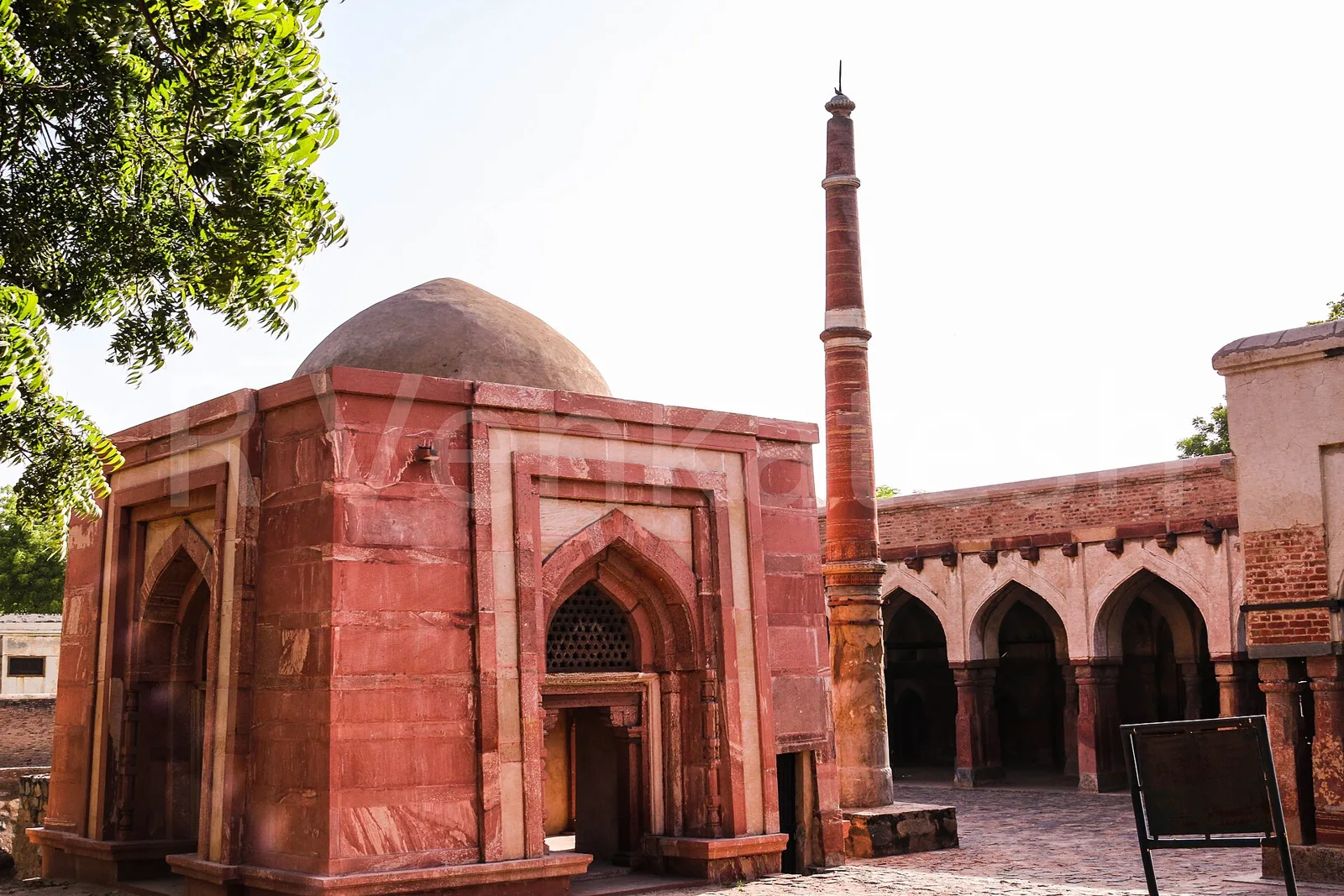
Holi in spring, Teej during the monsoon season, and Diwali in autumn are widely observed, along with festivals such as Baisakhi. Religious life includes Hindu temples and the Agroha Dham complex, while the historic Firoz Shah Palace Complex preserves the remains of Lat ki Masjid. Hindi is widely used, with Haryanvi and Bagri also spoken in the region. Folk traditions include lively group singing and dances such as Ghoomar and Dhamal, heard especially at community celebrations and family gatherings.

Visiting the city

October to March is generally the most comfortable time to visit, with cooler days than the very hot summer months. Hisar has its own airport, but visitors should check whether suitable commercial services are operating; Indira Gandhi International Airport in Delhi is the nearest major airport, roughly 164 km away. Hisar Junction is the city’s main railway station, and road links connect it with Delhi and other Haryana towns.

Auto-rickshaws, taxis and local buses are useful for getting around. Begin in the old city around the Firoz Shah Palace Complex and its historic gates, then explore the central market streets for food and everyday shopping. Newer institutional areas offer a contrasting view of the city. Agroha, outside the centre, makes a worthwhile excursion for its archaeological and religious sites; allow extra time for the road journey.

Attractions

Places to visit in Hisar

Sights within about 12 km of each other, even when they fall in different districts.

Map

Hisar on the map

  1. 1Hisar
  2. 2Firoz Shah palace complex

Haryana

Other cities to explore