
Ghumoopedia — Explore, Discover, Experience
Sign in
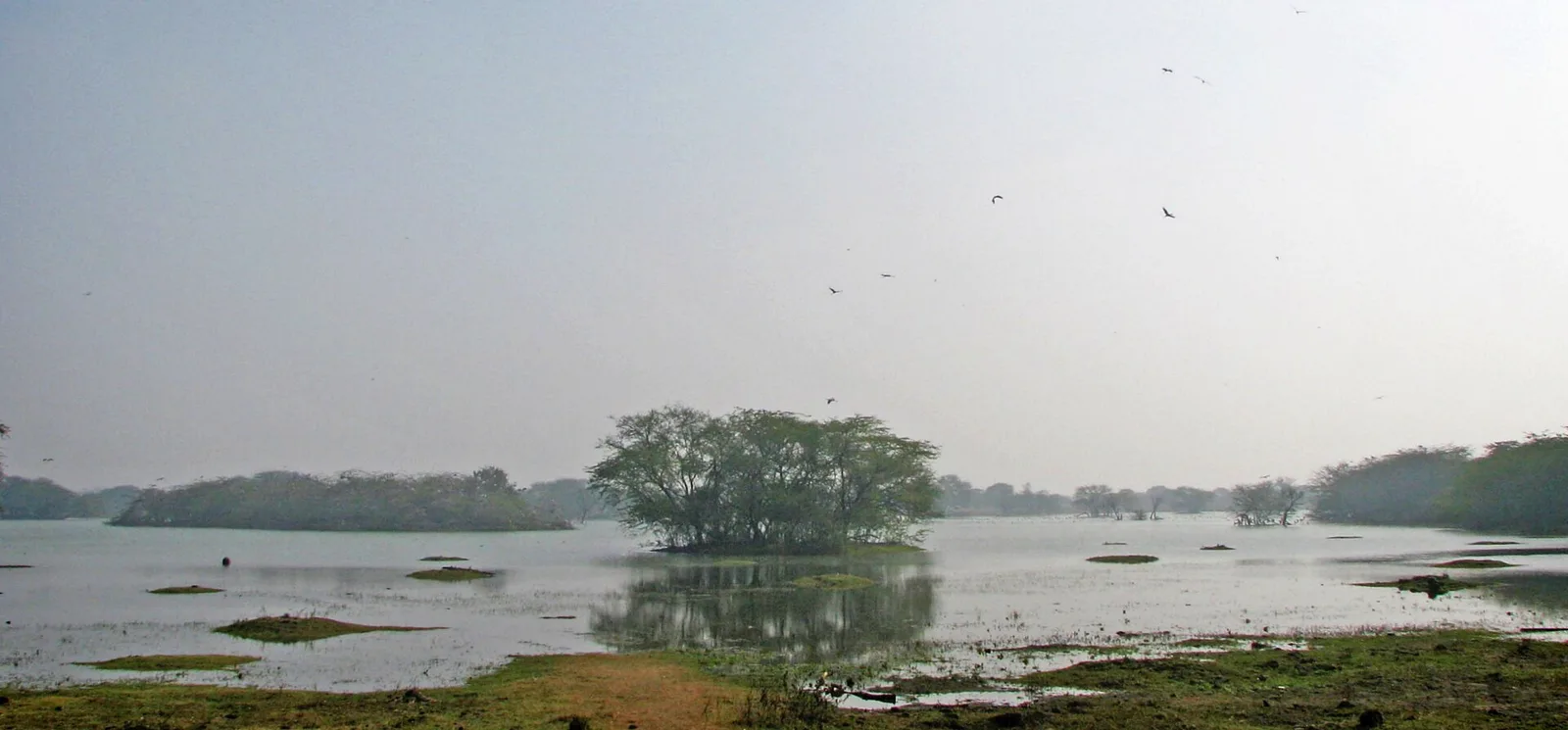
Sultanpur National Park, near Farrukhnagar

City guide · Haryana

Farrukhnagar

Farrukhnagar is a historic town in Gurugram district, about 21 kilometres from Gurugram city. Founded in the 18th century, it grew around an octagonal fortified settlement and became an important centre for salt trading.

Famous for

  • Mughal-era Sheesh Mahal
  • Farrukhnagar Fort gates
  • Historic salt trade
  • Jama Masjid
  • Sultanpur birding
In the city
1
District
Gurugram

Why Farrukhnagar matters

Farrukhnagar is a historic town in Gurugram district, about 21 kilometres from Gurugram city. Founded in the 18th century, it grew around an octagonal fortified settlement and became an important centre for salt trading. Its heritage survives in landmarks such as Sheesh Mahal, Jama Masjid and the old fort gateways, which give visitors a sense of the town’s former importance. The restored Dilli Darwaza is a striking point from which to explore the old streets and market area.

Today, Farrukhnagar offers a quieter heritage outing within the rapidly developing Gurugram region. Visitors come to see its Mughal-era buildings, old havelis and stepwell, and to learn about the salt economy that once supported the area. Sultanpur National Park, known for its birdlife, lies within Farrukhnagar tehsil, while Pataudi Palace is nearby. The town also serves a surrounding rural area and has several technical and professional colleges. Its appeal is less about a major shopping or resort scene than about compact historic sights, local life and easy access from Gurugram.

Famous for: crafts, trade & products

Farrukhnagar’s best-known historic product is Sultanpur salt, once made from brine drawn from wells in the surrounding villages. Salt production had ended by the early 20th century, so visitors should not expect a working salt market or a distinctive salt-making craft today.

The main bazaar is the most useful place to browse for everyday provisions and local snacks, rather than specialist handicrafts or textiles. Farrukhnagar is not widely known for a particular saree, craft tradition or GI-tagged product. Its heritage buildings are its distinctive draw: Sheesh Mahal, Jama Masjid, the fort gates and old havelis preserve details of the town’s former prosperity. The town and its surroundings also host educational institutions, including World College of Technology & Management, Global Institute of Technology & Management and Dronacharya College of Engineering. These are important local institutions, not visitor markets. For a short visit, the old town’s streets and bazaar offer the clearest look at Farrukhnagar’s commercial life and architectural legacy.

History

Farrukhnagar was established in 1732 by Faujdar Khan, a Baloch noble who became its first Nawab under the Mughal emperors. He laid out an octagonal town within a fort with five gates and built prominent structures including Sheesh Mahal and Jama Masjid. The Nawabs ruled the area for several decades, while salt production and trade brought wealth to the settlement and surrounding villages.

During the Indian Rebellion of 1857, Nawab Ahmad Ali Khan joined the uprising. After it was suppressed, the British confiscated the principality in 1858. The end of the salt industry dealt a further blow: government restrictions and competition made production increasingly unviable, and the Sultanpur salt works closed in 1923. Farrukhnagar became a municipality in 1967. In recent decades, urbanisation and rising land values across Gurugram district have reshaped the wider area, while interest in conserving the town’s historic buildings has grown. The fort is now largely in ruins, though several gateways and monuments remain.

Food, festivals & culture

Farrukhnagar’s everyday culture reflects the wider rural traditions of Haryana, alongside the town’s history as a Mughal-era centre. Hindi and Haryanvi are commonly heard; Urdu is also part of the region’s historical and religious heritage. Local meals may include bajra roti, seasonal saag, kadhi, curd and lassi, with sweets such as churma or jalebi available at local eateries. These are regional favourites rather than a uniquely Farrukhnagar cuisine.

Holi and Diwali are widely observed, while Teej, usually celebrated during the monsoon season, and Baisakhi in spring are among the region’s seasonal festivities. Eid is marked by the town’s Muslim community. Haryanvi folk songs and ragini performances are part of the broader cultural landscape, particularly at community gatherings and celebrations. Places of worship include the historic Jama Masjid and Sita-Ram Mandir, which also serves the local Sikh community as a gurdwara. The town’s older havelis, shrines and religious buildings add to its varied cultural character.

Visiting the city

October to March is generally the most comfortable season for exploring Farrukhnagar’s heritage sites and visiting nearby Sultanpur National Park. Summers can be very hot, while the monsoon brings rain and greener scenery. The nearest major airport is Indira Gandhi International Airport in Delhi. Farrukhnagar has its own railway station on the branch line connecting with Garhi Harsaru Junction, south of Gurugram; check current rail services before planning around it.

Auto-rickshaws and local taxis are useful for short trips, while a car is convenient for visiting sites beyond the town. Begin around the old bazaar, Sheesh Mahal and Jama Masjid, then walk or drive to Dilli Darwaza and the other surviving fort gates. Sethani Ki Chhatri, on the Jhajjar road, is another notable stop. Sultanpur National Park and Pataudi are nearby excursions; confirm access arrangements locally, especially for the park.

Attractions

Places to visit in Farrukhnagar

Sights within about 12 km of each other, even when they fall in different districts.

Map

Farrukhnagar on the map

  1. 1Sultanpur National Park

Haryana

Other cities to explore