
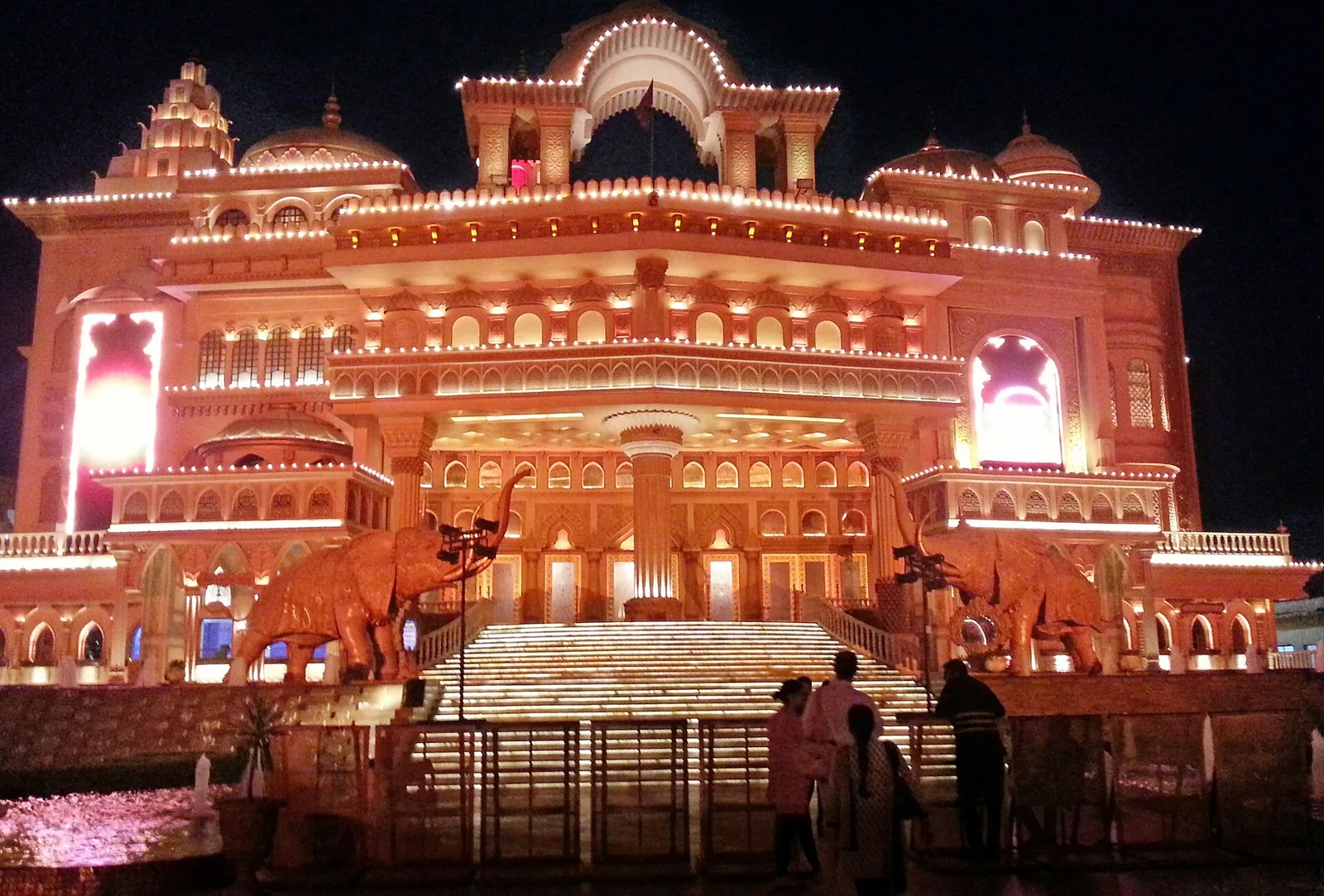
Gurgaon
Gurgaon, officially named Gurugram, is a satellite city of Delhi and administrative headquarters of Gurgaon district, located in the northern Indian state of Haryana.
Key facts · verified by Ghumoopedia editors
- Type of place
- Destination
- Best time to visit
- October to March; November to February for birdwatching at Sultanpur
- Nearest railway station
- Gurgaon · about 5 km (straight line)
- Verified
- 21 Nov 2026
Plan a trip from Gurgaon — a day-by-day route through places nearby.
Gurgaon is in Gurugram district, Haryana. Gurgaon, officially named Gurugram, is a satellite city of Delhi and administrative headquarters of Gurgaon district, located in the northern Indian state of Haryana. It is situated near the Delhi–Haryana border, about 30 kilometres (19 mi) southwest of the national capital New Delhi and 268 km (167 mi) south of Chandigarh, the state capital. It is one of the major satellite cities of Delhi and is part of the National Capital Region of India. As of 2011, Gurgaon had a population of 876,969. Gurgaon's economic growth started in the 1970s when Maruti Suzuki India Limited established a manufacturing plant and gathered pace after General Electric established its business outsourcing operations known as Genpact in the city in collaboration with real-estate firm DLF. New Gurgaon, Manesar and Sohna serve as adjoining manufacturing and upcoming real estate hubs for Gurgaon. Despite rapid economic and population growth, Gurgaon continues to battle issues like high air pollution. It also has a flood problem due to the limited drainage capacity and geographic location as with other South Asian as well as South East Asian cities. Gurgaon is infamous for prostitution, erotic spas, sex tourism and high-end escorts in areas like MG Road and Sector 29. Gurgaon is a major hub of information technology (IT), civil aviation, hospitality, management consulting, and medical tourism. Nicknamed the "cocktail capital of India", Gurgaon is famous for its nightlife, with numerous pubs, nightclubs, bars, and liquor shops. Despite being India's 56th largest city in terms of population, Gurgaon is the eighth largest city in the country in terms of total wealth. It serves as the headquarters of many of India's largest companies, is home to thousands of startup companies and has local offices for mor Haryana carries the legends of Kurukshetra and the Mahabharata, a strong wrestling (akhara) and folk tradition, and fast-growing modern cities around Gurugram and Faridabad. Haryana is hot and dry from April to June, humid in the July–September monsoon, and cool with fog in December and January. The Aravalli outcrops in the south are rocky and dry. The usual best time to visit is October to March; November to February for birdwatching at Sultanpur. Timings, fees and access arrangements must be confirmed locally. For official information, see Haryana Tourism at https://haryanatourism.gov.in.
Why it matters
Gurugram is Haryana’s administrative and commercial centre and one of Delhi’s principal satellite cities, within the National Capital Region. The supplied public-encyclopaedia summary describes it as a major hub for information technology, aviation, hospitality, consulting and medical services, as well as a base for many company headquarters. Its expansion from a largely rural district centre into a major business city accelerated after Maruti Suzuki established a manufacturing plant in the 1970s. Gurugram is also a gateway to nearby wetlands and the southern Haryana Aravalli landscape. Its importance is chiefly contemporary and economic rather than that of a single historic monument. No UNESCO World Heritage designation or citywide ASI-protected status is being claimed here.
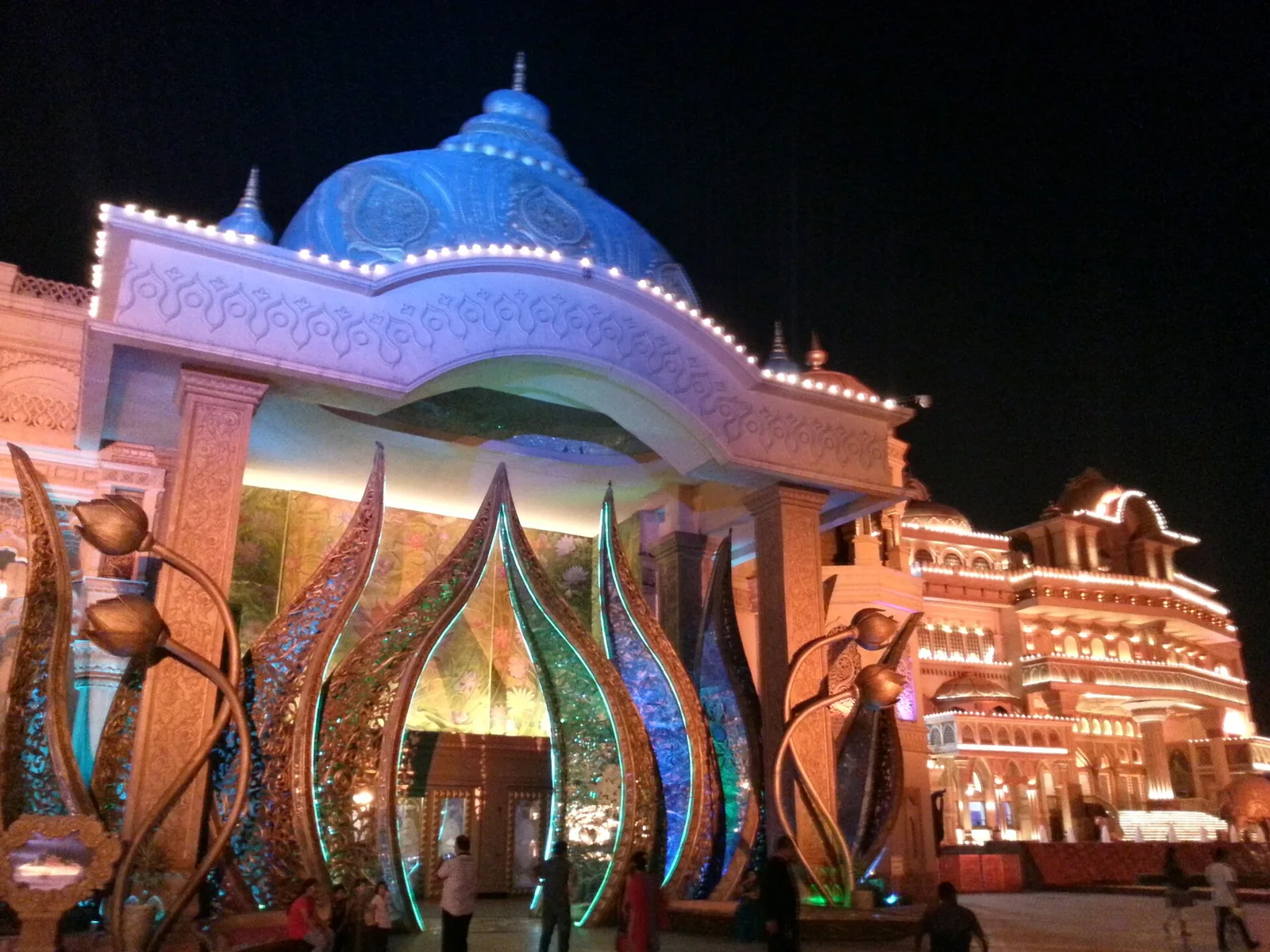
The name Gurugram is traditionally associated with Guru Dronacharya of the Mahabharata, with local legend describing the settlement as land given to him by the Pandavas. This is a traditional account, not a verified record of the city’s founding. The wider area was long made up of villages and agricultural land, with communities and rural customs that remain part of the district’s identity. Gurgaon became the district’s administrative headquarters and, after Haryana was formed as a separate state in 1966, developed within the new state’s administrative framework. A major change began in the 1970s, when Maruti Suzuki established a manufacturing plant and brought industrial employment to the area. Later investment in offices, housing and commercial property accelerated the city’s growth; published accounts note the role of DLF and the arrival of General Electric’s business-outsourcing operations, later known as Genpact. The urban area expanded rapidly alongside the growth of the National Capital Region, with Manesar and Sohna developing as adjoining industrial and real-estate centres. In 2016, the Haryana government officially changed the city’s name from Gurgaon to Gurugram. Its history is chiefly one of rapid urban transformation rather than a single monument restoration story.
Use Gurgaon as a base to understand local life: walk through the market area, visit community-run attractions and ask your host about nearby viewpoints and short excursions. Always ask before photographing people, homes or ceremonies. A comfortable itinerary is one main visit in the morning, a local meal at midday and a short nearby stop before an afternoon return. Use the district list on this site to find other places in Gurugram, but check the actual road route and its condition before combining stops. If a festival or fair is on, local roads and stays can be busy — and the experience can be unforgettable. Leave no litter: many sites are protected by the communities around them.
Suggested itineraries
Half day: Visit Aravalli Biodiversity Park (about 1–2 hours), then have a meal and explore a nearby market or commercial district (about 1–2 hours). Full day: Visit Sultanpur National Park in the morning (about 2–3 hours), return for lunch, then see Sheetla Mata Mandir or explore a city market (about 1–2 hours); check routes and access before combining stops. Gentler option: Choose one accessible indoor venue or a nearby café and market, keep transfers by taxi, and allow time for rests.
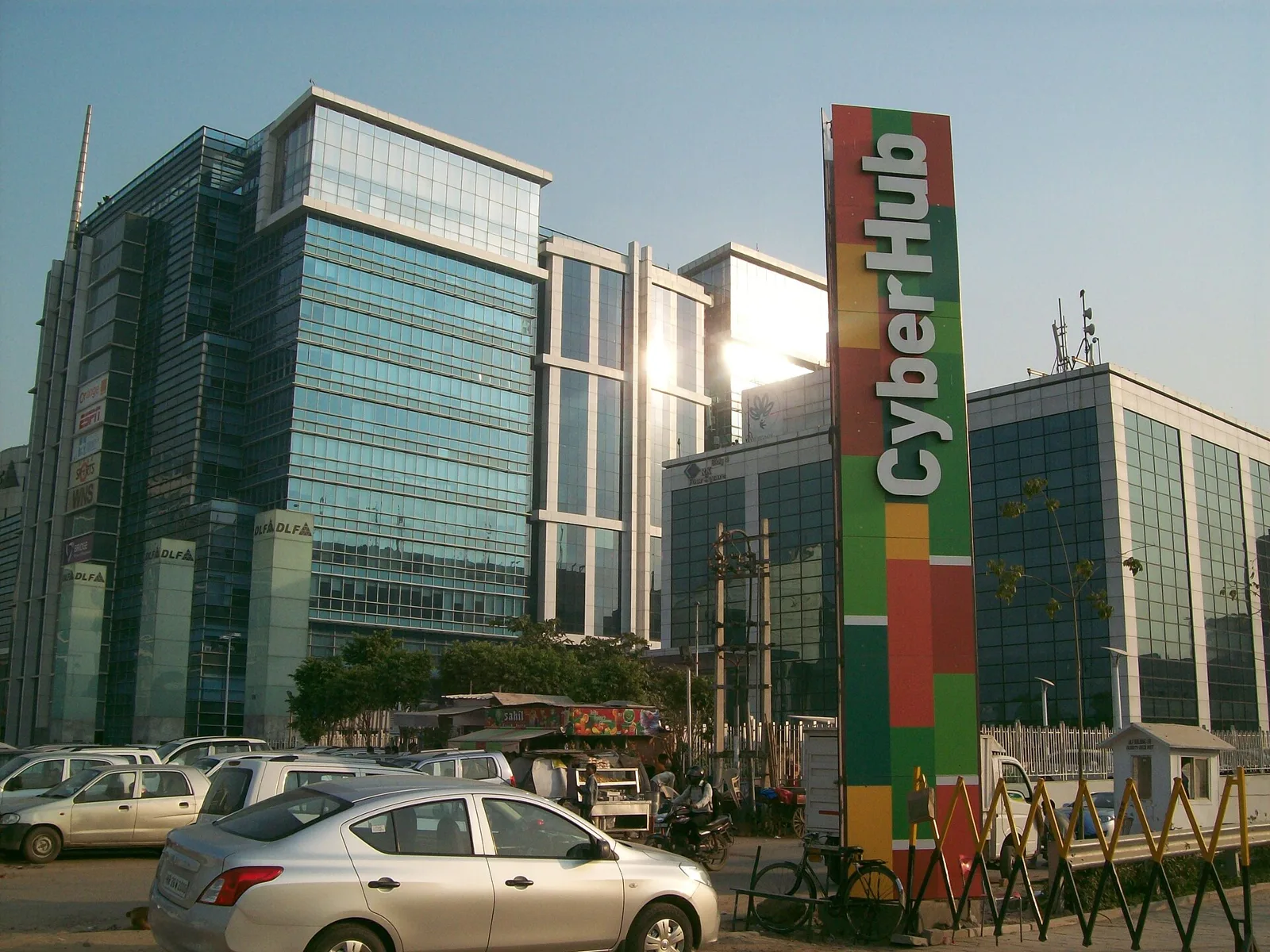
Gurugram brings together Haryanvi rural traditions and the customs of people who have moved here from across India. Haryanvi and Hindi are widely heard, alongside Punjabi and many other Indian languages. Wrestling akharas, folk performance and local village festivals remain part of the wider district’s cultural life, while the city’s office districts, malls and restaurants reflect a cosmopolitan urban scene. Traditional clothing is visible at religious gatherings and community events; everyday dress is varied. Visitors should ask permission before photographing residents, homes, performances or ceremonies, and follow local guidance at places of worship.
Festivals & events
Holi, Diwali, Navratri and Teej are observed across the city, with celebrations at temples, neighbourhoods and community venues. The annual fair associated with Sheetla Mata Mandir is a major local religious gathering, traditionally held in spring; expect busier approaches and crowded surroundings during fair periods. The Surajkund International Crafts Mela, usually held in the cooler season in nearby Faridabad, draws visitors from across the region and can make local roads and accommodation busier. Dates and event arrangements change from year to year, so check locally before planning a visit.
Local food in Haryana includes bajra khichdi, singri ki sabzi, kachri chutney, bathua raita, fresh milk, curd and ghee, and sweets such as ghevar and rewri. Ask what is fresh that day; many small eateries cook a limited daily menu. Vegetarian travellers eat very well across this region, and most towns also have simple non-vegetarian dhabas. Remote sites may have no restaurant at all. Carry water and snacks, eat a proper breakfast before long drives, and ask your accommodation for a packed lunch if you are heading out early. Try a home-cooked or dhaba meal when you can — it is often the best food on the route. Choose busy, clean places and carry your packaging back to town.
Shopping & local experiences
For everyday markets, visitors can explore Sadar Bazaar and Sector 14; Galleria Market and the city’s malls offer a more contemporary mix of shops, cafés and restaurants. Availability and trading activity vary by area. Look for Haryana-made foods and regional snacks, and consider locally produced crafts at seasonal fairs such as the Surajkund Mela in nearby Faridabad. Gurugram is not known for one exclusive citywide handicraft, so ask sellers about a product’s origin rather than assuming it is locally made. Choose packaged food when carrying purchases onward.
October to March; November to February for birdwatching at Sultanpur
The nearest principal railway station by straight-line distance is Gurgaon, roughly 5 km away. The nearest operating airport by straight-line distance is Indira Gandhi International Airport, Delhi (for southern Haryana), roughly 15 km away. These figures are calculated from map coordinates — actual road distance may differ. Delhi, Chandigarh and Amritsar are the main rail and air hubs, and most long-distance journeys connect through them. For the final leg, Haryana Roadways buses and private coaches on the main national highways link district towns; shared taxis usually leave early in the morning. A private taxi gives more flexibility for remote sites. When comparing train, bus and flight, count the complete door-to-door time: a flight saves the most time only if the onward road transfer is short, while an overnight train plus a road journey can save a hotel night. Book your return before you leave, because seats fill quickly on weekends and holidays. Current train numbers, timings, return services and fares are not listed here; check IRCTC and NTES for trains and the airline's own schedule for flights. No permit is needed to visit Haryana. Bird sanctuaries and heritage sites charge entry tickets, and some protected monuments close on one weekday.
Confirm onward and return timings on IRCTC / NTES, the state bus operator or your airline before travel. A dash means current timings or fares have not been verified.
Getting around
Delhi Metro and the Rapid Metro serve parts of Gurugram, but stations may not be close to every destination. Auto-rickshaws, app-based taxis and other cabs are useful for local trips; agree on the destination before boarding an auto. City buses operate on some routes, though coverage and convenience vary. Walking is practical within many commercial districts but less comfortable on busy roads or where pavements are discontinuous. Malls and larger venues usually have parking, while street parking can be limited. Check the onward route and traffic conditions, especially when visiting sites outside the central business districts.
Hours, tickets & permissions
Gurugram is a city rather than a single-ticketed attraction, so access rules depend on the destination. Public streets and some parks can be visited without a ticket, while temples, nature sites, museums and commercial attractions may have their own entry procedures, visitor limits or restrictions. Some venues may require tickets, identification or permission for photography; religious sites may request modest dress and respectful conduct. Confirm current hours, fees, camera rules and access arrangements directly with the managing authority before setting out.
Facilities
Facilities vary considerably between city neighbourhoods and individual attractions. Malls, hotels and larger commercial venues usually have toilets, food outlets, drinking water options, ATMs and parking. Parks and nature sites may have fewer services, so carry water and check whether toilets or refreshments are available before travelling. Guides may be available at some attractions, but should not be assumed. At religious sites, ask locally about visitor facilities and any areas closed to the public. Confirm current arrangements with the venue or managing authority.
Accessibility
Accessibility depends on the destination. Major malls and newer commercial buildings are generally easier to navigate than older streets, but facilities should be checked directly rather than assumed. Pavements can be uneven, interrupted or crowded, and road crossings may be challenging. Parks and nature areas can involve unpaved paths, longer walks, limited shade and uneven ground. Wheelchair and stroller access may therefore be difficult at some outdoor sites; ask the venue about step-free entry and path conditions. Elderly visitors may find a taxi between stops, rest breaks and avoiding the hottest part of the day helpful.
No permit is needed to visit Haryana. Bird sanctuaries and heritage sites charge entry tickets, and some protected monuments close on one weekday. Carry a photo ID at all times and save the emergency number 112 and your accommodation's contact offline. Heat in summer and dense fog in winter are the main weather risks; carry water and allow extra travel time on foggy December–January mornings. Respect community rules, private property and posted instructions. Check official advisories for the region before travel, and follow local guidance if access changes.
Photography
Outdoor parks and city viewpoints are often most comfortable to photograph in softer morning or late-afternoon light. Follow posted rules at temples, nature sites, museums and private commercial venues; photography may be restricted in some areas. Ask permission before photographing people, homes, workers or religious ceremonies, and avoid disrupting worship or wildlife. Drone use may be restricted by aviation rules, venue policy or security controls, particularly near airports and government or corporate premises. Check current regulations and obtain any required permissions before flying.
Choose a stay by the full journey to Gurgaon, not just the district name. Main towns in Gurugram usually offer hotels, state tourism lodges and guesthouses with better transport, meals and medical access, while village homestays offer a closer connection to local life. In the plains, check fans or air-conditioning in summer and heating in the December–January cold wave. Book in advance for weekends, festival dates and the peak season (October to March; November to February for birdwatching at Sultanpur). Confirm the exact location, meals included, check-in time and cancellation terms in writing. Many homestays accept payment on arrival; avoid sending money to unverified contacts. Mobile network and digital payments can be unreliable in remote areas, so carry some cash.
Within Gurugram, Sheetla Mata Mandir offers a prominent local place of worship, while Aravalli Biodiversity Park provides an urban nature setting. Sultanpur National Park, in Gurugram district, is known for birdwatching; check seasonal conditions and visitor access before travelling. Damdama Lake and Sohna are other nearby excursions in the wider district, though road conditions and travel time should be checked. Faridabad’s Surajkund is a further regional option, especially during its crafts fair. These places are spread out, so combining several in one day may involve substantial road travel.
For couples, Gurgaon rewards a slow pace: arrive early for soft light and fewer crowds, share a local meal and keep the evening free. Public displays of affection can be frowned upon in conservative communities and at religious sites, so be discreet. A homestay or a small heritage hotel can make the trip memorable — confirm privacy, hot water and transport back. Keep a buffer in your itinerary, because weather and traffic can delay plans in Haryana.
Q: How much time should I set aside for Gurugram? A: A half day can cover one city attraction and a meal; a full day allows a nature visit and a second stop, subject to road travel. Q: When is a good season to visit? A: October to March is generally more comfortable for outdoor visits. Summers can be very hot, and monsoon weather may affect travel. Q: Is entry free at attractions? A: Entry rules vary. Some public spaces may be freely accessible, while attractions can charge fees or impose visitor and photography rules. Confirm with the managing authority. Q: Is the city suitable for children and elderly visitors? A: Many indoor venues suit family visits, but outdoor sites may have uneven paths, limited shade or longer walks. Check access and facilities, and plan rest breaks. Q: Where should I stay nearby? A: Gurugram has accommodation across business and commercial districts. Choose a stay based on your planned visits and check the onward road or metro connection.
Be the first to share photos, stories, advice or a helpful contact for Gurgaon.
Loading…