Ghumoopedia — Explore, Discover, Experience
Sign in
Sirsa, near Rania

City guide · Haryana

Rania

Rania is a small town and municipal committee in western Haryana’s Sirsa district. Set on the upper bank of the Ghaggar River, it serves as a local centre for surrounding villages and is particularly known for its grain market.

Famous for

  • Sirsa district grain market
  • Ghaggar-side setting
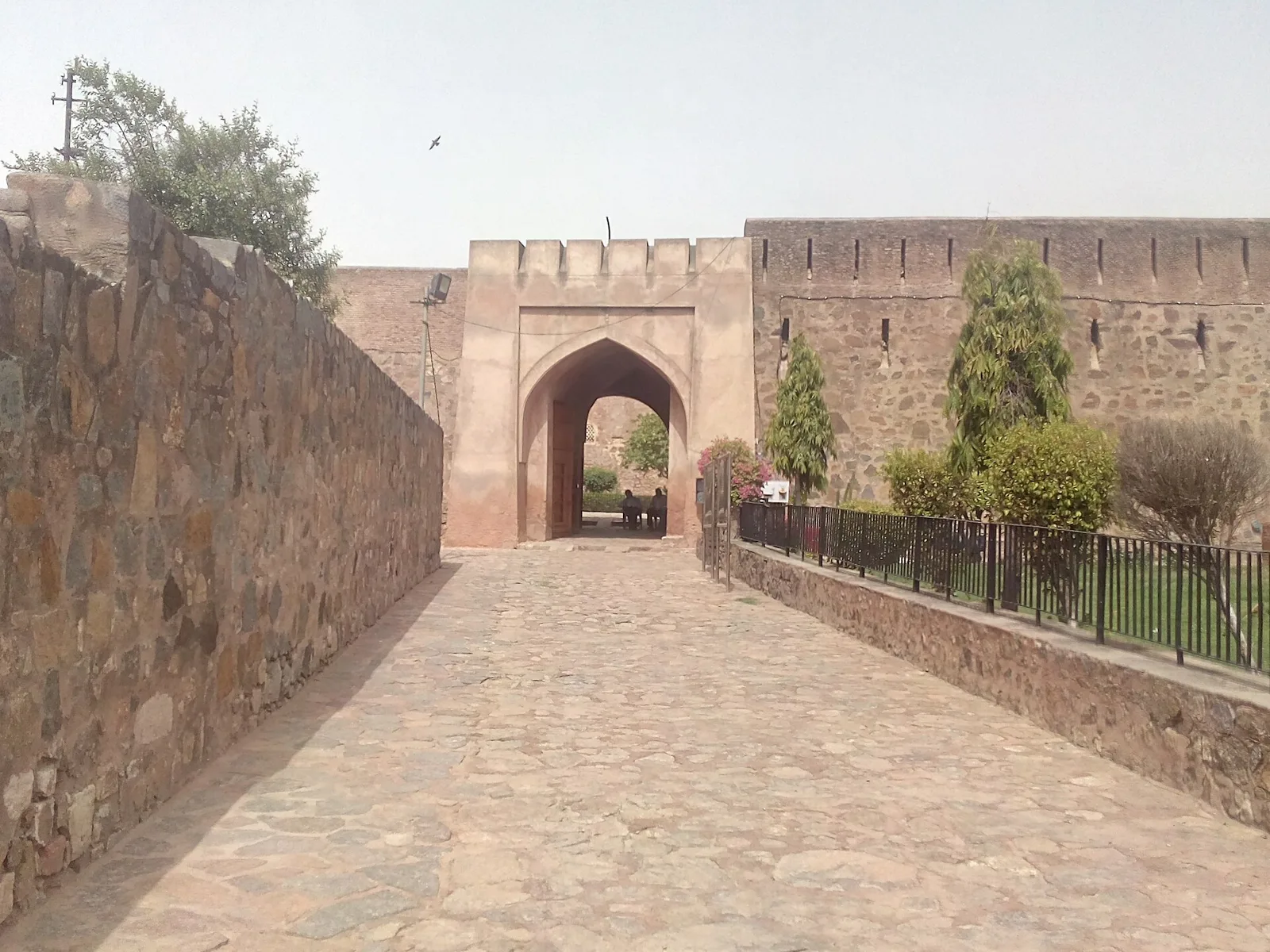
  • Historic Rania fort
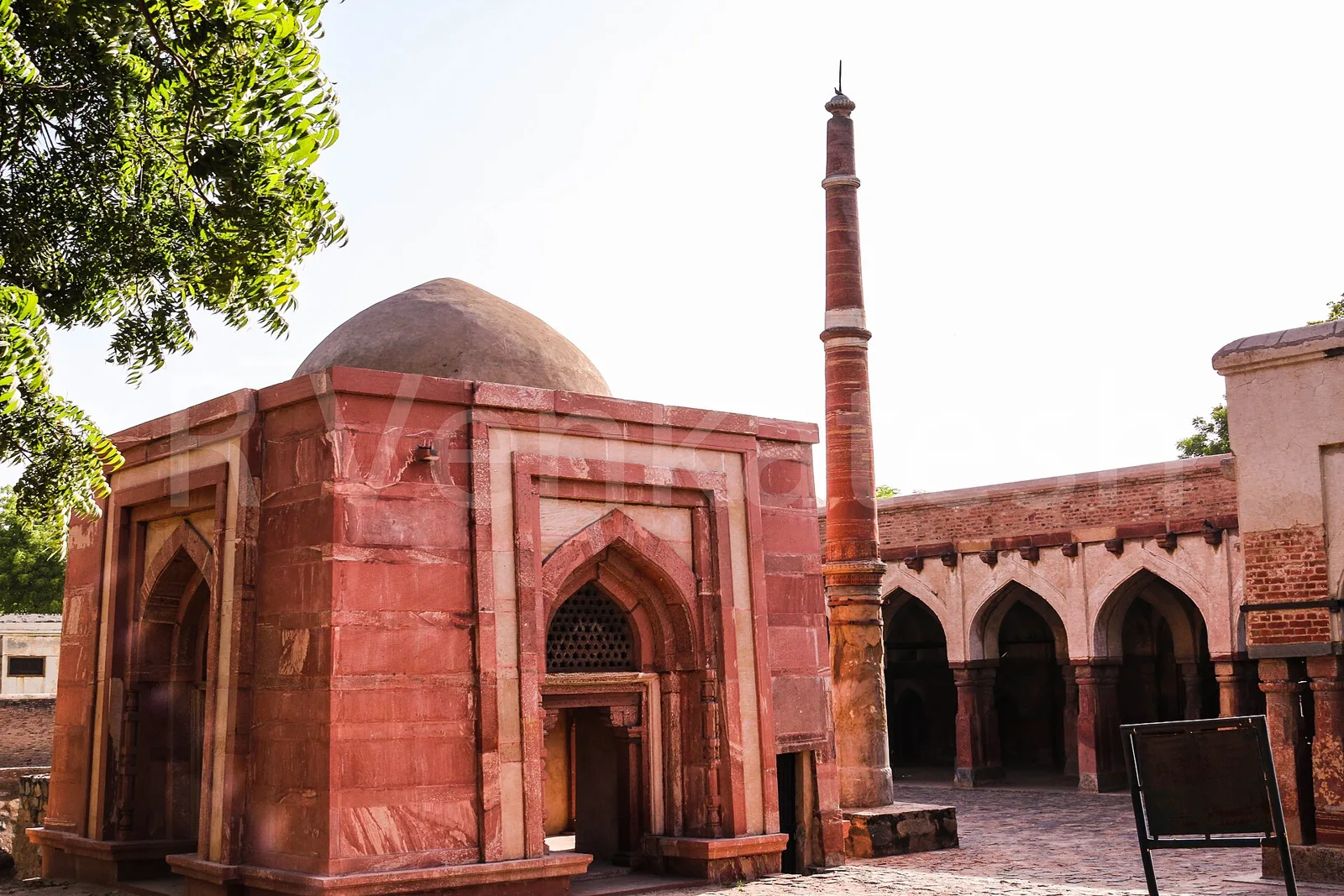
  • Old mosques and heritage
  • Bhambhoor–Jiwan Nagar road

Why Rania matters

Rania is a small town and municipal committee in western Haryana’s Sirsa district. Set on the upper bank of the Ghaggar River, it serves as a local centre for surrounding villages and is particularly known for its grain market. Its location on the Bhambhoor–Jiwan Nagar road connects it with Sirsa and Ellenabad, each roughly 22–23 kilometres away, making it a useful stop for regional trade and services.

Visitors will find a working market town rather than a major sightseeing destination. Its interest lies in the mix of everyday rural commerce and traces of a layered past: older mosques, traditional buildings and a historic fort that is now used as a police station. The nearby Ghaggar landscape and the area around Ottu Dam offer a change of scene beyond the town centre. Rania is also a practical base for exploring villages in this part of the district, though travellers looking for a broad choice of hotels, transport links or major attractions may prefer to plan around Sirsa.
Famous for: crafts, trade & products

Rania’s best-known commercial activity is grain trading. The town’s mandi and surrounding market serve farmers and rural communities, with agricultural produce forming the most distinctive part of its local trade. Visitors can get a sense of this activity around the central bazaar and grain-market area, especially during the working day. It is a practical place to look for everyday provisions and locally traded farm goods rather than a specialist shopping destination.

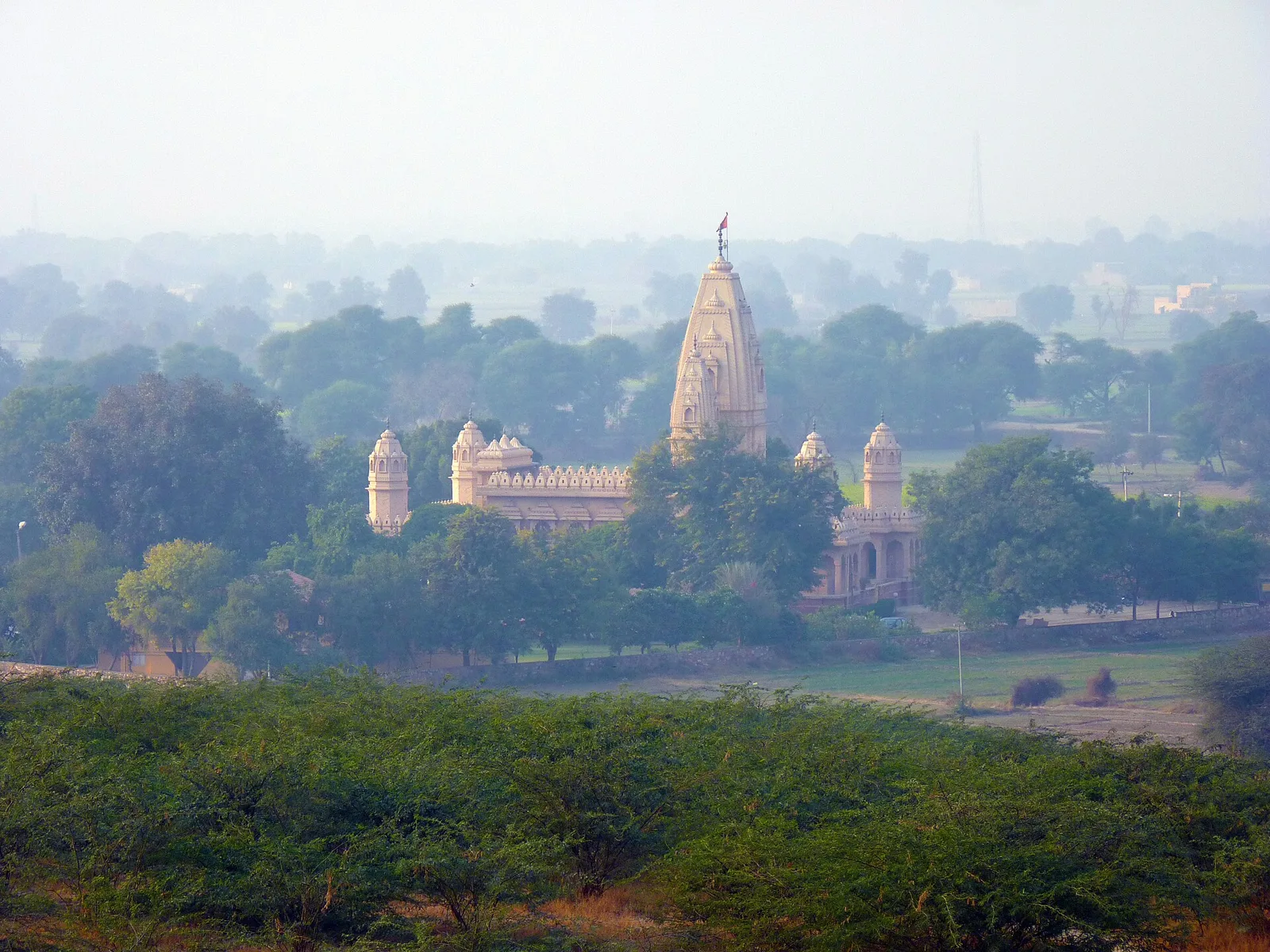
There is no widely established signature textile, handicraft or GI-tagged product associated with Rania. The town is not known as a major centre for sarees or a particular craft, so shoppers seeking those categories will generally find a broader selection in larger regional cities. Small shops cater mainly to local needs. Rania’s other notable feature is its built heritage: old mosques and traditional buildings reflect the town’s past, while the historic fort remains in use as a police station and is not a conventional visitor attraction. For a walk through the town’s character, explore the bazaar streets and market surroundings respectfully, keeping clear of restricted government premises.

History

Rania’s history reflects the shifting power struggles that followed the weakening of Mughal authority in north-west India. In the eighteenth century, Bhatti chiefs, Johiya leaders, Sikh rulers and other regional powers contested control of the Rania–Sirsa tract. The area later passed through Maratha influence before coming under British rule in 1803. During the 1857 uprising, Nawab Noor Samad Khan of Rania was among the regional figures associated with resistance to the British.

Under British rule, Rania remained a village and local centre. Its population and built environment changed significantly around the 1947 Partition, when many Muslims left for Pakistan. Older mosques and buildings remain part of the town’s historic fabric, and a fort is still used as a police station. A traditional baoli, described as combining Indian well design with features of a Turkish hammam, was buried during the 1975–77 Emergency as a market was built. Rania became part of Haryana when the state was formed in 1966 and was later established as a separate subdivision within Sirsa district.

Food, festivals & culture

Rania’s food and customs are part of the wider rural culture of western Haryana. Meals commonly draw on wheat, millet, pulses and seasonal vegetables; bajra roti, saag, kadhi, lassi and home-style sweets such as churma are familiar across the region. These are regional favourites rather than dishes unique to Rania, and local shops and eateries reflect everyday tastes more than a formal food-tourism scene.

Hindi and Haryanvi are widely used in daily life, with Punjabi also familiar in this border region. The annual calendar follows the broader North Indian pattern: Holi and Diwali are celebrated in spring and autumn, while Teej is observed during the monsoon season; Eid is marked by Muslim residents. Seasonal fairs and family gatherings may accompany religious occasions. Haryanvi folk forms, including ragini singing and dance traditions, are part of the surrounding cultural landscape, though performances are not guaranteed on an ordinary visit. The town’s mosques and Hindu places of worship serve local communities; visitors should dress respectfully and follow local customs when entering religious spaces.

Visiting the city

The cooler months, roughly October to March, are generally the most comfortable time to visit; summer afternoons can be very hot, while the monsoon brings rain. The nearest airports are Delhi and Chandigarh, both about 270 kilometres away. Rail access is available through stations at Sirsa and Ellenabad; check onward road connections when planning. Rania is linked to both towns by the Bhambhoor–Jiwan Nagar road, and local travel is usually by road, using private vehicles, taxis or local transport where available.

In town, explore the central bazaar and grain-market area, then look for older streets and mosques with due respect for residents. The fort is in active police use, so do not enter restricted areas. The river-side setting and nearby Ottu Dam can make worthwhile regional outings. Sirsa and Ellenabad are convenient alternatives for a wider range of services.

Trips from the city

Nearest places to visit from Rania

Our closest destination guides, by straight-line distance.

Sirsa

17 km away · Sirsa district

Sirsa

A municipal-council city in Haryana’s westernmost reaches, Sirsa lies close to Punjab and Rajasthan. Its Mahabharata-era history and the Sarasvati River’s former course give the city historical interest for visitors.

Agroha

80 km away · Hisar district

Agroha

Agroha is a town in Haryana’s Hisar district, between Hisar and Fatehabad along NH 09. Visitors may be interested in archaeological finds uncovered at the Agroha Mound.

Hisar

93 km away · Hisar district

Hisar

Hisar is Haryana’s district administrative centre, where visitors encounter a history shaped by successive rulers, from the Mauryans to the British.

Firoz Shah palace complex

94 km away · Hisar district

Firoz Shah palace complex

The Firoz Shah palace complex is a medieval fortified site in Hisar, Haryana, associated with Sultan Firoz Shah Tughlaq. Visitors come to explore its palace remains, religious buildings and evidence of the older settlement beneath it.

Tosham

127 km away · Bhiwani district

Tosham

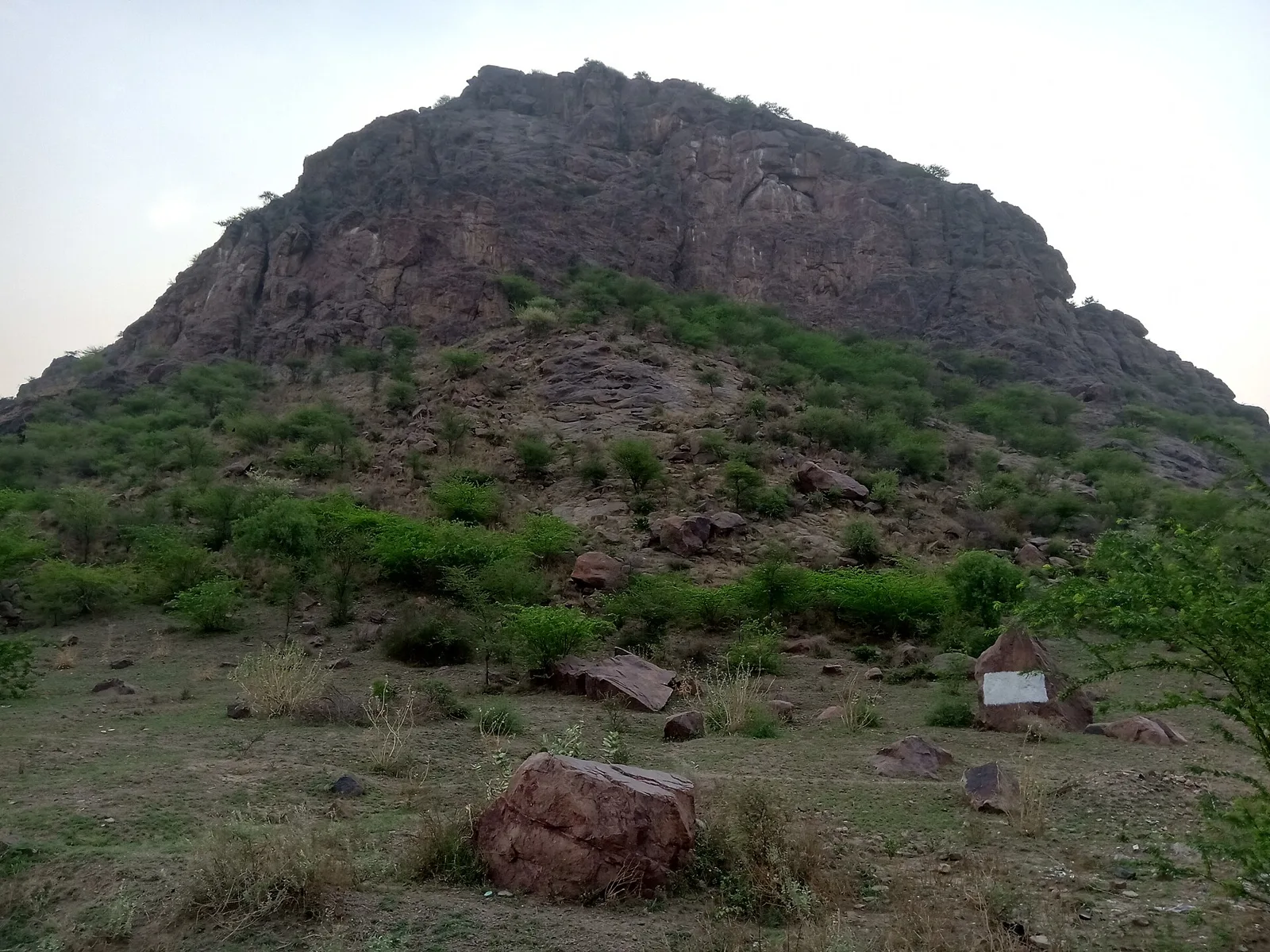
Tosham is a town and Gram Panchayat in Bhiwani district, Haryana, set by the Tosham hills in the Aravalli foothills; visitors may come for its hill-side setting.

Jind

145 km away · Jind district

Jind

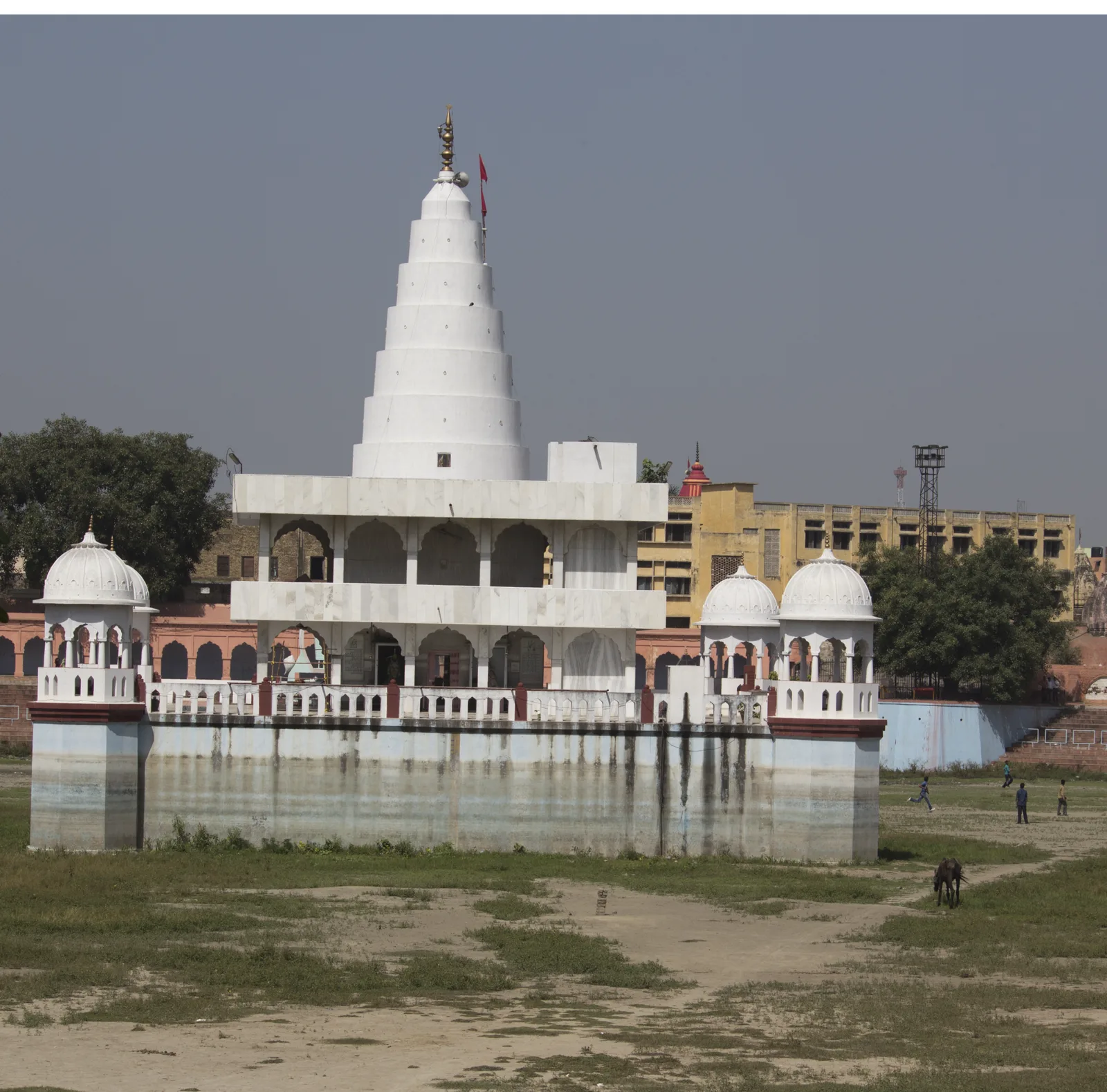
Jind is among the largest and oldest cities in Haryana’s Jind district and serves as its administrative centre. Visitors go to Rani Talab, while Pandu Pindara and Ramrai draw devotees for Amavasya bathing.

Rohtak

183 km away · Rohtak district

Rohtak

Rohtak is a Haryana city and the seat of its district administration. People may travel there for district-level matters, while its position in the National Capital Region also connects it with the wider area.

Tilyar Lake

189 km away · Rohtak district

Tilyar Lake

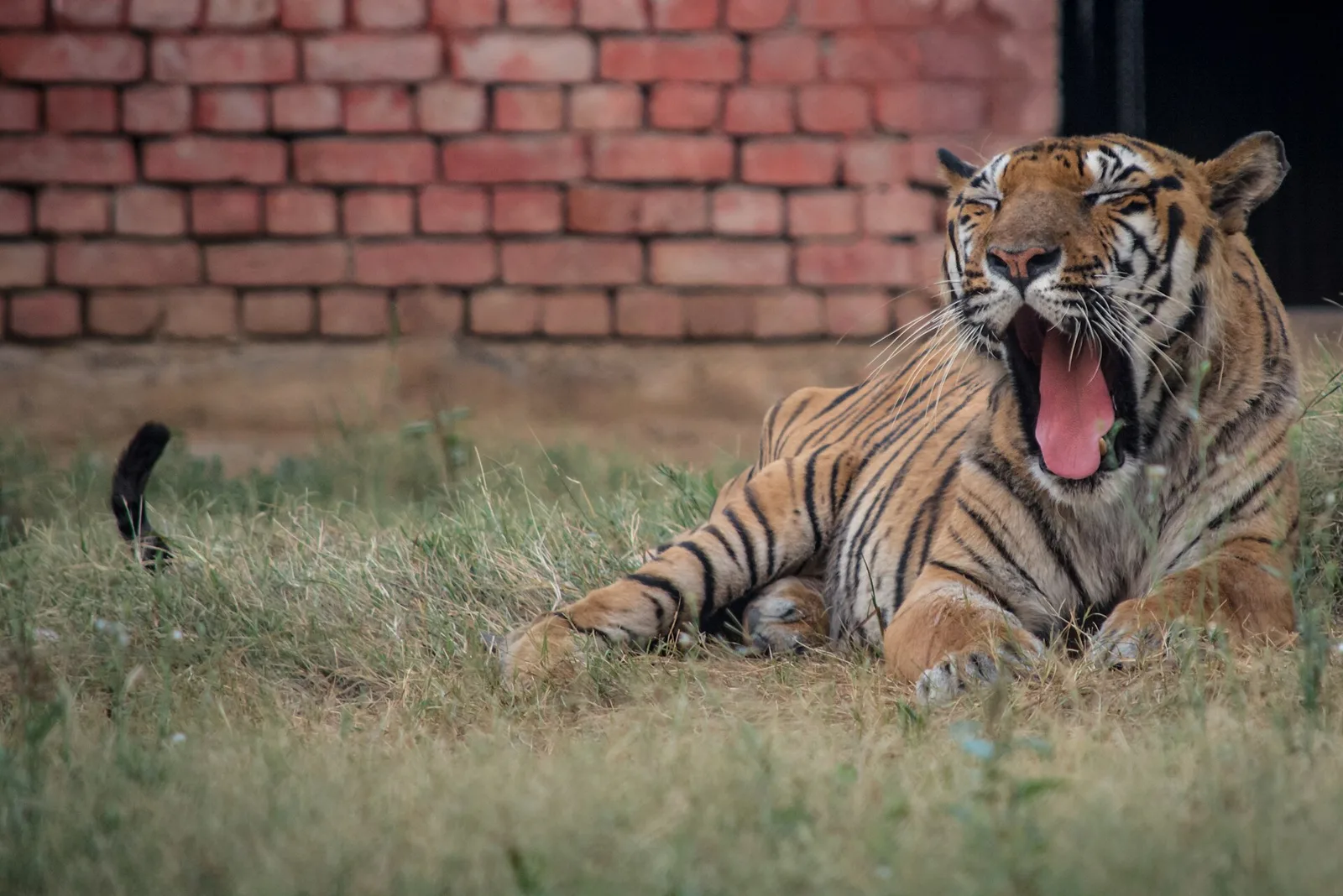
In Rohtak district, Haryana, Tilyar Lake is a leisure destination drawing visitors for its lake setting, fishing facilities and adjoining Rohtak Zoo.

Map

Rania on the map

  1. 1Sirsa
  2. 2Agroha
  3. 3Hisar
  4. 4Firoz Shah palace complex
  5. 5Tosham
  6. 6Jind
  7. 7Rohtak
  8. 8Tilyar Lake

Haryana

Other cities to explore