Ghumoopedia — Explore, Discover, Experience
Sign in
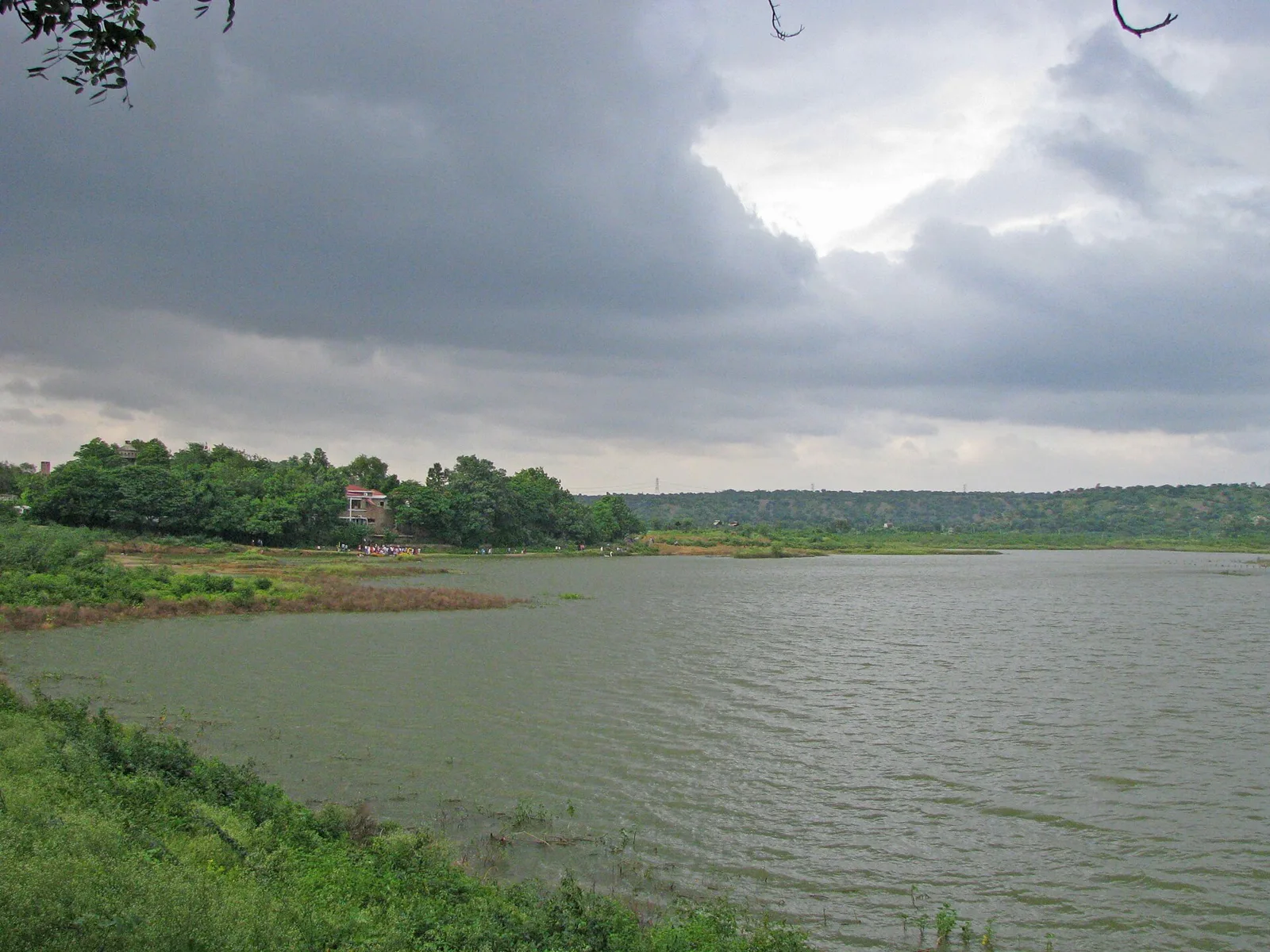
Damdama Lake, near Punahana

City guide · Haryana

Punahana

Punahana is a town in Nuh district, in southern Haryana, set within both the wider Mewat region and the Braj cultural landscape. Its location gives it a character shaped by links across neighbouring parts of Haryana, Rajasthan and Uttar Pradesh.

Famous for

  • Mewat–Braj cultural setting
  • Chaudhary Rahim Khan's origins
  • Regional market town
  • Agricultural hinterland

Why Punahana matters

Punahana is a town in Nuh district, in southern Haryana, set within both the wider Mewat region and the Braj cultural landscape. Its location gives it a character shaped by links across neighbouring parts of Haryana, Rajasthan and Uttar Pradesh. It also falls within the National Capital Region, though its everyday life is distinctly that of a small regional town rather than a metropolitan centre.

Punahana matters chiefly as a local hub for nearby communities: its shops and services support residents and the surrounding rural hinterland. It is also associated with Chaudhary Rahim Khan, whose place of origin is Punahana. The town is not widely known as a major monument destination or as the centre of a nationally recognised craft. Visitors are more likely to come for local connections, business or a look at Mewat–Braj life than for a conventional sightseeing itinerary. Its appeal lies in this regional setting, where everyday town markets, rural surroundings and overlapping cultural influences meet.
Famous for: crafts, trade & products

Punahana is best understood as a service and trading centre for its surrounding villages, rather than as a specialist shopping destination. The town's ordinary bazaar is the practical place to look for daily provisions, clothing, household goods and locally traded farm produce. These shops serve local needs; there is no widely documented signature textile, saree, handicraft or GI-tagged product associated specifically with Punahana. Travellers seeking a particular regional craft or branded product should not assume it will be made or sold here.

Agriculture shapes commerce across the surrounding countryside, and market activity reflects seasonal rural demand. Small retailers and eateries are more characteristic than large showrooms or organised craft markets. For an everyday sense of the town, browse the central market streets and ask locally about produce in season. Nuh district and the wider Mewat–Braj belt have varied local traditions, but a distinct Punahana-made craft or product line is not clearly established in available general accounts. The town's better-known associations are its role in the local area and its connection with Chaudhary Rahim Khan, not a particular industry or shopping landmark.

History

Punahana's past is best viewed within the history of Mewat, a borderland whose communities and routes connected the Delhi region with parts of present-day Rajasthan and the Braj area. Over the centuries, the wider region came under different political powers, including the Delhi Sultanate and the Mughals; this broader history should not be taken as evidence of a specific event or monument in Punahana itself. The town's local history is less widely documented than that of the region around it.

During British rule, the area was administered within the changing provincial and district boundaries of northern India. After independence, it became part of Haryana when the state was formed in 1966. Punahana is now in Nuh district, which was established as Mewat district in 2005 and renamed Nuh in 2016. Its modern growth has largely followed its role as a local centre for surrounding villages, with road connections, shops and public services supporting daily life. Its association with Chaudhary Rahim Khan is a notable part of its contemporary local identity.

Food, festivals & culture

Punahana's culture reflects its Mewati setting and connections with Braj and neighbouring parts of Haryana. Mewati speech is heard alongside Hindi, with regional forms of Haryanvi and Braj also influencing everyday conversation. Food is generally home-style and based on grains, pulses, dairy and seasonal vegetables. Bajra or wheat roti, lentils, chaas and lassi are familiar across the wider region; these are regional staples rather than dishes unique to Punahana. Seviyan and other festive sweets are commonly associated with Eid celebrations.

Eid and Ramadan are important in the local Muslim community, while Hindu households observe festivals such as Holi, Diwali and Teej, whose timing follows the lunar or seasonal calendar. Community and family gatherings are central to celebrations. Folk songs and devotional music are part of regional life, often accompanied by simple percussion at local events, though styles and customs vary between communities. The town has neighbourhood mosques and temples serving residents; visitors should be respectful of worshippers and local customs. Punahana is better approached as a living community than as a staged cultural attraction.

Visiting the city

October to March is generally the most comfortable period to visit, with milder days than the hot summer months. Punahana is reached mainly by road. Indira Gandhi International Airport in Delhi is the nearest major airport. Hodal railway station is a nearby rail option; check current onward road connections before travelling, as Punahana itself is not a rail hub.

Within town, the bazaar and central streets are useful areas to explore on foot. Auto-rickshaws and shared road transport may be available, but services can vary, so arrange local travel in advance if you have a fixed schedule. A car or taxi is convenient for visiting nearby villages and countryside. Keep plans flexible: Punahana's appeal is its everyday Mewat–Braj setting and local market life, rather than a cluster of established tourist attractions.

Trips from the city

Nearest places to visit from Punahana

Our closest destination guides, by straight-line distance.

Damdama Lake

50 km away · Gurugram district

Damdama Lake

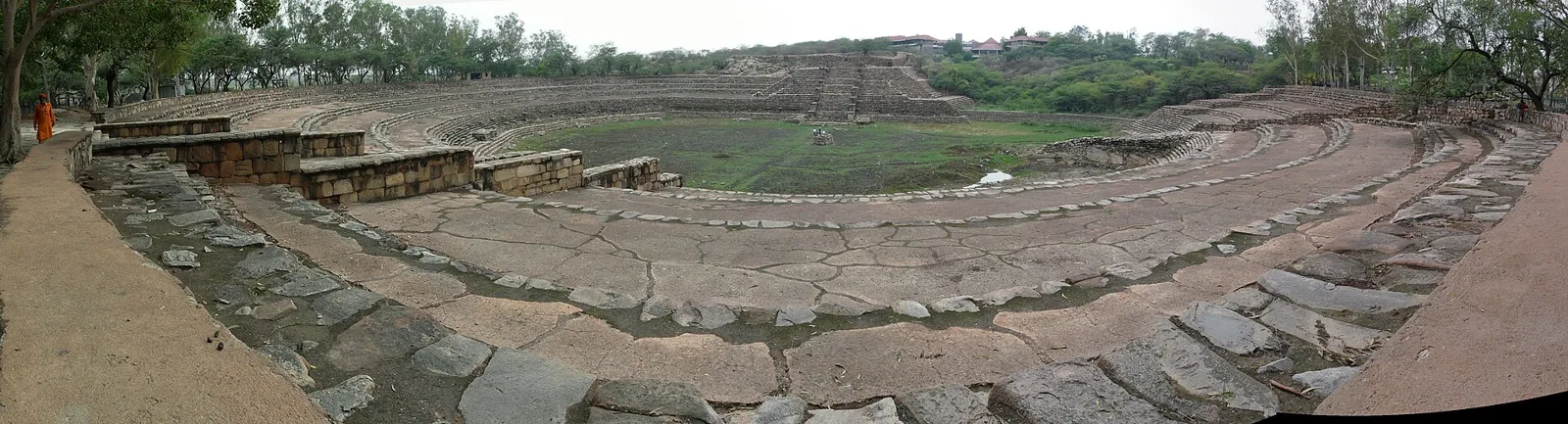
Damdama Lake is a rain-fed reservoir near Sohna in Haryana’s Gurugram district. Visitors come for its Aravalli setting and access to nearby natural areas and historical sites.

Badkhal Lake

62 km away · Faridabad district

Badkhal Lake

Badkhal Lake is a former lake near Faridabad in Haryana. Visitors come for its Aravalli setting, nearby heritage sites and the spring flower show.

Faridabad

63 km away · Faridabad district

Faridabad

Faridabad is Haryana’s most populous city within Delhi NCR, with industrial activity and an expanding urban area that brings together commercial, educational and residential facilities.

Rewari

67 km away · Rewari district

Rewari

Rewari is a municipal town in Haryana and the headquarters of Rewari district. People travelling for district administration may come here, and the city lies within the Ahirwal region.

Gurgaon

68 km away · Gurugram district

Gurgaon

Gurgaon, officially named Gurugram, is a satellite city of Delhi and administrative headquarters of Gurgaon district, located in the northern Indian state of Haryana.

Surajkund

69 km away · Faridabad district

Surajkund

Surajkund is a 10th-century reservoir in Faridabad, Haryana, associated with the Tomara dynasty and sun worship. Visitors also come for its annual craft fair and the area’s archaeological and natural features.

Rewari Railway Heritage Museum

70 km away · Rewari district

Rewari Railway Heritage Museum

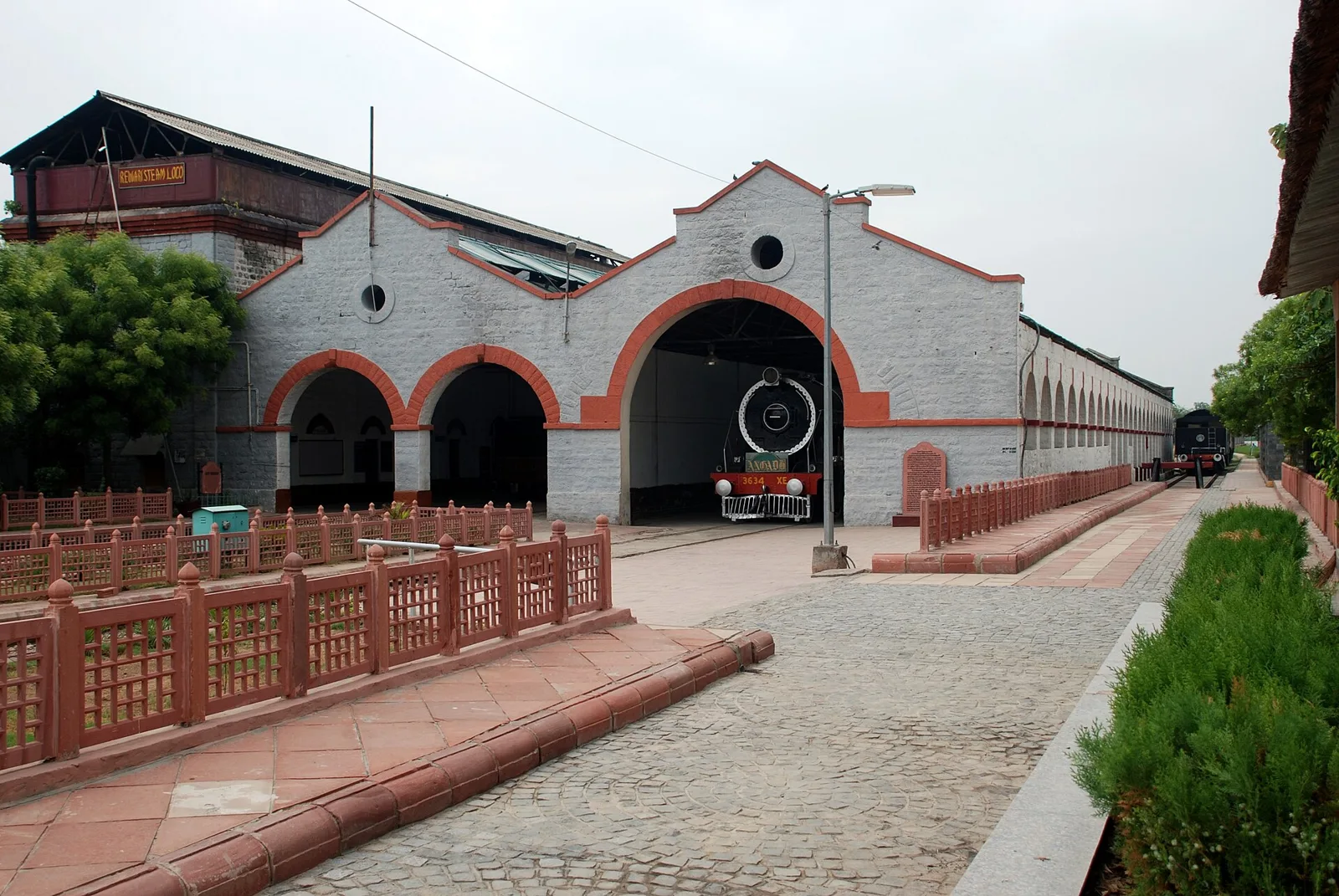
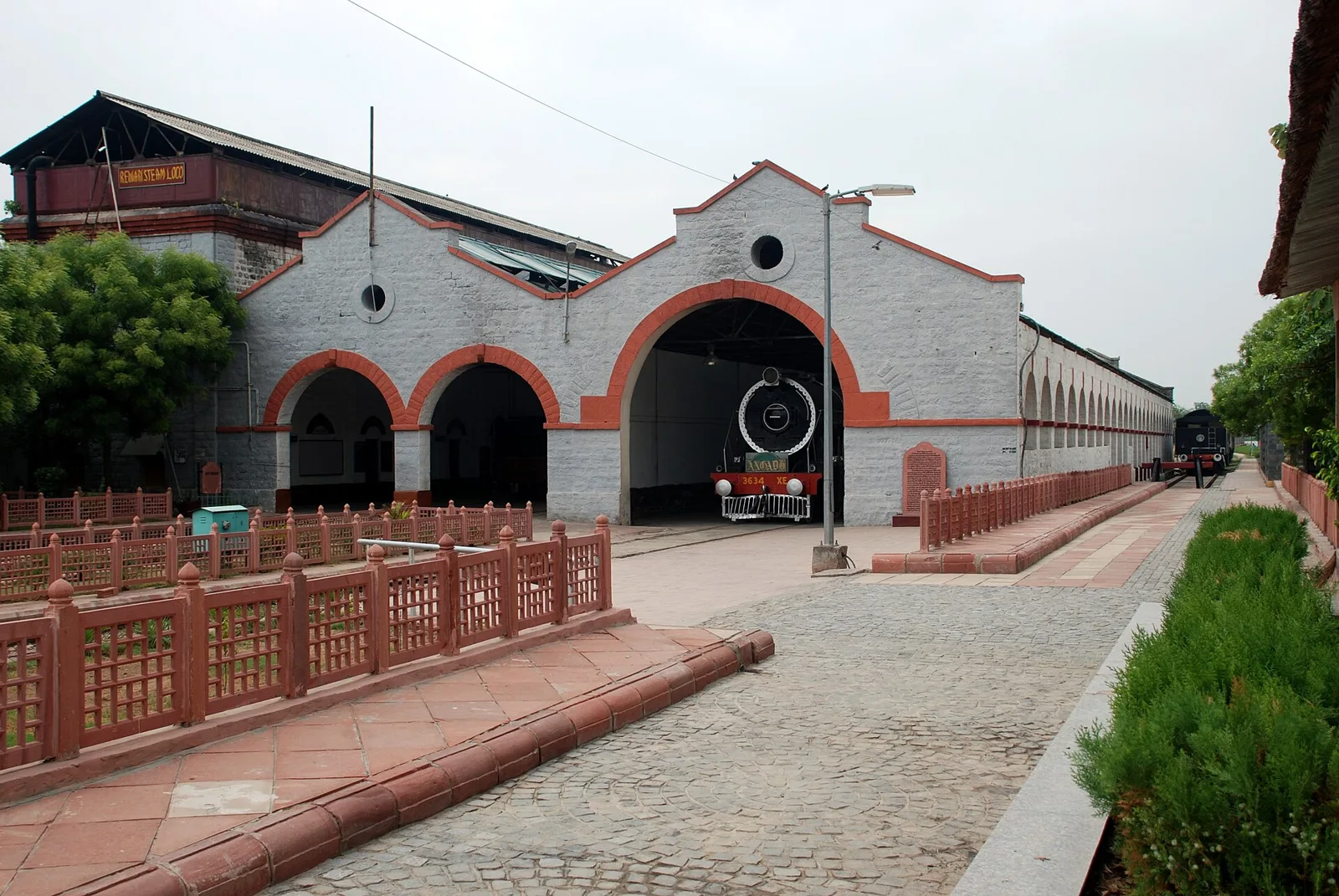
The Rewari Railway Heritage Museum is a railway museum in Rewari, Haryana, where visitors can see surviving steam locomotives, including the working Fairy Queen, built in 1855.

70 km away · Gurugram district

Sheetla Mata Mandir Gurgaon

In Gurugram, Haryana, Sheetla Mata Mandir is a Hindu shrine honouring the goddess Sheetla, associated with Guru Dronacharya. Devotees visit in large numbers during Navaratri and other festivals.

Map

Punahana on the map

  1. 1Damdama Lake
  2. 2Badkhal Lake
  3. 3Faridabad
  4. 4Rewari
  5. 5Gurgaon
  6. 6Surajkund
  7. 7Rewari Railway Heritage Museum
  8. 8Sheetla Mata Mandir Gurgaon

Haryana

Other cities to explore