
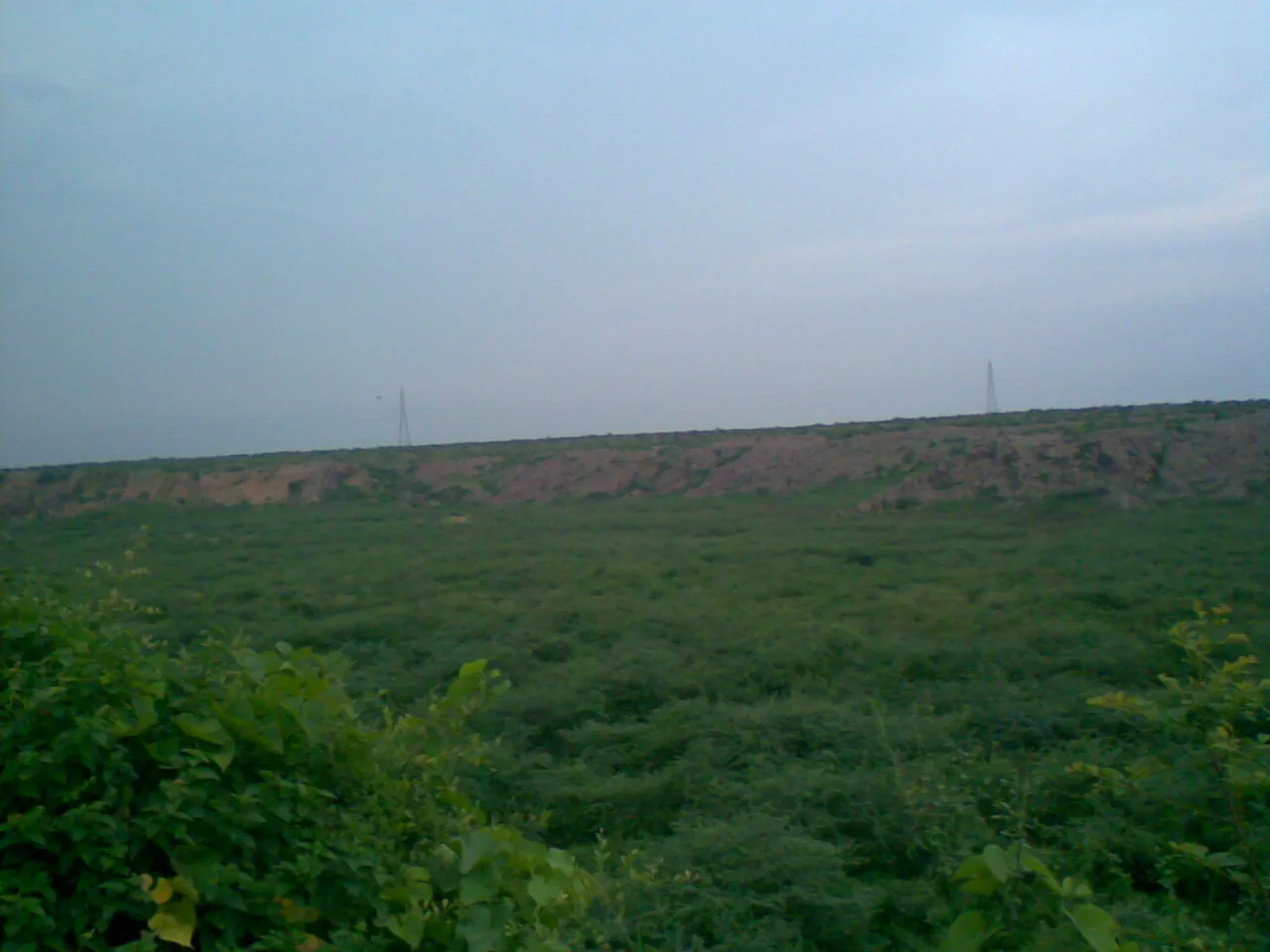
Badkhal Lake
Badkhal Lake is a former lake near Faridabad in Haryana. Visitors come for its Aravalli setting, nearby heritage sites and the spring flower show.
Key facts · verified by Ghumoopedia editors
- Type of place
- Natural attraction
- Best time to visit
- October to March; November to February for birdwatching at Sultanpur
- Nearest railway station
- Faridabad · about 5 km (straight line)
- Verified
- 21 Nov 2026
Plan a trip from Badkhal Lake — a day-by-day route through places nearby.
Badkhal Lake lies in Badkhal village, in Faridabad district, Haryana, about 29.6 kilometres from Delhi, the national capital. Though described as a natural lake, it was retained by an artificial embankment amid the Aravalli hills. Unchecked mining nearby contributed to its decline: it began drying roughly two decades ago and is now entirely dry. Haryana Tourism Corporation restaurants remain open in the area, and a flower exhibition is held each spring. The name is believed to derive from the Persian beydakhal, meaning freedom from interference. Peacock Lake is close by, within a biodiversity zone of the Northern Aravalli leopard wildlife corridor linking Sariska Tiger Reserve with Delhi. Nearby historical sites include Surajkund, an ancient reservoir from the 10th century, 15 kilometres to the north, and Anangpur Dam, 16 kilometres north. Other places in the area are the also-dry Damdama Lake, Tughlaqabad Fort, the Adilabad ruins and Chhatarpur Temple. Several dozen lakes have formed in disused open-pit mines across the surrounding area. The lake is also connected with seasonal waterfalls near the Faridabad villages of Pali, Dhuaj and Kot, the sacred Mangar Bani hill forest, and Asola Bhatti Wildlife Sanctuary. Haryana carries the legends of Kurukshetra and the Mahabharata, a strong wrestling (akhara) and folk tradition, and fast-growing modern cities around Gurugram and Faridabad. Haryana is hot and dry from April to June, humid in the July–September monsoon, and cool with fog in December and January. The Aravalli outcrops in the south are rocky and dry. The usual best time to visit is October to March; November to February for birdwatching at Sultanpur. Timings, fees and access arrangements must be confirmed locally. For official information, see Haryana Tourism at https://haryanatourism.gov.in.
Why it matters
Badkhal Lake is best understood today as a former lake and a local landmark in Badkhal village, Faridabad district, Haryana. It lies among the southern Aravalli hills, in a region where natural landscapes, old waterworks and expanding urban areas meet. The lake was formed behind a man-made embankment, but unchecked mining in neighbouring areas contributed to its drying; the main lake is now reported to be completely dry. Its story highlights the pressures that water bodies face in the Aravalli foothills. The area is also associated with nearby biodiversity sites and the Northern Aravalli leopard wildlife corridor. No UNESCO World Heritage or ASI-protected status for Badkhal Lake itself is established in the available guide; confirm any current site designation locally.
Badkhal Lake lies beside Badkhal village in Faridabad district. Although often described as a natural lake, it was held by a man-made embankment amid the Aravalli hills. The available historical account does not identify a named builder or a securely documented construction date, so a precise origin should not be assumed. For a period, the lake and its surroundings were promoted as a leisure destination, with Haryana Tourism Corporation restaurants in the vicinity and a spring flower show reported at the site. The lake’s most consequential change came as mining expanded in neighbouring areas. The guide records that it began drying roughly two decades before its account was written and is now totally dried up. This has altered the character of the attraction: visitors should not expect a functioning lake or water-based recreation. The wider landscape retains older water-management landmarks, including the traditionally dated Surajkund reservoir and Anangpur Dam, as well as abandoned mine pits that have become separate water bodies. No completed restoration of Badkhal Lake is established in the available information. Check locally for any current conservation, access or redevelopment work before visiting.
Origin stories & folklore
The most commonly repeated story connected with Badkhal is linguistic rather than a dramatic tale. The name is said to derive from the Persian word beydakhal, interpreted as “free from interference.” This explanation is generally presented as a probable origin, not as a conclusively documented fact. Local accounts may also connect the lake’s setting with the long history of water structures and settlements around the Aravalli hills, but specific stories about its creation should be treated as folklore unless supported by reliable historical records. The region’s wider identity is shaped by Haryana’s oral traditions, including stories associated with the Mahabharata and Kurukshetra; these belong to the state’s broader cultural landscape, not necessarily to Badkhal Lake itself.
Spend unhurried time at Badkhal Lake: walk the marked paths, use official viewpoints and ask locally whether a guide, entry ticket or permit is needed. Admire the water from safe points rather than climbing wet rocks or entering unknown currents. Wildlife sightings are never guaranteed — patience and quiet improve your chances. A comfortable itinerary is one main visit in the morning, a local meal at midday and a short nearby stop before an afternoon return. Use the district list on this site to find other places in Faridabad, but check the actual road route and its condition before combining stops. If a festival or fair is on, local roads and stays can be busy — and the experience can be unforgettable. Leave no litter: many sites are protected by the communities around them.
Suggested itineraries
Half day: Check current access; spend 1–2 hours viewing the former lake area from permitted public points; have a meal nearby; allow time for the return journey. Full day: Visit Badkhal in the morning; pause for a local meal; spend the afternoon at Surajkund or another confirmed-access nearby attraction; return before dusk. Gentler option: Arrange a taxi drop-off at an accessible public point, keep the visit brief, and enjoy a nearby meal without walking over uneven ground.
Badkhal is part of the Faridabad area, where Haryanvi and Hindi are widely used alongside languages brought by residents from across India. Rural customs and urban life meet here: village social ties and local food traditions sit alongside the routines of a rapidly growing city. Haryana is known for akhara wrestling, folk performance and community celebrations, though visitors should not assume that a performance is regularly staged at the lake. Traditional dress may be seen at local gatherings, while everyday clothing is varied and urban. A spring flower show has been associated with the site in the available guide; whether it is held in a particular year should be checked locally. Visitors can be considerate by asking before photographing people or community events.
Local communities
Badkhal village residents and people from nearby Faridabad are closely connected to the area as neighbours, visitors and local service providers. The wider district includes farming communities as well as a large urban population employed in industry, trade, transport and services. Restaurants and tourism-related businesses have operated in the vicinity, although current activity can change. The Aravalli landscape is also important to people involved in conservation and wildlife monitoring, particularly because nearby habitats form part of a regional wildlife corridor. Visitors should respect private land, avoid entering mine sites without permission and follow any guidance from local residents or site managers.
Festivals & events
A spring flower show has been reported at Badkhal Lake, but its current schedule and whether it is held every year should be confirmed locally. The surrounding Faridabad region observes major North Indian festivals such as Holi and Diwali, as well as seasonal fairs and cultural events; these are not necessarily organised at the lake. The better-known Surajkund International Crafts Mela takes place in the wider Faridabad area, generally during winter, and can bring substantial crowds and traffic to its own venue. If combining attractions during a fair or festival period, allow extra travel time and check local road and access conditions. Do not assume event entry or facilities are available at Badkhal itself.
Local food in Haryana includes bajra khichdi, singri ki sabzi, kachri chutney, bathua raita, fresh milk, curd and ghee, and sweets such as ghevar and rewri. Ask what is fresh that day; many small eateries cook a limited daily menu. Vegetarian travellers eat very well across this region, and most towns also have simple non-vegetarian dhabas. Remote sites may have no restaurant at all. Carry water and snacks, eat a proper breakfast before long drives, and ask your accommodation for a packed lunch if you are heading out early. Try a home-cooked or dhaba meal when you can — it is often the best food on the route. Choose busy, clean places and carry your packaging back to town.
Shopping & local experiences
There is no well-established specialist shopping area at the former lake itself. Visitors can look for everyday snacks and locally prepared meals in Faridabad, and browse handicrafts or regional products at established markets and fairs in the wider district. The Surajkund crafts fair, when operating, is a notable place to explore Indian handicrafts, but it is a separate event and can be crowded. Ask sellers about the origin and materials of crafts, and choose reusable packaging where possible. Availability at Badkhal’s nearby restaurants or shops may change, so do not depend on them for supplies.
The site sits among the rocky, dry hills and scrub landscapes of the southern Aravalli Range. Badkhal’s former lake basin is now reported to be completely dry, so visitors should not expect a permanent expanse of water or boating. Separate water-filled pits in abandoned open-cast mines occur in the surrounding area, but they are not substitutes for the lake and may be dangerous or inaccessible. Nearby habitats include the Mangar Bani hill forest and Asola Bhatti Wildlife Sanctuary, within a broader Aravalli landscape associated with a wildlife corridor. The region supports scrub vegetation, birds and other wildlife, but sightings are never assured. Avoid disturbing animals, entering mine pits or leaving paths in sensitive areas; check access rules before visiting nearby protected land.
October to March; November to February for birdwatching at Sultanpur
The nearest principal railway station by straight-line distance is Faridabad, roughly 5 km away. The nearest operating airport by straight-line distance is Indira Gandhi International Airport, Delhi (for southern Haryana), roughly 25 km away. These figures are calculated from map coordinates — actual road distance may differ. Delhi, Chandigarh and Amritsar are the main rail and air hubs, and most long-distance journeys connect through them. For the final leg, Haryana Roadways buses and private coaches on the main national highways link district towns; shared taxis usually leave early in the morning. A private taxi gives more flexibility for remote sites. When comparing train, bus and flight, count the complete door-to-door time: a flight saves the most time only if the onward road transfer is short, while an overnight train plus a road journey can save a hotel night. Book your return before you leave, because seats fill quickly on weekends and holidays. Current train numbers, timings, return services and fares are not listed here; check IRCTC and NTES for trains and the airline's own schedule for flights. No permit is needed to visit Haryana. Bird sanctuaries and heritage sites charge entry tickets, and some protected monuments close on one weekday.
Confirm onward and return timings on IRCTC / NTES, the state bus operator or your airline before travel. A dash means current timings or fares have not been verified.
Getting around
Faridabad is the main nearby urban centre for reaching the Badkhal area. From town, visitors can use a taxi or auto-rickshaw for the local approach; availability and the final drop-off point can vary. Local buses serve routes across the district, but visitors should confirm whether a suitable stop is close to the intended site entrance. Walking may be possible around accessible public areas, but the dry basin and nearby mine land should not be treated as walking routes. There are no lake boats to rely on while the lake is dry. Confirm parking, road conditions and any restricted access locally before travelling.
Hours, tickets & permissions
There is no reliable current schedule or single confirmed entry arrangement for Badkhal Lake in the available information. Access may depend on the condition and management of the site, and any event or nearby facility may have separate rules. Check locally with the relevant Haryana Tourism or district authority before setting out, including current opening arrangements, entry requirements and any fees. Ask whether photography restrictions, identification requirements or permissions apply. Do not assume that a dry lake basin, mine pond or nearby protected habitat is open for public access.
Facilities
Haryana Tourism Corporation restaurants have been reported in the vicinity, but visitors should check whether they are currently operating. Toilets, drinking water, seating and parking may be available at nearby businesses or public facilities, but should not be assumed at the former lake basin. There is no dependable information about on-site guides, an information desk or ATMs. Carry drinking water and any essentials, and confirm food availability and access arrangements before travelling. Do not rely on facilities at abandoned mine pits or within nearby protected habitats.
Accessibility
The former lake area and its surroundings may include uneven, dusty or rocky ground, and there is no confirmed information about step-free paths, ramps or accessible toilets. Walking distances depend on the current access point and site condition; ask locally before setting out. Shade can be limited in exposed areas, especially in hot weather. Wheelchair and stroller access cannot be assured, and the terrain may be difficult for visitors with limited mobility or balance. Older visitors may find a short visit from a vehicle-accessible public point more comfortable. Avoid slopes, loose ground, wet rocks and unguarded mine edges.
No permit is needed to visit Haryana. Bird sanctuaries and heritage sites charge entry tickets, and some protected monuments close on one weekday. Carry a photo ID at all times and save the emergency number 112 and your accommodation's contact offline. Heat in summer and dense fog in winter are the main weather risks; carry water and allow extra travel time on foggy December–January mornings. Stay on marked paths, keep away from cliff edges and fast water, and never approach wild animals. Check official advisories for the region before travel, and follow local guidance if access changes.
Photography
Soft morning or late-afternoon light can bring out the Aravalli hills and the textures of the dry lake landscape. Use only safe, permitted public viewpoints; do not climb embankments or approach mine-pit edges for a photograph. Photography rules may vary by site or event, so check locally before using a camera in restricted areas. Drone use may require permissions and should not be attempted near wildlife habitat, roads or residential areas without confirming the rules. Ask people before taking their portraits and avoid disrupting community gatherings or rituals.
Choose a stay by the full journey to Badkhal Lake, not just the district name. Main towns in Faridabad usually offer hotels, state tourism lodges and guesthouses with better transport, meals and medical access, while village homestays offer a closer connection to local life. In the plains, check fans or air-conditioning in summer and heating in the December–January cold wave. Book in advance for weekends, festival dates and the peak season (October to March; November to February for birdwatching at Sultanpur). Confirm the exact location, meals included, check-in time and cancellation terms in writing. Many homestays accept payment on arrival; avoid sending money to unverified contacts. Mobile network and digital payments can be unreliable in remote areas, so carry some cash.
Surajkund, an ancient reservoir traditionally dated to the 10th century, and Anangpur Dam are notable historic waterworks in the wider Faridabad area. Peacock Lake lies close to Badkhal, but check its access status before planning a visit. Other regional options include the seasonal waterfalls around Pali, Dhuaj and Kot villages, Mangar Bani hill forest, and Asola Bhatti Wildlife Sanctuary; access rules can differ, especially in protected areas. Tughlaqabad Fort and the Adilabad ruins are in the broader Delhi region and may suit a longer outing. Confirm routes and opening arrangements before combining stops.
For couples, Badkhal Lake rewards a slow pace: arrive early for soft light and fewer crowds, share a local meal and keep the evening free. Public displays of affection can be frowned upon in conservative communities and at religious sites, so be discreet. A homestay or a small heritage hotel can make the trip memorable — confirm privacy, hot water and transport back. Keep a buffer in your itinerary, because weather and traffic can delay plans in Haryana.
Q: How much time should I allow for Badkhal Lake? A: Allow a short visit if access is available; the lake is now reported to be dry, so check site conditions before planning a longer stay. Q: When is a good season to visit? A: October to March is generally more comfortable in Haryana. Avoid exposed walks during the hot months and check weather conditions. Q: Is there an entry ticket or permit? A: Ask the relevant local authority whether access, tickets or permissions apply. Q: Is the area suitable for children and older visitors? A: It can be visited with care from an accessible public point, but uneven ground and nearby mine hazards require close supervision and caution. Q: Can I stay near Badkhal Lake? A: Faridabad has accommodation options, but availability and suitability vary. Confirm a current booking and transport arrangements before travelling.
Be the first to share photos, stories, advice or a helpful contact for Badkhal Lake.
Loading…