
Faridabad
Faridabad is Haryana’s most populous city within Delhi NCR, with industrial activity and an expanding urban area that brings together commercial, educational and residential facilities.
Key facts · verified by Ghumoopedia editors
- Type of place
- Destination
- Best time to visit
- October to March; November to February for birdwatching at Sultanpur
- Nearest railway station
- Faridabad · about 5 km (straight line)
- Verified
- 21 Nov 2026
Plan a trip from Faridabad — a day-by-day route through places nearby.
Faridabad lies in Haryana’s Faridabad district and has the state’s largest urban population. It belongs to the Delhi National Capital Region and is one of the satellite centres around Delhi. Chandigarh, Haryana’s capital, is 284 kilometres to its north. On the district’s eastern edge, the Yamuna marks the boundary with Uttar Pradesh. The Delhi Regional Plan for 2021 places Faridabad in the Central National Capital Region, also known as the Delhi metropolitan area. A newer residential and industrial zone has grown on the land between the Agra Canal and the Yamuna. Called Greater Faridabad or Neharpar, it extends across sectors 66–89. The area is being shaped as a largely self-sufficient urban centre, with broad roads, tall buildings, shopping malls, educational institutions, health facilities and commercial centres. The development is intended to support day-to-day needs within the area. Sectors 66–74 are set aside for industrial use, while sectors 75–89 are residential. Faridabad is an important industrial centre in Haryana. The city and Gurgaon together account for half of the state’s income-tax collections. Henna is produced through the agricultural sector; manufactured goods include tractors, motorcycles, switch gears, refrigerators, footwear, tyres and garments. In 2018, the World Health Organization ranked Faridabad as the world’s second most polluted city. The 2020 Swachh Survekshan placed it tenth among India’s dirtiest cities. Faridabad was among 100 cities selected for the Government of India’s Smart Cities Mission, led by the Ministry of Urban Development. Its inclusion in the Mission’s second selection round was announced on 24 May 2016. Haryana carries the legends of Kurukshetra and the Mahabharata, a strong wrestling (akhara) and folk tradition, and fast-growing modern cities around Gurugram and Faridabad. Haryana is hot and dry from April to June, humid in the July–September monsoon, and cool with fog in December and January. The Aravalli outcrops in the south are rocky and dry. The usual best time to visit is October to March; November to February for birdwatching at Sultanpur. Timings, fees and access arrangements must be confirmed locally. For official information, see Haryana Tourism at https://haryanatourism.gov.in.
Why it matters
Faridabad is Haryana’s most populous city and one of the major urban centres in the Delhi National Capital Region. Its location south of Delhi and its road, rail and metro links make it an important part of the wider Delhi metropolitan area. The city is also a major industrial centre, with manufacturing ranging from machinery and vehicle-related goods to garments and consumer products; henna is associated with the surrounding agricultural economy. The Government of India included Faridabad in the Smart Cities Mission in 2016. The city is not itself a single heritage monument: its importance lies in its role as an expanding urban and industrial centre, alongside historic places in the surrounding district such as Surajkund and Ballabgarh.
Faridabad is commonly traced to the early seventeenth century. Local and historical accounts attribute its foundation to Shaikh Farid, a Mughal official serving under Emperor Jahangir, and traditionally date the town’s establishment to 1607. It is said to have been named after him; accounts also associate its early development with facilities intended to support security and travel along the route through the area. These origins are distinct from the much larger modern city that grew around the old settlement. After Partition in 1947, Faridabad expanded as an industrial township and a place for the resettlement of refugees. Manufacturing and new residential neighbourhoods reshaped its economy and landscape over the following decades. Haryana became a state in 1966, and Faridabad district was formed in 1979, following its earlier administrative association with Gurgaon district. Later growth tied the city more closely to Delhi through transport links and development across the National Capital Region. Greater Faridabad, also known as Neharpar, is a newer residential and industrial area between the Agra Canal and the Yamuna. Faridabad is a living city rather than a single restored historic site; check individual heritage places for current conservation and access arrangements.
Use Faridabad as a base to understand local life: walk through the market area, visit community-run attractions and ask your host about nearby viewpoints and short excursions. Always ask before photographing people, homes or ceremonies. A comfortable itinerary is one main visit in the morning, a local meal at midday and a short nearby stop before an afternoon return. Use the district list on this site to find other places in Faridabad, but check the actual road route and its condition before combining stops. If a festival or fair is on, local roads and stays can be busy — and the experience can be unforgettable. Leave no litter: many sites are protected by the communities around them.
Suggested itineraries
Half day: Explore a central market or neighbourhood (1–2 hours), have a local meal (about 1 hour), then visit one nearby attraction such as Surajkund (allow 1–2 hours, more during an event). Full day: Visit Surajkund in the morning (2–3 hours), pause for lunch, see Raja Nahar Singh Palace in Ballabgarh (about 1–2 hours, subject to access), then return to Faridabad for a market visit or meal (1–2 hours). Gentler option: Choose one accessible, vehicle-served stop, keep walking to short intervals, and allow a relaxed meal and rest break; confirm site access and seating locally.
Faridabad’s everyday culture reflects both its Haryanvi setting and decades of migration into an industrial city. Hindi and Haryanvi are widely used, alongside Punjabi and other languages spoken by residents from across India. Local customs include community gatherings, seasonal fairs and family celebrations; folk music and dance traditions of Haryana remain part of regional cultural life, though the city’s urban neighbourhoods are diverse. Traditional dress may be seen at festivals and ceremonies, while everyday clothing is contemporary. Visitors should ask before photographing people, homes, workshops or religious gatherings, and follow local guidance on conduct at places of worship.
Festivals & events
Diwali, Holi, Teej and Dussehra are celebrated across the city, while Baisakhi and regional fairs reflect Haryana’s agricultural and community traditions. The best-known large event nearby is the Surajkund International Crafts Mela, generally held in the cooler season around February; it draws craft sellers, performers and visitors from many regions. Expect heavier traffic, queues and busy accommodation around major festival days and the mela. Dates and arrangements can change from year to year, so check with the event organisers or local authorities before travelling.
Local food in Haryana includes bajra khichdi, singri ki sabzi, kachri chutney, bathua raita, fresh milk, curd and ghee, and sweets such as ghevar and rewri. Ask what is fresh that day; many small eateries cook a limited daily menu. Vegetarian travellers eat very well across this region, and most towns also have simple non-vegetarian dhabas. Remote sites may have no restaurant at all. Carry water and snacks, eat a proper breakfast before long drives, and ask your accommodation for a packed lunch if you are heading out early. Try a home-cooked or dhaba meal when you can — it is often the best food on the route. Choose busy, clean places and carry your packaging back to town.
Shopping & local experiences
Faridabad’s markets and shopping areas offer everyday goods, clothing, household items and regional snacks rather than one single traditional shopping quarter. Look for henna products associated with the district’s agricultural economy, and check labels and quality when buying packaged goods. During the Surajkund International Crafts Mela, artisans from different parts of India sell textiles, pottery, metalwork, furnishings and other crafts; the selection is event-based and may vary. Street-food and sweet shops provide a chance to try local flavours, but choose busy outlets with good food-handling practices. Ask before photographing vendors or their work.
October to March; November to February for birdwatching at Sultanpur
The nearest principal railway station by straight-line distance is Faridabad, roughly 5 km away. The nearest operating airport by straight-line distance is Indira Gandhi International Airport, Delhi (for southern Haryana), roughly 25 km away. These figures are calculated from map coordinates — actual road distance may differ. Delhi, Chandigarh and Amritsar are the main rail and air hubs, and most long-distance journeys connect through them. For the final leg, Haryana Roadways buses and private coaches on the main national highways link district towns; shared taxis usually leave early in the morning. A private taxi gives more flexibility for remote sites. When comparing train, bus and flight, count the complete door-to-door time: a flight saves the most time only if the onward road transfer is short, while an overnight train plus a road journey can save a hotel night. Book your return before you leave, because seats fill quickly on weekends and holidays. Current train numbers, timings, return services and fares are not listed here; check IRCTC and NTES for trains and the airline's own schedule for flights. No permit is needed to visit Haryana. Bird sanctuaries and heritage sites charge entry tickets, and some protected monuments close on one weekday.
Confirm onward and return timings on IRCTC / NTES, the state bus operator or your airline before travel. A dash means current timings or fares have not been verified.
Getting around
Faridabad is served by Delhi Metro’s Violet Line, with stations extending through the city towards Ballabgarh; check the current network and service information for your route. Auto-rickshaws, app-based taxis and private cabs are useful for neighbourhood trips, while local buses serve main corridors. Walking is practical for short distances in market areas, but traffic, heat and uneven pavements can make longer walks uncomfortable. Parking availability varies by neighbourhood and can be limited at busy markets and event venues. For outlying sites, arrange a return ride in advance and verify the road route locally.
Hours, tickets & permissions
Faridabad is an active city rather than a single ticketed attraction. Streets, markets and public areas have different access arrangements, while museums, palaces, religious sites, event grounds and other managed attractions may require tickets, permission or compliance with visitor rules. Camera use may be restricted at particular sites, and identity or security checks can apply. Confirm current opening arrangements, entry requirements and fees with the managing authority before setting out; do not assume that an event venue or heritage site is open on a particular day.
Facilities
As a large urban centre, Faridabad generally has hotels, restaurants, pharmacies, banks and ATMs, with more options along busy commercial corridors and near major transport stops. Toilets and drinking-water access vary by neighbourhood and attraction; carry water, especially in hot weather, and check facilities before a longer outing. Managed venues may provide parking, refreshments or staff assistance, but availability is not assured. Local guides are more likely to be available at prominent attractions or during organised events than for an informal city walk. Confirm current facilities with the venue or accommodation provider.
Accessibility
Accessibility varies considerably between newer commercial buildings, older markets, streets and individual attractions. Pavements can be uneven or interrupted, crossings may be difficult, and traffic can make walking tiring. Some heritage places have steps, rough ground or limited seating; do not assume wheelchair ramps, lifts or accessible toilets are available. Strollers may be manageable in open areas but awkward on crowded or uneven routes. Heat and limited shade can affect older visitors and anyone with reduced stamina. Choose one main stop, arrange vehicle drop-off close to the entrance where permitted, and ask the venue about step-free access before travelling.
No permit is needed to visit Haryana. Bird sanctuaries and heritage sites charge entry tickets, and some protected monuments close on one weekday. Carry a photo ID at all times and save the emergency number 112 and your accommodation's contact offline. Heat in summer and dense fog in winter are the main weather risks; carry water and allow extra travel time on foggy December–January mornings. Respect community rules, private property and posted instructions. Check official advisories for the region before travel, and follow local guidance if access changes.
Photography
For outdoor city scenes, early morning and late afternoon usually offer softer light and more comfortable conditions. Surajkund and the older parts of Ballabgarh provide contrasting views of event grounds, markets and historic architecture, subject to access rules. Photography is often possible in public areas, but individual venues may restrict cameras or charge a fee; confirm with the managing authority. Drone use can be subject to aviation, security and site permissions, so do not fly without checking the applicable rules. Ask permission before photographing people, homes, shops, ceremonies or performers.
Choose a stay by the full journey to Faridabad, not just the district name. Main towns in Faridabad usually offer hotels, state tourism lodges and guesthouses with better transport, meals and medical access, while village homestays offer a closer connection to local life. In the plains, check fans or air-conditioning in summer and heating in the December–January cold wave. Book in advance for weekends, festival dates and the peak season (October to March; November to February for birdwatching at Sultanpur). Confirm the exact location, meals included, check-in time and cancellation terms in writing. Many homestays accept payment on arrival; avoid sending money to unverified contacts. Mobile network and digital payments can be unreliable in remote areas, so carry some cash.
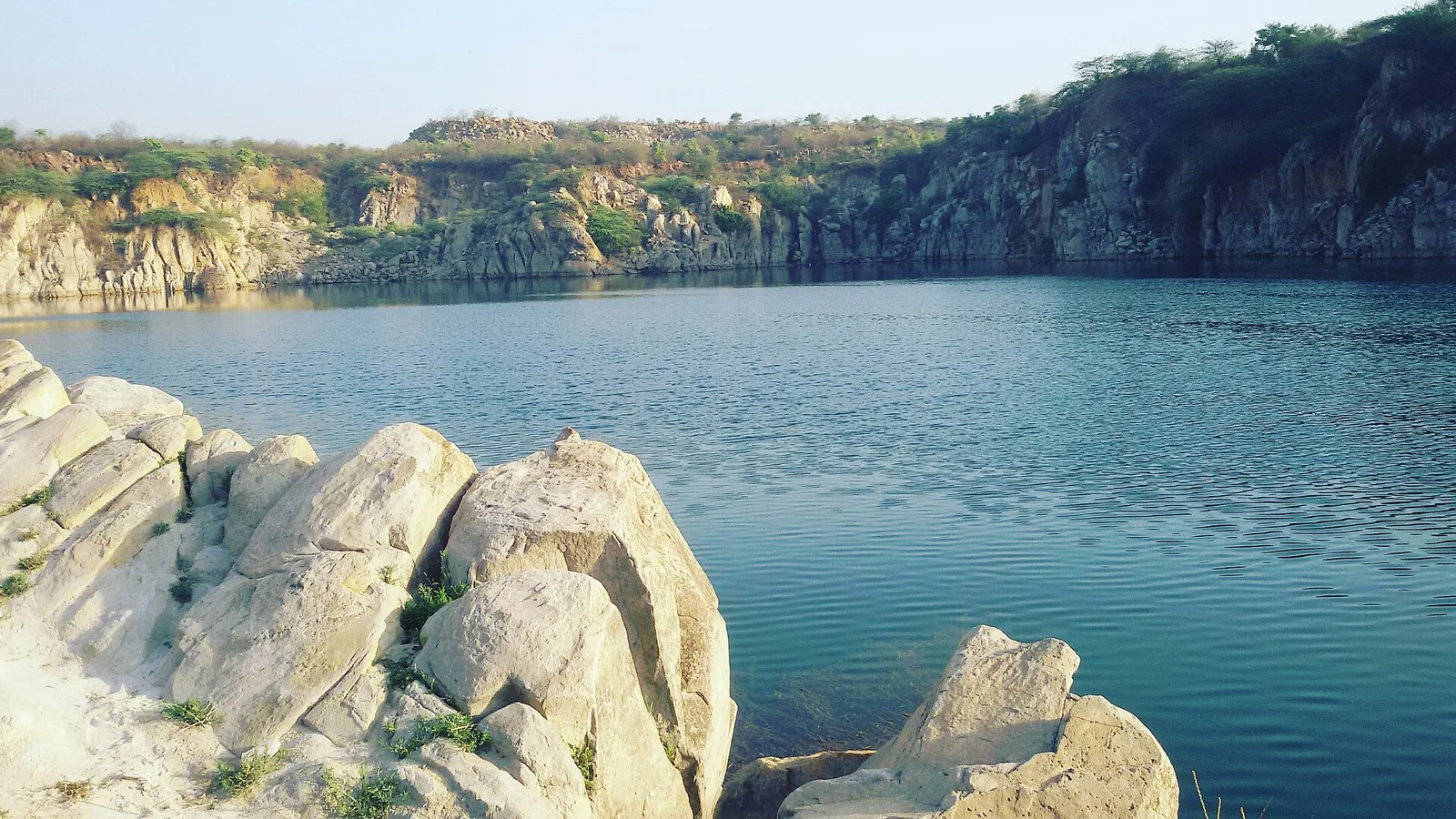
Surajkund, known for its historic reservoir setting and craft mela, is one of the district’s best-known visitor sites; access and event arrangements vary. In Ballabgarh, Raja Nahar Singh Palace offers a heritage stop, subject to current opening and conservation arrangements. Anangpur Dam is an old stone structure in the Aravalli landscape; check local access and conditions before visiting. Badkhal Lake is another familiar local name, but water levels, facilities and visitor access can change, so verify its present condition rather than assuming it is a functioning lake destination. These places are best combined selectively after checking road conditions and travel time.
For couples, Faridabad rewards a slow pace: arrive early for soft light and fewer crowds, share a local meal and keep the evening free. Public displays of affection can be frowned upon in conservative communities and at religious sites, so be discreet. A homestay or a small heritage hotel can make the trip memorable — confirm privacy, hot water and transport back. Keep a buffer in your itinerary, because weather and traffic can delay plans in Haryana.
Q: How much time should I allow for Faridabad? A: A half day can cover a market and one nearby stop; allow a full day if visiting more than one attraction or attending an event. Q: When is a comfortable season to visit? A: October to March is generally more comfortable. Summer can be very hot, and monsoon weather may affect road travel. Q: Is there an entry ticket for Faridabad? A: The city has no general entry ticket. Individual attractions and events may have their own entry rules and fees; confirm with the managing authority. Q: Is Faridabad suitable for children and older visitors? A: It can be, but traffic, heat, uneven pavements and site steps require planning. Choose fewer stops and check accessibility in advance. Q: Where can I stay nearby? A: Faridabad has accommodation options across the city. Choose a location convenient to your planned stops and confirm facilities and transport with the property.
Be the first to share photos, stories, advice or a helpful contact for Faridabad.
Loading…